What Makes a Stream a Blue-Ribbon Fishery in Wyoming
For anglers venturing into the vast and stunning landscapes of Wyoming, the term "Blue-Ribbon Fishery" is often whispered with reverence, hinting at prime waters teeming with fish. Yet, it's not always clear what truly earns a stream this coveted title, leading to confusion about where to focus your precious fishing time. This guide will demystify the criteria, explain the significance, and highlight some of Wyoming's most celebrated blue-ribbon waters, helping you plan your next unforgettable angling adventure.
Understanding the "Blue-Ribbon" Designation in Wyoming Fishing
When you hear a local angler or guide talk about a "blue-ribbon stream" in Wyoming, they're not just being poetic. This designation carries specific weight, implying a certain quality and standard that sets these waters apart. It’s a term that signifies excellence in trout fishing, rooted in biological and recreational value, and it’s something every serious angler should understand.
What "Blue-Ribbon" Actually Means
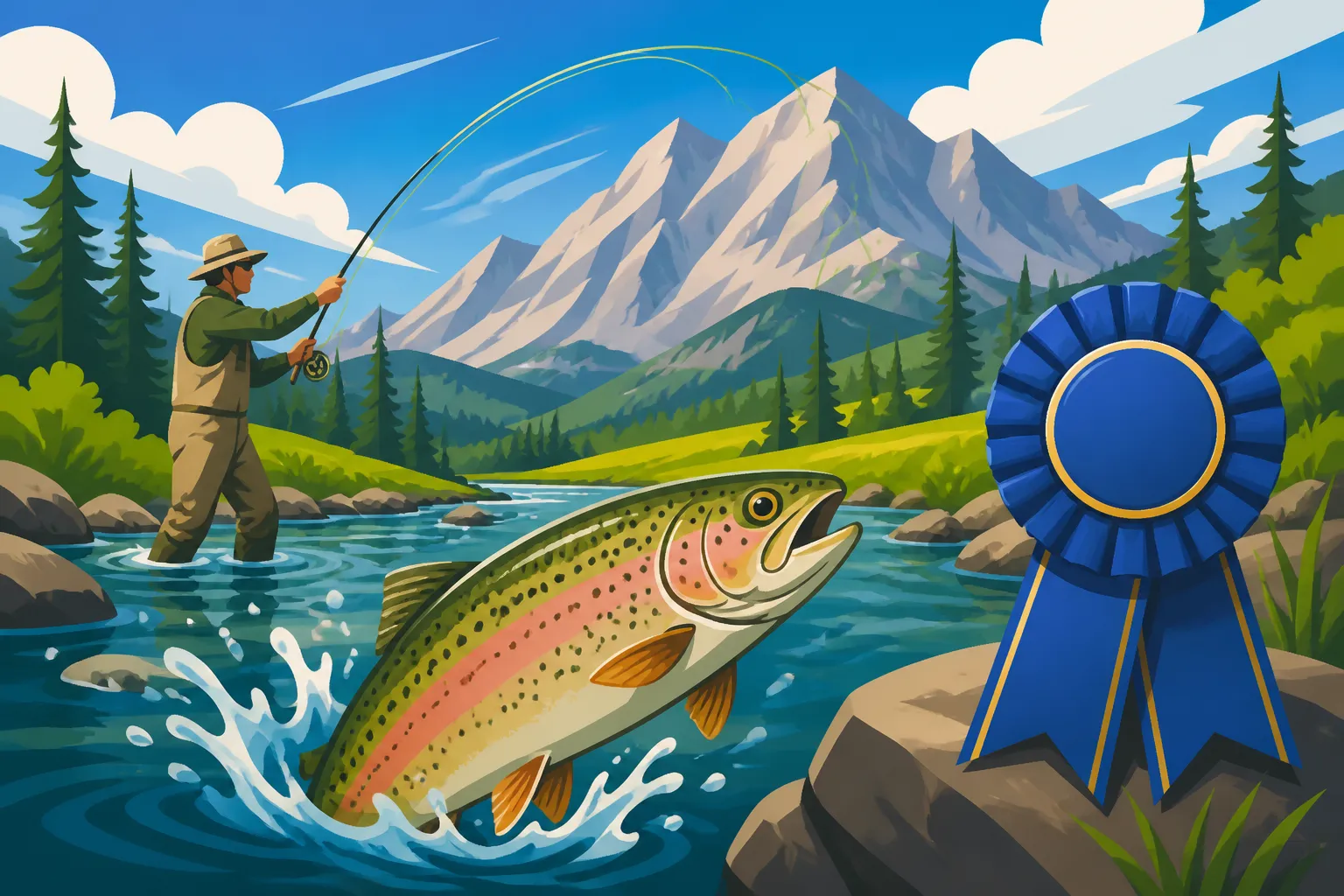
In Wyoming, a "blue-ribbon fishery" isn't just a casual compliment; it's a specific classification, primarily used by the Wyoming Game and Fish Department (WGFD), to identify waters of exceptional quality. These aren't just streams with some fish; they are truly outstanding. The criteria generally revolve around several key factors: robust fish populations, significant numbers of large fish (especially wild trout), excellent water quality and habitat, and often, reliable public access. It's about a holistic experience where the environment supports thriving aquatic life and provides a rewarding challenge for anglers.
Think of it this way: many streams across Wyoming hold fish, and some are pretty good. But a blue-ribbon stream is in a league of its own. It’s where the fish are abundant, often wild and wary, and present a true test of skill. The WGFD carefully assesses these waters, often conducting surveys that measure fish per mile, average size, and reproductive success to ensure the stream truly meets the stringent "blue-ribbon" standard. These aren't places you just "luck into" a big fish; these are places where the conditions consistently produce them.
Why This Designation Matters to Anglers
For those of us who spend countless hours chasing trout, knowing which waters hold the "blue-ribbon" title is incredibly valuable. It acts as a reliable indicator of where you're most likely to encounter a high-quality fishing experience. This isn't just about catching more fish, but often about catching bigger, healthier, and wilder fish that have thrived in superior conditions. It also points to waters where the habitat itself is often pristine, offering not just great fishing but also stunning natural beauty, which is a huge part of the Wyoming angling appeal.
Moreover, the "blue-ribbon" status often highlights areas where conservation efforts are particularly strong. These waters are typically well-managed, protected from degradation, and receive focused attention to maintain their ecological integrity. This means that when you're fishing a blue-ribbon stream, you're not just enjoying a fantastic day on the water, but you're also experiencing the fruits of dedicated stewardship. It also helps manage expectations; if a river is famous for its blue-ribbon status, you know it's worth the drive, the early morning, and the potential crowds, because the reward is genuinely there. Sometimes, even finding a quality guide is easier for these renowned spots, as many professionals listed on platforms like FishingBooker specifically advertise trips to these storied waters.
The Strict Criteria for a Blue-Ribbon Stream
Achieving "blue-ribbon" status in Wyoming isn't just handed out; it's earned through a combination of natural endowment and careful management. The WGFD looks at a comprehensive set of factors to determine if a stream truly qualifies, ensuring that the designation represents a consistently exceptional fishing opportunity. It's a rigorous process that takes into account everything from the bedrock to the bug life.
Habitat Quality and Water Chemistry
At the heart of any blue-ribbon fishery is impeccable habitat and water quality. Trout, especially wild trout, are incredibly sensitive to their environment. A blue-ribbon stream will typically feature consistent cold water temperatures, even through the summer, which is crucial for trout survival and growth. This often comes from snowmelt, spring feeds, or deep reservoir releases, ensuring a stable thermal regime. The streambed itself is usually diverse, with a healthy mix of gravel for spawning, large rocks for cover, and deep pools that offer refuge from predators and strong currents.
Beyond the physical structure, the water chemistry must be excellent. This means low levels of pollution, appropriate pH, and high dissolved oxygen. Healthy riparian zones, with native vegetation along the banks, are vital as they provide shade, prevent erosion, filter runoff, and contribute terrestrial insects as a food source. Without this foundational ecological health, a stream simply cannot support the robust populations of large, wild fish necessary for a blue-ribbon designation. It's a complex web of factors that must be in perfect balance. You can often tell the health of a stream by how clear the water is, and how vibrant the surrounding ecosystem appears. Understanding How to Read Water When Trout Fishing becomes even more rewarding in such pristine environments.
Fish Population Density and Species Diversity
Perhaps the most tangible measure for anglers, blue-ribbon streams boast exceptional fish populations. This doesn't just mean a lot of small fish, but a healthy density of quality fish, often including a significant proportion of larger, trophy-sized specimens. For trout streams, this typically means a high number of trout per mile, with a good percentage exceeding a certain length—say, 16 inches or more for brown and rainbow trout, or perhaps slightly smaller for native cutthroat subspecies. The ability for these fish to naturally reproduce is also a huge factor; wild, self-sustaining populations are preferred over those heavily reliant on stocking.
While some blue-ribbon streams might be famous for a single species, like the native Yellowstone Cutthroat Trout, many also offer a healthy diversity, showcasing brown trout, rainbow trout, and even brook trout in different sections. The presence of strong year classes, indicating consistent spawning success, is a hallmark of these fisheries. This high density and quality of fish mean that anglers have a legitimate chance at a memorable catch, providing the thrilling challenge that draws so many to Wyoming's waters. It's a testament to the fact that not only can fish survive here, but they can truly thrive.
Public Access and Angler Experience
While not strictly a biological criterion, accessible public land and a quality angler experience are often considered in the broader context of a blue-ribbon fishery's value. What good is an incredible fishing stream if no one can legally or easily access it? Wyoming benefits from vast tracts of public lands, including National Forests, BLM lands, and state lands, which often provide excellent access to prime fishing waters. The WGFD also actively works to secure public easements along private lands to ensure anglers can reach these special places.
The "angler experience" also encompasses factors like the aesthetic value of the surroundings, the relative solitude (though popular blue-ribbon waters can get crowded), and the overall sense of wildness. A truly blue-ribbon experience isn't just about catching fish; it's about being immersed in a spectacular natural setting. While not every blue-ribbon stream is a wilderness trek, the best ones offer a sense of escape and connection to nature that elevates the fishing beyond merely a sport. If you're looking for public access, learning Where to Find Public Fishing Easements in Wyoming is key to unlocking these prime spots.
Examples of Wyoming's Premier Blue-Ribbon Fisheries
Wyoming is blessed with an abundance of outstanding fishing waters, and many have earned the coveted blue-ribbon designation. These streams and rivers are often legendary among anglers, drawing visitors from across the globe keen to experience their exceptional quality. Knowing some of these iconic names can help you focus your trip planning.
Iconic Rivers and Their Unique Qualities
When we talk about Wyoming's blue-ribbon rivers, a few names immediately come to mind, each with its own distinct character and angling opportunities.
-
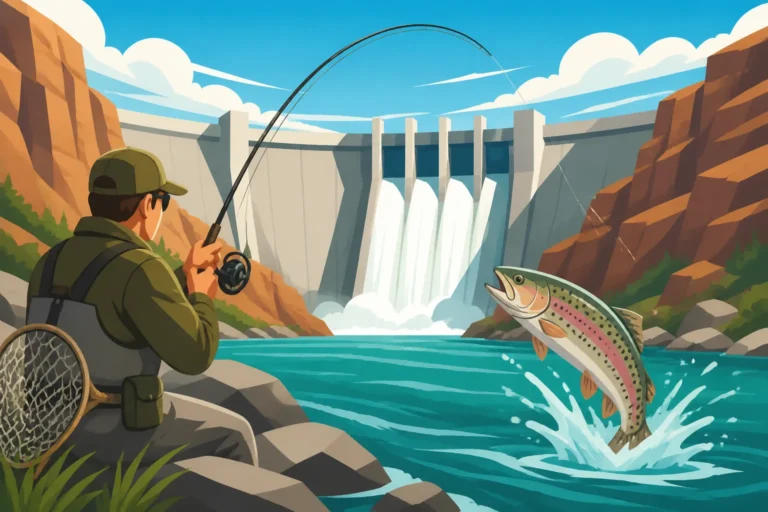
The North Platte River: Particularly the sections below Alcova Reservoir, including the famous "Miracle Mile" and "Gray Reef" areas, are quintessential blue-ribbon fisheries. What makes the Wyoming's North Platte River Fishing Guide so special? It's the sheer number of large, wild brown and rainbow trout. The tailwater effect from the dam provides consistent cold water and a nutrient-rich environment, leading to phenomenal insect hatches and incredibly fat, strong fish. Anglers here can expect to catch multiple trout over 18 inches in a single day, often using technical nymphing or dry fly techniques, depending on the season. The wide, braided channels and diverse structure offer endless opportunities for wading and floating alike, making it a dream destination for many.
-
The Snake River: Flowing through the stunning Jackson Hole valley and Grand Teton National Park, the Snake River is renowned for its native Snake River Fine-Spotted Cutthroat Trout. This river truly embodies the wildness of Wyoming. While the fish might not reach the massive sizes of some North Platte browns, their aggressive takes and beautiful spotted patterns make them a prized catch. The Snake is primarily a float-fishing river, with guides and outfitters navigating its currents, but there are also numerous public access points for wading. The river's health is a testament to strong conservation efforts, preserving a unique genetic strain of trout. Its incredible scenery, with views of the Teton Range, only enhances the blue-ribbon experience.
-
The Green River: Below Fontenelle Dam, this section of the Green River offers another fantastic blue-ribbon tailwater fishery. Similar to the North Platte, the consistent cold water and rich aquatic insect life support a robust population of large rainbow and brown trout. It's a slightly less crowded alternative to some of the more famous spots, offering excellent wade fishing opportunities and incredible dry fly action during certain hatches. The Green's rugged landscape adds to its appeal, providing a truly wild west fishing experience.
Lesser-Known Gems and What Makes Them Special
While the big-name rivers draw a lot of attention, Wyoming also has numerous smaller streams and tributaries that qualify as blue-ribbon gems, often providing a more intimate and less crowded experience. These waters might require a bit more exploration, but the reward is often worth the effort.
-
Specific Tributaries to Major Rivers: Many smaller streams that feed into rivers like the North Platte, Snake, or Green, or even the Yellowstone and Wind Rivers, can hold exceptional populations of trout. These often flow through public lands or designated wilderness areas, requiring a hike or a bit of off-the-beaten-path travel. What makes them special is their wildness, often boasting entirely wild, native trout populations that see less angling pressure. These are often the places where you can truly feel like you've discovered a secret spot, with eager fish and pristine surroundings. While they might not be on every FishingBooker guide's list, they offer a genuine slice of Wyoming's fishing heritage.
-
Sections of the Wind River and Bighorn River: These rivers, particularly their trout sections, are also recognized for their incredible fisheries. The Wind River, as it flows through the Wind River Reservation, requires special tribal permits, but certain sections outside the reservation offer phenomenal trout fishing. The Bighorn, while often overshadowed by its Montana section, has impressive stretches within Wyoming that support healthy populations of brown and rainbow trout. These rivers often provide a different character of fishing, sometimes with more diverse landscapes and opportunities for different techniques, including streamer fishing for larger browns.
-
High-Altitude Mountain Lakes and Streams: While not "streams" in the traditional sense, many of Wyoming's high-alpine lakes and the small streams feeding them, particularly in the Wind River Range or the Absaroka-Beartooth Wilderness, achieve blue-ribbon status for their populations of golden trout, cutthroat, and brook trout. These waters are characterized by their extreme remoteness, crystal-clear water, and the incredible challenge of reaching them. The fish here are often wild, colorful, and aggressive, making the strenuous hike an unforgettable adventure. These aren't just fishing spots; they're destinations for true wilderness enthusiasts. Learning How to Fish Wyoming's High-Alpine Lakes can lead to some truly unique blue-ribbon experiences.
The Role of Conservation in Maintaining Blue-Ribbon Status
The "blue-ribbon" status of Wyoming's fisheries isn't a static achievement; it's a dynamic state that requires continuous effort and commitment. Both state agencies and individual anglers play crucial roles in preserving these precious resources for future generations. Without dedicated conservation, even the best fisheries can decline.
Protecting Habitat and Water Quality
The Wyoming Game and Fish Department, along with various conservation groups, continuously monitors and works to protect the habitat and water quality of these blue-ribbon streams. This involves a range of activities:
- Riparian Restoration: Projects to stabilize banks, plant native vegetation, and improve shading, all of which contribute to healthier aquatic ecosystems.
- Water Management: Working with landowners and water users to ensure adequate instream flows, especially during critical times for fish, and advocating for responsible water use. This is particularly vital when considering Fishing Wyoming's Runoff Season and how it impacts water levels and quality.
- Pollution Prevention: Monitoring for potential sources of pollution from agriculture, industry, or urban development, and implementing measures to mitigate their impact.
- Invasive Species Management: Actively combating the introduction and spread of invasive aquatic species (like whirling disease or New Zealand mudsnails) that can devastate native fish populations and alter habitats.
These efforts are ongoing and essential. They are the unseen work that allows the fish populations to thrive and the ecosystems to remain resilient against environmental pressures. Without this vigilant stewardship, the very qualities that define a blue-ribbon stream could quickly erode.
Responsible Angling and Future Sustainability
While agencies and organizations do the heavy lifting in terms of habitat, individual anglers bear a significant responsibility in maintaining the health of blue-ribbon fisheries. Our actions on the water directly impact the sustainability of these special places.
- Adherence to Regulations: Always knowing and strictly following Wyoming Fishing Regulations Every Angler Should Know is paramount. This includes understanding bag and possession limits, tackle restrictions, and season dates. Many blue-ribbon waters have specific, often more restrictive, regulations to protect their unique fish populations, such as catch-and-release only sections or limits on hook type (e.g., barbless hooks).
- Catch and Release Best Practices: On many blue-ribbon waters, especially those with wild trout, catch-and-release is either encouraged or mandated. Practicing Catch-and-Release Best Practices for Trout is critical to minimize stress and mortality for released fish. This means handling fish gently with wet hands, keeping them in the water as much as possible, and using appropriate tools for quick hook removal.
- Preventing Invasive Species Spread: Anglers are on the front lines of preventing aquatic invasive species (AIS). Always "Clean, Drain, Dry" your boats, waders, and gear before moving between different water bodies. This simple act is incredibly effective in stopping the spread of devastating non-native organisms.
- Leave No Trace Principles: Pack out everything you pack in, and perhaps even more. Picking up discarded line or trash not only keeps the environment pristine but also protects wildlife. Maintaining the natural beauty of these blue-ribbon streams enhances the experience for everyone.
By understanding what makes a stream a blue-ribbon fishery and committing to responsible angling, we can all contribute to the long-term health and vitality of these incredible Wyoming resources. After all, the joy of fishing these special waters comes with the responsibility of protecting them. Reputable outfitters and guides found on platforms like FishingBooker often emphasize these best practices to ensure their clients contribute positively to conservation.
| Criterion | Description | Why it Matters for Blue-Ribbon Status |
|---|---|---|
| Water Quality & Temperature | Cold, clean, oxygen-rich water; minimal pollution; stable flow regimes. | Essential for trout survival, growth, and reproduction; indicators of a healthy ecosystem. |
| Habitat Diversity | Abundant riffles, runs, deep pools, undercut banks, woody debris; healthy riparian zones. | Provides shelter, feeding lanes, spawning grounds, and insect production; supports complex food webs. |
| Fish Population Density | High numbers of fish per mile; strong year classes; robust natural reproduction. | Ensures consistent angling success and resilience against environmental changes; signals a thriving fish community. |
| Fish Size & Health | Significant proportion of large, trophy-sized fish; healthy, well-fed individuals. | Attracts anglers seeking challenging and rewarding catches; indicates ample food resources and minimal stress. |
| Species Composition | Presence of wild, native trout (e.g., cutthroat); balance of desirable game species. | Preserves genetic integrity; offers unique angling experiences; supports ecological balance. |
| Angler Access | Reasonable public access points for wading or floating; opportunities for diverse angling experiences. | Allows more anglers to enjoy the resource; helps distribute pressure; often supports a local fishing economy. |
| Management & Conservation | Active WGFD management; effective regulations; community involvement in conservation efforts. | Protects the fishery from degradation; ensures long-term sustainability; adapts to changing conditions. |
Disclaimer
The information provided in this guide is for general informational purposes only and is subject to change. Fishing regulations, season dates, and specific water conditions can vary greatly and are updated regularly by the Wyoming Game and Fish Department. Always consult the most current official Wyoming fishing regulations booklet or the WGFD website before heading out on any fishing trip.