Is Wading Allowed on the Miracle Mile?
It's a question that echoes across the rocky banks and swift currents of one of Wyoming's most legendary fisheries: Can you actually wade the Miracle Mile? Many anglers, eager to get their boots wet and feel the pulse of the river firsthand, often find themselves scratching their heads, wading through conflicting information or simply unsure of the precise rules. This guide is here to clear the waters, delving deep into the allowances, restrictions, and responsible practices for wading this famed stretch of the North Platte River.
The Foundation: Wading Rights on Wyoming's Miracle Mile
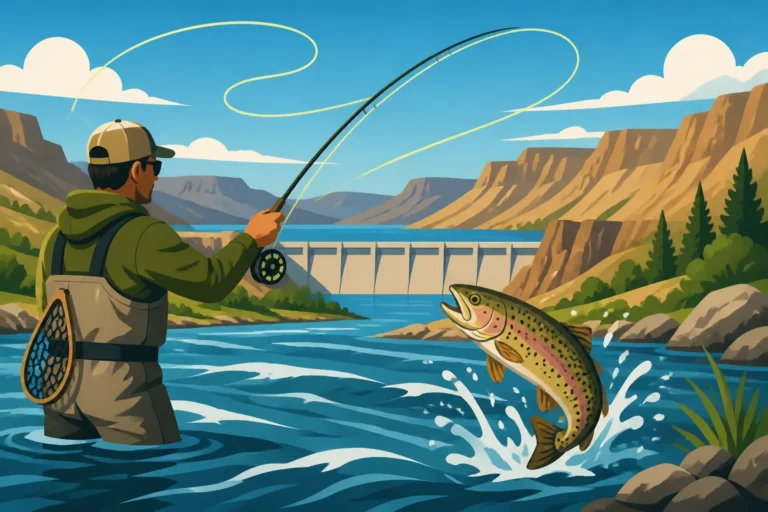
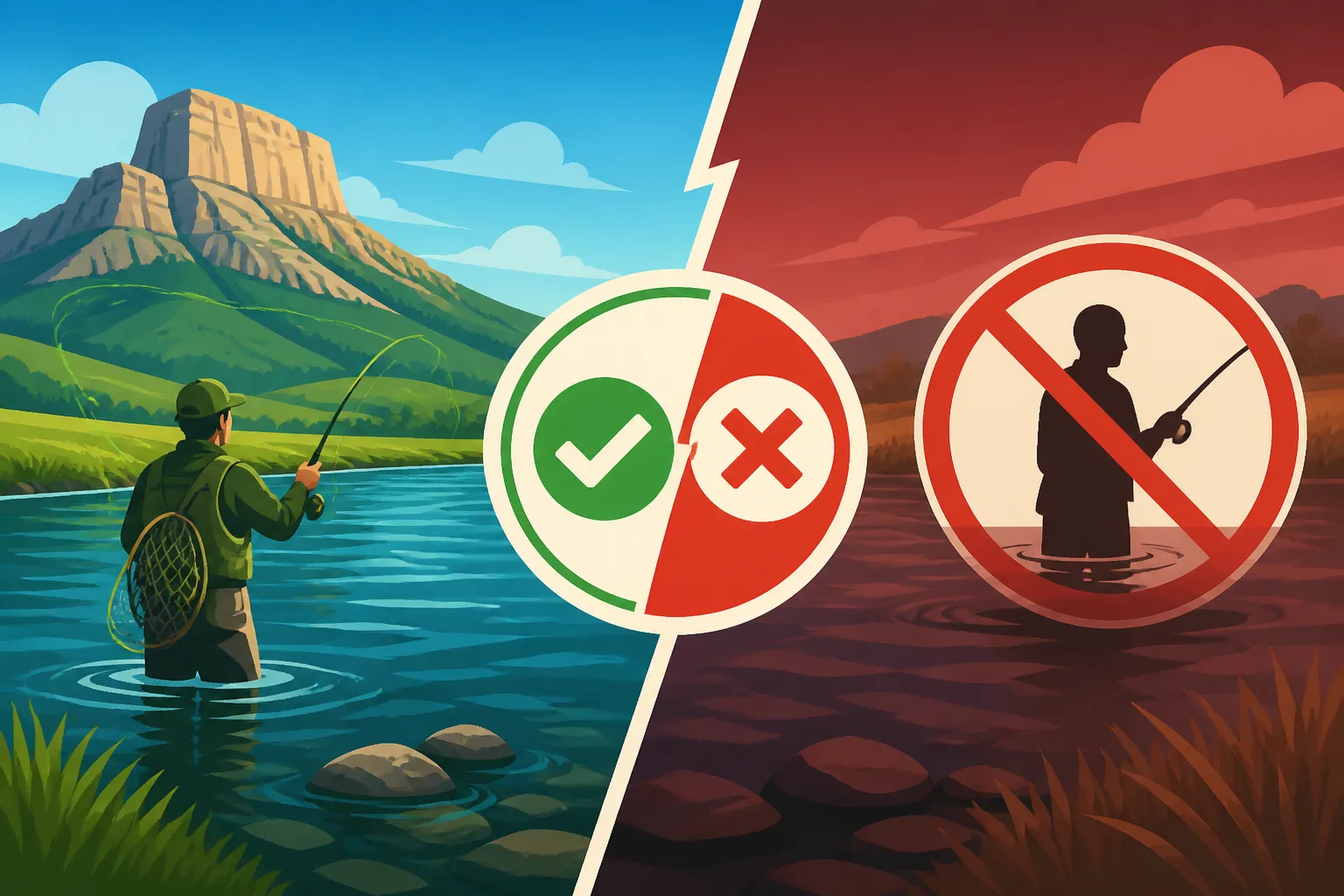
The Miracle Mile, nestled between Seminoe and Pathfinder reservoirs, is renowned for its prolific trout fishery, attracting anglers from all over. The good news is that, for the most part, wading is absolutely allowed and is a fantastic way to experience this incredible river. However, like much of Wyoming's exceptional fishing, it comes with specific nuances that every responsible angler needs to understand. It's not a simple yes or no answer; it's about knowing where and how to wade legally and ethically.
Understanding Public Access and Easements
The vast majority of the Miracle Mile is publicly accessible, often managed by the Bureau of Land Management (BLM). This means that where public land borders the river, you have the right to access and wade. Wyoming, thankfully, has strong public access laws that benefit anglers. Many of the designated access points, like those found at the official parking areas, will lead you directly to these public stretches. You’ll often see signs indicating BLM land or areas managed by the Wyoming Game and Fish Department.
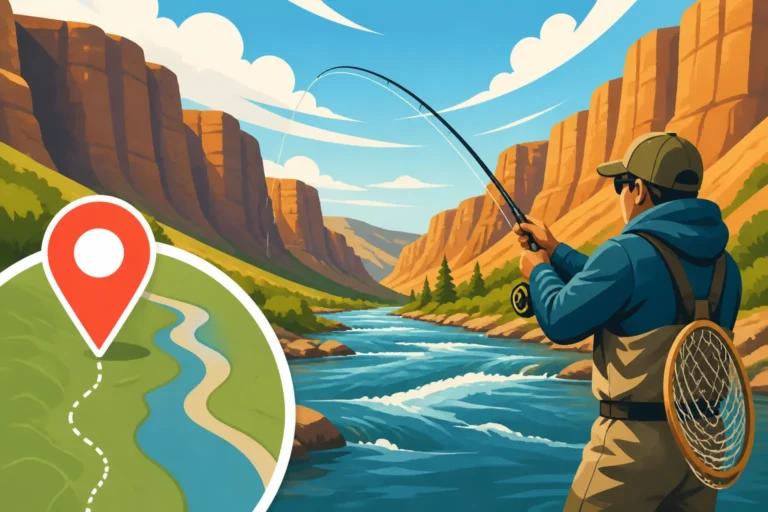
The key here is understanding the concept of an "easement." While not always explicitly marked along every single foot of the river, public fishing easements often dictate where anglers can legally traverse private land to reach the stream or river itself. On the Miracle Mile, the primary access is often via publicly owned land. Always refer to detailed maps, such as those provided by Wyoming Game and Fish, to confirm land ownership and public access points. These maps are invaluable for navigating complex areas and ensuring you're not inadvertently trespassing. Many local fly shops also have detailed, up-to-date information on access points and any temporary changes. If you're planning a trip and want to pinpoint the best wading spots, you might consider booking a local guide through platforms like FishingBooker, as they have intimate knowledge of the river's access points and current conditions. Knowing the difference between public and private land is crucial, as fines for trespassing can be significant. For a broader understanding, check out our comprehensive guide on Wyoming Fishing Regulations Every Angler Should Know.
Navigating Private Property Boundaries
While much of the Miracle Mile is public, there are certainly pockets of private land, and respecting these boundaries is paramount. You cannot wade onto or across private land without explicit permission from the landowner. The river itself, including the streambed up to the ordinary high-water mark, is generally considered public for fishing purposes. However, the land above that high-water mark, where you might walk to bypass a deep pool or rig up your line, could be private.
It's your responsibility as an angler to know where you stand. This means studying land ownership maps before you go. Apps like OnX Hunt or physical BLM maps are excellent resources. Look for visual cues too, such as fences, signs, or changes in vegetation that might indicate a boundary. If there's any doubt, err on the side of caution and avoid the area. Trust me, getting into a confrontation with a landowner is not how you want to spend your precious fishing time. It's also vital to understand that simply being in the water doesn't give you the right to climb out onto private property to avoid an obstacle or take a break. Staying within the defined public easements and publicly owned land is not just a matter of law, but also of courtesy and ensuring continued good relations between anglers and landowners. Disregarding these boundaries can lead to unpleasant encounters and even legal consequences, damaging the reputation of all anglers.
Situations Where Wading Might Be Limited or Prohibited
While the general rule is "yes, you can wade," there are indeed specific circumstances or localized conditions where wading might be restricted or become significantly more challenging and even unsafe. It's not always about a hard-and-fast legal prohibition, but rather understanding dynamic river conditions and conservation efforts.
Specific Closures and Conservation Concerns
Occasionally, the Wyoming Game and Fish Department may implement temporary or permanent closures or restrictions on certain sections of the Miracle Mile. These are usually put in place for very good reasons, often related to fish conservation, especially during spawning seasons or when fish populations are particularly vulnerable. For example, during the fall spawn, specific brown trout spawning beds might be designated as no-wading zones to protect future generations of fish. These closures are not arbitrary; they are carefully considered to maintain the health and vitality of the fishery that we all love.
It's your responsibility to stay informed. Always check the current Wyoming fishing regulations booklet for the most up-to-date information. Regulations can change annually, and sometimes even in-season emergency closures can occur due to events like low water levels, high water temperatures, or disease outbreaks. These in-season changes are typically announced by Wyoming Game and Fish through their website and local media. Ignoring these closures can result in significant fines and penalties. Understanding Wyoming Fishing Seasons and Water-Specific Closures will give you a better grasp of when and why these restrictions might apply. Moreover, some specific areas, though not wading-prohibited, may have stricter rules like barbless hook requirements, which further emphasize the delicate nature of these waters.
The Role of River Flows and Safety
Beyond explicit regulations, river conditions themselves can impose a natural "no wading" rule simply for your safety. The North Platte, especially through the Miracle Mile, can experience significant fluctuations in flow, particularly with releases from upstream reservoirs. High flows can turn a normally wadeable section into a dangerous, swift-moving torrent. What might have been waist-deep last week could be over your head and impossible to navigate this week.
Before you even consider wading, it is absolutely essential to check the current river flow data. Resources like the USGS water data website or local fly shop reports are invaluable. A flow rate that's comfortable for one angler might be intimidating for another, so always assess your own skill level and comfort with the current conditions. Wading in high, swift water can lead to falls, injuries, and even drowning. Rocks can be extremely slippery, and the current can easily sweep you off your feet. Don't let the excitement of fishing override common sense and safety. If the water looks too high, too fast, or too murky to safely see the bottom, it's always best to stick to bank fishing or come back another day. The river isn't going anywhere, and your safety is far more important than any fish.
Here's a quick reference for common wading scenarios on the Miracle Mile:
| Scenario | Legality of Wading | Key Considerations |
|---|---|---|
| Public Land (BLM, State) | Generally ALLOWED | Stay within public boundaries, check for specific closures. |
| Private Land with Easement | Generally ALLOWED within the easement footprint | Respect private property outside the easement; avoid littering. |
| Private Land (No Easement) | PROHIBITED without landowner permission | Absolutely no wading or bank access. |
| Designated Spawning Grounds | Often PROHIBITED during specific seasons | Check current regulations; respect conservation efforts. |
| High Water/Swift Current | Physically DANGEROUS & generally discouraged | Check river flows, assess personal safety. |
| Yellowstone National Park | Different rules apply | Fishing Rules Inside Yellowstone National Park are separate. |
Practical Advice for a Responsible Wading Experience
Being a responsible angler on the Miracle Mile goes beyond just knowing the rules; it's about adopting practices that ensure your safety, protect the fishery, and show respect for other anglers and the environment. Wading is an intimate way to experience the river, but it requires mindful engagement.
Essential Gear and Safety Practices
Before you even step into the Miracle Mile's currents, make sure you have the right gear. Quality waders that fit well are a must, whether they're breathable chest waders for warmer weather or neoprene for colder conditions. Beneath those, layers are your friend, as Wyoming weather can change on a dime. More importantly, investing in a good pair of studded or felt-soled wading boots is absolutely critical. The North Platte's riverbed can be notoriously slick, filled with algae-covered rocks that can send you tumbling in an instant. Studs or felt provide essential traction and can prevent a painful fall.
Beyond traction, always, always use a wading staff. This isn't just for old-timers; a wading staff provides a crucial third point of contact with the riverbed, helping you maintain balance and probe unknown depths before committing your weight. It's a literal lifesaver. Carry it strapped to your vest or pack for easy deployment. If you're wading in deeper or swifter currents, a wading belt on your waders is non-negotiable. If you fall, it can help prevent your waders from filling completely with water, which can be incredibly disorienting and dangerous. Finally, always let someone know where you're going and when you expect to be back, especially if you're fishing alone. Cell service can be spotty in some remote sections of the Miracle Mile. Knowing What to Wear Ice Fishing in Wyoming can even give you ideas for cold-weather wading, proving that preparation is key year-round.
Angler Etiquette and Minimizing Your Impact
Wading can be an immersive experience, but it also means you're directly interacting with the river environment and potentially impacting other anglers. Always practice good angler etiquette. When you see another angler fishing a stretch, give them plenty of space. "Crowding" is a common complaint, especially on popular waters like the Miracle Mile. A general rule of thumb is to give at least a cast-length or two of space between yourself and the next angler, both upstream and downstream. If you’re coming up behind someone, consider asking if you can pass or fish below them. Respect their peace and their water. If you are ever unsure about river conditions or specific access, local outfitters or experienced guides, who you can often find listed on FishingBooker, are excellent resources. They can provide valuable, real-time insights and often specialize in ethical and sustainable fishing practices.
Furthermore, wading itself can disturb the riverbed. Try to shuffle your feet as little as possible to avoid kicking up silt and dislodging aquatic insects, which are the food source for the trout. Be mindful of where you step, especially if you suspect there might be fish eggs (redds) on the bottom, often visible as clean, gravelly depressions. During spawning season, it's best to avoid wading through these areas entirely to protect the next generation of fish. Practice strict catch-and-release, especially for larger, wild trout, and handle fish gently with wet hands, keeping them in the water as much as possible. Learn about Catch-and-Release Rules on Wyoming Waters to ensure you're giving those magnificent fish the best chance of survival. Always pack out everything you pack in – and if you see any trash left by others, consider packing that out too. Leave no trace, and help preserve the wild beauty of the Miracle Mile for everyone.
Disclaimer
Please note that fishing regulations and access information can change. Always consult the most current Wyoming Game and Fish Department regulations before heading out on your fishing trip. This guide provides general information and should not be considered a substitute for official regulations.