Is Smallmouth Bass Fishing Good at Flaming Gorge?
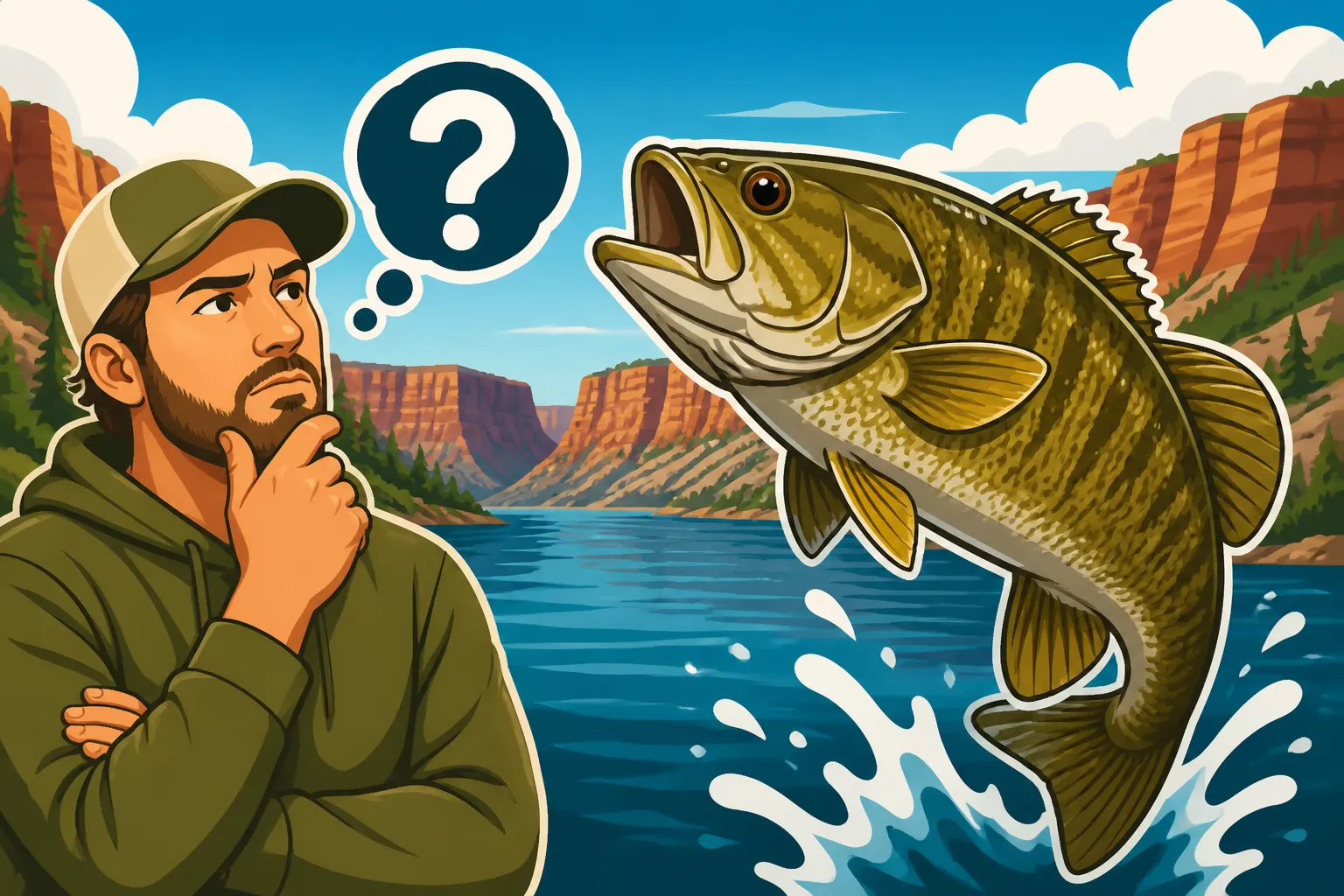
You're wondering if smallmouth bass fishing is any good at Flaming Gorge Reservoir, aren't you? It’s a common question, especially for those of us who cherish the aggressive fight of a bronzeback but aren't sure what to expect from such a vast, trout-dominant fishery in Wyoming. Well, let me tell you, the answer is a resounding yes, and then some! Flaming Gorge offers some truly exceptional smallmouth opportunities that often fly under the radar. This comprehensive guide will dive deep into everything you need to know to successfully target these feisty fish in this incredible high-desert gem.
Why Flaming Gorge is a Smallmouth Bass Haven
Flaming Gorge, straddling the Wyoming and Utah border, is perhaps best known for its monster lake trout and incredible kokanee salmon. However, beneath the surface of its stunning red cliffs and clear blue waters, a thriving smallmouth bass population has quietly established itself, offering incredible action for those in the know. These aren't your typical pond bass; the smallmouth here are hard-fighting, healthy, and often surprisingly large, making them a fantastic target for anglers seeking a different kind of challenge.
The Unique Habitat of Flaming Gorge
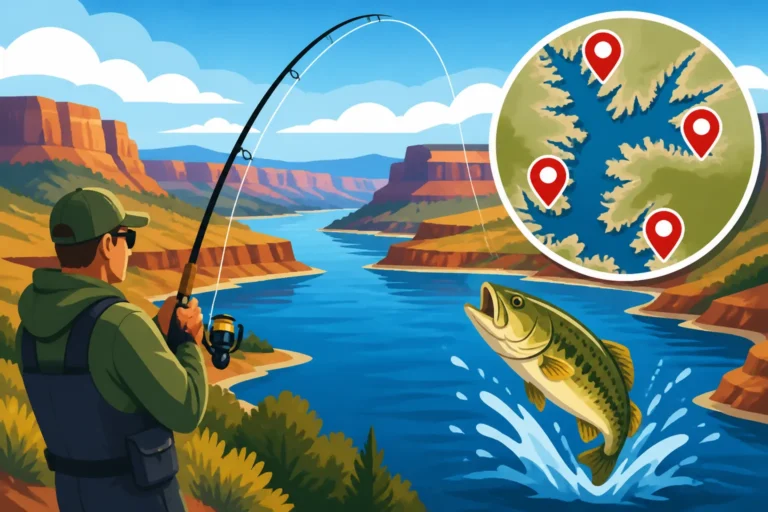
The sheer size and varied topography of Flaming Gorge Reservoir create an ideal environment for smallmouth bass. Unlike many reservoirs carved out of flatter landscapes, Flaming Gorge is essentially a flooded canyon system. This means it's absolutely packed with the kind of rocky structure that smallmouth adore: sheer cliff faces, massive submerged boulders, deep rock ledges, points, and endless broken rock rubble. These features provide countless ambush points and sheltered areas for bass to hunt and hide. The water itself is remarkably clear, which also plays a significant role in how these fish behave and how you need to approach catching them. They thrive in these conditions, using the rocky terrain to their advantage, whether they're spawning in shallow pockets or retreating to deeper ledges during the heat of summer.
Forage Base Supporting Healthy Populations
A healthy fishery always comes down to a robust food chain, and Flaming Gorge delivers for its smallmouth bass. While their diet can include smaller baitfish, the cornerstone of the smallmouth diet in Flaming Gorge is undoubtedly crayfish. These freshwater crustaceans are abundant throughout the rocky bottom structure of the reservoir, providing a high-protein, readily available food source that allows smallmouth to grow quickly and maintain their fighting vigor. You'll often find bass with stomachs full of crayfish, a clear indicator of what they prefer to eat. Beyond crayfish, they'll opportunistically feed on sculpins, chub, and even juvenile kokanee or perch when available. Understanding their primary forage is key to selecting the right lures and presentations, allowing you to "match the hatch," so to speak, even if the "hatch" is a scuttling crustacean.
Water Conditions and Structure
The deep, clear, and relatively cold water of Flaming Gorge also contributes significantly to its smallmouth appeal. While smallmouth bass can tolerate warmer temperatures, they truly thrive in cooler, oxygen-rich environments, which the Gorge provides in abundance. This clear water means fish often rely heavily on sight, and anglers need to be mindful of line visibility and subtle presentations. The depths available are astounding, ranging from shallow rocky flats that warm up quickly in spring to deep main-channel ledges reaching hundreds of feet down. Smallmouth will utilize this entire vertical water column throughout the year, moving up and down to find their preferred temperature and forage. This dynamic makes understanding water temperature and how it affects bass behavior crucial. Additionally, features like submerged timber, old creek channels, and even human-made structures like old roads or foundations can hold significant numbers of fish, adding to the complexity and excitement of mapping out your fishing strategy on this vast body of water.
Prime Locations and Seasons for Smallmouth
Finding smallmouth bass at Flaming Gorge is less about blind luck and more about understanding their seasonal patterns and preferred haunts within this massive reservoir. The Gorge is big, stretching over 90 miles, so breaking it down into key areas and knowing when to hit them can make all the difference between a slow day and an epic one.
Where to Target Smallmouth at Flaming Gorge
Smallmouth bass are widely distributed throughout Flaming Gorge, but some areas consistently produce better than others due to their structure and forage availability. Generally, you'll want to focus on rocky points, steep ledges, broken rock rubble fields, and areas with submerged timber.
- The Lower Gorge (Wyoming side): This section, particularly areas like the Buckboard area, Antelope Flat, and the Sheep Creek Arm, are renowned smallmouth hotspots. These regions are characterized by numerous rocky coves, ledges, and steep drop-offs that provide excellent habitat. You’ll find classic smallmouth structure here, making it ideal for targeting them with a variety of techniques. Look for areas where old river channels meet rocky points or where submerged islands create current breaks.
- The Pipeline Area: Further south on the Wyoming side, the Pipeline area is another fantastic option, known for its deep rock walls and submerged shelves. This area can hold bigger smallmouth, especially as they move to deeper water in warmer months.
- Upper Reservoir: While the lower gorge is often favored, the upper sections of the reservoir, especially around the Green River inlet and other river mouths, can hold good numbers of smaller smallmouth, particularly in early spring or during periods of higher runoff when baitfish are concentrated. However, for sheer numbers and size, the mid to lower sections tend to be more consistent.
- Accessible Areas: Don't overlook the many public access points and boat ramps. Many of these locations, like Lucerne Marina or Buckboard Crossing, offer immediate access to prime smallmouth habitat right from shore or a short boat ride away. For a comprehensive overview of how to reach these spots, consult the best access points guide.
Best Times of Year for Active Smallmouth
Understanding the seasonal movements of smallmouth bass is critical to success. They are highly responsive to water temperature changes, dictating when and where they'll be most active.
- Spring (Late April to June): This is arguably the best time to target smallmouth at Flaming Gorge. As water temperatures climb into the 50s and 60s Fahrenheit, bass move into shallower, rocky coves and flats to spawn. They're aggressive, protecting their nests, and will readily strike a variety of lures. Look for water in the 55-65°F range. This period offers fantastic topwater action and sight fishing opportunities. However, remember to respect spawning fish and practice responsible angling.
- Summer (July to August): As the heat increases, smallmouth will retreat to deeper, cooler water. They'll often be found around main lake points, submerged humps, and ledges in 15-40 feet of water, especially during the brightest parts of the day. Early mornings, late evenings, and overcast days can still provide good shallow water bites, but the deeper bite becomes more consistent. Night fishing can also be surprisingly effective during the hottest months.
- Fall (September to October): Fall is another prime time for trophy smallmouth. As water temperatures begin to drop, bass start feeding heavily, gorging themselves in preparation for winter. They'll often move back to shallower depths (5-20 feet) during the day, particularly on sunny, rocky banks, but can be found deeper as well. This is a time for aggressive feeding and incredible catches, especially for larger fish.
- Winter (November to March): While less common, ice fishing for smallmouth is possible, though not usually the primary target. Smallmouth will be lethargic and hold tight to deep structure. A very slow presentation with jigs or spoons might entice a bite, but it requires patience.
Navigating Seasonal Changes
Fishing Flaming Gorge for smallmouth bass means being adaptable. Water levels can fluctuate throughout the year, especially with snowmelt and water releases, which can significantly alter the shoreline and submerged structure. A point that was fantastic in spring might be too shallow or exposed in late summer, forcing bass to move. Pay attention to changes in the reservoir's elevation; satellite imagery or current lake reports from sources like the Bureau of Reclamation can be invaluable.
Wind is another major factor on such a large body of water. Strong winds can make boat control challenging and muddy up certain areas, but they can also push baitfish, concentrating bass. Fishing the lee side of islands or points, or casting into the wind with heavier baits, can sometimes turn a challenging day into a productive one. Always check the weather forecast before heading out, especially for potential afternoon winds that can whip up quickly on the Gorge. Being prepared for varying conditions, from bright sun to sudden squalls, is just part of the Wyoming fishing experience.
Top Techniques and Lures for Flaming Gorge Smallmouth
Catching smallmouth bass at Flaming Gorge isn't just about finding them; it's about presenting the right lure with the right technique. These fish are powerful and intelligent, and adapting your approach to the conditions is key to consistent success. Forget one-trick pony fishing; a versatile tackle box and a willingness to experiment will serve you well here.
Effective Lure Presentations
The clear waters and rocky structure of Flaming Gorge demand specific lure choices and retrieval styles. Here’s a breakdown of some of the most effective options:
- Tube Jigs: If there's one lure synonymous with smallmouth bass fishing, it's the tube jig, and for good reason. It perfectly imitates a crayfish or a sculpin. Choose colors like green pumpkin, brown, or watermelon with flakes. Rig them on an internal jig head (1/8 to 1/4 ounce) for a natural, spiraling fall. Fish them by casting near rocky points, ledges, or submerged humps, letting them sink to the bottom, and then dragging or hopping them slowly. The key is to keep it subtle, mimicking a crayfish scurrying along the rocks.
- Jerkbaits: For aggressive smallmouth, especially in spring and fall when they're actively chasing bait, jerkbaits are killer. Suspending jerkbaits in natural baitfish patterns (silver, perch, ghost minnow) worked with a "twitch, twitch, pause" retrieve can elicit violent strikes. The pause is crucial, letting the bait hang tantalizingly in the clear water, irresistible to a curious bass. Brands like Rapala Husky Jerk or Lucky Craft Pointers are popular choices.
- Crankbaits and Lipless Crankbaits: Covering water efficiently is where crankbaits shine. Medium-diving crankbaits that mimic perch or crayfish are excellent for rocky flats and points. Lipless crankbaits, like a Rat-L-Trap or a Bill Lewis Rat-L-Trap, can be fantastic for quickly prospecting areas, especially when bass are schooled up. Vary your retrieve speed and incorporate pauses to trigger strikes.
- Topwater Lures: When conditions are right—calm mornings, evenings, or overcast days—topwater fishing for Flaming Gorge smallmouth is absolutely electric. Poppers, walk-the-dog baits (like Heddon Super Spook), and prop baits can draw explosive strikes. Cast them near shallow rocky banks or points and work them with erratic movements. The visual thrill of a smallmouth blowing up on a topwater lure is unparalleled.
- Ned Rigs and Finesse Worms: For pressured fish or when the bite is tough, finesse techniques like the Ned Rig are invaluable. A small mushroom-shaped jig head with a buoyant, short stick bait (like a Z-Man TRD) is incredibly effective. The lure stands up off the bottom, presenting an easy meal. Soft plastics like drop-shot worms or Yamamoto Senkos rigged wacky style are also fantastic for a slow, subtle approach, especially around boat docks or very precise rock structures.
- Swimbaits: Paddle-tail swimbaits on jig heads can be deadly when smallmouth are targeting minnows or other baitfish. Rig a 3-4 inch swimbait on a 1/8 to 3/8 ounce jig head and retrieve it with a steady, slow roll or a slight jigging motion near submerged structure.
Recommended Gear and Tackle
Having the right equipment ensures you can handle the powerful fight of a Flaming Gorge smallmouth and execute your chosen techniques effectively.
- Rods: A good all-around setup would include a 6'6" to 7' medium-light to medium power spinning rod for finesse presentations (Ned rigs, drop shots, light tubes) and a 6'8" to 7'2" medium to medium-heavy fast-action casting rod for jerkbaits, crankbaits, and heavier tube jigs. The faster action helps with sensitivity and hook sets in deeper water.
- Reels: For spinning setups, a 2500 or 3000 series reel is appropriate, spooled with 8-10 lb braided line and a 6-8 lb fluorocarbon leader. For casting setups, a quality baitcasting reel with a moderate gear ratio (6.X:1 to 7.X:1) spooled with 10-15 lb fluorocarbon or braided line with a fluorocarbon leader is ideal. Fluorocarbon is excellent for its low visibility in clear water and sensitivity.
- Line: As mentioned, braided line with a fluorocarbon leader is a popular choice for spinning reels due to its sensitivity and casting distance. For baitcasting, straight fluorocarbon is often preferred for its low stretch and abrasion resistance, especially when fishing around sharp rocks. The clear waters here necessitate keeping your leader length generous, typically 4-8 feet, to minimize spooking fish.
Advanced Tips for Tricky Bass
Even with the right gear and lures, smallmouth can be finicky. Here are a few advanced tips to put more fish in your boat:
- Go Finesse: When the bite is tough, scale down your line, use smaller baits, and slow down your retrieve. A light line and a subtle presentation often outperform aggressive tactics on highly pressured or lethargic fish.
- Read the Wind: As discussed, wind is a factor. Look for "wind-blown" points or banks where waves are crashing. This oxygenates the water and often pushes baitfish, attracting smallmouth. Conversely, in very strong winds, fishing the protected, calm sides can also be productive.
- Use Electronics: High-quality sonar, especially with side imaging and down imaging, can be a game-changer on Flaming Gorge. Smallmouth often relate to specific rock piles, ledges, or submerged features that are invisible from the surface. Learning to read your electronics to identify these structures will dramatically increase your success.
- Color Matters: While natural colors (green pumpkin, brown, watermelon) are always a safe bet, don't be afraid to experiment. Sometimes a chartreuse jig, a bright orange crankbait, or a purple tube will trigger strikes, especially on darker days or in deeper water.
- Hire a Guide: If you're new to the Gorge or want to accelerate your learning curve, consider hiring a local guide. Many professional guides, often found through services like FishingBooker, specialize in smallmouth and can teach you the nuances of this specific fishery. They know the current patterns, the hotspots, and the precise techniques needed for a successful trip, offering invaluable local knowledge. In fact, many anglers specifically seek out guided trips for their first time to get the lay of the land.
Understanding Regulations and Conservation
Fishing at Flaming Gorge is an incredible experience, but it comes with the responsibility of understanding and adhering to the regulations set forth by the Wyoming Game and Fish Department and the Utah Division of Wildlife Resources. Since the reservoir spans both states, it's crucial to know which state's regulations apply to your fishing location, though a reciprocal agreement simplifies things somewhat. Always check the most current regulations booklet before heading out.
Wyoming's Smallmouth Bass Rules
Generally, smallmouth bass are considered a game fish in Wyoming, and specific regulations apply to their harvest. Unlike some fisheries where bass populations are managed with restrictive slot limits, Flaming Gorge smallmouth have historically been managed with more liberal harvest limits. This is sometimes due to management goals aimed at reducing predation on other species or maintaining a healthy balance within the ecosystem.
- License Requirements: You'll need a valid Wyoming fishing license to fish on the Wyoming side of Flaming Gorge. For non-residents, options range from a daily to an annual license. You can find detailed information in the nonresident license guide or resident vs nonresident rules. If you plan to fish both sides, you'll need to understand the reciprocal agreement or purchase licenses for both states.
- Bag and Possession Limits: Smallmouth bass, like other game fish, have specific daily bag and possession limits. These numbers can change, so always refer to the most recent regulations booklet. Typically, smallmouth limits are quite generous to encourage harvest, which can help prevent overpopulation and allow for larger growth in the remaining fish. For example, it's not uncommon to see a limit that allows for a good number of fish per day, helping to manage their numbers. It’s important to understand the difference between daily and possession limits to stay compliant, especially if you're on a multi-day trip.
- Special Regulations: While statewide regulations apply, always double-check for any water-specific regulations pertaining to Flaming Gorge. These might include specific length limits or variations in bag limits that differ from the general rules. The Wyoming Game and Fish Department occasionally updates rules to adapt to changes in fish populations or environmental conditions, so staying current is essential. You can usually find the most up-to-date information on their website or by consulting a local bait shop.
Practicing Catch and Release
Even with generous limits, practicing responsible catch and release, especially for larger breeding smallmouth, helps ensure the long-term health of the fishery. While it's great to keep a few for a delicious meal (smallmouth are excellent table fare!), releasing the biggest fish allows them to pass on their genes and grow even larger.
- Minimize Stress: When you land a smallmouth, try to minimize its time out of the water. Handle the fish gently with wet hands, supporting its body horizontally. Avoid holding it by the jaw vertically, as this can damage its internal organs.
- Remove Hooks Quickly: Use needle-nose pliers or a hook remover to quickly and carefully extract the hook. If the fish is deeply hooked, it's sometimes better to cut the line as close to the hook as possible rather than tearing sensitive tissues.
- Revive If Needed: If a fish looks sluggish, gently hold it upright in the water, facing into any current, and allow water to flow over its gills until it's strong enough to swim away on its own. For more detailed guidance, apply the principles of catch-and-release best practices.
Protecting the Fishery for Future Generations
Conservation extends beyond just respecting catch limits. Preventing the spread of aquatic invasive species (AIS) is paramount in a pristine fishery like Flaming Gorge.
- Clean, Drain, Dry: This mantra is critical for all boaters and anglers.
- Clean: Remove all visible plants, animals, and mud from your boat, trailer, and fishing gear before leaving the access area.
- Drain: Pull your drain plugs and drain all water from your boat, livewell, bilge, and motor before leaving the ramp.
- Dry: Allow all equipment to dry completely before launching in another water body. If drying isn't possible, wash your boat with high-pressure hot water.
- Report Concerns: If you observe anything unusual, like unfamiliar plant growth or fish species, report it to the Wyoming Game and Fish Department. Their proactive approach to AIS is what keeps Flaming Gorge healthy.
- Respect Private Property: Be mindful of private land along the reservoir's shoreline. While much of the Gorge is public, always be aware of property lines and access points.
By following these regulations and practicing good conservation habits, you’re not only ensuring a fun and legal fishing trip for yourself but also helping to preserve the incredible smallmouth bass fishery at Flaming Gorge for generations of anglers to come.
Fishing Flaming Gorge Smallmouth At A Glance
To help visualize some of the prime opportunities for smallmouth bass at Flaming Gorge, here's a quick overview:
| Season | Prime Locations | Key Techniques / Lures | Water Temp Range (F) | Notes |
|---|---|---|---|---|
| Spring | Shallow rocky coves, spawning flats, points | Jerkbaits, Tubes, Spinnerbaits, Topwater | 50-65 | Aggressive bite, sight fishing, excellent topwater. |
| Summer | Main lake points, deep ledges, submerged humps | Drop Shots, Ned Rigs, Deep Cranks, Jigs | 65-75+ | Deeper water bite, early/late topwater. Finesse often key. |
| Fall | Mid-depth rocky points, ledges, gradual slopes | Crankbaits, Jerkbaits, Tubes, Swimbaits | 55-65 | Aggressive feeding, trophy potential, bass follow bait to shallower. |
| Winter | Deep main lake structure, vertical breaks | Small Jigs, Blade Baits, Slow Drop Shots | Below 45 | Very slow bite, requires patience, often deeper than 30ft. |
Disclaimer
The information provided in this guide is for general informational purposes only and is subject to change. Fishing regulations, conditions, and fish behavior can vary significantly. Always consult the official Wyoming Game and Fish Department regulations for the most current and accurate information before planning your fishing trip. Local knowledge from bait shops, guides, and up-to-date fishing reports are also invaluable resources.