What to Wear Ice Fishing in Wyoming
There's nothing quite like the crisp, serene quiet of a Wyoming winter day, drilling a hole in the ice, and waiting for that tell-tale tug. But let's be real, the joy of ice fishing can quickly turn into misery if you're not dressed properly for Wyoming's often brutal and unpredictable cold. Battling bone-chilling winds, sub-zero temperatures, and sudden blizzards is no joke, and a poorly chosen outfit can ruin your day, or worse, put your safety at risk. This comprehensive guide will walk you through exactly what to wear ice fishing in Wyoming, from your innermost layers to your outermost defenses, ensuring you stay warm, dry, and comfortable on the ice.
The Foundational Layers: Staying Warm from the Inside Out
When you're out on the ice, your clothing isn't just about looking good; it's a critical system designed to manage your body heat and moisture. The key to success lies in proper layering, and it all starts with what's closest to your skin. Many anglers make the mistake of piling on a single thick sweater, which might feel warm initially but fails spectacularly once you start moving or when the conditions change.
The Crucial Role of Base Layers
Your base layer is the first line of defense against the cold and, perhaps more importantly, against sweat. While you might think "cold means no sweat," the reality is that any physical activity – walking to your spot, drilling holes, reeling in a fish – generates body heat and perspiration. If that moisture stays trapped against your skin, it will quickly cool down, making you feel much colder, much faster. This is why cotton is an absolute no-go; it absorbs moisture and holds onto it, turning into a cold, damp sponge.
Instead, you want materials that wick moisture away from your skin. Merino wool is a fantastic option because it’s not only excellent at wicking but also incredibly warm, soft, and naturally odor-resistant. Synthetic fabrics like polyester or polypropylene blends are another excellent choice, offering superb moisture management at often a more budget-friendly price point. Look for thermal tops and bottoms that fit snugly but don't restrict your movement. These thin, performance-oriented layers are the unsung heroes of a comfortable day on the ice, and you can find a wide variety of effective options on Amazon.
Insulating Mid-Layers for Core Warmth
Once your base layer is doing its job of managing moisture, your mid-layer steps in to provide the bulk of your insulation. This layer is designed to trap warm air close to your body, creating a thermal barrier against the cold. The thickness and number of mid-layers you choose will depend heavily on the actual temperature, the wind chill, and your personal cold tolerance. On a truly bitter Wyoming day, you might opt for two mid-layers, while a milder day could call for just one.
Fleece is a popular and effective choice for mid-layers. It's lightweight, breathable, and retains much of its insulating properties even if it gets damp. Another excellent material is down or synthetic puff jackets and vests. These offer incredible warmth-to-weight ratios, making them easy to pack and wear. For instance, a quality hooded down jacket under your outer shell can make a world of difference when the wind whips across a place like Seminoe Reservoir. Remember, the goal here is to add warmth without adding so much bulk that you can't comfortably move or layer your outer shell.
The Outer Shell: Your Fortress Against the Wyoming Elements
Your outer layer, often called your shell, is your ultimate protection against the external environment. It needs to be tough, waterproof or highly water-resistant, and windproof. Wyoming's weather can change on a dime, going from sunny and calm to a full-blown snow squall with biting winds in minutes, so your outer shell needs to be up to the task.
Insulated Jackets and Bibs
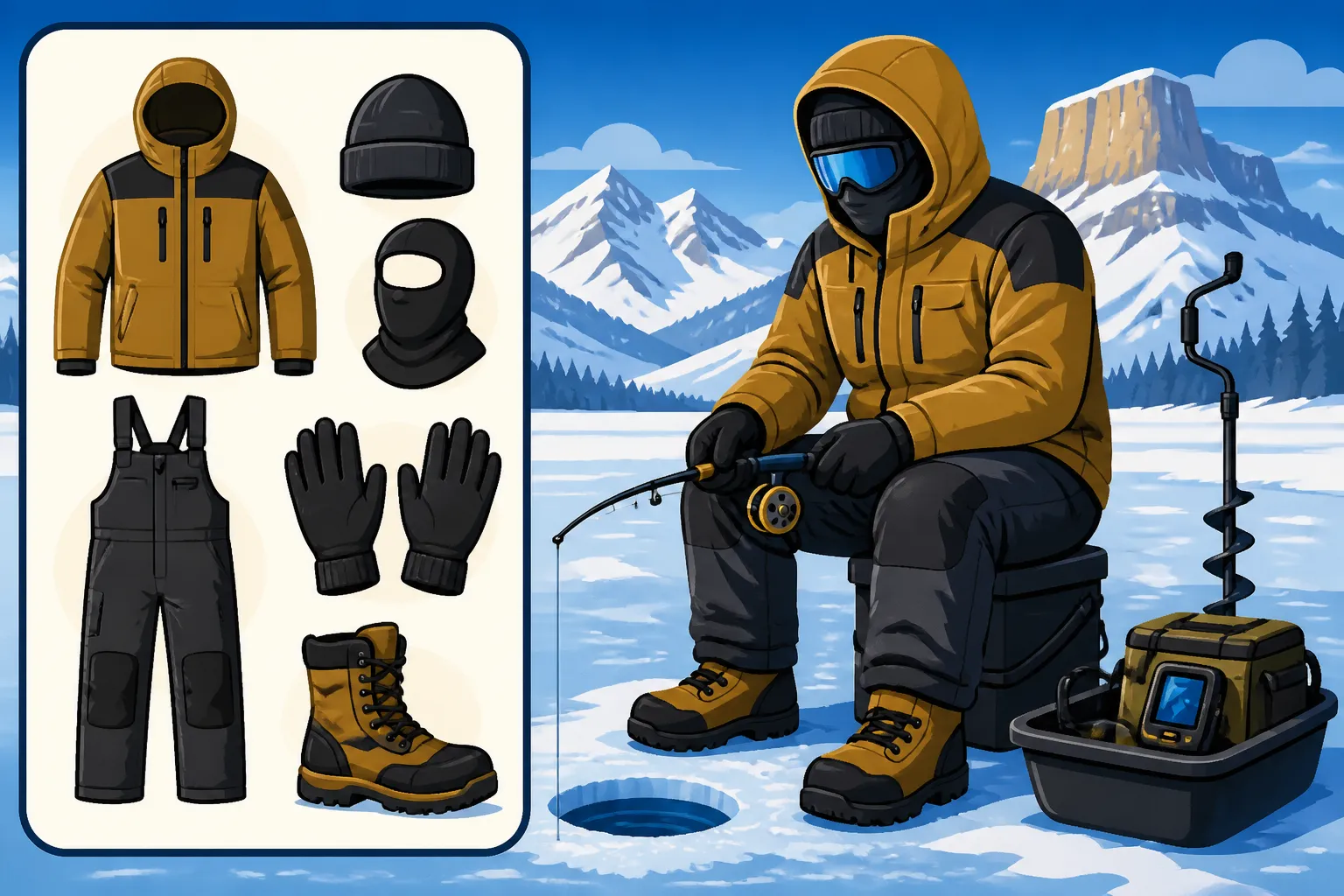
For ice fishing, an insulated jacket and matching bibs or pants are practically non-negotiable. These aren't just your everyday winter coat; they are specifically designed for static activities in extreme cold. Look for features like high-denier fabrics for durability, reinforced knees and seat, and generous insulation like Thinsulate or down alternatives. Brands like Striker Ice, Frabill, and Ice Armor are well-known for their specialized ice fishing apparel.
Bibs are often preferred over pants because they offer extended coverage up your torso, providing an extra layer of warmth and preventing snow from getting in when you're kneeling or bending over. Many ice fishing bibs also feature built-in knee pads, which are a godsend when you're kneeling on the ice. The combination of an insulated jacket and bibs creates a sealed system that keeps you warm and dry, even if you accidentally kneel in a slush puddle or get splashed. Remember, a good outer layer can be the difference between a productive day on the ice and heading home early to thaw out. These specialized garments are a significant investment, but they pay dividends in comfort and safety.
The Crucial Importance of Windproofing and Waterproofing
Wyoming is famous for its wind, and on the open expanse of a frozen lake, that wind can cut right through you, no matter how many layers you have on. Therefore, your outer shell must be windproof. Look for garments with robust zippers, storm flaps, and adjustable cuffs and hems to seal out drafts. Similarly, while you might not think of "rain" when ice fishing, slush, melting snow, and falling into the water are very real possibilities. A waterproof or highly water-resistant shell will keep your inner layers dry, which is paramount for staying warm. Many modern ice fishing suits even feature flotation assistance, which can be a lifesaver if you accidentally break through thin ice. Checking the ice thickness is always crucial, but having an extra layer of safety is invaluable. For more on ice safety, see our guide on How Thick Ice Needs to Be to Fish Safely.
Protecting Your Extremities: Hands, Feet, and Head
It's a common saying that if your head is cold, your whole body feels cold. The same goes for your hands and feet. These extremities are particularly vulnerable to frostbite and discomfort because your body naturally prioritizes sending warm blood to your core in cold conditions. Protecting them properly is absolutely critical for a successful and safe ice fishing trip in Wyoming.
Keeping Your Hands Warm and Functional
This is often the trickiest part of ice fishing attire because you need both warmth and dexterity. You can't drill holes, tie knots, or unhook fish with bulky mittens alone. A common and effective strategy is to use a layering system for your hands, much like your body.
Start with a pair of thin, moisture-wicking glove liners, preferably made from merino wool or a synthetic blend. These keep your hands warm while allowing for some tactile sensitivity. Over these, you can wear a pair of heavier, insulated, waterproof gloves or mittens. Mittens are generally warmer because they allow your fingers to share warmth, but gloves offer more dexterity. Many anglers carry both: warm mittens for general comfort and a pair of fingerless gloves or convertible mittens (with a flap that exposes your fingers) for tasks that require fine motor skills. You might also consider hand warmers, which can be tucked into your gloves or pockets for an extra boost of heat when needed.
The Right Footwear: Boots That Mean Business
Your regular winter boots probably won't cut it for a full day on the ice. Ice fishing demands specialized footwear designed to provide superior insulation, waterproofing, and grip. Look for boots rated for extreme cold (e.g., -40°F or colder, depending on where and when you fish in Wyoming). The insulation can be felt, Thinsulate, or proprietary blends.
Crucially, your boots need to be completely waterproof and have thick rubber soles with aggressive treads for traction on slippery ice and snow. Make sure they are large enough to comfortably accommodate thick wool or synthetic socks without compressing your feet, as compression reduces circulation and makes your feet colder. A quality pair of insulated rubber or leather-and-rubber boots from brands like Muck Boot or Baffin are excellent investments. Combine these with moisture-wicking sock liners and a pair of thick wool or synthetic thermal socks (again, no cotton!). If you're planning on doing a lot of hiking to reach those remote high-alpine lakes that often remain frozen longer, consider a boot with good ankle support.
Head and Face Protection from Wyoming's Winds
A significant amount of body heat can escape through your head, and your face, ears, and neck are directly exposed to the biting wind. A warm, insulated hat is non-negotiable. Look for fleece-lined beanies, trapper hats with ear flaps, or a combination of both.
For extreme conditions, a balaclava or neck gaiter made from fleece or merino wool is essential. These protect your face and neck from windburn and frostbite, which are real dangers on Wyoming's open ice, especially around places like Flaming Gorge Reservoir. Some anglers also use goggles or specialized fishing eyewear to protect their eyes from glare and wind, especially if there's blowing snow. Don't underestimate the power of a good hat and face covering to keep you comfortable and safe throughout your fishing day.
Essential Accessories for Wyoming Ice Fishing Comfort and Safety
Beyond your primary clothing, several accessories can significantly enhance your comfort and safety while ice fishing in Wyoming. These small additions can make a huge difference, turning a tolerable day into a truly enjoyable one.
Portable Shelters and Heaters
While not strictly "wearable," a portable ice fishing shelter is arguably one of the most important pieces of gear for comfort in Wyoming's harsh climate. These pop-up or flip-over shelters provide a windbreak and can be heated with a small propane heater, turning a frigid open-air experience into a cozy fishing den. Having a warm place to retreat to, thaw your hands, and enjoy a hot drink can extend your fishing day significantly. Brands like Eskimo and Clam offer a range of sizes and styles suitable for solo anglers or small groups. When you combine a good shelter with the right gear, like a reliable auger, you’re setting yourself up for success on the hard water. Check out our advice on Auger and Shelter Basics for Wyoming Ice Fishing for more detailed information.
Safety Gear: More Than Just Clothing
Your clothing keeps you warm, but safety gear keeps you alive. Always carry ice picks, which are worn around your neck and can help you pull yourself out of the water if you fall through. A rope or throw bag is also crucial for helping others (or yourself). If you're venturing onto less-traveled ice, a spud bar for testing ice thickness ahead of you is highly recommended. A GPS device or a fully charged phone with a mapping app can prevent you from getting disoriented in a whiteout or fog. Consider a detailed Ice Fishing Gear Checklist for Wyoming Lakes to ensure you're fully prepared.
Other Comfort Items
Think about packing a thermos with hot coffee, tea, or soup. Staying hydrated is important even in the cold, and warm beverages provide an internal heat boost. Snacks that are easy to eat with gloves on, like energy bars or jerky, are also great for maintaining energy levels. A good pair of polarized sunglasses will reduce glare off the snow and ice, protecting your eyes and helping you see more clearly. Finally, don't forget a comfortable chair or bucket to sit on, as standing for hours on the ice can be fatiguing.
| Layer Type | Purpose | Recommended Materials | Key Features for Wyoming Ice Fishing | Brands/Considerations (e.g., Amazon) |
|---|---|---|---|---|
| Base Layer | Moisture Wicking | Merino Wool, Synthetics | Snug fit, breathable, non-cotton | Smartwool, Under Armour, Columbia |
| Mid Layer | Insulation | Fleece, Down/Synthetic Puff | Traps warm air, lightweight, compressible | Patagonia, The North Face, Columbia (many available on Amazon) |
| Outer Shell | Windproof, Waterproof | Insulated Nylon/Polyester | High denier, reinforced, flotation assist, wind/water proof | Striker Ice, Frabill, Ice Armor |
| Headwear | Heat Retention | Fleece, Wool, Insulated | Covers ears, balaclava for face/neck | Turtle Fur, Carhartt, Buff |
| Handwear | Warmth & Dexterity | Wool/Synthetic liners, Insulated waterproof | Layered approach, fingerless/convertible options | Hestra, Mechanix Wear, Outdoor Research |
| Footwear | Extreme Cold Insulation | Rubber/Leather-Rubber with heavy insulation | Rated for -40°F+, waterproof, aggressive tread | Muck Boot, Baffin, Kamik |
| Socks | Warmth & Moisture Wicking | Wool Blends, Synthetics | Thick, no cotton, tall enough for boots | Darn Tough, Smartwool, Thorlos |
Remember, every angler is different, and what works perfectly for one person might need adjustments for another. The best approach is to start with these principles and fine-tune your gear based on your own experience and comfort levels on the ice. Staying comfortable in Wyoming's winter climate is crucial for enjoying the unique and rewarding experience of ice fishing.
Disclaimer
The information provided in this guide is for informational purposes only and should not be taken as professional advice. Always prioritize your safety on the ice. Ice conditions can be unpredictable and change rapidly. It is your responsibility to assess ice safety, check local weather forecasts, and adhere to all Wyoming Game and Fish Department regulations.