Is Pathfinder Reservoir Good for Walleye?
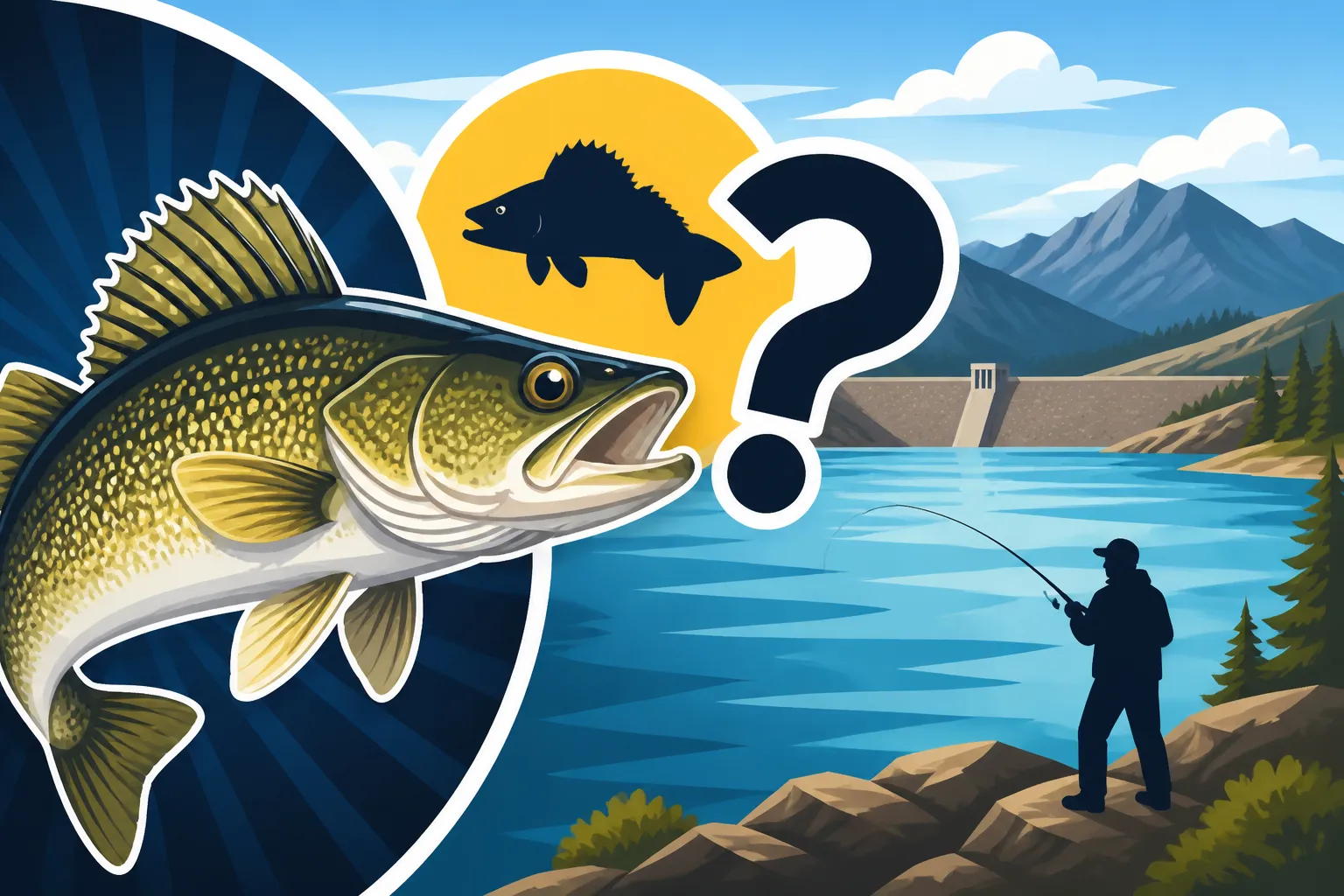
Many anglers planning a trip to Wyoming's vast, beautiful reservoirs often wonder if Pathfinder Reservoir is a worthwhile destination, especially when they have their sights set on walleye. It's a common question, and frankly, some reservoirs earn a reputation for certain species more than others. This comprehensive guide is designed to cut through the speculation and give you a realistic, in-depth look at Pathfinder's walleye fishing potential, covering everything from habitat to the best techniques and what you can truly expect to reel in.
Unveiling Pathfinder Reservoir's Walleye Potential
Pathfinder Reservoir is one of Wyoming's larger, more remote impoundments, often overshadowed by its more famous neighbors. But for those willing to explore, it offers unique fishing opportunities, including a respectable walleye population. It's not always the first name that pops up when you ask about walleye in Wyoming, but it definitely holds its own.
A Deep Dive into Pathfinder's Walleye Reputation
While reservoirs like Boysen Reservoir might get more immediate buzz for their walleye, Pathfinder has quietly cultivated a reputation as a solid walleye fishery, particularly for anglers who appreciate a less crowded experience and a bit more challenge. Historically, Pathfinder was primarily known for its trout, but walleye were introduced in the mid-20th century and have since established a self-sustaining population. This means you're not just fishing for recently stocked fish; you're often targeting wilder, more cunning walleye that have adapted to this specific environment. The size of the walleye can vary, with plenty of eater-sized fish, but trophy potential definitely exists for those who put in the time.
Habitat and Conditions for Walleye Success
Pathfinder Reservoir is a vast body of water, covering over 22,000 acres at full pool, with a maximum depth of around 150 feet. Its unique structure makes it appealing to walleye. You'll find a mix of steep rock walls, submerged timber, gradual points, and numerous feeder creeks, all of which create excellent ambush points and foraging grounds.
Walleye are masters of low light, and Pathfinder's water clarity can range from murky in spring runoff to quite clear later in the season. The reservoir's large size means there are ample areas for these light-sensitive fish to retreat to deeper, cooler waters during bright days or to hide among structure. The forage base is strong, with an abundance of baitfish like suckers and chub, along with perch, providing a consistent food source that allows walleye to grow. Understanding the nuances of water temperature and light penetration across its diverse bottom contours is key to consistently finding these elusive fish.
What to Expect: Size and Quantity
When fishing Pathfinder for walleye, it's realistic to expect a mix of sizes. You'll likely encounter a good number of "eater" walleye, typically in the 15-20 inch range, which are perfect for a fish fry. These are abundant and often willing to bite if you're on the right pattern. However, Pathfinder also produces larger walleye. Fish in the 24-28 inch range are caught regularly, and true trophy walleye pushing or exceeding 30 inches are certainly present, though they require more patience and specific tactics.
The quantity can vary wildly depending on the season, conditions, and your skill level. Some days you might land a dozen or more, while others could be a grind for just a few quality bites. It's not usually a "numbers game" like some of the highly stocked lakes, but rather a rewarding experience for those who appreciate the hunt for truly wild walleye in a remote setting. The Wyoming Game and Fish Department actively manages the fishery to maintain a healthy balance, ensuring both sustainable populations and quality angling opportunities. Remember to always consult the latest Wyoming Fishing Regulations Every Angler Should Know before heading out.
Best Strategies for Catching Walleye at Pathfinder
To truly unlock Pathfinder's walleye potential, you need to be strategic. These fish are responsive to seasonal changes and specific presentations. It's not a place for a one-size-fits-all approach.
Prime Seasons and Times
Walleye fishing at Pathfinder is a year-round affair, with each season offering distinct advantages:
- Spring (Ice-out to early June): This is often considered one of the best times. As the ice melts and water temperatures begin to rise, walleye move shallower to spawn, making them more accessible. Look for them in bays, points, and near tributary mouths where they stage for spawning. Early mornings and late evenings are prime, but they can be active throughout the day, especially on overcast days.
- Summer (June to August): Walleye will move deeper as the water warms, seeking cooler temperatures and stable oxygen levels. They'll often relate to main lake points, submerged humps, rock piles, and drop-offs. Night fishing can be incredibly productive during the summer, as walleye move into shallower feeding flats under the cover of darkness. Daytime fishing often requires deeper trolling techniques.
- Fall (September to November): As water temperatures drop, walleye become very aggressive, putting on the feedbag for winter. This can be a fantastic time for large fish. They often congregate on deep points and structure, but will make forays into shallower areas to chase baitfish. Jigging and trolling are highly effective.
- Winter (Ice Fishing – December to March): Pathfinder offers excellent ice fishing opportunities for walleye. Once the ice is safe, anglers can target walleye over submerged structure, humps, and along deep breaks. Jigging with spoons and soft plastics, often tipped with a minnow head, is a go-to tactic. This can be a very social and productive way to fish, if you're prepared for the cold. For more on this, check out our Ice Fishing in Wyoming: A Complete Guide.
Effective Lures and Techniques
Success at Pathfinder depends on matching your presentation to the walleye's mood and location.
- Jigging: This is a versatile technique, especially effective in cooler water or when fish are holding tight to structure. Vertical jigging with traditional lead-head jigs tipped with live bait (minnows, nightcrawlers) or soft plastics (grubs, paddle tails) works wonders. Color can be critical; chartreuse, orange, and white are often popular choices. When walleye are suspended, snap-jigging can provoke strikes.
- Trolling: Covering water is key on such a large reservoir, and trolling allows you to do just that. Use crankbaits that dive to the desired depth, matching the size and color to the local forage. Long-lining, using planer boards, or employing downriggers can get your lures into the strike zone. Trolling speeds typically range from 1 to 2.5 mph. For a deeper dive into this, see our article on Trolling Techniques for Wyoming Reservoirs. Brands like Rapala and Berkley offer a wide range of crankbaits that perform well in Wyoming waters.
- Bottom Bouncers and Crawler Harnesses: When walleye are hugging the bottom, especially on sandy or rocky flats, a bottom bouncer rig with a crawler harness (like those from Northland Fishing Tackle) is incredibly effective. The spinner blade adds flash and vibration, while the live nightcrawler or Gulp! bait provides scent and action. This rig is particularly deadly when slowly drifted or trolled.
- Slip-Bobbering: For targeting specific submerged features or isolated cover, a slip-bobber rig with a live minnow or leeches can be unbeatable. This allows for a natural presentation where the bait is suspended at the walleye's eye level. This is a quieter, often more patient technique, but can yield big results.
Navigating Pathfinder: Key Fishing Locations
Pathfinder's sheer size can be intimidating, but certain areas consistently hold walleye:
- The Main Reservoir Body and Deep Points: Walleye often relate to the deeper sections of the main lake, particularly large points that extend out into deeper water. These points often have rocky or gravel bottoms and provide easy access to different depths.
- River Channels and Inlets: The old river channels that wind through the reservoir bottom are highways for walleye. Using a good fish finder to locate these channels and fish along their edges is crucial. Tributary inlets, especially after a rain event, can concentrate baitfish and, in turn, walleye.
- Submerged Structure: Pathfinder has a lot of hidden structure, including old foundations, rock piles, and even submerged timber. These are natural magnets for walleye. A detailed topographic map and a quality fish finder are essential for locating these treasures. Apps like Navionics can be invaluable for finding these spots. When looking for guides or charters to help locate these spots, platforms like FishingBooker can connect you with experienced locals.
- Mid-Lake Humps and Reefs: Like many large reservoirs, Pathfinder has numerous underwater humps and reefs. These elevated structures provide prime feeding grounds for walleye, especially during low-light conditions or when they're transitioning between deep and shallow water.
Beyond Walleye: Other Species at Pathfinder Reservoir
While this guide focuses on walleye, it's worth noting that Pathfinder Reservoir is a truly diverse fishery. You don't always have to put all your eggs in one basket, and sometimes a change of target can salvage a slow day.
A Diverse Fishery
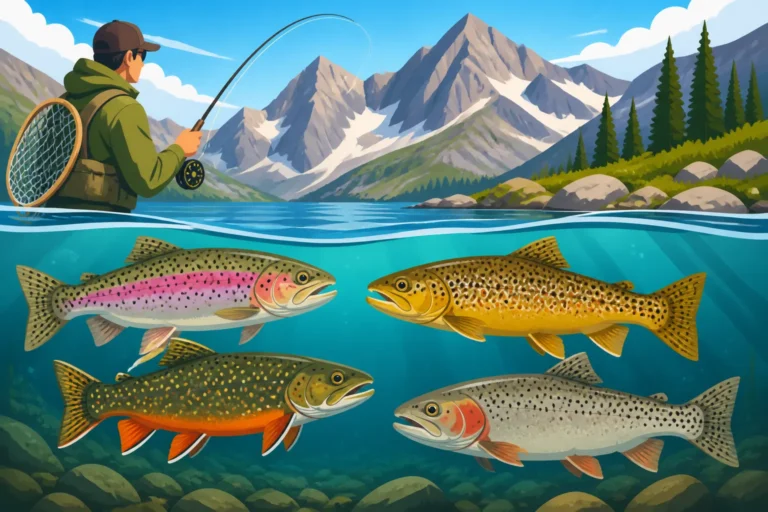
Pathfinder is renowned not just for walleye, but also for its excellent trout fishing. Anglers regularly pull out respectable rainbow trout and brown trout, with many reaching impressive sizes. These trout often cruise the open waters or relate to the same structures as walleye, providing exciting incidental catches. Additionally, the reservoir supports populations of kokanee salmon, which offer a thrilling fight and fantastic table fare, particularly when they school up in the fall. There are even smallmouth bass in certain areas, adding another exciting sport fish to the mix. This means your day on the water can be full of surprises!
Targeting Multi-Species Opportunities
Given the variety of fish, you can easily adapt your approach if walleye aren't biting, or simply enjoy a mixed bag.
- For Trout: If you're primarily targeting walleye with crankbaits or spoons, you're very likely to hook into a rainbow or brown trout. Trolling is a highly effective method for both species. Fly fishing with streamers or nymphs near inlets and along rocky shores can also yield beautiful trout.
- For Kokanee Salmon: These landlocked sockeye salmon are typically found in the open water column, often suspended. Trolling with dodgers and small Hoochies or wedding rings at specific depths is the most common and effective technique for kokanee. These are often caught while targeting other species, but dedicated kokanee anglers will use specific electronics to find their schools.
- For Smallmouth Bass: Look for smallmouth around rocky shorelines, points, and submerged timber. Crankbaits, jigs, and soft plastics (especially those mimicking crawfish or baitfish) are excellent choices. They offer a powerful fight and are a lot of fun on light tackle.
Knowing you have these options takes the pressure off and makes every trip to Pathfinder a potential adventure, regardless of what the walleye are doing. Make sure you're aware of Understanding Wyoming's Daily Bag Limits by Species for all fish types you might encounter.
Essential Tips for a Successful Pathfinder Trip
A successful trip to Pathfinder, especially for walleye, involves more than just knowing where to cast. Preparation and adherence to regulations are paramount.
Gear Up for Success
Having the right equipment can make all the difference, especially on a large and sometimes challenging reservoir like Pathfinder.
- Rods and Reels: For jigging and bottom bouncing, a medium-light to medium-heavy spinning or baitcasting rod (6'6" to 7'6") with a fast action tip is ideal for detecting subtle walleye bites. Pair it with a reliable reel spooled with 8-15 lb braided line, topped with a fluorocarbon leader for sensitivity and stealth. For trolling, you'll want longer, more moderate action rods (7'6" to 9'6") to handle the strain of larger crankbaits and fighting bigger fish.
- Electronics: A quality fish finder with GPS and mapping capabilities is non-negotiable for Pathfinder. It will help you locate those critical submerged structures, old river channels, and schools of baitfish that walleye frequent. Side imaging and down imaging are particularly useful for scanning wide areas and identifying cover.
- Boat and Safety Gear: Given the size of Pathfinder and the potential for changing weather conditions, a reliable boat is essential. Always have all required safety gear onboard, including life jackets, throw cushions, fire extinguisher, and a first-aid kit. Tell someone your float plan, especially if you're exploring more remote sections.
- Tackle Box Essentials: Beyond the specific lures mentioned, ensure your tackle box is stocked with extra hooks, sinkers, swivels, line, and pliers. A good selection of jig heads in various weights and colors is also a must.
Rules and Regulations You Need to Know
Wyoming Game and Fish Department (WGFD) regulations are in place to protect the fishery and ensure sustainable angling for everyone. It's your responsibility as an angler to know and follow them.
- Fishing License: Every angler aged 14 and over needs a valid Wyoming fishing license. Non-residents have various options, including annual, daily, and 5-consecutive-day licenses. You can purchase these online, at a WGFD regional office, or from various vendors around the state.
- Conservation Stamp: For residents and nonresidents alike, an annual conservation stamp is required to fish in Wyoming, in addition to your license, unless you're fishing on a one-day license. This stamp supports vital wildlife and habitat conservation efforts.
- Bag and Possession Limits: These limits are species-specific and can even be water-specific. For walleye, always check the current WGFD regulations booklet for Pathfinder Reservoir specifically, as limits and slot restrictions can change. Walleye Fishing in Wyoming will also provide a good overview of the species. Always respect these limits to preserve the fishery for future generations.
- Invasive Species: Wyoming is very proactive about preventing the spread of aquatic invasive species (AIS). All watercraft entering the state, or those that have been out of state, must undergo an AIS inspection. Clean, Drain, Dry is the motto for all boats, trailers, and fishing gear. These efforts are critical to protecting valuable fisheries like Pathfinder.
| Feature | Walleye Fishing at Pathfinder Reservoir |
|---|---|
| Primary Target | Walleye, with opportunities for Rainbow Trout, Brown Trout, Kokanee, Smallmouth Bass |
| Best Seasons | Spring (ice-out), Fall, Winter (ice fishing), Summer (night fishing) |
| Typical Size | 15-20 inches (eater size), up to 28 inches (quality), 30+ inches (trophy potential) |
| Top Techniques | Jigging, Trolling with Crankbaits, Bottom Bouncers & Crawler Harnesses, Slip-Bobbering |
| Key Locations | Main lake points, old river channels, submerged humps, rock piles, tributary inlets |
| Recommended Gear | Medium-light to medium-heavy rods, braided line with fluorocarbon leader, quality fish finder with GPS, diverse lure selection |
| Regulations | Valid Wyoming Fishing License, Conservation Stamp, adhere to current bag/possession limits. Always check the official WGFD regulations booklet. |
In conclusion, Pathfinder Reservoir is indeed a good place for walleye fishing. It demands a thoughtful approach and respect for its wild nature, but for those willing to learn its secrets, it offers a rewarding experience with the chance at quality fish. Whether you're a seasoned walleye hunter or looking to expand your Wyoming fishing horizons, Pathfinder is a destination worth exploring. If you ever feel overwhelmed, remember that guides found through services like FishingBooker can offer invaluable local expertise to maximize your success.
Disclaimer
Please remember that fishing conditions, regulations, and fish populations can change rapidly. Always consult the most current Wyoming Game and Fish Department regulations before heading out on any fishing trip. This guide is for informational purposes only and does not supersede official regulations. Stay safe and enjoy your time on the water!