Where Jackson Lake’s Record Lake Trout Was Caught
The dream of landing a true behemoth from the depths is a powerful draw for any angler, and when it comes to Wyoming, few places hold the mystique and potential for such a catch quite like Jackson Lake. Many anglers wonder not just if a giant lurks in its cold, clear waters, but specifically where the legendary state record lake trout was actually caught, hoping to unlock the secrets to their own trophy quest. This comprehensive guide will pull back the curtain on that storied catch, exploring the exact circumstances, the favored locations for these monsters, and the proven tactics you can employ to pursue Jackson Lake's magnificent Mackinaw.
The Legendary Record Lake Trout of Jackson Lake and Its Location
Jackson Lake, nestled within the stunning Grand Teton National Park, is a place of breathtaking beauty and incredible fishing opportunities. Its deep, glacial waters are home to some truly enormous lake trout, often called Mackinaw, which are known for their formidable size and challenging fight. The allure of these giants is palpable, drawing anglers from across the globe in search of their own record-breaking moment.
The Allure and Record-Breaking Catch
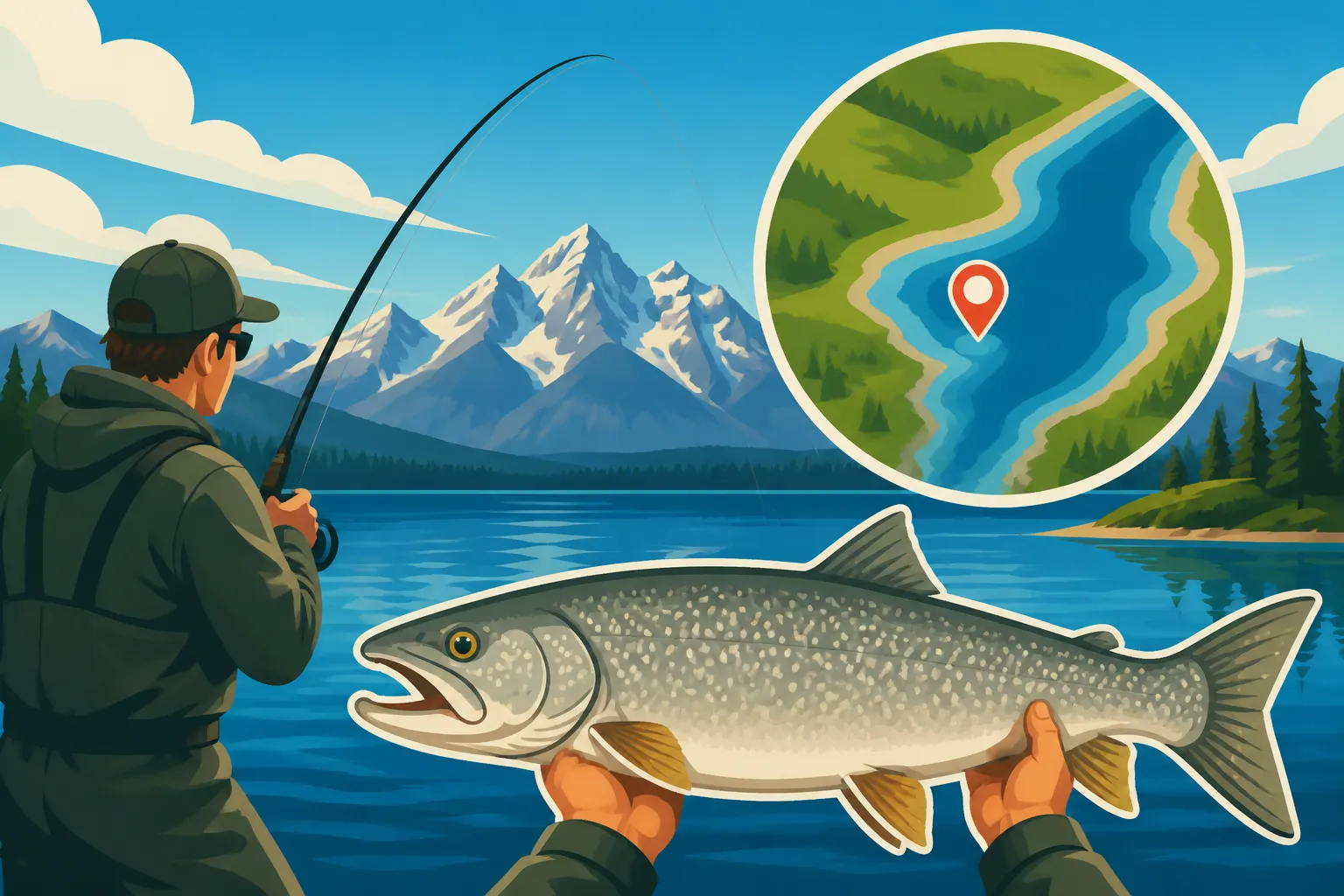
The pursuit of a trophy lake trout isn't just about the fish itself; it's about the challenge, the strategy, and the sheer thrill of connecting with a powerful creature in its wild domain. Jackson Lake consistently produces large lake trout, with many anglers reporting fish well over 20 pounds annually. However, one fish stands above them all in the annals of Wyoming fishing history: the state record lake trout, a colossal 50-pound specimen caught by Fred Petersen in 1993. This incredible catch cemented Jackson Lake's reputation as a premier destination for trophy Mackinaw, inspiring generations of anglers to brave its depths.
What makes this record particularly special is the context of Jackson Lake itself. Surrounded by towering peaks and fed by pristine mountain runoff, the lake offers a unique ecosystem where these cold-water predators can thrive and reach immense sizes. The sheer depth of the lake, plunging over 400 feet in some areas, provides vast, undisturbed territory for these fish to grow old and large, often living for decades. The consistent food sources, including a healthy population of smaller fish, contribute to their remarkable growth rates, making every cast a potential encounter with a true leviathan.
For many, the idea of catching a fish of that magnitude feels almost mythical. It takes a combination of skill, patience, the right conditions, and a good bit of luck. The memory of Fred Petersen's 50-pounder is a constant reminder that these dreams can indeed become reality in the waters of Jackson Lake. It's not just a record; it's a testament to the wild, untamed nature of Wyoming's fisheries and the incredible species that call them home. You can learn more about the diverse aquatic inhabitants in our guide on What Fish Live in Jackson Lake.
Pinpointing the Mythical Spot
While the exact coordinates of a state record catch are almost never publicly disclosed to prevent excessive fishing pressure on a specific spot, we can infer a great deal about where Fred Petersen likely hooked his 50-pound monster based on typical lake trout behavior in Jackson Lake. Trophy lake trout are creatures of habit and prefer very specific environments, especially in a large, deep, clear-water reservoir. They are almost always found in areas that offer deep, cold water, abundant forage, and complex underwater structure for ambush points and cover.
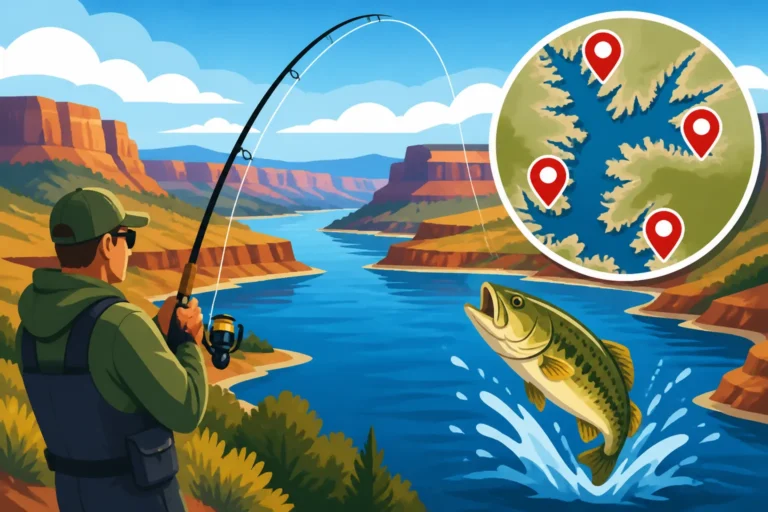
Based on extensive angler reports and biological studies of Jackson Lake, large lake trout, especially those reaching state record sizes, are almost exclusively found lurking around significant underwater features. This includes deep submerged ledges, pronounced drop-offs, underwater humps, and the edges of vast, deep flats that plunge into even deeper trenches. These areas concentrate baitfish and provide thermal refuge for the trout. Specifically, many of the deepest parts of Jackson Lake, particularly those with intricate bottom contours, are prime real estate for these giants. Think about areas where the lake bottom plunges dramatically from 100 feet down to 200, 300, or even 400 feet, often near the northern and western sections of the lake where some of its deepest holes are located. These specific contours act as highways and hunting grounds for the biggest Mackinaw.
Anglers targeting these depths often rely heavily on advanced sonar and GPS mapping systems to identify these precise features. Without such technology, locating the subtle nuances of the lake bottom that hold these fish can be like finding a needle in a haystack. The record fish was almost certainly caught in one of these deepwater lairs, an area where the cold-water preferences of the lake trout align with ample food sources and structural complexity. These spots are not typically accessible from shore, reinforcing the need for a boat capable of navigating a large body of water. For a broader overview of fishing in the region, consult Wyoming's Jackson Lake Fishing Guide.
Masterful Tactics for Hooking Jackson Lake's Giants
Catching a truly massive lake trout from Jackson Lake is no accident; it's the result of carefully chosen tactics, meticulous preparation, and often, many hours on the water. While various methods can catch lake trout, when targeting the giants that lurk in the depths, certain techniques consistently prove more effective.
Trolling Deep: The Proven Method
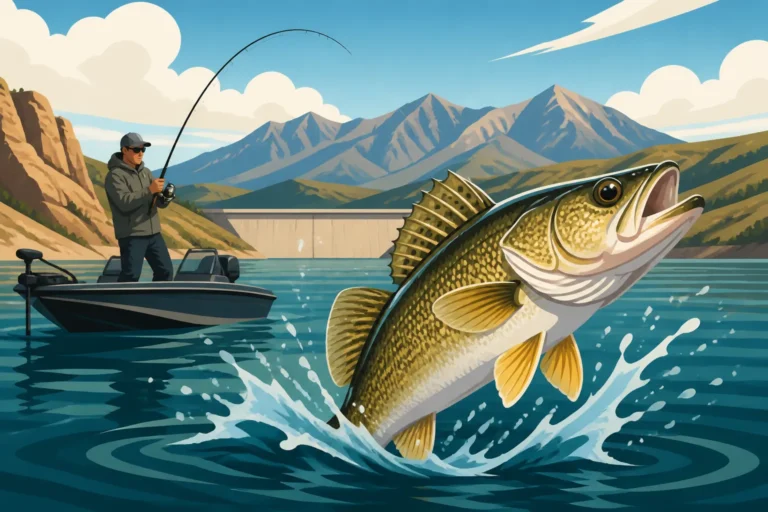
For targeting the largest lake trout in a vast and deep body of water like Jackson Lake, deep-water trolling is undeniably the most productive method. This technique allows anglers to cover significant amounts of water while presenting lures at very specific depths where these fish are known to hold. Given the depths involved, often ranging from 80 to 200 feet or more, specialized equipment is essential. Downriggers are critical components, allowing anglers to precisely control the depth of their lures, keeping them in the strike zone for extended periods. Without downriggers, achieving and maintaining such deep presentations is nearly impossible, as conventional weights struggle with line blowback and accuracy.
The boat itself plays a vital role. A stable, well-equipped boat with a powerful motor and advanced electronics, including a detailed sonar/fish finder and GPS, is necessary for effective deep trolling. Anglers will often troll at slow speeds, typically between 1.5 to 3 miles per hour, watching their electronics intently for signs of fish or changes in bottom structure. Maintaining a consistent speed and depth is key, as is carefully navigating contours and drop-offs where the big fish tend to ambush prey. The subtle turns and speed changes can often trigger a strike. For more general advice on this technique, check out Trolling Techniques for Wyoming Reservoirs.
Beyond downriggers, anglers might employ lead core line or specialized deep-diving planers to get their offerings down. The goal is to mimic the natural movement of baitfish, such as kokanee salmon or whitefish, which are primary food sources for these large predators in Jackson Lake. Monitoring water temperature and dissolved oxygen levels, if possible, can further refine the depth strategy, as trophy lake trout will seek out their preferred cold, oxygen-rich thermocline. Precision is paramount when you're trying to fool a fish that has grown to a record-setting size by being exceptionally wary.
Lure Selection and Presentation for Mackinaw
Selecting the right lure is just as crucial as presenting it at the correct depth. Trophy lake trout in Jackson Lake are opportunistic predators, but they often key in on larger forage. Therefore, lures designed to imitate bigger baitfish tend to be more effective. Large spoons, often 4-6 inches in length, with a pronounced wobbling action, are a perennial favorite. Colors can vary, but silver, blue, white, and chartreuse patterns are frequently successful, especially those with reflective or UV finishes that stand out in deep, low-light conditions. Apex lures, Flatfish, and various cut-bait rigs are also popular choices.
Another highly effective option, particularly when fished with a dodger or flasher, are large tube jigs or plastic squids. The dodger creates vibration and flash, attracting the trout's attention, while the trailing tube or squid mimics a vulnerable baitfish. The action of these lures at slow trolling speeds can be incredibly enticing. When rigging bait, many anglers prefer using dead bait, such as ciscos, herring, or even smaller cutthroat trout (where legal and specifically allowed as bait), trolled behind a flasher or spinner rig. The natural scent and appearance of real bait can often seal the deal when artificial lures fall short.
Presentation is all about matching the hatch, or in this case, matching the prey. Anglers study the lake's forage base to understand what the lake trout are currently feeding on and adjust their lure size, color, and action accordingly. This might mean using a lure that perfectly imitates a 6-inch kokanee during certain seasons, or a larger, more aggressive presentation if the trout are targeting bigger whitefish. Understanding Lake Trout (Mackinaw) Fishing in Wyoming will help you choose the best approach. The slightest change in lure color, size, or trolling speed can sometimes make all the difference between a quiet day and a reel-screaming battle with a Jackson Lake giant.
Understanding Jackson Lake's Deepwater Dynamics
Jackson Lake isn't just a picturesque backdrop for fishing; it's a complex ecosystem where environmental factors heavily influence the behavior and presence of its trophy lake trout. Understanding these dynamics is key to consistently finding and catching these magnificent fish.
Lake Trout Behavior and Preferred Haunts
Lake trout are classic cold-water fish, thriving in temperatures generally below 55°F (13°C). In a deep, stratified lake like Jackson Lake, this means they spend most of their lives in the deeper, cooler zones, especially during the warmer summer months. They exhibit clear seasonal patterns, moving shallower during spring and fall when surface waters cool, and then retreating to the thermocline and deeper structure as the lake warms. This preference for deep, cold water is precisely why the record fish was caught at significant depth. They are often found patrolling underwater ridges, pinnacles, and shelves that rise from the abyssal plains, using these features to ambush unsuspecting prey.
Their diet is varied but heavily relies on smaller fish species. In Jackson Lake, juvenile cutthroat trout and whitefish are significant components of their diet. The larger the lake trout, the larger the prey it typically consumes. These fish are also known for their long lifespans, with some individuals living over 20 years, allowing them ample time to reach impressive sizes. This lengthy life cycle is another reason why places like Jackson Lake can grow such immense fish; they have the time to accumulate mass. You can find more detail on their growth in How Old a Wyoming Lake Trout Can Get.
Anglers often observe specific "windows" of activity during the day when lake trout are more inclined to feed. Low-light conditions, such as dawn and dusk, or overcast days, can often trigger more aggressive feeding behavior. Additionally, changes in barometric pressure, particularly falling pressure before a storm, can sometimes spur a feeding frenzy. Understanding these nuances of lake trout behavior – their temperature preferences, feeding habits, and reaction to environmental changes – gives anglers a significant advantage in locating their preferred haunts and presenting a tempting offering. Knowing Where to Find Mackinaw (Lake Trout) in Wyoming can refine your search.
Conservation and Sustainable Fishing Practices
While the pursuit of a record-breaking fish is exciting, it's equally important to engage in responsible and sustainable fishing practices to ensure the long-term health of Jackson Lake's fishery. The Wyoming Game and Fish Department (WGFD) actively manages the lake, setting specific regulations to protect fish populations while still allowing for recreational angling. These regulations include bag and possession limits, which are crucial for maintaining a healthy balance within the ecosystem. It's imperative that all anglers familiarize themselves with current regulations before heading out.
The issue of invasive species is also a critical concern for Jackson Lake and other Wyoming waters. Anglers are encouraged to "Clean, Drain, Dry" their boats and gear to prevent the spread of aquatic invasive species, which can devastate native fish populations and habitats. Respecting catch-and-release guidelines for fish not intended for harvest, particularly larger trophy-sized fish, helps ensure these impressive specimens can continue to spawn and contribute to the gene pool. If you're hiring a guide, make sure they are licensed and follow all local regulations. Reputable services, like those found through FishingBooker, often prioritize conservation and ethical angling.
Jackson Lake's unique position within Grand Teton National Park also means that specific federal regulations may apply in addition to state rules. For instance, do you know if Do You Need a Wyoming License to Fish in Grand Teton National Park?? Understanding these layers of regulation is part of being a responsible angler. By adhering to these guidelines, we help safeguard the natural beauty and incredible fishing opportunities that Jackson Lake offers for future generations, ensuring that it remains a place where record-breaking fish can continue to thrive.
Preparing for Your Own Trophy Hunt on Jackson Lake
Setting your sights on a trophy lake trout in Jackson Lake requires careful planning and the right tools. From knowing the best times to fish to having the correct gear and understanding safety protocols, preparation is key to a successful and enjoyable trip.
Best Seasons and Weather Windows
Timing is everything when it comes to targeting large lake trout in Jackson Lake. While you can catch lake trout year-round, certain seasons offer distinct advantages for trophy hunting. Spring, shortly after ice-out (typically late May to early June), can be fantastic. The water is cold throughout the water column, and lake trout may be more active in shallower areas, making them slightly more accessible. Early summer (June-July) continues to be productive as fish begin to move deeper but are still actively feeding before the warmest parts of summer.
Fall is often considered the prime time for targeting the largest lake trout. As the water temperatures cool in September and October, these fish become highly active, feeding aggressively in preparation for winter. This is also when some of the biggest fish are caught. Notably, new regulations now allow Why Jackson Lake Now Stays Open Through October, extending this prime fall fishing window. Ice fishing during the winter months can also yield impressive catches, especially if you can access deeper areas where the big fish congregate under the ice. Always check current weather conditions and forecasts, as Jackson Lake can experience sudden, dramatic weather changes. High winds can make the lake extremely dangerous for smaller boats, so prioritize safety above all else.
| Characteristic | Typical for Jackson Lake Lake Trout | Record Catch Context |
|---|---|---|
| Typical Depth | 80 – 200 feet during summer | Likely 100+ feet deep |
| Average Size | 15-30 inches, 5-15 lbs | 40+ inches, 50 lbs |
| Preferred Temp | 45-55°F (7-13°C) | Found in deep thermocline |
| Main Forage | Cutthroat trout, Whitefish | Larger prey items |
| Best Technique | Deep Trolling with downriggers | Deep Trolling |
| Best Seasons | Spring (post ice-out), Fall | Fall (cooling waters) |
Essential Gear, Guides, and Safety
Equipping yourself for a trophy lake trout expedition on Jackson Lake means investing in heavy-duty gear. You'll need sturdy rods designed for deep-sea or heavy freshwater trolling, capable of handling powerful runs and heavy weights. Reels should have a high line capacity, spooled with strong braided line (50-80 lb test) for sensitivity and power, often with a fluorocarbon leader for stealth. Downriggers are non-negotiable for precise depth control, and a high-quality fish finder/chartplotter is your eyes into the underwater world, revealing structure and fish. Don't forget an extra-large net, lip grippers, and a reliable scale for documenting your catch! For comparisons, see How Big Wyoming Lake Trout Get.
Beyond gear, consider the invaluable expertise of a local fishing guide. A seasoned guide will have intimate knowledge of Jackson Lake's contours, the latest fish patterns, and the most effective tactics. They can save you countless hours of trial and error and significantly increase your chances of hooking a trophy. Websites like FishingBooker can help you find reputable, licensed guides who specialize in Jackson Lake and offer guided trips tailored to your experience level. They can provide all the necessary gear and ensure you're fishing legally and safely.
Safety on such a large, cold body of water cannot be overstressed. Always wear a life jacket, especially if the weather is unpredictable. Carry all required safety equipment, including distress signals, a first-aid kit, and a reliable communication device. Inform someone of your float plan – where you're going and when you expect to return. Be prepared for rapidly changing weather, which can bring strong winds, cold temperatures, and even snow, even in summer. Ensure your boat is in excellent mechanical condition. And, of course, ensure you have your Wyoming Fishing Regulations Every Angler Should Know and the appropriate licenses for fishing in the national park. Taking these precautions ensures your focus can remain on the thrilling pursuit of Jackson Lake's magnificent Mackinaw.
Disclaimer
Please note that fishing regulations, conditions, and fish populations can change. Always consult the official Wyoming Game and Fish Department website and Grand Teton National Park regulations for the most current information before planning your fishing trip. The information provided here is for general guidance and educational purposes only.