Walleye Fishing in Wyoming
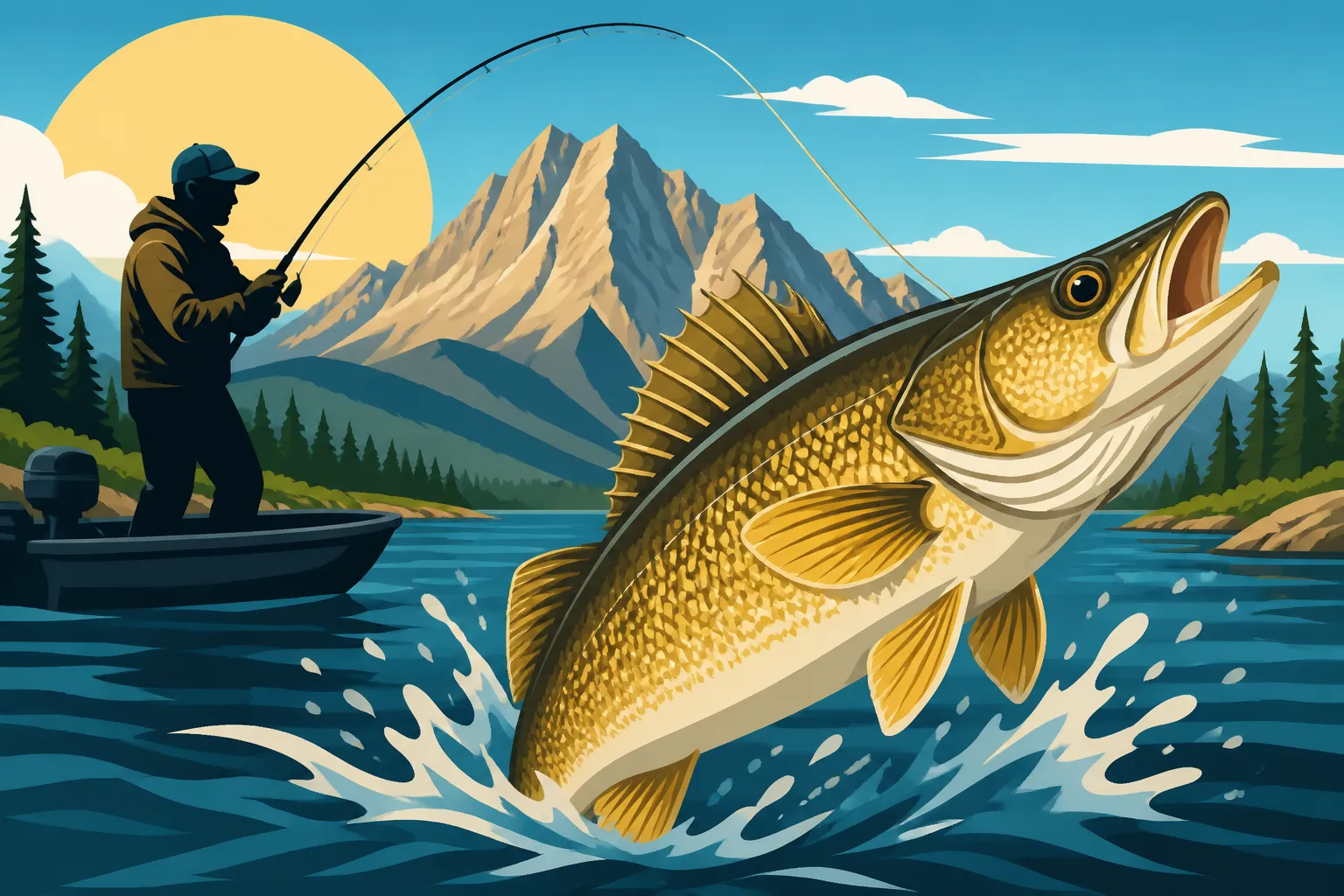
There's a special kind of angler in Wyoming who knows the thrill isn't just in chasing trout against a backdrop of stunning mountains. While our trout streams get all the glory, there's a different, equally rewarding challenge lurking in our reservoirs: the elusive and notoriously delicious walleye. If you've ever found yourself frustrated trying to crack the code on these finicky fish, or you're just looking to expand your angling horizons beyond the usual suspects, you've come to the right place. This comprehensive guide is here to unravel the mysteries of Wyoming walleye, helping you pinpoint their locations, understand their habits, and master the techniques to bring them to your net – and eventually, your dinner plate.
The Allure of Walleye in Wyoming Waters
Let's be honest, when most people think of fishing in Wyoming, their minds instantly conjure images of pristine mountain streams teeming with colorful trout. And for good reason! Our trout fishing is world-class. But for a growing number of savvy anglers, the real prize lies in the depths of our larger reservoirs, where a different kind of challenge, and a different kind of reward, awaits: the walleye.
Why Walleye Stand Out Beyond Trout Country
Walleye aren't as flashy as a leaping rainbow or as aggressive as a territorial brown trout. They are, in many ways, the understated champions of the deep. Their appeal isn't in acrobatic fights, but in their subtle, often infuriatingly light bite, and their incredible flavor on the dinner table. If you’ve ever had fresh walleye fillets, you know exactly what I’m talking about. Their firm, white, flaky meat is coveted by chefs and anglers alike, making them one of the most sought-after game fish for culinary purposes. The challenge of locating them, understanding their light sensitivity, and presenting a bait just right to tempt a strike is what keeps walleye anglers coming back for more. It's a game of patience, precision, and often, a little bit of detective work, which can be a refreshing change of pace from the more direct approach often taken with trout.
Beyond their gastronomic appeal, walleye also offer a unique fishing experience. They tend to school up, so once you find one, you often find many. This can lead to exhilarating flurries of action that are incredibly satisfying after hours of meticulous searching. And while they might not jump, their powerful runs and head shakes in deep water are certainly enough to get your heart pumping, especially when you hook into one of the bigger Wyoming specimens. It's a species that demands a different skill set, encouraging anglers to learn about structure, depth, and electronics in a way that river fishing often doesn't.
A Brief History of Walleye in Wyoming
Walleye aren't native to Wyoming's waters. Like many popular game fish, they were introduced to certain reservoirs to create new recreational angling opportunities and to utilize the vast forage fish populations that often exist in these larger impoundments. Their journey to becoming a staple in some of our lakes began decades ago with strategic stocking efforts by the Wyoming Game and Fish Department. These introductions weren't arbitrary; they were carefully planned to ensure the species would thrive without negatively impacting existing native fish populations where possible.
The walleye's success in places like Boysen Reservoir, Glendo Reservoir, and Keyhole Reservoir speaks volumes about the suitable habitat these waters provide. They found ample prey fish, like perch and various minnow species, and the deep, often turbid waters offered the low-light conditions they prefer. Over time, these stocked populations have established self-sustaining fisheries, in some cases even thriving to the point of requiring management to prevent overpopulation or stunting. The department continues to monitor these populations closely, often using regulations and stocking programs to maintain healthy, robust fisheries that offer quality angling for those willing to pursue these distinct fish. Their establishment has diversified Wyoming's fishing portfolio, providing excellent opportunities beyond just trout.
Where to Find Wyoming's Walleye Hotbeds
While Wyoming might be famous for its trout streams, dedicated walleye anglers know there are a handful of reservoirs where these tasty fish thrive. Knowing where to start your search is half the battle, and these spots consistently produce quality walleye year after year.
Boysen Reservoir: The Walleye King
If you're going to talk about walleye fishing in Wyoming, you simply have to start with Boysen Reservoir. Located near Shoshoni, Boysen is arguably Wyoming's premier walleye fishery, and it consistently produces both high numbers of fish and trophy-sized specimens. Its vast, often turbid waters, coupled with varied underwater structure, provide an ideal habitat for walleye to grow big and reproduce.
The sheer size of Boysen can be intimidating, stretching over 20,000 acres at full pool, but understanding its key features can make a world of difference. The Wind River arm, in particular, is a renowned walleye area, especially during the spring spawn when fish move upstream into shallower, rocky areas to lay their eggs. Throughout the summer, walleye can be found deeper, relating to submerged humps, rock piles, and long tapering points on the main lake. Areas like Brannon's Butte, the "Flats," and the numerous submerged islands and channels throughout the reservoir are perennial favorites. When you're fishing Boysen, boat control and good electronics are absolutely vital for locating these subtle underwater features where walleye ambush prey. Don't be afraid to put in the time to explore and map out these structures. It's truly a special place, and checking out Boysen Reservoir's Best Walleye Water will give you an even deeper dive into specific tactics there.
Glendo and Guernsey Reservoirs: Eastern Wyoming Gems
Moving towards the eastern side of the state, Glendo and Guernsey Reservoirs near Glendo, Wyoming, offer fantastic walleye opportunities, especially for those looking for a slightly different fishing experience than Boysen. Both reservoirs are part of the North Platte River system and are known for producing good numbers of walleye, with Glendo often yielding some truly impressive specimens.
Glendo Reservoir is larger and tends to hold the bigger walleye. It's characterized by numerous rocky points, submerged timber, and a winding river channel that offers plenty of structure. Springtime is excellent here, especially pre-spawn and during the spawn, when walleye move into shallower rocky banks and riprap areas. During the summer, they'll retreat to deeper points and humps. Glendo also has a reputation for some fantastic night fishing opportunities for walleye, especially in the warmer months. Many anglers find success trolling crankbaits along main lake points or jigging deeper humps. For specific details on this fantastic spot, our article on Glendo Reservoir Fishing Spots in Wyoming is a must-read.
Guernsey Reservoir, located upstream from Glendo, is smaller and shallower, and while it holds walleye, it's often more challenging to consistently find the larger fish compared to its downstream neighbor. However, it can be excellent for numbers of smaller walleye and offers a unique experience with its red rock formations and shallower, more intimate waters. The walleye here will still relate to rocky points and submerged features, but their patterns might be slightly different due to the shallower average depth. For more localized advice, check out Guernsey Reservoir Fishing Access in Wyoming.
Other Promising Walleye Waters
While Boysen, Glendo, and Guernsey are undoubtedly Wyoming's top walleye destinations, it's worth noting that other reservoirs across the state also hold populations of these revered fish. These spots might not be as famous, but they can offer exciting, less-pressured angling if you're willing to explore.
Keyhole Reservoir, in northeast Wyoming near Moorcroft, is another notable walleye fishery. It’s known for its abundant forage base and can produce excellent numbers of walleye, alongside respectable crappie. Its relatively shallow nature means the walleye can be found in different areas depending on the time of year, often relating to the main lake points and submerged timber. You can learn more about its specific walleye and crappie potential by checking out Keyhole Reservoir Fishing for Walleye and Crappie.
Pathfinder Reservoir, located west of Casper, is primarily known for its trophy trout, but it also supports a walleye population. They can be a bit harder to target consistently here, as they compete with the prominent trout fishery, but dedicated walleye anglers do find success, particularly in specific bays and along certain stretches of the old river channel. If you're curious about its walleye potential, our guide Is Pathfinder Reservoir Good for Walleye? delves into more detail. Seminoe Reservoir, also in the Casper area, and even Flaming Gorge Reservoir (though primarily famous for monster lake trout) hold smaller, but catchable, walleye populations. The key with these "secondary" walleye fisheries is often patience and a willingness to adapt your techniques, as the patterns might not be as obvious as at the more established walleye lakes. Always double-check the current Wyoming Fishing Regulations Every Angler Should Know before heading out, as limits and specific rules can vary by water.
Understanding Walleye Behavior: Keys to Success
Cracking the code on walleye means understanding what makes them tick. These fish aren't like bass that smash a topwater, or trout that rise freely to a hatch. Walleye are more subtle, more particular, and understanding their seasonal movements and environmental preferences is paramount to consistent success.
Seasonal Movements and Feeding Patterns
Walleye are highly attuned to the seasons, and their behavior shifts dramatically throughout the year, largely driven by water temperature and spawning cycles. Knowing these patterns is like having a secret roadmap to where they'll be and what they'll be eating.
In the spring, as ice recedes and water temperatures begin to climb into the 40s (Fahrenheit), walleye start to stage for their spawn. They'll move towards shallower, rocky areas, often along shorelines, riprap banks, or up river arms, where they lay their eggs when temperatures reach the low 40s to low 50s. This pre-spawn and spawn period can be an excellent time to target them, as they are concentrated and actively feeding, though often quite sluggish. Post-spawn, they'll disperse and recuperate, often still near shallower areas before moving deeper.
Summer sees walleye migrating to deeper, cooler water. They become highly light-sensitive during this time, often holding in 20-40 feet or more during the day. Their feeding windows typically shrink to low-light periods – dawn, dusk, and especially after dark. During the day, you'll find them relating tightly to deep structure like humps, points, and channel edges, often suspending over baitfish schools. This is a time when electronics become absolutely critical for locating them.
As fall approaches and water temperatures begin to drop, walleye experience a "feeding frenzy." They know winter is coming and need to pack on fat reserves. They'll become more active throughout the day and often move shallower again, especially during overcast conditions, targeting baitfish that are also moving. This can be one of the best times of year to catch large, aggressive walleye.
Finally, in winter, under the ice, walleye activity slows, but they remain catchable. They typically hold closer to the bottom, often on main lake humps, points, and structural transitions. Their feeding windows can be shorter, often concentrated around sunrise and sunset, but they will still actively feed. Patience and subtle presentations are key here. Our guide on Walleye Behavior in Wyoming Reservoirs offers even more insights into these fascinating fish.
Structure, Cover, and Light Sensitivity
Walleye are creatures of structure and cover, and they are notoriously sensitive to light. These two factors dictate where you'll find them almost more than anything else. They aren't random wanderers; they live by a predictable code that, once understood, can lead to consistent success.
Structure refers to changes in bottom contour. Think submerged humps, points that extend far into the lake, drop-offs, ledges, and the old river channel. Walleye use these features for ambush points, to funnel baitfish, and to find comfortable temperature zones. A walleye will often sit on the deep side of a breakline, looking up into shallower water for unsuspecting prey. If you can locate a rock pile on a deep flat, or a long, tapering point that drops into a channel, you've found prime walleye real estate. They love "transitions" – where mud meets rock, or where a hard bottom suddenly drops into soft bottom.
Cover refers to objects on or in the structure, such as submerged timber, weed lines, or large boulders. This provides additional ambush points and protection. While not as common in all Wyoming walleye lakes, where it exists, it's a magnet for these fish.
Their light sensitivity is perhaps their most defining characteristic. Walleye have large, reflective eyes that are highly adapted to low light conditions. This is why they are often most active during dawn, dusk, overcast days, and at night. Bright sunlight sends them deep or forces them to hug tight to cover. When the sun is high and bright, they'll often be found tucked under ledges, in dense weeds, or in the deepest available water, only moving out to feed when the light levels drop. This means that if you're fishing on a bright, sunny day, you need to be targeting much deeper water or focusing on those precise structural elements that provide shade and ambush points. Conversely, on cloudy days or during low-light hours, they might venture into surprisingly shallow water to hunt.
Essential Gear for Wyoming Walleye Anglers
While walleye fishing can be incredibly rewarding, it often demands a more specialized approach to gear compared to simply tossing a spinner for trout. Having the right rod, reel, line, and tackle can make all the difference when those subtle bites happen and you need to bring a hard-fighting fish to the boat.
Rods, Reels, and Line Choices
Selecting the right rod and reel setup for walleye fishing is crucial for detecting their often-faint bites and successfully fighting them. You're looking for a balance of sensitivity and power.
For rods, most walleye anglers lean towards medium-light to medium power, with a fast or extra-fast action. This combination provides the backbone to set the hook firmly in a walleye's bony mouth while still being sensitive enough to feel those delicate "taps" or simply the absence of tension that signals a bite. Rod lengths typically range from 6'6" to 7'6". A longer rod (7' to 7'6") is excellent for casting lighter jigs a greater distance or for absorbing runs while trolling. Shorter rods (6'6" to 7') are great for vertical jigging directly below the boat, offering better control. Whether you prefer a spinning or baitcasting setup often depends on the technique. Spinning gear is generally preferred for casting lighter jigs, live bait rigging, or subtle presentations. Baitcasting gear shines for heavier presentations like trolling large crankbaits, bottom bouncers, or casting bigger swimbaits, offering more line capacity and cranking power.
When it comes to reels, a good quality spinning reel in the 2000-3000 size range, or a baitcasting reel with a smooth drag system, will serve you well. Smooth drag is absolutely critical for fighting larger walleye, preventing break-offs, especially when they make those powerful last-minute dives.
For line, you have a few excellent options, and many anglers will use a combination.
- Braided line is a favorite for its incredible sensitivity and strength-to-diameter ratio. It has virtually no stretch, so you can feel even the lightest bite in deep water, and it offers solid hooksets. A 8-15 lb test braid is common. Many anglers will tie a 6-10 lb fluorocarbon leader to their braid.
- Fluorocarbon line is also a great choice, either as a main line (6-10 lb test) or as a leader. It's nearly invisible underwater, which can be a huge advantage for finicky walleye, and offers a good balance of sensitivity and stretch.
- Monofilament line (6-10 lb test) still has its place, particularly for trolling or certain live bait presentations where a little stretch can be beneficial for hooksets or to prevent bait from being ripped off. It's also the most forgiving for beginners.
Having several rod and reel combos spooled with different line types allows you to quickly adapt to changing conditions and techniques on the water.
Lures, Baits, and Terminal Tackle
The world of walleye lures and baits is vast, but a few staples will cover the majority of situations you'll encounter in Wyoming's reservoirs. A well-stocked tackle box, perhaps with some selections from Amazon, will prepare you for diverse conditions.
For jigging, which is incredibly effective, you'll want an assortment of jig heads ranging from 1/8 oz to 3/4 oz, depending on depth and wind. Pair these with soft plastics like paddle tails, minnow profiles, or grub tails in natural colors (green pumpkin, watermelon, white, brown) or brighter colors (chartreuse, orange) for stained water. Blade baits and hair jigs are also fantastic jigging options, especially in cold water.
Crankbaits are essential for trolling and casting. Deep-diving crankbaits that reach depths of 15-30+ feet are key for summer walleye. Look for models with a tight wobble in natural baitfish patterns (perch, shiner, smelt) and brighter "trigger" colors. For casting shallower areas or targeting suspended fish, shallower-running jerkbaits or lipless crankbaits can be deadly.
Spinner rigs, often called "crawler harnesses," are deadly when pulled behind a bottom bouncer or simply trolled. These consist of a blade (Colorado, Indiana, Willowleaf) and beads, often with two hooks to hold a live nightcrawler. Colors like chartreuse, orange, and metallic silver or gold are perennial favorites.
And then there's live bait. For many walleye anglers, nothing beats the real thing.
- Minnows: Often presented on a jig head, a Lindy rig, or under a slip bobber. Fathead or shiner minnows are common choices.
- Nightcrawlers: Fished on a spinner rig or a simple hook and weight setup. Half a crawler can sometimes be more effective than a whole one.
- Leeches: Another excellent live bait, especially in spring and early summer, presented on a jig or under a bobber.
Finally, don't forget your terminal tackle:
- Bottom Bouncers: Essential for keeping spinner rigs or live bait in the strike zone near the bottom without constantly snagging. Weights from 1/2 oz to 2 oz.
- Swivels: High-quality barrel or ball-bearing swivels to prevent line twist, especially with trolling.
- Hooks: Assorted sizes of Aberdeen, Kahle, or octopus hooks for live bait, generally sizes 1-6.
- Sinkers: Split shot, bullet weights, or walking sinkers for various live bait rigs.
- Pliers/Forceps: For hook removal and crimping split shot.
- Net: A wide, rubberized landing net is critical for safely landing walleye and protecting their slime coat if you plan to release them.
Having a good selection of these basics will put you in a strong position to tackle Wyoming's walleye.
Top Walleye Fishing Techniques for Wyoming
Walleye fishing isn't a one-size-fits-all endeavor. These fish demand adaptability, and having a diverse toolkit of techniques is essential for consistent success. From subtle jigging to covering vast expanses of water with a trolling motor, mastering these methods will significantly increase your chances of finding and catching Wyoming's walleye.
Jigging: The Versatile Walleye Tactic
Jigging is perhaps the most fundamental and versatile technique for walleye fishing, and it's incredibly effective in Wyoming's reservoirs. It involves presenting a weighted lure or bait with a series of vertical lifts and drops, mimicking an injured baitfish or a foraging creature.
Vertical Jigging is perfect when you've located a school of walleye directly beneath your boat, often with the help of a fish finder. You simply drop a jig (paired with a soft plastic, minnow, or hair) straight down to the depth of the fish. The key is to lift the rod tip a foot or two, then let the jig fall back on a semi-slack line, allowing it to flutter enticingly. Most bites will occur on the fall, feeling like a light "tick" or simply a cessation of line movement. Experiment with the height of your lifts and the speed of the fall. This technique is particularly potent over submerged humps, along drop-offs, or suspended over schools of bait. For specialized advice, our guide on Jigging for Walleye at Boysen Reservoir dives deep into this method.
Casting and Retrieving Jigs is another highly effective jigging method, especially when walleye are scattered or in shallower water, or when fishing from shore. You cast a jig out, let it sink to the desired depth, and then work it back with a series of hops, drags, or sweeps along the bottom. The "snap-jigging" retrieve, where you sharply snap the rod tip up and then let the jig fall, can trigger aggressive strikes. Soft plastic paddle tails or grub bodies are excellent for this. This technique allows you to cover more water and explore various depths from a fixed position, which is particularly useful during pre-spawn and fall periods when walleye might be more spread out in shallower zones.
Trolling: Covering Water and Finding Fish
Trolling is a fantastic technique for covering large areas of water, especially on expansive reservoirs like Boysen or Glendo, and for finding scattered walleye or those holding to specific depth contours. It involves dragging lures or baits behind a boat at a controlled speed.
The most common trolling methods for walleye in Wyoming include:
- Trolling Crankbaits: This is highly effective, especially in summer. Deep-diving crankbaits are let out on a long line, often with lead core line or snap weights, to reach specific depths. The crankbait's wobble and vibration mimic baitfish, drawing strikes from curious walleye. Pay close attention to your speed (typically 1.5-3 mph) and the depth your lure is running. Matching the hatch in terms of color and size can be crucial.
- Bottom Bouncers with Spinner Rigs: This setup is designed to keep your bait or lure near the bottom while minimizing snags. A "bottom bouncer" is a weighted wire rig that hops along the lakebed, and behind it, you attach a spinner rig (often a crawler harness with a live nightcrawler). The blade on the spinner rig creates flash and vibration, while the live bait provides scent and natural movement. This is a deadly combination for walleye that are actively feeding on the bottom.
- Planer Boards: For covering even more water and presenting lures away from the boat's prop wash (which can spook fish), planer boards are invaluable. These devices attach to your fishing line and pull your lure out to the side of the boat, allowing you to run multiple lines at different depths and distances. This is a more advanced technique but incredibly effective for larger reservoirs.
Regardless of the method, consistent boat speed, precise depth control (often achieved with specialized trolling reels that measure line out, or through trial and error with different line types and weights), and constantly monitoring your fish finder for structure and baitfish are vital. While the link Best Depth for Trolling Lake Trout at Flaming Gorge focuses on lake trout, the principles of using electronics and managing depth for trolling remain highly relevant for walleye.
Live Bait Rigs and Presentations
Sometimes, nothing beats the real thing. Live bait, with its natural scent, movement, and taste, can be absolutely irresistible to walleye, especially when they are finicky or less aggressive. Wyoming walleye anglers often rely on a few key live bait rigs.
- Slip Bobber Rigs: This is a fantastic and often overlooked method, especially when walleye are suspended at a specific depth or when fishing around vertical cover like standing timber. A slip bobber allows you to easily cast your bait (a minnow, leech, or piece of crawler) to a precise depth without having to use a super long leader. The bobber slides freely on your line until it hits a bobber stop, which you can adjust to suspend your bait exactly where the fish are holding. This is great for subtle bites, as the bobber will dip or slowly move when a walleye takes the bait.
- Lindy Rigs (or similar Walking Sinker Rigs): The classic Lindy Rig is designed for a slow, subtle presentation of live bait on the bottom. It consists of a walking sinker (which is less prone to snagging), a swivel, and a long fluorocarbon leader (2-6 feet) tied to a hook with a minnow, leech, or nightcrawler. You slowly drag this rig along the bottom, keeping just enough tension to feel the weight bouncing, but letting the live bait drift naturally behind it. When a walleye bites, you usually feel a tap, then nothing as the fish "mouths" the bait. The trick is to give the fish some slack (count to 5-10 seconds) before setting the hook, allowing them to fully take the bait.
- Bottom Bouncers with Live Bait: As mentioned under trolling, pairing a bottom bouncer with a spinner rig and a nightcrawler is a deadly combination for actively covering water while keeping your bait in the strike zone. You can also simply run a short leader with a plain hook and minnow behind a bottom bouncer for a slower, more natural presentation.
The effectiveness of live bait often hinges on the quality and freshness of your bait, and how naturally you can present it. Always keep your bait lively and on proper sized hooks to ensure good hooksets.
Ice Fishing for Walleye: Winter Opportunities
When Wyoming's reservoirs freeze over, the walleye season is far from over. Ice fishing for walleye can be incredibly productive and is a popular winter pursuit, especially on Boysen and Glendo. It requires patience, specialized gear, and a solid understanding of winter walleye behavior.
Key Techniques for Ice Fishing Walleye:
- Jigging Spoons: Small, heavy spoons (like Swedish Pimples, Do-Jiggers, or Rapala Jigging Raps) in silver, gold, perch patterns, or glow colors are excellent. Tip them with a minnow head or a small plastic grub for added enticement. You work these with short, sharp lifts and drops, mimicking a dying baitfish. Most bites occur on the fall or when the spoon is held still after a jigging sequence.
- Deadsticking: This technique involves setting up a second rod (where allowed by regulations, e.g., in Wyoming, you can typically use two rods with a valid license and two-pole permit) with a simple hook, split shot, and a lively minnow suspended just off the bottom. This rod is left relatively still in a rod holder, providing a natural, passive presentation. Often, a walleye that won't commit to an aggressive jig will pick up a deadsticked minnow.
- Tip-Ups: These devices are also great for deadsticking. A tip-up holds your line and has a flag that "tips up" when a fish takes the bait and pulls line. They allow you to cover a wider area, especially when multiple holes are drilled, and are excellent for larger minnows or even small suckers.
Gear Considerations:
- Ice Auger: A critical piece of equipment for drilling holes. Power augers (gas or electric) are fast, but hand augers work for thinner ice.
- Ice Fishing Rods: Shorter (24-36 inch) rods with sensitive tips and strong backbones are ideal.
- Fish Finder/Flasher: Absolutely essential for ice fishing. It helps you find depth, identify structure, see your lure, and mark fish, dramatically increasing your success rate.
- Shelter: A portable ice fishing shelter can make a cold day much more enjoyable.
- Warm Clothing & Safety Gear: Don't underestimate Wyoming winters. Dress in layers, wear proper boots, and always carry ice picks, a spud bar (for checking ice thickness), and know the ice safety guidelines.
For more details on preparing for the hard water season, check out When Ice Fishing Season Starts in Wyoming and When Ice Fishing Season Ends in Wyoming. It's a challenging but incredibly rewarding way to target walleye.
Timing Your Walleye Trip: Seasons and Best Times
Successfully targeting walleye in Wyoming often comes down to timing. These fish are creatures of habit, heavily influenced by seasonal changes, particularly water temperature and their biological imperative to spawn. Knowing when to fish different depths and with what tactics can make all the difference.
Spring Spawning Run: A Prime Opportunity
Spring is perhaps one of the most anticipated times for walleye anglers, as it offers a prime opportunity to catch large, pre-spawn and spawning fish. As the ice melts and water temperatures begin to rise into the 40s (Fahrenheit), walleye start to move towards shallower, rocky areas in preparation for spawning.
Pre-spawn: This period, often from late March through April, sees large female walleye staging in deeper water adjacent to spawning grounds. They are actively feeding to build energy for the spawn. Anglers can target them by trolling deep-diving crankbaits or vertically jigging blade baits and spoons on breaklines and channel edges leading to these shallow areas.
The Spawn: Walleye typically spawn when water temperatures reach the low 40s to low 50s. They move onto rocky points, riprap banks, and shallow river arm gravel beds, usually under the cover of darkness. While they are concentrated, they can be less interested in feeding, focusing on reproduction. Fishing the edges of these spawning areas with jigs tipped with live minnows or soft plastics can be effective. It’s crucial to respect the fish during this sensitive time and be aware of any specific regulations that might be in place for spawning areas or seasons. Some waters might have temporary closures or modified limits.
Post-spawn: Immediately after spawning, walleye are often recuperating and can be sluggish. They'll gradually move back to slightly deeper water, often holding near structure adjacent to their spawning grounds, and will slowly resume feeding as water temperatures continue to climb into the 50s.
Summer Structure Fishing: Deep Water and Low Light
Summer walleye fishing in Wyoming's reservoirs presents a different challenge, largely due to increased light penetration and warmer surface temperatures. Walleye become very light-sensitive and will often retreat to deeper, cooler water during the day.
During the daylight hours, focus on deep structure. This includes submerged humps, deep points, rock piles, channel edges, and drop-offs in 20-50+ feet of water. Walleye will often suspend over or near these features, especially if there's baitfish present. Trolling deep-diving crankbaits, bottom bouncers with crawler harnesses, or vertically jigging spoons and heavy soft plastics are effective strategies. Electronics are paramount here to locate subtle structure and schools of fish.
The real magic of summer walleye fishing often happens during low-light periods: dawn, dusk, and especially at night. As the sun sets, walleye will push into shallower water, often onto flats, points, and shorelines in 5-15 feet, to feed on baitfish under the cover of darkness. This is a prime time for casting shallow-running crankbaits, jerkbaits, or even slip bobber rigs with live minnows near likely ambush points. Night fishing requires extra safety precautions and lighting, but the rewards can be incredible, often yielding the biggest fish of the season.
Fall Feeding Frenzy: Packing on the Pounds
Fall is another peak season for walleye fishing in Wyoming, offering some of the most consistent and exciting action of the year. As water temperatures begin to cool (often dropping from the 60s into the 50s and 40s), walleye enter a pre-winter feeding frenzy. They become increasingly aggressive, trying to pack on as much fat as possible before the lean months of winter.
During this period, walleye often become more active throughout the day, not just during low light. They'll follow baitfish schools, which also tend to congregate in preparation for winter. You'll often find walleye on main lake points, major breaklines, and along the edges of the deepest flats. They might hold in slightly shallower water than in summer, especially on overcast days, but are rarely far from deep water escape routes.
Effective techniques include:
- Trolling: Crankbaits or bottom bouncers with spinner rigs (using larger blades and heavier weights) are excellent for covering water and finding active schools.
- Jigging: Both vertical jigging and casting jigs with large soft plastics can be very productive as walleye aggressively strike.
- Blade Baits: These lures shine in fall, with their strong vibrations and flash, attracting hungry walleye from a distance.
The fall bite often continues strong right up until ice-up, making it a favorite season for many walleye enthusiasts.
Winter Ice Fishing: Patience and Precision
For many, the hard water season is simply an extension of walleye season. Ice fishing for walleye in Wyoming offers a unique challenge, demanding patience and precision, but can yield incredible results, including trophy fish.
Early Ice: This is often a fantastic time, as walleye are still relatively active from the fall feeding binge. They'll often be found near traditional fall locations – main lake points, humps, and structural transitions, often in 15-30 feet of water. Aggressive jigging with spoons and Rapala Jigging Raps can be very effective.
Mid-Winter: As the ice thickens and water temperatures stabilize, walleye activity slows. They often hold tighter to the bottom in deeper basins, main lake humps, or old river channels, often in 25-50+ feet of water. Their feeding windows become shorter, typically around dawn and dusk. This is when a combination of aggressive jigging and subtle deadsticking with live minnows is often most productive. Patience is key, and fish finders become indispensable for marking subtle bites and fish movements.
Late Ice: As spring approaches and snowmelt introduces oxygen-rich water under the ice, walleye often become more active again, mirroring their pre-spawn movements. They might push shallower, especially towards river inflows or rocky points, as they sense the impending spawn. This can lead to a surge in activity and some great catches before the ice officially breaks up.
For a deeper dive into winter walleye strategies, be sure to check out When Ice Fishing Season Starts in Wyoming and When Ice Fishing Season Ends in Wyoming for specific dates and tips.
Regulations and Conservation for Wyoming Walleye
Fishing in Wyoming, especially for a prized species like walleye, comes with the important responsibility of understanding and adhering to regulations. These rules are not just bureaucratic hurdles; they are vital tools used by the Wyoming Game and Fish Department to manage fish populations, ensure sustainable fisheries, and protect the overall aquatic ecosystem. Ignoring them can lead to fines and negatively impact the very resource we love.
Understanding Walleye Limits and Size Restrictions
One of the most fundamental aspects of fishing regulations is understanding bag and possession limits, as well as any size restrictions that may apply to walleye. These limits are set to prevent overharvest and maintain healthy population structures within each reservoir.
Generally, Wyoming will have a statewide daily bag limit and a possession limit. The daily bag limit refers to the number of fish you can harvest in a 24-hour period, while the possession limit is the total number of fish you can have in your possession, whether in your cooler, at camp, or at home. These numbers are often two to three times the daily limit. For walleye, these limits can vary significantly from those for trout, and they can also differ from one walleye reservoir to another. For instance, a lake like Boysen Reservoir might have specific rules designed to manage its robust walleye population.
Furthermore, some waters might have slot limits. A slot limit means that fish within a certain size range (e.g., 18-24 inches) must be immediately released, while fish smaller or larger than that slot can be harvested. These are implemented to protect key spawning-size fish or to encourage the harvest of smaller, more abundant fish to improve growth rates for the remaining population. For example, a regulation might state, "No walleye between 18 and 24 inches may be kept; daily limit of 4 walleye, only one of which may exceed 24 inches." This type of regulation is specifically designed to cultivate a trophy fishery while also providing harvest opportunities. Always consult the most current Wyoming Fishing Regulations Every Angler Should Know booklet before you head out, as rules can change annually or even mid-season with emergency closures. Knowing what Best Size Walleye to Keep at Boysen Reservoir is for example, will ensure you're compliant.
Catch and Release vs. Keeping Your Catch
Deciding whether to keep your walleye or release it is a personal choice, but it's one that should be informed by regulations, conservation ethics, and the health of the fishery.
When to keep: If regulations allow, keeping some walleye for the table is part of the experience, especially given their delicious flavor. Often, fisheries managers encourage anglers to keep smaller walleye, as this can help thin out overabundant year classes, allowing the remaining fish to grow larger. If a slot limit encourages keeping fish below a certain size, harvesting those fish can be beneficial to the overall health of the walleye population by reducing competition for food.
When to release: Releasing walleye is crucial for several reasons. Large, mature female walleye (often the biggest ones you'll catch) are the most prolific spawners. Releasing these "brood stock" fish ensures future generations of walleye. If you've reached your daily limit or are fishing in a designated catch-and-release area, proper release techniques are essential. Minimize handling, use wet hands, and support the fish horizontally. If a fish is bleeding heavily or deeply hooked, it's often best to keep it if legal, rather than releasing it to die. It's important to remember that fish caught in very deep water can suffer from barotrauma (due to rapid pressure changes), making successful release more challenging.
Understanding the balance between enjoying your catch and contributing to a sustainable fishery is a hallmark of a responsible angler.
Preventing the Spread of Aquatic Invasive Species
Perhaps one of the most critical aspects of conservation in Wyoming, especially when moving between different reservoirs, is preventing the spread of aquatic invasive species (AIS). AIS like zebra and quagga mussels, whirling disease, and various aquatic plants can devastate native ecosystems, ruin fishing opportunities, and clog infrastructure. Wyoming Game and Fish takes this threat very seriously, and so should every angler.
The mantra is "Clean, Drain, Dry":
- Clean: Inspect all fishing gear, boats, trailers, waders, and equipment. Remove any visible mud, plants, or foreign objects. Scrub hulls, propellers, and trailer components.
- Drain: Completely drain all water from your boat, livewell, bilge, motor, and any other water-holding compartments. Pull drain plugs. This is especially important for watercraft coming out of reservoirs known to have AIS.
- Dry: Allow all equipment to dry thoroughly for at least 5 days, or longer in cool, humid conditions, before moving to another water body. If drying isn't possible, a hot water wash (140°F or hotter) may be required.
Wyoming has mandatory boat inspections for watercraft entering the state or before launching in certain waters. Be prepared to stop at inspection stations, as these are crucial checkpoints in protecting our precious waters. Fines for non-compliance are significant. This is not just a suggestion; it's a legal requirement and an ethical obligation. Your actions directly impact the future of Wyoming's walleye and other fisheries.
Tips for Boosting Your Walleye Success
Walleye can be a challenging species, but with the right approach and a few strategic tips, you can significantly increase your catch rates. It's often the subtle details and the smart use of modern technology that turn a slow day into a memorable one.
Electronics: The Modern Walleye Hunter's Edge
In today's walleye fishing world, electronics are no longer a luxury; they are an absolute necessity, especially on large, complex reservoirs like Boysen or Glendo. A quality fish finder, whether it's a traditional sonar, a flasher for ice fishing, or advanced side imaging, provides an unparalleled view of the underwater world.
- Sonar (2D Sonar): This is your basic, but powerful, tool. It shows you the depth, bottom contour, and any fish or baitfish directly beneath your boat. You can identify humps, ledges, and drop-offs. Learning to interpret the arches (fish) and lines (structure) is fundamental.
- GPS and Mapping: Integrated GPS allows you to mark waypoints of productive spots, follow precise depth contours (contour trolling), and navigate safely. Detailed lake mapping cards (often available on Amazon or from electronics manufacturers) show submerged structure, old river channels, and depth changes that are invisible from the surface. Without GPS, finding that specific submerged hump again can be nearly impossible.
- Side Imaging/Down Imaging: These advanced technologies give you a photographic-like view of the bottom and structure to the sides and directly beneath your boat. Side imaging is particularly revolutionary for walleye anglers, allowing you to scan vast areas quickly and spot individual fish, bait schools, or subtle pieces of structure (like a scattered rock pile or a weed line) far away from your boat's transducer. This drastically reduces the time spent looking for fish and increases the time spent fishing.
Learning to use your electronics effectively is an ongoing process, but investing time in understanding your unit and how to interpret what it shows you will pay dividends in walleye success. It's truly the modern walleye hunter's most potent weapon.
The Importance of Presentation and Subtle Bites
Walleye are often referred to as "light biters," and for good reason. Their strikes can be incredibly subtle, sometimes feeling like nothing more than a slight increase in weight, a spongy resistance, or even just the absence of tension. This is why a precise and natural presentation is so crucial.
-
Subtle Retrieves: Unlike species that respond well to aggressive retrieves, walleye often prefer a slower, more methodical presentation. Whether you're jigging, trolling, or drifting, aim for a retrieve that allows your bait to look natural and enticing, without being overly erratic or fast. Sometimes, the slightest twitch or a long pause is what triggers a bite.
-
Detecting the Bite: Because walleye bites are so subtle, vigilance is key. Watch your line where it enters the water for any twitch or slack. Feel for any unusual sensation on your rod tip – a "tick," a spongy feeling, or even just your bait feeling "heavier" than it should. Keep your rod tip slightly elevated and your line relatively tight to maintain feel.
-
Hook Set: When you suspect a bite, don't hesitate. A quick, firm sweep of the rod tip is usually more effective than a violent jerk. Walleye have bony mouths, and a good, solid hook set is necessary to penetrate. With live bait rigs, remember the "count" before setting the hook – give the walleye a few seconds to fully engulf the bait before striking.
Mastering presentation and bite detection comes with practice, but it's a skill that will dramatically improve your walleye catch rates.
Night Fishing for Trophy Walleye
While walleye can be caught during the day, especially during certain seasons or under overcast conditions, night fishing is often the secret weapon for targeting the biggest, most active walleye, particularly during the warm summer months. Walleye's light-sensitive eyes give them a distinct advantage over their prey (and over many other game fish) in low light.
As the sun dips below the horizon and the lake settles into darkness, walleye often move out of their deep daytime haunts and push into surprisingly shallow water to ambush baitfish. Flats adjacent to deep water, shallow points, and rocky shorelines become prime feeding zones.
Techniques for Night Fishing:
- Casting Shallow Crankbaits/Jerkbaits: Long-casting lipped crankbaits that run 5-15 feet deep, especially those with rattles, are deadly. Cast them out, retrieve them slowly, and let them wobble and dive. Experiment with colors, but black/silver, black/gold, or dark patterns can be very effective, creating a distinct silhouette against the night sky.
- Slip Bobbers with Live Bait: Anchoring up on a promising flat or point and presenting a lively minnow or leech under a lighted slip bobber (available on Amazon) is another excellent tactic. The lighted bobber helps you detect bites instantly.
- Vertical Jigging with Glow Jigs: If you can locate schools of walleye in deeper water at night, vertical jigging glow-in-the-dark jigs tipped with minnow heads can be very effective. Flash your headlamp on the jig to "charge" its glow periodically.
Safety First: Night fishing requires extra precautions. Always inform someone of your plans, carry plenty of lights (headlamps, boat lights), know your water body well, and be mindful of other boaters or anglers. The rewards, however, of a big walleye under the stars are well worth the effort.
| Reservoir | Primary Walleye Areas | Typical Depths (feet) | Best Seasons | Notes |
|---|---|---|---|---|
| Boysen Reservoir | Wind River arm, Brannon's Butte, main lake points, humps | 15-50+ | Spring, Fall, Winter Ice | Premier walleye fishery, known for numbers and size. Vast, often turbid. |
| Glendo Reservoir | Rocky points, submerged timber, river channel, riprap | 10-40+ | Spring, Summer (night), Fall | Excellent for larger walleye, good structure. |
| Keyhole Reservoir | Main lake points, submerged timber, large flats | 5-25 | Spring, Fall, Early/Late Ice | Good numbers, shallower overall, can produce good crappie too. |
| Pathfinder Reservoir | Specific bays, old river channel, deeper humps | 20-60+ | Fall, Winter Ice | Primarily trophy trout, but holds good walleye for dedicated anglers. Often deep. |
| Guernsey Reservoir | Rocky points, shallower flats, riprap | 5-20 | Spring, Fall | Smaller, shallower than Glendo, can be challenging but offers unique scenery. |
Disclaimer
This article is for general informational purposes only and does not constitute professional advice. Laws, prices and regulations vary by location and change over time. Consult a qualified professional for guidance on your specific situation.