What Size Boysen Reservoir Walleye Are Running
There’s nothing quite like the anticipation of a fishing trip, especially when you’re heading to a legendary spot like Boysen Reservoir. But let's be honest, showing up with no idea what to expect in terms of fish size can be a real downer. You might hear tales of giants, only to spend your day catching fingerlings, or worse, miss out on a great pattern because you're targeting the wrong size class. This guide is here to cut through the guesswork, giving you a realistic picture of the walleye sizes currently "running" at Boysen, so you can plan your attack and reel in some great memories.
Understanding Walleye Size Trends at Boysen Reservoir
It's a common frustration among anglers: you read an old forum post or hear a rumor at the tackle shop, and you're left wondering if the information is still relevant. Walleye populations, and especially their sizes, can fluctuate quite a bit from year to year at Boysen Reservoir. This isn't random; it's often a direct result of things like the available forage, water levels, fishing pressure, and the Wyoming Game and Fish Department's (WGFD) diligent stocking efforts. What was true last season might not be entirely accurate this year, which is why keeping up with current trends is so important for a successful outing.
Recently, WGFD surveys and reports from local guides and seasoned anglers suggest that Boysen Reservoir continues to offer a strong walleye fishery. While the "average" size can vary depending on the time of year and specific areas, a good portion of the catchable walleye currently falls into a very respectable range, providing both eating-size fish and the potential for a decent trophy.
The Average Keeper Walleye in Boysen
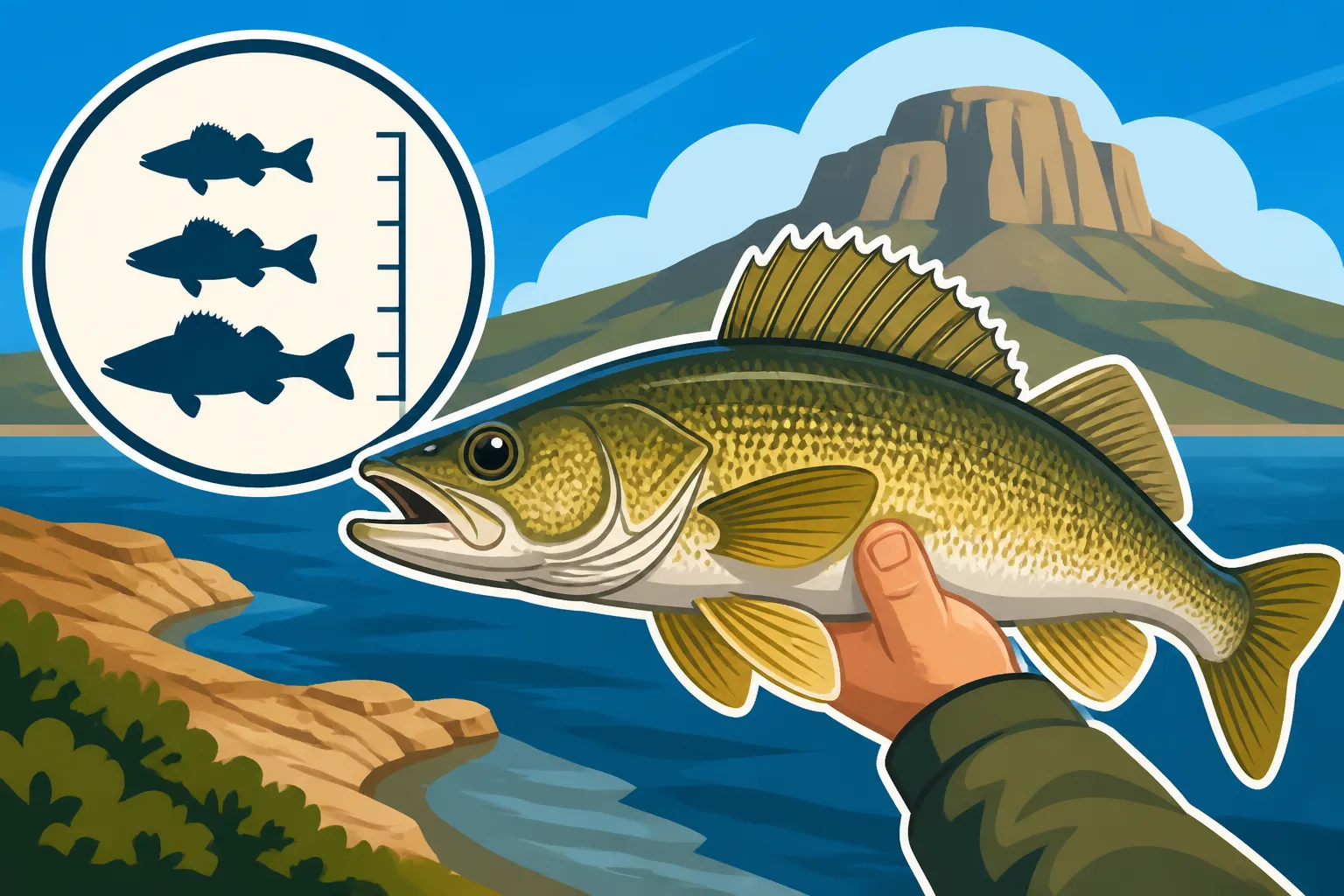
When we talk about an "average keeper" walleye, we're really looking at two things: what's legally allowed to be harvested according to current regulations, and what's generally considered a good eating size. For Boysen Reservoir, anglers are consistently reporting walleye in the 15 to 20-inch range. These are prime fish, often weighing between 1.5 to 3 pounds. They're robust, offer a satisfying fight, and are absolutely perfect for the dinner table. It's this size class that makes up the bulk of a successful day's catch for many anglers.
While some days you might encounter a flurry of smaller walleye, those in the 12-14 inch range, they are often quickly outgrown as the reservoir's rich ecosystem allows them to pack on pounds rapidly. The consistent presence of these solid 15-20 inch fish is a testament to the health of Boysen's walleye population and the effective management strategies in place. It means you can realistically expect to go home with a few fillets if you put in the time and use the right approach.
Trophy Potential and Record-Breaking Walleye
Now, for those of you with "trophy hunter" aspirations, Boysen Reservoir absolutely holds the potential for larger, truly impressive walleye. While they might not be as common as the 15-20 inch average keepers, walleye exceeding 24 inches are caught every season, and some even push past the 28-inch mark. These lunkers can weigh upwards of 7-10 pounds, providing an unforgettable battle and a story to tell for years to come.
Targeting these larger fish often requires a bit more patience, specialized techniques, and sometimes, hitting specific patterns or areas where bigger fish tend to congregate. If you're serious about chasing that wall-hanger, it can be incredibly beneficial to consult with a local expert. Many experienced guides available through platforms like FishingBooker specialize in targeting these larger, more elusive walleye, using their intimate knowledge of the reservoir's deep structure and seasonal movements. They can provide invaluable insights into where and how to find these giants, potentially even helping you surpass the Wyoming State Record Walleye someday, though that's truly a once-in-a-lifetime feat!
Factors Influencing Walleye Size and Abundance
The dynamic nature of walleye sizes at Boysen Reservoir isn't a mystery; it's a reflection of several interconnected environmental and biological factors. Understanding these elements can give you a significant edge, helping you anticipate where the best fishing might be and what size of fish you're likely to encounter. It’s not just about luck; it’s about understanding the ecosystem.
Forage Base and Water Levels
The availability of food is arguably the most critical factor in determining how quickly walleye grow and how large they become. Boysen Reservoir boasts a diverse forage base, including yellow perch, suckers, and various baitfish. A strong population of these prey species means walleye have plenty to eat, allowing them to grow larger and healthier. Conversely, if the forage base takes a hit for any reason, walleye growth can slow down, and average sizes might temporarily decrease. It's a classic predator-prey relationship that directly impacts the quality of fishing.
Water levels also play a significant role. High water years can expand habitat, offering more cover and food sources, which can be beneficial for younger walleye. Low water years, however, can concentrate fish, making them easier to locate for anglers, but also potentially stressing the population if it persists, impacting forage availability and spawning success. The ebb and flow of Boysen's water levels, influenced by snowpack and dam management, directly affects the accessibility and health of the walleye population. To understand more about what these fish typically consume, you might find What Walleye Eat in Wyoming Lakes a helpful read.
Stocking Programs and Spawning Success
The Wyoming Game and Fish Department (WGFD) actively manages the walleye fishery at Boysen Reservoir through a combination of stocking programs and conservation efforts. These stocking programs are crucial for supplementing natural reproduction, especially in years where natural spawning might be less successful. The consistent introduction of young walleye ensures a robust population, providing a steady supply of fish that will eventually grow into the coveted keeper sizes. These stocked fish grow quickly, especially with Boysen's ample food sources.
Beyond stocking, natural spawning success is also vital. Walleye typically spawn in the spring, often over rocky shoals or gravel beds. Factors like stable water levels during spawning season, suitable habitat, and favorable water temperatures all contribute to a successful hatch. A strong year class from natural reproduction can lead to an abundance of fish in a few years' time, influencing the average sizes running through the reservoir. While the context is different, the principles of maintaining healthy fisheries through stocking and habitat management are similar to those discussed in Wyoming's Stocked Rainbow Trout Program. The WGFD's proactive approach helps maintain Boysen as a premier walleye destination.
Maximizing Your Chances for Quality Walleye at Boysen
Knowing what size walleye are in Boysen is one thing; actually catching them is another. To consistently hook into those desirable 15-20 inch keepers, and maybe even a trophy, you need to align your strategy with the walleye's behavior throughout the year. It's all about being in the right place at the right time with the right presentation. There's a method to the madness, and experienced anglers have honed their techniques to get the best results.
Best Seasons and Times
Walleye activity and location at Boysen Reservoir change significantly with the seasons.
- Spring (Ice-Out to June): This is often considered one of the best times for larger walleye, particularly during the pre-spawn and spawn. As ice recedes, walleye move to shallower, rocky areas to stage for spawning. They can be incredibly aggressive during this period. Early mornings and late evenings are prime times, especially just before and after the sun hits the water.
- Summer (June to August): As water temperatures rise, walleye typically move deeper, seeking cooler water and congregating around submerged structures, points, and humps. They'll often feed during dawn, dusk, and even into the night, when they move into shallower feeding flats. Midday can be tough, but deep trolling or jigging can still be effective.
- Fall (September to Ice-Up): This is another fantastic time, especially for putting on some size. Walleye become highly active as they feed heavily to build up fat reserves for winter. They can be found shallower than in summer, chasing baitfish. Overcast days and low-light periods are often best.
- Winter (Ice Fishing Season): Boysen offers excellent ice fishing for walleye. They tend to concentrate in specific areas, often relating to structure. Low light periods remain key, but success can be found throughout the day with persistence.
For a deeper dive into seasonal patterns, especially for walleye, check out Best Month for Walleye at Boysen Reservoir.
Effective Techniques and Baits for Boysen Walleye
Successfully catching walleye at Boysen comes down to choosing the right presentation for the conditions and the fish's mood.
- Jigging: This is a classic walleye technique, highly effective year-round. Use jigs tipped with live bait like minnows, leeches, or nightcrawlers. Soft plastics, like paddle tails or grub bodies on a jig head, can also be deadly, especially when mimicked to the forage. Vertical jigging over structure is fantastic in deeper water, while pitching jigs to shallower contours works well in spring and fall. For more jigging specifics, consider reading Jigging for Walleye at Boysen Reservoir.
- Trolling: Covering water is key, particularly in a large reservoir like Boysen. Trolling with crankbaits (like Rapala, Berkley, or Bandit brands) that mimic baitfish is highly effective, especially when walleye are spread out or holding deeper. Experiment with different depths, speeds, and colors until you find what triggers bites. Bottom bouncers with spinner rigs or slow-death hooks tipped with worms are also Boysen favorites.
- Slip Bobbers: When walleye are holding in a specific depth range over structure, a slip bobber rig allows you to present live bait (often a leech or minnow) at a precise depth. This is a subtle yet very effective technique, particularly in calm conditions or when fish are finicky.
- Bottom Bouncing: This method is excellent for covering a lot of ground along the bottom. Pair a bottom bouncer with a snell and a crawler harness or a plain hook and a leech. It keeps your bait in the strike zone where walleye often feed.
Many reputable guides operating in the area, often found through services like FishingBooker, can provide up-to-the-minute information on the hottest techniques and baits specific to current Boysen Reservoir conditions. They spend countless hours on the water and know exactly what the walleye are responding to.
Here’s a quick overview of what to expect size-wise at Boysen Reservoir throughout the year:
| Season | Average Length (inches) | Average Weight (pounds) | Keeper Rate | Trophy Potential | Prime Techniques |
|---|---|---|---|---|---|
| Spring | 16-22 | 2-5 | High | Excellent | Jigging, Trolling, Shallow Cranks |
| Summer | 15-19 | 1.5-3 | Good | Moderate | Deep Trolling, Vertical Jigging |
| Fall | 17-23 | 2.5-6 | High | High | Trolling, Jigging, Blade Baits |
| Winter | 14-18 | 1-2.5 | Good | Moderate | Ice Jigging, Tip-ups |
Note: "Keeper Rate" refers to the likelihood of catching fish within the typical legal harvest size; "Trophy Potential" indicates the chances of landing a fish over 24 inches.
Important Considerations for Anglers
Beyond simply understanding fish sizes and techniques, responsible angling at Boysen Reservoir involves a few key considerations. These not only ensure the long-term health of the fishery but also enhance your overall experience and keep you on the right side of the rules. Ignoring these aspects can lead to disappointment or, worse, penalties.
Regulations and Conservation Efforts
It's absolutely vital to be intimately familiar with the current fishing regulations for Boysen Reservoir. Wyoming Game and Fish Department regulations can change annually, and sometimes even in-season, to protect the fishery. This includes specific bag and possession limits for walleye, which dictate how many fish you can keep in a day and how many you can have in your possession. Ignoring these limits, even accidentally, can result in hefty fines and penalties. For instance, the general statewide daily limit for walleye is often six, but special regulations may apply to certain waters, so always double-check.
Conservation is also a huge part of being a responsible angler. While keeping some fish for dinner is a cherished part of fishing, practicing selective harvest, especially releasing larger, mature female walleye, helps maintain the breeding stock and ensures trophy potential for future generations. These big fish are crucial for successful spawning and contribute significantly to the genetic strength of the population. Understanding Wyoming's Daily Bag Limits by Species and employing Catch-and-Release Rules on Wyoming Waters are cornerstones of sustainable fishing.
Where to Find Up-to-Date Information
The best anglers are also the most informed anglers. Relying on outdated information can put you at a disadvantage. The most reliable source for current regulations, stocking reports, and any emergency closures is always the Wyoming Game and Fish Department website. They publish an annual fishing regulations booklet which is your bible when you're on the water. You can download it online or pick up a physical copy from any license vendor.
Local tackle shops and bait stores around the Boysen Reservoir area are also invaluable resources. They often have a pulse on what's biting, what depths fish are being caught at, and even current water conditions. Don't be shy about asking questions when you pick up your bait or tackle. Online fishing forums and community groups dedicated to Wyoming fishing can also offer real-time reports and insights from fellow anglers, but always cross-reference critical information with official WGFD sources. Additionally, many experienced fishing guides listed on platforms like FishingBooker stay constantly updated on current conditions and regulations, as it's essential for their business, making them another excellent source of information. For official guidance, you can't beat checking Where to Find Current Wyoming Fishing Regulations directly.
Disclaimer
The information provided in this guide is for general informational purposes only and is subject to change. Always consult the official Wyoming Game and Fish Department regulations and local advisories before fishing, as rules and conditions can vary and be updated. Fishing involves inherent risks; always prioritize safety on the water.