Wyoming’s Stocked Rainbow Trout Program
For many folks, the thought of fishing in Wyoming immediately conjures up images of pristine, high-mountain streams and elusive wild trout. And while that picture certainly holds true for a good portion of our beautiful state, it’s not the whole story. The reality is, a huge number of anglers, from families with young kids to seasoned pros looking for consistent action, rely heavily on Wyoming's robust stocked rainbow trout program. This guide is all about shedding light on how these magnificent fish contribute to our angling opportunities and what you need to know to find them.
Understanding Wyoming's Stocked Rainbow Trout
Rainbow trout are a fantastic sport fish, known for their spirited fights and often vibrant colors. In Wyoming, you'll encounter them in two main forms: wild, self-sustaining populations and those that are regularly stocked. The stocked rainbows are a cornerstone of our fisheries management, providing accessible fishing opportunities across a wide range of waters.
Characteristics of Stocked Rainbows
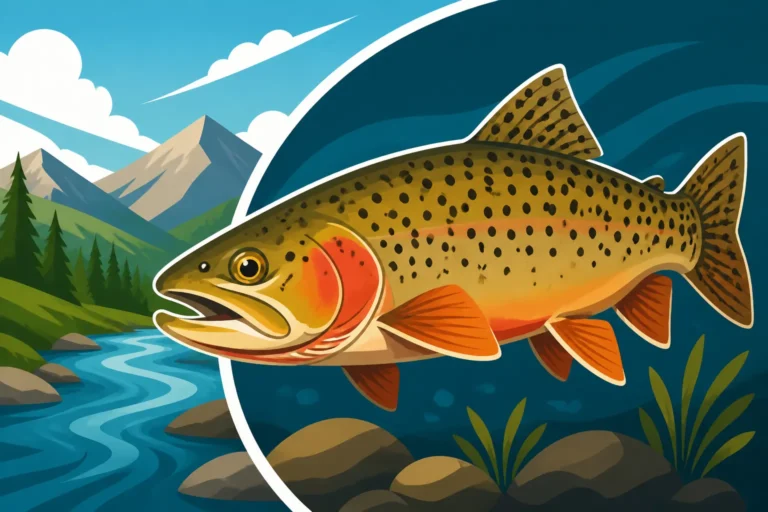
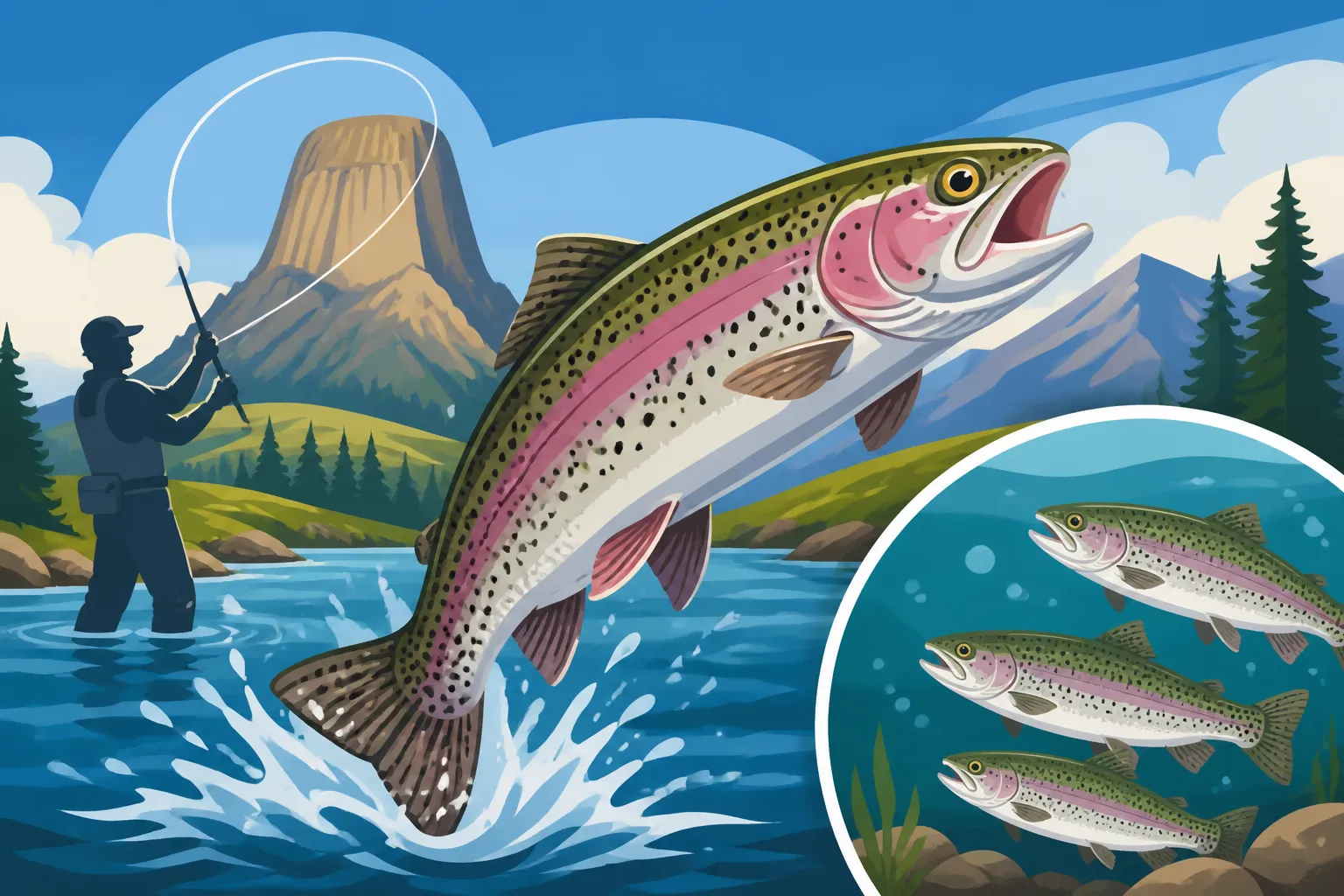
When you pull a stocked rainbow from the water, you might notice a few distinguishing features compared to their wild counterparts. Stocked fish, especially those released at catchable sizes, often have slightly worn fins, particularly their pectoral and caudal (tail) fins, due to living in hatchery raceways. Their coloration can sometimes be a bit duller initially, taking on the more vibrant hues of a wild fish once they’ve spent some time in their new environment feeding on natural forage.
Beyond their physical appearance, stocked rainbows often behave a bit differently, too. They're generally less wary of anglers and more accustomed to feeding on pelleted food, which can translate into a higher catch rate for baits or lures that mimic that type of food, or simply a less selective bite overall. This makes them incredibly popular for beginner anglers and those looking for a more relaxed fishing experience. You can often find them in easily accessible spots where the stocking trucks can get close to the water.
The Life of a Stocked Trout
The journey of a stocked rainbow trout begins in one of Wyoming's dedicated fish hatcheries. Here, they're carefully raised from eggs, growing quickly in controlled environments with consistent food and water quality. This ensures a healthy, robust fish ready for release. Once they reach a certain size, usually around 8-12 inches (or even larger for some programs), they are transported in specialized trucks and carefully released into lakes, reservoirs, and accessible river sections across the state.
Their time in the hatchery has prepared them for survival, but once released, they quickly adapt to natural forage like insects, minnows, and crustaceans. While some stocked fish can survive for years and grow to impressive sizes, the primary goal of the stocking program is often to provide immediate fishing opportunities, and many are caught soon after release. The Wyoming Game and Fish Department continually monitors these populations to ensure a balance between angler enjoyment and ecological health.
The Why Behind Wyoming's Stocking Efforts
Wyoming's vast and diverse landscape presents unique challenges and opportunities for fisheries management. Stocking rainbow trout isn't just about throwing fish into a lake; it's a strategic program designed to achieve several critical objectives, balancing recreational demand with conservation needs.
Enhancing Angler Opportunities
Let's be honest, everyone loves to catch fish! One of the biggest reasons for stocking rainbow trout is to significantly increase the success rate for anglers, especially in waters that might not naturally support a high population of wild trout, or where natural reproduction is limited. Think about urban ponds or smaller reservoirs that see heavy fishing pressure. Without stocking, these waters would quickly become "fished out," disappointing countless families and casual anglers.
Stocking ensures that there's always a fresh supply of catchable fish, making fishing more enjoyable and accessible. It creates ideal environments for teaching kids to fish, providing that instant gratification that hooks them for life. These programs are vital for sustaining local economies that depend on tourism and outdoor recreation, making sure that folks who come to Wyoming specifically for fishing have a great experience, whether they're after a trophy wild brown or a feisty stocked rainbow. Wyoming's Annual, Daily and Five-Day License Options are all part of this accessibility.
Supporting Fisheries Management and Conservation
Beyond just providing fish to catch, stocking plays a crucial role in broader fisheries management and even conservation. In some instances, stocked rainbows are used to fill an ecological niche, controlling populations of undesirable baitfish or providing a food source for larger predatory fish. They can also act as a buffer, taking pressure off more sensitive wild trout populations in nearby streams by drawing anglers to more robust, stocked waters.
For instance, some native trout species, like certain strains of cutthroat, might be facing challenges from habitat degradation or competition from non-native species. By stocking rainbows in accessible areas, the Game and Fish Department can direct angling pressure away from those sensitive native populations, allowing them to recover and thrive. It's a subtle but important piece of the puzzle in maintaining healthy ecosystems across the state, ensuring that future generations can enjoy both the thrill of catching a stocked rainbow and the majesty of a wild native trout.
Economic Impact of Stocking Programs
The economic benefits of Wyoming's stocked rainbow trout program are substantial, though often overlooked. Anglers, whether they're residents or nonresidents, spend money on licenses, gear, bait, fuel, food, and lodging. When fishing is consistently good and accessible, more people participate, leading to a direct economic boost for communities throughout the state. Think of the small-town tackle shops, local diners, and gas stations that see increased business during peak fishing season.
Moreover, the jobs created by the stocking program itself – from hatchery technicians and biologists to truck drivers and administrative staff – contribute to the state's economy. The ability to guarantee a reasonable chance of catching a fish is a powerful draw for tourism, which is a cornerstone of Wyoming's economy. This is why resources are continually dedicated to ensuring the health and success of the stocking program, because it pays dividends far beyond just putting fish in the water.
From Hatchery to Hook: The Stocking Process
Ever wondered how all those rainbow trout end up in your favorite fishing hole? It's a fascinating and meticulously planned process that starts long before they ever splash into the water. The Wyoming Game and Fish Department operates several hatcheries dedicated to raising healthy, vibrant fish specifically for stocking programs.
Hatchery Operations and Raising Trout
Wyoming's hatcheries are state-of-the-art facilities designed to raise fish from tiny eggs to catchable size. The process begins with broodstock—adult fish kept specifically for their eggs and milt. Eggs are carefully fertilized and then placed in incubators where they hatch into "fry." These tiny fish are incredibly delicate and require constant care, including a specialized diet and precise water temperature control.
As they grow, they move into larger raceways, essentially long, shallow concrete channels with a continuous flow of fresh, clean water. Here, they're fed a high-quality commercial diet, allowing them to grow quickly and efficiently. Regular checks ensure their health, and careful management prevents overcrowding and disease. It's a round-the-clock operation that requires a deep understanding of fish biology and water chemistry to produce millions of healthy fish each year. The precision involved ensures that when they are released, they have the best chance of survival and provide excellent angling opportunities.
Distribution and Release Tactics
Once the rainbow trout reach their target size, it’s time for their grand adventure: release day! This isn't just about dumping them out of a truck; it's a strategic operation. Specialized tank trucks, equipped with aerated water, transport the fish to various lakes, reservoirs, and river sections across Wyoming. The choice of stocking locations is based on a complex formula considering angler demand, water quality, natural fish populations, and access.
For smaller ponds or lakes with easy access, fish might be released directly from the truck into the water. For larger reservoirs or more remote locations, boats might be used to distribute fish over a wider area, preventing too many from congregating in one spot and giving them a better chance to disperse and find food. Sometimes, even more dramatic methods are employed, like aerial stocking into high-alpine lakes where trucks simply can't reach. The goal is always to maximize the survival rate of the stocked fish and spread them out to offer the best fishing experience possible. This careful distribution contributes to why Wyoming's Stocked Rainbow Trout Program is so effective.
Best Waters for Finding Stocked Rainbow Trout
Wyoming has an incredible diversity of waters, and thankfully, the stocked rainbow trout program makes sure that many of them offer fantastic fishing. You don't always need to hike into the backcountry for a good fight; some of the most accessible spots are regularly stocked.
Reservoirs and Larger Lakes
Many of Wyoming's larger reservoirs and lakes are prime locations for stocked rainbow trout. These waters often have the capacity to hold a significant number of fish and provide ample food resources. Reservoirs like Glendo, Keyhole, and Buffalo Bill are routinely stocked, offering anglers a chance to catch rainbows alongside other species like walleye or bass. These larger bodies of water provide plenty of shoreline access, as well as opportunities for boat fishing and trolling.
When fishing these larger waters for stocked rainbows, think about the areas where fresh water enters, or where the wind might concentrate food. Bays, coves, and points are always good places to start. Early morning and late evening often yield the best results, as the fish move into shallower water to feed. You can often find great deals on basic fishing gear like spinning rods, reels, and tackle boxes, or even a good pair of polarized sunglasses to spot cruising fish, on Amazon.
Urban Ponds and Community Fisheries
Perhaps the unsung heroes of the stocking program are Wyoming's urban ponds and community fisheries. These are specifically managed for ease of access and high catch rates, making them absolutely perfect for families, beginners, and anyone looking for a quick fishing fix without a long drive. Towns like Casper, Cheyenne, and Laramie often have several ponds that receive regular rainbow trout stockings.
These ponds are usually well-maintained, sometimes even featuring fishing piers, picnic areas, and restrooms. They are designed for convenience and a positive experience. Bait fishing with worms, PowerBait, or corn is extremely effective here, as the fish are often accustomed to similar food in the hatchery. A simple bobber rig or a small jig under a float can lead to a lot of action. These spots are fantastic for introducing kids to fishing, and often, you'll find them teeming with eager anglers. Always check the local regulations for specific pond rules, as some might have different limits or special youth-only fishing days. You might even discover How Old You Have to Be to Fish Without a License in Wyoming by checking those specific guidelines.
River Sections and Tailwaters
While many wild trout thrive in Wyoming's rivers, certain sections are also stocked with rainbow trout, particularly those that see heavy angling pressure or have limited natural reproduction. Tailwater fisheries, which are river sections immediately below a dam, are often ideal candidates. The consistent flow and temperature of tailwaters can create excellent habitat for stocked fish. The North Platte River, for example, is famous for its wild trout, but some sections benefit from stocking to maintain high populations.
When fishing stocked rainbows in rivers, consider areas with slower currents, like eddy lines, deeper pools, and undercut banks. These provide shelter and places for fish to ambush food. Flies, spinners, and small crankbaits can all be very effective. It’s a slightly different challenge than a stillwater pond, but incredibly rewarding. Always be mindful of stream access rules and private land. For any angler, having a reliable pair of waterproof boots and waders, which you can often find a wide selection of on Amazon, is essential for river fishing.
Fishing for Stocked Rainbows: Tips and Techniques
Catching stocked rainbow trout doesn't require a degree in rocket science, but a few tried-and-true techniques will definitely increase your success. These fish are generally less wary than their wild cousins, making them excellent targets for a variety of methods.
The Best Baits and Lures
For stocked rainbow trout, simplicity often reigns supreme. They are frequently accustomed to processed feeds from their hatchery days, so baits that mimic that, or are simply easy for them to recognize as food, work wonderfully.
- PowerBait and Dough Baits: These are arguably the most popular and effective baits for stocked rainbows. Available in a rainbow (pun intended!) of colors and scents, they're designed to attract trout. Mold a small ball around a treble hook, ensuring the hook point is hidden, and fish it off the bottom with a small weight.
- Worms: Nothing beats a classic nightcrawler or garden worm. Thread a small piece onto a hook, or use a whole worm for larger fish. Fish it under a bobber or on the bottom.
- Corn: Believe it or not, canned corn is a killer bait for stocked rainbows. It's cheap, effective, and ethical if you use it in moderation. It’s what they are often fed in the hatcheries. Just a few kernels on a small hook will do the trick.
- Spinners and Spoons: Small inline spinners (like Mepps or Rooster Tail) and tiny casting spoons are deadly on stocked rainbows. Their flash and vibration mimic small baitfish or insects, triggering an aggressive strike. Cast and retrieve at a steady pace. Look for these in multi-packs on Amazon to get a variety of sizes and colors.
- Jigs: Small marabou jigs or Gulp! Minnow imitations, fished under a bobber or slowly retrieved along the bottom, can be incredibly effective, especially when trout are a bit deeper.
Rigging for Success
Setting up your tackle correctly is key to making the most of your time on the water. For stocked rainbow trout, you generally don't need super heavy line or elaborate setups.
- Bottom Rig (for PowerBait/Worms):
- Tie a small (size 8-12) baitholder hook directly to your main line.
- About 12-18 inches above the hook, pinch on a few split shot weights or use a sliding egg sinker above a swivel and leader.
- This allows your bait to sit on the bottom, where many stocked rainbows feed.
- Bobber Rig (for Worms/Jigs/Corn):
- Attach a small bobber to your line, setting its depth so your bait is suspended a foot or two off the bottom or at the desired depth.
- Tie a small hook (size 10-14) or a small jig directly to your line below the bobber.
- Add a single small split shot about 6 inches above the hook to help cast and get the bait down. This setup is perfect for kids and stillwater fishing.
- Spinning Lure Setup:
- Tie your chosen spinner or spoon directly to your main line (or a short fluorocarbon leader for less visibility).
- Consider using a small snap swivel to prevent line twist, especially with inline spinners.
You'll find that a lighter rod and reel setup, often called a "ultralight" combo, makes catching even smaller stocked rainbows a blast. These combos are readily available and affordable, often sold as complete sets on Amazon, making it easy to get started. Don't forget to practice Catch-and-Release Best Practices for Trout if you're not planning on keeping your catch.
Reading the Water for Stocked Trout
Even though stocked trout are often less selective, knowing where they tend to hold can make a big difference.
- Near Inflow/Outflow: Anywhere water enters or leaves a lake or pond is a great spot. Fresh oxygen and food can be abundant here.
- Drop-offs and Ledges: Look for areas where the bottom depth changes suddenly. Trout will often cruise these transition zones.
- Structure: Submerged logs, rocks, weed beds, or even bridge pilings offer cover and ambush points for trout.
- Shade: On sunny days, trout will often congregate in shaded areas, especially during the warmer parts of the day.
- Shoreline Access Points: Stocking trucks often release fish where access is easy, so don't overlook areas near boat ramps, docks, or popular bank fishing spots. The fish will disperse, but often linger nearby.
Remember, patience is a virtue, but don't be afraid to move around if you're not getting bites. Cover different depths and areas until you find where the fish are holding. Fishing Wyoming's High-Alpine Lakes might require different tactics, but for stocked rainbows, accessibility is often key.
The Future of Stocked Rainbow Trout in Wyoming
Wyoming's stocked rainbow trout program is a dynamic system, constantly evolving to meet the needs of both the fish and the anglers who pursue them. It's a balance of science, economics, and a deep appreciation for the outdoor recreation that defines our state.
Challenges and Adaptations
Maintaining a successful stocking program isn't without its hurdles. One of the primary challenges is managing disease outbreaks in hatcheries, which can devastate an entire year's worth of fish. Water quality and temperature fluctuations, especially with changing climate patterns, also demand constant monitoring and adaptation in hatchery practices. Beyond the hatchery, once fish are released, they face predation from birds and larger fish, as well as angling pressure.
The Wyoming Game and Fish Department constantly adapts its strategies. This includes experimenting with different genetic strains of rainbow trout that might be more resilient to specific environmental conditions or grow faster. They also adjust stocking densities and timings based on detailed fisheries surveys and angler feedback. The goal is to maximize the return on investment – meaning, to ensure the highest possible percentage of stocked fish end up on an angler's line, providing the intended recreational benefit.
The Role of Anglers in the Program's Success
Anglers play a direct and crucial role in the continued success of the stocked rainbow trout program. First and foremost, purchasing a Wyoming Fishing License Guide for Nonresidents or resident license directly funds these programs, including hatchery operations and research. Without license sales, the resources simply wouldn't be available.
Beyond finances, responsible angling practices are vital. Adhering to bag and possession limits ensures that enough fish remain for others to enjoy. Practicing proper catch-and-release, even for stocked fish, contributes to the health of the fishery, especially if you're targeting larger holdover trout. Reporting any unusual fish diseases or invasive species sightings to the Game and Fish Department helps protect all our waters. Ultimately, it's a partnership between the state and its anglers, all working towards a common goal of maintaining excellent fishing opportunities.
Beyond Rainbows: Other Stocked Species
While rainbow trout are undeniably the star of the stocking show, it's worth remembering that Wyoming stocks other species as well, often for similar reasons of enhancing angling opportunities or specific fisheries management goals. These can include brown trout, cutthroat trout, and even kokanee salmon in certain reservoirs.
Each species has its own set of biological needs and provides a different angling experience. The decision of which species to stock where is carefully made by biologists, considering factors like water temperature, available forage, and existing fish populations. This thoughtful approach ensures a diverse and robust fishery for everyone. Understanding Wyoming Fishing Regulations Every Angler Should Know is key, regardless of what species you're targeting.
Wyoming's Stocked Rainbow Trout: A Summary of Opportunities
Let's put all this great information into a quick comparison so you can see at a glance why stocked rainbows are such a fantastic resource for anglers in Wyoming.
| Feature | Wild Rainbow Trout | Stocked Rainbow Trout |
|---|---|---|
| Primary Goal | Natural reproduction, ecosystem balance | Angler opportunity, population enhancement |
| Location | Pristine rivers, high-mountain lakes | Accessible lakes, reservoirs, urban ponds, river sections |
| Appearance | Vibrant colors, unmarred fins | May have worn fins, initially duller coloration |
| Behavior | Wary, selective feeders, challenging to catch | Often less wary, aggressive feeders, easier to catch |
| Best Techniques | Fly fishing, technical spin fishing | Bait fishing, spin fishing, simple fly setups |
| Accessibility | Often requires hiking or specialized access | Generally easy access, close to communities |
| Survival Rate | Higher long-term survival in natural habitat | Lower long-term survival, high catch rate expected |
| Role in Fishery | Indicator of healthy ecosystem | Provides high-volume angling, eases pressure on wild fish |
Whether you're looking to introduce a newcomer to the joy of fishing, or just want a reliable spot to bend a rod after a long week, Wyoming's stocked rainbow trout program offers consistent, accessible, and fun angling experiences for everyone. Grab your gear, head to your local pond or reservoir, and enjoy the fruits of this incredible program!
Disclaimer
This article is for general informational purposes only and does not constitute professional advice. Laws, prices and regulations vary by location and change over time. Consult a qualified professional for guidance on your specific situation.