Best Month for Walleye at Boysen Reservoir
Few things are more frustrating for an angler than heading out to a promising fishery, only to spend hours casting without a single bite. You’ve heard Boysen Reservoir is a walleye powerhouse, but knowing when to go can feel like deciphering a secret code. This comprehensive guide is here to unravel the mysteries of walleye behavior at Boysen, helping you pinpoint the absolute best months and conditions to chase these elusive, tasty fish and turn those frustrating outings into triumphant tales.
Cracking the Code: Why Boysen Reservoir is a Walleye Haven
Boysen Reservoir, nestled in central Wyoming, isn't just a pretty face; it's a prime destination for anglers specifically targeting walleye. But what is it about this particular body of water that makes it so productive for these sought-after fish? It’s a combination of factors – from its impressive size to its diverse forage base – that create an ideal environment for walleye to thrive and grow to impressive sizes.
A Unique Habitat for Wyoming Walleye
Boysen Reservoir isn't your average puddle. It's one of Wyoming's largest reservoirs, formed by the damming of the Wind River, and it boasts an incredibly varied underwater landscape. You'll find everything from shallow, rocky points and submerged humps to expansive flats and deep channels. This diverse topography provides ample hiding spots, feeding grounds, and spawning areas for walleye throughout the year. The reservoir's generally turbid (cloudy) water, particularly in certain arms, also plays a crucial role. Walleye are highly sensitive to light, and the reduced light penetration in Boysen's waters makes them feel more comfortable hunting during daylight hours compared to clearer lakes. This allows for more consistent daytime fishing opportunities, a welcome change for many anglers used to chasing walleye only at dawn or dusk. The fluctuating water levels, managed by the Bureau of Reclamation, can also concentrate fish in specific areas, creating hot spots that observant anglers can capitalize on. Understanding these unique features is the first step in successful walleye angling here.
What Makes Boysen Walleye So Desirable
Beyond the thrill of the catch, Boysen walleye are highly prized for their delicious, flaky white meat. They are widely considered one of the best-eating freshwater fish in North America, and catching a limit often means a fantastic meal. The Wyoming Game and Fish Department (WGFD) actively manages the walleye population in Boysen, ensuring a healthy and sustainable fishery. This management includes stocking efforts and careful monitoring of population dynamics. Anglers here can expect to catch a good mix of sizes, from "eaters" in the 15-20 inch range to larger, trophy-sized fish pushing into the upper 20s and even 30+ inches. The sheer number of walleye in Boysen means that while they can be challenging, consistent effort often yields rewards. Plus, the fight of a strong walleye can be quite exhilarating, especially on lighter tackle, adding to their desirability for sport fishermen. They are cunning, and outsmarting them provides a profound sense of accomplishment.
Timing is Everything: Pinpointing the Best Months for Boysen Walleye
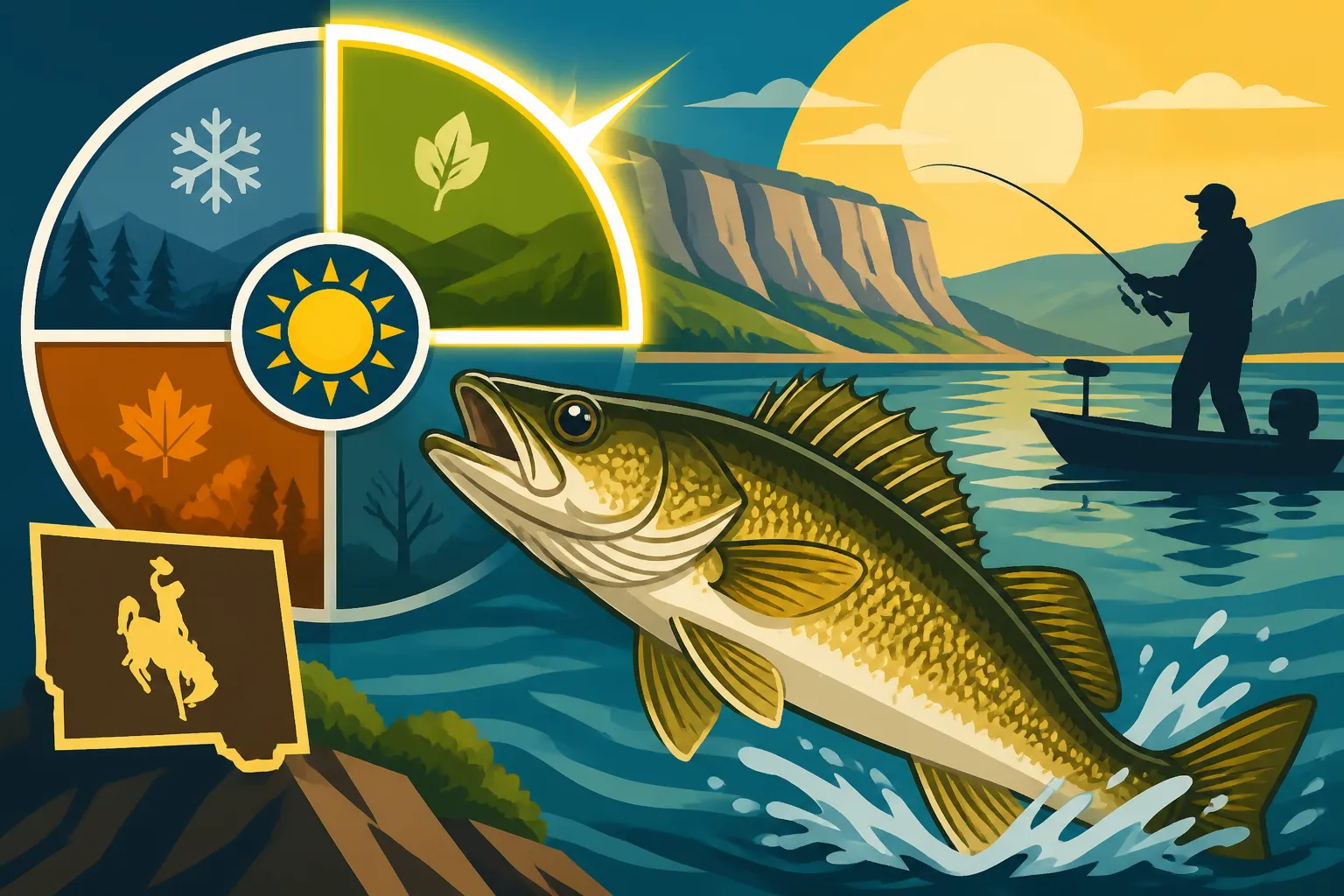
Successfully targeting walleye at Boysen Reservoir really boils down to understanding their seasonal movements and behaviors. While you can catch walleye year-round, certain months offer significantly better odds and more active bites, particularly if you know what patterns to look for.
The Spring Surge: Pre-Spawn and Spawning Frenzy
Spring, particularly from late April through May, is hands down one of the absolute best times to target walleye at Boysen Reservoir. As the ice recedes and water temperatures begin to climb into the 40s and low 50s Fahrenheit, walleye instinctively move into shallower, rocky areas to prepare for their annual spawn.
The pre-spawn period sees walleye actively feeding, bulking up for the energy-intensive spawning process. They’ll be cruising rocky points, riprap banks, and shallow flats adjacent to deeper water. This is a fantastic time for boat anglers to slowly troll crankbaits or cast jigs tipped with minnows or soft plastics. Shore anglers can also find success from accessible points, particularly those with good rock structure.
Once the actual spawn begins, usually when water temperatures are consistently in the mid-40s to low 50s, the bite can sometimes slow down temporarily as fish are focused on reproduction. However, immediately after the spawn, usually by late May, the walleye become incredibly aggressive as they recover and seek to replenish their energy. This post-spawn bite can be incredibly hot, with fish readily hitting a variety of presentations. They'll often still be in relatively shallow water, but starting to disperse a bit more. This also coincides with the general opening up of access points and better weather for anglers, making it a comfortable and productive time to be on the water.
Summer's Deep Game: Tactics for Warm Weather
As summer progresses into June, July, and August, Boysen's waters warm considerably, and the walleye move to deeper, cooler sections of the reservoir. Don't let this discourage you; summer can still be incredibly productive for those willing to adapt their tactics. This is often when you'll find walleye suspending over structure or relating to deeper humps, channels, and drop-offs, especially during the brighter parts of the day.
Early mornings and late evenings, or even night fishing, become prime times as walleye move shallower to feed under the cover of low light. During the day, think vertical. Jigging spoons, blade baits, or heavy jigs tipped with a worm or plastic can be dropped right into schools of fish marked on your sonar. Trolling techniques, especially with bottom bouncers and spinner rigs tipped with live bait like leeches or worms, are also highly effective at covering vast expanses of deeper water and finding scattered fish. Long-lining crankbaits that dive to specific depths can also intercept suspended walleye. This is a time when understanding your electronics becomes paramount; finding those deep schools is key to success. For more detailed insights, consider looking into guides on Trolling Techniques for Wyoming Reservoirs to refine your approach.
Autumn's Feast: The Fall Feeding Binge
Just like in spring, September and October usher in another peak season for walleye at Boysen. As water temperatures begin to drop again, walleye sense the approaching winter and embark on a massive feeding spree, trying to pack on as much weight as possible. This is often the time when you have the best chance of catching truly large, trophy-sized walleye.
Walleye in the fall often become incredibly aggressive and will actively chase down baits. They'll start moving back to shallower to mid-depth structures, often schooling up tightly. Look for them on points, main lake flats, and even inside turns where they can ambush baitfish. Trolling large crankbaits, casting bigger jigs with plastics, or using live bait presentations like shiners or large minnows under slip bobbers can be incredibly effective. The cooler air temperatures mean more comfortable fishing for anglers, and the stunning fall colors of the surrounding landscape only add to the appeal. This period is a favorite among many seasoned Boysen walleye anglers due to the potential for both quantity and quality.
Winter's Icy Challenge: Hardwater Walleye Opportunities
While not everyone's cup of tea, December through March at Boysen Reservoir offers dedicated ice anglers a unique opportunity to target walleye. Once the ice is safely thick enough, which usually happens around December, walleye can still be caught, albeit with different tactics. For safety and planning, it’s always wise to check on Is There Ice Fishing at Boysen Reservoir? before venturing out.
Walleye under the ice tend to be more lethargic, but they still need to feed. They often relate to subtle structure like humps, points, and transition areas between deep and shallow water. Early morning and late afternoon are typically the most productive times. Jigging spoons, small blade baits, or jigs tipped with a minnow head or grub are common presentations. Using a flasher or underwater camera can dramatically increase your success rate by helping you locate fish and determine their reaction to your bait. While the bite can be slower, the reward of a fresh walleye through the ice on a cold winter day is immensely satisfying. Just be prepared for the elements and dress warmly – winter in Wyoming is no joke! Remember, a good Ice Fishing Gear Checklist for Wyoming Lakes is essential for a safe and enjoyable trip.
Understanding Walleye Habits: What Drives the Bite at Boysen
Knowing when to fish is crucial, but understanding why walleye bite (or don't) on any given day can truly elevate your success. Walleye are creatures of habit, heavily influenced by their environment. Paying attention to these natural cues will make you a much more effective angler at Boysen Reservoir.
The Influence of Water Temperature and Clarity
Water temperature is arguably the single most important factor influencing walleye behavior. They are cold-blooded and their metabolism, feeding activity, and location are directly tied to the water's temperature.
- Cold Water (Below 45°F): In early spring and throughout winter, walleye are more sluggish. They'll often hold tight to structure, move slowly, and prefer baits presented deliberately and slowly. This is when deep, slow jigging or deadsticking live bait can work best.
- Optimal Temperature (45-65°F): This is the sweet spot! Walleye are most active and aggressive within this range, which typically encompasses the pre-spawn, post-spawn, and fall feeding frenzies. They'll be more willing to chase faster-moving baits and cover more water.
- Warm Water (Above 65°F): In the heat of summer, walleye seek out cooler, deeper water or feed primarily during low-light conditions. Their activity might decrease, or they might become more selective. Presentations need to be focused on their deepwater haunts.
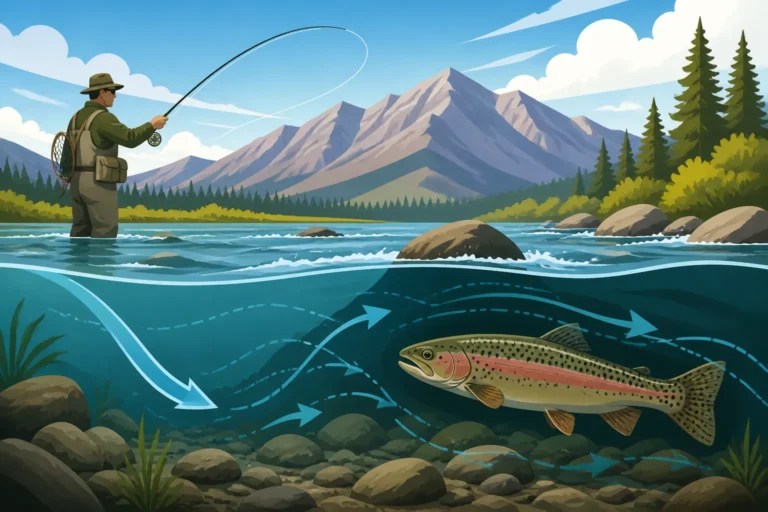
Beyond temperature, water clarity also plays a significant role. Walleye have excellent low-light vision, which is why they thrive in the often-turbid waters of Boysen. In murkier conditions, they might be more active during the day, and brightly colored baits or those that create more vibration can be particularly effective. Conversely, in clearer sections of the reservoir, they might be more wary, requiring lighter lines, stealthier approaches, and more natural-colored presentations. The general guidance for understanding How Water Temperature Changes Wyoming Trout Behavior can often be applied to walleye as well, given their similar cold-water preferences compared to warmer species.
Key Forage and Walleye Diet at Boysen
Walleye are opportunistic predators, and their diet at Boysen Reservoir is diverse, but predominantly consists of small baitfish. Understanding what they're currently feeding on, or "matching the hatch," can significantly improve your lure selection. Common forage species in Boysen include various minnow species, yellow perch, and juvenile suckers.
When walleye are actively chasing schools of baitfish, they might be found suspended or near open water. This is when trolling crankbaits or casting reaction baits like swimbaits can be highly effective. If they're primarily keying on bottom-dwelling forage, then jigs tipped with plastics or live bait like minnows or worms become more productive. Observing what anglers are catching them on or even examining the stomach contents of a kept fish can provide valuable clues. Knowing What Walleye Eat in Wyoming Lakes is fundamental to selecting the right presentation.
Weather, Wind, and Barometric Pressure Impacts
Beyond water conditions, the atmospheric elements above the surface also profoundly affect walleye.
- Cloud Cover and Low Light: Overcast days are often fantastic for walleye fishing, as the reduced light penetrates less deeply, making walleye feel more secure in shallower water throughout the day. Similarly, dawn, dusk, and even night fishing can be incredibly productive under clear skies.
- Wind: A moderate chop on the water, created by wind, is often a walleye angler's best friend. The wind breaks up light penetration, creates current that concentrates baitfish, and disorients prey, making it easier for walleye to hunt. Wind-blown points and shorelines are often hot spots. However, extreme wind can make boat control and presentation difficult, often driving fish deeper for shelter.
- Barometric Pressure: Stable or falling barometric pressure often corresponds with increased feeding activity. A steady, low-pressure system (like before a storm) can spark a feeding binge. Conversely, rapidly rising pressure (often after a cold front) can shut down the bite, making walleye more finicky and less willing to chase. They might move deeper and become less active during these high-pressure periods.
Strategies for Success: Techniques and Tactics for Boysen Walleye
Now that we've covered the "when" and "why," let's dive into the "how." Employing the right techniques and tactics for the prevailing conditions is paramount to putting Boysen walleye in the boat or on the ice. No single method works all the time, so being versatile is key.
Jigging and Live Bait: Tried and True Methods
Jigging is a cornerstone of walleye fishing, and it’s especially effective at Boysen. It allows you to present a bait vertically and precisely to fish holding on structure or suspended at specific depths.
- Vertical Jigging: This involves positioning your boat directly over fish marked on your sonar and dropping a jig straight down. A 1/4 to 1/2 ounce jig head, tipped with a live minnow, a plastic grub (like a Berkley Gulp! minnow), or even a specialized walleye plastic, is jigged with short, sharp lifts and pauses. The goal is to imitate a struggling baitfish. This is a deadly tactic in spring and fall, and during the ice fishing season. When ice fishing, don't forget that Jigging for Walleye at Boysen Reservoir will often require a slightly different rhythm and lure presentation than open water.
- Casting Jigs: From shore or boat, casting jigs to rocky points, submerged weed lines, or current breaks can also be highly effective, especially during spring and fall. Allow the jig to sink to the bottom, then retrieve it with a lift-drop or hop-and-pause motion, maintaining contact with the bottom.
- Live Bait Rigs: Bottom bouncer rigs, particularly when drifting or slow trolling, are a staple. These rigs allow you to keep a worm, leech, or minnow just off the bottom without snagging. Use a spinner harness with a crawler or leech for added attraction. Slip bobber rigs are also excellent for presenting live bait at a precise depth over submerged structure or rock piles, especially in calmer conditions. Live minnows, particularly shiners, are often irreplaceable for triggering reluctant walleye bites. You can often find a good selection of live bait at local tackle shops near Boysen.
Trolling for Deepwater Walleye
Trolling is a fantastic way to cover large areas of Boysen Reservoir, especially when walleye are scattered or holding in deeper water during the summer.
- Crankbait Trolling: This involves pulling diving crankbaits behind your boat at a specific speed to achieve a desired depth. Matching the bait's profile and color to the prevailing forage is important. Walleye often prefer baits that mimic yellow perch or minnows. Different crankbaits are designed to dive to different depths, so having a selection is crucial. You can also use lead core line or snap weights to get baits even deeper. For a deeper dive into methods, Trolling Techniques for Wyoming Reservoirs can provide advanced strategies.
- Bottom Bouncer Trolling: As mentioned, bottom bouncers are also excellent for trolling live bait. You can run them with a spinner rig or plain hook, keeping your bait just off the bottom. This is a phenomenal way to find walleye on expansive flats or along deep breaks.
- Downriggers and Planer Boards: For precise depth control, especially for suspended walleye, downriggers can be invaluable, allowing you to present baits at an exact depth, often away from boat traffic. Planer boards, on the other hand, allow you to spread out your lines horizontally, covering a wider swath of water and presenting baits in undisturbed water away from the boat.
Casting Lures: Covering Water Effectively
While often associated with bass fishing, casting various artificial lures can be very productive for walleye, particularly when they are actively feeding in shallower or mid-depth areas.
- Crankbaits: Casting shallow-diving crankbaits to rocky points or riprap in spring and fall can provoke aggressive strikes from active fish. Lipless crankbaits, which can be cast a long distance and retrieved with a yo-yo action, are also excellent, especially for covering flats.
- Swimbaits: Soft plastic swimbaits, rigged on a weighted swimbait hook or a jig head, perfectly imitate baitfish. They can be retrieved with a steady retrieve, a stop-and-go, or jigged along the bottom. These are versatile and can work in various depths.
- Blade Baits: These vibrating metal lures are incredibly effective, especially in cooler water. They can be cast out, allowed to sink, and then retrieved with a lift-and-drop motion, creating a strong vibration that walleye detect through their lateral lines. They are also excellent for vertical jigging. When considering the best gear for this, many anglers find a wide selection of effective walleye lures on platforms like Amazon, offering convenience and variety.
Essential Gear and Access for Your Boysen Walleye Adventure
Having the right equipment and knowing how to access Boysen Reservoir are crucial components of a successful walleye fishing trip. Don't let a gear malfunction or a missed turn ruin your day on the water.
Rods, Reels, and Lines for Walleye Fishing
Choosing the right rod, reel, and line setup can make a significant difference in your ability to detect subtle walleye bites and successfully land these often-finicky fish.
- Rods: For jigging and casting, a medium-light to medium power spinning rod, 6'6" to 7'6" in length, with a fast action tip, is ideal. This combination provides enough backbone to fight larger fish while maintaining the sensitivity needed to feel light bites. For trolling, a medium power casting rod, around 7 to 8 feet, with a more moderate action, is often preferred for handling the pull of crankbaits and fighting fish in open water.
- Reels: A good quality spinning reel in the 2500-3000 series is perfect for jigging and casting. Look for a smooth drag system, which is vital for preventing line breaks when a big walleye makes a run. For trolling, a baitcasting reel with a line counter is highly recommended. This allows you to precisely replicate presentations by knowing exactly how much line you have out.
- Line: For jigging and casting, 8-10 lb braided line with a 6-8 lb fluorocarbon leader is a popular choice. Braid offers incredible sensitivity and no stretch, helping you feel even the lightest tap, while fluorocarbon is nearly invisible underwater and abrasion resistant. For trolling, many anglers prefer 10-14 lb monofilament or a heavier braid, especially when using bottom bouncers or lead core. When stocking up, many anglers rely on a wide range of fishing products available on Amazon, from line to lures, for convenience and selection.
Navigating Boysen's Shores and Boat Ramps
Boysen Reservoir offers numerous access points for both boat and shore anglers, providing a variety of options depending on your preferred fishing style and the time of year.
- Boat Access: There are several developed boat ramps around Boysen, making it easy to launch larger vessels. Popular ramps include those at Brannon Campground, Tough Creek Campground, and the main launch at Boysen State Park. These areas provide good access to different arms and main lake areas known for walleye. Be aware of fluctuating water levels, which can sometimes impact the usability of certain ramps, especially later in the season. Always check conditions with Boysen State Park before you head out. Getting your boat in the right area is often the first step to finding Boysen Reservoir's Best Walleye Water.
- Shoreline Access: While boating offers more versatility, plenty of walleye can be caught from shore, particularly during the spring and fall spawn. Key areas for shore access include rocky points and causeways within Boysen State Park. The area around the dam and various campgrounds often provide good public access. Scouting these areas ahead of time can help you find prime spots with good structure and depth accessible from land.
- Navigating the Reservoir: Boysen is a large body of water, and understanding its geography is important. The upper end, fed by the Wind River, can be shallower and muddier, while the lower end near the dam tends to be deeper and clearer. Familiarize yourself with navigation maps and use a good GPS or chart plotter on your boat to identify submerged humps, channels, and other structure where walleye might hold.
Regulations and Responsible Angling at Boysen
Fishing Boysen Reservoir, like any body of water in Wyoming, comes with a responsibility to understand and adhere to current regulations. This ensures the health of the fishery for future generations.
- Wyoming Fishing License: First and foremost, you'll need a valid Wyoming fishing license and a Wyoming Conservation Stamp. Non-residents have various options, including annual, daily, and 5-day licenses. Make sure you understand the difference between Wyoming Resident vs Nonresident License Rules before you purchase.
- Bag and Possession Limits: Walleye have specific bag and possession limits that can vary, so always consult the latest Wyoming Fishing Regulations booklet. These limits are in place to manage the walleye population sustainably. For instance, sometimes there are slot limits, meaning fish within a certain size range must be immediately released, or special limits on fish over a certain length. Keeping track of the daily Understanding Wyoming's Daily Bag Limits by Species is crucial to avoid violations.
- Invasive Species: Wyoming is vigilant about preventing the spread of aquatic invasive species (AIS). All boats entering Wyoming waters, including Boysen, are required to undergo an AIS inspection. This protects the reservoir from threats like zebra mussels and quagga mussels.
- Catch and Release Best Practices: While walleye are excellent table fare, practicing proper catch and release for fish you don't intend to keep, especially larger breeding-size walleye, helps sustain the fishery. Handle fish gently, minimize their time out of water, and use de-hooking tools if necessary.
- Fishing from Boats vs Banks: While regulations on fish limits are generally the same, there might be specific rules about bait usage or snagging areas that differ slightly depending on whether you're fishing from a boat or the bank. Always double-check water-specific regulations.
By understanding these nuances, you'll not only increase your chances of a successful walleye trip but also contribute to the long-term health and enjoyment of Boysen Reservoir's fantastic fishery.
Boysen Walleye Seasonality and Tactics Comparison
Here's a quick overview to help visualize the walleye activity and recommended tactics throughout the year at Boysen Reservoir:
| Season | Months | Water Temp (Approx.) | Walleye Activity | Key Locations | Recommended Tactics |
|---|---|---|---|---|---|
| Spring | Late April – May | 40-55°F | Pre-spawn & Post-spawn feeding frenzies | Shallow rocky points, riprap, spawning flats | Vertical jigging with minnows/plastics, casting jigs, slow trolling crankbaits |
| Summer | June – August | 60-75°F | Deeper, often lethargic during midday; active low light | Deep humps, channels, main lake points, suspended | Deep jigging spoons/blade baits, bottom bouncer trolling with worms/leeches, deep diving crankbaits, night fishing |
| Fall | September – October | 50-65°F | Aggressive feeding binge, trophy potential | Mid-depth points, main lake flats, rock piles | Trolling large crankbaits, casting jigs, live bait (shiners/minnows), slip bobbers |
| Winter | December – March (ice dependent) | Below 40°F | More lethargic, concentrated in specific areas | Deep humps, transition areas, main lake points | Ice jigging spoons, small blade baits, deadsticking minnows, using flashers |
Disclaimer
The information provided in this guide is for general informational purposes only and is subject to change. Always consult the most current Wyoming Game and Fish Department regulations and advisories before planning any fishing trip. Fishing conditions can vary significantly based on weather, water levels, and other environmental factors.