Is a Permit Needed to Fish Shoshone National Forest Lakes?
Navigating the myriad of rules and regulations for fishing in Wyoming can feel like deciphering an ancient scroll, especially when you start looking at different types of land like our beautiful national forests. Many anglers planning a trip to the stunning Shoshone National Forest wonder if they need some additional, separate permit just to drop a line in its pristine lakes. This guide will cut through the confusion and explain exactly what you need to fish responsibly and legally in this incredible part of Wyoming.
Understanding Fishing Regulations on Federal Lands vs. State Lands
It's easy to get tangled up in the rules when you're fishing across different jurisdictions. Wyoming, with its vast expanses of federal lands, including National Forests, National Parks, and Bureau of Land Management (BLM) acreage, presents a unique challenge for anglers trying to understand what's required. The common misconception is that because the land is "federal," the fishing rules might be completely separate from state regulations. However, for the most part, that's not the case when it comes to your personal fishing license.
The Role of the Wyoming Game and Fish Department
When you're fishing anywhere in Wyoming, whether it's a small pond in a city park, a blue-ribbon trout stream cutting through private ranchland (with permission, of course!), or a remote alpine lake deep within the Shoshone National Forest, the primary authority for fishing regulations and licenses is the Wyoming Game and Fish Department (WGFD). They are the stewards of Wyoming's fish and wildlife resources. This means they set the bag limits, possession limits, tackle restrictions, and fishing seasons for virtually all waters within the state's borders. Think of them as the overarching authority that governs who can fish, when they can fish, and what they can keep. Their regulations are published annually in the indispensable Wyoming Fishing Regulations Booklet, which every angler should review. You'll find detailed rules for specific waters, species, and special restrictions there.
Federal Land and Water Access
While the WGFD sets the fishing rules, federal agencies like the U.S. Forest Service (which manages the Shoshone National Forest) primarily manage the land and access to that land. This distinction is crucial. The Forest Service might have rules regarding camping, campfires, vehicle use, or even specific wilderness area restrictions, but they generally defer to the state for actual fishing regulations. You won't find a separate "Forest Service Fishing License" that supplants your state license. Instead, your standard Wyoming fishing license is your golden ticket. The federal land simply provides the breathtaking backdrop and public access to these incredible fishing opportunities. You're typically free to hike, camp, and fish in designated areas, but you still must abide by both Forest Service land-use rules and WGFD fishing rules. It's a dual responsibility that ensures both the environment and the fishery are protected.
Do You Need a Specific Permit for Shoshone National Forest Lakes?
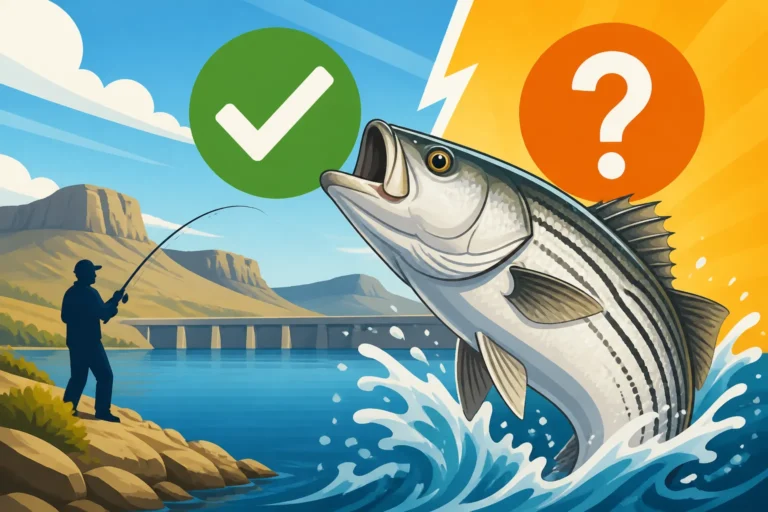
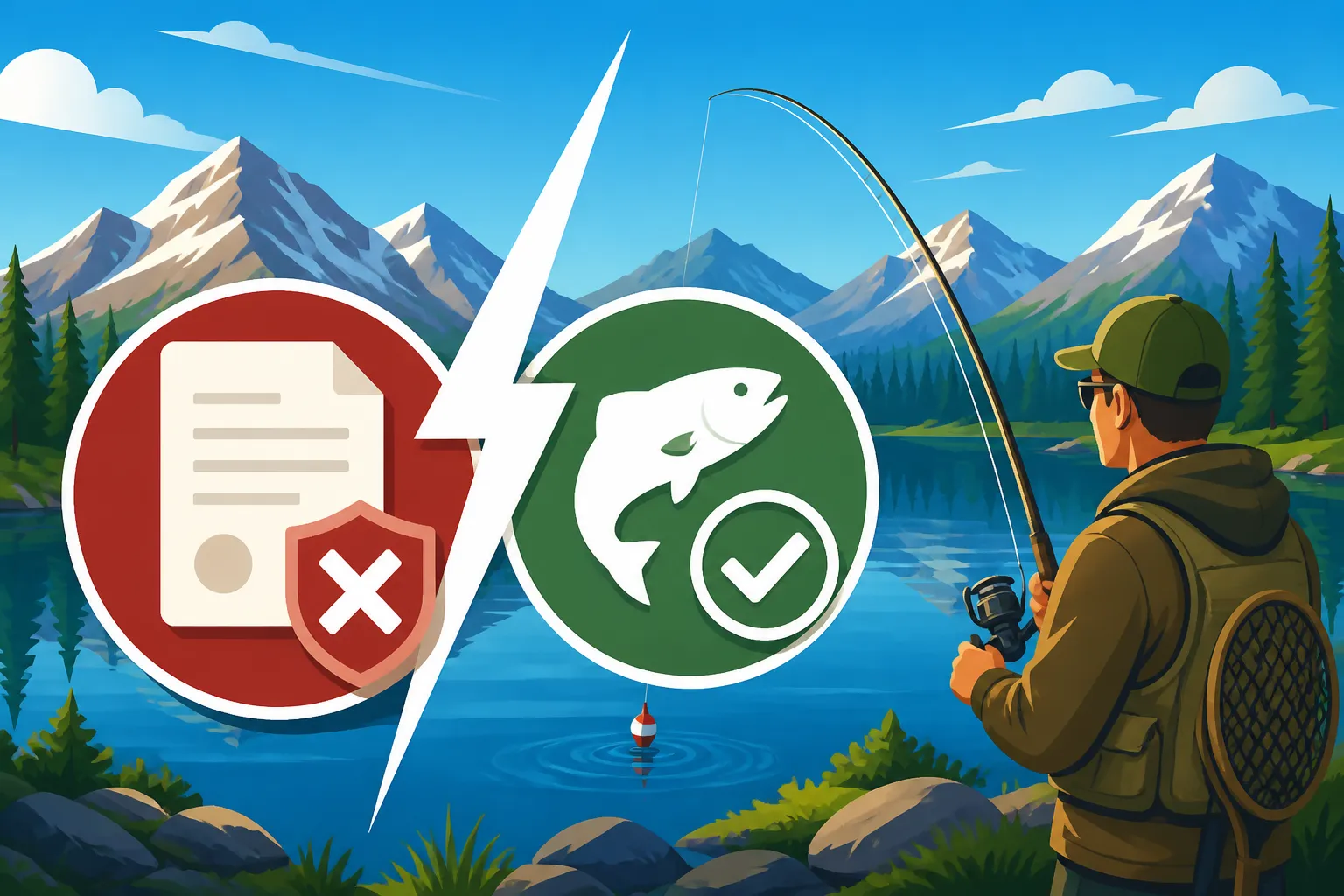
Let's get straight to the heart of the matter because this is often where people get confused and even worried they might accidentally break a rule. The short answer for the vast majority of recreational anglers is: No, you do not need a separate, specific permit issued by the Shoshone National Forest to fish its lakes. Your valid Wyoming fishing license is all that's required for the act of fishing itself.
The Wyoming Fishing License Requirement
For anyone aged 14 and older, a current Wyoming fishing license is mandatory to fish in Shoshone National Forest lakes, just as it is for any other public water in the state. This applies to residents and nonresidents alike. If you're wondering about the specific costs or options, we've got a detailed guide on the Wyoming Fishing License Guide for Nonresidents and for residents, you can check out the Total Cost of a Wyoming Resident Annual License and Stamp. Kids under 14 generally don't need a license, but it's always a good idea to confirm the current Do Kids Need a Fishing License in Wyoming? regulations.
Beyond the license itself, you'll also almost certainly need a Wyoming Conservation Stamp. This stamp is vital for funding conservation efforts across the state and is required for most fishing licenses. If you're purchasing an annual license, the stamp is a must. If you're getting a shorter-term license, like a daily or five-day option, you might not always need one, so make sure to double-check the specifics in The Wyoming Conservation Stamp and What It Covers article. Don't leave home without your license and stamp; carrying your Wyoming Fishing License in the Field is important because game wardens do patrol these areas, even the remote ones.
Special Use Permits for Commercial Operators
While you, as a recreational angler, don't need an extra permit, there are instances where federal permits are required within the Shoshone National Forest. These typically apply to commercial operations or large organized groups. For example:
- Commercial Fishing Guides and Outfitters: If you hire a professional guide to take you fishing in the Shoshone National Forest, that guide or outfitter does need a Special Use Permit from the Forest Service to legally operate their business on federal land. This permit ensures they are operating safely, responsibly, and in accordance with Forest Service guidelines. Reputable guides, like those you might find listed on a platform like FishingBooker, will always possess the necessary federal permits in addition to their state guide licenses. This is a crucial distinction – the permit is for them as a business, not for you as their client.
- Organized Events or Large Groups: Similarly, if a large group were to organize a fishing tournament or a multi-day educational outing that involves commercial services or significant impact on federal land, they might also need a Forest Service Special Use Permit. This helps the Forest Service manage public use and protect resources.
For the average individual or small group heading out for a day or a few days of fishing, your Wyoming fishing license and conservation stamp are your primary requirements.
Navigating Shoshone National Forest: Beyond the License
So, you've got your Wyoming fishing license and you're ready to explore the pristine lakes of the Shoshone National Forest. Fantastic! But remember, fishing isn't just about the license; it's also about respecting the environment and understanding the local nuances of these incredible landscapes.
Campground and Day Use Fees
While the act of fishing itself doesn't require a special federal permit, accessing certain parts of the Shoshone National Forest, or utilizing its amenities, might come with fees. These are separate from your fishing license:
- Developed Campgrounds: If you plan to camp in a designated, developed campground within the Forest, you'll almost certainly pay a fee. These fees vary by campground and include amenities like picnic tables, fire rings, and often vault toilets. Reservations can sometimes be made through Recreation.gov, and some operate on a first-come, first-served basis.
- Day Use Areas: Some popular trailheads or picnic spots within the Forest might have a small day-use fee, especially if they offer specific facilities or are managed by a concessionaire. Always check signage at trailheads or entry points.
- Wilderness Areas: While there's no fee to enter most wilderness areas, some highly popular trailheads bordering wilderness might require a self-service permit for overnight stays (though usually free) to help track usage and ensure safety.
These fees are collected by the Forest Service to maintain facilities, trails, and overall forest health, and they are distinct from fishing regulations. Don't confuse them with a "fishing permit."
Wilderness Area Regulations
A significant portion of the Shoshone National Forest is designated as wilderness, including parts of the Fitzpatrick Wilderness, Popo Agie Wilderness, and Absaroka-Beartooth Wilderness, among others. Fishing in these remote, high-alpine lakes offers an unparalleled experience, but it comes with stricter regulations:
- No Mechanized or Motorized Equipment: This means no motorboats, bicycles, chainsaws, or even wheeled carts are allowed. You'll be hiking or riding horses to access these waters. For those looking for that truly remote experience, Fishing Wyoming's Wilderness and Backcountry Lakes provides more detail.
- Leave No Trace Principles: Wilderness areas emphasize strict adherence to Leave No Trace principles. Pack out everything you pack in, including all trash, food scraps, and even fish guts. Bury human waste properly far from water sources. Minimize your impact on the pristine environment.
- Fire Restrictions: Open fires might be prohibited in certain wilderness areas or during periods of high fire danger. Always check current conditions and regulations.
- Specific Fishing Rules: Even within wilderness areas, specific lakes or streams might have unique WGFD fishing regulations. Some might be catch-and-release only, have reduced bag limits, or require artificial flies and lures only. You must consult the WGFD regulations booklet for the specific water you intend to fish.
Fishing Smart and Responsibly
Beyond permits and fees, being a responsible angler in the Shoshone National Forest means actively contributing to the health of the fishery and the environment.
- Clean, Drain, Dry: Before you launch any watercraft (even a float tube or kayak) or wade into a new body of water, always remember to "Clean, Drain, Dry" your gear. This prevents the spread of aquatic invasive species, which are a major threat to Wyoming's native fisheries.
- Bear Safety: The Shoshone is grizzly country. Always carry bear spray, know how to use it, and store food properly (bear canisters or hung from trees) when camping. Make noise on trails to avoid surprise encounters.
- Weather Awareness: High-alpine weather can change in an instant. Be prepared for sudden thunderstorms, hail, or even snow, even in summer. Pack layers, rain gear, and a way to navigate.
- Reporting Violations: If you witness a poaching incident or other violation, report it to the Wyoming Game and Fish Department. Protecting these resources is everyone's responsibility.
Planning Your Trip to Shoshone National Forest Lakes
Fishing in the Shoshone National Forest can be an unforgettable adventure, but it requires careful planning. These are not typically easy-access waters; they often involve significant hiking, navigating rugged terrain, and being self-sufficient.
Essential Gear and Preparations
Preparing for a trip to high-alpine lakes means thinking about more than just your rod and reel. You'll need to be ready for the elements and the demanding nature of backcountry travel.
- Navigation: A good topographic map (like those from the U.S. Forest Service or USGS) and a compass, or a reliable GPS device/app, are essential. Cell service is unreliable, if not nonexistent, in many areas.
- Water Filtration: Do not rely on finding potable water. Carry a reliable water filter or purification tablets.
- Shelter and Warmth: Even in summer, nights can be cold. Pack appropriate clothing layers, a warm sleeping bag, and a sturdy tent or bivy sack.
- Food: Pack lightweight, high-energy food. Remember, you'll be burning a lot of calories.
- First Aid Kit: A comprehensive first aid kit is non-negotiable for remote trips.
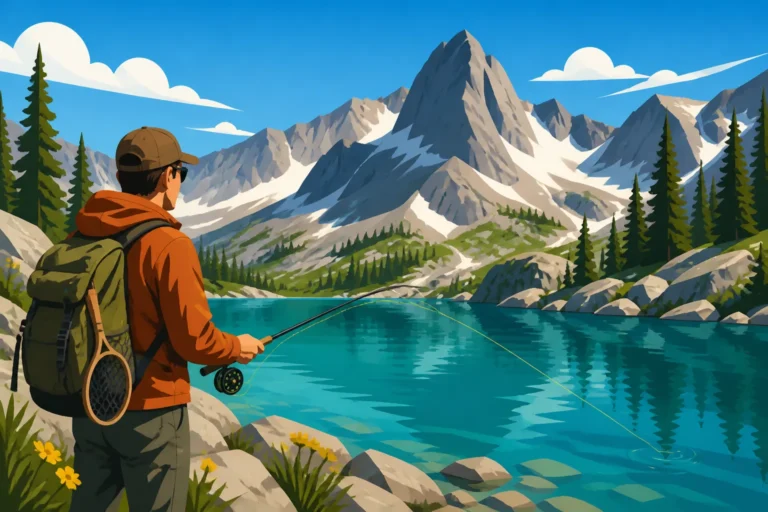
- Fishing Gear: For high-alpine lakes, a lightweight spinning rod with a selection of small spinners, spoons, or powerbait, or a 3-5 weight fly rod with a variety of dry flies, nymphs, and small streamers, will serve you well. Our guide on What Gear to Pack for a Backcountry Fishing Trip offers even more specific suggestions. Learning How to Fish Wyoming's High-Alpine Lakes will also prove invaluable.
Where to Find Specific Lake Information
While this guide covers the permit question, specific details about individual lakes within the Shoshone National Forest (e.g., what species are present, special regulations, access points, difficulty of hike) are best found through a combination of resources:
- Wyoming Game and Fish Department Website: The WGFD provides a wealth of information, including interactive maps and detailed regulations. Their online fishing guide can be incredibly useful for researching specific waters.
- U.S. Forest Service Website: The Shoshone National Forest website (fs.usda.gov/shoshone) offers information on trail conditions, campground status, fire restrictions, and general recreation maps.
- Local Ranger Districts: Don't underestimate the value of talking to a local expert! Calling or visiting a Shoshone National Forest Ranger District office (e.g., Cody, Lander, Dubois) can provide you with up-to-the-minute conditions and invaluable local insights. They often have detailed trail maps and can advise on the best access points for Wyoming's High-Alpine Lakes Worth the Hike.
- FishingBooker: If you decide that you'd prefer to go with a guide who already has all the necessary federal permits and local knowledge, platforms like FishingBooker can help you find reputable outfitters who specialize in trips to the Shoshone National Forest region. These guides can often access remote spots you might not find on your own and provide all the gear.
By combining your state fishing license with diligent research and responsible outdoor practices, you'll be well-prepared to experience the extraordinary fishing opportunities that await in the stunning lakes of the Shoshone National Forest.
Disclaimer
The information provided in this guide is for general informational purposes only and does not constitute legal advice. Fishing regulations and land-use rules can change frequently. Always consult the most current Wyoming Game and Fish Department fishing regulations booklet and the official U.S. Forest Service website or local ranger district for the most up-to-date and specific information before planning any fishing trip to the Shoshone National Forest. Failure to comply with regulations can result in fines or penalties.