Fishing the New Fork River
Fishing the New Fork River in Wyoming can feel like deciphering a secret code. While many anglers flock to the more famous, larger rivers, the New Fork often gets overlooked, yet it holds incredible potential for those willing to put in the effort. Its wild, meandering nature, combined with a mosaic of public and private lands, presents unique challenges and rewards. This guide will help you understand the river's character, navigate its access points, and employ the best strategies to make your New Fork fishing adventure a success.
Understanding the New Fork River's Unique Character
The New Fork River is a truly special fishery, carving its way through the vast, open landscapes of western Wyoming. Unlike some of the state's more turbulent, canyon-bound rivers, the New Fork is characterized by its broad, often gentle meanders, slower currents in many sections, and a rich, diverse ecosystem that supports a healthy population of trout. However, its understated charm also comes with its own set of puzzles for the angler.
Geology and Hydrology of the New Fork
Geologically, the New Fork River flows predominantly through the New Fork Floodplain, a wide valley influenced by glacial activity. This gives the river its distinctive meandering pattern, creating countless oxbows, braids, and slow, deep pools alongside stretches of faster riffles. The riverbed is a mix of gravel, cobble, and fine silt, providing varied habitat for aquatic insects and fish. Its hydrology is heavily influenced by snowmelt from the Wind River Mountains, leading to a pronounced runoff season in late spring and early summer. During this time, the river can become high and off-color, making fishing challenging. However, as the waters recede and clear, they reveal prime feeding lies and prolific insect hatches, attracting hungry trout.
The relatively low gradient in many sections means the river doesn't have the same roaring rapids as some other Wyoming rivers. This makes for a more relaxed float sometimes, but also means you need to be strategic about finding oxygenated water and structure where trout will hold. Undercut banks, logjams, and deep runs become prime targets, offering protection and ambush points for fish. The sheer length and diverse character of the river, from its headwaters near the Wind River Range to its confluence with the Green River, mean that different sections will fish very differently throughout the year. Understanding these subtle shifts is key to unlocking its secrets.
Primary Fish Species You'll Encounter
The New Fork River is primarily a trout fishery, boasting a healthy mix of several species that thrive in its cold, nutrient-rich waters. While you might not find the sheer numbers of some other rivers, the New Fork often produces quality fish, particularly for those who know where and when to look.
The dominant species you'll encounter are Cutthroat Trout Fishing in Wyoming, Rainbow Trout Fishing in Wyoming, and Brown Trout Fishing in Wyoming. The New Fork is home to a robust population of Snake River Fine-Spotted Cutthroat Trout, a native subspecies known for its beautiful markings and willingness to rise to a dry fly. These fish are generally found throughout the system and are a true delight to catch. Rainbow trout are also common, often spirited fighters, and can be found alongside cutthroats in many of the same habitats. Brown trout, known for their elusive nature and often larger size, tend to prefer the deeper, more structured sections of the river, especially around undercut banks and logjams. They become particularly active during the fall spawning season.
Beyond these marquee trout species, you'll also find mountain whitefish, which are native to the river and, while not typically targeted by many anglers, can provide consistent action, especially in colder months. They are an important part of the river's ecosystem and a good indicator of overall river health. Occasionally, you might even hook into a brook trout, especially in the smaller tributary streams or higher up in the system. The variety of fish, each with their own preferred habitat and feeding habits, means that the New Fork offers a diverse angling experience, rewarding those who adapt their approach to the specific conditions and target species.
Navigating Access and Float Opportunities
Accessing the New Fork River can be one of the biggest puzzles for visiting anglers. The river flows through a patchwork of public and private land, and respecting private property is absolutely paramount. Understanding where you can legally access the water and whether wading or floating is the best option will significantly influence your success.
Public and Private Land Considerations
Wyoming's land ownership often resembles a checkerboard, and the New Fork River is no exception. Large sections of the river flow through private ranches, which means access from the bank can be very limited or entirely prohibited without explicit permission from landowners. Anglers must always be vigilant for "No Trespassing" signs and err on the side of caution. Trespassing can lead to fines, loss of fishing privileges, and a negative reputation for anglers in general, so it's best to avoid any potential conflict.
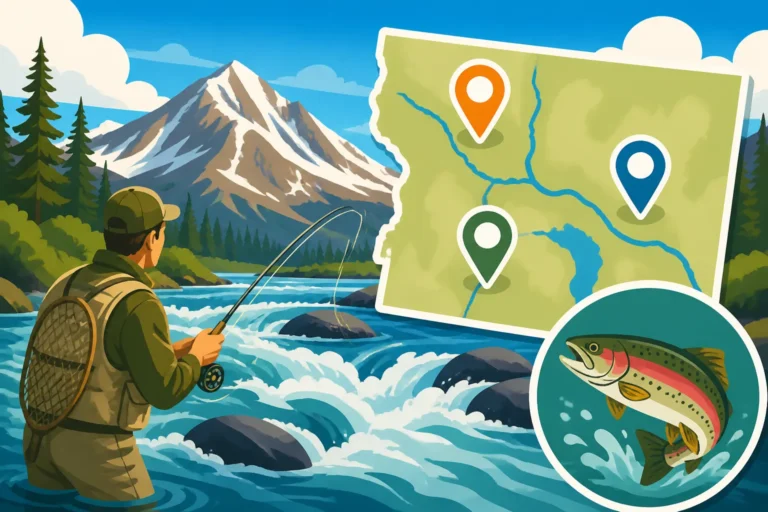
Public access points are typically found where the river crosses Bureau of Land Management (BLM) land, state land, or designated access sites managed by the Wyoming Game and Fish Department (WGFD). These points are often marked, but they can be few and far between on certain stretches. It's crucial to consult a detailed map (like those provided by the WGFD or online mapping services) before heading out. Identifying these public easements or tracts of public land beforehand will save you a lot of frustration and ensure you're fishing legally. Remember, even if you are floating, you generally cannot exit your boat and wade or bank fish on private property unless specifically permitted. The riverbed itself, under Wyoming law, is often considered private property.
Designated Access Points and Boat Ramps
While sparse in comparison to some other rivers, the New Fork does have several key access points that provide entry for both wade fishing and launching drift boats or rafts. These are critical for anyone planning a trip.
One of the most popular and well-known public access sites is Pape Access, located near Boulder, Wyoming. It offers a boat ramp and good wade fishing opportunities in the surrounding area. Further downstream, the Bridge Public Access at Highway 351 also provides a boat ramp and access for bank fishing. Closer to the town of Pinedale, the Sommers Bridge Access is another important point, often used as a launch for upper river floats. As you move downstream, access points can become more limited, but locations like Scott's Bottom (near the town of New Fork) offer decent public access, often for wading or take-out points for longer floats.
It's important to note that specific details about these access points, including current conditions and any temporary closures, should always be verified with the WGFD office in Pinedale or by checking their official website before your trip. The WGFD also offers detailed maps, sometimes available as free downloads, which highlight public land and access points. These resources are invaluable for trip planning. When launching a boat, be prepared for potentially unimproved ramps, especially early in the season or after heavy rains. If you're planning a float, having a clear understanding of your put-in and take-out points, and confirming legal access for both, is absolutely essential.
Floating vs. Wade Fishing the New Fork
The decision between floating and wade fishing on the New Fork largely depends on the section you're targeting, the time of year, and your angling preferences. Both methods have distinct advantages and disadvantages on this particular river.
Floating the New Fork in a drift boat or raft offers the ability to cover significant mileage and access water that is otherwise inaccessible due to private land or deep channels. It's often considered the most effective way to fish the middle and lower stretches of the river, allowing you to systematically work your way through long runs, riffles, and deep pools. Many of the larger brown trout and cutthroats will hold in spots that are difficult to reach from the bank, and a drift boat allows for precise casting to these lies. However, floating requires a proper setup, shuttle arrangements, and knowledge of the river's numerous braids and shallow sections, which can be challenging to navigate during lower flows. If you're considering a float, particularly if you're unfamiliar with the river, Hiring a Fishing Guide in Wyoming who knows the New Fork intimately can be a game-changer. Services found on platforms like FishingBooker can help you connect with experienced guides who navigate these waters regularly and can provide all the necessary gear.
Wade fishing is a fantastic option, especially in the upper reaches of the New Fork where the river is smaller and more easily traversed. It allows for a slower, more deliberate approach, letting you thoroughly dissect a piece of water and truly "read" every riffle, eddy, and undercut bank. Public access points, particularly in the upper river, often provide good wade fishing opportunities. Wading is also often the preferred method during runoff when the river is high and fast, as it allows you to stay closer to the banks and target calmer seams and eddies that fish will use for shelter. Remember, even while wading, staying off private land is crucial, so always be aware of your surroundings and land ownership boundaries. Carrying your Wyoming Fishing Regulations Every Angler Should Know and a good map is always a good idea. For a successful wade trip, durable waders and wading boots with good traction are essential, as the river bottom can be slippery.
Essential Techniques and Gear for New Fork Angling
Successfully fishing the New Fork River requires a thoughtful approach to techniques and gear, largely due to its diverse habitats and varied fish behavior. Whether you prefer the elegance of fly fishing or the versatility of spin casting, having the right setup and understanding how to present your offering will significantly improve your chances.
Fly Fishing Strategies for Trout
The New Fork River is a fantastic destination for fly anglers, offering opportunities for dry fly, nymphing, and streamer fishing. Knowing when and where to employ each technique is crucial for success.
Dry Fly Fishing: When insects are hatching, dry fly fishing on the New Fork can be exceptional, especially during the summer and early fall. Look for rising fish in slower pools, eddies, and along current seams. Large grasshopper patterns, like Dave's Hopper or a Chubby Chernobyl, can be incredibly effective in late summer and early fall when terrestrials are abundant along the banks. During spring and early summer, various mayfly (Green Drakes, Pale Morning Duns, Tricos) and caddis patterns (Elk Hair Caddis) will match the prevalent hatches. Presenting your dry fly with a gentle, drag-free drift is paramount, as the New Fork's trout can be quite selective. Pay close attention to current seams and foam lines, as these often concentrate feeding fish. If the fish are being particularly picky, scaling down your tippet size and using emerger patterns can often entice a take.
Nymphing Techniques: Nymphing is often the most consistent way to catch fish on the New Fork, especially when hatches are sparse or fish are holding deeper. Indicator nymphing with a tandem rig is a popular and highly effective method. Use patterns like a Pheasant Tail, Hare's Ear, Prince Nymph, or a Copper John, weighted appropriately to get down to where the fish are holding. The depths of the New Fork's pools and runs often require significant weight. Pay attention to how to set up a drop shot rig for trout to get your flies into the strike zone efficiently. For deeper, faster runs or when fishing from a drift boat, a Euro Nymphing approach can be deadly, allowing for precise depth control and sensitivity to subtle takes. When you're How to Read Water When Trout Fishing, remember that trout will often hold just behind submerged structure or in deeper pockets, making nymphing a prime technique for these spots.
Streamer Fishing: For those targeting larger brown trout or aggressive cutthroats, streamer fishing can be incredibly rewarding, especially during overcast days or in slightly off-color water. Patterns like Woolly Buggers (black, olive, or brown), Sculpzillas, or articulated streamers imitating baitfish can provoke aggressive strikes. Strip your streamers with varying retrieve rates to mimic injured prey, and focus on casting towards undercut banks, logjams, and deep drop-offs where larger fish are likely to ambush. Streamer fishing can be particularly effective in the cooler months of spring and fall.
Spin Fishing for Success
While fly fishing often takes center stage, spin fishing can be equally productive on the New Fork River, especially for beginners, children, or those who prefer this method. The key is using appropriate lures and baits that imitate the natural food sources of the trout.
Lure Selection: Small inline spinners (like Mepps Aglia or Panther Martin in sizes #0-2) in silver, gold, or bright colors can be very effective, particularly when retrieved through riffles and across current seams. Small spoons (Kastmasters or Thomas Buoyant) can also work well, especially when cast into deeper pools and allowed to flutter down. Minnow-imitating crankbaits or jerkbaits (like Rapala countdowns) in natural trout colors are excellent for targeting larger trout, especially when fished around structure. Focus on casting upstream and retrieving with the current, or across current, to give your lure a natural presentation. Understanding the Best Lures for Wyoming Rainbow Trout can give you an edge.
Bait Fishing: Live bait, where legal (always check current regulations as bait restrictions can apply to specific waters), can also be a viable option. Worms or nightcrawlers fished under a bobber or on the bottom with a small split shot can entice bites from all species of trout and whitefish. PowerBait or similar scented dough baits are also popular, especially for recently stocked rainbow trout, though native cutthroats may be less inclined to strike them. Remember to use small hooks appropriate for trout fishing, and always practice responsible bait fishing by not leaving any litter behind and being mindful of non-target species. A simple split shot and a small hook with a piece of worm can be incredibly effective, particularly for kids learning How to Teach a Kid to Fish in Wyoming.
Rods, Reels, and Line Choices
Having the right gear makes all the difference, providing the confidence and capability to land fish successfully.
For fly fishing, a 5- or 6-weight fly rod, 9 feet in length, is a versatile choice for the New Fork. This setup provides enough backbone to handle larger trout and cast streamers, while still being sensitive enough for delicate dry fly presentations. Pair it with a matching reel and a weight-forward floating line. You'll want a tapered leader (9-12 feet, 3X-5X) and a selection of tippet material (3X-6X) to match your flies and fishing conditions. For deep nymphing, an extra spool with a sink-tip line or a specialized Euro Nymphing leader can be beneficial.
For spin fishing, a light to medium-light spinning rod, 6 to 7 feet in length, coupled with a small spinning reel (size 1000-2500) spooled with 4-8 pound monofilament or braided line, is ideal. This setup provides excellent feel for light lures and smaller fish, yet still has enough power to handle a respectable trout. Monofilament is a good all-around choice, while braided line offers superior sensitivity and casting distance, especially when paired with a fluorocarbon leader for stealth. Make sure your drag system is smooth and properly set, as New Fork trout can make strong runs. When choosing your line, consider that How Much Line Weight to Use for Trout often depends on the size of fish you expect and the clarity of the water.
Seasonal Strategies for the New Fork River
The New Fork River experiences distinct seasonal changes, and understanding these patterns is key to successful fishing throughout the year. From the high waters of spring runoff to the crisp days of fall, each season presents unique opportunities and challenges.
Spring: Runoff and Early Season Fishing
Spring on the New Fork is a time of transition. As the snowmelt from the Wind River Mountains begins, the river swells, becoming high, fast, and often turbid. This "runoff season," typically from late May through early July, can be challenging. During this period, the river's flow is heavily influenced by the upstream conditions, and it can be difficult to find fishable water. However, it's not impossible to catch fish if you know where to look.
During peak runoff, focus your efforts on slower eddies, backwaters, and the very edges of the main current where fish will seek refuge from the strong flow. These areas often provide clearer water and concentrated food sources. Nymphing with large, heavily weighted patterns that imitate stoneflies or worms can be effective, as these larger food items are often dislodged by the high water. Streamer fishing can also work well in off-color water, as the aggressive action and profile of a streamer can entice a strike from a territorial fish. While the main channel can be challenging, exploring smaller tributaries that may be running clearer can sometimes yield surprising results. Remember that Fishing Wyoming During Spring Runoff requires patience and adaptability. Once runoff begins to recede, typically in July, the water will start to clear, and early season hatches, like caddis and some mayflies, will begin to emerge, kicking off the dry fly season.
Summer: Peak Season and Terrestrial Action
Summer is often considered the peak fishing season on the New Fork River, offering a wide variety of angling opportunities as water levels stabilize and temperatures become ideal. The river's ecosystem comes alive, with abundant insect hatches and terrestrial activity.
Throughout July and August, the New Fork experiences consistent hatches of caddis, various mayflies (including Pale Morning Duns, Green Drakes, and later, Tricos), and stoneflies. This makes for excellent dry fly fishing, especially in the mornings and evenings. When fish are rising, matching the hatch becomes crucial. During the warmer midday hours, look for fish feeding on terrestrials like grasshoppers, ants, and beetles, which often fall into the water from the overhanging banks. Casting hopper-dropper rigs, with a large foam hopper pattern trailed by a smaller nymph, is a highly effective tactic during this time. Fish will be spread throughout the river system, from riffles to pools, but often gravitate to areas with good oxygenation and overhead cover. Floating becomes very popular in summer, allowing anglers to cover more water and target fish holding in various lies along the river. This is an excellent time for a guided trip, and you can easily find options on FishingBooker that focus on summer hatches.
Fall: Trophy Browns and Cooler Waters
As summer gives way to fall, the New Fork River transforms into a prime destination for anglers targeting larger trout, particularly brown trout. The cooler water temperatures and shorter days trigger pre-spawn feeding behavior in browns, making them more aggressive and accessible.
September and October bring crisp air, turning leaves, and often spectacular fishing. Hatches of Blue-Winged Olives (BWOs) become prevalent, offering opportunities for delicate dry fly fishing. However, the true draw of fall is the brown trout migration. Large brown trout begin to move upstream out of the deeper pools and into shallower, gravelly spawning areas. This is an excellent time to target them with large streamers, swung nymphs, or even large dry flies if they are actively feeding on terrestrials or larger insects. Focusing on deep holes, undercut banks, and the tails of runs with aggressive presentations can often elicit strikes from trophy-sized browns. While the browns are the stars, cutthroat and rainbow trout remain active, feeding heavily to prepare for winter. The crowds often thin out after summer, offering a more peaceful angling experience. Always remember to practice good catch and release, especially with spawning fish, to ensure the health of the fishery for future generations.
Conservation and Responsible Angling
Wyoming is a state deeply committed to preserving its natural resources, and the New Fork River is a vital part of that heritage. As anglers, we have a profound responsibility to contribute to these conservation efforts and ensure the health and longevity of this incredible fishery. Practicing ethical and responsible angling is not just a recommendation; it's a necessity.
Catch and Release Best Practices
Many anglers on the New Fork River practice catch and release, especially for native cutthroat trout and larger trophy fish. Adhering to proper handling techniques is crucial to minimize stress and increase the survival rate of released fish.
When you land a fish, try to keep it in the water as much as possible. If you need to remove it for a quick photo, wet your hands thoroughly before touching the fish to protect its delicate slime coat. Avoid squeezing the fish, especially around its belly or gills. Use a rubber-mesh net, as traditional knotted nets can strip away protective slime and damage fins. Remove the hook gently and quickly, using forceps or a hemostat if the hook is deeply embedded. Barbless hooks are highly recommended, as they make hook removal much easier and cause less damage to the fish. If a fish is exhausted, hold it gently facing upstream in a calm current, allowing water to flow over its gills until it regains its strength and swims off on its own. Never "pump" a fish back and forth, as this can damage its gills. You can learn more about How to Handle a Trout to Keep It Alive After Release to refine your technique.
Protecting the New Fork's Ecosystem
The health of the New Fork River's fish populations is directly linked to the health of its entire ecosystem. Anglers can play a significant role in protecting this environment. One of the most important aspects is preventing the spread of aquatic invasive species (AIS). Always "Clean, Drain, Dry" your boats, waders, and gear after each outing. Inspect all equipment for mud, plant fragments, or any other organic material, and remove it thoroughly. Drain all water from your boat, livewell, and equipment. Finally, allow all gear to completely dry before your next trip, especially if you're moving between different bodies of water. The New Fork is relatively pristine, and we want to keep it that way.
Additionally, always pack out everything you pack in. Leave no trace of your visit behind, including fishing line, bait containers, and food wrappers. Avoid disturbing riverbanks, especially during spawning seasons, and respect riparian vegetation. These simple actions contribute immensely to maintaining the natural beauty and ecological integrity of the New Fork River, ensuring that future generations can enjoy its incredible fishing opportunities just as we do today.
| Season | Typical Dates | Key Opportunities | Recommended Techniques | Important Considerations |
|---|---|---|---|---|
| Spring | April – Early July | Early season hatches, pre-runoff trout feeding | Nymphing (heavy), Streamer fishing, Wet flies | Runoff can make fishing difficult; check flow rates daily |
| Summer | Mid-July – August | Abundant insect hatches, terrestrial falls, active fish | Dry fly (matching hatches), Hopper-dropper, Nymphing | Peak season for crowds, warmer water temps, afternoon storms |
| Fall | September – October | Trophy Brown Trout, BWO hatches, cooler temps | Streamer fishing, Nymphing, Dry fly (BWOs) | Brown trout spawning; practice catch & release, respectful angling |
| Winter | November – March | Extremely limited open water; ice fishing on reservoirs | Very challenging, potential for small open stretches | Very cold, often iced over; focus on tailwaters or ice fishing nearby |
Disclaimer
Please note that fishing regulations in Wyoming, including those specific to the New Fork River, can change. Always consult the most current Wyoming Game and Fish Department regulations booklet or their official website before heading out on your fishing trip. This guide is for informational purposes only and does not supersede official regulations.