Best Backpacking Fishing Lakes in the Wind Rivers
The sheer scale and wild beauty of Wyoming's Wind River Range can be intimidating for any angler dreaming of high-alpine fishing. Finding those truly epic, remote lakes where the trout are eager and the views are unparalleled requires more than just a map; it demands an understanding of the terrain, the fish, and the commitment of a multi-day backpacking trip. This guide will take you deep into the Wind Rivers, revealing some of the best high-altitude fishing lakes accessible by backpack, offering insights into what makes them special, and helping you plan an unforgettable wilderness adventure.
Why the Wind River Range is a Backpacker's Angling Paradise
The Wind River Range, often simply called "the Winds," is a majestic and rugged mountain range stretching for over 100 miles across western Wyoming. It's home to some of the Lower 48's most pristine wilderness, including Gannett Peak, Wyoming's highest point, and countless glaciers, granite peaks, and sparkling alpine lakes. For the adventurous angler, it represents the pinnacle of backcountry fishing – a chance to cast a line in waters largely untouched by roads and crowds, where native trout thrive in breathtaking surroundings.
The Allure of High-Altitude Trout Fishing
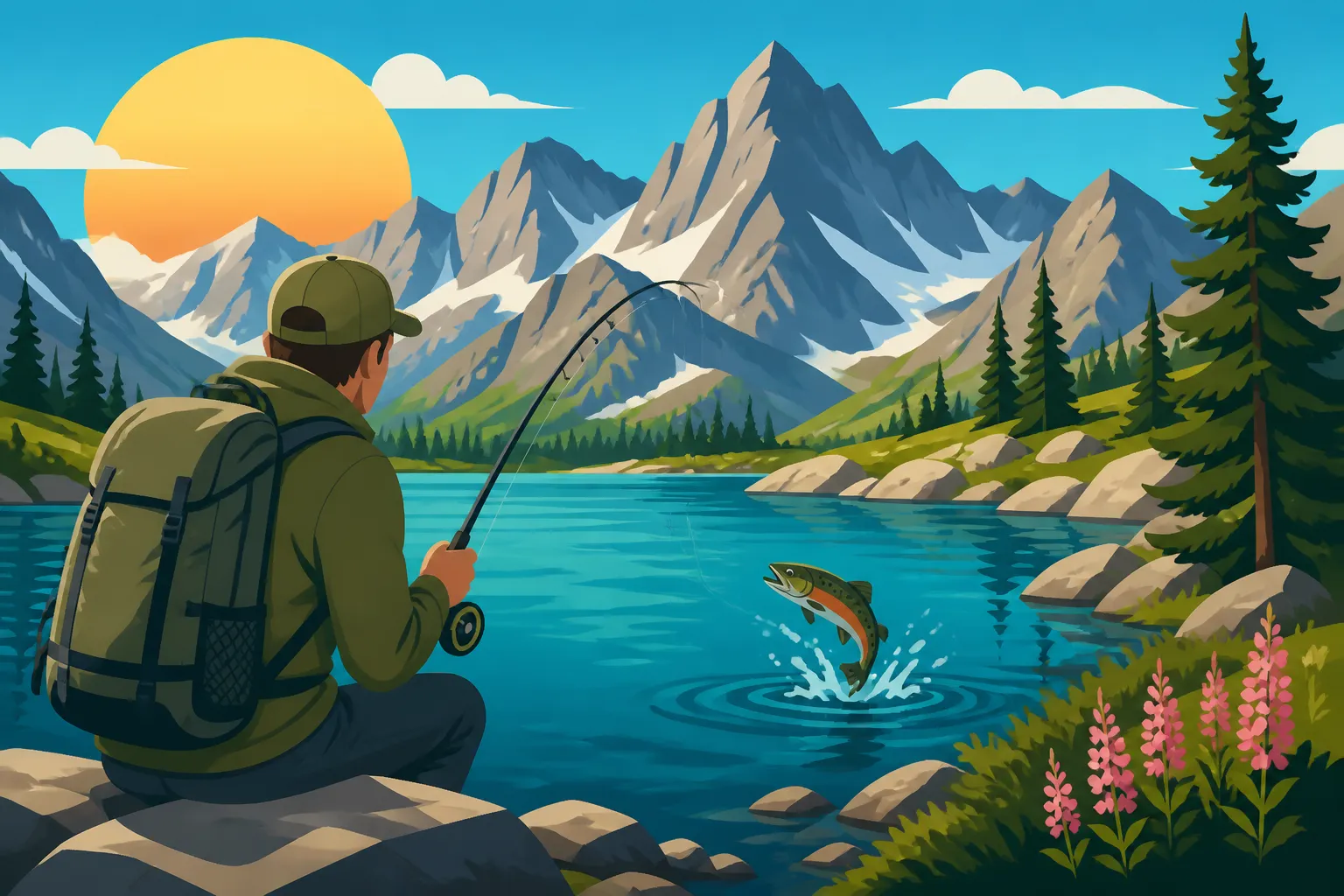
There's a magic to fishing in the Winds that you just won't find on a roadside river. Imagine standing on a granite slab, the air crisp and clean, surrounded by towering peaks, with a crystal-clear lake reflecting the impossibly blue sky. Here, the fish aren't pressured by daily angler traffic. You might encounter vibrant Yellowstone cutthroat, aggressive brook trout, or the elusive, golden-flanked golden trout, each fighting hard in the cold, oxygen-rich water. These fish often have a wilder, more brilliant coloration than their lower-elevation cousins, a testament to their pure, untamed environment. It's not just about catching fish; it's about the entire experience of solitude, challenge, and connection with nature that only a true wilderness provides.
The isolation means you'll need to be self-reliant, carrying everything you need on your back. This includes your tent, sleeping bag, food, cooking gear, and of course, your fishing tackle. The rewards, however, are immeasurable. You'll witness sunrises painting the peaks in fiery hues, listen to the silent hum of the wilderness, and fall asleep under a blanket of stars so bright they seem to prick the sky. It's an immersion into a landscape that truly recharges the soul, and catching a wild trout amidst such grandeur is just the icing on the cake.
Understanding the Unique Challenges and Rewards
Backpacking into the Wind River Range for fishing is not a casual day trip; it’s a commitment. You'll face significant mileage, often covering 10-15 miles a day with considerable elevation gain and loss, sometimes crossing rocky passes above treeline. The weather can be unpredictable, swinging from warm sunshine to sudden thunderstorms, hail, or even snow, even in the height of summer. Mosquitoes can be a formidable foe, especially in early season near standing water. Altitude sickness can also be a concern for those not accustomed to elevations often exceeding 10,000 feet.
However, these challenges forge unforgettable memories and make the eventual rewards even sweeter. The physical exertion makes the first cast into a remote lake feel like a true victory. The quiet solitude is a stark contrast to more popular fishing destinations, allowing for deep reflection and unparalleled wildlife viewing, from marmots and pikas to elk, moose, and even bears. The trout, having fewer opportunities to see artificial flies or lures, are often less wary and more aggressive, making for exciting angling. You'll develop a profound respect for the resilience of both nature and yourself, returning with stories and photographs that few others can claim. Understanding the unique environment is crucial, so familiarizing yourself with topics like the proper techniques for fishing Wyoming's high-alpine lakes will greatly enhance your trip.
Top Lakes for a Rewarding Backpacking Fishing Trip
The Wind River Range boasts over 1,300 named lakes and countless unnamed tarns, making the choice of destination both exciting and overwhelming. Each area offers a different experience, but some stand out for their exceptional fishing combined with their stunning scenic beauty and classic backpacking routes.
Lonesome Lake: The Iconic Destination
Nestled beneath the towering granite spires of the Cirque of the Towers, Lonesome Lake is perhaps one of the most iconic and visually spectacular backpacking destinations in the entire Wind River Range. The journey to Lonesome Lake, typically via the Big Sandy Opening trailhead and through Jackass Pass, is strenuous, involving significant mileage (around 10-12 miles one-way, depending on exact route) and a challenging ascent over the pass. However, the views that greet you as you drop into the Cirque are nothing short of breathtaking, making every step worthwhile.
The lake itself holds a healthy population of cutthroat trout, particularly the native Colorado River cutthroat. These fish are known for their vibrant colors and willingness to take a well-presented fly or lure. The deep, clear waters near the outlet and along the rocky shores are prime spots. Beyond the fishing, Lonesome Lake offers unparalleled opportunities for climbing, photography, and simply soaking in the grandeur of one of America's most stunning alpine arenas. Plan on at least a 3-4 day trip to truly enjoy the experience without feeling rushed. Remember to practice Catch and Release Best Practices for Trout to preserve this incredible fishery.
Titcomb Basin Lakes: A Multi-Day Adventure
For those seeking an even deeper dive into the heart of the Winds, the Titcomb Basin is an absolute must-see. Access is typically from the Elkhart Park trailhead, near Pinedale, a much longer approach than Big Sandy. This trek requires a multi-day commitment, often 4-6 days, covering 15-20 miles to reach the main basin, passing through lakes like Seneca and Island Lake along the way. The basin itself is a series of glacial lakes, tarns, and streams, all fed by towering peaks and permanent snowfields. The journey up the well-maintained trails through the Bridger Wilderness is an adventure in itself, with stunning views at every turn.
The lakes within Titcomb Basin are teeming with several species of trout, including fine-spotted cutthroat, rainbow, and brook trout. What makes Titcomb Basin unique is the sheer number of angling opportunities; you can spend days exploring different tarns and streams, each with its own character and fish populations. The higher you venture into the basin, the more likely you are to encounter the elusive golden trout, which prefer these colder, higher-elevation waters. Imagine casting into a small, unnamed tarn, surrounded by glacial ice, and pulling out a glittering golden trout—it’s an experience that defines high-country fishing. Exploring these remote waters requires careful planning, so checking out What Gear to Pack for a Backcountry Fishing Trip is a smart move.
Island Lake: Access and Abundance
Island Lake is one of the most accessible large alpine lakes in the Wind River Range, yet it retains a distinct wilderness feel. Also reached via the Elkhart Park trailhead, it's about a 10-mile hike in, making it a viable destination for a 2-3 day trip for experienced backpackers. The trail to Island Lake is well-traveled and offers spectacular scenery, passing through open meadows, pine forests, and past several smaller lakes. Its relative accessibility makes it a popular spot, especially on summer weekends, but its size and numerous coves still offer plenty of solitude.
Island Lake is known for its abundant populations of brook and cutthroat trout. These fish are often eager biters, making it an excellent destination for both seasoned anglers and those new to high-country fishing. The lake’s namesake islands and rocky structure provide excellent habitat for trout, making it productive for both fly fishing and spin casting. Additionally, Island Lake serves as a fantastic base camp for exploring the surrounding country, with routes leading further into Titcomb Basin or towards the Indian Basin and Fremont Peak. The diverse fishing opportunities here are part of why many consider it one of the High-Elevation Lakes in the Wind River Mountains that are truly special.
Other Hidden Gems and Wilderness Areas
Beyond these famous destinations, the Wind River Range holds countless other lakes and basins ripe for exploration. The Popo Agie Wilderness on the eastern side, accessible from trailheads near Lander, offers a different perspective with stunning cirques like the Cirque of the Towers (from the eastern approach) and lakes such as the Popo Agie Lakes. You'll find strong populations of cutthroat and brook trout here.
Similarly, the Fitzpatrick Wilderness to the north, often accessed from trailheads near Dubois, offers rugged terrain and incredible fishing for cutthroat, rainbow, and brook trout in lakes below peaks like Gannett. Lakes in this area often see even less traffic than their southern counterparts, offering a deeper sense of solitude. Venturing into these areas often means tackling routes that are less maintained and require stronger navigation skills. Regardless of your chosen destination, always consult with the Wyoming Game and Fish Department for the latest information on Wyoming Fishing Regulations Every Angler Should Know for the specific waters you plan to visit.
For those planning their trip, finding local resources can be immensely helpful. While you'll be backpacking independently into these remote lakes, if you're looking for gear suppliers, shuttle services for remote trailheads, or want to consult with local experts about current conditions or a preparatory trip on more accessible waters, resources like FishingBooker can connect you with local outfitters in nearby towns like Pinedale or Lander. They often have guides who specialize in these areas and can provide invaluable insights even if you're not booking a guided backpacking trip itself. This can be a great way to ensure you're fully prepared for the specific challenges of the Winds.
Planning Your Wind River Fishing Expedition
A successful backpacking fishing trip into the Wind River Range requires meticulous planning. The remote nature of these destinations means you must be self-sufficient and prepared for anything.
Essential Gear for Backcountry Anglers
When every ounce counts, your gear choices are critical. For fishing, a lightweight, packable rod and reel combo is paramount. A 4-piece fly rod (3-5 weight) or a lightweight spinning rod (ultralight to light action) that breaks down easily into your pack is ideal. Carry only essential tackle: a small fly box with a variety of dries, nymphs, and streamers that mimic local insects (like caddis, mayflies, midges, grasshoppers, and small leeches), or a selection of small spinners, spoons, and jigs for spin fishing. Don't forget extra leader, tippet, and line. A small pair of pliers, nippers, and forceps are also essential.
Beyond fishing gear, your backpacking essentials include a reliable tent or shelter, a sleeping bag rated for alpine temperatures (even in summer, nights can drop below freezing at high elevations), and a sleeping pad. A lightweight stove and fuel, dehydrated meals, water filter or purification tablets, navigation tools (map, compass, GPS device or app), headlamp, first-aid kit, sun protection (hat, sunglasses, sunscreen), and rain gear are non-negotiable. Layers of clothing are crucial as temperatures fluctuate wildly. Don't underestimate the need for sturdy hiking boots with good ankle support. For a comprehensive overview, remember to consult guides like How to Hike In and Fish a Backcountry Lake to ensure you have everything covered.
Permits, Regulations, and Leave No Trace Principles
Before you even step foot on the trail, ensure you have the proper permits and understand the regulations. Most of the Wind River Range falls within designated wilderness areas (Bridger Wilderness, Popo Agie Wilderness, Fitzpatrick Wilderness) managed by the Bridger-Teton National Forest or Shoshone National Forest. While general wilderness permits are typically not required for day-use or standard overnight backpacking (unlike some other states), it's always wise to check with the local Forest Service Ranger District offices in Pinedale, Lander, or Dubois for the most current information, especially if you plan to enter areas that might have quotas or specific entry requirements. You will, however, need a valid Wyoming fishing license, which you can purchase online or from local vendors. Remember that Wyoming Resident vs Nonresident License Rules apply, so make sure you get the correct one.
Adhering to Leave No Trace (LNT) principles is not just a suggestion; it's a moral imperative in such a pristine environment. Pack out everything you pack in, including all trash and food scraps. Bury human waste in catholes at least 200 feet from water sources, trails, and campsites. Stay on existing trails and camp on durable surfaces (bare ground or rock) at least 200 feet from water. When fishing, handle fish carefully and release those you don't intend to keep quickly and gently, especially native species like cutthroat or golden trout. Knowing about Golden Trout Fishing in Wyoming or Cutthroat Trout Fishing in Wyoming will make you a more responsible angler. Leave the environment as you found it, or better. If you're looking for specific advice on maintaining the pristine nature of these locations, FishingBooker can also be a resource for connecting with local conservation-minded guides or outfitters who often offer educational trips that emphasize LNT practices while exploring Wyoming's waters.
Maximizing Your Catch in Alpine Waters
Fishing high-alpine lakes presents unique challenges and opportunities. Trout in these environments are often less selective but can be spooky due to the clear water and lack of cover. Early mornings and late evenings are typically the most productive times, as fish move into shallower water to feed. During the day, they'll often retreat to deeper, cooler water.
Look for structure: submerged rocks, logs, drop-offs, and inlets/outlets are prime holding areas. Fan-cast to cover as much water as possible. For fly anglers, terrestrial patterns (ants, beetles, grasshoppers) can be deadly in summer, as can small nymphs fished under an indicator. Streamers can entice larger, more aggressive trout. Spin anglers will find success with small, dark-colored spoons (like a Mepps or Daredevil) or inline spinners. Pay attention to hatches if you see rising fish; "matching the hatch" with appropriate fly patterns can be key. For specific species, learning about Brook Trout Fishing in Wyoming techniques can be helpful.
Water temperature also plays a critical role. Fish are most active when the water is cool and oxygenated. The best time of year to fish a high-alpine lake after ice-out is usually early to mid-summer, once the ice has melted but before the water gets too warm. Remember that a simple trick like moving quietly and keeping a low profile can make a huge difference in these clear, shallow waters. Even if you're an experienced angler, a quick refresh on How to Read Water When Trout Fishing is always a good idea before heading into a new environment. Finally, if you're curious about maximizing your chances and want to explore all available local options for guides or services, including those who can provide insight on gear or local conditions for specific lakes, check platforms like FishingBooker to see what local expertise is available, even if just for planning purposes for your unguided adventure.
Backcountry Fishing Lake Comparison
Here's a quick look at some of the top backpacking fishing lakes in the Wind River Range to help you plan your adventure:
| Lake Name | Nearest Trailhead | One-Way Mileage (Approx.) | Typical Trip Length | Primary Fish Species | Key Attractions / Notes |
|---|---|---|---|---|---|
| Lonesome Lake | Big Sandy Opening | 10-12 miles | 3-4 days | Colorado River Cutthroat | Iconic Cirque of the Towers views, challenging Jackass Pass. |
| Titcomb Basin Lakes | Elkhart Park | 15-20 miles | 4-6 days | Cutthroat, Rainbow, Brook, Golden Trout | Multiple lakes, stunning alpine scenery, deeper wilderness experience, access to Gannett Peak. |
| Island Lake | Elkhart Park | 10 miles | 2-3 days | Brook, Cutthroat | More accessible, good base camp, popular for scenery, leads to Titcomb. |
| Popo Agie Lakes | Fiddler's Lake Road | 8-10 miles | 2-3 days | Cutthroat, Brook | Eastern Winds access, less crowded than western trails, beautiful cirque. |
| North Fork Lakes | Dubois Lake | 10-15 miles | 3-5 days | Cutthroat, Rainbow | Fitzpatrick Wilderness, rugged terrain, very remote, near Gannett Peak. |
Remember, mileage and trip length are estimates and depend on your fitness level and chosen itinerary. Always plan for extra time due to weather, navigation, or simply to soak in the incredible surroundings.
Disclaimer
The information provided in this guide is for general informational purposes only and does not constitute professional advice. Always check with the Wyoming Game and Fish Department and the relevant National Forest Service offices for the most current regulations, permits, and conditions before embarking on any fishing or backpacking trip in Wyoming. Wilderness travel involves inherent risks, and proper planning, preparation, and self-reliance are essential for your safety.