Do Kids Need a Fishing License in Wyoming?
One of the most common questions I get from parents planning a Wyoming fishing trip is about licenses for their kids. It can feel like navigating a maze of rules, especially when you just want to get out on the water and make some memories. This guide is here to clear up all that confusion, breaking down exactly when and why your child might or might not need a fishing license in our beautiful state.
The Basics: Age Requirements for Fishing Licenses in Wyoming
It’s completely understandable to be a bit fuzzy on the specifics when it comes to fishing licenses for the younger generation. Every state seems to have its own unique set of rules, and Wyoming is no exception. But don't you worry, once you get the hang of it, it's quite straightforward, and actually, pretty generous for our littlest anglers!
The Under-14 Rule: When No License Is Needed
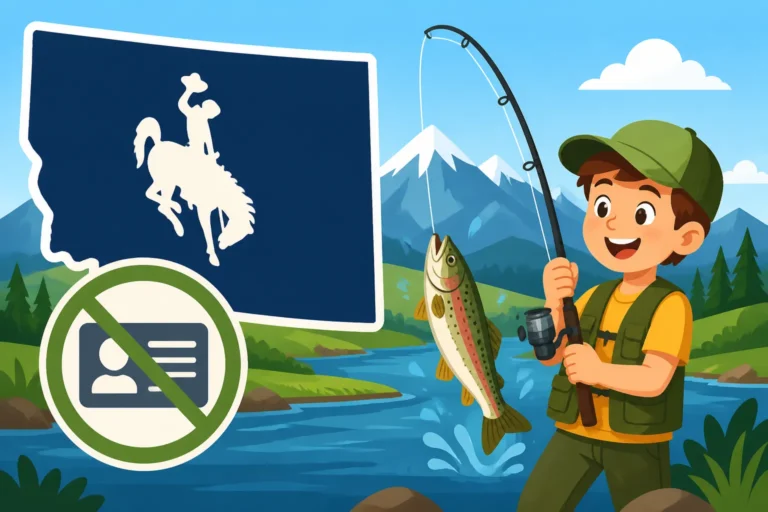
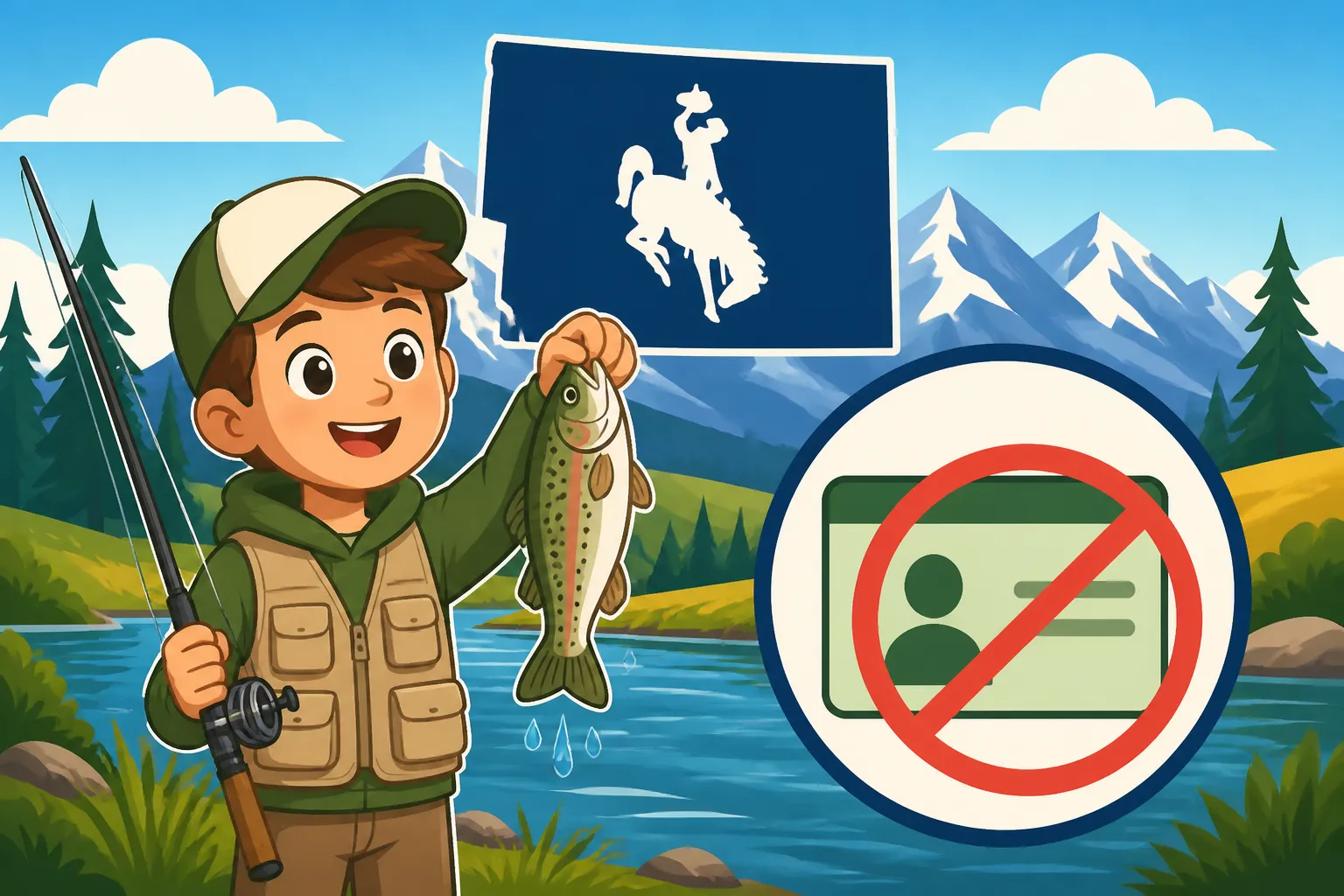
This is the golden rule for parents and guardians bringing children along for a fishing adventure in Wyoming: if your child is under the age of 14, they do NOT need a fishing license. Yes, you read that right! No license, no fees, no complicated paperwork. The Wyoming Game and Fish Department (WGFD) has made it wonderfully simple for youngsters to experience the joy of fishing without any bureaucratic hurdles.
Imagine you're planning that quintessential family trip to the mountains, maybe heading up to the Wind River Range or trying your luck on a gentle stretch of the North Platte River. Your 8-year-old, bless their heart, is bouncing with excitement about catching their first trout. Under Wyoming's rules, you simply need your own license (if you're 14 or older, of course!), pack your gear, and head out. Your little angler can cast away to their heart's content, reeling in whatever bites, without you having to worry about an extra license for them. This flexibility is a huge win for families and often encourages those first crucial fishing experiences that can spark a lifelong passion. It really takes the pressure off and lets you focus on teaching them the ropes, like how to tie a basic knot or the thrill of a fish on the line.
When Kids Need a License: Turning 14 and Beyond
Now, while the under-14 rule is fantastic, it's not forever. Just like they eventually grow out of those tiny fishing waders, there comes a point when they transition into needing their own license. The magic number in Wyoming is 14 years old. Once your child celebrates their 14th birthday, they are officially considered an adult for fishing license purposes in Wyoming.
This means that if your child is 14 or older, they will need to purchase the appropriate Wyoming fishing license before casting a line. This could be an annual license if they plan on fishing frequently throughout the year, or perhaps a shorter-term option like a daily or 5-day license if it's just for a specific trip. For instance, if your 15-year-old is joining you for a summer vacation spent exploring the lakes and streams around Jackson Hole, you'll need to make sure they have their license in hand. It’s no different than an adult in this regard. This is an important detail to remember, as it’s a common oversight that could lead to an unpleasant interaction with a game warden. Take the time to explain this transition to your teenager; it's a step towards becoming a responsible angler and understanding the importance of funding wildlife management through license sales.
Understanding Wyoming's Youth Fishing Regulations
Once your child hits that 14-year mark, the regulatory landscape shifts a bit. It’s not just about getting a license, but understanding which license and what other requirements might come into play. Wyoming's system is designed to be fair, but it does require attention to detail, especially regarding residency and additional stamps.
Resident vs. Nonresident Youth Rules
When a child is under 14 and doesn't need a license, the question of residency is largely moot – they just get to fish for free. However, once they turn 14 and require a license, the distinction between a resident and a nonresident becomes crucial. Just like adults, the cost and sometimes even the types of licenses available can vary significantly based on residency status. For a comprehensive breakdown of what constitutes residency, you might want to check out our guide on Wyoming Resident vs Nonresident License Rules.
Let's say your 16-year-old has been living in Wyoming with you for over a year, attending school here, and truly considers the Cowboy State home. They would qualify for a resident youth fishing license, which is generally much more affordable than a nonresident license. On the other hand, if your 15-year-old niece is visiting for the summer from, say, California, she would need to purchase a nonresident license. The rules for establishing residency are quite specific, generally involving continuous physical presence in Wyoming for at least one full year immediately prior to applying for a license, and not claiming residency in any other state. For minors, their residency typically mirrors that of their parents or legal guardians. Making sure you've correctly identified their residency status is the first step in ensuring they get the correct — and most cost-effective — license.
The Conservation Stamp for Young Anglers
Beyond the basic fishing license, Wyoming has another requirement: the Conservation Stamp. This stamp is a critical component of funding for wildlife conservation efforts across the state, from habitat improvement to game and fish management. The good news is that for children who are under 14 and therefore don't need a fishing license, they also do not need a Conservation Stamp. This keeps things wonderfully simple for those very young anglers.
However, once your child turns 14 and needs a fishing license, they will almost certainly need to purchase a Conservation Stamp as well. There are very few exceptions, and typically, if a fishing license is required, so is the stamp. This means that when your 14-year-old goes to buy their annual or short-term fishing license, they will also need to add the Conservation Stamp to their cart. This applies to both residents and nonresidents. For instance, if your son, now 14, is gearing up for a fly-fishing trip on the Miracle Mile, he'll need both his fishing license and his Conservation Stamp. It's a small additional cost, but it goes a long way in preserving the incredible natural resources that make Wyoming such a premier fishing destination. To dive deeper into who needs this stamp and what it covers, take a look at our detailed guide on Who Needs Wyoming's Conservation Stamp. It's an important part of responsible angling in Wyoming.
Practical Advice for Fishing with Kids in Wyoming
Fishing with kids is about so much more than just catching fish; it's about teaching responsibility, patience, and fostering a deep appreciation for nature. Navigating licenses for teenagers and ensuring they understand the rules are key parts of this educational journey.
Choosing the Right License for Teenagers
Once your child is 14 or older, they have the same license options as any adult angler. This can actually be a good teaching moment, as it requires them to think about their fishing habits and plan accordingly. The main options include:
- Annual Fishing License: Ideal if your teenager plans to fish multiple times throughout the year. This offers the best value for frequent anglers.
- Daily Fishing License: Perfect for a spur-of-the-moment trip or if they're only going to fish for one specific day.
- Five-Consecutive-Day Fishing License: A great option for a longer family vacation or a dedicated fishing trip spanning several days. This often offers a slight discount compared to buying five individual daily licenses. For nonresidents, this can be particularly cost-effective. You can find more details on these options in Wyoming's Annual, Daily and Five-Day License Options and specifically for out-of-staters, Wyoming's Daily and Five-Consecutive-Day Nonresident Licenses.
To help visualize the choices, here's a general idea of how these might compare for a 14-year-old:
| License Type | Eligibility | Typical Duration | Best For | Approximate Cost (License + Stamp) |
|---|---|---|---|---|
| Youth (Under 14) | All children under 14 | Unlimited | All fishing trips | FREE |
| Resident Annual (14+) | WY Residents 14+ | Calendar Year | Frequent fishing throughout the year | $35 – $45 |
| Resident Daily (14+) | WY Residents 14+ | 1 Day | Occasional, single-day trips | $10 – $15 |
| Nonresident Annual (14+) | Nonresidents 14+ | Calendar Year | Frequent fishing over multiple visits | $100 – $120 |
| Nonresident Daily (14+) | Nonresidents 14+ | 1 Day | Short, one-time fishing experience | $20 – $30 |
| Nonresident 5-Day (14+) | Nonresidents 14+ | 5 Consecutive Days | Extended vacation or specific multi-day trip | $70 – $90 |
Note: Costs are approximate and subject to change by the Wyoming Game and Fish Department. Always check the current regulations for exact pricing.
When deciding, sit down with your teenager and discuss their plans. Are they just going to fish for a single afternoon on a family camping trip? A daily license makes sense. Do they want to hit the water every weekend in the spring and fall? Then an annual license will save you money in the long run. This process teaches them budgeting and planning, skills that extend far beyond the fishing hole. You can often purchase these licenses online through the WGFD website or at licensed vendors across the state, like local sporting goods stores or even some grocery stores.
Carrying the License and Explaining Regulations
It's one thing to have the license; it's another to actually have it with you when you're fishing. Just like adults, if your 14-year-old or older child is fishing, they are required to carry their license and Conservation Stamp on their person. This can be a physical copy or, increasingly, a digital copy on their phone. Make sure it's easily accessible and protected from water damage (a small waterproof pouch is always a good idea, which you can easily find on Amazon!). For detailed information on what counts as carrying your license, our post on Carrying Your Wyoming Fishing License in the Field is a great resource.
Beyond just carrying the license, it’s vital to explain the other regulations that apply. This includes understanding bag and possession limits, which vary by species and by specific water bodies. For example, the trout limits on a small mountain stream might be very different from those on a large reservoir like Flaming Gorge. You can find all this crucial information in the annual Reading the Wyoming Fishing Regulations Booklet. Don't just hand them the booklet and walk away. Go through it together, pointing out sections relevant to where you'll be fishing. Engage them in discussions about why these rules exist – for conservation, for healthy fish populations, and to ensure everyone has a fair chance to enjoy Wyoming’s fisheries. This instills a sense of responsibility and respect for the resource, transforming them from just a casual angler into a true steward of the environment.
Special Circumstances and Free Fishing Opportunities
Wyoming is a state that values its outdoor heritage, and that includes making fishing accessible. While general rules apply, there are always those special dates or unique locations that operate under different guidelines. Knowing about these can make your fishing trips even more enjoyable and sometimes even free!
Wyoming's Free Fishing Day for Everyone
Here's some truly fantastic news for families, especially those with kids approaching or just over that 14-year-old threshold: Wyoming offers a Free Fishing Day each year! On this designated day, typically the first Saturday in June, anyone – resident or nonresident, child or adult – can fish in most Wyoming waters without needing a fishing license or a Conservation Stamp. It's an incredible opportunity to introduce new anglers to the sport or for families to enjoy a day on the water without the added cost of licenses.
Imagine gathering the whole family, perhaps your younger kids who fish for free anyway, and your 15-year-old who normally needs a license, along with Grandma and Grandpa. Everyone can grab a rod and head to a local lake or a favorite river spot. It's a perfect stress-free day to focus purely on the fun of fishing, teaching casting techniques, baiting hooks, and the excitement of a bite. The Wyoming Game and Fish Department often hosts special events or derbies for kids on this day, making it even more appealing. It's a wonderful initiative to promote outdoor recreation and get more people hooked on fishing. Keep an eye on the WGFD website or local news for announcements, or check out our specific post on When Free Fishing Day Falls in Wyoming This Year to mark your calendar! Just remember, while the license and stamp aren't required, all other fishing regulations, such as bag limits and tackle restrictions, still apply.
Tribal Waters and National Parks: Different Rules Apply
Wyoming is home to diverse landscapes and jurisdictions, and some of the most stunning fishing opportunities lie within areas that operate under their own distinct sets of rules. When planning a fishing trip with kids, it's crucial to understand that not all waters are managed solely by the state of Wyoming, especially when it comes to licenses.
For example, the Wind River Indian Reservation is a vast and beautiful area in central Wyoming that offers incredible fishing. However, if you plan to fish any waters within the reservation boundaries, including the Wind River itself as it flows through tribal lands, you and your children (regardless of age) will need a tribal fishing permit in addition to any state licenses that might be required for non-tribal waters. This is a common point of confusion for many anglers. Even if your 10-year-old fishes for free on state lands, they would still need a tribal permit to fish on the reservation. These permits are typically purchased directly from the Shoshone and Arapaho Tribes. Our guide on Fishing Wyoming's Tribal Waters and Wind River Reservation Rules provides more detailed insights into navigating these unique regulations.
Similarly, if your fishing adventures take you into Yellowstone National Park or Grand Teton National Park, you'll find that Wyoming's state fishing licenses are not valid there. Both national parks have their own separate fishing permits and regulations, which must be purchased from the park service. For instance, your 12-year-old might not need a state license, but they would still need a park fishing permit to cast a line in Yellowstone Lake or String Lake in Grand Teton. The rules regarding age for these park permits also differ from Wyoming's state regulations, so it's essential to check the specific park's current guidelines before your trip. For more specific information, we have dedicated guides on Do You Need a Wyoming License to Fish in Grand Teton National Park? and Do You Need a Wyoming License to Fish in Yellowstone National Park?. Always plan ahead and check with the relevant authorities when venturing into these special areas to ensure a smooth and legal fishing experience for the whole family.
Fostering a Love for Fishing: Beyond the License
While understanding licensing rules is certainly important, the real magic of fishing with kids lies in the experience itself. It's about building memories, learning new skills, and connecting with the natural world. Focusing on making the outing enjoyable and educational can cement a lifelong passion, far beyond the initial paperwork.
Making Fishing Fun and Educational for All Ages
The best way to ensure your kids — whether they're under 14 or seasoned teenagers — love fishing is to make it genuinely fun and engaging. Don't put too much pressure on catching fish. Instead, emphasize the entire experience. This means focusing on the journey, the beautiful Wyoming scenery, the wildlife you might encounter, and the simple pleasure of being outdoors.
Start with easy-to-use gear. A simple spinning rod and reel combo that’s sized for a child is usually best. You can find a huge variety of reliable and affordable options on Amazon, perfect for getting started without breaking the bank. Show them how to cast, but don't obsess over perfect technique initially. Let them experiment. Teach them how to bait a hook, and if they're hesitant, do it for them until they're comfortable. Point out the different types of fish you might catch, discuss their habitats, and explain why certain baits or lures work better than others. For example, if you're fishing for rainbow trout, you can explain that they often feed on insects, and how a colorful lure mimics their natural prey. Talk about the importance of clean water and how the Wyoming Game and Fish Department works to keep fish populations healthy. Even if the fish aren't biting, there's always something to learn or observe, like watching an osprey dive for its dinner or identifying different wildflowers along the bank. These moments are just as valuable as reeling in a trophy fish and help build a foundational appreciation for the outdoors.
Resources for Young Anglers and Families
Wyoming is dedicated to nurturing the next generation of anglers, and there are many resources available to help families get involved. The Wyoming Game and Fish Department is an excellent starting point. They often host "Family Fishing Day" events at various locations throughout the year, especially around the Free Fishing Day. These events typically provide loaner fishing gear, offer basic instruction, and even clean and cook the fish caught, making it a truly turnkey experience for beginners. Keep an eye on their website for a schedule of these events near you.
Beyond organized events, consider investing in a good children's book about fishing or a field guide to Wyoming's fish species. These can be great tools for learning during downtime or when planning your next adventure. Many can be purchased through Amazon, adding to a child’s understanding and excitement before they even leave the house. Moreover, always emphasize safety. Teach kids about wearing life jackets when on or near water, how to handle hooks safely, and the importance of never fishing alone. Encourage catch-and-release practices for certain species or in specific areas, teaching them about the ethics of conservation and leaving the fishery better than you found it. By utilizing these resources and focusing on the overall experience, you're not just taking your kids fishing; you're cultivating responsible outdoor enthusiasts who will cherish and protect Wyoming's natural beauty for years to come.
Disclaimer
Please note that fishing regulations in Wyoming can change. While every effort has been made to provide accurate and up-to-date information, it is always your responsibility to consult the current Wyoming Game and Fish Department fishing regulations booklet or website before heading out to fish.