Fishing Access Near Dubois on the Wind River
Finding reliable fishing access in a vast state like Wyoming can sometimes feel like trying to find a needle in a haystack, especially when you're looking to explore specific, less-trafficked areas. The Wind River near Dubois offers incredible opportunities, but navigating public versus private land and knowing where to drop a line can be a real headache. This guide is here to untangle those complexities, helping you discover prime fishing spots and understand how to access them legally and respectfully, ensuring a fantastic outing on this stunning waterway.
Understanding Public vs. Private Access Along the Wind River
The Wind River is a gem, cutting through some truly spectacular landscape near Dubois. However, like many rivers in Wyoming, access can be a bit of a checkerboard, with private ranches often bordering prime stretches of water. This can be incredibly frustrating when you see beautiful riffles and runs but can't figure out how to get to them without trespassing. The key here is to remember that while the water itself is public, the land surrounding it often isn't. Respecting private property is paramount, not just for legal reasons, but to maintain good relationships with landowners who might otherwise close off access points.
There are dedicated public access points, often managed by the Wyoming Game and Fish Department (WGFD), Bureau of Land Management (BLM), or the U.S. Forest Service (USFS). These are your go-to for worry-free fishing. It's not always intuitive to find them, and sometimes they require a bit of a drive off the main roads. Always look for official signage. If there’s no clear sign indicating public access, assume it’s private land. Don't be shy about consulting detailed maps, like those available from the WGFD or even online mapping tools. Sometimes, even what looks like a small pull-off can be a designated public access point. Remember that understanding the nuances of how bag and possession limits work in Wyoming is also crucial for a legal trip.
Key Public Access Points Near Dubois
When you're looking to fish the Wind River around Dubois, there are a few primary public access points that anglers rely on. These spots provide entry to diverse sections of the river, from more open, accessible stretches to those requiring a bit more effort to reach. Knowing these locations is half the battle when planning your trip.
Dubois Public Access Area
Just outside of Dubois, this WGFD access point offers a straightforward entry to the Wind River. It's a popular spot, especially for those looking for a relatively easy walk to the river's edge. Here, the river typically features a mix of riffles, runs, and some deeper pools, providing excellent habitat for various trout species. You'll often find a decent parking area, making it convenient for day trips. This section can be excellent for wade fishing, depending on water levels, and is suitable for both fly fishing and spin fishing. Keep in mind that as a popular spot, it can see more pressure, especially during peak season. However, the river here is quite productive, and persistent anglers are usually rewarded. Don't forget to check the Wyoming Fishing Regulations Every Angler Should Know before you head out.
East Fork Confluence and Beyond
East of Dubois, where the East Fork of the Wind River joins the main stem, you'll find more public access, particularly on BLM lands and within the Shoshone National Forest as you head further upstream into the mountains. Access here becomes a bit more rugged and dispersed, often involving dirt roads and trails. This area is fantastic for those looking for a more secluded experience. You might need a higher-clearance vehicle to navigate some of the access roads. The fishing in these upstream sections can be exceptional, with the river taking on more of a classic mountain stream character. Expect a healthier population of native Yellowstone Cutthroat Trout and other wild trout species. For planning a more in-depth trip, services found on platforms like FishingBooker can sometimes help connect you with local guides who specialize in these less-accessible areas.
Wind River Indian Reservation Waters
A significant portion of the Wind River flows through the Wind River Indian Reservation, home to the Eastern Shoshone and Northern Arapaho tribes. Fishing these waters requires a separate tribal permit, in addition to your Wyoming state fishing license. This is a critical distinction that many anglers overlook, leading to potential fines or issues. The tribal waters offer immense fishing opportunities, often with less pressure than state-managed areas, and they hold some truly remarkable fish. However, understanding and respecting the specific rules and regulations of the tribes is paramount. These rules can differ significantly from state regulations regarding seasons, limits, and even bait. Before you even think about casting a line, make sure you have the proper permit. It’s a great way to experience unique waters and support the local tribes. For a comprehensive overview, check out this guide on Fishing Wyoming's Tribal Waters and Wind River Reservation Rules.
Targeted Species and Effective Techniques
The Wind River near Dubois is primarily a trout fishery, offering anglers a chance to hook into a variety of species. Knowing what to target and how to approach them can significantly increase your success.
Cutthroat, Rainbow, and Brown Trout
The star of the show in the Wind River is often the Cutthroat Trout, especially the Yellowstone Cutthroat. These beautiful native fish are vibrant and aggressive, making them a favorite among fly anglers. You'll also find healthy populations of Rainbow Trout and, in some sections, robust Brown Trout. The presence of all three species provides a diverse angling experience. For example, if you're looking for larger, more elusive fish, targeting Brown Trout in the fall during their spawning runs can be incredibly rewarding, though specific regulations apply. A good resource for understanding these species is Cutthroat Trout Fishing in Wyoming or Rainbow Trout Fishing in Wyoming.
| Fish Species | Common Size Range (Inches) | Best Season | Preferred Habitat |
|---|---|---|---|
| Yellowstone Cutthroat | 10-16 | Spring, Summer, Fall | Riffles, runs, undercut banks, clear water |
| Rainbow Trout | 10-18 | Spring, Summer, Fall | Riffles, runs, deeper pools |
| Brown Trout | 12-20+ | Fall, Spring | Undercut banks, logjams, deep pools, slow water |
Fly Fishing Strategies
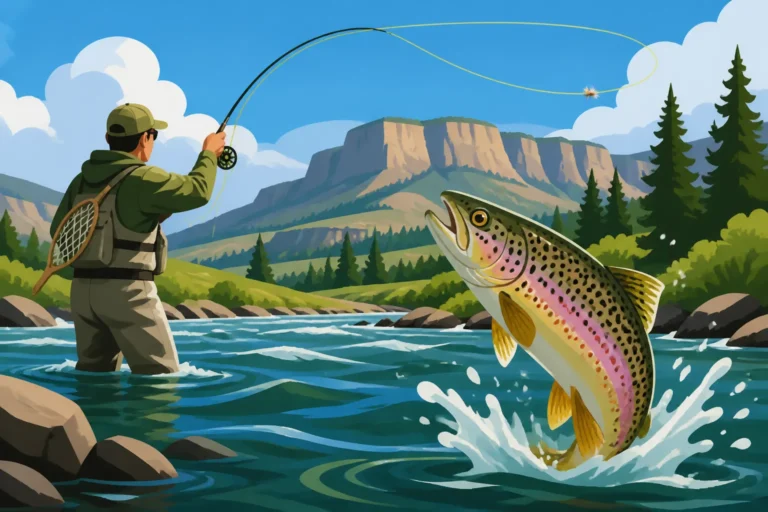
For fly anglers, the Wind River offers diverse opportunities. In the spring and early summer, nymphing techniques with patterns like Prince Nymphs, Hare's Ears, and Pheasant Tails are highly effective, especially when the water is slightly elevated or off-color from runoff. As summer progresses and insect hatches become more prolific, dry fly fishing truly shines. Look for hatches of Caddis, Mayflies, and Stoneflies. Terrestrial patterns like hoppers, ants, and beetles can also be deadly during late summer and early fall, particularly when fished along grassy banks. Streamer fishing with patterns like Woolly Buggers or other baitfish imitations can entice larger trout, especially Brown Trout, year-round, but it's particularly effective during cloudy days or in slightly higher flows. If you're new to fly fishing, a guide found through a service like FishingBooker can provide invaluable on-the-water instruction and local fly pattern recommendations. You can also explore Best Wyoming Fly Patterns for Cutthroat Trout for more specific advice.
Spin Fishing Techniques
Spin anglers will also find success on the Wind River. Small spinners, such as Mepps or Panther Martins, in sizes #0 to #2, are excellent choices, especially those with silver or gold blades in clear water. Small crankbaits or spoons that mimic baitfish can also be effective in deeper pools or faster runs. For bait fishing (where allowed), worms or PowerBait can be a good option, particularly for newly stocked fish or in slower-moving sections. Always check the specific regulations for bait restrictions, as some areas may be fly-and-lure-only. Casting upstream and retrieving downstream, or casting across and letting your lure swing through a run, are effective techniques. Focus on areas with structure, like submerged logs, rocks, or undercut banks where fish like to hold.
Essential Gear and Regulations for Your Trip
Preparing adequately for a fishing trip near Dubois means more than just packing your rod and reel. Understanding the specific gear you’ll need for the diverse conditions and, crucially, knowing the regulations are critical for a safe, enjoyable, and legal outing.
Licensing and Conservation Stamp
Every angler over the age of 14 fishing in Wyoming’s state waters needs a valid Wyoming fishing license. If you're not a resident, you'll need a nonresident license. Additionally, most annual licenses require the purchase of a Wyoming Conservation Stamp. There are different license options, from annual to daily or five-day permits, so choose what best fits your trip length. Children under 14 typically don't need a license, but it's always wise to double-check the current regulations. You can get a good grasp of the requirements by reading articles like The Wyoming Conservation Stamp and What It Covers or Wyoming Resident vs Nonresident License Rules. Remember, if you're fishing on the Wind River Indian Reservation, you'll need their separate permit on top of your state license.
Wading and Safety Gear
The Wind River can be quite cold, even in summer, so waders are highly recommended if you plan to get in the water. Neoprene waders are great for warmth, while breathable waders offer more comfort in warmer weather. Good wading boots with felt or rubber soles (and perhaps studs for extra grip) are essential for navigating the often-slippery riverbed. Always carry a wading staff for stability, especially in faster currents or unfamiliar territory. Beyond wading gear, consider a first-aid kit, a headlamp or flashlight, bear spray (especially if hiking into more remote areas, as bear encounters are possible in this region), plenty of water, and high-energy snacks. A waterproof map and compass or a reliable GPS device are also smart additions, especially if exploring less-defined access points. Local outfitters in Dubois are excellent resources for what to bring, and some may even rent gear. If you're venturing out with a guide, perhaps found through FishingBooker, they will often advise on or even provide necessary safety equipment.
Reading the Water and Conditions
Learning how to read water when trout fishing is a skill that takes time, but certain principles apply universally. Look for seams where fast water meets slow water, current breaks behind rocks or logs, and undercut banks—these are all prime holding lies for trout. During runoff season, the river can be high and turbid, making fishing challenging. However, once the flows drop and the water begins to clear, conditions can be fantastic. Pay attention to water temperature as well; trout are more active and feed more aggressively within certain temperature ranges. Knowing how to read the Wyoming Fishing Regulations Booklet is also crucial, as it contains water-specific regulations that might change what you can keep or how you can fish certain sections.
Local Expertise and Sustainable Practices
Engaging with local experts and committing to sustainable fishing practices are two of the best ways to ensure a successful and responsible trip on the Wind River. This area is a delicate ecosystem, and our actions as anglers directly impact its health and future.
The Value of Local Guides and Outfitters
While this guide provides a great starting point, nothing beats the on-the-ground knowledge of a local fishing guide or outfitter. They can provide real-time updates on water conditions, recommend the most productive flies or lures, and, crucially, navigate the often-complex public and private land access issues. A guide can often take you to spots you’d never find on your own, maximizing your fishing time and increasing your chances of success. They also know the specific nuances of the different river sections, including the tribal waters, and can ensure you’re fishing legally. Services like FishingBooker are excellent platforms for finding reputable, licensed guides operating in the Dubois area. They can help you book a trip that matches your skill level and fishing goals, whether you're a beginner looking for instruction or an experienced angler seeking trophy fish.
Catch and Release Practices
Many anglers on the Wind River practice catch and release, especially for larger trout and native species like the Yellowstone Cutthroat. If you plan to release fish, handle them with care:
- Minimize air exposure: Keep the fish in the water as much as possible.
- Use wet hands: Dry hands can remove the fish's protective slime coat, making it susceptible to disease.
- Remove hooks gently: Use forceps or pliers to quickly remove the hook. If the fish is deeply hooked, cut the line as close to the hook as possible.
- Support the fish until it swims away: Hold the fish gently in the water, facing upstream, until it regains its strength and swims off on its own.
- Consider barbless hooks: Many anglers choose to use barbless hooks, or crimp down the barbs on their hooks, as this makes for easier and less damaging hook removal. In certain sensitive areas, barbless hooks might even be required.
Always be mindful of Wyoming's Combined Possession Limit Explained if you decide to keep fish. These practices help ensure that the Wind River remains a thriving fishery for generations to come.
Disclaimer
The information provided in this guide is for general informational purposes only and is subject to change. Always consult the most current Wyoming Game and Fish Department regulations and any specific tribal regulations before fishing. It is your responsibility to understand and adhere to all applicable laws and rules. Fishing conditions, access, and fish populations can vary.