Fishing the Laramie River for Trout
Trying to find a truly rewarding trout fishing experience near a bustling town like Laramie can sometimes feel like chasing a ghost – you know the fish are there, but actually getting them to bite feels like a secret only the locals know. Don't worry, you're not alone in that frustration! This guide is designed to demystify the Laramie River, sharing insider tips on where to find trout, the best techniques to use, and how to navigate the river's unique quirks so you can enjoy a successful and memorable day on the water.
A Closer Look at the Laramie River's Trout Population
The Laramie River, flowing through its namesake city and beyond, holds a surprisingly diverse and vibrant trout population. While it might not always boast the massive trophy fish of some of Wyoming's more famous waters, it offers consistent action and a chance to connect with several different species, making it a fantastic local fishery for anglers of all skill levels.
The Native and Introduced Trout Species You'll Encounter
When you drop a line into the Laramie River, you're likely to encounter a mix of species. The most prevalent are typically brown trout and rainbow trout. Brown trout, known for their aggressive strikes and beautiful spotting, thrive in the river's varied structure and slightly warmer sections. They're often ambush predators, hiding under cut banks or submerged logs, waiting for an easy meal. Rainbow trout, celebrated for their acrobatic fights, are regularly stocked by the Wyoming Game and Fish Department, especially in the more accessible areas. These fish are often a bit more willing to strike and provide excellent action for those just learning the ropes or looking for a steady bite.
Beyond the browns and rainbows, you might also be fortunate enough to hook into a brook trout, particularly in the cooler, higher-elevation tributaries and sections upstream from Laramie. These smaller, strikingly colored fish prefer colder, clearer water and are a true delight to catch. Less common, but still present, especially in the upper reaches that connect to historical cutthroat habitat, are a few pockets of cutthroat trout. While you'll find much more robust populations further west, catching a Cutthroat Trout Fishing in Wyoming on the Laramie is a special treat. Each species has its own preferences for habitat and diet, which becomes crucial when you're trying to figure out where and how to fish effectively.
Where the Fish Like to Hold Up: River Sections and Habitat
The Laramie River changes quite a bit as it winds its way through the landscape, and understanding these different sections is key to finding fish. Upstream from the city of Laramie, in the national forest lands and private ranches, the river tends to be smaller, colder, and more pristine. Here, you'll find classic trout stream habitat with clear riffles, deep pools, and plenty of undercut banks and overhanging vegetation, perfect for wilder brown and brook trout. Access here can be more challenging due to private land, but public easements and national forest access points do exist. This is where you might truly feel like you're in the wild, even though it's not far from town.
As the river approaches and flows through Laramie, it widens and slows down in some areas, offering a mix of deeper urban pools and some braided sections. This area receives consistent stocking, making it a hotspot for rainbow trout, especially in parks like LaPrele Park or near the UW campus. Further downstream, past the city, the river takes on more of a prairie character, becoming warmer and slower, with more agricultural influence. While trout can still be found here, particularly brown trout in deeper, cooler stretches, you'll also start to encounter warm-water species like carp and suckers. The best trout fishing tends to be concentrated in the cooler, faster-moving water upstream and directly within the Laramie city limits where stocking efforts are focused. Knowing How to Read Water When Trout Fishing is invaluable no matter which section you choose, as trout are always looking for shelter and food delivery.
Essential Techniques for Laramie River Trout
Regardless of your preferred method, approaching the Laramie River with the right techniques and a little local knowledge will dramatically improve your chances of success. It's a river that rewards careful observation and adaptability.
Fly Fishing: Matching the Hatch and Presentation
Fly fishing on the Laramie River, especially in its upper and middle sections, can be incredibly rewarding. The river experiences a decent variety of insect hatches throughout the year, from small midges and blue-winged olives in the cooler months to larger caddisflies and stoneflies during spring and summer. Knowing what insects are active on the water and trying to "match the hatch" with your fly selection is a fundamental strategy. Often, a good generalist approach with nymphs like a Pheasant Tail or Hare's Ear fished under an indicator can be effective when trout aren't visibly rising to dry flies. During active hatches, presenting a well-matched dry fly with a delicate, drag-free drift over likely holding lies – like seam lines where fast and slow water meet, or just below a riffle – is often the ticket.
For those targeting the more elusive brown trout, especially in the fall, streamer fishing can be deadly. Casting and stripping larger baitfish imitations can entice aggressive strikes from bigger fish looking for a substantial meal before winter. While the Laramie might not be as famous as the North Platte for its fly fishing, applying basic Fly Fishing Techniques for Wyoming Trout Streams will certainly put you on fish. Don't be afraid to experiment with different depths and retrieve speeds, especially when the fish are less active. If you’re looking to refine your technique or learn the ropes, local guides, often found through services like FishingBooker, can provide invaluable on-the-water instruction and local fly pattern recommendations.
Spin Fishing: Lures and Bait for Success
Spin fishing is an excellent and often highly effective method for targeting trout on the Laramie River, particularly for beginners or those looking for a more relaxed approach. The key is to use lures that mimic natural prey and to understand how to present them effectively in the river's varied currents. Small inline spinners, such as those from Mepps or Panther Martin, in silver, gold, or brass colors, are consistently productive. They create flash and vibration that can attract trout from a distance. Small spoons, like Kastmasters or Daredevils, also work well, especially when targeting deeper pools where trout might be holding. Remember that when fishing lures, you want to retrieve them at a speed that allows the lure to work naturally without causing it to spin wildly or get hung up on the bottom too frequently.
Bait fishing is also popular and can be incredibly effective, especially for stocked rainbow trout. Traditional baits like worms, PowerBait, or corn (check regulations for specific bait restrictions) can produce consistent bites. When using bait, a light tackle setup with a small hook and minimal weight is best for a natural presentation. Drift your bait naturally with the current into pools or along seam lines. It's helpful to remember that trout are often found near structure, so casting your lures or bait near submerged logs, rocks, or undercut banks can significantly increase your chances. For a comprehensive list of what works best for rainbows, check out our guide on Best Lures for Wyoming Rainbow Trout. Using services like FishingBooker, you can connect with local guides who specialize in spin fishing and can share their favorite local baits and techniques.
Navigating Access and Regulations on the Laramie River
Fishing the Laramie River, like any other public waterway, comes with a set of rules and unwritten etiquette. Understanding where you can legally access the river and what regulations apply is crucial for an enjoyable and legal outing.
Public Access Points: Where to Cast Your Line
Finding public access to the Laramie River can sometimes be a bit of a puzzle, especially with private land bordering many sections. However, several established public access points make it relatively easy to get to the water. Within the city of Laramie, municipal parks like LaPrele Park and Washington Park offer easy river access, complete with parking and usually some designated fishing areas. These spots are particularly good for families and casual anglers, and they are frequently stocked with Rainbow Trout Fishing in Wyoming. You might also find access near the University of Wyoming campus, especially along the Greenbelt Pathway, which follows sections of the river.
Further afield, both upstream and downstream from Laramie, public easements and state lands provide additional opportunities. For example, some sections of the river upstream, particularly where it passes through National Forest land or Bureau of Land Management (BLM) property, offer more secluded fishing. It's always a good idea to consult the Wyoming Game and Fish Department's public access maps online or use apps that show public and private land boundaries to ensure you're fishing legally. Many guides listed on platforms like FishingBooker are experts at navigating these access complexities and can take you to lesser-known, productive spots. Remember to always respect private property and leave no trace when utilizing public access. If you're looking for more general spots in the region, our guide to Fishing Spots Near Laramie, Wyoming provides a broader overview.
Understanding Local Regulations and Conservation Efforts
Adhering to Wyoming's fishing regulations is not just about avoiding fines; it's about contributing to the conservation of these valuable resources. The Laramie River falls under general statewide regulations, but specific sections might have special rules, so always consult the most current Wyoming Fishing Regulations booklet before heading out. This is particularly important for bag and possession limits, which can vary by species and water. For example, Understanding Wyoming's Daily Bag Limits by Species will clarify how many trout you can legally keep.
Generally, a valid Wyoming fishing license is required for anyone 14 years or older. You'll also need a Wyoming Conservation Stamp if you're a resident buying an annual license or a nonresident buying any fishing license except for a one-day license. Some sections of the river, especially those managed for wild trout populations or specific conservation goals, may have tackle restrictions (like artificial flies and lures only) or catch-and-release only rules. Always look for signage at public access points and check the regulations specific to the Laramie River. The Wyoming Game and Fish Department actively manages the river's fisheries, including stocking efforts and habitat improvement projects, to ensure healthy populations for future generations of anglers. Knowing Wyoming Fishing Regulations Every Angler Should Know is your first step to a responsible and successful trip.
Seasonal Strategies for Fishing the Laramie River
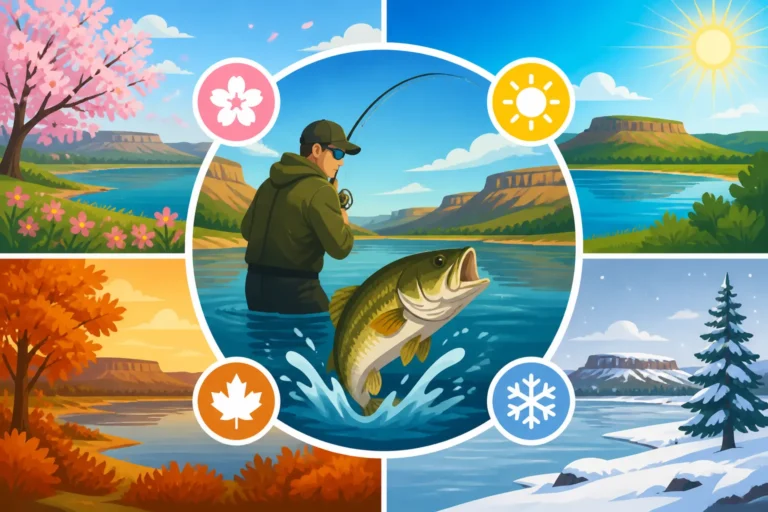
The Laramie River is a year-round fishery, but the tactics you employ and the success you find will heavily depend on the season. Each season presents unique challenges and opportunities, influenced by water levels, temperatures, and fish behavior.
Spring and Summer: High Water and Active Fish
Spring on the Laramie River often means higher, colder water due to snowmelt, sometimes making fishing challenging due to increased turbidity and strong currents. This is when the river's "runoff season" peaks. However, as the water begins to clear and warm slightly, typically by late May or early June, fishing can really pick up. Trout become more active, feeding heavily after the lean winter months. Nymph fishing is often very productive during this period, as fish remain focused on subsurface insects washed downstream. As summer progresses, water levels generally drop and clear up, and water temperatures rise. Early mornings and late evenings become prime times, as trout seek cooler water and are more willing to feed on the surface during insect hatches.
During the warmer summer months, the most consistent trout fishing in the Laramie River will usually be found in the cooler, upper stretches or within the Laramie city limits where stocking provides fresh batches of eager fish. Focusing on deeper pools, shaded areas, and oxygenated riffles where the water is cooler and more comfortable for trout is a smart move. Terrestrial insects like grasshoppers, ants, and beetles become important food sources in late summer, so presenting dry flies that imitate these can be incredibly effective, especially on sunny afternoons. For a detailed breakdown of what to expect, refer to our Wyoming Fishing Seasons Month by Month guide.
Fall and Winter: Trophy Browns and Ice Fishing Potential
Fall is arguably one of the best times to fish the Laramie River for those targeting larger brown trout. As water temperatures cool down, brown trout become increasingly aggressive in preparation for their spawning season, which typically occurs from late September through November. This is when you can often catch some of the largest browns of the year, as they move into shallower spawning areas and are more willing to strike larger flies and lures. Streamer fishing can be particularly effective during the fall run, mimicking the baitfish that these opportunistic predators feast on. The vibrant fall colors along the riverbanks also add a beautiful backdrop to your fishing experience.
As winter sets in, the Laramie River can still offer good fishing, especially in its deeper sections that don't freeze solid. Ice fishing is generally not a primary activity on the Laramie River itself, as it's a flowing body of water that rarely offers safe, consistent ice. However, nearby lakes and reservoirs like the various ponds in the Laramie Plains area or even Curt Gowdy State Park often freeze solid and provide excellent ice fishing opportunities for trout and other species. For the river itself, winter fishing typically means slower action, and fish will congregate in deep, slow-moving pools. Smaller nymph patterns or very slow presentations of small lures are usually the most productive. Always prioritize safety in colder months and be aware of rapidly changing conditions. Our guide on Brown Trout Fishing in Wyoming offers more insights into targeting these elusive fish.
| Season | Primary Targets | Recommended Techniques | Key Considerations |
|---|---|---|---|
| Spring | Rainbow, Brown, Brook | Nymphs, Spinners | High water from runoff; focus on eddies & slower seams. |
| Summer | Rainbow, Brown | Dry flies (terrestrials), Nymphs, Spinners | Early morning/late evening best; seek deeper, cooler water. |
| Fall | Brown (Trophy), Rainbow | Streamers, Nymphs, Spinners | Brown trout spawning run; aggressive strikes; cooler temps. |
| Winter | Brown, Rainbow | Small Nymphs, Slow Lures | Fish deep, slow pools; limited ice fishing on river itself. |
Disclaimer
Please remember that fishing conditions, regulations, and access can change. Always check the current Wyoming Game and Fish Department regulations and local advisories before heading out on the water. Stay safe and respect the environment.