Fishing Wyoming’s Green River Below Flaming Gorge Dam
For many anglers, the dream of fishing a truly wild, pristine river teeming with trophy trout is often overshadowed by the sheer complexity of figuring out where to go, how to access those elusive spots, and what techniques actually work. If you've been yearning to experience the legendary Green River below Flaming Gorge Dam in Wyoming, but feel overwhelmed by the planning, you're in the right place. This comprehensive guide will break down everything you need to know to successfully navigate and fish this incredible tailwater, transforming your frustration into a rewarding adventure.
Understanding the Green River Tailwater Below Flaming Gorge
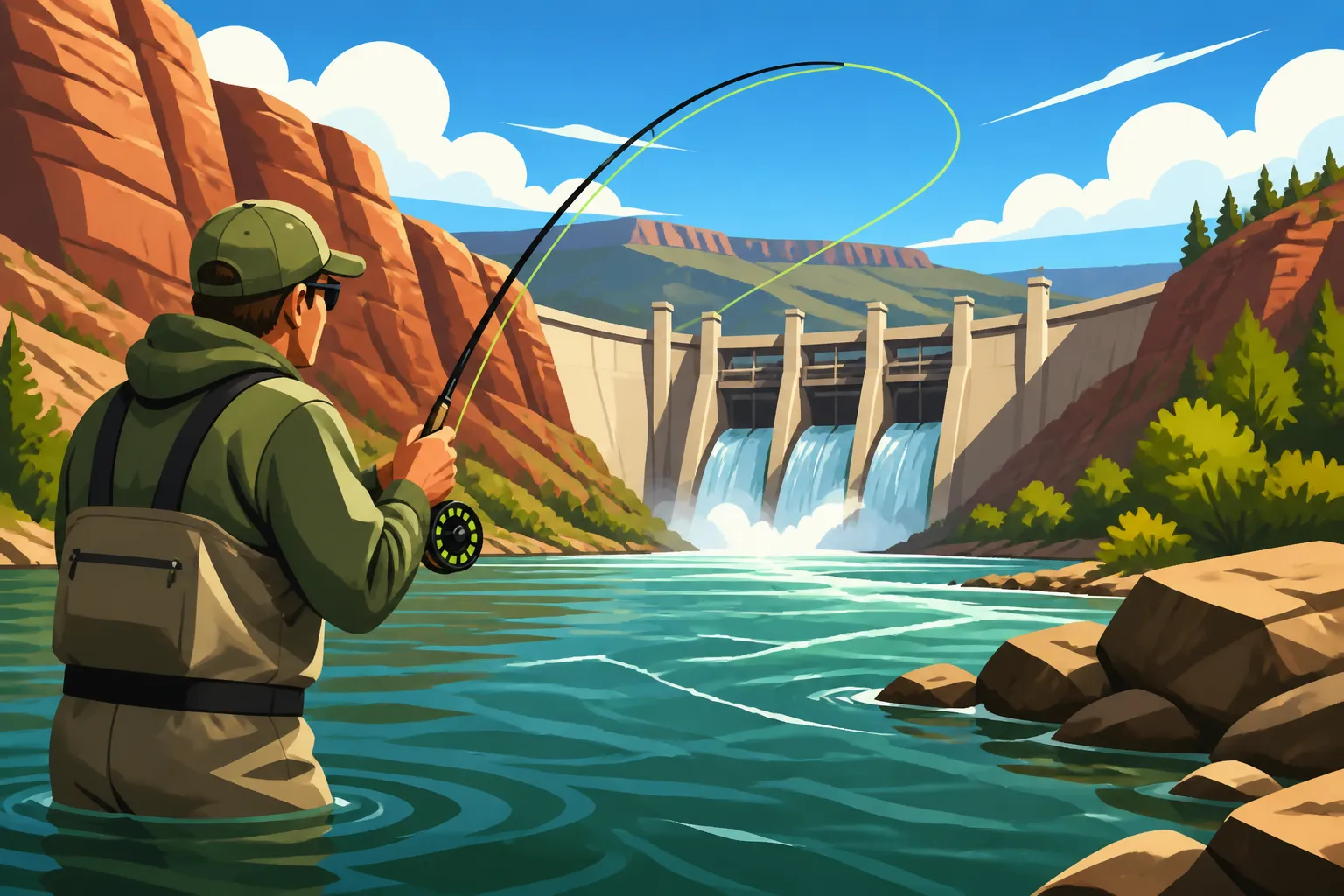
The Green River below Flaming Gorge Dam isn't just any river; it's a celebrated tailwater fishery, a section of river whose flow and temperature are heavily influenced by an upstream dam. This particular stretch is renowned for its consistent cold-water flows, nutrient-rich environment, and exceptional trout populations, drawing anglers from all corners of the globe.
Why This Stretch is World-Class
What makes this particular segment of the Green River so special? It boils down to a perfect storm of environmental factors and careful management. The consistent release of cold, oxygenated water from the deep depths of Flaming Gorge Reservoir creates an ideal habitat year-round for trout. This stable environment, combined with an abundant aquatic insect population, allows trout to grow to impressive sizes and maintain incredible fight. You're not just fishing for fish here; you're often targeting robust, healthy, and incredibly strong trout that will test your angling skills. It’s the kind of place where every cast holds the promise of a truly memorable catch, and the scenery—sheer canyon walls, towering pines, and crystal-clear water—is simply breathtaking.
The Influence of Flaming Gorge Dam
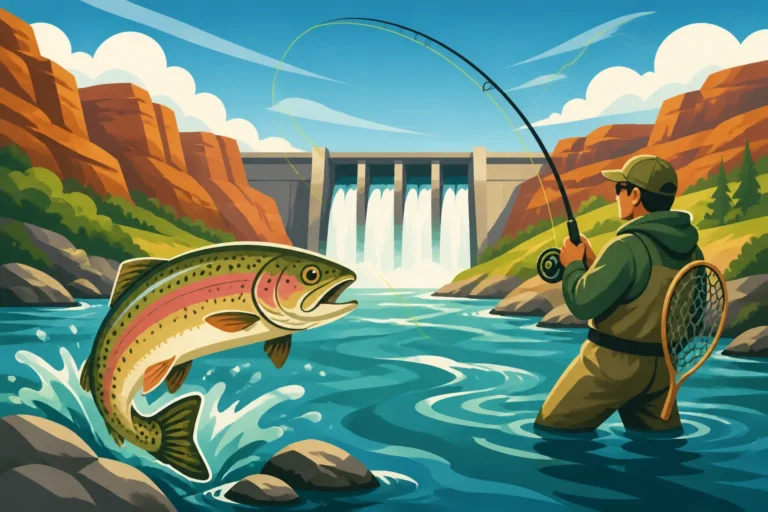
Flaming Gorge Dam acts as the lifeblood of this tailwater, dictating its flow, temperature, and overall health. The dam releases water from the lower depths of the reservoir, ensuring a steady supply of cold water even during the hottest summer months. This thermal regulation is crucial, as it prevents water temperatures from rising to lethal levels for trout. However, the dam's operation isn't without its nuances. Flow rates can fluctuate based on hydropower demands, irrigation needs, and water storage levels. These changes directly impact fishing conditions, affecting water clarity, current speed, and even where fish choose to hold. Savvy anglers often check the Bureau of Reclamation's current flow data before a trip to anticipate river conditions, a detail that can make or break your day on the water.
Unique Characteristics of the Wyoming Section
While the Green River flows through both Utah and Wyoming below the dam, the Wyoming section, particularly the initial stretches, holds a distinct allure. Here, the river snakes through a dramatic canyon, offering a more remote and rugged feel compared to some of the wider, more accessible downstream sections. The water tends to be clearer and colder closer to the dam, often supporting higher concentrations of trout. This also means more challenging wading in some spots due to stronger currents and slippery rocks, but the reward is often worth the effort. The steep canyon walls limit access to some extent, making a float trip a popular way to explore its hidden gems, though dedicated wade anglers can find plenty of productive water with a bit of hiking.
Key Access Points and Zones
Accessing the Green River below Flaming Gorge Dam can be a bit of a puzzle, especially for first-timers. It's a vast river, and different sections offer unique opportunities whether you prefer to float in a drift boat or wade from the bank. Knowing your options beforehand is key to a successful outing.
Drift Boat vs. Wade Fishing Opportunities
The Green River truly shines for both drift boat and wade fishing, each offering a distinct experience. A drift boat allows you to cover vast stretches of water, reaching otherwise inaccessible pockets, riffles, and deep runs. It's ideal for those seeking solitude and the chance to hit untouched water, especially during peak seasons when popular wade access points can get crowded. Guides often prefer drift boats for their ability to put clients on fish efficiently. However, drift fishing requires either owning a specialized boat and having shuttle logistics arranged, or hiring a guide.
Wade fishing, on the other hand, offers a more intimate connection with the river. It allows you to meticulously work a single run, observe insect hatches up close, and explore the smaller intricacies of the riverbed. While the sheer amount of water you can cover is less, the quality of engagement can be higher. Many of the designated public access points provide excellent wade fishing opportunities, though some require a bit of a hike. The key is to understand where you can safely and legally get into the water without trespassing on private land or entering dangerous currents. For those thinking about exploring the intricacies of river access, understanding Fishing From Boats vs Banks: Different Rules can be very helpful.
Public Access Near the Dam
Immediately below Flaming Gorge Dam, the "Little Hole" area is arguably the most famous and easily accessible public stretch. This area features a paved boat ramp, ample parking, and picnic facilities. From here, you can launch a drift boat for a float downstream or access excellent wade fishing opportunities along the well-maintained trail that parallels the river for several miles. The trail offers fantastic views and access to a variety of water types, from fast runs to deep pools.
Further downstream, but still relatively close, you'll find other public access points like the Spillway Boat Ramp and sites within the Ashley National Forest. These areas provide more launch options for boats and additional wade fishing spots. However, due to their popularity, especially on weekends and holidays, these spots can get busy. It's not uncommon to find several anglers working the same stretch, so patience and courtesy are paramount. For detailed instructions on where to find these spots, a quick search on Wyoming Game and Fish Department (WGFD) public access maps is always a good idea.
Downstream Access and BLM Lands
As you move further downstream from the dam, the river meanders through vast tracts of Bureau of Land Management (BLM) land, offering more secluded and adventurous fishing experiences. Beyond the initial canyon section, the river widens, and the terrain gradually becomes less steep. Access points like those found further down towards the confluence with the Black Fork or near towns like McKinnon, Wyoming, might require more rugged vehicles or longer drives on unpaved roads.
While these sections might be harder to reach, they often reward anglers with less pressure and diverse fishing opportunities. Float trips through these lower sections can be multi-day affairs, combining fishing with remote camping. Wade fishing here often means exploring undeveloped riverbanks, requiring good navigation skills and an awareness of private land boundaries. Always remember to respect private property and consult detailed land ownership maps before venturing into these more remote areas. It's also wise to check Where to Check Current Wyoming Water Closures before heading out, as conditions can change.
| Access Point | Primary Mode of Fishing | Key Features | Crowding Level (Typically) | Amenities |
|---|---|---|---|---|
| Little Hole | Wade & Drift | Paved boat ramp, hiking trail, restrooms, picnic areas, excellent trout water | High | Restrooms, parking, boat ramp, picnic tables |
| Spillway Ramp | Drift | Boat launch, access to upper river sections | Moderate | Boat ramp, limited parking |
| Sheep Creek Bay | Drift & Shore | Campground, boat ramp, deeper water for larger boats, access to reservoir | Moderate | Campground, boat ramp, restrooms |
| Horseshoe Canyon | Wade (hike-in) | Remote feel, pristine water, longer hike, less pressure | Low | Primitive, trail access only |
| Buckboard Crossing | Drift & Shore | Campground, boat ramp, access to both reservoir and lower river sections | Moderate | Campground, boat ramp, restrooms |
Note: Crowding levels can vary greatly depending on time of year, day of week, and current fishing conditions.
Target Species and Best Times to Fish
The Green River below Flaming Gorge Dam is a true angler's paradise, primarily known for its incredible trout fishery. But knowing what you're fishing for and when to target them can significantly impact your success. It’s not just about throwing a line in; it's about understanding the rhythm of the river and its inhabitants.
Trophy Trout: Rainbows, Browns, Cutthroats
The Green River boasts a thriving population of three primary trout species, all known for their size and fighting prowess:
- Rainbow Trout: These acrobatic fighters are abundant throughout the river. They are often less finicky than browns and can be caught on a variety of flies and lures. Many of the large, healthy rainbows you'll encounter are a testament to the river's rich food sources. For more on these beauties, check out Rainbow Trout Fishing in Wyoming.
- Brown Trout: The elusive "kings" of the Green River, brown trout often grow to impressive sizes, with true trophy specimens lurking in the deeper pools and undercut banks. They can be incredibly wary, especially the larger ones, requiring stealth and precise presentations. Fall is a particularly exciting time to target browns as they prepare for their spawn. You can learn more about targeting them by reading Brown Trout Fishing in Wyoming.
- Cutthroat Trout: While perhaps less common than rainbows and browns in some sections, various subspecies of cutthroat trout, including the native Colorado River cutthroat, can be found. These fish are appreciated for their striking beauty and willingness to rise to a dry fly. Their presence is a good indicator of a healthy, native ecosystem. If you’re curious about identifying these fish, Cutthroat vs Rainbow Trout: Telling Them Apart is a great resource.
It's not uncommon to catch all three species in a single day, often within the same stretch of water, which truly speaks to the diversity and richness of this tailwater.
Seasonal Patterns and Hatches
Understanding the seasonal patterns and insect hatches is absolutely crucial for success on the Green River. This river is known for prolific hatches that can dictate fish behavior and feeding patterns.
- Spring (April-May): As runoff subsides and water clarity improves, spring brings strong caddis and mayfly hatches. Blue-Winged Olives (BWO) can be particularly significant, leading to fantastic dry fly fishing on cloudy days. Nymphing is consistently productive during this time as well. This is often a shoulder season, meaning fewer crowds and eager fish.
- Summer (June-August): Peak season! Long days, warmer weather (though the water stays cold), and consistent hatches. Terrestrials like grasshoppers and ants become important, especially in late summer. Midges are also a constant food source. Be prepared for crowds, but also for some of the most consistent fishing of the year. Evening caddis hatches can be spectacular.
- Fall (September-November): Many consider fall the prime time on the Green River, especially for targeting large brown trout. As water temperatures cool, browns become more aggressive, preparing for their spawn. Streamer fishing can be incredibly effective during this period, imitating baitfish or smaller trout. BWO hatches persist, and anglers often enjoy prolific nymphing. Fall colors in the canyon are an added bonus. For general seasonal advice, check out Wyoming Fishing Seasons Month by Month.
- Winter (December-March): While challenging due to cold weather, winter fishing can offer solitude and surprisingly good fishing for those willing to brave the elements. Midges are the primary food source, and slow, deep nymphing is the name of the game. Fish often congregate in slower, deeper pools. Dress warmly and cautiously.
Best Time of Day for Success
Like most trout fisheries, the Green River has its optimal feeding windows. Generally, early mornings and late evenings are prime times. During these periods, insect activity is often at its peak, and trout are more actively feeding on the surface or near the banks. Terrestrial insects, for example, are more likely to fall into the water during the warmer parts of the day, making midday a good time for attractor dry flies in summer.
However, on a tailwater like the Green, the dam's release schedule can also influence the best time. If flows are significantly increased or decreased, it might take a few hours for the fish to adjust and resume active feeding. Pay attention to changes in water levels and adjust your strategy accordingly. On hot summer days, trout will often move to deeper, cooler water during midday, making nymphing more effective than dry flies. Conversely, on overcast days, especially during BWO hatches, fish might feed actively throughout the day. It's always about adapting to the conditions you encounter.
Essential Gear and Techniques
You wouldn't head into a wilderness adventure without the right tools, and fishing the Green River is no different. Having the appropriate gear and understanding the most effective techniques can turn a frustrating day into a memorable success.
Fly Fishing: Nymphing, Dry Flies, Streamers
Fly fishing is undoubtedly the most popular and often most effective method on the Green River. Anglers typically employ a combination of three main techniques:
- Nymphing: This is often the bread and butter of Green River fishing, consistently accounting for the majority of catches. Nymphing involves drifting imitations of aquatic insect larvae and pupae along the river bottom, where trout do most of their feeding. A common setup involves a strike indicator, split shot to get your flies down, and one or two nymphs. Focus on drifting your flies naturally, without drag, through runs, seams, and deeper pools. Popular nymphs include various patterns of Pheasant Tails, Hare's Ears, Stoneflies, and Midges. For a deep dive into this technique, read about Nymphing Techniques for Wyoming Tailwaters.
- Dry Flies: There are few things as exhilarating as watching a large trout rise to a perfectly presented dry fly. When major hatches occur (like caddis, BWO, or Tricos), dry fly fishing can be phenomenal. Accuracy and a delicate presentation are key. Matching the hatch is crucial, meaning using a fly pattern that closely mimics the size, shape, and color of the natural insects currently on the water. Even when no specific hatch is apparent, attractor patterns like Parachute Adams or Hoppers can entice opportunistic feeders, especially during summer.
- Streamers: For targeting aggressive, larger brown trout, especially during the fall spawn or on overcast days, streamer fishing is incredibly effective. Streamers imitate baitfish, leeches, or other larger prey. This technique involves casting large, flashy flies and stripping them back through the water, mimicking a swimming baitfish. It's a more active style of fly fishing and can be physically demanding, but the reward of a powerful tug from a trophy brown makes it all worthwhile. If you're chasing those big browns, definitely look into Streamer Fishing for Wyoming Brown Trout.
Spin Fishing Considerations
While fly fishing dominates the Green River, spin fishing can also be productive, especially for those new to the sport or looking for a different approach. The key is to use light tackle and appropriate lures that mimic the natural prey items in the river. Small spinners (like Mepps or Panther Martin), spoons (Kastmasters), or small crankbaits that imitate baitfish can work well. The challenge for spin anglers is often achieving the natural drift required in moving water and avoiding snagging the bottom frequently.
Using light lines (4-6 lb test) and making accurate casts are essential. Focus your efforts on the same types of holding water that fly anglers target: seams, eddies, current breaks, and deeper pools. Just like fly fishing, reading the water is paramount. Be mindful of regulations regarding bait and lure restrictions, as some areas may have specific rules, and always practice responsible catch-and-release to protect this valuable fishery.
Recommended Rods, Reels, and Lines
Having the right setup makes a significant difference on the Green River.
- Fly Rods: A 9-foot, 5-weight fly rod is widely considered the most versatile choice for the Green. It offers enough backbone to handle larger trout and cast heavier nymph rigs, yet is delicate enough for dry fly presentations. For dedicated streamer fishing or if you anticipate consistently larger fish, a 6-weight can be beneficial.
- Fly Reels: A reliable reel with a smooth drag system is important. While not as critical as the rod for fighting trout (most of the fight is handled by the rod and line), a good drag will protect lighter tippets when a large fish makes a strong run.
- Fly Lines: A weight-forward floating line is standard for most Green River scenarios. For deep nymphing, a nymph-specific taper or adding a poly-leader can help with getting flies down quickly. If you plan to heavily focus on streamers, a sinking tip or full sinking line might be advantageous.
- Leaders and Tippet: A 9-foot tapered leader ending in 3X, 4X, or 5X tippet is typical. Having a spool of fluorocarbon tippet in various sizes (especially 4X and 5X) is essential, as trout in clear, pressured waters can be very tippet-shy. Fluorocarbon is less visible underwater and sinks faster than monofilament.
For spin fishing, a light to medium-light spinning rod (6-7 feet) paired with a good quality spinning reel spooled with 4-8 lb monofilament or fluorocarbon line will serve you well. A faster action rod will help with detecting subtle bites and setting the hook quickly.
Navigating Regulations and Conservation
Fishing the Green River below Flaming Gorge Dam isn't just about catching fish; it's about being a responsible steward of an incredible natural resource. Understanding and adhering to the regulations is non-negotiable and plays a critical role in preserving this world-class fishery for future generations.
Wyoming-Specific Rules vs. Utah Rules
It's easy to get confused when fishing near a state line, and the Green River is a prime example. While Flaming Gorge Reservoir itself straddles both Wyoming and Utah, the famous tailwater fishing for which the Green River is known immediately below the dam is largely within Wyoming territory. Therefore, you will need a valid Wyoming fishing license to fish these prime sections.
Wyoming Game and Fish Department (WGFD) sets the regulations for this area. It's crucial not to assume that rules applicable in Utah (e.g., for the lower Green River or parts of Flaming Gorge) are the same in Wyoming. Always carry your current Wyoming license and conservation stamp. For a comprehensive overview, make sure to consult the Wyoming Fishing Regulations Every Angler Should Know. Remember that regulations can change annually, so always get the most current booklet or check the WGFD website.
Catch-and-Release Ethics
Many sections of the Green River below Flaming Gorge Dam, especially the prime trout waters, operate under strict catch-and-release regulations for certain species or within specific size limits. Even in areas where keeping fish is permitted, most anglers who frequent this river practice catch-and-release, particularly for the larger, wild trout. This practice is vital for maintaining the health and trophy potential of the fishery.
When practicing catch-and-release, always prioritize the fish's well-being. Use barbless hooks (or pinch down the barbs on your hooks) to facilitate easy removal. Minimize the time the fish is out of the water. Handle fish with wet hands, supporting their body, and avoid squeezing them or touching their gills. If you must take a photo, do so quickly and ensure the fish remains over the water. Allow the fish to recover in the current until it swims away under its own power. For more details on proper handling, refer to Catch-and-Release Best Practices for Trout.
Protecting the Fishery
Beyond individual catch-and-release practices, there are broader conservation efforts and responsibilities that anglers share.
- Preventing Invasive Species: Aquatic invasive species (AIS), like whirling disease or zebra mussels, pose a significant threat to the Green River and other Wyoming waters. Always "Clean, Drain, Dry" your boat, waders, and gear between fishing trips, especially if moving between different bodies of water. This simple act can prevent the spread of devastating pathogens and organisms. Wyoming has mandatory boat inspections; ensure your watercraft complies.
- Respecting the Environment: Pack out everything you pack in. Leave no trace of your visit. This includes all trash, fishing line, and other discarded items. Respect riverbanks, avoid trampling vegetation, and stay on designated trails where possible.
- Reporting Violations: If you witness a fishing violation (e.g., exceeding bag limits, fishing without a license, illegal methods), report it to the Wyoming Game and Fish Department. Protecting this resource is a collective effort. Understanding How Bag and Possession Limits Work in Wyoming is essential to ensure you're always fishing legally.
Planning Your Trip: Logistics and Accommodation
Embarking on a fishing adventure to the Green River below Flaming Gorge Dam requires a bit of planning, especially regarding where to stay, how to get around, and whether a guide is right for you. A little foresight can significantly enhance your experience.
Local Towns and Services
While the Green River canyon itself is remote, several towns offer services, supplies, and accommodation for anglers.
- Dutch John, Utah: Located just a few miles south of Flaming Gorge Dam, Dutch John is often considered the gateway to the Green River. It's a small community with a few lodging options, a general store for basic groceries and fishing supplies, and several guide services. It's the most convenient base for fishing the immediate tailwater below the dam.
- Manila, Utah: Also very close to the dam, Manila offers similar services to Dutch John, including campgrounds, a few motels, and gas stations.
- Green River, Wyoming: Further north, the city of Green River, Wyoming, is a larger hub with more extensive services, including supermarkets, a wider range of hotels, and restaurants. While a bit of a drive from the dam itself (around 45-60 minutes), it can be a good option for those looking for more amenities or who plan to explore other fishing opportunities in the region.
These towns are where you'll likely pick up your fishing license, grab last-minute flies or lures, and fuel up your vehicle.
Hiring a Guide
For many, especially first-timers or those looking to maximize their time on the water, hiring a professional fishing guide is an excellent investment. A good guide knows the river intimately, understands current conditions, can put you on fish, and provides invaluable instruction on techniques, fly selection, and reading the water. They also typically provide all the necessary gear, including flies, and lunch on full-day trips.
When considering a guide, look for those who specialize in the Green River tailwater. Platforms like FishingBooker can be a great resource to find reputable guides and outfitters who operate in the Flaming Gorge/Green River area. You can compare different guide services, read reviews from other anglers, and book trips directly. Remember that popular guides book up quickly, especially during peak seasons (summer and fall), so plan and reserve your trip well in advance. For more general advice on picking the right professional, check out Hiring a Fishing Guide in Wyoming.
Camping and Lodging Options
The Flaming Gorge National Recreation Area offers a wide range of camping options, from developed campgrounds with amenities to primitive dispersed camping on BLM lands.
- Developed Campgrounds: Campgrounds like Little Hole, Firehole, or Lucerne Valley provide amenities such as restrooms, picnic tables, and sometimes potable water. They offer convenient access to the river and are great for families. Reservations, especially during peak season, are highly recommended and can often be made through recreation.gov.
- Dispersed Camping: For those seeking more solitude and a true wilderness experience, dispersed camping is permitted on much of the surrounding BLM land. This means camping outside of designated campgrounds, often with no amenities. Always check local regulations for fire restrictions and Leave No Trace principles.
- Lodges and Motels: In Dutch John, Manila, and Green River, WY, you'll find various motels and fishing lodges. These range from basic, comfortable rooms to more upscale accommodations that cater specifically to anglers, sometimes offering packages that include guided trips.
Booking accommodation in advance is strongly advised, particularly if your trip falls during the popular summer and fall months. The Green River below Flaming Gorge Dam is a bucket-list destination for many, and you don't want to be scrambling for a place to stay after a long day of fishing.
Disclaimer
Please note that fishing regulations, conditions, and access points can change. Always consult the most current Wyoming Game and Fish Department regulations before heading out. This guide provides general information and should not be considered a substitute for official resources. Ensure you have the appropriate licenses and permits, and always prioritize safety and ethical angling practices.