Fishing Access Below Seminoe Dam
There's a special kind of frustration that comes with trying to pinpoint reliable, in-depth information about fishing specific, often remote, spots in Wyoming. You might find general mentions of a famous river, but when it comes to the nitty-gritty of a particular tailwater like the one below Seminoe Dam, details can feel as elusive as a trophy brown trout. This guide is here to cut through the vagueness, providing you with a comprehensive look at what to expect, how to access, and how to successfully fish the often-overlooked yet highly rewarding waters directly downstream from Seminoe Dam.
Understanding the Seminoe Dam Tailwater Fishery
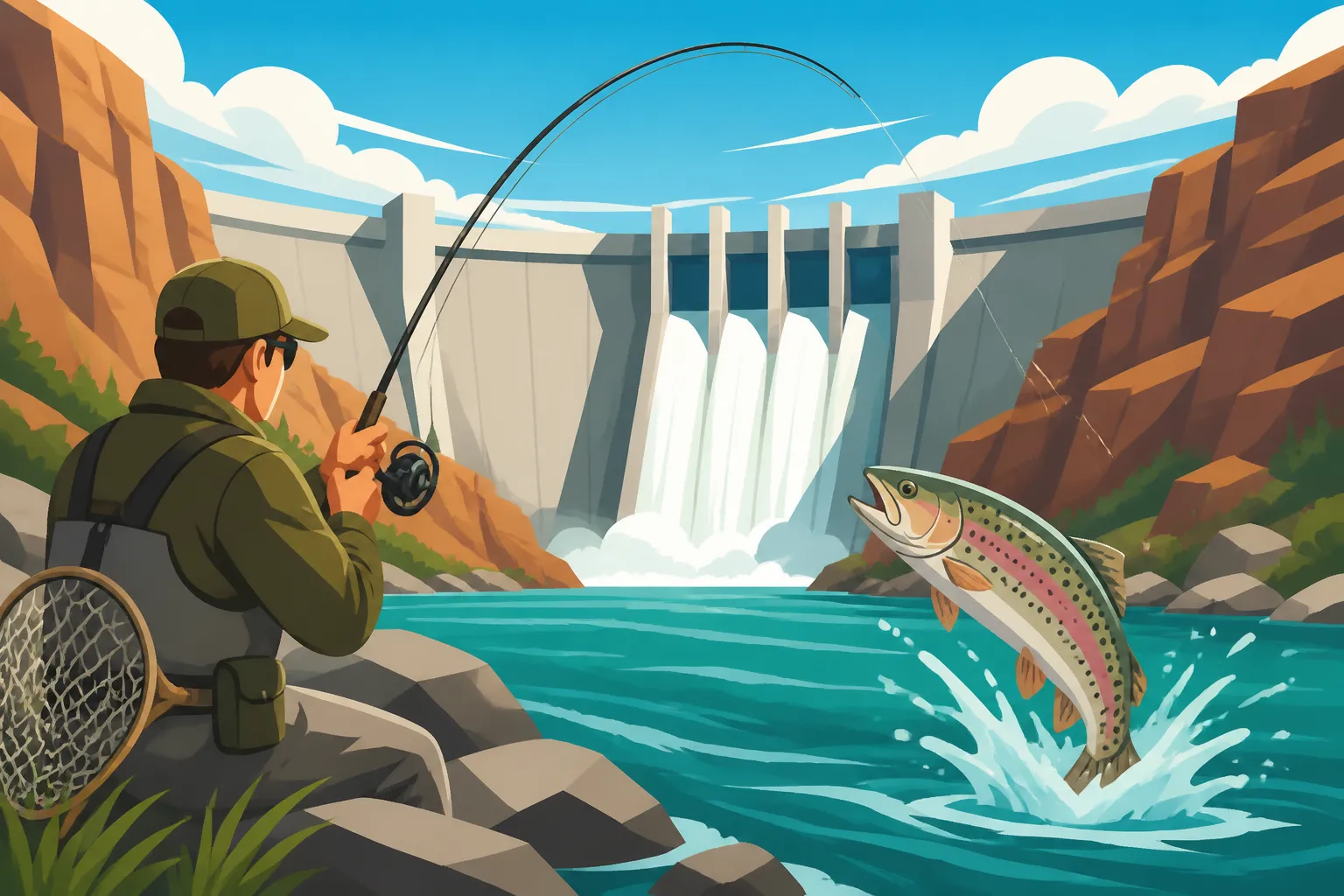
The stretch of water immediately below Seminoe Dam is more than just a continuation of the North Platte River; it's a distinct ecosystem shaped by the massive reservoir above it. Anglers often flock to other famous sections of the North Platte, sometimes overlooking the fantastic opportunities that exist much closer to the dam. This tailwater offers a unique experience, different from the open waters of Seminoe Reservoir itself, providing consistent conditions that foster thriving trout populations.
The Unique Ecosystem Below Seminoe Dam
When Seminoe Dam releases water, it draws from the deeper, colder parts of Seminoe Reservoir. This creates a remarkably stable, cold-water environment year-round, which is absolutely critical for trout. Unlike many natural river systems that experience dramatic temperature swings and heavy runoff, the dam-controlled flow provides a consistent, nutrient-rich habitat. This cold, oxygenated water acts as a perfect incubator for aquatic insects, forming the base of a robust food chain that supports healthy, strong fish.
The immediate outflow below the dam often features swift, powerful currents that quickly transition into a mix of deeper pools, riffles, and more braided sections downstream. You'll find a substrate of gravel, cobble, and larger rocks, offering plenty of structure for fish to hold in. The consistent flow also means less sedimentation, leading to clearer water conditions for much of the year, which can be a double-edged sword: great for sight fishing, but also means the trout can see you!
The stretch closest to the dam is usually wider and more open, gradually narrowing and gaining more traditional river characteristics as it winds further away. This constant flow, dictated by the reservoir's needs, means anglers need to pay attention to real-time discharge rates. A sudden increase in flow can make wading dangerous and fishing challenging, while a decrease can concentrate fish but also expose them to predators and make certain spots less productive.
Because of the dam's regulating influence, this section of the North Platte River can often be fishable even during periods when other rivers are blown out by spring runoff or choked by ice. This predictability, combined with the abundance of forage, makes it a highly productive tailwater, despite its somewhat remote location.
Primary Fish Species Targeted
The cold, stable environment of the Seminoe Dam tailwater is prime trout country. You'll primarily be targeting various species of trout that thrive in these conditions, offering both quantity and quality for anglers. Understanding what lives here helps you dial in your tactics.
Rainbow trout are abundant, often stocked but also found in wild populations that have adapted to the tailwater's unique conditions. These fish are known for their aggressive strikes and acrobatic fights, making them a favorite for many anglers. They'll readily take a variety of flies and lures, and their presence indicates a healthy, food-rich environment.
Brown trout are another major draw, especially for those seeking larger, more elusive fish. These opportunistic predators grow to impressive sizes in the North Platte system, and the Seminoe tailwater is no exception. They are often more wary than rainbows but can be incredibly rewarding to catch. Fall brings out their spawning colors and makes them particularly active, though they can be found year-round. You might even encounter some "cuttbows"—hybrid trout resulting from the interbreeding of rainbow and cutthroat trout, combining the best fighting qualities of both.
While trout are the stars of the show, you might occasionally hook into other species like whitefish, which are native to the North Platte. These fish often occupy similar cold-water habitats and can provide an interesting challenge, though they are not typically targeted by most anglers. Focusing on the trout, however, will undoubtedly be your most productive strategy in this rich fishery.
Navigating Access and Regulations
Getting to the waters below Seminoe Dam requires a bit of planning and a willingness to drive on less-traveled roads. This area is remote, which is part of its charm, but also means you need to be self-sufficient. Understanding the access points and the specific regulations for this stretch of river is crucial for a safe and legal trip.
Public Access Points and Road Conditions
Accessing the Seminoe Dam tailwater typically involves navigating a network of gravel and dirt roads in Carbon County. From towns like Rawlins or Casper, you'll generally head west or southwest, often via Highway 220 or similar routes, before turning onto smaller, unpaved roads. The closest significant access is often directly below the dam itself, where the Wyoming Game and Fish Department (WGFD) or other public lands agencies might maintain a few access points.
These roads, while generally maintained, can vary significantly with weather conditions. After heavy rains or during spring thaw, they can become muddy, rutted, and sometimes impassable for two-wheel-drive vehicles. In winter, snow can make access impossible without four-wheel drive and high clearance. Always check local road conditions and weather forecasts before heading out. Expect limited signage, so having a good map, GPS, or a reliable navigation app is highly recommended. You're likely to be on Bureau of Land Management (BLM) land, which often allows for dispersed camping, but facilities are minimal to nonexistent. For more general guidance on fishing spots, consider exploring resources like "Best Places to Fish in Wyoming".
While you can often find spots directly below the dam, driving further downstream will open up more opportunities, including various pull-offs and informal access points along the river. These spots often require a short hike to the water, which helps distribute anglers and provides a more solitary experience. Remember, respect private property boundaries; while much of this area is public land, there are private inholdings that you must not trespass on. Parking is usually informal alongside the road, so ensure you don't block access or create hazards.
Key Regulations for the Seminoe Tailwater
Fishing in Wyoming, especially in specific tailwater fisheries, comes with its own set of rules. It's not enough to just have a state license; you need to understand the nuances of the local regulations for the Seminoe Dam tailwater. Always consult the current WGFD fishing regulations booklet before your trip. This physical or digital booklet is your bible for legal fishing. For a broader overview, you can start with "Wyoming Fishing Regulations Every Angler Should Know".
While statewide regulations apply, specific water bodies, particularly high-value fisheries like tailwaters, often have additional, more restrictive rules. These might include special slot limits, reduced daily bag and possession limits, or tackle restrictions like mandatory barbless hooks. For instance, the North Platte River often has a "one over 16 inches" rule for trout, meaning you can only keep one trout per day over a certain length. It's imperative to know if these apply to the Seminoe tailwater. Check "How Bag and Possession Limits Work in Wyoming" for more on this topic.
You'll also need to be aware of licensing requirements. Everyone aged 14 and older needs a valid Wyoming fishing license. Nonresidents have different options, including annual, daily, or five-day licenses. For details on your specific situation, look into "Wyoming Resident vs Nonresident License Rules". Don't forget the Wyoming Conservation Stamp, which is required for most annual and multi-day licenses. It's also important to understand specific rules regarding bait, as some areas of the North Platte are fly and lure only, or restrict live bait. These regulations are designed to protect the fishery, so adhering to them ensures its health for future generations of anglers.
| Key Regulation Category | General Statewide Rule | Potential Seminoe Tailwater Specifics (Always Verify Current Regs!) | Why It Matters |
|---|---|---|---|
| Fishing License | Required for ages 14+, various options. | Standard Wyoming license and Conservation Stamp. | Legal fishing, funding conservation. |
| Bag & Possession Limits | Varies by species and water. | Often reduced limits, especially for trout. | Protecting fish populations, sustainable harvest. |
| Tackle Restrictions | General bait, lure, fly use allowed. | May be fly/lure only, barbless hooks required. | Reducing fish mortality, promoting catch-and-release. |
| Season Dates | Most waters open year-round. | Generally open year-round, but always check for closures. | Protecting spawning fish, habitat. |
| Watercraft Use | Varies by water, often restricted on small rivers. | Non-motorized watercraft common; check for motor limits. | Safety, preserving angling experience. |
Effective Techniques and Best Times to Fish
Fishing the remote tailwater below Seminoe Dam means employing techniques that are effective for wary trout in clear, cold water. Success often hinges on your ability to adapt to conditions and understand the feeding habits of the fish. Being prepared with the right gear and knowledge of seasonal patterns will significantly boost your chances.
Recommended Gear and Tackle
For fly anglers, a versatile setup is key. A 5 or 6-weight fly rod, typically 9 to 10 feet long, is an excellent all-around choice for the size of fish and the water conditions you'll encounter. Pair this with a reliable reel and a weight-forward floating line. Your fly box should be well-stocked with nymphs (such as Pheasant Tails, Hare's Ears, Stoneflies, and various midge patterns), streamers (Woolly Buggers, Sculpzillas), and a selection of dry flies (Parachute Adams, Caddis, hoppers, terrestrials) for when fish are looking up. Often, a nymph rig under an indicator is the most productive method, especially in deeper runs or faster currents. For detailed guidance, check out "Fly Fishing Techniques for Wyoming Trout Streams".
Spin anglers will find success with light to medium-light action rods (6'6" to 7'0") paired with a spinning reel spooled with 4-8 pound test monofilament or fluorocarbon line. Small spinners (like Mepps Aglias or Panther Martins), spoons (Kastmasters), and small jerkbaits or soft plastics can be highly effective. If bait fishing is allowed in the specific section you're targeting (always verify regulations!), PowerBait, worms, or corn can also be productive, especially for stocked rainbow trout. Remember to have forceps or pliers for easy hook removal, as proper catch-and-release practices are crucial. For those new to this, "Spin Fishing Techniques for Beginners" offers some great introductory advice.
Beyond your rod and reel, waders are almost essential for accessing prime water and safely navigating the river. Breathable chest waders and sturdy wading boots with good ankle support are highly recommended. Always carry a net, preferably a rubberized one to protect the fish's slime coat. Other essentials include polarized sunglasses for spotting fish and structure, clippers, leaders and tippet in various sizes, and a multi-tool. Given the remote location, a first-aid kit, plenty of water, and extra layers of clothing are non-negotiable.
Seasonal Strategies and Timing Your Visit
The Seminoe Dam tailwater offers year-round fishing opportunities, but the best strategies and what you can expect will vary significantly with the seasons. Timing your visit to align with your preferred fishing style and target species can make all the difference.
Spring (April-May) can be a fantastic time as fish become more active after winter. While some rivers experience heavy runoff, the dam-controlled flow here often means it remains fishable, though water levels can fluctuate based on reservoir management. Nymphing is often highly effective as fish feed on emerging insects, and streamer fishing can be productive for hungry brown trout. Check "Wyoming Fishing Seasons Month by Month" for a general overview, but always remember the tailwater's unique flow characteristics.
Summer (June-August) is typically prime time, with consistent flows and abundant insect hatches. Dry fly fishing can be excellent during Caddis, Mayfly, and terrestrial hatches. Early mornings and late evenings are often the most productive, especially during the heat of the day. Fish will spread out, utilizing all available habitat, making both nymphing and dry-fly techniques viable. This is also a popular time, so expect a bit more company, though the remoteness keeps crowds down compared to more accessible waters.
Fall (September-November) is legendary, particularly for brown trout. As water temperatures drop, brown trout become aggressive in preparation for their spawn, and larger fish move into shallower areas. Streamer fishing can be incredible, and nymphing continues to be a staple. The cooler weather and beautiful fall foliage add to the experience. This is often when anglers seeking trophy fish hit the water.
Winter (December-March) offers a unique challenge, but the tailwater often remains open and fishable, unlike many frozen lakes. Fish tend to congregate in deeper, slower pools, and midge and small nymph patterns are usually the most effective. While the air temperatures can be brutally cold, the consistent water temperature keeps fish active, albeit often subtle in their feeding. Layers, hand warmers, and a hot thermos are essential for comfort during a winter outing.
Reading the Water and Finding Fish
Mastering the art of reading the water is paramount for success in any river, and the Seminoe Dam tailwater is no exception. Trout are masters of energy conservation, always positioning themselves in spots where food drifts to them with minimal effort, or where they feel secure from predators. Understanding these holding lies is crucial. For broader understanding, refer to "How to Read Water When Trout Fishing".
Look for current seams where fast water meets slower water; these are prime feeding lanes. Fish will often sit in the slower water, waiting for insects and food to be swept past them in the faster current. Riffles, the shallow, turbulent sections, are oxygen-rich and often hold smaller fish, but don't overlook the deeper pockets within them. Pools, especially those with some depth and overhead cover like undercut banks or submerged logs, are critical holding areas for larger, more wary trout.
Undercut banks and boulders provide shelter from currents and predators, offering ideal ambush points for fish. Pay close attention to eddies, which are areas where the current circles back upstream. These can be goldmines, collecting food and offering a resting spot. When wading, move slowly and deliberately, disturbing the water as little as possible. Trout in clear tailwaters are incredibly spooky, and one misplaced step or shadow can send them darting for cover.
Observing the river for signs of insect activity—hatches on the surface, or nymphs drifting in the current—will also guide your fly or lure choice. If you see fish rising, try matching the hatch with a dry fly. If there's no surface activity, assume they're feeding sub-surface on nymphs or small baitfish, and adjust your tactics accordingly. Remember that fish often hold tight to the bottom in faster currents, so getting your flies or lures down to their level is key.
Planning Your Trip to Seminoe Dam
A trip to fish below Seminoe Dam is an adventure into a more secluded part of Wyoming, far from the bustling crowds of some of the state's more famous rivers. This means careful planning is essential, from where you'll lay your head at night to how you'll prepare for the remote conditions.
Lodging and Amenities Nearby
The area immediately surrounding Seminoe Dam is quite remote, and you won't find a bustling town with hotels and restaurants right around the corner. Your primary options for lodging will involve a bit of a drive. The closest full-service communities are typically Rawlins to the southwest or Casper to the east. Rawlins offers a selection of motels, gas stations, and basic amenities, while Casper provides a wider range of accommodations, dining, and outdoor retail stores. Depending on where you plan to focus your fishing and how long you want to stay, basing yourself in one of these towns might be a good strategy, accepting a daily drive to the river.
Alternatively, if you prefer to stay closer to the action and embrace the wilderness experience, camping is a popular choice. Seminoe State Park, located on Seminoe Reservoir, offers developed campsites with some amenities, though it's still a drive to the tailwater below the dam. Much of the land around the river itself is managed by the Bureau of Land Management (BLM), which allows for dispersed camping. This means you can find a spot to pitch a tent or park your RV (with appropriate self-sufficiency) with minimal facilities, offering a truly immersive experience. Always adhere to Leave No Trace principles when dispersed camping, packing out everything you pack in.
Whichever option you choose, be prepared for limited cell service in many areas around the dam. It's a place to disconnect and enjoy the solitude. Make sure your vehicle is fueled up, and you have all your provisions—food, water, ice—before heading out to the more remote sections, as there will be no quick stops for forgotten items.
Considerations for Guides and Trip Preparation
While the rugged independence of a self-guided trip to Seminoe Dam is appealing to many, for those new to the area, or looking to maximize their time on the water, hiring a local fishing guide can be an invaluable investment. A professional guide will not only know the prime fishing spots, which flies or lures are currently working, and how to safely navigate the river, but they can also provide local insights into conditions, regulations, and even history of the area. If you're looking for guidance, platforms like FishingBooker can help connect you with experienced outfitters who specialize in Wyoming's North Platte River system. Many anglers, especially those new to the area, find immense value in a guided trip, as services found on FishingBooker often connect you with experienced local guides who can truly enhance your experience. For more information on finding the right person, consider "Hiring a Fishing Guide in Wyoming".
Even with a guide, thorough personal preparation is crucial. First and foremost, ensure you have your fishing license and conservation stamp squared away before you arrive. You can often purchase these online through the Wyoming Game and Fish Department website, or at authorized vendors. Packing for Wyoming's unpredictable weather is also paramount; layers are your best friend, as temperatures can swing dramatically even within a single day. Bring rain gear, sun protection (hat, sunglasses, sunscreen), and sturdy footwear. Always check the river flows and weather forecast before you leave home; the WGFD website is an excellent resource for real-time conditions.
Beyond personal gear, consider what you'll need for safety and comfort in a remote setting. A well-stocked first-aid kit, emergency shelter, plenty of water, and snacks are essential. If you're traveling solo, let someone know your itinerary. A fully charged phone (even if service is spotty) and a portable charger are good ideas, as is a satellite messenger if you plan to venture far off the beaten path. Planning a remote trip can be daunting, but resources like FishingBooker can help you find local expertise for a successful outing. Remember, the beauty of fishing below Seminoe Dam lies in its wild nature, and respectful, prepared angling ensures a memorable and safe experience.
Disclaimer
Please note that fishing regulations, access points, and conditions in Wyoming can change. Always consult the most current Wyoming Game and Fish Department regulations and local advisories before planning your trip. The information provided in this guide is for general informational purposes only and should not be considered legal advice.