Fishing Meeks Cabin Reservoir
Trying to figure out where to find those truly hidden gems in Wyoming, away from the crowds, can feel like you're trying to decode an ancient map. You've heard whispers of places like Meeks Cabin Reservoir, but getting reliable, in-depth information on how to actually fish it, what to expect, and how to plan for a successful trip is tough. This comprehensive guide is here to cut through the confusion and give you all the details you need to confidently tackle Meeks Cabin Reservoir.
Discovering Meeks Cabin Reservoir: A High-Country Oasis
Meeks Cabin Reservoir is one of those spots that really makes you feel like you've earned your catch. Tucked away in the southwestern corner of Wyoming, specifically within Uinta County and straddling the border with Utah, this reservoir isn't for the faint of heart or those looking for an easy drive-up fishing experience. Its remoteness is precisely what makes it so special, offering a tranquil escape and a fantastic fishery for those willing to make the journey. It sits at a respectable elevation, usually meaning cooler temperatures and a shorter fishing season, primarily from late spring once the snow melts, through the early fall before winter sets in again.
Getting there often involves navigating Forest Service roads, which can range from well-maintained gravel to a bit rougher terrain, depending on recent weather and maintenance. You’ll typically approach from the Lonetree area in Wyoming or from the Utah side, winding your way through stunning scenery. It’s definitely a place where you'll want a reliable vehicle, and maybe even a good map or GPS, as cell service can be spotty at best. The journey itself becomes part of the adventure, offering glimpses of wildlife and vast, untouched landscapes that define the Wyoming wilderness experience.
Access Points and General Layout
Accessing Meeks Cabin Reservoir generally involves a few specific routes that bring you into the surrounding Uinta-Wasatch-Cache National Forest. From the Wyoming side, travelers often head south from Mountain View or Evanston, eventually connecting to the network of Forest Service roads that lead to the reservoir. While there isn't a paved highway directly to its shores, the main dirt and gravel roads are usually passable by most passenger vehicles during the dry summer months. However, always check local conditions, especially in spring or after heavy rains, as roads can become muddy and challenging.
The reservoir itself is nestled in a basin, fed by Meeks Cabin Creek. It's not a massive body of water, making it quite manageable for shore fishing in many areas, but it's large enough to offer plenty of diverse structure for fish. There are often designated areas for primitive camping nearby, managed by the Forest Service, which adds to the allure for those looking to stay overnight and maximize their fishing time. Boat access, if available, is usually limited to small craft like canoes, kayaks, or float tubes, as there are no developed boat ramps for larger motorized vessels. This helps maintain the peaceful atmosphere and ensures the focus remains on the quiet pursuit of angling.
Unique Challenges of High-Altitude Fishing
Fishing at elevations like Meeks Cabin Reservoir presents a different set of challenges than lowland waters. The air is thinner, which can be taxing for those not accustomed to it, and the weather can change on a dime. A sunny morning can quickly give way to afternoon thunderstorms or even snow, even in summer. Anglers need to be prepared for all conditions, packing layers of clothing, rain gear, and plenty of water. The UV index is also higher, so sunscreen and good hats are essential.
Beyond personal comfort, the high altitude also impacts the fish and their behavior. Water temperatures generally stay cooler, leading to potentially slower metabolism in fish and specific feeding windows. The growing season for aquatic insects is also shorter, meaning hatches might be more intense but less prolonged. Understanding these nuances is crucial for success. For example, fish might hold in deeper, cooler water during the brightest parts of the day, moving into shallower feeding zones during dawn, dusk, or overcast periods. Always remember to check Wyoming Fishing Seasons and Water-Specific Closures before you head out, as high-altitude waters often have unique seasonal regulations.
What Fish Species Await at Meeks Cabin
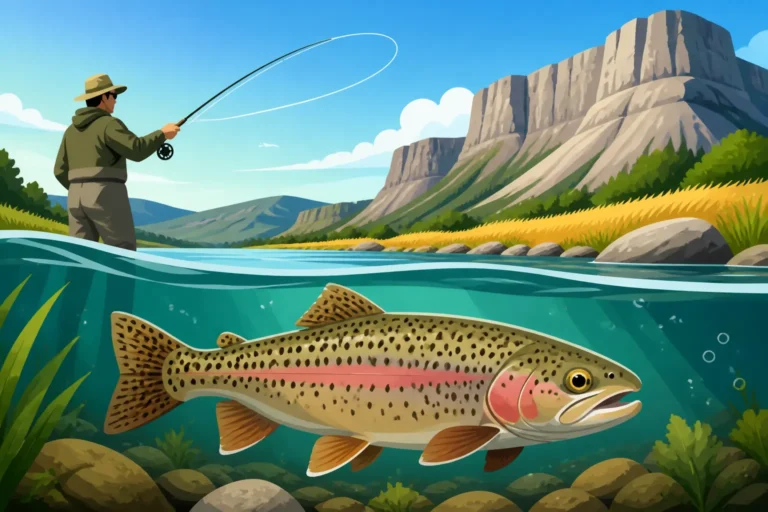
Meeks Cabin Reservoir is primarily known as a fantastic trout fishery. The Wyoming Game and Fish Department (WGFD) works hard to manage these high-country waters, often stocking them to supplement natural reproduction and provide ample opportunities for anglers. The main stars you're likely to encounter here are rainbow trout, brook trout, and sometimes cutthroat trout or hybrid species like splake. These fish thrive in the cold, clear waters and can grow to respectable sizes, offering a thrilling fight for their remote habitat.
Unlike some heavily pressured waters, the fish at Meeks Cabin tend to be a bit less educated, often striking eagerly when presented with the right offering. However, their wild instincts mean they're still wary, and stealth and presentation remain key. The size of fish can vary, but it's not uncommon to pull out 12-16 inch trout, with larger specimens always a possibility, especially for those who spend the time to explore and understand the water. It’s these moments of pulling a vibrant, healthy trout from such a pristine environment that make the journey to Meeks Cabin truly worthwhile.
Rainbow and Brook Trout Populations
Rainbow trout are a staple in many Wyoming fisheries, and Meeks Cabin is no exception. They are often stocked by the WGFD due to their hardiness and popularity among anglers. You'll find them cruising the shorelines, particularly in the mornings and evenings, and moving to deeper water during midday. They are generally opportunistic feeders, making them responsive to a variety of baits and lures.
Brook trout, on the other hand, are often native or naturally reproducing in many high-country waters. They are smaller than rainbows on average but are renowned for their vibrant coloration and aggressive bites. When you land a brook trout, especially a wild one, its intricate patterns of red spots with blue halos against a dark green back are a sight to behold. They tend to favor cooler, shallower areas, often near submerged vegetation or rocky structure. Learning to distinguish between Brook Trout Fishing in Wyoming and other species can enhance your appreciation for each catch.
Potential for Cutthroat and Splake
While rainbow and brook trout are the most common, some years or specific management goals might introduce cutthroat trout to the mix. These native trout, celebrated for the distinctive red or orange slash under their jaw, offer a unique challenge and are highly prized catches. They can be a bit more selective than rainbows, requiring a more subtle approach. Keep an eye on local regulations for specific information, as sometimes special limits or restrictions apply to cutthroat to protect their populations.
Another exciting possibility in some high-country reservoirs, including occasionally Meeks Cabin, is the presence of splake. Splake are a hybrid cross between a male brook trout and a female lake trout. They combine the fighting spirit of a brook trout with the potential for larger size, often exhibiting unique markings. They typically prefer deeper, cooler water, similar to lake trout, and can provide a memorable surprise for anglers equipped to fish vertically or troll in deeper sections. Always double-check Wyoming Fishing Regulations Every Angler Should Know for any specific rules regarding hybrid species or special management areas.
| Species | Average Size (Inches) | Primary Habitat | Best Techniques | Notes |
|---|---|---|---|---|
| Rainbow Trout | 10-16 | Shorelines, open water, inlets | Spinners, PowerBait, flies, jigs | Regularly stocked, good fighters |
| Brook Trout | 8-12 | Shallow bays, rocky areas, submerged structure | Small spinners, worms, dry flies | Native or naturalizing, beautiful colors |
| Cutthroat Trout | 10-15 | Inlets, deeper pools, current breaks | Dry flies, nymphs, small spoons | Native, prized catch, check regulations |
| Splake | 12-20 | Deeper, cooler water, structure | Jigging spoons, streamers, trolling | Hybrid, less common, potential for size |
Mastering Techniques for Meeks Cabin
Fishing Meeks Cabin Reservoir successfully means adapting your techniques to the high-country environment and the trout species present. While it's not an overly complex fishery, understanding the nuances can significantly improve your catch rates. From simple bait fishing to more advanced fly-fishing tactics, being versatile and observant will serve you well. Remember, this isn't a place with heavy boat traffic or endless pressure, so stealth and quiet presentation can often be more effective than brute force.
Because of its relative remoteness and natural setting, artificial lures and flies often perform exceptionally well, mimicking the natural insect and baitfish forage available. However, a trusty worm or PowerBait can also be a game-changer, especially for the recently stocked fish. Be prepared for varying conditions, from calm mornings ideal for dry flies to windy afternoons that might call for heavier spinners or jigs to get down to the fish. Also, keep in mind How Bag and Possession Limits Work in Wyoming as you decide what to keep.
Spin Fishing Essentials
For many anglers, spin fishing offers the most accessible and often highly effective method at Meeks Cabin. A lightweight to medium-light spinning rod, spooled with 4-6 pound test line, is ideal for casting smaller lures and detecting subtle bites.
- Lures: Small inline spinners like Mepps Aglia or Panther Martin, in sizes #0 to #2, are perennial favorites for all trout species. Their flash and vibration mimic small baitfish or fleeing insects. Small spoons, such as Kastmasters or Little Cleos, in silver or gold, are also excellent, especially for covering water and targeting deeper holding fish. Mini jigs (1/32 to 1/8 ounce) tipped with a small piece of worm, a PowerBait egg, or even just fished plain, can be deadly when trout are feeding on smaller aquatic invertebrates.
- Bait Fishing: When trout are less active, or for those days you just want to relax and wait for a bite, bait fishing can be incredibly effective. PowerBait, especially in popular colors like rainbow, chartreuse, or even white, fished on a small treble hook with an egg sinker, is a go-to. Live worms or mealworms, drifted naturally or suspended under a bobber, are also fantastic choices. Remember to adjust your weight and presentation to account for currents, if any, near inlets or outlets, or to get your bait down to deeper channels.
Fly Fishing Strategies
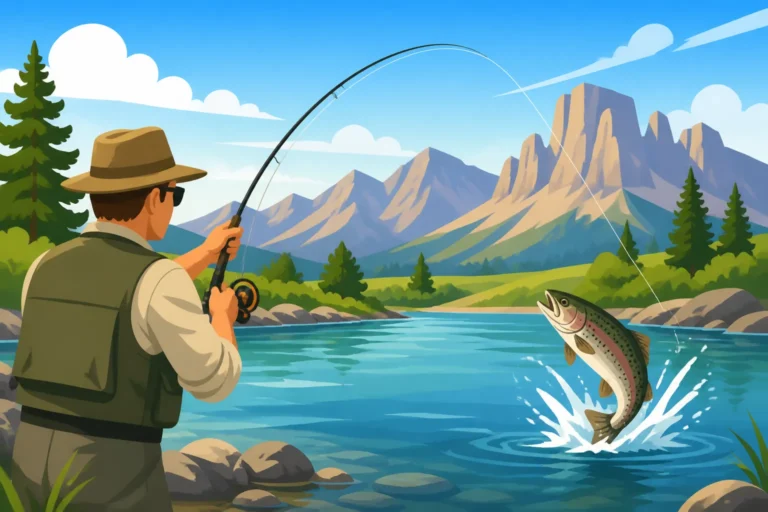
Fly fishing at Meeks Cabin Reservoir offers a truly immersive experience, connecting you directly to the natural cycles of the high-country ecosystem. A 4- or 5-weight fly rod is versatile enough for most situations, paired with a floating line and an assortment of leaders and tippet.
- Dry Fly Fishing: When hatches are occurring, dry fly fishing can be spectacular. Look for rising fish, often in calm sections of the reservoir or near inlets. Common high-country hatches include Caddis, Mayflies (like Callibaetis), and Midges. Terrestrial patterns like grasshoppers, ants, and beetles can also be highly effective during warmer months when they might fall into the water. Presentation is key; aim for a natural, drag-free drift.
- Nymphing: If fish aren't rising, nymphing is often the most consistent way to catch trout. Patterns like Pheasant Tail, Hare's Ear, Prince Nymph, and Zebra Midges, in sizes #14 to #20, are excellent choices. You can fish them under a small strike indicator or on a Euro Nymphing setup if you're wading close to deeper pockets. Focus on areas with current, drop-offs, or submerged structure where trout are likely holding and feeding sub-surface. For a deeper dive into techniques, consider guides on How to Fish a Wyoming Mountain Lake From Shore or Fly Fishing Techniques for Wyoming Trout Streams.
- Streamers: For larger, more aggressive trout, especially brown or splake if present, stripping streamers can be very productive. Woolly Buggers (black, olive, brown), sculpins, and small leech patterns can mimic baitfish and elicit powerful strikes. Fish them along drop-offs, submerged timber, or rocky points, varying your retrieve speed to find what the fish prefer.
Planning Your Meeks Cabin Adventure
A successful trip to Meeks Cabin Reservoir, given its remote location, requires a bit more planning than a typical weekend outing to a local pond. You'll need to consider everything from necessary permits and licenses to camping logistics and what gear to pack. Being self-sufficient and prepared for unexpected changes in weather or conditions is paramount. Think of this as a mini-expedition, where good preparation directly correlates with a more enjoyable and fruitful experience.
Before you even hit the road, make sure all your legal bases are covered. This includes your Wyoming Fishing License Guide for Nonresidents if you're visiting, or your resident license, and the required Wyoming Conservation Stamp. Beyond that, consider the seasonal conditions, the forecast, and potential road closures. Local ranger districts (Uinta-Wasatch-Cache National Forest) are excellent resources for up-to-date information on road access and conditions.
Licensing and Permits
Every angler 14 years or older needs a valid Wyoming fishing license to fish Meeks Cabin Reservoir. Non-residents have several options, including annual, daily, and 5-consecutive-day licenses, which you can explore further in guides like Wyoming's Annual, Daily and Five-Day License Options. In addition to your fishing license, you will also need a Wyoming Conservation Stamp, which supports wildlife conservation efforts throughout the state. There are a few exceptions, but generally, if you're fishing, you need one. You can read up on The Wyoming Conservation Stamp and What It Covers to ensure you're compliant.
It's always a good idea to purchase your license and stamp online before you leave, or at a licensed vendor in a larger town like Evanston or Mountain View on your way. Cell service at the reservoir is often nonexistent, so relying on digital purchases once you're out there isn't practical. Make sure you carry a physical copy or an official digital copy of your license and stamp on your phone, as wardens do patrol even these remote areas.
Camping and Nearby Facilities
Meeks Cabin Reservoir is located in a relatively undeveloped area, meaning you won't find amenities like convenience stores, gas stations, or full-service campgrounds right at the lake. This is part of its charm, but it also means you need to be entirely self-reliant.
- Camping: Primitive camping is often allowed on surrounding Forest Service lands, adhering to "Leave No Trace" principles. This means packing out everything you pack in, properly disposing of human waste, and being mindful of fire restrictions. Always check with the local Forest Service district for current fire bans, as these are common in the dry summer months. There might be established dispersed campsites, or you may need to find your own suitable spot away from water sources and roads. Bringing your own water is highly recommended, as treating natural water sources can be time-consuming.
- Nearby Towns: The closest towns for supplies, gas, and groceries are Mountain View and Evanston, Wyoming, or potentially towns on the Utah side, depending on your approach. Make sure your vehicle is fueled up, your cooler is stocked, and you have all essential supplies before making the final push to the reservoir. Emergency services are a significant distance away, so travel with a buddy, inform someone of your plans, and carry a first-aid kit. For those looking for a more structured stay, exploring options for a fishing lodge or campground slightly further out might be beneficial, and platforms like FishingBooker can sometimes help identify outfitters or accommodations in the broader region, even if not directly at Meeks Cabin.
Essential Gear and Safety Considerations
Packing the right gear is crucial for comfort and safety at Meeks Cabin. Beyond your fishing tackle, here’s a quick checklist:
- Layers of Clothing: The weather can change dramatically, so pack moisture-wicking base layers, insulating mid-layers, and a waterproof/windproof outer shell.
- Sun Protection: Hat, sunglasses, and high-SPF sunscreen are non-negotiable.
- Water and Food: Bring more than you think you'll need.
- Navigation: A physical map and compass, in addition to a GPS device or phone app with offline maps, are essential due to limited cell service.
- First-Aid Kit: Be prepared for minor injuries or emergencies.
- Bear Spray: You are in bear country; carry bear spray and know how to use it.
- Fire Starter: Matches, lighter, and tinder.
- Headlamp/Flashlight: Even if not camping overnight.
- Trash Bags: Pack it in, pack it out!
- Boat Safety: If using a float tube, kayak, or canoe, wear a PFD (personal flotation device) and be aware of wind conditions. High-elevation lakes can get very choppy very quickly. Consider reading up on What Gear to Pack for a Backcountry Fishing Trip to ensure you haven't forgotten anything critical for such a remote outing.
Remember, the remoteness of Meeks Cabin Reservoir is both its greatest asset and its greatest challenge. Approaching it with respect for the wilderness and a solid plan will ensure a memorable and safe fishing experience in this beautiful corner of Wyoming.
Disclaimer
Please be aware that fishing regulations, conditions, and access can change. Always consult the latest Wyoming Game and Fish Department regulations booklet or website before planning your trip to Meeks Cabin Reservoir. This guide is for informational purposes only and does not supersede official regulations.