Spin Fishing Techniques for Beginners
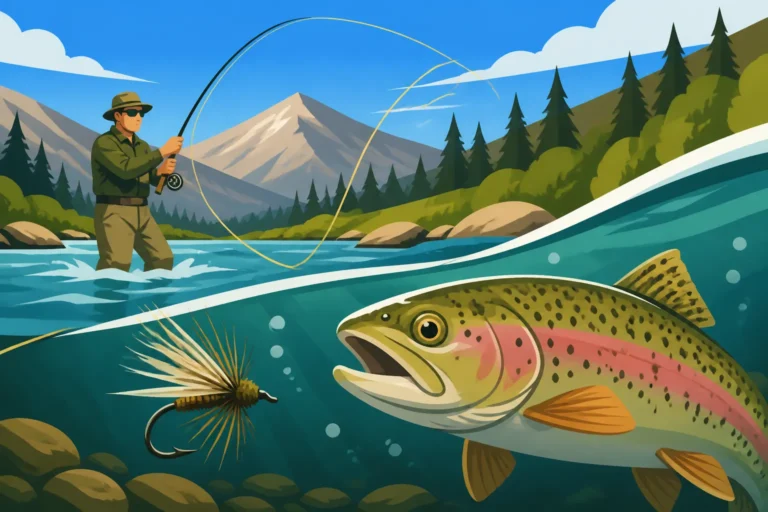
Stepping into the world of fishing can feel incredibly daunting, especially when you're faced with an arsenal of gear and what seems like a million different techniques. Many aspiring anglers, eager to enjoy the peace and thrill of Wyoming's stunning waters, get hung up on the complexity, thinking they need years of experience or specialized knowledge to even cast a line. This comprehensive guide is here to strip away that intimidation, offering a clear, empathetic, and practical pathway for beginners to master spin fishing techniques and start catching fish across the Cowboy State.
Why Spin Fishing is Your Best Friend for Starting Out in Wyoming
For anyone just dipping their toes into the vast and rewarding world of angling, spin fishing truly stands out as the most accessible and forgiving entry point. You don't need years of intricate knot-tying practice or a deep understanding of entomology like with fly fishing. Spin fishing, with its user-friendly equipment and straightforward techniques, allows you to focus on the pure joy of the cast, the feel of the bite, and the excitement of reeling in your first Wyoming fish. It's the perfect way to build confidence before exploring more advanced methods.
The Accessibility and Simplicity of Spin Gear
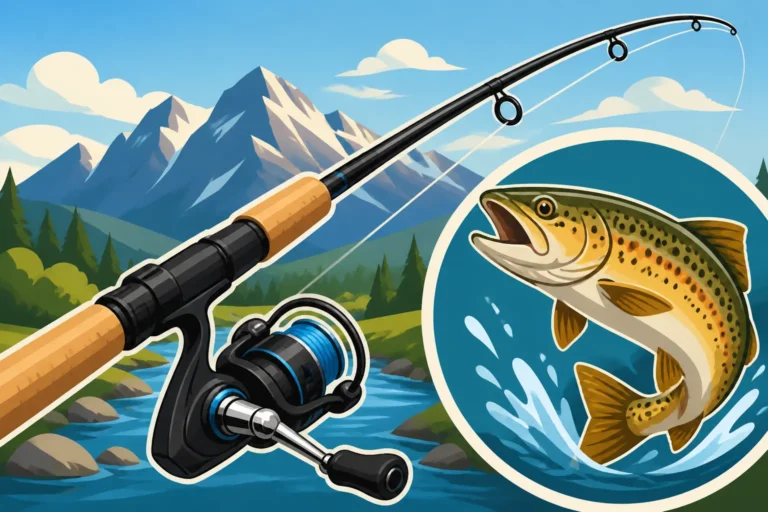
One of the biggest advantages of spin fishing is how incredibly simple the gear is to operate. A spin casting reel, often referred to as a "push-button" reel, is designed for ease of use. You press a button to release the line, cast, and then release the button to stop the line. It's intuitive, making it ideal for kids and adults alike who are just getting started. Even open-faced spinning reels, while requiring a bit more coordination to manage the bail, are straightforward once you get the hang of it. This simplicity means less frustration and more time actually fishing.
Think about it: instead of wrestling with delicate flies and fine leaders, you're handling a more robust setup. The rods are generally more forgiving of less-than-perfect casting strokes, and the lines are thicker and less prone to tangles. This allows you to spend your mental energy on learning where to fish and how fish behave, rather than being constantly preoccupied with your equipment. You can pick up a decent beginner combo at most sporting goods stores or easily find options on platforms like Amazon without breaking the bank.
Versatility for Wyoming's Diverse Fisheries
Wyoming is a land of incredible angling diversity, boasting everything from pristine high-alpine lakes to powerful, wide rivers and numerous reservoirs. The beauty of spin fishing is its remarkable versatility across these varied environments. Whether you're targeting brook trout in a small mountain stream, rainbow trout in a stocked pond near Cheyenne, or even walleye in a larger reservoir like Boysen, spin fishing can be adapted to almost any situation.
With a spin rod, you can effectively present a wide array of lures and baits. Spinners flash and vibrate, spoons wobble like injured baitfish, and jigs mimic various aquatic insects or small prey. You can cast these lures a good distance, allowing you to cover more water from the bank or from a boat. This adaptability means that a single spin fishing setup can serve you well across many different Wyoming fishing adventures, making it a truly practical choice for beginners who aren't ready to invest in multiple specialized setups.
Essential Spin Fishing Gear for Wyoming Waters
Before you even think about casting a line, you need to make sure you have the right tools for the job. Luckily, assembling a basic spin fishing setup for Wyoming isn't complicated or excessively expensive. Focusing on a few key pieces will get you on the water quickly and effectively. Remember, you don't need top-of-the-line gear to catch fish; reliable, well-matched components are far more important.
Choosing Your Rod and Reel Combo
For beginners, a good quality rod and reel combination is paramount. You want something balanced that feels comfortable in your hands, not too heavy, and not too flimsy.
- Rods: A medium-light to medium power rod, typically between 6 to 7 feet in length, is a fantastic starting point. This length offers a good balance of casting distance and control, making it easier to handle for beginners. The "power" refers to how much backbone the rod has; medium-light is sensitive enough to feel smaller fish but still has enough strength to handle common trout species and smaller warm water fish. A "fast action" tip, meaning the rod bends mostly in the top third, will give you more sensitivity and allow for quicker hook sets, which is great for feeling subtle bites. Brands like Ugly Stik or Shimano offer durable and affordable options perfect for getting started.
- Reels: For a beginner, an open-faced spinning reel is generally recommended over a closed-face (push-button) reel once you get past the very first few attempts. While push-button reels are simpler, spinning reels offer more casting distance, better line control, and are more versatile for different line types and lure weights. Look for a reel in the 2000-3000 size range. This size is well-suited for the rod mentioned above and is capable of holding enough line for most Wyoming freshwater applications. Ensure the reel has a smooth drag system, which is crucial for fighting fish without breaking your line. Places like your local sporting goods store or online retailers such as Amazon have excellent starter combos that pair a rod and reel perfectly.
Selecting the Right Fishing Line
The fishing line is your direct connection to the fish, so choosing wisely is important. For beginners, consistency and durability are key.
- Monofilament Line: This is often the best choice for beginners due to its affordability, ease of handling, and stretch. The stretch in monofilament acts like a shock absorber, forgiving some of the jerks and snags that beginners might encounter, and it also helps prevent hooks from tearing out of a fish's mouth. For general trout and panfish fishing in Wyoming, a 4-8 pound test monofilament line is a great all-around choice. It's thin enough to cast light lures, yet strong enough for most freshwater species you'll encounter.
- Fluorocarbon Leaders: While not strictly necessary for absolute beginners, as you gain confidence, consider adding a fluorocarbon leader. This is a short section (18-36 inches) of fluorocarbon line tied to the end of your main monofilament line. Fluorocarbon is nearly invisible underwater, which can make a big difference with spooky trout in clear Wyoming waters. It also offers excellent abrasion resistance against rocks and logs. You can learn simple knots like the double uni knot to attach your leader.
- Braided Line (Advanced): While not recommended for absolute beginners due to its lack of stretch and tendency to dig into the spool if not spooled correctly, braided line offers incredible strength-to-diameter ratio and sensitivity. If you progress to targeting larger species like walleye or lake trout in deeper reservoirs, you might eventually explore braided line with a fluorocarbon leader. For now, stick with reliable monofilament.
Essential Terminal Tackle and Accessories
Terminal tackle refers to everything you tie to the end of your fishing line. Having a small, organized tackle box with these items will make your life much easier.
- Hooks: A variety of hook sizes is essential. For general bait fishing for trout, sizes 6-12 are common. If you plan to use PowerBait, consider treble hooks (three-pronged) as they hold the bait better, or specialized "egg hooks." If you're going for larger fish with live bait, you'll need larger single hooks.
- Weights: Split shots and slip sinkers are your main weights. Split shots are small, clamp-on weights perfect for adding just a little bit of weight to your line to help a bait sink or to balance a float. Slip sinkers slide freely on your line, which is useful when fishing bait on the bottom, as fish can pull the bait without feeling the weight of the sinker. A small assortment of each will suffice.
- Swivels and Snaps: These small but mighty components prevent line twist (especially important when using spinners) and allow for quick lure changes. A barrel swivel or a snap swivel is highly recommended between your main line and your leader or lure.
- Floats/Bobbers: While not always necessary, a small clip-on bobber is invaluable for suspending bait at a specific depth, especially when fishing still waters like ponds or slow-moving rivers. They also act as a visual indicator of a bite.
- Tools: Don't forget a pair of needle-nose pliers or hemostats for safely removing hooks from fish (and occasionally from yourself!), a small pair of line clippers or nail clippers, and a tape measure or small ruler to ensure your catch meets legal length requirements. A small multi-tool can be a lifesaver. You can easily find these small essentials in fishing kits sold on Amazon.
| Item Type | Recommended for Beginners | Why It's Important |
|---|---|---|
| Rod | 6-7 ft, Medium-Light to Medium power, Fast action | Good balance of casting distance, control, and sensitivity for various fish sizes. |
| Reel | Open-faced Spinning Reel, 2000-3000 size | Better casting, line control, and versatility; smooth drag is crucial. |
| Main Line | 4-8 lb Monofilament | Affordable, easy to handle, offers stretch to prevent breaks and pulled hooks. |
| Leader (Optional) | 4-6 lb Fluorocarbon (18-36 inches) | Nearly invisible underwater, better abrasion resistance for clear waters. |
| Hooks | Assorted sizes (6-12), Treble hooks for PowerBait | To match bait size and target fish; essential for effective hook sets. |
| Weights | Assorted Split Shot & Slip Sinkers | To get bait to depth, help with casting, and present bait naturally. |
| Swivels/Snaps | Barrel Swivels or Snap Swivels | Prevents line twist from lures, allows quick lure changes. |
| Floats/Bobbers | Small Clip-on Bobbers | Suspends bait at depth, indicates bites. |
| Tools | Needle-nose pliers/hemostats, line clippers, tape measure | Safe hook removal, line management, and measuring fish for legal limits. |
Mastering Basic Casting and Retrieval Techniques
Once you've got your gear, the next step is to get comfortable with putting your lure or bait where the fish are. Don't worry about looking like a pro right away; the goal is accuracy and consistency. A few basic techniques will serve you well in almost any Wyoming fishing scenario.
The Fundamental Overhead Cast
The overhead cast is the bread and butter of spin fishing, and it's surprisingly simple to master with a bit of practice. It allows for good distance and accuracy, making it ideal for targeting specific spots in lakes or across rivers.
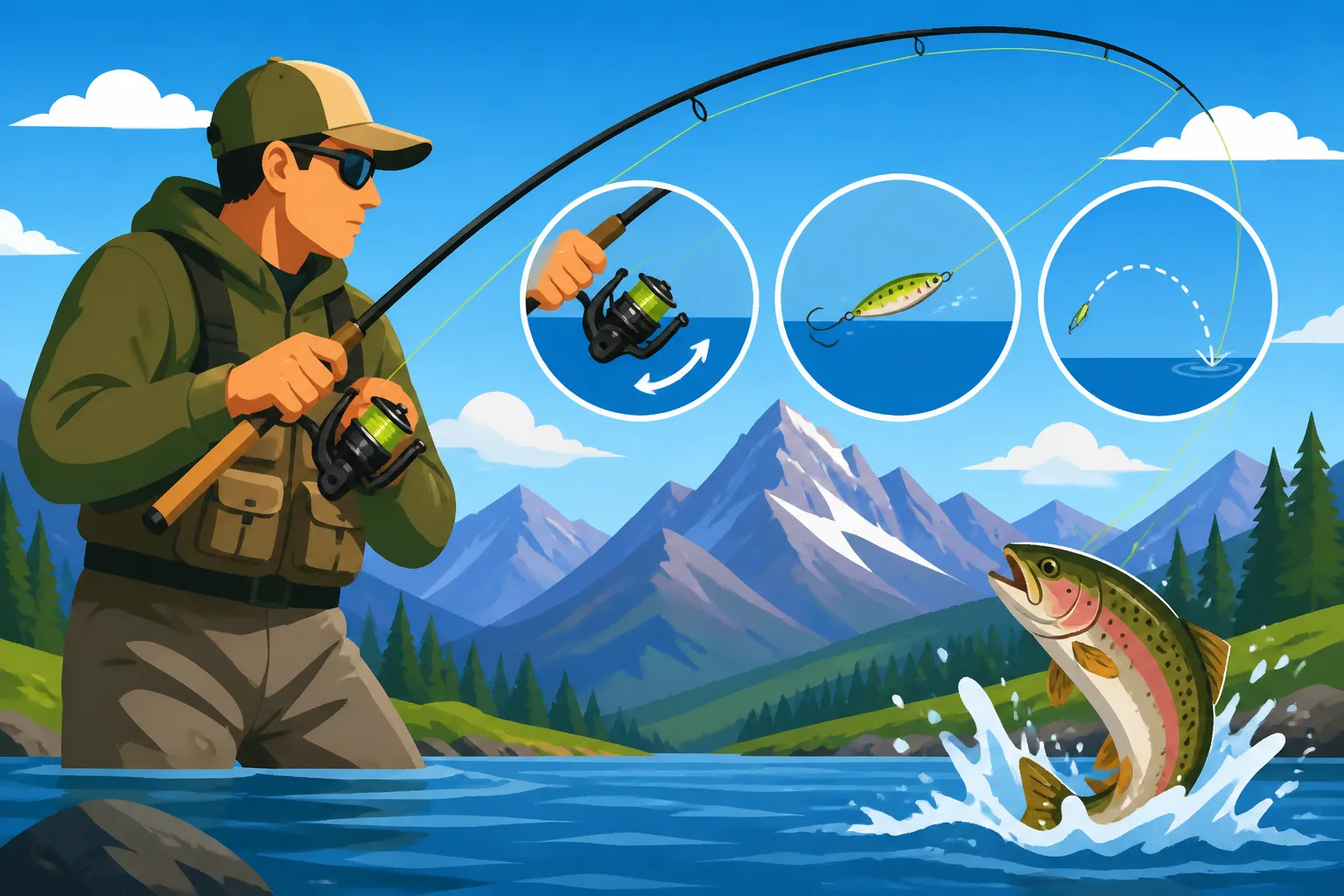
To execute an overhead cast, start by holding your rod with your dominant hand, reeling in the lure until it's hanging about 6-12 inches from the rod tip. If you're using an open-faced spinning reel, open the bail with your non-dominant hand and then use your index finger of your dominant hand to gently hold the line against the rod handle. Now, bring the rod up and slightly back, stopping abruptly around the 1 o'clock position (imagine a clock face). This motion loads the rod, bending it backward with the weight of the lure. Without pausing, smoothly snap the rod forward, stopping around the 10 o'clock position. As the rod comes forward and the lure flies towards your target, release your index finger from the line. The timing of this release is crucial for accuracy and distance. Too early, and your lure flies high; too late, and it crashes in front of you. Practice this motion in an open yard without a hook on your lure until you feel confident.
When you're practicing, focus on a smooth, fluid motion rather than trying to overpower the cast. Let the rod do the work. The goal is to propel the lure with minimal effort, allowing the rod's flex to generate the power. Try aiming for specific targets like a bucket or a small patch of grass. This will help refine your accuracy, which is incredibly useful when trying to hit that small eddy on the North Platte River or a pocket of weeds in Glendo Reservoir where fish might be hiding. Remember, consistent practice, even just a few minutes in your backyard, will pay dividends on the water.
Simple Retrieval Methods for Different Lures
Casting is only half the battle; how you retrieve your lure or bait is just as important. Different lures react best to different retrieval styles, and varying your retrieve can often entice a bite when a steady pull won't.
- Steady Retrieve: This is the most basic and a great starting point for many lures, especially inline spinners like a Panther Martin or Mepps, or spoons like a Kastmaster. Simply cast your lure out and reel it back in at a consistent, moderate pace. The goal is to keep the lure moving naturally through the water, allowing its built-in action to attract fish. Pay attention to how the lure feels through the rod; you should feel the vibration of a spinner or the wobble of a spoon. If you don't feel any action, you might be reeling too slowly or too quickly. This retrieve is effective for searching larger areas of water, like open lake stretches or wide river sections.
- Stop-and-Go Retrieve: This technique adds a bit more lifelike action and can trigger strikes from fish that are hesitant to chase a steadily moving lure. After casting, reel for a few seconds, then pause for a second or two, letting the lure sink or flutter naturally, then resume reeling. This stop-and-go motion mimics an injured baitfish or a struggling insect, a tempting target for opportunistic predators. It works particularly well with spoons, jigs, and soft plastic baits. Vary the length of your retrieves and pauses to see what the fish prefer on any given day. You can even add a slight twitch of the rod tip during the retrieve or pause to give the lure an extra darting motion.
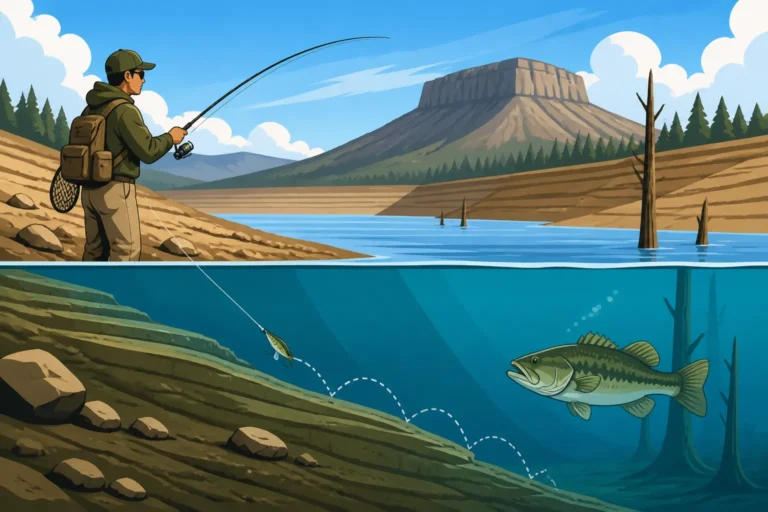
- Bottom Bouncing/Jigging: When you suspect fish are holding close to the bottom, perhaps around submerged structure or in deeper holes, a bottom-bouncing or jigging retrieve is often the ticket. This technique is primarily used with jigs or weighted soft plastics. Cast your lure out and let it sink all the way to the bottom. Once it's there, gently lift your rod tip a foot or two, then let the lure fall back to the bottom on a semi-slack line. Reel in any slack, then repeat. This action mimics a baitfish rooting around on the bottom or an injured creature. This is incredibly effective for species like walleye in reservoirs or lake trout in deeper waters. On a river, you can let a weighted jig drift downstream, occasionally lifting and dropping it to keep it bouncing near the bottom, always maintaining just enough tension to feel a bite.
Choosing the Right Lures and Baits for Wyoming Fish
Wyoming's waters are teeming with a variety of fish, primarily trout (rainbow, brown, cutthroat, brook, lake), but also walleye, bass, and panfish in many reservoirs and ponds. Knowing what to put on the end of your line is crucial. Beginners don't need to overcomplicate things; a few versatile options will cover most scenarios.
The Best Artificial Lures for Wyoming Trout
For many anglers, the thrill of catching fish on artificial lures is unbeatable. For beginners targeting Wyoming trout, certain lures consistently produce results because they appeal to a trout's predatory instincts and are easy to use.
- Inline Spinners: These are perhaps the most iconic and effective trout lures for spin fishing. Brands like Mepps, Panther Martin, and Rooster Tail are household names among trout anglers. Their rotating blade creates flash and vibration, mimicking a small baitfish or insect, and they are incredibly simple to fish with a steady retrieve. For Wyoming, small sizes (1/8 oz to 1/4 oz) in silver, gold, black, or even bright colors like chartreuse or orange often work wonders. They are particularly effective in smaller streams and rivers, as well as casting from shore in lakes and reservoirs. Try to cast them upstream and retrieve them just fast enough to get the blade spinning, letting the current help carry them naturally downstream.
- Spoons: Spoons, such as the Acme Kastmaster, Dardevle, or Little Cleo, are another incredibly effective and easy-to-use lure. Their wobbling, darting action when retrieved mimics an injured baitfish. They cast a long distance, making them great for covering wide expanses of water from shore or a boat. Sizes from 1/16 oz to 1/4 oz are typically good for trout. Silver, gold, copper, and even patterns with red or blue are popular choices. A steady retrieve or a stop-and-go method both work well. In deeper lakes like Jackson Lake or Flaming Gorge, heavier spoons can be jigged vertically from a boat to target lake trout.
- Jigs: While often associated with bass or walleye, small jigs can be incredibly effective for trout, especially when fished near the bottom or around structure. Soft plastic jigs in white, black, or olive, often tipped with a small piece of worm or scented bait, can be deadly. Feather jigs or marabou jigs also provide a lifelike pulsing action. These are typically fished with a lift-and-drop retrieve. They're excellent for pinpointing fish in specific areas, like deep pools in rivers or around fallen logs in lakes. You can even find tiny jigs that mimic aquatic insects, perfect for finicky trout in clear, slow-moving streams.
Live and Scented Baits: A Beginner's Secret Weapon
Sometimes, nothing beats the real thing, or at least a highly convincing imitation. Live baits and scented artificials are incredibly effective, especially for beginners who are still learning to read the water and understand fish behavior. They often give fish more time to take the bait, increasing your chances of a hook-up.
- Worms (Nightcrawlers/Red Wigglers): The humble worm is arguably the most universal and effective bait for nearly all freshwater fish, and trout in Wyoming are no exception. Worms offer natural scent and movement, and almost every fish species finds them irresistible. You can fish them on a simple hook under a bobber in still water, or on a slip sinker rig bounced along the bottom in rivers and lakes. Red wigglers are excellent for panfish and smaller trout, while nightcrawlers (often cut into pieces) are great for larger trout and other species. They're readily available at most tackle shops, gas stations, or even found in your own backyard after a rain.
- PowerBait/Scented Dough: For trout, especially stocked rainbow trout found in many Wyoming ponds and reservoirs, PowerBait (and similar scented dough baits from brands like Berkley) is a game-changer. These baits come in various colors and shapes, often floating, which allows them to drift just off the bottom when used with a small sinker. The strong scent attracts trout from a distance, and the soft texture encourages them to hold on longer, giving you more time to set the hook. Green, orange, yellow, and rainbow colors are perennial favorites. Learning to use PowerBait effectively is a key skill for a beginner. You might also find these popular baits available online through Amazon for convenience.
- Corn and Marshmallows: Believe it or not, these pantry staples can be surprisingly effective for stocked trout, particularly in community ponds. They offer a unique visual and scent attraction, and many stocked fish are conditioned to eat non-natural food sources. A few kernels of corn on a small hook, or a mini marshmallow, fished under a bobber, can be very productive on days when other baits aren't working. Just be aware that some waters may have regulations against using corn, so always check the local rules first. For example, some heavily managed waters might prefer anglers use artificials only to minimize non-target species ingestion.
Understanding Wyoming Waters: Where to Spin Fish
Wyoming offers an incredible variety of fishing environments, each with its own charm and challenges. Knowing where to go and what to expect will significantly improve your chances of success and enjoyment as a beginner spin angler.
Productive Lakes and Reservoirs
Wyoming is dotted with numerous lakes and reservoirs, many of which are fantastic for spin fishing due to their accessibility and generous fish populations. These larger bodies of water often hold a diverse range of species, providing ample opportunities for beginners.
- Stocked Ponds and Community Fisheries: For absolute beginners or families with young children, focus on readily accessible, often stocked, community ponds and small reservoirs. The Wyoming Game and Fish Department (WGFD) regularly stocks rainbow trout, making these waters excellent places to gain confidence. Examples include the Casper municipal ponds, several ponds around Cheyenne like Sloan Lake, and many small lakes throughout state parks like Curt Gowdy State Park. These spots often have easy bank access, picnic areas, and sometimes even fishing piers, making them very beginner-friendly. The fish in these waters are often less wary and more willing to bite, especially on PowerBait or worms. You can check the WGFD's stocking reports online to see where and when fish have been recently released.
- Larger Reservoirs: Once you're comfortable with casting and retrieving, explore some of Wyoming's larger reservoirs. These offer more expansive waters and the chance for larger fish.
- Boysen Reservoir: Located near Shoshoni, Boysen is a multi-species gem, offering excellent opportunities for walleye, sauger, brown trout, and rainbow trout. From the bank, you can cast spoons or spinners for trout, or use jigs and live bait (where permitted) for walleye. Check out the "Boysen Reservoir's Best Walleye Water" for specific spots.
- Glendo Reservoir: In southeastern Wyoming, Glendo is another popular spot for walleye, crappie, and pike. Casting crankbaits or jigs from shore can be effective, especially around points and submerged structure.
- Flaming Gorge Reservoir: While vast, certain areas of Flaming Gorge, like those near Buckboard Crossing, offer good bank access for targeting rainbow trout and kokanee salmon with spoons and spinners. This is a great place to fish if you're looking to target "Kokanee Salmon at Flaming Gorge Reservoir."
- Keyhole Reservoir: In the northeast, Keyhole is known for its walleye and crappie. Spin fishing with jigs or small crankbaits can be productive here. Many of these reservoirs have ample public access points, including boat ramps and designated fishing areas.
Exploring Wyoming's Rivers and Streams
Wyoming's rivers and streams are world-renowned, particularly for trout. While some stretches are better suited for experienced fly anglers, many sections are perfectly accessible and productive for spin fishing beginners.
- Accessible River Sections: Look for river sections with open banks or public access points where you can easily cast. Avoid areas with dense riparian vegetation or swift, deep currents if you're just starting out. Sections of the North Platte River near Casper (downstream from Gray Reef, but not necessarily the strict fly-fishing-only zones), or parts of the Laramie River, can offer excellent spin fishing opportunities. Focus on slower-moving runs, eddies, and pools where trout often hold out of the main current. A small inline spinner or a jig drifted naturally can be very effective in these areas. For more details on areas with great access, you can read about "Fishing Spots for Families Near Casper".
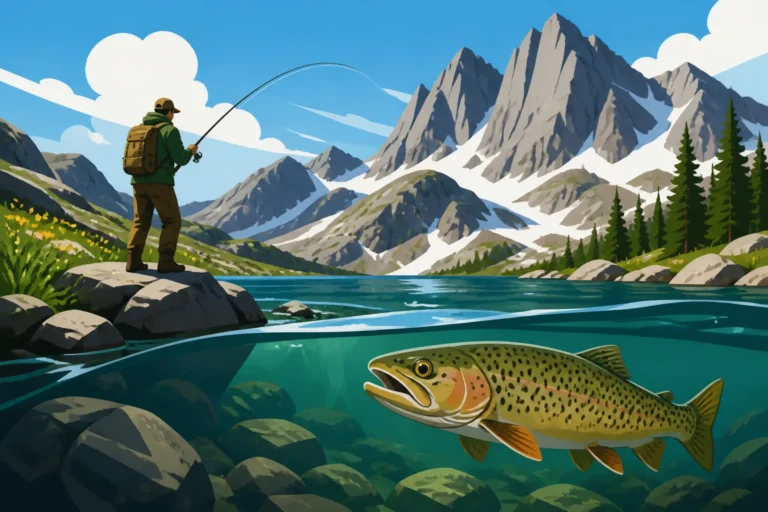
- Small Mountain Streams: High-alpine lakes and the small streams feeding them are often less pressured and can be incredibly rewarding. Many of these are stocked with brook trout or native cutthroat. A simple setup with a small inline spinner or a worm can yield plenty of action. These streams require a more stealthy approach and accurate casting into tighter pockets of water. If you're physically able and enjoy a hike, these often provide a more solitary and pristine fishing experience away from the crowds. This is a perfect way to experience "How to Fish Wyoming's High-Alpine Lakes."
- Tailwaters: Rivers below large dams, known as tailwaters, often offer consistent fishing year-round due to stable water temperatures. The North Platte River below Alcova Reservoir (the Gray Reef section) is a prime example. While much of the famous water is often fly-fished, certain stretches or regulations may permit spin fishing. Always check the specific regulations for these highly managed waters, as rules can vary greatly by section regarding bait, barbless hooks, and lure types.
Reading the Water: Finding Fish in Wyoming
Catching fish isn't just about casting; it's about understanding where the fish are likely to be. Learning to "read the water" is a fundamental skill that will exponentially increase your success, regardless of the technique you're using. For beginners, it means looking for visible clues that indicate ideal fish habitat.
Identifying Key Holding Spots in Rivers and Streams
Rivers and streams are dynamic environments, and fish use various features to find food, shelter, and respite from strong currents. Learning to spot these "holding spots" is crucial.
- Eddies and Current Seams: These are prime locations. An eddy is a section of water where the current swirls back upstream or creates a slower-moving pocket. Current seams are the lines where fast water meets slow water. Fish often sit in the slower water of an eddy or seam, waiting for food to be swept by in the faster current. Look for these behind large rocks, fallen trees, or along bank irregularities. Cast your lure into the faster water upstream of the seam or eddy and let it drift naturally into the slower water where fish are likely ambushing prey.
- Riffles, Runs, and Pools: Rivers are made up of different sections:
- Riffles are shallow, fast-moving sections with disturbed water, often over gravel. Fish aren't typically holding in the fastest part, but they might be just below or to the sides, feeding on dislodged insects.
- Runs are deeper, smoother sections of moving water. These are excellent places for trout, especially where there's some depth and a steady current.
- Pools are deep, slow-moving sections, often found after a rapid or a bend in the river. Pools offer refuge from strong currents and are prime spots for larger, more elusive fish. Cast into the head of the pool (where the faster water enters) and let your lure drift down, or cast across and retrieve slowly. For deeper insights into these features, refer to "Reading Riffles and Runs on Wyoming Trout Streams."
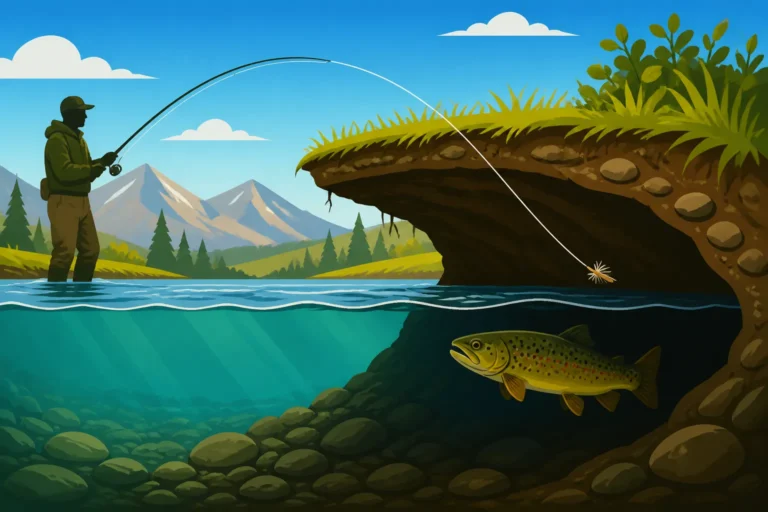
- Undercut Banks and Overhanging Cover: Fish, especially trout, love cover. An undercut bank provides a dark, protected space for fish to hide from predators and strong currents. Overhanging trees, bushes, or logs also offer shade and shelter. Cast your lure as close as possible to these features without getting snagged. These spots are often overlooked but can hold some of the biggest fish in a given stretch of water.
Locating Fish in Lakes and Reservoirs
Lakes and reservoirs present a different challenge than rivers, as the water is largely still. Here, you're looking for structure and changes in depth.
- Structure is Key: In lakes, "structure" refers to anything that breaks up the uniform bottom, such as submerged rock piles, fallen trees, weed beds, points, drop-offs, or old roadbeds. These areas provide cover for fish, attract baitfish, and concentrate food sources. If you're fishing from shore, look for visible points, coves, or areas with reeds and lily pads. Cast your lure parallel to these features, working it through the likely holding areas. If you're in a boat, a basic fish finder can reveal submerged structure and depth changes, but even without one, observing the shoreline can give clues about what might be underwater.
- Depth Changes and Drop-Offs: Fish often orient themselves to changes in depth, especially where a shallow flat suddenly drops into deeper water. These "drop-offs" are highways for fish, offering easy access to both shallow feeding grounds and deep, secure hiding spots. During cooler parts of the day or in lower light, fish might move into shallower water to feed, then retreat to deeper, cooler water as the sun gets higher. Casting your lure so it falls over a drop-off or retrieving it up a slope can be highly effective.
- Inflows and Outflows: Where a stream or river flows into a lake (inflow) or where water exits (outflow, like a dam spillway), these areas can be magnets for fish. Inflows bring fresh, oxygenated water and often carry food downstream, concentrating baitfish and predators. Outflows can create current and eddies that attract fish. These areas are worth exploring with various retrieves. For example, the areas where tributaries feed into Jackson Lake or Flaming Gorge can be excellent spots.
Safety and Etiquette on Wyoming's Waters
Fishing in Wyoming is an incredible privilege, and with that comes responsibility. As a beginner, understanding basic safety precautions and adhering to proper etiquette will ensure a pleasant experience for you and preserve the resource for everyone.
General Safety Practices for Anglers
Wyoming's wild places are beautiful but can also be unforgiving. Always prioritize your safety.
- Know Before You Go: Before heading out, especially to remote areas, check the weather forecast. Wyoming weather can change rapidly. Inform someone of your fishing plans, including your destination and expected return time. Carry a basic first-aid kit, extra water, snacks, and appropriate layers of clothing. Even on a warm day, mountain evenings can get chilly.
- Wading Safety: If you plan to wade in rivers or streams, invest in proper wading boots with good grip. A wading staff can provide extra stability in slippery or swift currents. Always wade cautiously, testing the depth and current with your feet or staff before taking a step. Never wade alone in strong currents or unknown waters. Be aware of fast-changing water levels, especially below dams where releases can occur suddenly.
- Sun Protection: The Wyoming sun, especially at higher elevations, is intense. Wear sunscreen, a wide-brimmed hat, and polarized sunglasses. Polarized sunglasses not only protect your eyes but also help you see through the glare on the water, making it easier to spot fish or underwater structure.
- Wildlife Awareness: You're sharing the landscape with abundant wildlife, including bears, mountain lions, and moose. Carry bear spray in bear country and know how to use it. Make noise while hiking to avoid surprising animals. Keep a respectful distance from all wildlife. Remember, you're a visitor in their home.
Respecting Fellow Anglers and the Environment
Wyoming's fishing waters are for everyone to enjoy. Practicing good etiquette and environmental stewardship is vital.
- Give Space: One of the most common courtesies is giving other anglers ample space. If someone is already fishing a spot, move well upstream or downstream, or find another location entirely. Don't crowd them or cast over their lines. A general rule of thumb is to allow at least 50-100 yards between anglers, especially on smaller streams, unless explicitly invited closer. This respect extends to boaters as well; avoid casting near moving boats or areas where boats are actively fishing.
- Leave No Trace: Pack out everything you pack in. This includes all trash, fishing line, bait containers, and any other litter. Inspect your fishing area before you leave to ensure it's cleaner than you found it. Dispose of fish entrails properly, away from popular fishing spots, or better yet, take them home for disposal. Leaving behind discarded fishing line is especially harmful to wildlife.
- Practice Catch and Release (When Appropriate): While it's perfectly fine to keep fish within legal limits, practicing catch and release, especially for larger or native species like cutthroat trout, helps sustain healthy fish populations. If you plan to release a fish, handle it gently with wet hands, minimize its time out of water, and release it in calm water. Avoid touching gills or eyes. For more details on best practices, check out "Catch and Release Best Practices for Trout." Always know your Wyoming Fishing Regulations Every Angler Should Know and adhere to specific water-body rules.
- Clean, Drain, Dry: This simple mantra is critical for preventing the spread of aquatic invasive species like zebra mussels or whirling disease. Always clean mud, weeds, and debris from your boat, waders, and gear, drain all water from your boat and livewell, and allow everything to dry completely before moving to another body of water. This is especially important when moving between different drainages or after fishing waters known to have invasive species.
Common Beginner Mistakes and How to Avoid Them
We all start somewhere, and making mistakes is a natural part of the learning process. The key is to recognize these common pitfalls and learn how to avoid or correct them, turning potential frustrations into valuable learning experiences.
Equipment Setup and Management Blunders
Many beginner struggles stem from simple errors in how gear is set up or managed. Getting these basics right will save you a lot of headaches.
- Spooling Line Incorrectly: This is a huge one. If fishing line isn't spooled onto your reel correctly, you'll end up with frustrating tangles, loops, and greatly reduced casting distance. When spooling new monofilament, lay the spool of line on the ground with the label facing up (or down, whichever allows the line to unspool counter-clockwise for an open-faced spinning reel). As you reel, watch to see if the line is twisting. If it's twisting, flip the spool over. Another common mistake is overfilling the spool, which causes line to jump off the reel during casts. Leave a small gap (about 1/8 inch) from the edge of the spool. Taking the time to spool your line properly, or having a pro at a tackle shop do it, is well worth it.
- Knots That Fail: Your knot is the weakest link in your entire setup. A poorly tied knot will break under pressure, resulting in lost fish and lost lures. For beginners, focus on mastering one or two reliable knots. The improved clinch knot is excellent for tying lures and hooks to your line, and the double uni knot is great for connecting two lines, like your main line to a fluorocarbon leader. Practice tying these knots at home until you can do them quickly and confidently, even with cold hands. Always moisten your knots before tightening them, as this reduces friction and ensures they cinch down properly. There are plenty of online tutorials and videos that demonstrate "How to Tie a Woolly Bugger for Wyoming Rivers," and while that's a fly, many knot-tying principles are universal.
- Not Checking Your Line: Fishing line, especially monofilament, can get nicked, frayed, or weakened by contact with rocks, fish teeth, or even UV light. Failing to regularly inspect your line can lead to unexpected break-offs. Before each fishing trip, and periodically throughout the day, run your fingers along the last few feet of your line, checking for nicks or rough spots. If you find any, cut off a few feet and re-tie your lure. It's a small effort that prevents big disappointments.
On-the-Water Technique and Approach Pitfalls
Once you're casting, there are still common mistakes beginners make that can hinder their success. Being aware of these will help you adjust and learn faster.
- Lack of Patience: Fishing requires patience. It's not always about constant action. Beginners often get discouraged if they don't catch a fish in the first 15 minutes and move spots too quickly or switch lures too frequently. Sometimes, the fish just aren't biting aggressively, or you need to let your lure soak a bit longer in a prime spot. Give each location and lure type a fair chance before moving on. Slow down, observe your surroundings, and trust your chosen technique. Remember that even experienced anglers have slow days.
- Fishing Too Fast or Too Slow: The correct retrieval speed is critical but often overlooked. Retrieving too fast might make your lure look unnatural or cause fish to miss it. Retrieving too slowly might not give your lure the proper action or could cause it to snag on the bottom. Pay attention to the lure's action and adjust your speed until it looks enticing. If you're not getting bites, try varying your speed, pausing more, or adding small twitches. Observing seasoned anglers can give you clues, but experimentation is your best teacher.
- Ignoring Local Conditions: Fish behavior is heavily influenced by environmental factors like water temperature, clarity, time of day, and weather. Beginners sometimes go out with a fixed idea of what they'll use, regardless of what the conditions dictate. For instance, bright sunny days with clear water might call for smaller, more subtle lures and lighter line, while cloudy days or stained water might allow for bolder colors and larger presentations. Always consider the weather; understanding "How Water Temperature Affects Trout Feeding" can make a huge difference in your approach. If the water is muddy from recent rain, for example, a bright, vibrating spinner might be more effective than a natural-colored jig.
- Not Staying Hydrated and Fueled: Fishing, especially hiking to remote spots or spending a full day on the water, can be physically demanding. Beginners often forget to bring enough water and snacks. Dehydration and low blood sugar can lead to fatigue, poor concentration, and even unsafe conditions. Always pack more water than you think you'll need, and bring easy-to-eat snacks. Staying comfortable and energized will allow you to enjoy your time fishing much more.
Disclaimer
Please note that fishing regulations in Wyoming are subject to change. Always consult the most current Wyoming Game and Fish Department regulations pamphlet or their official website before heading out to fish. This guide provides general information for beginners and should not replace official regulatory documents. Responsible angling ensures the health of Wyoming's fisheries for generations to come.