When Wyoming’s Alpine Lakes Usually Thaw
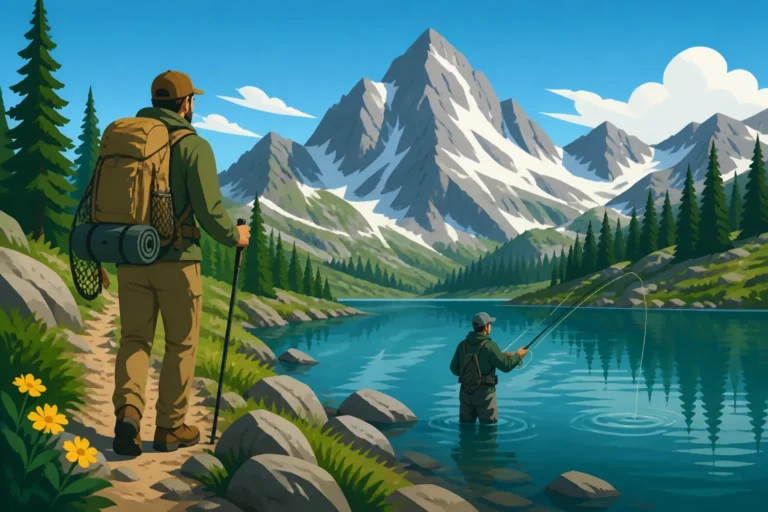
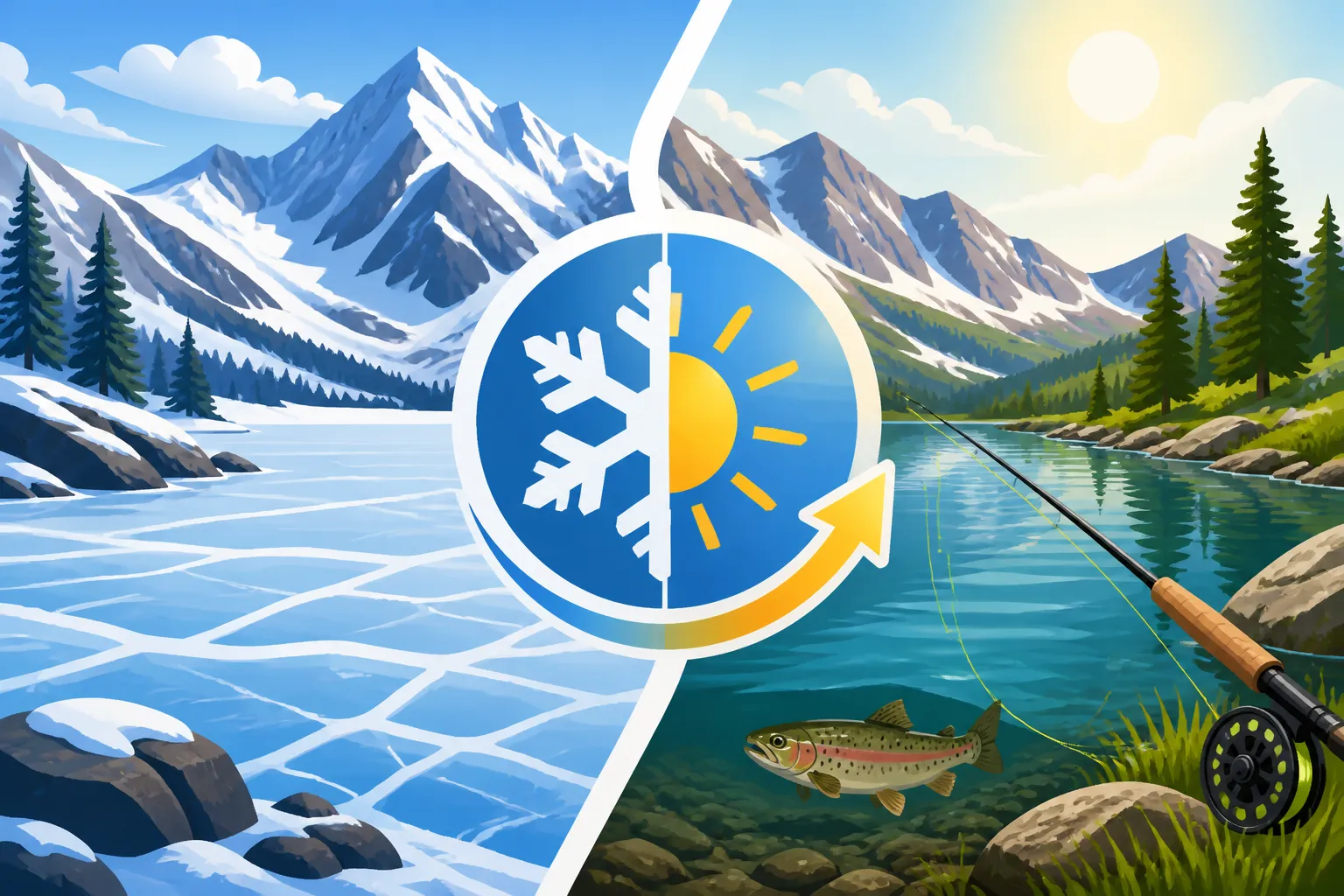
Few things are as frustrating for a Wyoming angler as that gnawing anticipation for the high country to open up after a long winter, only to be met with reports of stubborn ice still clinging to your favorite alpine lakes. It feels like Mother Nature is playing a cruel joke, teasing you with warm valley days while the mountain giants remain locked in their frozen slumber. This guide is here to help you understand the intricate dance of the thaw in Wyoming's majestic alpine lakes, so you can better predict when those coveted high-elevation waters will finally be ready for your line.
The Frustrating Wait: Why Alpine Lakes Take Their Sweet Time
Wyoming's alpine lakes are truly special, offering unparalleled beauty and often phenomenal fishing for species like cutthroat, brook, and golden trout. But accessing them is a seasonal endeavor, heavily dictated by the lingering effects of winter. It’s not just a matter of the air getting warm; there are deep, fundamental reasons why these icy gems hold onto their frozen blankets for so long, often well into what many would consider prime summer. Understanding these factors can help manage expectations and plan trips more realistically.
Elevation's Icy Grip
The most obvious culprit in the delayed thaw of alpine lakes is, of course, their sheer elevation. Imagine two lakes: one nestled at 9,000 feet near a bustling trailhead, and another tucked away at a breathtaking 11,500 feet in a remote cirque. That 2,500-foot difference translates to significantly colder average temperatures, longer nights, and a much shorter growing season overall. The air at higher altitudes is thinner and holds less heat, meaning it takes a sustained period of warmth to even begin to melt the thick ice sheets.
This elevation difference also impacts the daily temperature swings. While a valley floor might hit 70 degrees consistently in June, that same day could see the 11,500-foot lake struggle to break 40 degrees, with nighttime lows still dropping below freezing. These continuous freeze-thaw cycles, especially on the surface, can actually compact the snow and ice, making it even more resistant to melting. It's a constant battle against the forces of winter that simply have more leverage at those extreme heights.
Snowpack: The Winter Blanket that Lingers
Beyond just the temperature, the sheer volume of snow that accumulates in Wyoming's high country plays a monumental role in delaying ice-out. These mountain ranges are snow magnets, collecting feet upon feet of powder throughout the long winter months. This snow doesn't just sit on the surrounding peaks; it drifts, fills in basins, and often covers the lakes themselves with a deep, insulating layer. Think of it as a gigantic thermal blanket.
Even when the air warms and the sun begins to beat down, that thick snowpack acts as a barrier, preventing the sun's energy from reaching the ice beneath. It's only after this massive snow accumulation has largely melted off that the sun can directly attack the ice sheet. Furthermore, as the surrounding snowpack melts, the frigid water seeps into the lake, constantly feeding cold water under the remaining ice, further prolonging the thaw. A heavy snow year in areas like the Wind River Range or the Absarokas can easily push ice-out back by weeks, even if spring temperatures are mild.
Aspect and Shade: The Sun's Uneven Kiss
Not all alpine lakes are created equal when it comes to catching the sun's rays. The geographical aspect, or the direction a lake faces, as well as the surrounding topography, can have a dramatic effect on how quickly the ice retreats. A lake situated on a south-facing slope, open to direct sunlight for most of the day, will almost always thaw faster than a comparable lake nestled in a deep, north-facing canyon.
Lakes in shaded bowls, surrounded by towering peaks that block direct sunlight, can hold onto their ice well into August, even when other lakes at similar elevations are completely open. This is particularly true for lakes that are sheltered from prevailing winds, which can also play a role in breaking up ice. It's why sometimes you'll find one lake completely open and fishable, only to hike over a ridge to a seemingly identical lake that's still half-covered in a stubborn ice sheet. Always consider the local geography when researching specific lake conditions.
General Thaw Timelines: When to Start Planning Your Trip
While the exact dates vary year to year, we can certainly talk about general windows when most of Wyoming's alpine lakes tend to break free from their winter grip. It’s important to remember that these are approximations, and Mother Nature always has the final say. Flexibility and checking current conditions are key to a successful high-country fishing adventure.
Early Season Thaw (Late May to Early July)
For the lower end of the alpine spectrum, say lakes in the 8,000 to 9,500-foot range, you might start seeing some open water as early as late May or early June. This is often an unpredictable time. You might find a small, shallow lake completely clear, while a slightly deeper one just a few miles away is still 80% covered. Often, the ice will retreat from the shorelines first, allowing some limited access, but the main body of the lake might still be locked up.
Access can be a major issue during this period. Even if a lake is technically thawed, the trails leading to it might still be covered in deep, slushy snow, or rivers might be at peak runoff, making crossings treacherous. This early window is for the most adventurous and prepared anglers, those who are comfortable with rugged conditions and variable weather, and who understand that "fishable" doesn't necessarily mean "easy to get to." If you're planning an outing during this time, be prepared to adjust your plans on the fly. You can read more about what to expect during this time in our guide on Wyoming Spring Fishing: What to Expect.
Mid-Summer Sweet Spot (Mid-July to August)
This is the golden window, the time most anglers dream of for high-alpine fishing. By mid-July, the vast majority of Wyoming's alpine lakes, up to around 10,500 to 11,000 feet, are typically ice-free and welcoming. The snow on the trails has usually melted enough to make access much easier, though you'll still encounter patches, especially on north-facing slopes or in dense forests. This is when the fish become more active, feeding heavily after their long, cold winter under the ice.
Water temperatures are at their warmest during this period, which for alpine lakes still means pretty chilly, but comfortable enough for active insect hatches and strong fish metabolism. The days are long, and the weather tends to be more stable, though afternoon thunderstorms are always a possibility in the mountains. If you're aiming to explore the stunning High-Elevation Lakes in the Wind River Mountains or other similar ranges, this mid-summer period offers the best chances for both good fishing and comfortable hiking conditions. You can generally count on consistent fishing during this time, making it ideal for longer backpacking trips. Check out our tips for Wyoming Summer Fishing: Peak Season Tips for more advice.
Late Season Thaw (Late August to Early September)
There are always a few holdouts, those exceptionally high, deep, or shaded lakes that cling to their ice sheets with remarkable tenacity. These lakes, often above 11,000 feet or in particularly protected cirques, might not fully thaw until late August or even the first week of September. For instance, some of the highest lakes you might hike to, especially near the continental divide, can sometimes have ice on them year-round in very heavy snow years, or only offer a two-week fishing window before they begin to freeze again in the fall.
Fishing these late-thawing lakes can be incredibly rewarding due to less pressure and often robust fish populations, but it requires a keen understanding of mountain weather. Days are getting shorter, and nighttime temperatures plummet, often bringing the first dusting of new snow to the high peaks. While the main body of water might be open, the edges could already be starting to skim with new ice by morning. This short window is for anglers who are truly dedicated to reaching the remotest spots and who come prepared for rapidly changing conditions.
Key Factors Influencing Annual Ice-Out Dates
While we've established general timelines, the specific date an alpine lake loses its ice cover can shift significantly from one year to the next. These year-to-year variations are primarily driven by a handful of interconnected environmental factors. Understanding these can help you fine-tune your trip planning for any given season, allowing you to react to the current conditions rather than relying solely on historical averages.
Winter Snowfall Totals
This is arguably the single most impactful factor. The amount of snow that falls in the preceding winter creates the literal foundation for how long the ice will last. A year with a historically massive snowpack, say one that brings 150% of average snowfall, will almost certainly push back the ice-out dates by several weeks, regardless of how warm the spring might feel. That extra snow provides a deep, insulating layer over the ice, protecting it from the sun's warmth.
Conversely, a lean winter with below-average snowfall can mean surprisingly early ice-outs, even for higher elevation lakes. Fewer feet of snow to melt off means the sun can reach the ice sooner, and the runoff feeding the lake is less prolonged and colder. Anglers who keep an eye on the snowpack reports from the Wyoming Water Resources Data System (WWRDS) or the National Weather Service's SNOTEL sites can get a very good sense of whether it's going to be an early or late ice-out year in specific mountain ranges, months in advance.
Spring Temperatures and Sun Exposure
Once winter has released its grip and the calendar flips to spring, the daily temperatures and the amount of direct sunlight become critical players. A spring characterized by consistently warm, sunny days with minimal cloud cover will accelerate the thaw considerably. The sun's radiant energy is incredibly effective at melting both snow and ice. High daytime temperatures soften the ice, and direct sunlight penetrates the surface, warming the water beneath and creating weakness.
However, a cold, cloudy, or rainy spring can stall the thaw, even if the winter snowpack wasn't exceptionally heavy. Prolonged periods of overcast skies prevent the sun from doing its work, and persistent cold snaps can even lead to new ice formation, especially overnight. Strong winds can also play a role, sometimes helping to break up rotten ice and push it towards shore, but only if the ice is already significantly weakened. It's a delicate balance, and often, it's those few weeks of consistent warmth and sunshine in May and June that truly determine the final ice-out timing.
Lake Depth and Size
The physical characteristics of the lake itself also play a significant role. Simply put, deeper and larger lakes have a greater thermal mass, meaning they hold onto cold temperatures longer and require more energy to warm up. A small, shallow tarn (a mountain lake formed in a cirque) at 10,000 feet, fed by a small snowmelt stream, might shed its ice weeks before a massive, deep lake at the same elevation. The smaller lake warms up quicker from the edges inward, and its shallower waters are more easily affected by ambient air temperatures and direct sunlight.
Conversely, a large, deep lake might have a vast volume of incredibly cold water beneath its ice sheet. Even once the surface ice is gone, the water column remains frigid for a long time, impacting fish behavior. When considering where to go for How to Fish Wyoming's High-Alpine Lakes, remember that smaller lakes are often your best bet for an earlier season trip, while the big, deep ones might require more patience. The size and depth can also impact How Water Temperature Changes Wyoming Trout Behavior.
How to Track Ice-Out and Plan Your Adventure
Waiting patiently for the high country to thaw can feel like an eternity, but thankfully, modern resources make it a bit easier to track the progress of ice-out in Wyoming's alpine lakes. Gone are the days of guessing and hoping; now, with a bit of savvy research, you can make more informed decisions about when to pack your bags and hit the trail. Remember, the key is to utilize multiple sources for the most accurate picture.
Checking Official Resources
The first and best place to start is always with official government agencies. The Wyoming Game & Fish Department (WGFD) is a treasure trove of information. While they might not post daily ice reports for every single alpine lake, their regional offices often have up-to-date information on conditions in their specific areas. Giving a local WGFD office a call can provide invaluable, first-hand knowledge from biologists or wardens who are frequently in the field.
Similarly, if your target lakes are within a National Forest or National Park boundary, checking with the local ranger station is crucial. Forest Service or Park Service staff can offer current trail conditions, river crossing updates, and often have reports on specific lake ice. They can also advise on any closures or restrictions, which are common in early season due to wildlife, snow, or muddy trails. These folks are the local experts, and a friendly phone call can save you a lot of wasted effort.
Consulting Online Forums and Trail Reports
In addition to official channels, the internet offers a vibrant community of fellow outdoor enthusiasts who are often sharing real-time intelligence. Websites and forums dedicated to hiking, backpacking, and fishing in Wyoming can be incredibly helpful. Anglers and hikers who have just returned from a high-country trip are often eager to share their experiences, including ice conditions, snow depths, and river levels.
Look for recent trail reports on popular hiking apps or websites. These user-generated updates, often with photos, can provide visual confirmation of ice-out progress on specific lakes. While not official, this "boots on the ground" information is often the freshest data you can find. Just be sure to cross-reference multiple reports and consider the date they were posted, as conditions can change rapidly in the mountains. This is especially useful for finding information on less-trafficked lakes that might not be on official radars.
Using Satellite Imagery (When Available)
For those who want to get really granular, satellite imagery can be an incredible tool. While I can't provide live satellite feeds, I can tell you that publicly available satellite services, often updated regularly, allow you to zoom in on specific lakes and see their current ice coverage. If you're looking at a lake and wondering if that white patch is still ice or just a reflection, satellite photos can often clarify.
This method is best used in conjunction with other sources, as clouds can obscure views, and the imagery might not be perfectly real-time. However, for a quick visual check on a specific body of water that you're planning a trip to, it's hard to beat the direct confirmation a satellite image can provide. It's a fantastic way to visually confirm whether those stubborn sections are still frozen solid or finally starting to break up.
| Elevation Range (Approx.) | Typical Early Ice-Out Window | Typical Full Thaw Window | Key Considerations |
|---|---|---|---|
| 8,000 – 9,500 feet | Late May – Mid June | Mid June – Early July | Variable trail access, cold water, runoff |
| 9,501 – 10,500 feet | Mid June – Early July | Early July – Late July | Most popular period, better access, improving weather |
| 10,501 – 11,500 feet | Late July – Early August | Mid August – Early Sept. | Shorter season, higher chance of lingering snow/ice |
| 11,501+ feet | Early August – Late August | Late August – Mid Sept. | Very short season, challenging access, potential year-round ice |
Preparing for Early or Late Season Alpine Fishing
Whether you're an eager beaver trying to hit the first open water or a patient high-country explorer waiting for the very last stubborn ice to melt, fishing Wyoming's alpine lakes outside the peak mid-summer window requires specific preparation. The conditions can be fickle, the weather unpredictable, and the fish behavior unique. Thinking ahead about your gear, techniques, and safety is paramount for a successful and enjoyable trip.
Gear Considerations for Variable Conditions
Venturing into the high country, especially during the shoulder seasons of early summer or late fall, means being prepared for anything. Valley temperatures can be warm, but once you gain elevation, conditions can turn on a dime. Layers are your best friend. Start with a moisture-wicking base layer, add insulating mid-layers like fleece or down, and always have a waterproof and windproof outer shell ready. You can find excellent layering options, including lightweight puffy jackets and rain gear, on Amazon that will pack down small in your backpack.
Footwear is another critical item. Sturdy, waterproof hiking boots with good ankle support are non-negotiable. Trails can be muddy, wet from snowmelt, or still covered in slushy snow. Consider bringing gaiters to keep snow and water out of your boots. For fishing, waders might be too bulky for a long hike in, but quick-drying pants and wading boots or sturdy waterproof hiking boots that you don't mind getting wet are often preferred for How to Fish a Wyoming Mountain Lake From Shore. Don't forget a warm hat, gloves, and sunglasses, as sun exposure at altitude, especially with snow reflecting light, can be intense. Remember to consult our comprehensive guide on What Gear to Pack for a Backcountry Fishing Trip.
Fishing Techniques for Newly Thawed Waters
When the ice has just retreated, the water in alpine lakes is still incredibly cold, often in the low 40s or even upper 30s. This means fish behavior will be sluggish. They won't be chasing flies or lures with the same vigor as they might in warmer summer water. The key is to slow down your presentation and focus on deeper water. Fish often stay closer to the bottom or in sheltered areas, conserving energy.
For fly anglers, nymphing deep under an indicator or slowly stripping streamers are often the most productive methods. Think about patterns that imitate scuds, leeches, or larger aquatic insects that might be slowly stirring. Spin anglers should opt for small, heavy lures that can sink quickly, like spoons or jigs, retrieved very slowly. Think about using bright colors or lures with scent. The fish are there, but they're not actively cruising the surface yet. Consider casting near structure, like submerged rocks or logs, and in drop-offs where the water might be slightly warmer or food sources are concentrated. This is a very different game than typical summer topwater action, so adjust your strategy accordingly. Targeting Golden Trout Fishing in Wyoming in these conditions can be particularly challenging but rewarding.
Safety First: Avalanches, River Crossings, and Weather
No matter when you venture into Wyoming's high country, safety should always be your top priority, but especially during the early and late seasons. Early season can bring avalanche dangers, especially on steep slopes that hold snow. Always check the avalanche forecast if you're traveling through steep terrain, even if the primary goal is fishing. River crossings can be another significant hazard; snowmelt can turn small creeks into raging torrents, making safe passage difficult or impossible. Never attempt a crossing that feels unsafe.
Weather in the mountains is notoriously fickle. A beautiful morning can quickly turn into an afternoon whiteout, even in summer. Always carry emergency essentials, including a first-aid kit, extra food and water, a headlamp, and a way to start a fire. A personal locator beacon (PLB) or satellite messenger is also a wise investment, especially if you're heading into remote areas with no cell service. You can find reliable brands like Garmin InReach or Spot devices on Amazon, which are lifesavers for backcountry communication. Be prepared to turn back if conditions deteriorate, and always tell someone your itinerary and expected return time. The fish will always be there, but your safety is paramount. When exploring Best Backpacking Fishing Lakes in the Wind Rivers, these safety measures are especially crucial.
Disclaimer
This article is for general informational purposes only and does not constitute professional advice. Laws, prices and regulations vary by location and change over time. Consult a qualified professional for guidance on your specific situation.