How to Fish a Wyoming Mountain Lake From Shore
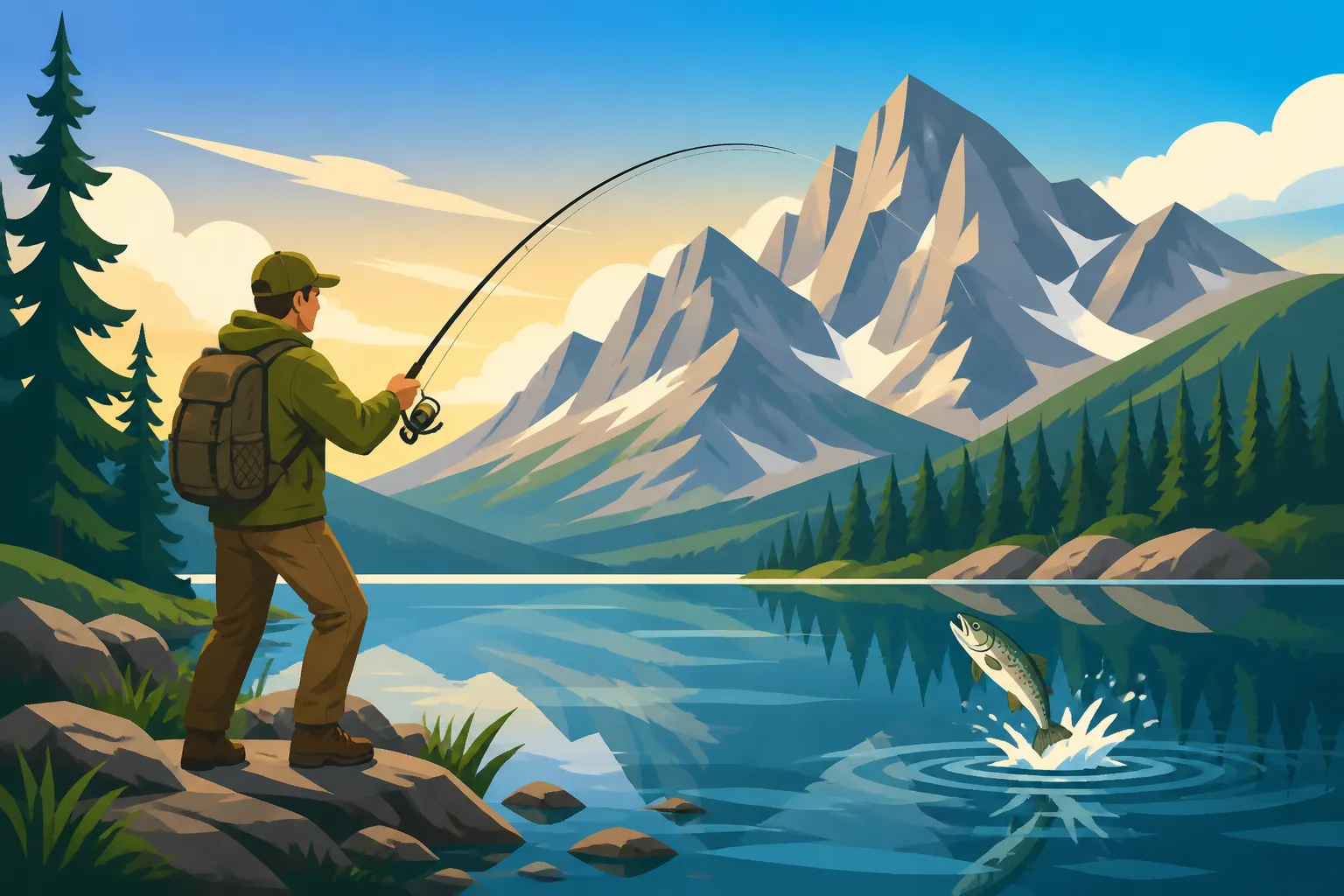
Venturing out to fish one of Wyoming's breathtaking mountain lakes from shore can feel a bit daunting. You’re standing on the edge of what often seems like an endless expanse of clear, cold water, surrounded by towering peaks, and wondering how on earth you're going to trick a fish from dry land without a boat. Many anglers get frustrated, feeling like the fish are always just out of reach, or that the sheer scale of these wild places makes a shore-based approach futile. But I'm here to tell you that it's absolutely possible to have incredible success, and this guide will walk you through everything you need to know to fish a Wyoming mountain lake from shore effectively.
Understanding the Unique Challenges of Mountain Lakes
Fishing Wyoming's high-altitude lakes from shore is a different beast entirely than casting into a lowland pond or river. These pristine environments come with their own set of rules and challenges that, once understood, can actually work to your advantage. It’s not just about what gear you bring, but how you approach the entire experience, from the moment you leave your vehicle to your last cast of the day.
High Altitude and Weather's Influence
One of the biggest factors to contend with in Wyoming's mountain lakes is the altitude itself. We’re often talking about elevations well over 7,000 feet, sometimes much higher, especially when you're exploring some of those incredible High-Elevation Lakes in the Wind River Mountains. This means thinner air, more intense UV radiation, and incredibly volatile weather. What starts as a clear, sunny morning can quickly turn into a thunder and lightning show, or even a sudden snow squall, even in the middle of summer.
Anglers often underestimate how quickly conditions can change. I've seen countless trips cut short because someone wasn't prepared for a sudden drop in temperature or a relentless hailstorm. You need to dress in layers, always pack a waterproof jacket and pants, and keep an eye on the sky and weather forecasts. The fish can also be affected by barometric pressure changes that come with these shifts, sometimes turning off the bite entirely. Being aware of these rapid changes, and having the right gear stashed in your pack, can make the difference between a memorable day and a miserable one.
Cold, Clear Water and Spooky Fish
Wyoming's mountain lakes are renowned for their crystal-clear, incredibly cold water. While beautiful to look at, this clarity presents a significant challenge: the fish can see you coming from a mile away! These trout, whether they’re native cutthroat, brookies, or even the occasional golden trout, are wild and wary. They haven't seen a parade of anglers every day, and they react strongly to movement, shadows, and unnatural presentations.
The cold water also means slower metabolisms, especially at depth. Fish might not be as aggressive or willing to chase a lure as their counterparts in warmer waters. This requires a much more subtle approach. You can't just bumble up to the shoreline and start flailing casts. It demands patience, quiet movement, and precise casting to avoid spooking your target. Understanding How Water Temperature Changes Wyoming Trout Behavior is key to knowing when and where to present your offering. The goal is to blend into the environment and make your bait or lure appear as natural and non-threatening as possible.
Access Limitations and Terrain
Unlike many fishing spots with developed boat ramps or easy access paths, fishing a Wyoming mountain lake from shore often means navigating challenging terrain. You might be hiking miles through rocky trails, scrambling over fallen timber, or navigating steep, uneven banks. Getting to those untouched pockets of water where fish are less pressured can be half the adventure, but it also means carrying all your gear on your back.
This limitation means you can't bring a full arsenal of heavy tackle. Every ounce counts. It also dictates where you can comfortably cast from. Some shorelines are choked with dense vegetation, while others drop off steeply, making wading impossible. Before you even cast, you need to scout the shoreline for safe, accessible points that offer good casting lanes and potential fish-holding structure. This pre-planning and willingness to explore the immediate surroundings are crucial for success when boat access isn't an option.
Essential Gear for Shore Fishing Success
Packing smart for a Wyoming mountain lake adventure from shore is paramount. You can't just toss everything in the truck; you need a thoughtful, lightweight, and versatile setup that can handle varied conditions and the journey itself. Think compact and multi-purpose, especially if you're hiking into those more remote areas like some of Wyoming's High-Alpine Lakes Worth the Hike.
Rod, Reel, and Line Choices
When it comes to your rod and reel, versatility is key. You'll want something light enough for comfortable casting all day but with enough backbone to handle a strong, feisty trout that might try to dive into structure. A 6 to 7.5-foot medium-light to medium-action spinning rod paired with a 1000 or 2000 size spinning reel is a fantastic all-around choice. This setup allows for good casting distance, handles smaller lures well, and provides enough power for most mountain lake trout. For fly anglers, a 4 or 5-weight, 9-foot fly rod is typically sufficient, allowing for delicate presentations while still having the power to punch through wind or cast larger dry-dropper rigs.
Line choice is equally important given the clear water. I usually recommend a good quality 4-6 lb monofilament or fluorocarbon line for spinning setups. Fluorocarbon is nearly invisible underwater, which is a huge advantage when fishing for wary trout. If you prefer braided line for its sensitivity and casting distance, definitely tie on a 4-6 foot fluorocarbon leader to maintain that stealth factor. For fly fishing, a weight-forward floating line is standard, with a 9-12 foot tapered leader ranging from 3X to 6X, depending on the fly size and how spooky the fish are. You can find excellent options for all these on sites like Amazon, making it easy to compare brands and read reviews before you buy.
Lures, Baits, and Tackle Box Must-Haves
Your tackle box should be streamlined and effective. You don't need dozens of options, but rather a few proven producers. For spin fishing, consider a selection of small inline spinners (Mepps, Panther Martin, Rooster Tail) in sizes #0 to #2, small spoons (Kastmasters, Dardevles) in 1/8 to 1/4 ounce, and compact soft plastics like tube jigs or small grub tails on a light jig head. These imitate the natural forage found in mountain lakes, from aquatic insects to small baitfish. Live bait, where legal and applicable, like worms or power bait, can also be incredibly effective, especially for freshly stocked fish or when the bite is slow. Always check Wyoming Fishing Regulations Every Angler Should Know before using live bait, as restrictions apply to certain waters.
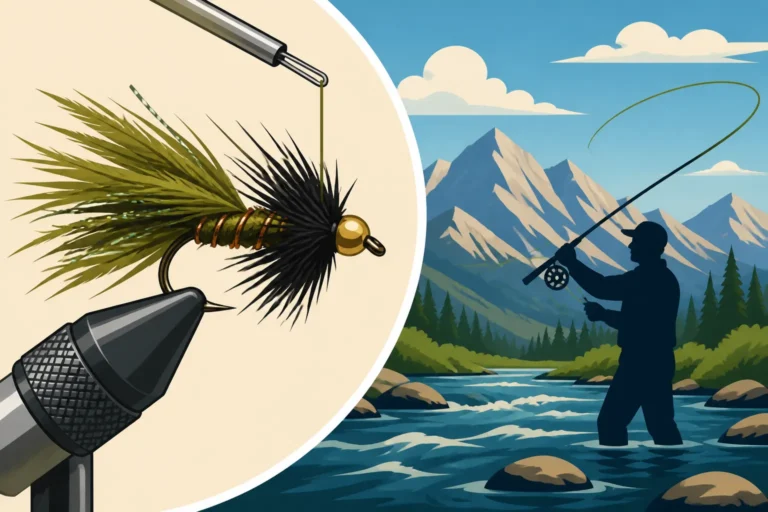
Fly anglers should focus on a selection of high-altitude staples. Dry flies like Parachute Adams, Royal Wulff, Stimulators, and various Caddis patterns are essential for surface activity. Don't forget emergers and nymphs like Pheasant Tail, Hare's Ear, Prince Nymph, and midges for subsurface feeding. Small streamers like Woolly Buggers can also entice larger, more aggressive trout. A few small indicators, split shot, and extra leader material should round out your fly box. Always remember to pack a pair of pliers or forceps for hook removal and a small net with a rubberized mesh for safe catch and release.
Here’s a quick overview of essential tackle for shore fishing:
| Category | Spin Fishing Essentials | Fly Fishing Essentials |
|---|---|---|
| Rods & Reels | 6-7.5ft Medium-Light Spinning Rod, 1000/2000 Reel | 9ft 4-5wt Fly Rod, Matching Reel |
| Line | 4-6lb Mono/Fluorocarbon, or Braid with Fluorocarbon Leader | WF Floating Line, 3X-6X Tapered Leaders |
| Lures/Flies | Inline Spinners (#0-2), Small Spoons (1/8-1/4oz), Micro Jigs, Soft Plastics | Dry Flies (Parachute Adams, Royal Wulff), Nymphs (Pheasant Tail, Hare's Ear), Small Streamers (Woolly Bugger) |
| Baits (Check Regs) | Worms, PowerBait, Salmon Eggs | N/A |
| Terminal Tackle | Swivels, Snap Swivels, Split Shot, Hooks (#8-14) | Strike Indicators, Split Shot, Tippet Material |
| Tools | Pliers/Forceps, Line Clippers, Small Rubber Net | Forceps/Hemostats, Nippers, Net (Rubber Mesh Recommended) |
Essential Apparel and Safety Gear
Beyond your fishing tackle, what you wear and carry for safety is critical in the high country. As mentioned, layers are paramount. Start with a moisture-wicking base layer, add an insulating mid-layer like fleece, and always have a waterproof and windproof outer shell. A wide-brimmed hat and sunglasses are non-negotiable for sun protection. Even on cloudy days, the UV index at altitude can be brutal. Comfortable, sturdy hiking boots with good ankle support are a must for navigating uneven terrain, and consider bringing an extra pair of socks.
Safety gear should include a small first-aid kit, a headlamp (even if you plan to be back before dark, delays happen), a multi-tool, and a whistle. Always carry more water than you think you’ll need, or a reliable water filter/purifier. A bear spray canister is a wise addition, especially in grizzly country, which covers much of western Wyoming. Tell someone where you're going and when you expect to return. Many high mountain areas have no cell service, so don't rely on your phone for emergencies. This comprehensive approach to What Gear to Pack for a Backcountry Fishing Trip will ensure you’re prepared for anything the Wyoming mountains throw at you.
Strategic Approach: Locating Fish from Shore
You've got your gear, you've checked the forecast, and you're at the lake. Now what? The biggest mistake shore anglers make is just randomly casting. To be truly successful, you need a strategy for locating fish. It’s about being observant and understanding how trout use their environment.
Reading the Water: Structure and Features
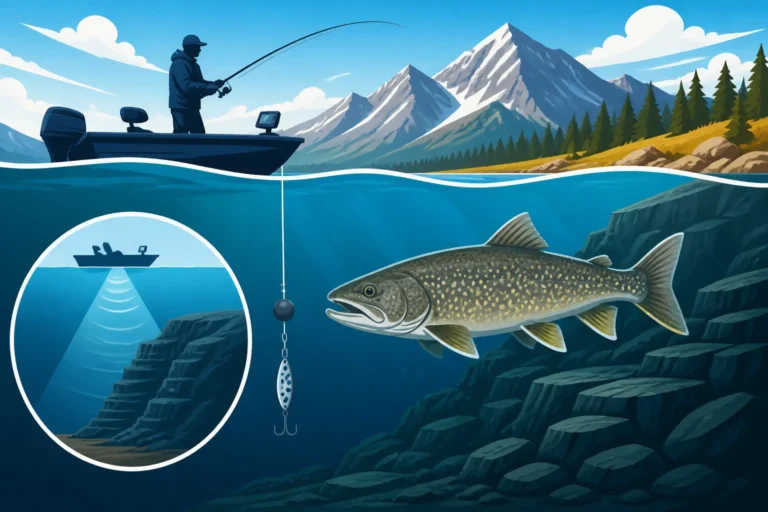
Trout in mountain lakes, like fish everywhere, are creatures of structure and comfort. They look for places that offer food, shelter from predators, and favorable water temperatures. When fishing from shore, you need to develop an eye for these features. Look for areas where the bottom transitions from shallow to deep, often marked by a change in water color or current patterns (even subtle ones). Drop-offs are prime holding spots.
Submerged rocks, boulders, and fallen trees provide excellent cover and ambush points. If you can see or infer where these are, that’s where you should be targeting your casts. Inlets and outlets, where a stream flows into or out of the lake, are also hot spots. These areas bring in fresh food, oxygen, and often hold a higher concentration of fish. Points and coves can funnel baitfish or insects, making them productive too. Learning How to Read Water When Trout Fishing is a fundamental skill that will drastically improve your success.
Seasonal Considerations and Fish Movement
The time of year dramatically influences where trout will be holding in a mountain lake. In early spring, just after ice-out, fish often cruise the shallower, sun-warmed bays and shorelines where insects become active and water temperatures rise slightly. This is often a fantastic time for shore anglers. As summer progresses and surface temperatures warm (even in cold mountain lakes, the very top layer can warm), trout tend to move deeper to find cooler, more oxygenated water. This can make them harder to reach from shore without long casts or specialized rigs.
However, during dawn and dusk, or on overcast days, they might push back into shallower areas to feed. In the fall, as temperatures begin to drop, fish once again become more active in shallower zones, often aggressively feeding to prepare for winter. Brown trout, for example, will start their spawning migrations, making them more accessible from shore in certain areas. Understanding these seasonal movements, and how they relate to the broader Wyoming Fishing Seasons Month by Month, allows you to anticipate where the fish will be.
The Art of Stealth and Presentation
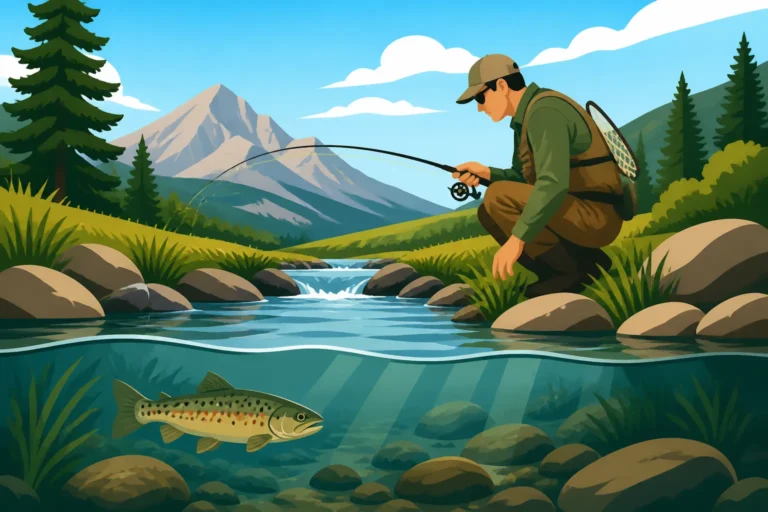
Given the clear, cold water and wary fish, stealth is not just a suggestion; it's a requirement. Approach the shoreline slowly and quietly. Avoid stomping, loud talking, or casting a long shadow over the water. Wear natural, subdued colors rather than bright clothing. If possible, try to cast from a kneeling or crouching position, especially if you can see fish cruising close to shore.
Your presentation needs to be delicate and natural. Whether you're casting a spinner or a dry fly, aim for a soft landing that doesn't splash or spook the fish. For spin fishing, let your lure sink for a few seconds before starting your retrieve, allowing it to get down to the fish's depth. Vary your retrieve speed; sometimes a slow, steady retrieve is best, other times a quick twitch and pause can trigger a strike. For fly fishing, focus on drag-free drifts, mending your line to keep the fly looking natural as it floats downstream or across the current. Remember, these fish aren't easily fooled, so a natural presentation is everything.
Effective Techniques for Shoreline Anglers
Once you've located some promising water and mastered your stealthy approach, it's time to put your techniques into action. Shore fishing on a mountain lake allows for a variety of methods, each with its own advantages depending on the conditions and the fish's mood.
Spin Fishing Tactics: Casting, Retrieving, Baits
Spin fishing is incredibly popular for shore anglers due to its ease of use and versatility. The key here is to cover water efficiently and present your lure at the correct depth. Start with fan casting, making casts to your left, straight ahead, and to your right, then slowly walk down the bank and repeat. This ensures you're covering as much potential fish-holding water as possible.
When using inline spinners or small spoons, a medium to slow retrieve is often effective. These lures have built-in action, so you don't need to do much more than reel steadily. For soft plastics on a jig head, a "lift and drop" retrieve works wonders, mimicking a struggling baitfish or insect. Cast it out, let it sink, then gently lift your rod tip to make the jig hop, and let it fall back on a semi-slack line. The bite often comes on the fall. You can find a huge variety of these effective lures on Amazon, and many come in multi-packs perfect for stocking a compact tackle box. Experiment with different colors and sizes until you find what the fish are keying into. If using natural baits like worms, simply cast them out with a small weight and let them sit on the bottom or suspend them under a bobber, especially in shallower coves.
Fly Fishing from Shore: Roll Casting and Delicate Presentations
Fly fishing from shore can be a bit more challenging due to backcasting space, but it's incredibly rewarding. Many mountain lakes don't have enough clear space behind you for a traditional overhead cast, which is where roll casting becomes your best friend. A roll cast allows you to cast a fly with minimal backcast, using the water's surface to load your rod. Practice this technique before you go, as it will open up many more fishing opportunities.
Once you’ve got your fly out, focus on delicate presentations. For dry flies, aim for a soft landing and then manage your line to prevent drag. Often, trout will cruise the surface, sipping tiny insects. A well-presented dry fly can be irresistible. If fish are feeding subsurface, a nymph rig under a small indicator, or even a tight-line nymphing setup, can be deadly. Cast it upstream or up-current and allow it to drift naturally with the flow. Some anglers also find success with small streamers, stripped slowly along drop-offs or near submerged structure. Even if you're primarily a spin angler, understanding some of these concepts will help you observe the water better.
Still Fishing and Specialized Rigs
Sometimes, the simplest approach is the best. Still fishing, especially with natural bait, can be highly effective when fish are lethargic or holding in deeper holes. This involves casting your bait (such as a worm, PowerBait, or salmon egg) with a small weight to keep it on the bottom, or suspending it under a bobber. For deeper water, a slip bobber rig is fantastic, allowing you to set your bait at any depth while still making a long cast.
Another specialized rig for shore fishing is the Carolina rig or a modified dropshot setup. These rigs keep your bait off the bottom, presenting it just above any snags and in the fish’s strike zone. For a Carolina rig, you'll slide an egg sinker onto your main line, tie on a swivel, and then add a 12-24 inch leader with your hook and bait. This allows the fish to pick up the bait without feeling the weight of the sinker. These subtle presentations can often entice bites when more active techniques fail, particularly for species like brook trout or even some of the deeper dwelling cutthroat.
Best Practices for High-Altitude Fishing
Fishing in Wyoming's high country isn't just about catching fish; it's about connecting with nature and doing so responsibly. These pristine environments require a special level of care and preparation.
Hydration and Sun Protection
I cannot stress this enough: stay hydrated. The combination of high altitude, low humidity, and physical exertion means you can dehydrate much faster than you realize. Bring plenty of water, and consider electrolyte tablets to add to your water bottle. Even in cool weather, you're losing fluids. Headaches, fatigue, and nausea can all be signs of dehydration and altitude sickness, which can quickly ruin a trip and even become dangerous.
Sun protection is equally critical. The thinner atmosphere allows more UV radiation to reach you. Sunscreen (SPF 30 or higher), applied liberally and frequently, is a must. A wide-brimmed hat to protect your face, neck, and ears, and polarized sunglasses to protect your eyes, are also essential. Look for performance fishing shirts with UPF ratings for added protection. These small precautions make a huge difference in your comfort and long-term health.
Leave No Trace Principles
Wyoming's mountain lakes are cherished for their untouched beauty, and it's our responsibility as anglers to keep them that way. Practice the Leave No Trace principles religiously. Pack out everything you pack in, including all trash, leftover bait, and even organic waste like fruit peels. Avoid building new fire rings; use existing ones or a portable stove. Stay on designated trails as much as possible to prevent erosion.
Proper disposal of fish guts, if you decide to keep your catch, is also important. Don't leave them on the shoreline. Either pack them out, or if allowed, bury them deeply away from water sources and trails. When relieving yourself, move at least 200 feet from water, trails, and campsites. The goal is that no one should ever know you were there.
Respecting Wildlife and the Environment
You're sharing the mountains with incredible wildlife, from moose and deer to bears and eagles. Always give animals a wide berth and never approach or feed them. Be especially vigilant in areas known for grizzly bears; carry bear spray and know how to use it. Make noise while hiking to avoid surprising animals.
Beyond wildlife, be mindful of the delicate high-altitude ecosystems. Avoid wading through sensitive vegetation. If you're wading, minimize disturbing the bottom, as silt can smother insect life and fish eggs. If you plan to keep fish, adhere strictly to Wyoming's Combined Possession Limit Explained and all local regulations. For catch-and-release, handle fish as little as possible, keep them in the water, and release them quickly to maximize their survival. Check out Catch-and-Release Best Practices for Trout for detailed guidance. These lakes are a precious resource, and protecting them ensures future generations can enjoy them too.
Troubleshooting Common Shore Fishing Hurdles
Even with the best preparation and strategy, you're bound to encounter challenges when fishing from shore in the mountains. The key is knowing how to adapt and troubleshoot on the fly.
Dealing with Wind and Snags
Wind can be a shore angler's worst enemy, especially on larger, exposed mountain lakes. It makes casting difficult, creates line drag, and can make it hard to detect subtle bites. When the wind picks up, try to find a sheltered cove or a bank with some natural windbreak. If that's not possible, switch to heavier lures that cast better into the wind, or use techniques that require less line management, like still fishing with bait. For fly anglers, learning how to cast in windy conditions is a game-changer; often, a lower, more powerful cast can penetrate the wind better than a high, looping one.
Snags are another frequent frustration. Rocky bottoms, submerged logs, and thick vegetation are all fish-holding structures that love to grab your lure. If you're constantly getting snagged, try using weedless hooks or rigging soft plastics weedless. Fish closer to the surface with shallower running lures, or use a bobber to keep your bait above the bottom. When you do get snagged, try a few different angles to free your lure before pulling with all your might. Sometimes, letting some slack in the line and then jigging it can free a hung-up lure.
Adapting to Changing Conditions
Mountain weather and water conditions are rarely static. A clear, sunny morning can turn into a cloudy, windy afternoon, or even a sudden downpour. You need to be ready to adapt. If the sun gets too bright and fish move deep, try heavier lures or deeper-fished nymph rigs. If a hatch starts, switch to matching dry flies. If the water gets muddy after a sudden rain, try larger, darker, or more vibrantly colored lures that create more vibration and profile.
The fish's mood can also change throughout the day. What worked an hour ago might not work now. Don't be afraid to experiment with different retrieve speeds, lure colors, or fly patterns. Sometimes, the fish are just "off," and no amount of persuasion will work. On those days, enjoy the scenery, the fresh air, and the peace of being in the mountains. Every day on the water is a learning experience, and adapting to these constant changes is a huge part of becoming a successful mountain lake angler.
Disclaimer
Please note that fishing regulations in Wyoming can change. Always consult the most current Wyoming Game and Fish Department regulations booklet before heading out. This guide is for informational purposes only and does not supersede official regulations. Stay safe and respect the environment.