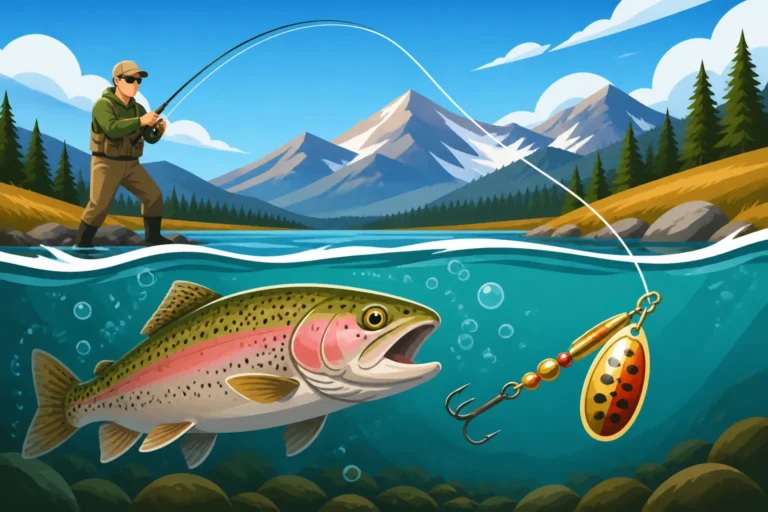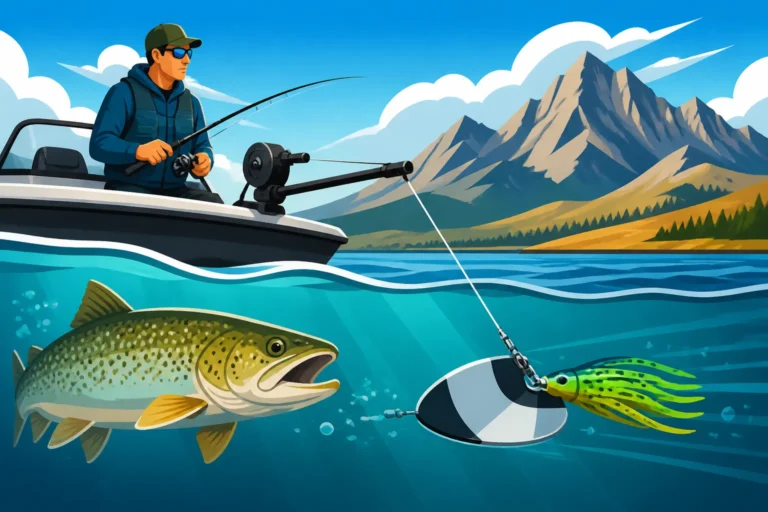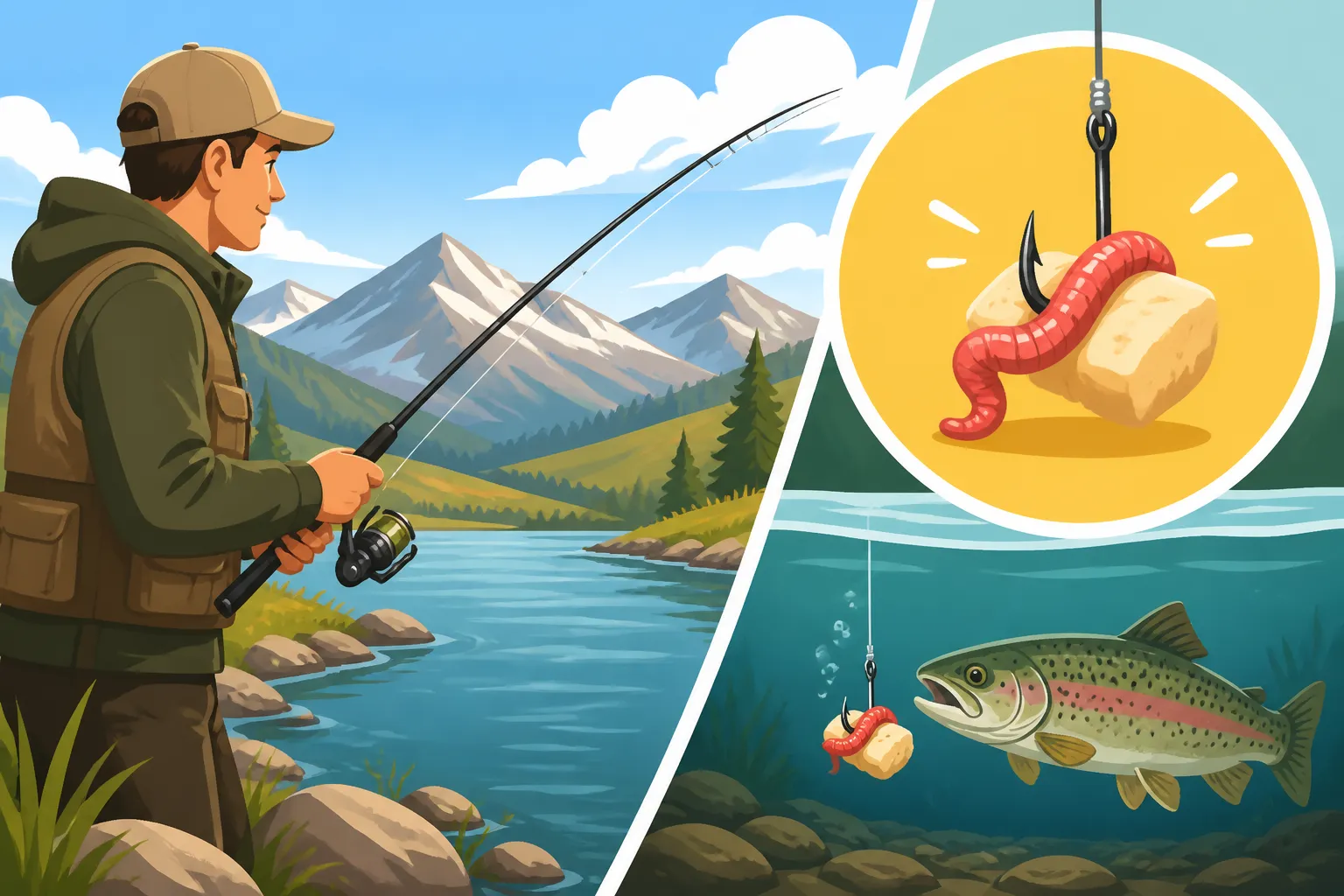
Bait Fishing Techniques for Beginners
It’s a common feeling, isn’t it? You get this incredible urge to get out on the water, maybe inspired by a beautiful Wyoming landscape, but then the sheer complexity of fishing gear, techniques, and regulations just washes over you like a cold wave. For many, the dream of feeling that satisfying tug on the line gets lost in a sea of jargon. But don't you worry, because this guide is all about cutting through that noise and getting you started with one of the most effective and approachable ways to fish: bait fishing.
Why Start with Bait Fishing in Wyoming?
When you’re just dipping your toes into the vast world of angling, it’s easy to feel overwhelmed. Fly fishing looks beautiful but complicated, and lure fishing can sometimes feel like trying to trick a fish with a shiny piece of metal. That’s where bait fishing shines, especially in a place as diverse as Wyoming. It’s a technique that has stood the test of time for a reason: it's incredibly effective and surprisingly simple to learn.
Simplicity and Accessibility
One of the biggest hurdles for new anglers is often the sheer amount of specialized gear and intricate techniques that seem to be required. Bait fishing, however, strips much of that away. You don't need to learn complex casting methods or understand minute variations in fly patterns. At its core, bait fishing is about presenting something natural and appealing to a fish and letting it do the work. This makes it incredibly accessible for people of all ages and skill levels, from young kids to seasoned adults who are new to the sport. You can often get started with a very basic rod and reel combo, a few hooks, sinkers, and a bobber, which you can easily pick up at any local sporting goods store or even online from retailers like Amazon.
Effectiveness Across Species
Wyoming's waters are teeming with a fantastic variety of fish, and the great news is that many of them respond incredibly well to bait. Whether you're dreaming of a fat rainbow trout from a crystal-clear mountain stream, a feisty walleye from a large reservoir like Boysen, or a delicious perch for dinner, bait fishing often proves to be the most reliable method for getting bites. Unlike lures that mimic specific prey, or flies that imitate insects, bait offers actual sustenance. Fish are programmed to eat, and a juicy worm or a tempting PowerBait nugget is hard for them to resist. This universal appeal means you can often target a wider range of species with a single bait fishing setup, increasing your chances of success and making every outing exciting.
The Joy of the First Catch
Let’s be honest, for many beginners, the ultimate goal is just to catch something. That first tug, that first splash, the thrill of reeling in a fish you caught yourself – it’s an unforgettable experience. Bait fishing drastically increases your odds of experiencing that joy sooner rather than later. When you're using bait, you’re often waiting for the fish to come to you, rather than constantly working a lure to entice a strike. This slower, more patient approach can be incredibly rewarding, allowing you to relax, enjoy the scenery, and truly appreciate the moment when that bobber dips or your line suddenly tightens. It's less about perfect technique and more about patience and enjoying the outdoors, which is exactly what fishing should be about for a beginner.
Essential Bait Fishing Gear for Beginners
Stepping into a tackle shop or browsing online can feel like navigating a maze. There are so many options, so many brands, and so many claims of "the best" gear. But for bait fishing, you really don't need to break the bank or get bogged down in technicalities. Focusing on the basics will get you fishing effectively without all the fuss.
Rod, Reel, and Line Basics
For a beginner, a medium-light or medium-action spinning rod and reel combo is usually your best friend. These are versatile, easy to use, and forgiving. Look for a rod that's around 6 to 7 feet long; this length offers a good balance between casting distance and control. The "action" of a rod refers to where it bends. A medium action rod bends in the upper half, which helps absorb the shock of a fish fight and makes casting easier for beginners.
When it comes to the reel, a spinning reel is ideal. They’re simple to operate: just open the bail, cast, and crank the handle to retrieve. Most combo kits come pre-spooled with line, which is a huge convenience. A good all-around line for general bait fishing in Wyoming is 6 to 8-pound monofilament. Monofilament is stretchy, easy to tie knots with, and relatively inexpensive. Brands like Berkley or Stren are widely available and reliable. You can find excellent beginner combos, often including a pre-spooled reel, on Amazon or at local retailers like Walmart or Sportsman's Warehouse.
Terminal Tackle: Hooks, Sinkers, Floats
"Terminal tackle" is a fancy term for everything at the end of your fishing line. This is where your bait is, and it's crucial to have the right components.
- Hooks: For most Wyoming trout, perch, and panfish, a size 6 or 8 bait holder hook is a great starting point. These hooks have small barbs on the shank to help keep your bait in place. If you're targeting larger species like walleye, you might go up to a size 2 or 1. Always check the local regulations for specific waters, as some areas might require single, barbless hooks, especially on popular trout streams.
- Sinkers (Weights): Sinkers help get your bait down to where the fish are. Split shot sinkers are incredibly versatile. They're small, round weights that you can crimp onto your line with pliers (or even your teeth, carefully!). Have a variety of sizes, from tiny BB-sized ones for subtle presentations to larger ones for deeper water or strong currents. For bottom fishing, egg sinkers or worm weights are also excellent choices, as they allow the line to slide through them, which can prevent fish from feeling resistance when they bite.
- Floats (Bobbers): Bobbers are your visual indicator of a bite. They suspend your bait at a specific depth and will dip or move when a fish takes the bait. Red and white round bobbers are classic and effective. Spring clip bobbers are easy to attach and adjust, making them perfect for beginners. For deeper water or more sensitive bites, slip bobbers are fantastic, though they involve a slightly more complex rig. Having a few different sizes of bobbers allows you to adapt to various fishing conditions.
The Importance of a Tackle Box
While you might think you only need a handful of items, having a dedicated tackle box, even a small one, is incredibly important. It keeps your hooks, sinkers, and other small items organized, preventing them from getting lost or tangled in your backpack. A simple plastic tackle box with a few trays or compartments is perfect. It allows you to quickly find what you need and protects your gear from the elements. Plus, it gives you a dedicated spot to store those extra items you'll inevitably pick up as you gain experience, like a small pair of pliers for removing hooks, a nail clipper for trimming line, and perhaps a small stringer to keep any fish you plan to keep fresh. Think of it as your portable toolkit for fishing success!
Understanding Your Bait Options in Wyoming
The variety of baits available can be dizzying, but understanding the categories and what works best in Wyoming can simplify your choices. Remember, the best bait is often what the fish are already eating!
Live Baits: Worms, Minnows, and Critters
Live baits are often considered the gold standard for many species because they offer natural movement, scent, and texture.
- Worms: The humble nightcrawler or garden worm is arguably the most universal and effective bait out there. Nearly every freshwater fish will eat a worm. They’re easy to find (you can even dig them up in your backyard after a rain!) or buy at any bait shop, many convenience stores, and even some Walmarts in Wyoming. They stay alive on the hook for a long time and wriggle enticingly. They are fantastic for trout, perch, bluegill, and even smallmouth bass. When using worms, you might consider how to keep them fresh in a worm box, which can be bought for just a few dollars.
- Minnows: Live minnows are incredibly effective for predatory fish like walleye, large trout (especially lake trout and brown trout), and bass. The natural swimming action is hard for these fish to resist. However, using live minnows comes with strict regulations in Wyoming to prevent the spread of aquatic invasive species. Always check the current year’s Wyoming Fishing Regulations Every Angler Should Know booklet or the Wyoming Game and Fish Department website before using live minnows. Often, only certain waters allow their use, and sometimes only dead minnows are permitted. Violating these rules can lead to significant fines.
- Other Critters: Beyond worms and minnows, other live baits like grasshoppers, crickets, and even salmon eggs can be incredibly effective, especially for trout. Grasshoppers and crickets are fantastic during late summer and fall when trout are accustomed to eating insects that fall into the water. Salmon eggs, particularly commercially prepared ones, are a classic trout bait and are very easy to use. Just remember, collecting live insects might have its own rules depending on where you are.
Prepared Baits: PowerBait, Dough Balls, and More
For those who prefer not to handle wiggly live bait, or when live bait isn't legal or convenient, prepared baits are an excellent alternative.
- PowerBait (Berkley PowerBait): This is a staple for trout anglers across Wyoming. PowerBait comes in various forms – nuggets, dough, and even soft plastics – and a rainbow of colors. It’s infused with scent and flavor that trout find irresistible. The floating varieties are particularly popular, as they allow your bait to hover just off the bottom, making it more visible to cruising trout. You can find PowerBait in almost any tackle shop, and it’s a go-to for many anglers targeting stocked rainbow trout. Experiment with different colors; sometimes pink works best, other days chartreuse.
- Dough Balls and Corn: Simple dough balls, made from flour and water (sometimes with added flavors like garlic or anise), have been catching fish for generations. Similarly, canned corn can be surprisingly effective for trout and carp, especially in stocked ponds. The bright yellow color and sweet scent seem to attract fish. While corn is legal bait in many areas, always check for specific water closures or restrictions in the Wyoming regulations, especially on designated fly-fishing or artificial-lure-only waters. These baits are cheap, easy to use, and require no special storage beyond a small container.
- Marshmallows and Cheese: Believe it or not, small pieces of marshmallow or cheese can be excellent for trout, especially in highly fished waters where they've become accustomed to these treats. They float, which helps with presentation, and their scent can draw fish in. Again, these are often more effective in stocked or heavily pressured waters rather than pristine backcountry streams.
Natural Baits from the Environment
Sometimes the best bait is right under your nose, or more accurately, around the water you're fishing.
- Insects and Larvae: If you’re fishing a stream or river, turning over rocks and looking under logs can often reveal aquatic insect larvae like caddis or stonefly nymphs. These are natural food sources for trout and can be incredibly effective when fished naturally. Similarly, grasshoppers, crickets, and even beetles found near the water's edge can be fantastic natural baits. Just hook them carefully through the collar or carapace to keep them lively. This method requires a keen eye and a bit of effort but can yield great results, especially for wild trout.
- Berries and Seeds: In some rare instances, especially in alpine lakes or streams bordered by certain vegetation, fish might key in on berries or seeds that fall into the water. This is more of an opportunistic bait, but if you notice fish rising and popping what looks like small berries from the surface, it might be worth trying to mimic! This is less common but highlights the importance of observing your environment.
Important Note on Bait: Always, and I mean always, check the current Where Bait Fishing Is Restricted in Wyoming section of the Wyoming Game and Fish Department regulations. Some waters are "artificial flies and lures only," others prohibit live bait, and some have specific restrictions on what types of bait you can use to prevent the spread of diseases or invasive species. A quick check can save you a hefty fine.
Fundamental Bait Fishing Techniques
Once you have your gear and bait sorted, it’s time to talk about how to actually present it to the fish. These techniques are simple, effective, and perfect for getting started.
Still Fishing with a Bobber (Float Fishing)
This is probably the mental image most people have when they think of bait fishing, and for good reason—it works! Still fishing with a bobber is about suspending your bait at a specific depth in the water column and waiting for a fish to take it. The bobber acts as a visual alarm system.
- How it Works: You attach a bobber to your line, usually a foot or two above your hook (depending on how deep you want your bait). You then cast your baited hook out and simply watch the bobber. When a fish bites, the bobber will dip, twitch, or go completely underwater. This is your cue to set the hook!
- Best For: Still fishing is excellent for panfish (like perch and bluegill), trout in lakes and slower sections of rivers, and even bass. It's particularly effective in calm waters where you want your bait to stay in one place. It's also ideal for beginners or fishing with kids because it provides a clear visual signal of a bite. You can adjust the depth of your bait by sliding the bobber up or down your line. If fish are feeding near the surface, set your bobber closer to your hook. If they’re deeper, move it further up.
- Tips: Don’t be too quick to set the hook. Sometimes a fish will "mouth" the bait before fully committing. Wait until the bobber makes a definitive movement or disappears completely. Also, consider the wind. A strong breeze can make your bobber drift rapidly, taking your bait out of the strike zone.
Bottom Fishing (Weight Fishing)
Sometimes the fish are hanging out deeper, closer to the bottom where a bobber might not be practical. This is where bottom fishing comes into play. It’s all about getting your bait down to the substrate and keeping it there.
- How it Works: Instead of a bobber, you use a sinker heavy enough to hold your bait on the bottom, even in light current. The sinker is usually placed a short distance (6-18 inches) above your hook. When you cast out, the weight carries your bait to the bottom. You then let your line go slack or keep a slight tension, waiting to feel the distinct tug or see your rod tip twitch when a fish bites.
- Best For: Bottom fishing is fantastic for species that feed on the bottom, like catfish, walleye, larger trout (especially lake trout), and even carp. It’s also effective in rivers with current, where a bobber would just drift too quickly. The beauty of it is that your bait stays in the prime feeding zone, and fish often find it by scent.
- Tips: Pay close attention to your rod tip. Any subtle twitch, bend, or sudden release of tension could indicate a bite. Sometimes fish will pick up the bait and swim directly towards you, causing the line to go slack. Set the hook with a firm, upward sweep of the rod. Using an egg sinker or similar weight that slides freely on your main line can be very helpful, as it allows the fish to pull the line without feeling the resistance of the weight immediately, leading to more confident bites.
Drifting Bait (Current Fishing)
For rivers and streams, fish often position themselves in current breaks, waiting for food to drift naturally downstream. Drifting bait mimics this natural presentation.
- How it Works: This technique involves using just enough weight (often just a few small split shots) to keep your bait tumbling naturally along the bottom or slightly above it with the current. The goal is for your bait to look like a free-floating meal. You cast upstream and let the bait drift naturally downstream, keeping just enough tension on your line to feel bites but not so much that you impede the natural drift. This is often done without a bobber, relying purely on feel.
- Best For: Drifting bait is incredibly effective for trout in rivers and streams, especially for species like brown trout and cutthroat trout that are ambush predators. It's also great for covering more water than still fishing, as your bait is constantly moving through new areas. This technique can be used in deeper runs, riffles, and pools where fish are actively feeding on passing morsels.
- Tips: Mending your line (tossing a loop of slack line upstream during the drift) can help prevent drag, allowing your bait to drift more naturally. Keep your rod tip up and pointed slightly upstream, maintaining light contact with your bait. Bites often feel like a subtle tick or a sudden heaviness on the line. Practice makes perfect with this technique, as it requires a bit more finesse than static bait presentations.
Rigging Up Your Bait: Step-by-Step
Getting your line set up correctly is half the battle. Tangled lines and lost bait are frustrating, but these simple rigs will help you avoid those headaches.
The Simple Bobber Rig
This is probably the easiest and most versatile rig for beginners, perfect for a relaxing day at a local pond or calm lake.
- Tie on your hook: Start by tying your chosen hook (size 6 or 8 bait holder is a good bet for trout and panfish) to the end of your main line. A simple improved clinch knot is a reliable choice.
- Add your weight: About 6-12 inches above your hook, crimp on one or two small split shot sinkers. You want just enough weight to cast easily and get your bait down, but not so much that it pulls your bobber under.
- Attach your bobber: Place your bobber on the line, typically 1 to 4 feet above your hook and sinkers. Use a spring clip bobber for easy adjustment. If you’re not sure about the depth, start with your bait about 2-3 feet below the bobber and adjust from there. If you see fish jumping or feeding at the surface, you might want your bait shallower. If it's a deep lake, you might need to go deeper, perhaps even switching to a slip bobber setup for extreme depths.
- Bait your hook: Thread a worm onto the hook, leaving a bit dangling, or mold a small nugget of PowerBait around the hook.
- Cast and Wait: Cast your rig out gently and watch your bobber. When it dips, set the hook!
The Basic Bottom Rig
When you need to get your bait down deep or present it on the bottom, this rig is your go-to.
- Tie on your hook: Just like with the bobber rig, tie your hook to the end of your main line.
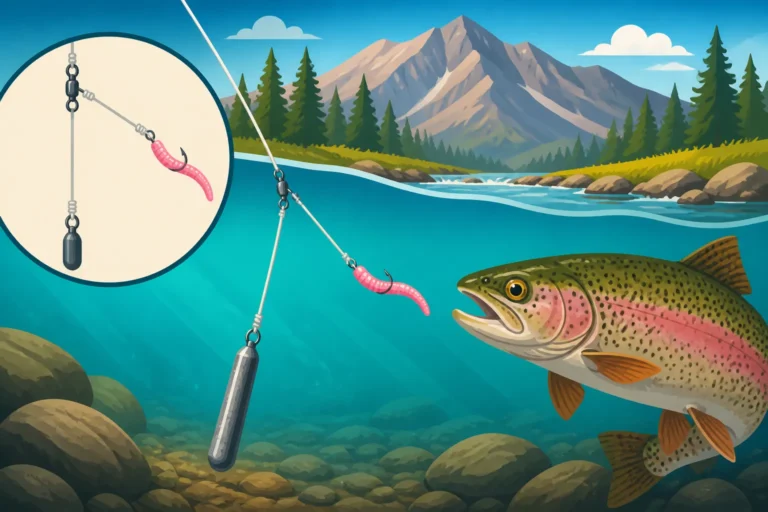
- Add your weight (sliding method): This is where it differs. First, slide an egg sinker or a barrel sinker onto your main line.
- Tie on a swivel: After the sinker, tie a small barrel swivel to the main line. The swivel acts as a stopper for the sinker and prevents line twist.
- Add a leader: To the other end of the swivel, tie a piece of lighter fishing line (called a leader) about 12-24 inches long. This leader should be a pound or two lighter than your main line. If you get snagged, you'll ideally break off just the hook and leader, saving your main line and sinker.
- Tie on the hook: Tie your hook to the end of this leader.
- Bait your hook: Bait your hook, cast it out, and let it sink to the bottom. Keep a light tension on the line and watch your rod tip for any signs of a bite.
Best Practices for Baiting Hooks
Properly baiting your hook is crucial for getting bites and keeping your bait on during casting.
- For Worms: If using a nightcrawler, hook it several times through the body, leaving both ends to wriggle freely. This makes it look alive and tasty. For smaller worms, you can thread the entire worm onto the hook. The goal is to cover the hook point, or at least enough of the hook, so the fish doesn't just pull the worm off without getting hooked.
- For PowerBait or Dough: Mold a small, pea-sized ball of PowerBait or dough around your hook, completely covering the hook point and shank. The goal is to make it look like a tasty, floating nugget. Make sure it's packed tightly enough to withstand the cast.
- For Minnows: If legal, hook live minnows either through both lips (careful not to damage their breathing) or lightly through the back, just behind the dorsal fin. Hooking them through the lips allows them to swim naturally, while back-hooking can make them swim away from the line, creating more action.
- Keep it Natural: No matter the bait, try to make it look as natural as possible. Don't use too much bait, which can make it hard for smaller fish to get the hook in their mouth. And try not to mangle the bait unnecessarily, as this can make it less appealing.
Quick Gear Table for Beginners
| Gear Item | Recommended for Beginners | Why It's Good |
|---|---|---|
| Rod & Reel | 6-7 ft Medium-Light to Medium Spinning Combo | Versatile, easy to cast, forgiving, good for most fish sizes. |
| Line | 6-8 lb Monofilament | Easy to tie, good stretch, affordable, less visible than braid in clear water. |
| Hooks | Size 6 or 8 Bait Holder (single, barbless if regulated) | Good all-around size for trout/panfish, holds bait well. |
| Sinkers | Assorted Split Shot, Egg Sinkers | Versatile for depth adjustment, allows line to slide for bottom rigs. |
| Floats | Small to Medium Spring Clip Bobbers, some Slip Bobbers | Clear bite indication, easy to adjust depth, good for varying water. |
| Bait | Nightcrawlers, Berkley PowerBait, Canned Corn | Highly effective, easy to acquire, appeals to many species. |
| Tackle Box | Small, multi-compartment plastic box | Keeps gear organized, protected, and accessible. |
| Pliers/Forceps | Small needle-nose or multi-tool | Essential for hook removal, cutting line, crimping weights. |
Mastering the Cast and Retrieve (or Wait!)
So, you're rigged up and ready. Now it's time for the moment of truth: getting your bait into the water and actually catching a fish. Don't worry, it's easier than you think, and the biggest secret is often patience.
Basic Casting Techniques
For spinning gear, casting is quite intuitive. It might take a few tries to get the hang of it without creating a "bird's nest" (a tangled mess of line), but with practice, you'll be hitting your spots.
- Hold the Rod: Grip the rod with your dominant hand, just above the reel.
- Open the Bail: Use your index finger to lift the wire bail arm on the spinning reel, opening it up. This frees the line to fly off the spool.
- Hook the Line: With the bail open, use your index finger to gently hook the fishing line against the rod handle. This holds the line in place before the cast.
- Position for Cast: Let your bait dangle about 6-12 inches from the rod tip. Turn your body so your casting arm is pointing towards your target.
- The Smooth Arc: Bring the rod back over your shoulder in a smooth, fluid motion, then sweep it forward, aiming towards your target. As the rod comes forward past your head, release your index finger from the line. The momentum of the rod and the weight of the bait will carry the line out.
- Control the Landing: As your bait approaches the water, gently feather the line with your finger to slow it down and prevent it from splashing too hard or overshooting your spot.
- Close the Bail: Once your bait is in the water, immediately flip the bail arm back down to "close" it. This engages the line and prevents more line from spooling out uncontrollably.
- Practice Makes Perfect: Start in an open area like a park or your yard, perhaps using a practice weight instead of a hook. Aim for targets. The more you cast, the more natural it will feel.
Detecting Bites and Setting the Hook
This is arguably the most exciting part! Detecting a bite requires patience and observation, and setting the hook properly ensures the fish stays on.
- Watching Your Bobber: If you're using a bobber, this is your primary indicator. Any movement—a twitch, a dip, or if it suddenly disappears underwater—means a fish is interested. Don't be too eager; let the fish take the bait. For a truly confident bite, wait until the bobber goes fully under and stays there for a second or two.
- Feeling the Bite (Bottom Fishing/Drifting): When bottom fishing or drifting, you'll be relying on the feel in your rod. A bite can feel like a subtle tap, a gentle pull, a sudden heavy weight, or even a slackening of the line if the fish swims towards you. Hold your rod steady, keeping a slight tension on the line.
- Setting the Hook: Once you detect a confident bite, it's time to set the hook. This isn't a massive heave, but a quick, firm, upward sweep of the rod, typically 1 to 2 feet. This motion drives the hook into the fish's mouth. Avoid setting the hook too softly, as the hook might not penetrate, or too hard, which can rip the hook out or break your line. It's a quick, controlled movement.
Playing and Landing Your Catch
Congratulations, you've hooked a fish! Now, the real fun begins. Playing a fish is about managing its energy and reeling it in safely.
- Keep Tension: The most important rule is to always keep tension on the line. If you give the fish slack, it can shake the hook loose. Keep your rod tip up, creating a bend in the rod. This bend acts like a shock absorber, helping to prevent the line from breaking under sudden surges.
- Use Your Drag: Your spinning reel has a drag system (usually a knob on the front of the spool). This allows line to peel off the reel when the fish pulls hard, preventing your line from snapping. Learn how to adjust it—it should be set so that a fish can pull line, but not too easily. When a fish makes a strong run, let it take line. When it stops, pump the rod by lifting it, then reeling down as you lower it.
- Bring it In: Once the fish tires, gently reel it in. If you plan to keep the fish (always check Wyoming's Bag and Possession Limits!), you can use a net to scoop it up, or if it's small, simply lift it out of the water by the line (avoid swinging it). If you intend to practice Catch and Release Best Practices for Trout, handle the fish as little as possible, using wet hands, and release it quickly. Pliers or forceps are incredibly helpful for removing hooks, especially if the fish has swallowed the bait.
Remember, fishing is a journey, not a destination. You'll have days where the fish jump in your lap, and days where you feel like you're just feeding the fish. Embrace it all, learn from every outing, and most importantly, enjoy the beautiful waters of Wyoming. It's a fantastic place to start your angling adventure, and bait fishing is a solid, confidence-building way to begin.
Disclaimer
Fishing regulations, license requirements, and local conditions can change frequently. While this guide provides general information for beginners, it is always your responsibility to consult the most current Wyoming Game and Fish Department regulations before heading out. Always prioritize safety and responsible angling practices.