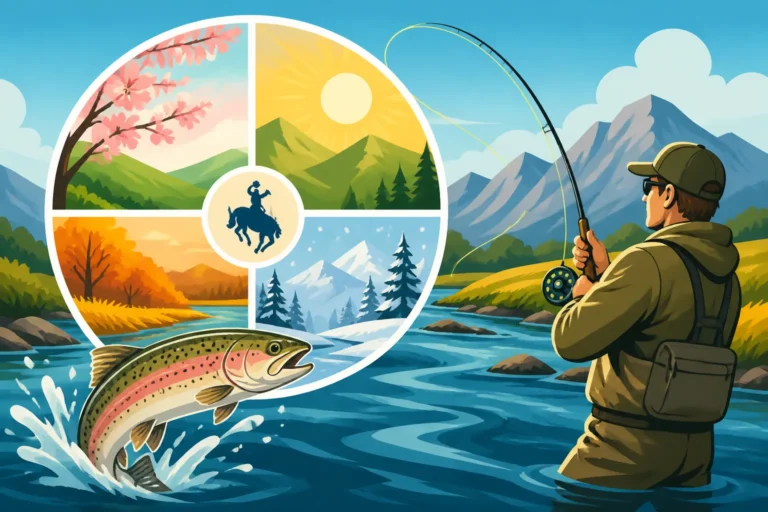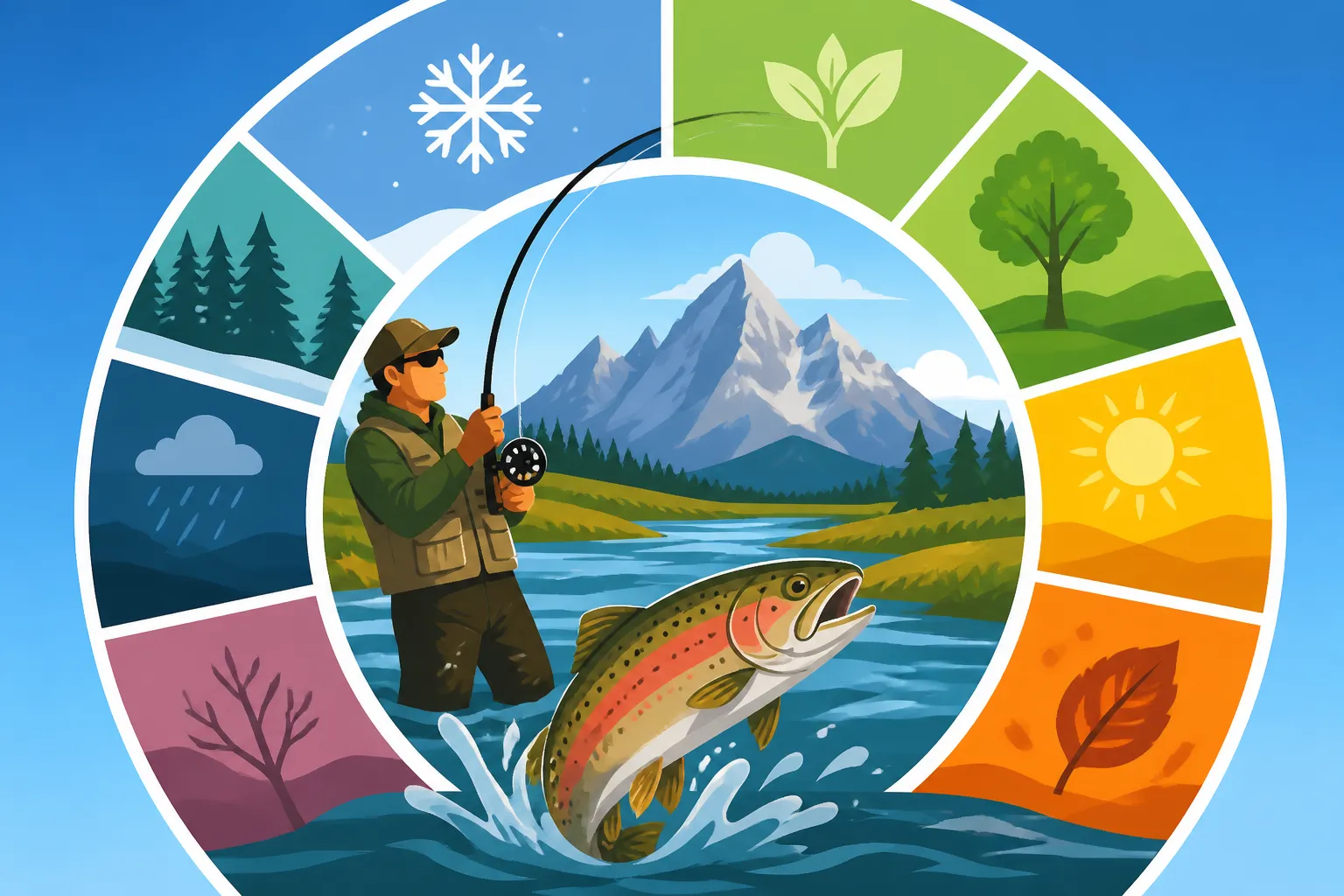
Wyoming Fishing Seasons Month by Month
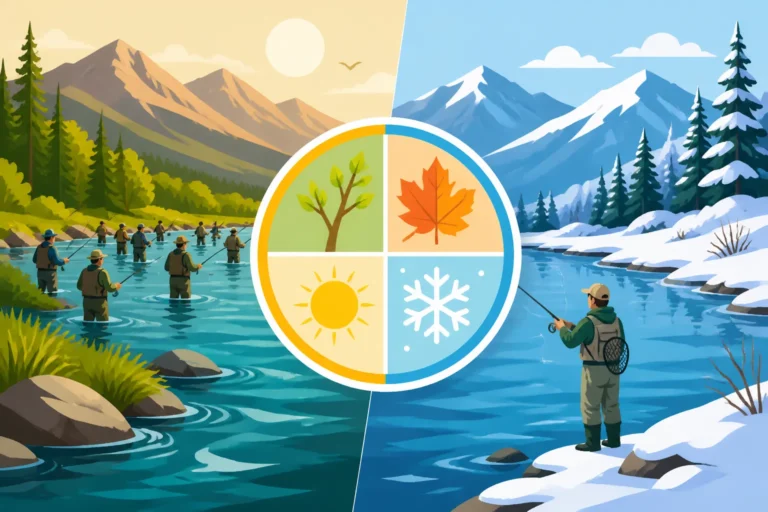
Trying to figure out the best time to cast a line in Wyoming can feel like deciphering a secret code. The Cowboy State's weather is famously fickle, and what might be prime fishing one month can be completely locked up or blown out the next. This guide aims to take the guesswork out of planning your angling adventures, breaking down Wyoming's diverse fishing seasons month by month, from the early spring thaws to the depths of winter ice, ensuring you hit the water at the right moment for your target species.
Early Spring Thaw: March and April Fishing Opportunities
As winter slowly releases its grip on Wyoming, March and April bring the promise of open water and active fish. This period is a true transition, often characterized by wildly fluctuating temperatures and conditions that can change overnight. Anglers who are prepared for anything, and who understand where to focus their efforts, can find some incredibly rewarding experiences before the crowds descend.
Navigating Ice-Out and Early Season Rivers
March can still see many of Wyoming’s larger reservoirs and high-elevation lakes locked under a thick blanket of ice, especially in the northern and western parts of the state. However, the lower-elevation lakes and the stretches of rivers below dams, known as tailwaters, are often the first to open up and become fishable. This "ice-out" phase on lakes and reservoirs is when the water begins to warm and oxygen levels improve, making fish, especially predatory species, more active as they shake off winter lethargy. For river anglers, the tailwaters like those on the North Platte River below Gray Reef Dam or the Miracle Mile become absolute magnets. The consistent water flows and temperatures from the dam provide a stable environment where trout feed actively on nymphs that have matured over winter. You'll often find eager brown and rainbow trout responding well to subsurface flies and small, flashy spinning lures. It’s crucial to keep an eye on local conditions, as a sudden warm spell can melt snow quickly, leading to increased flows and murkier water on freestone rivers before the true runoff begins.
Targeting Hungry Post-Winter Trout
After a long winter under the ice or in frigid river currents, trout are often incredibly hungry and less selective in early spring. Their metabolism is picking up, and they're actively seeking protein to recover and prepare for spawning. This makes March and April excellent months for targeting larger trout that are keen to feed. On rivers, focus on deeper runs, current seams, and slower pools where fish can ambush food without expending too much energy in fast water. Nymphing with patterns like stoneflies, caddis larvae, and midges is highly effective. For spin anglers, small spoons, spinners (like a Panther Martin or Mepps), and suspending jerkbaits can entice aggressive strikes. On lakes and reservoirs that have just shed their ice, fish will often cruise shallower depths near incoming tributaries or rocky shorelines, looking for newly available food sources. Trolling with spoons or jigging near structure can be productive. Remember to check the regulations for any specific closures, especially for spawning fish, as some waters might have restrictions during this time.
Prepping for Unpredictable Spring Weather
One of the biggest challenges, and opportunities, of early spring fishing in Wyoming is the weather. You might start the day in a puffy jacket and wool hat, only to be shedding layers by midday under bright sunshine, and then bundling back up as a snow squall rolls in during the afternoon. Layering is not just a suggestion; it's a necessity. Think waterproof outer shells, warm mid-layers, and moisture-wicking base layers. Good quality gloves and a warm hat are also non-negotiable, especially for those blustery days on open water. Having a thermos with a hot drink can be a real morale booster. Beyond personal comfort, constantly monitor weather forecasts and water conditions. Wind can pick up quickly on larger lakes, making boating hazardous, and rapid temperature changes can impact fish behavior. Always be prepared to change your plans or shorten your trip if conditions turn south. Finding current, localized forecasts is key.
Late Spring & Early Summer: May and June's Transition
As spring pushes further into summer, May and June mark a significant transition in Wyoming's fishing landscape. This period is dominated by the onset of "runoff" on many rivers, as mountain snowpacks melt and swell the waterways with cold, silty water. While runoff can make some traditional trout fishing challenging, it also opens up new opportunities and signals the start of prime fishing on many lakes and reservoirs.
Understanding Spring Runoff and High Water Strategies
For many of Wyoming's freestone rivers like the Snake River or parts of the Green River, May and early June are synonymous with spring runoff. The increased volume and turbidity from melting snow can make these rivers difficult, if not impossible, to fish effectively. It's a common frustration for anglers planning a trip to a favorite river, only to find it a raging chocolate torrent. However, this isn't the end of the world! Savvy anglers pivot their strategies. First, focus on tailwaters below large dams, as these typically maintain clearer, more stable flows year-round. Places like the Miracle Mile and Gray Reef on the North Platte, or the Green River below Fontenelle Dam, are prime examples where excellent trout fishing continues uninterrupted. Second, look for smaller tributary streams or spring creeks that run clear even during high water periods. These can be hidden gems. Finally, when fishing rivers during runoff, target the soft water along the banks, in eddies, or behind structure where fish can escape the main current. Heavy nymph rigs or streamers fished slowly and deep can still provoke strikes. Don't be afraid to use larger, more visible flies or lures that stand out in the murky water.
When Lakes and Reservoirs Come Alive
While rivers are churning with runoff, Wyoming's vast network of lakes and reservoirs truly begins to shine in May and June. As water temperatures climb into the optimal range, fish become incredibly active. This is a fantastic time for species like rainbow trout, cutthroat trout, and lake trout, which are still often found in shallower water before the intense summer heat drives them deeper. Shore anglers can have great success casting spoons, spinners, or bait. Boat anglers can employ a variety of tactics, from trolling with cowbells and Wedding Ring Spinners to casting jigs or swimbaits at structure. Many of these waters have excellent populations of trout, some even featuring the magnificent native subspecies like the Snake River Fine-Spotted Cutthroat Trout or the state fish, the Yellowstone Cutthroat. The period just after ice-out and before peak summer heat can offer some of the most consistent lake fishing of the year. For more on what to expect, consider delving into specific Trolling Techniques for Wyoming Reservoirs.
Early Season Warmwater Species Action
It’s not all about trout in Wyoming, especially in late spring. Many of the state's larger reservoirs, particularly in the central and eastern regions, hold impressive populations of warmwater species that become very active as the water warms. May and June are prime months for walleye, smallmouth bass, and even some perch fishing. Walleye in reservoirs like Boysen Reservoir or Keyhole Reservoir will move into shallower spawning areas or feed aggressively near points and submerged structure. Jigging with soft plastics or pulling crankbaits are effective methods. Smallmouth bass, found in places like Flaming Gorge Reservoir, also become very active, chasing crankbaits, jigs, and topwater lures. This is often an overlooked opportunity for anglers visiting Wyoming, providing a diverse fishing experience away from the crowded trout streams. The fight of a feisty smallmouth or the delicate bite of a walleye can be a welcome change of pace, offering a different kind of challenge and reward.
Peak Summer Fishing: July and August's Abundance
July and August represent the zenith of Wyoming's fishing season for many anglers. The high country is finally accessible, rivers are typically clear and at stable flows (post-runoff), and warmwater fisheries are in full swing. However, with the warmer temperatures come new considerations, requiring anglers to adapt their strategies for success.
High Country and Alpine Lake Adventures
This is the glorious time when Wyoming's spectacular high-alpine lakes become fully accessible and fishable. Often requiring a hike or even a horseback pack trip, these pristine waters offer unparalleled solitude and stunning scenery. The fish here, primarily cutthroat, brook, and golden trout, are often eager to bite after being ice-bound for most of the year. Small spinners, spoons, flies (especially dries), and even a simple worm under a bobber can be incredibly effective. The cool, oxygen-rich waters keep these trout active throughout the day, though early mornings and late evenings can still be prime. Fishing Wyoming's high-alpine lakes is an experience unto itself, a true blend of angling and wilderness exploration. Many of these lakes are regularly stocked by the Wyoming Game and Fish Department, ensuring healthy populations. Just remember to pack light, be prepared for sudden weather shifts even in summer, and always practice Leave No Trace principles in these fragile environments.
Tactics for Warmer River and Stream Temperatures
While high-elevation waters remain cool, lower-elevation rivers and streams can experience significant temperature increases during July and August. Trout, being coldwater species, become stressed in water temperatures exceeding 65-70°F. When temperatures consistently hit these levels, it's crucial to practice ethical angling to minimize stress on the fish. Consider fishing early in the morning or late in the evening when water temperatures are at their coolest. Focus on faster, oxygenated riffles, shaded areas, or the cooler water found at the mouths of tributaries. Using techniques that allow for quick releases, like barbless hooks, is highly recommended. Streamer fishing can be very effective in these conditions, as trout will often chase a larger meal rather than expending energy on tiny insects. Or, if you prefer fly fishing, consider the Best Wyoming Fly Patterns for Cutthroat Trout which often includes some effective attractor patterns. If water temperatures get too high, sometimes it's best to simply put the rods away for a few hours in the middle of the day or switch to a different fishery altogether. Remember, preserving the resource is paramount.
Maximizing Reservoir and Lake Success
Wyoming's larger reservoirs and lakes continue to offer excellent fishing throughout July and August, but fish behavior shifts. As surface temperatures rise, many trout species, particularly lake trout (Mackinaw) and larger rainbows, will retreat to deeper, cooler water. This is when deep-water trolling with downriggers, lead core line, or heavy weights becomes highly effective. Look for structure like submerged points, humps, or old river channels where fish congregate. Kokanee salmon, another popular target, will also be found in deeper, cooler zones, often suspended in the water column. For those targeting warmwater species like walleye and smallmouth bass, summer often means early morning and late evening bites, or focusing on fishing deeper structure during the heat of the day. Casting jigs, spoons, and soft plastics can be productive. Keep an eye on the wind, as a good chop on the water can often turn on the bite by breaking up light penetration and disorienting baitfish. Learning How Water Temperature Changes Wyoming Trout Behavior is key to adapting your summer strategy.
Golden Fall Fishing: September and October's Magic
For many seasoned anglers, autumn in Wyoming is the undisputed "prime time." The oppressive heat of summer gives way to crisp, cool days, vibrant foliage, and, most importantly, some of the most aggressive fishing of the year. This is when many trophy-sized fish become more active, feeding heavily in preparation for winter and the spawning season.
Chasing Spawning Brown Trout and Aggressive Kokanee
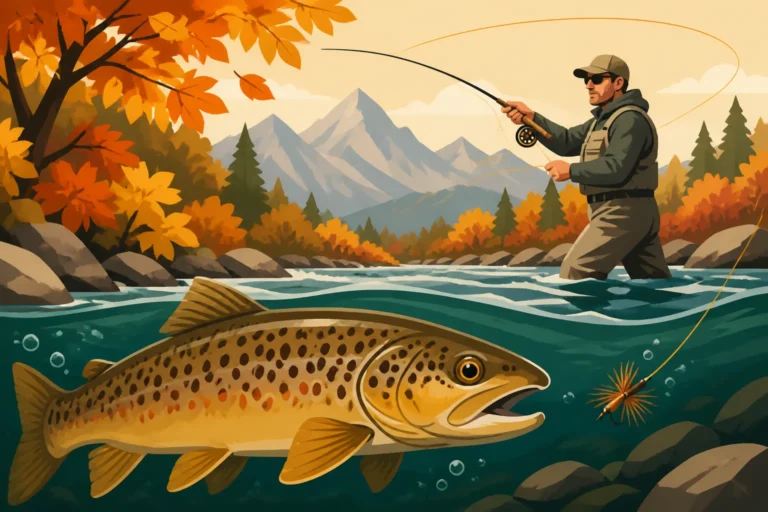
September and October are synonymous with two major events in Wyoming: the brown trout spawn and the kokanee salmon run. Brown trout, known for their stunning fall colors and aggressive nature, begin their migration upstream in many rivers and streams to spawn. This means bigger browns that were elusive all summer become more accessible and eager to strike. Focus on river sections with good spawning gravel and deep holding water adjacent to these areas. Streamers fished aggressively are a top choice, imitating baitfish that these large predators gorge on. Nymphing with egg patterns can also be incredibly effective around spawning redds, though it's essential to avoid disturbing the actual spawning fish.
At the same time, kokanee salmon in reservoirs like Flaming Gorge and Pathfinder undergo their dramatic transformation, turning brilliant red as they prepare to spawn and die. They migrate into tributaries or shallow areas of the reservoirs, offering a unique and exciting fishing opportunity. While their flesh quality declines rapidly as they near spawning, the sheer number of fish and their energetic fight make them a popular target. Small jigs, snagging (where legal), and bright spoons are often used. For a more specific target, consider Fall Fishing for Browns on the Miracle Mile, where some truly massive trout stage for their annual ritual.
Enjoying Crisp Air and Active Trout Rivers
Beyond the spawning runs, fall offers generally superb trout fishing on freestone rivers and tailwaters alike. The cooler water temperatures invigorate rainbow and cutthroat trout, prompting them to feed heavily. Terrestrial insects like grasshoppers and ants are still active in early fall, making dry fly fishing exhilarating. As the weather cools further, hatches of blue-winged olives and midges become more prominent, providing excellent nymphing and sometimes even dry fly opportunities on calmer days. The crowds of summer dissipate, offering more solitude on popular waters. The stunning backdrop of golden aspens and fiery red cottonwoods only adds to the experience, making every cast feel a little more special. Anglers often find that fish are less spooky and more willing to chase a fly or lure. Pack layers, as mornings can be frosty and afternoons pleasantly warm.
Extended Lake and Reservoir Fishing
While some high-alpine lakes might start to freeze around late October, most of Wyoming's larger reservoirs and lower-elevation lakes continue to offer fantastic fishing well into the fall. Just like in the rivers, the cooler water temperatures stimulate fish activity. Lake trout, particularly in Flaming Gorge and Jackson Lake, will move shallower to feed aggressively on kokanee and other baitfish. Trolling large spoons or tube jigs can be highly productive. Walleye and smallmouth bass also remain active, often moving into transitional areas between shallow and deep water as they chase schools of baitfish. Many anglers consider this a secondary "prime time" for these species, second only to the spring spawn. The boat traffic is usually significantly reduced compared to summer, offering a more peaceful experience. Just be mindful of shortening daylight hours and the potential for rapidly dropping temperatures, especially on the water.
Late Fall & Early Winter Chill: November and December Insights
As fall turns to winter, November and December bring a distinct shift in Wyoming's fishing scene. Ice begins to form on still waters, signaling the end of open-water lake fishing for the year, but simultaneously ushering in the early ice fishing season. Rivers, especially tailwaters, often remain excellent, providing consistent action when other waters are less accessible.
Tailwater Gems and Pre-Ice Fishing Strategies
When the landscape starts to freeze, Wyoming's tailwaters become even more valuable. The consistent water temperatures released from deep reservoirs keep these river sections open and fishable, often with strong insect activity, primarily midges and blue-winged olives. Fish will congregate in deeper, slower runs and pools, conserving energy while still feeding. Nymphing with small, subtle patterns is typically the most effective technique. Look for "winter water" – slower, deeper sections where trout can hold comfortably out of the main current. Even on days when the air temperature hovers around freezing, a well-presented nymph can lead to a banner day. Popular tailwaters like the North Platte sections or the Green River below Fontenelle Dam continue to produce excellent trout well into and throughout the winter. It’s a great time to target large, healthy fish that are bulking up before the deep freeze.
First Ice Safety and Opportunities
November and December are critical months for "first ice" on many of Wyoming's smaller lakes and reservoirs. This is often a highly anticipated period for ice anglers, as fish are typically very active and feeding aggressively under the newly formed ice. The thinner ice, however, also presents significant safety concerns. Always prioritize safety: check ice thickness frequently, fish with a buddy, and avoid areas with current, springs, or pressure ridges. A minimum of 4 inches of clear, solid ice is generally recommended for safe foot travel. When conditions are safe, first ice can be incredibly productive for rainbow trout, brook trout, perch, and even early season walleye. Fish will often be found in shallower depths, making them accessible to a variety of jigging and deadsticking techniques. Small jigs tipped with bait, or tungsten jigs for more sensitive bites, are excellent choices. Many anglers eagerly await this period, as it offers a unique challenge and a different pace of fishing. For those new to the sport, consider diving into a comprehensive Ice Fishing in Wyoming: A Complete Guide to get started safely and successfully.
Preparing for Deep Winter Conditions
As December progresses and temperatures continue to drop, anglers must prepare for true winter conditions. This means dressing for extreme cold, often below freezing with significant wind chill. Insulated, waterproof outerwear, layers of fleece and wool, and proper footwear are crucial for comfort and safety. Ice fishing shelters, whether portable or pop-up styles available on Amazon, become increasingly important for battling the elements. On rivers, ensure your wading gear is in top shape, as a leak in freezing water can be dangerous. Keep your hands warm and functional with good gloves or mitts, as tying knots and handling fish become much more difficult with numb fingers. Don't forget safety gear like ice picks, a spud bar for checking ice, and a first-aid kit. Even if you're only targeting open-water tailwaters, the access roads can become snow-packed and icy, so a reliable 4×4 vehicle is often necessary. Winter fishing rewards those who are well-prepared and willing to brave the elements for solitude and eager fish.
Mid-Winter Ice Action: January and February Adventures
January and February represent the heart of winter in Wyoming, bringing some of the coldest temperatures and deepest ice. While some might think fishing halts, these months offer prime opportunities for dedicated ice anglers and those who know how to tap into the surprisingly productive tailwater fisheries that remain open year-round.
Deep Freeze Ice Fishing Tactics
By January, most of Wyoming's accessible lakes and reservoirs are covered with a thick, stable layer of ice, sometimes reaching several feet. This deep ice period requires different tactics than first ice. Fish tend to become less active and move into deeper, more consistent holding patterns. Lake trout in Flaming Gorge or Jackson Lake will be found at significant depths, often requiring specialized electronics and heavier jigs or spoons. Walleye in Boysen Reservoir will hug structure, requiring patience and precise jigging. Perch and rainbow trout can still be caught shallower, but often in concentrated schools. Fishing with a flasher or fishfinder is almost essential during this time to locate fish and monitor their activity. Using small, subtle jigs tipped with a maggot, wax worm, or a small piece of perch eye can be incredibly effective. Consider using an ice fishing shelter, especially on windy days, which can make a huge difference in comfort and focus. Many anglers find a strong community around ice fishing, with shared tips and camaraderie on the ice.
Consistent Tailwater Fishing in the Cold
Even as lakes freeze solid, Wyoming's famous tailwaters continue to offer consistent open-water fishing. The stable, relatively warmer water flowing from the depths of reservoirs like Pathfinder, Seminoe, and Alcova ensures that sections of the North Platte River remain productive. January and February are truly the "nymphing season" on these rivers. Trout are primarily feeding on small, aquatic insects like midges and tiny blue-winged olives. Your fly patterns should match these tiny food sources, often requiring fine tippets and delicate presentations. Stealth is key, as fish in clear, cold water can be very spooky. Focus on slow, deep runs and seams, as fish will not expend energy in fast currents. Early morning and late afternoon might be slow, with the most active feeding often occurring during the warmest part of the day, typically late morning to mid-afternoon. This is a time for the dedicated angler who enjoys the challenge of technical fishing and the quiet solitude of winter rivers.
Essential Gear for Cold Weather Success
Successfully fishing in January and February in Wyoming hinges entirely on proper gear. Comfort is paramount, not just for enjoyment but for safety. Start with multiple layers of warm, moisture-wicking clothing, including thermal base layers, fleece mid-layers, and a heavy, insulated, waterproof outer shell. Bibs and a jacket specifically designed for ice fishing, like those from reputable brands often found on Amazon, will make a world of difference. Your hands and feet are the most vulnerable to cold; invest in high-quality, insulated boots with good traction for ice, and multiple pairs of warm gloves or mittens, perhaps one thin pair for dexterity and a warmer pair for protection. A portable heater for your ice shelter is a game-changer. Don't forget safety gear: ice picks, a spud bar, and a fully charged phone. A good thermos with hot coffee or soup can be a lifesaver. This is not a time to skimp on quality gear; the right equipment ensures a safe, enjoyable, and productive day on the ice or along the riverbank. For a more detailed breakdown, What to Wear Ice Fishing in Wyoming offers excellent advice.
Essential Gear and Planning for Year-Round Wyoming Fishing
Wyoming's diverse fishing opportunities throughout the year mean that being prepared is about more than just having a rod and reel. It's about understanding the nuances of the seasons, respecting the regulations, and equipping yourself for the unique challenges and rewards each month brings.
Adapting Your Tackle Box for Seasonal Changes
A static tackle box simply won't cut it for year-round fishing in Wyoming. Your setup needs to evolve with the seasons. In early spring and late fall, when fish are aggressive and water might be off-color, larger, flashier lures or flies, like streamers and brightly colored spoons, often perform well. During summer's peak, particularly in clear, high-country lakes, smaller, more subtle presentations like dry flies or small jigs might be necessary. For ice fishing, specialized short rods, sensitive lines, and tiny jigs are essential. Warmwater species like walleye and smallmouth bass require a completely different set of lures, including crankbaits, soft plastics, and topwaters.
Consider having separate small tackle bags or boxes for different seasonal approaches. This prevents you from lugging around unnecessary gear and keeps you organized. For instance, in spring, your river box might be full of heavy nymphs and strike indicators, while your summer high-country box will prioritize dry flies and lightweight spinning tackle. And don't forget the practical essentials, easily found on Amazon: extra line, leader material, pliers, hook removers, and a good measuring tape or bump board for accurately recording your catch. Regularly review and replenish your tackle, making sure it’s appropriate for the time of year and the species you're targeting.
Reading Regulations and Water Conditions
Successfully navigating Wyoming's fishing seasons also means being intimately familiar with the state's regulations, which can change not only annually but sometimes in-season due to emergency closures. Bag and possession limits vary by species and water body, and special regulations on specific stretches of river or lake sections are common. Always pick up the latest copy of the Wyoming Fishing Regulations Every Angler Should Know booklet or download the digital version from the Wyoming Game and Fish Department website. This booklet is your bible, detailing everything from general statewide rules to specific exceptions for individual waters.
Beyond the printed regulations, real-time water conditions are crucial. Websites like the USGS (U.S. Geological Survey) provide real-time streamflow data, which can tell you if a river is in runoff, low, or fishable. Local fly shops and guide services are also invaluable resources for up-to-the-minute reports on hatches, water clarity, and fish activity. Before any trip, check Where to Find Current Wyoming Fishing Regulations and then follow up with a call or visit to a local shop. Understanding these dynamic factors will dramatically increase your chances of a successful and legal outing.
Planning Your Trip Around Wyoming's Unique Climate
Wyoming's climate is characterized by its high elevation, dryness, and extreme seasonal variations. Planning a fishing trip without considering these factors can lead to disappointment. If your dream is to fish the Wind River Mountains for golden trout, don't plan your trip for April; wait until July or August when the trails are clear and the lakes are ice-free. If you're looking for trophy brown trout on the North Platte, October is your golden ticket. For ice fishing, aim for January and February.
Always have a backup plan. If your primary river is blown out by runoff in June, know which lakes or tailwaters are still fishing well. This flexibility is key to enjoying Wyoming's diverse fisheries. Factor in travel time, especially in winter when roads can be challenging. A Wyoming Fishing License Guide for Nonresidents is a good place to start for licensing, but also consider Wyoming's Annual, Daily and Five-Day License Options to pick the best fit for your trip duration. Be aware that weather can shift quickly, especially in mountainous regions. A sunny morning can turn into a blizzard in the afternoon, even in summer. By understanding the ebb and flow of Wyoming's fishing seasons and planning accordingly, you'll unlock the full potential of this incredible angling destination.
Disclaimer
Please remember that fishing regulations and conditions in Wyoming can change. Always consult the most current Wyoming Game and Fish Department regulations before heading out. Safety should always be your top priority, especially when navigating ice or fast-moving water.