Best Lures for Wyoming Rainbow Trout
If you've spent any time chasing rainbow trout in Wyoming, you know the feeling: standing on the bank, looking at a tackle box overflowing with options, and wondering if you've brought the right thing. It's easy to get overwhelmed by the sheer variety of lures out there, and even easier to feel frustrated when what worked yesterday isn't getting a bite today. This guide is all about cutting through that noise, helping you understand what makes a lure irresistible to Wyoming's vibrant rainbow trout, and giving you the confidence to pick the perfect presentation every time.
Understanding Rainbow Trout Behavior and Feeding Habits
Before we even dive into specific lures, it's crucial to get inside the head of a rainbow trout. These fish are incredible, known for their powerful fights and willingness to strike, but they're not always simple. Their behavior is heavily influenced by their environment, the time of year, and what they've been eating. Cracking the code to their diet and daily routine is the first step to choosing the best lures.
What Rainbow Trout Eat in Wyoming Waters
Wyoming's rainbow trout have a diverse diet, and it shifts depending on whether they're in a pristine mountain stream, a vast reservoir, or a smaller pond. Generally, they are opportunistic feeders. In rivers and streams, their primary food sources are aquatic insects (like caddisflies, mayflies, stoneflies in various life stages), terrestrial insects (grasshoppers, ants, beetles that fall into the water), small baitfish, and even eggs from other fish species. This is why fly anglers often "match the hatch," but even spin fishermen can mimic these natural food sources with artificial lures.
In larger lakes and reservoirs, rainbow trout might still key in on insect hatches near the surface, but they also consume a lot of zooplankton, crustaceans, and significantly, small fish like minnows or juvenile suckers. They're also known to target the eggs of spawning kokanee salmon or lake trout in certain bodies of water. Understanding these dietary preferences helps us select lures that either perfectly imitate a prevalent food source or simply provoke a reaction strike through their flash and action. Considering their diverse diet across different Wyoming waters is key to success.
Key Factors Influencing Rainbow Trout Strikes
Rainbow trout are keenly aware of their surroundings, and several factors dictate when and why they'll strike a lure. Water temperature is paramount; like all cold-blooded fish, their metabolism, and thus their feeding activity, is directly tied to the water's warmth. In colder water, they're often sluggish, preferring slower, deeper presentations. As temperatures rise into their optimal feeding range (typically 50-65°F), they become more aggressive and willing to chase. You can learn more about this by checking out our guide on how water temperature affects trout feeding.
Beyond temperature, water clarity plays a huge role. In clear water, trout are sight feeders and can be incredibly wary. Subtle, natural-looking lures are often best. In off-color or murky water, scent, vibration, and flash become more important as trout rely on other senses. Current speed in rivers also matters; trout will hold in slower water adjacent to fast currents, expending minimal energy while waiting for food to drift by. Your lure needs to mimic something drifting naturally or present itself in a way that’s easy for the trout to intercept without much effort. Even barometric pressure can influence their mood, making them either active or lethargic.
Classic Spin Fishing Lures for Rainbows
When it comes to consistently catching rainbow trout in Wyoming, a few classic spin fishing lures stand the test of time. These aren't fancy, new-fangled gadgets; they're proven producers that have filled stringers and created fishing memories for generations. Every angler, beginner or seasoned pro, should have a selection of these in their tackle box.
Inline Spinners: Flash, Vibration, and Attraction
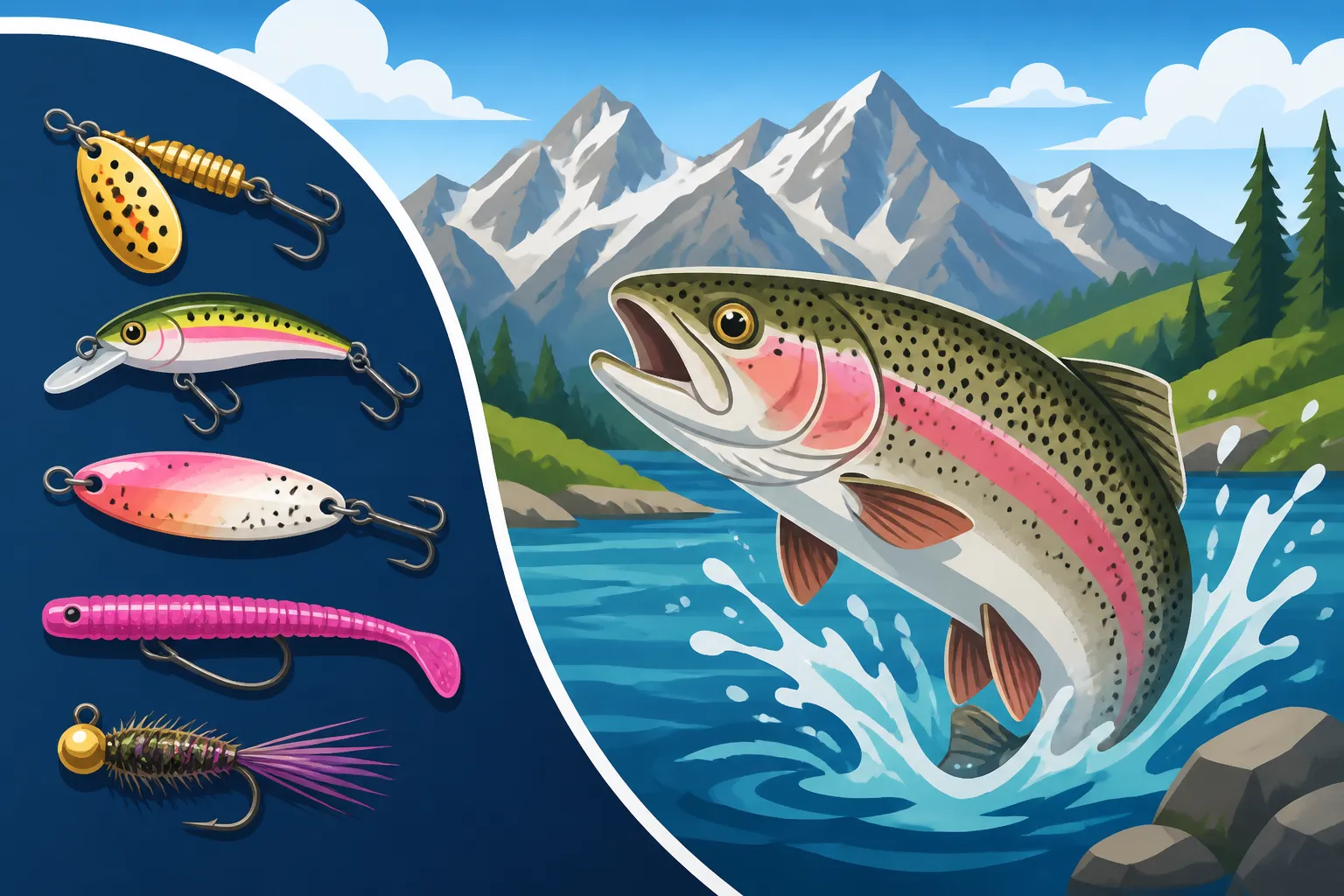
Inline spinners are arguably the most iconic and effective lures for rainbow trout. Their simple design—a blade that rotates around a central shaft—creates an irresistible combination of flash and vibration in the water, mimicking fleeing baitfish or a struggling insect. Brands like Mepps, Panther Martin, and Rooster Tail are household names for a reason; their consistent performance is legendary. For rainbow trout in Wyoming, I usually stick with sizes ranging from 0 to 3. Smaller sizes (0-1) are perfect for clear, low-flow streams or when trout are particularly finicky. Larger sizes (2-3) excel in faster currents, stained water, or when you're targeting bigger fish in reservoirs.
The key to inline spinners is finding the right retrieve speed. You want to reel just fast enough for the blade to spin consistently, creating that captivating flash and throb. Vary your retrieve, adding occasional pauses or twitches, to trigger strikes from hesitant fish. Colors matter too: silver and gold blades are staples, imitating common baitfish. Painted blades in chartreuse, orange, or black can be deadly in stained water or on overcast days. Remember that even on popular retail sites like Amazon, you can find multipacks with a good variety of colors and sizes, which is a great way to stock up without breaking the bank.
Spoons: Wobble, Flash, and Versatility
Fishing spoons are another time-honored classic that rainbow trout simply can't resist. Their unique wobbling action as they fall or are retrieved imitates a wounded baitfish, making them an easy target. Spoons are incredibly versatile, working well in both still and moving water, and for both casting and trolling. Popular choices include the Kastmaster, Daredevil, and Little Cleo. For Wyoming rainbows, I typically use spoons in the 1/8 to 1/4 ounce range. Lighter spoons are fantastic for casting across small streams, while heavier ones get down faster in deeper lakes or swifter river sections.
The appeal of a spoon lies in its erratic action. When casting, let it sink for a few seconds before starting your retrieve, varying the speed from slow to fast, and adding jerks or pauses. On the pause, the spoon flutters enticingly, often triggering strikes. For trolling in reservoirs like Flaming Gorge or Jackson Lake, spoons can be deadly, especially when paired with a downrigger to present them at the right depth. Silver, gold, and brass finishes are excellent for bright days, while spoons with red-and-white or blue-and-silver patterns can be incredibly effective in a variety of conditions. Don't underestimate the power of a simple, well-presented spoon.
Specialty Lures for Different Water Conditions
While the classics are great, Wyoming's diverse fisheries—from crystal-clear alpine lakes to wide, silty rivers—call for a more specialized approach sometimes. Having a few different types of lures that excel in specific conditions can make all the difference, turning a slow day into a memorable one.
Crankbaits and Jerkbaits: Mimicking Baitfish
When rainbow trout are actively feeding on baitfish, or in waters where larger forage is present, crankbaits and jerkbaits become incredibly effective. These lures are designed to imitate small fish, diving to specific depths and exhibiting a darting or wobbling action. Brands like Rapala are synonymous with these types of lures, with their Countdown and Original Floater models being particular favorites. For rainbows, smaller crankbaits, typically 1.5 to 3 inches long, are most effective.
The beauty of crankbaits is their ability to reach specific depths. Shallow-diving models are great for fishing flats or near shorelines, while deep-diving versions can get down to where trout are holding in deeper pools or along underwater structures in lakes. Jerkbaits, on the other hand, are often suspended in the water column and are worked with a series of jerks and pauses, mimicking a struggling baitfish perfectly. This stop-and-go action can be absolutely irresistible to an aggressive rainbow. Colors that mimic local baitfish (silver, gold, browns, greens) or vibrant "attractor" patterns (chartreuse, firetiger) are good starting points. You might find a good selection for different diving depths and colors when browsing on Amazon.
Soft Plastics and PowerBait: Scent and Subtle Presentation
Sometimes, trout just aren't interested in chasing a flashy spinner or a darting crankbait. This is especially true for highly pressured fish, or those in cold water where their metabolism is slow. This is where soft plastics and the ever-popular PowerBait shine. These lures rely heavily on scent, realistic texture, and subtle movement to entice strikes. For rainbow trout, small worm imitations (like Berkley Power Worms or Gulp! Minnows), trout nuggets, or classic PowerBait dough are incredibly effective.
When using soft plastics, presentation is key. Small jigs tipped with a grub or a worm, fished slowly along the bottom or under a bobber, can mimic nymphs or small prey. The scent factor is what often pushes hesitant fish to commit. PowerBait, in particular, is a game-changer for many anglers, especially when targeting recently stocked rainbow trout. Its strong scent and buoyant nature allow it to float off the bottom, presenting a tantalizing target. These are often fished with a small treble hook and a sliding sinker, allowing the fish to take the bait without feeling immediate resistance. This subtle, scent-driven approach can be incredibly effective in slower-moving water, ponds, and reservoirs, or when you're just learning spin fishing techniques for beginners.
The Art of Matching Lures to Prey
Successful trout fishing often boils down to presenting something that looks, smells, or acts like what the fish are already eating. This concept, often called "matching the hatch" in fly fishing, applies equally to spin fishing with lures. Understanding the primary food sources available to rainbow trout in a given body of water will significantly improve your chances of choosing the right lure.
Mimicking Aquatic and Terrestrial Insects
In Wyoming's numerous rivers and streams, rainbow trout are constantly on the lookout for insects. This isn't just about what's hatching; it's also about what's drifting underwater. Small inline spinners with muted colors (brown, olive, black) or even a small, weighted fly tied behind a clear casting bubble can effectively imitate larger nymphs or drowned terrestrial insects like grasshoppers. Think about the size and general color of the bugs you see around the water. Are there big stoneflies crawling on rocks? A black or brown spinner might be the ticket. Are small caddisflies buzzing about? A tiny, dull-colored spinner or even a micro jig could work.
For surface action, especially during summer evenings when grasshoppers are plentiful or when there's a good hatch of larger insects, a small popper or a floating crankbait with a bug-like profile can be surprisingly effective. The key is observation. Spend a few minutes watching the water before you cast. Are fish rising? What do the naturals look like? While you can't perfectly replicate every insect with a spin lure, you can certainly offer a convincing enough imitation in terms of size, general color, and movement to pique a rainbow's interest.
Imitating Baitfish and Eggs
In many of Wyoming's larger reservoirs and even some of its bigger rivers, rainbow trout rely heavily on small baitfish like shiners, dace, or juvenile suckers. In these scenarios, lures that mimic baitfish are paramount. Slender spoons in silver or gold, small crankbaits that dive to the appropriate depth, and realistic soft plastic swimbaits are all excellent choices. The size of the lure should generally match the size of the prevalent baitfish. If you see schools of small minnows, use a smaller lure. If larger forage is present, don't be afraid to go a bit bigger.
Furthermore, in specific seasons and locations, fish eggs become a crucial food source. For example, during the fall spawn of kokanee salmon or lake trout, rainbows will gorge themselves on loose eggs. This is where lures designed to imitate eggs, such as bright orange or pink PowerBait eggs, small egg-pattern soft plastics, or even tiny fluorescent beads on a leader, can be incredibly effective. Understanding the local forage base and seasonal shifts in diet, for example, during Wyoming fall fishing for migrating browns, will give you a significant edge in lure selection.
Seasonal Considerations for Lure Selection
Wyoming's seasons are dramatic, and each one brings unique challenges and opportunities for rainbow trout fishing. The lures that excel in spring runoff will likely be different from those that produce in the heat of summer or the chill of late fall. Adapting your lure selection to the time of year is critical for consistent success.
Spring and Runoff Season Tactics
Spring in Wyoming often means rising water temperatures and, eventually, runoff from melting snow. Early spring, before significant runoff, can be fantastic. Trout are emerging from winter sluggishness, often feeding aggressively. Small, flashy inline spinners (size 1 or 2) in silver or gold, retrieved slowly, can be very effective. As water temperatures continue to climb, a greater variety of lures become viable.
When runoff hits, water levels rise, and clarity decreases. This can make fishing tough, but it's not impossible. During this time, trout often move to slower, more protected areas along the banks or in eddies, where they can ambush food without fighting strong currents. For these conditions, contrast and vibration are key. Use larger, brightly colored inline spinners (chartreuse, orange, or firetiger patterns) or spoons that stand out in the murky water. The increased vibration will help trout locate your lure by feel rather than sight. Heavier lures will also help you get down through the turbulent water more effectively. Our guide on Wyoming spring fishing: what to expect has more detailed insights on navigating this challenging but rewarding season.
Summer and Fall Fishing Approaches
Summer brings warmer water, prolific insect hatches, and generally more active fish. This is often when rainbows are willing to chase a wider variety of lures. In rivers, classic inline spinners remain a top choice. Small crankbaits that mimic minnows can also be very effective, especially in deeper pools or faster runs. In clear, high-elevation lakes, smaller, more natural-colored lures or even micro jigs tipped with a small soft plastic can entice wary fish. When the fish are rising to dry flies, remember that a small spinner can sometimes get a reaction strike even if it's not a perfect match.
As fall approaches, water temperatures begin to drop, and many trout species, including rainbows and brown trout, begin their spawning migrations. This can trigger aggressive feeding. Larger spoons and crankbaits that imitate baitfish become particularly effective, as trout try to pack on calories for the coming winter. Colors can become more vibrant, with orange, red, and gold often producing well, especially if there are kokanee salmon in the area. Fishing during this time often means targeting deeper holes or areas where fish congregate before spawning. Read our guide on Wyoming summer fishing: peak season tips for maximizing your warm-weather outings, and for targeting those fall fish, check out Wyoming fall fishing for migrating browns.
Essential Tips for Rigging and Presenting Your Lures
Having the best lures for Wyoming rainbow trout is only half the battle. Knowing how to rig them properly and, more importantly, how to present them effectively, is what truly separates successful anglers from those who leave empty-handed. Small details in your setup and retrieve can make a huge difference.
Terminal Tackle and Line Selection
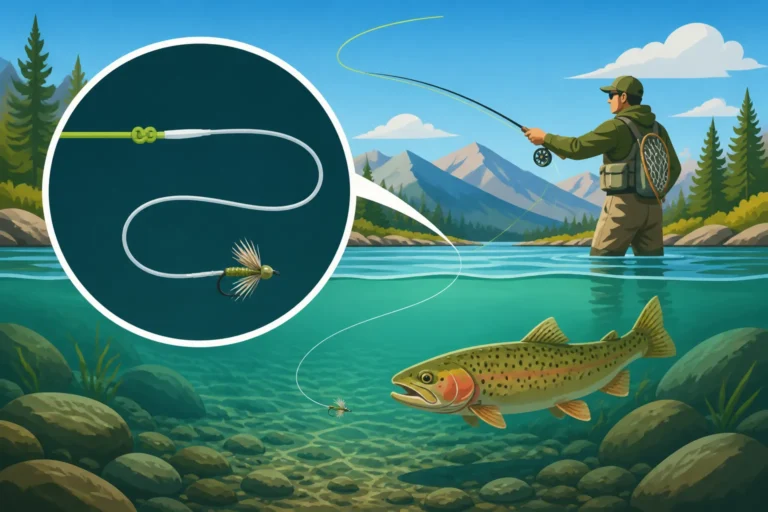
Your terminal tackle (everything from your main line to your hook) is just as important as the lure itself. For rainbow trout, lighter lines are generally preferred, especially in clear Wyoming waters. Four to six-pound test monofilament or fluorocarbon is a good all-around choice. Fluorocarbon is nearly invisible underwater and has less stretch, offering better sensitivity. Monofilament is more forgiving with knots and a bit more visible. Many anglers use a main braid line (which offers great casting distance and strength) with a fluorocarbon leader (for stealth).
When connecting your lure, a small, high-quality snap swivel can prevent line twist, especially with inline spinners. However, some anglers prefer a direct knot to the lure for a more natural presentation, especially with spoons and crankbaits. Ensure your knots are strong and tied correctly. Carrying a variety of small split shot weights and bobbers can also be incredibly useful for adjusting lure depth and presentation, allowing you to fine-tune your approach depending on the water conditions and fish behavior. Remember that you can always find excellent quality terminal tackle from online retailers like Amazon.
Mastering Your Lure Presentation and Retrieve
Once your lure is tied on, the real artistry begins with your presentation and retrieve. This is where you bring the lure to life and entice those hungry rainbows. For inline spinners, a steady retrieve that keeps the blade spinning is fundamental, but don't be afraid to vary it. Add short pauses, quick accelerations, or gentle twitches to mimic a struggling baitfish. For spoons, a "lift and drop" technique, allowing the spoon to flutter on the fall, is incredibly effective, especially in deeper water.
Crankbaits and jerkbaits benefit from an erratic retrieve. Cast them out, let them dive, and then reel them in with a series of jerks, pauses, and different speeds. This makes them look like a confused or injured baitfish, triggering a predatory response. When fishing soft plastics or PowerBait, the key is often a slow, subtle approach. Let the current do some of the work, or retrieve just fast enough to impart a little action, focusing on keeping the bait in the strike zone for as long as possible. Always be mindful of the current and water structure, learning to read riffles and runs on Wyoming trout streams to place your lure exactly where a trout might be holding.
Final Thoughts on Lure Selection for Wyoming Rainbow Trout
Ultimately, there's no single "magic" lure that works all the time for Wyoming rainbow trout. The most successful anglers are those who are observant, adaptable, and willing to experiment. Start with the classics, but don't be afraid to try something different if the fish aren't biting. Pay attention to water conditions, fish behavior, and the season. What works on the North Platte River might not be ideal for a high-alpine lake.
Always carry a variety of lures in different sizes and colors, and be prepared to change them until you find what the fish are keying in on. The joy of fishing lies in the challenge and the discovery, and every time you successfully crack the code to what the rainbows want, it’s a victory. Just remember to handle your catch with care, especially if you plan on releasing them; our guide on how to handle a trout to keep it alive after release can help with that. Happy fishing, and may your lines be tight!
Disclaimer
Fishing regulations can change frequently. Always consult the latest Wyoming Game and Fish Department regulations booklet before heading out to fish. This article is for informational purposes only and does not supersede official regulations.