Do You Need Waders to Fish Wyoming Rivers in Spring?
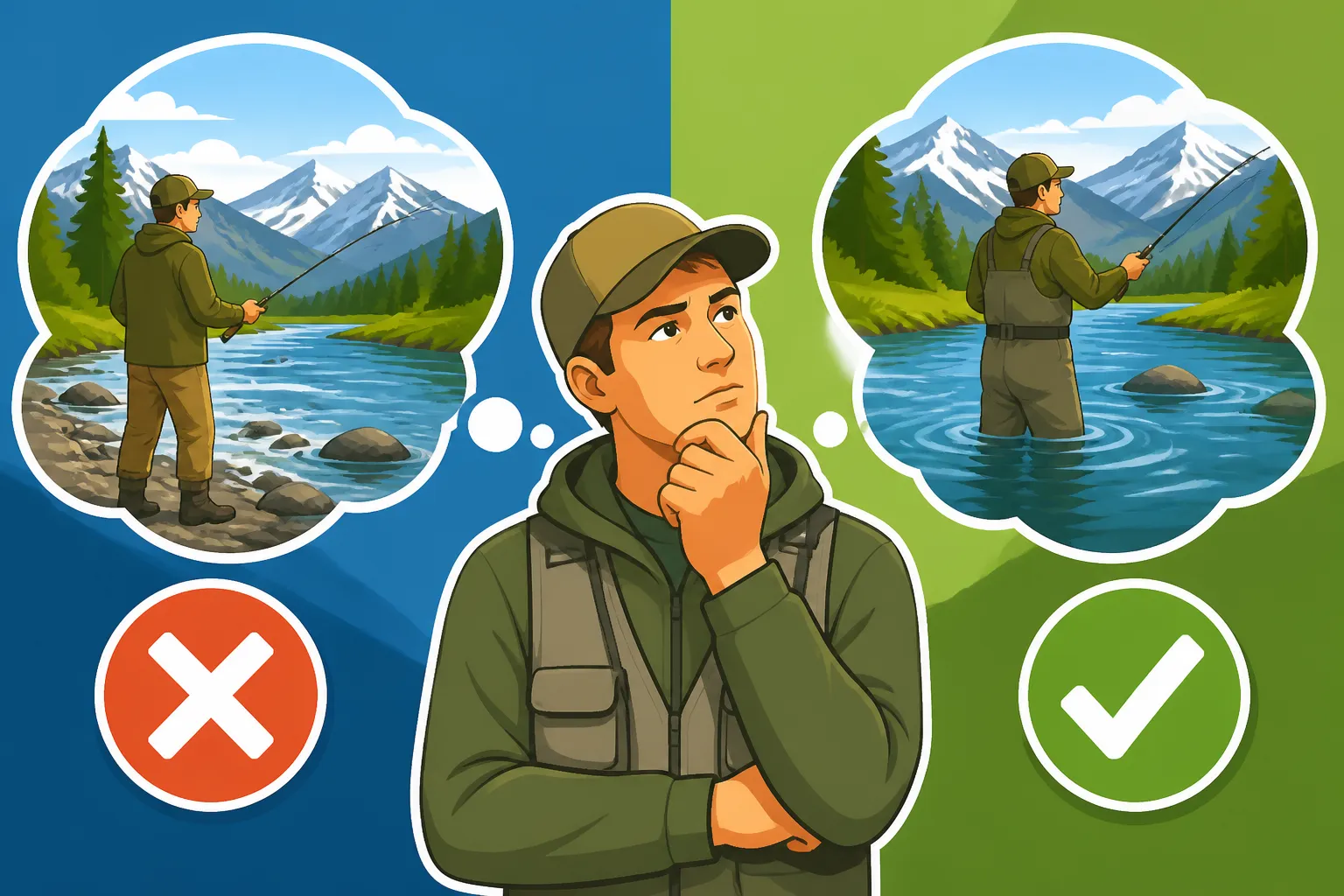
The crisp air, the budding cottonwoods, and the anticipation of hungry trout after a long winter make spring fishing in Wyoming an absolutely magical, albeit sometimes brutal, experience. One question that inevitably crops up as you're gearing up is about waders: "Do I really need them for spring fishing in these rivers?" Trust me, you're not alone in pondering this, especially when the sun's shining, but stepping into those icy, snowmelt-fed waters without proper protection can quickly turn a dream day into a miserable, even dangerous, one. This guide will dive deep into why waders are, for all practical purposes, a non-negotiable piece of equipment for safely and comfortably chasing trout on Wyoming's rivers in the spring.
Understanding Wyoming's Spring Fishing Conditions
Before we even talk about waders, it’s crucial to wrap our heads around what "spring" truly means for fishing in Wyoming. It's not like spring in, say, the deep South. Here, spring is a dynamic, often volatile season that dictates much about where and how we can fish.
The Reality of Runoff and Water Temperatures
When we talk about spring in Wyoming, we're talking about runoff. As the vast snowpacks in the mountains begin to melt, rivers swell, often becoming roaring torrents of frigid, muddy water. This period usually kicks into high gear from mid-May through June, but earlier spring months like April can still see significant cold water events, especially during warm spells that accelerate snowmelt. The water temperatures, even on sunny days, rarely climb above the low 40s Fahrenheit in many of our blue-ribbon rivers like the North Platte or the Snake. Think about that: 40-degree water is bone-chilling cold. Prolonged exposure can lead to hypothermia much faster than you might realize, even if the air temperature feels pleasant. This is a critical factor for anyone contemplating How Cold Is Too Cold to Fish in Wyoming?. Even if the river isn't in full flood during early spring, the water is still directly sourced from snowmelt and groundwater, keeping it relentlessly cold.
Variable Weather and Changing Conditions
Wyoming's spring weather is famously fickle. You can start your day with bluebird skies and temperatures in the 50s, only for a sudden afternoon squall to roll in, bringing snow, sleet, or freezing rain and dropping temperatures dramatically. One moment you're comfortable in a fleece, the next you're wishing you had your winter parka. This unpredictability means you always need to be prepared for the worst conditions, even if the forecast seems optimistic. Imagine standing in a cold river, feeling a chill start to creep in, and then a cold front hits. Without adequate protection, you'll be heading back to the truck much sooner than planned. This kind of weather variability is a hallmark of Wyoming Fishing Seasons Month by Month, particularly in spring. You might even find yourself encountering conditions that feel more like winter, which is why understanding How to Dress for Winter Fishing in Wyoming can be beneficial for spring outings as well.
Why Waders Are (Almost Always) Essential for Spring Fishing
Given the conditions described above, it becomes clear why waders aren't just a convenience item; they're a fundamental piece of safety and functional gear for spring angling.
The Crucial Role of Thermal Protection
The primary, undisputed reason for wearing waders in Wyoming's spring rivers is thermal protection. Good waders, particularly breathable models with proper layering underneath, create a crucial barrier against the extreme cold of the water. Neoprene waders offer even more insulation, though they can be less breathable. Without waders, even standing in shallow water for a short period will quickly numb your legs and feet. This isn't just uncomfortable; it's genuinely dangerous. Hypothermia impairs judgment and motor skills, turning a minor stumble into a serious incident.
Think of waders as your personal, portable drysuit for keeping your lower body warm and dry. They allow you to focus on your fishing, rather than constantly battling the cold. High-quality breathable waders from brands like Simms or Orvis, or even more budget-friendly options found on Amazon, are designed to keep you warm with proper layering, while also allowing sweat vapor to escape, preventing clamminess. This balance is key for comfort during a full day of active fishing.
Maximizing Access and Angling Opportunities
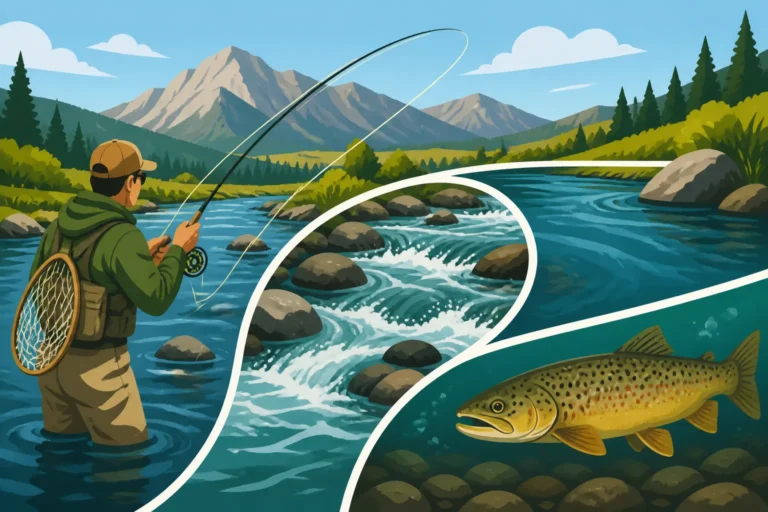
Many of Wyoming's best trout streams are simply not fishable from the bank alone, especially during spring runoff. High water levels often obscure normal bank access, and the most productive holding water for trout is frequently out of casting range from shore. Waders allow you to safely wade into the river, accessing gravel bars, riffles, and seams where trout are actively feeding. Being able to wade gives you a much better angle to present your flies or lures, whether you're nymphing a deep run or swinging a streamer.
Consider a famous stretch like The Miracle Mile Stretch of Wyoming's North Platte River. While some bank access exists, the prime fishing lies within the river itself. Waders are indispensable for exploring its diverse structure and reaching those trophy browns. Without them, you're severely limiting your ability to explore the best parts of the fishery and effectively present your offerings. This enhanced mobility and access often translates directly into more hookups and a more rewarding day on the water.
Safety Considerations Beyond Comfort
Beyond just staying warm, waders also play a critical role in safety. When you're wading in a powerful spring river, stability is paramount. Wading boots, which are designed to be worn over waders, provide superior grip on slippery rocks compared to regular shoes or even rubber boots. A stout wading belt worn snugly around your waist will prevent your waders from filling completely with water should you take an unexpected plunge. This can be a lifesaver, as a water-filled wader can become an immediate anchor, making it incredibly difficult to regain your footing or swim.
Furthermore, a wading staff is a highly recommended accessory for spring fishing, especially when navigating swift currents or turbid waters during Fishing Wyoming During Spring Runoff. It provides a crucial third point of contact and helps you feel for hidden obstacles or sudden drops in depth. Always exercise extreme caution during runoff; high water and strong currents can be dangerous even with the best gear. Learning How to Read Water When Trout Fishing becomes even more vital during these conditions to identify safe wading lanes and avoid treacherous areas. Even if Is Wading Allowed on the Miracle Mile? and other popular spots, always prioritize safety.
When You Might Get Away Without Waders (And the Risks Involved)
Let's be realistic. While I wholeheartedly advocate for waders in spring, there are rare, specific scenarios where an angler might attempt to fish without them. However, it's crucial to understand the severe limitations and increased risks involved. These are generally exceptions, not the rule.
Extremely Warm Days or Very Shallow, Slow Water
On a truly exceptionally warm, late-spring day, say in early June when air temperatures are pushing 70 degrees and the water levels are beginning to recede, you might consider wet wading. This typically involves wearing quick-drying pants, sturdy wading boots (or old sneakers), and perhaps neoprene socks. This only works in very specific conditions:
- Air Temperature: Consistently warm enough that even if your legs are wet, your core temperature remains stable.
- Water Temperature: Still cold, but not so cold that immediate incapacitation is a risk. Even 50-degree water can still induce hypothermia after prolonged exposure.
- Water Depth and Current: You must be absolutely certain you will not be stepping into water deeper than your boots. This means fishing only the very shallowest edges of the river, or extremely small, slow-moving creeks.
- Duration: This is a strategy for very short outings, not an all-day affair.
The risks here are obvious. A sudden cloudburst, an unexpected deep step, or simply misjudging the water temperature can quickly lead to discomfort, shivering, and the decision to cut your trip short. Plus, wading boots alone offer minimal insulation compared to waders. For most anglers, the momentary thought of avoiding waders is quickly dispelled by the first icy splash.
Bank Fishing Only – A Limited Approach
Another scenario where waders aren't strictly necessary is if you commit to fishing exclusively from the bank. This is certainly an option on some lakes and reservoirs, or on certain stretches of river with ample public bank access and no need to wade out. However, for many of Wyoming's prime trout rivers, especially during spring, this severely limits your angling effectiveness.
During runoff, fish often move out of the main, fast current and into slower, deeper eddies, seams, and backwaters that can be difficult to reach from the bank. You'll miss out on prime opportunities and significantly reduce your casting angles. While there are certainly fish to be caught from shore, you're often targeting less active fish or those in less productive water. For a truly immersive and effective spring river fishing experience, bank-only fishing is usually a compromise that leaves you wanting more. It's a bit like driving a sports car but only ever using first gear – you're missing out on the full potential. This limitation is particularly apparent when you consider How to Fish Muddy Water During Runoff, where often the only clear water accessible might require wading.
Alternatives for the Barely-Willing Angler
If you absolutely, positively refuse to wear waders, what are your "alternatives"? The short answer is: none are truly effective or safe for typical Wyoming spring river fishing.
- Tall Rubber Boots: These will keep your feet dry up to your knees, but that's about it. Step in anything deeper, and you're soaked. They offer no thermal protection above the knee and are cumbersome for serious wading.
- Waterproof Pants and Regular Boots: This is essentially the same as rubber boots but even less effective. Waterproof pants are designed for rain, not for immersion. Water will inevitably seep in, and once wet, cotton or denim pants will rapidly wick away body heat, increasing the risk of hypothermia. Plus, regular hiking boots offer poor traction on slippery riverbeds.
Ultimately, trying to bypass waders for spring river fishing in Wyoming is akin to trying to hike in the mountains without sturdy boots: you can do it, but you'll be uncomfortable, inefficient, and potentially put yourself at risk. It’s far better to invest in the right gear and enjoy your time on the water.
Choosing the Right Waders and Gear for Wyoming Spring
Okay, so you’re convinced (or at least leaning towards) waders. Now, which ones? The market is vast, but for Wyoming's challenging spring conditions, focusing on durability, warmth, and proper fit is key.
Material Matters: Breathable vs. Neoprene
When it comes to waders, your primary choice will be between breathable and neoprene materials. Both have their place, but one tends to be better suited for the dynamic nature of Wyoming spring.
- Breathable Waders: These are typically made from Gore-Tex or similar multi-layered synthetic fabrics. They are excellent for active fishing, walking, and changing air temperatures because they allow perspiration to escape, keeping you dry from the inside out. For spring in Wyoming, breathable waders are often the preferred choice. You layer underneath them (more on that in a moment), which allows you to adjust your insulation as conditions change. Brands like Orvis, Simms, or Patagonia offer top-tier breathable options, but you can find solid, more affordable pairs on Amazon from brands like Caddis or Frogg Toggs.
- Neoprene Waders: Made from the same material as wetsuits, neoprene waders offer superior insulation. They are fantastic for very cold water or extremely cold air temperatures, and are often favored by ice anglers (though not directly the same as what you might wear for What to Wear Ice Fishing in Wyoming). The downside is that they don't breathe. If you're hiking a distance to your fishing spot or the air temperature warms up, you'll quickly get sweaty and clammy inside, which can actually make you colder once you stop moving. For active spring river fishing, where you might be walking and casting, neoprene can often be too warm and quickly lead to discomfort.
For general spring river fishing in Wyoming, breathable waders with appropriate layering are usually the more versatile and comfortable choice.
Here's a quick comparison:
| Feature | Breathable Waders | Neoprene Waders |
|---|---|---|
| Material | Gore-Tex, Toray, proprietary multi-layer synthetics | Neoprene (various thicknesses: 3mm, 5mm) |
| Insulation | Low inherent insulation; relies on layering underneath | High inherent insulation |
| Breathability | High; allows sweat vapor to escape | Low; traps moisture inside, can lead to clamminess |
| Comfort | Excellent for active use, adjustable with layering | Very warm in cold water, but can be bulky and cause sweating |
| Flexibility | Generally more flexible and less restrictive | Can be stiff and less flexible, especially thicker models |
| Durability | Good, but susceptible to punctures; often repairable | Excellent against snags; punctures harder to repair perfectly |
| Best For | Active wading, varying spring temperatures, longer days | Very cold water, static fishing, ice fishing |
| Wyoming Spring | Generally Recommended | Limited use for active river fishing; good for extreme cold |
Layering for Success Under Your Waders
This is perhaps the most critical aspect of staying warm and comfortable in breathable waders. You don't just put waders on over your jeans. Proper layering traps heat, wicks moisture, and allows you to adapt.
- Base Layer: Start with a moisture-wicking synthetic or merino wool base layer. Avoid cotton at all costs, as it absorbs moisture and loses its insulating properties when wet. This layer goes directly against your skin.
- Mid-Layer: Over your base layer, wear a fleece pant or a synthetic insulated pant. These provide the bulk of your thermal insulation. Depending on how cold the water is and how active you plan to be, you might choose a lighter or heavier fleece.
- Socks: Again, synthetic or merino wool. Wear at least one pair, possibly two, with the outer pair being thicker and designed for warmth. Many anglers prefer thin liner socks with a thicker wool sock over them. Your feet will thank you!
Remember, you're building a system, and each layer has a job. If you neglect layering, even the best breathable waders won't keep you warm when How Water Temperature Affects Trout Feeding (and your comfort levels!).
Essential Accessories: Wading Boots, Belts, and Staffs
Your waders are only part of the equation. Several essential accessories complete your setup for safe and effective spring fishing.
- Wading Boots: These are worn over your waders and are specifically designed for traction in river environments. Look for boots with sticky rubber soles, which provide excellent grip on wet rocks, or felt soles (though felt is banned in some areas due to invasive species concerns, always check local regulations). Many models also have studs for added grip. Investing in good wading boots is just as important as investing in good waders; they are your foundation. Brands like Patagonia, Orvis, and Simms make durable wading boots, and you can also find a variety on Amazon.
- Wading Belt: This is not optional. A wading belt should always be worn snugly around your waist, just above your hips. Its primary purpose is safety: if you fall and your waders fill with water, the belt slows the ingress of water, preventing your waders from turning into an anchor and giving you precious seconds to regain control or get to shore. It also helps keep your waders up and prevents chafing.
- Wading Staff: A collapsible wading staff is an invaluable safety tool, especially when wading in unfamiliar water, swift currents, or turbid conditions. It acts as a probe to feel for depth changes, slippery spots, or submerged obstacles. It provides an extra point of contact with the river bottom, significantly increasing your stability and confidence, especially during periods of Fishing Wyoming During Spring Runoff. This simple tool can prevent a nasty fall and is a small investment for a huge gain in safety.
By considering these factors and outfitting yourself with the right gear, you'll be well-prepared to tackle Wyoming's beautiful, albeit chilly, spring rivers, making for a much more enjoyable and productive fishing experience.
Disclaimer
Please note that fishing regulations, conditions, and safety recommendations can change. Always consult the most current Wyoming Game and Fish Department regulations before heading out. Fishing in rivers, especially during high flows, carries inherent risks. Always prioritize your safety.