Streamer Fishing for Wyoming Brown Trout
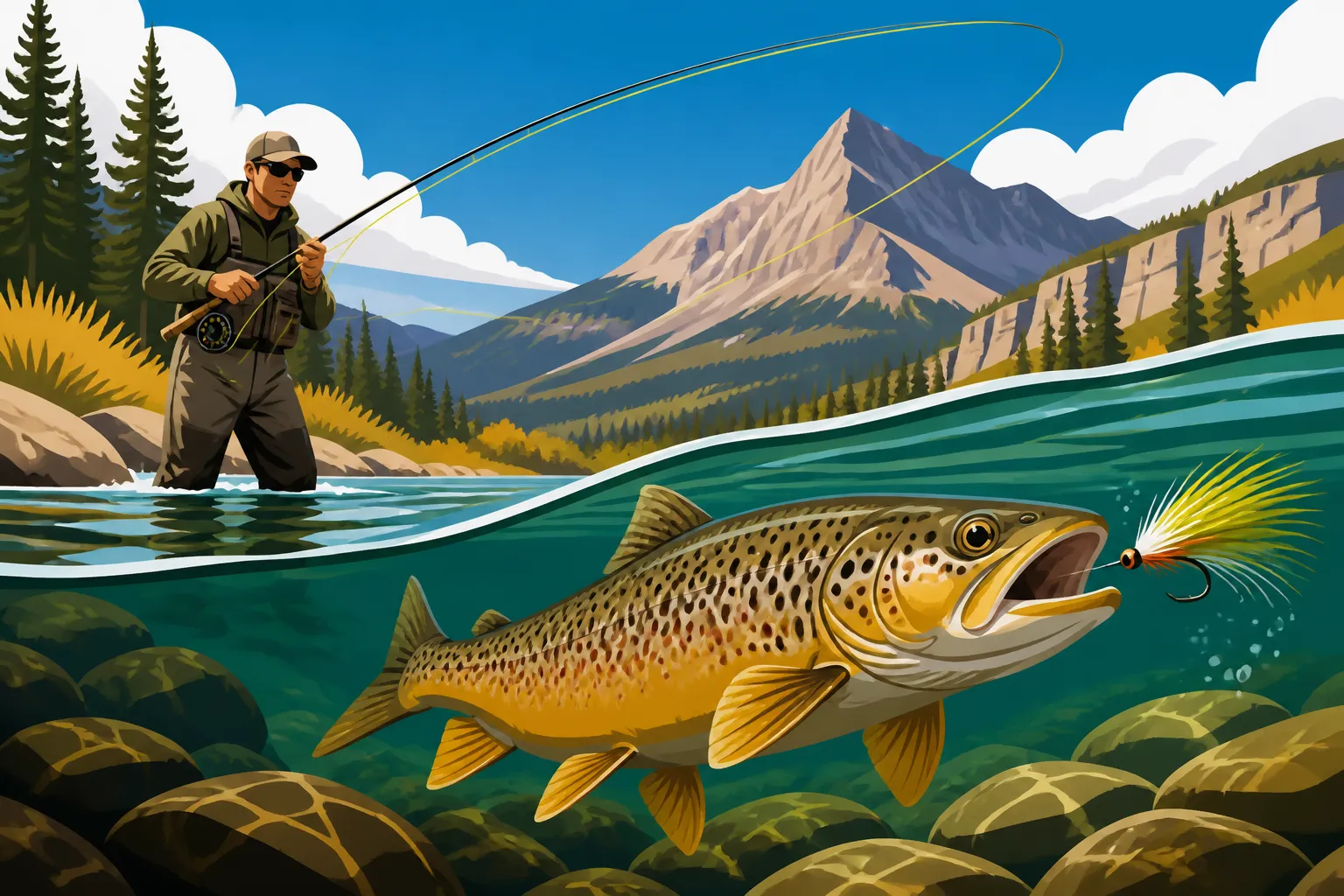
The thrill of chasing large brown trout in Wyoming's rivers is something every angler dreams of, but these magnificent fish are often elusive, preferring to ambush prey from deep, dark hideouts. If you've ever felt the frustration of casting perfect dry flies only to come up empty in prime brown trout territory, you're not alone. This comprehensive guide is dedicated to unlocking the power of streamer fishing, a dynamic and incredibly effective technique designed to provoke those aggressive browns into striking, helping you hook into that trophy fish of a lifetime.
Understanding Wyoming Brown Trout Behavior for Streamer Fishing
Before you even tie on your first streamer, it's crucial to understand the mindset of a brown trout. These aren't your typical leisurely sippers; they are formidable predators, and once you grasp their habits, you can better present your offering.
Aggressive Nature and Feeding Habits
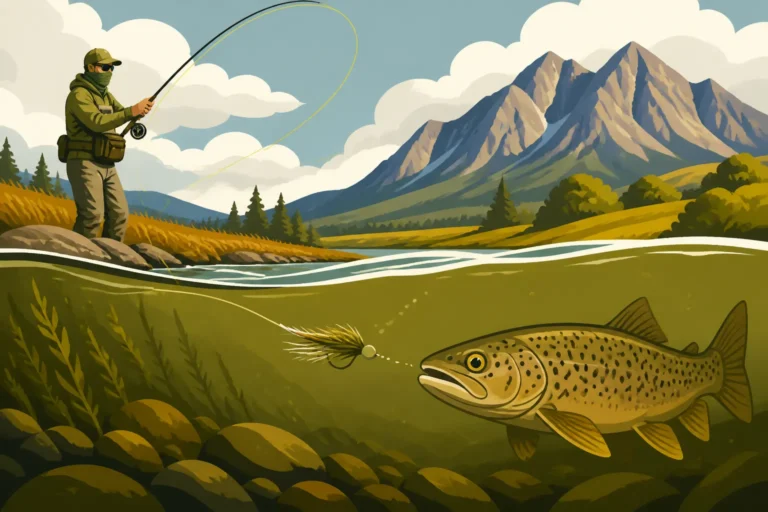
Brown trout, especially the larger specimens, are opportunistic and highly aggressive feeders. They often hold the apex predator role in many river systems, viewing anything smaller than them as a potential meal. This predatory instinct is precisely what makes streamer fishing so incredibly effective. Unlike delicate dry flies mimicking tiny insects, streamers imitate baitfish, leeches, crayfish, or other substantial forage that a big brown trout simply can't resist. They aren't just "eating" a streamer; they're attacking it. You'll notice this heightened aggression particularly during certain times of the year, like the pre-spawn and spawn periods in the fall, when their metabolic needs increase, and territorial instincts kick in. It's during these times that a properly presented streamer can trigger some of the most violent strikes imaginable.
Their diet is varied but heavily skews towards larger protein sources as they grow. While smaller browns might still occasionally rise to a well-placed dry fly or pick off nymphs, a truly large brown trout is looking for a substantial meal. Think sculpins darting from rocks, minnows flickering in the current, or even small juvenile trout from other species. Streamers, with their pulsing, lifelike movements, tap directly into this ingrained hunting behavior. The key is to make your fly look like a vulnerable, fleeing, or injured food source that's just too easy to pass up.
Preferred Lies and Habitat
Brown trout are masters of their environment, intimately familiar with every rock, log, and current seam that provides cover and a feeding advantage. When you're streamer fishing, you're not just casting randomly; you're intentionally targeting these prime locations where brown trout lie in wait. Look for deep pools, especially those with significant underwater structure like large boulders, submerged logs, or ledges. Undercut banks are another classic brown trout hideout, offering both protection from overhead predators and a current break to conserve energy while they wait for prey to drift by.
Seams where fast water meets slow water are also crucial. Browns will often position themselves in the slower water, just out of the main current, allowing them to dart into the faster flow to intercept food. Tailouts of pools, where the water shallows and speeds up, can also hold aggressive fish. Rocky riffles and runs, while often associated with rainbow trout, can also harbor browns that are actively hunting. Mastering the art of How to Read Water When Trout Fishing is paramount here, as it allows you to identify these high-percentage spots before you even make your first cast, saving you time and increasing your chances of success.
When Brown Trout Are Most Active for Streamers
Timing is everything when it comes to streamer fishing for brown trout. While streamers can technically catch fish year-round, certain conditions amplify their effectiveness, playing directly into the brown trout's predatory nature. Historically, the best times are often during low light conditions – dawn, dusk, and even into the night (where legal and safe). Overcast days or periods of inclement weather, such as light rain or snow, can also be highly productive, as the reduced light penetration makes fish feel more secure and less wary.
However, the absolute prime time for targeting trophy brown trout with streamers in Wyoming is undoubtedly the fall. As water temperatures begin to drop in September and October, brown trout start their pre-spawn and spawning migrations. During this period, their aggression spikes, their colors intensify, and they become highly territorial and calorie-hungry. This is when they are most likely to aggressively chase and strike a large streamer. Many anglers specifically target the Fall Fishing for Browns on the Miracle Mile during this spectacular season, knowing it offers the best chance at a truly monster brown. Even into early winter, as water temperatures continue to drop, brown trout will often remain active, especially in deeper, slower pools, making winter streamer fishing a challenging but rewarding endeavor.
Essential Gear for Streamer Fishing Wyoming Waters
Streamer fishing isn't just about big flies; it often requires a different setup than your typical dry fly or nymph rig. Having the right rod, reel, and line, combined with robust leaders and the perfect streamer patterns, will significantly improve your presentation and your ability to land powerful fish.
Rod, Reel, and Line Selection
For serious streamer fishing in Wyoming, you'll want to step up your rod game. A 6-weight, 9-foot rod is often considered the minimum, but many seasoned anglers prefer a 7-weight or even an 8-weight, especially when throwing larger, articulated streamers that can be quite air-resistant. A fast-action rod is generally preferred because it provides the power needed to cast heavy flies and punch through wind, and it also gives you the backbone to fight big, strong brown trout. While 9-foot is standard, some anglers opt for a 10-foot rod in certain situations, as the extra length can aid in mending and line control, especially when fishing from a boat.
Your reel should be robust and have a smooth, reliable disc drag system. While you might not always be fighting a fish on the reel, when a large brown decides to run, a dependable drag is critical. More importantly, ensure your reel is properly weighted to balance your chosen rod. An unbalanced setup can lead to casting fatigue and reduced accuracy. For your line, this is where things get interesting. A weight-forward (WF) floating line can work for shallower water or when you want to keep your fly higher in the water column, but for getting streamers down to where big browns live, sinking lines are often indispensable. Full-sink lines (like a Type III or Type IV) are excellent for deep pools and fast currents, ensuring your fly gets to the strike zone quickly. Sink-tip lines, which have a sinking front section spliced onto a floating running line, offer a good compromise, allowing for easier casting and line management while still getting the fly down. Many anglers also carry a spare spool with a different line type to adapt to changing conditions.
Leaders and Tippet
Forget your delicate 5X or 6X nymphing leaders for streamer fishing. You need strength and abrasion resistance when you're targeting aggressive fish that often hide in snaggy, rocky environments. A shorter, heavier leader is the norm, typically ranging from 0X to 2X. These stout leaders turn over large, weighted flies much more effectively, preventing frustrating tangles and ensuring your streamer lands where you want it. Fluorocarbon tippet is almost universally preferred for streamer fishing because of its invisibility underwater and its excellent abrasion resistance, which is vital when your fly might be bouncing off rocks or submerged timber.
A typical leader setup might be a 4-6 foot length of 0X-2X fluorocarbon directly tied to your fly line. Some anglers use a slightly tapered leader (e.g., a 7.5-foot, 0X leader) to aid turnover, but the key is keeping it short and strong. The knot you use to attach your streamer is also important. Many anglers swear by the Non-Slip Mono Loop knot (or Rapala knot) because it allows the streamer to move more freely in the water, giving it a more lifelike action. This freedom of movement can make all the difference in triggering a strike from a wary brown trout. Always check your leader and tippet frequently for nicks and abrasions, especially after catching a fish or snagging on structure, as a weak point can mean losing that trophy fish.
Streamer Patterns for Wyoming Browns
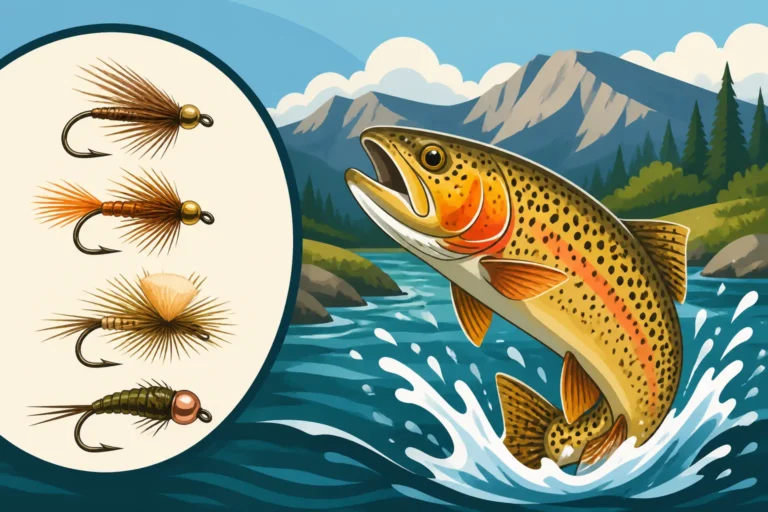
The world of streamer patterns is vast and exciting, but for Wyoming brown trout, certain styles consistently outperform others. These flies are designed to imitate larger prey items and provoke an aggressive response.
- Articulated Flies: These flies are often constructed with multiple segments (articulations), giving them an incredibly realistic, snake-like swimming action in the water. Patterns like the Sex Dungeon, Peanut Envy, Drunk & Disorderly, and various "Game Changer" designs are incredibly popular. Their articulated bodies allow for maximum movement with minimal stripping, making them irresistible to big browns. They often feature plenty of flash, rubber legs, and bulky profiles to mimic a substantial meal.
- Sculpin Patterns: Sculpins are bottom-dwelling baitfish common in many Wyoming rivers, and brown trout absolutely gorge on them. Flies designed to imitate sculpins, such as the Sculpzilla, various conehead or dumbbell-eyed sculpins, or even a simple Woolly Bugger (tied to look like a sculpin), are highly effective. These patterns often have wide, flat heads and mottled coloration to mimic the natural profile of a sculpin.
- Baitfish Imitations: Beyond sculpins, general baitfish patterns are also crucial. The Clouser Minnow, various "Sparkle Minnow" variations, and larger Woolly Buggers (especially in olive, black, or brown) are excellent choices. These flies often feature streamlined profiles, flash material, and contrasting colors to imitate the flash and movement of a fleeing minnow.
- Colors and Sizes: While natural colors like olive, black, brown, and tan are consistent producers, don't shy away from brighter colors like white, chartreuse, or even yellow, especially in off-color or high water conditions. Sizes can range from a modest #2 up to massive 4/0 hooks for truly aggressive scenarios. It's always a good idea to carry a variety of sizes and colors to match the conditions and the mood of the fish. Many anglers find it convenient to purchase a selection of these patterns online, and Amazon offers a wide array of options from various fly manufacturers, allowing you to stock up on different sizes and colors before your trip. For those who enjoy tying their own, a classic like the How to Tie a Woolly Bugger for Wyoming Rivers is an excellent starting point and highly versatile.
Mastering Streamer Techniques for Wyoming Rivers
It’s not enough to just have the right gear; knowing how to wield it effectively is what separates a casual caster from a streamer-fishing maestro. The techniques for presenting and retrieving streamers are dynamic and require practice.
Casting and Presentation
Casting heavy, air-resistant streamers can be a challenge, especially if you're used to delicate dry fly presentations. Power and precision are key. Overhead casts are standard, but often require a single or double haul to generate enough line speed to propel the fly accurately and efficiently. For situations with limited backcasting room, a powerful roll cast or a Belgian cast (often called a "snake roll" in fly fishing) can be invaluable. Accuracy trumps distance in most cases; it's better to place a shorter, precise cast into a fishy lie than to make a long, sloppy one.
When it comes to presentation, consider the water you're fishing. For targeting deep pools, you might cast slightly upstream and across, allowing the fly to sink and dead-drift for a moment before beginning your retrieve, ensuring it gets down to the fish's level. When fishing undercut banks or logjams, a precise cast that lands the fly just beyond the structure is ideal, allowing you to immediately begin stripping the fly back and tantalize any fish lurking within. Experiment with the angle of your cast – sometimes casting directly across the current is best, while other times a more downstream angle can create a seductive swing. The goal is to make your streamer appear alive and vulnerable, an easy meal for an opportunistic brown trout.
Stripping and Retrieving Methods
This is where the magic happens – imparting life into your streamer. There's no single "right" retrieve, and often, the most successful days involve constantly experimenting until you find what the fish are keying into. The most common retrieve involves a series of strips using your non-dominant hand, pulling the line in varying lengths and speeds.
- Short, Sharp Strips: Mimics a darting baitfish trying to escape. This aggressive retrieve often triggers reactionary strikes.
- Long, Slow Pulls: Can imitate a languid leech or a struggling baitfish. Effective in colder water or when fish are less aggressive.
- Erratic Retrieves: Combining short strips with longer pulls, sudden pauses, and changes in direction can mimic an injured or disoriented prey item, which browns find irresistible.
- Pauses: Don't underestimate the power of a pause. Often, a brown trout will follow a streamer, and it's the sudden stop or flutter that triggers the strike. Think about how a baitfish might dart and then pause, only to dart again. Incorporating short, deliberate pauses can be incredibly effective, especially when fishing near structure or at the end of a drift.
Remember, the goal is to make your fly look like something a brown trout wants to eat. If you're not getting bites, change your retrieve. Faster, slower, longer, shorter – constantly adjust until you crack the code.
Fishing Different Water Types
Each piece of water demands a slightly different approach when streamer fishing. Understanding these nuances will dramatically increase your success.
- Deep Pools: These are classic brown trout holding grounds. Cast your streamer upstream and across the pool, letting it sink to the desired depth before you start your retrieve. Use slower, longer strips, allowing the fly to swim deep and entice lethargic fish. The key is to cover the entire pool methodically, from the head to the tail, and especially the deepest sections. This is where mastering How to Fish a Deep Pool for Big Trout really pays off.
- Undercut Banks and Logjams: These structures are prime ambush points. Make precise casts that land your streamer just beyond the structure. As soon as it hits the water, begin an aggressive, erratic retrieve, making the fly appear to be fleeing from danger. The sudden movement often provokes a territorial strike from a brown hidden deep within the bank or logjam. Be prepared for an immediate, powerful hookup as the fish typically doesn't have far to go.
- Riffles and Runs: While these areas are often thought of as nymphing or dry fly water, streamers can be deadly here too. Cast across or slightly downstream into the faster water, letting the current swing your fly. As it swings, use short, sharp strips to add movement. The combination of the current's action and your stripping will make the streamer look incredibly lifelike. Pay close attention to the seams and eddies along the edges of these faster flows, as browns will often hold in these softer pockets, darting out into the main current to ambush prey.
Top Wyoming Waters for Streamer Fishing Brown Trout
Wyoming is a brown trout paradise, offering numerous rivers where streamer fishing can yield exceptional results. Knowing where to focus your efforts can make all the difference.
The North Platte River System
The North Platte River, particularly the stretches below Gray Reef Dam and the renowned Miracle Mile, is legendary for its large brown trout. These tailwater fisheries offer consistent water temperatures and abundant food sources, leading to a prolific population of healthy, hard-fighting fish.
The Fishing Gray Reef on Wyoming's North Platte River section, downstream from Alcova Reservoir, is a prime location. Here, the river offers a mix of deep runs, riffles, and undercut banks, all holding excellent numbers of brown trout. The consistent flows make it an ideal setting for floating, allowing anglers to cover significant water and target various holding lies. Browns here are often well-fed and aggressive, readily taking streamers.
Further upstream, The Miracle Mile Stretch of Wyoming's North Platte River is another must-visit for streamer enthusiasts. This remote, rugged section of the North Platte is known for producing truly giant brown trout, especially during the fall spawn. Its strong currents, deep channels, and abundant rock structure create perfect habitat for these apex predators. While it can be challenging to access, the rewards can be incredible. Both sections demand sturdy wading or float boat access and offer some of the best opportunities in the state for a trophy brown on a streamer.
The Green River
The Green River in Wyoming, particularly the sections below Fontenelle Dam and as it flows towards Flaming Gorge Reservoir, is another world-class brown trout fishery. This river is characterized by its clear, cold water, deep channels, and abundant insect life, which supports a robust population of trout, including sizable browns.
The section immediately below Fontenelle Dam provides excellent tailwater conditions, often producing large, powerful browns that feed heavily on baitfish and sculpins. As the river meanders, it offers a diverse array of water types, from long, slow runs to faster riffles and deep pools. Floating the Green River is a popular way to explore its vast stretches and hit productive banks. Further downstream, as it approaches Flaming Gorge, the river widens, and the brown trout tend to get even larger. Anglers exploring Fishing Wyoming's Green River Below Flaming Gorge Dam will find exceptional opportunities for streamer fishing, with many guide services specializing in float trips here. The deep, clear water demands precise presentations and a good understanding of where fish are holding, but the potential for truly massive browns is undeniable.
The Snake River
The iconic Snake River in Wyoming, especially within the Jackson Hole area and downstream from Jackson Lake Dam, is another fantastic destination for streamer fishing for brown trout. While often celebrated for its native cutthroat trout, the Snake also holds a healthy population of aggressive browns, particularly in certain sections.
Below Jackson Lake Dam, the river flows through Grand Teton National Park and into the valley, offering a mix of accessible wade fishing and prime float sections. The browns here, like their cutthroat counterparts, can be quite aggressive, especially towards larger streamers that imitate the local baitfish and smaller trout. The dynamic nature of the Snake, with its braiding channels, swift currents, and abundant logjams, provides ideal habitat for predatory browns. While many anglers focus on dry flies, throwing streamers into the deeper pockets and along the undercut banks can yield fantastic results, often hooking into the larger, more territorial fish. Float trips are particularly effective for covering significant ground and accessing prime brown trout lies that are difficult to reach otherwise. For those seeking the thrill of chasing big browns, exploring Fishing Wyoming's Snake River Below Jackson Lake Dam with streamers is a highly recommended adventure.
Other Productive Brown Trout Rivers
Beyond these celebrated rivers, Wyoming boasts numerous other streams and rivers that offer excellent, often less-pressured, opportunities for streamer fishing brown trout. The Bighorn River, particularly in its upper Wyoming reaches, holds a healthy population of browns alongside its famous rainbows. Its diverse habitat and consistent flows make it another great option for those seeking quality streamer action. The Wind River (which becomes the Bighorn further downstream) also offers promising sections with good brown trout potential, especially in areas with robust structure and deeper pools.
Smaller, lesser-known tributaries and sections of larger rivers can also surprise anglers with aggressive browns, particularly during the fall. These waters might require more exploration and a willingness to hike, but they often reward with solitude and untouched fisheries. Always consult current Wyoming Game and Fish Department regulations for specific water rules and access points, but don't be afraid to venture off the beaten path; Wyoming's vast landscapes hold countless hidden gems for the adventurous streamer angler.
Seasonal Considerations and Advanced Tactics
Streamer fishing is a year-round pursuit, but success often hinges on adapting your tactics to the specific season and conditions. Understanding how brown trout react to changes in temperature, water flow, and spawning cycles is key to consistent results.
Fall and Winter Streamer Fishing
As mentioned earlier, fall is arguably the absolute pinnacle for streamer fishing for brown trout in Wyoming. As autumn colors explode across the landscape, water temperatures begin to drop, signaling the brown trout's pre-spawn and spawning periods. During this time, male browns become incredibly territorial and aggressive, often chasing off any perceived threats to their redds (spawning beds). Their caloric needs also increase significantly. This combination makes them extremely vulnerable to large, flashy streamers. Focus your efforts on known spawning areas, but be mindful not to disturb spawning fish directly. Instead, target the deeper pools, current seams, and transition areas where aggressive browns stage before moving onto the redds.
Into the winter months, brown trout activity might slow down, but they don't stop feeding. Instead, they conserve energy and often move into deeper, slower pools, seeking out thermal refuge. Winter streamer fishing demands a more patient, methodical approach. Use slower retrieves, allowing your streamer to sink deep and spend more time in the strike zone. Darker colors (black, olive) can be very effective, imitating wintering baitfish or leeches. Warm, sunny winter days can sometimes spur a short period of increased activity. While the bites might be fewer, the fish you do hook are often strong and healthy. For a deeper dive into targeting these fish, check out Best Season to Catch a Trophy Brown Trout in Wyoming.
Spring Runoff and High Water Tactics
Spring runoff in Wyoming rivers can be a challenging time for fly anglers, as rising water levels and turbid conditions make traditional fly fishing difficult. However, this period can actually be a fantastic opportunity for streamer fishing if you know how to approach it. The high, off-color water often pushes baitfish and other forage items into the slower, softer water along the banks and in eddies, and the brown trout follow.
During runoff, focus on fishing the edges of the main current, targeting the seams where the faster, murky water meets the slower, clearer water. Use heavy, dark-colored streamers that create a strong silhouette in the turbid conditions. Black, dark olive, or even chartreuse can be highly effective. The weight of the fly is critical to get it down through the faster current. Don't be afraid to add extra weight to your leader. Aggressive, erratic retrieves can trigger reaction strikes as the browns are less able to scrutinize your fly in the lower visibility. Always exercise extreme caution when wading during high water, and if in doubt, opt for a guided float trip. For more insights on navigating these conditions, read about Fishing Wyoming During Spring Runoff.
Targeting Trophy Browns with Streamers
The ultimate goal for many streamer anglers is to land a true trophy brown trout. While luck always plays a part, there are several advanced tactics you can employ to increase your chances.
- Patience and Persistence: Big fish are not always abundant, and they are often the smartest in the river. It might take hundreds of casts to the same logjam or undercut bank before a monster brown decides to move. Fish known big-fish lies repeatedly and thoroughly.
- Go Big or Go Home: Don't be afraid to throw truly large streamers, sometimes even 6-8 inches long or more. While a small trout might ignore them, a trophy brown sees them as a substantial, irresistible meal.
- Low Light & Night Fishing: Many of the largest brown trout are primarily nocturnal feeders. Where legal and safe, fishing at dawn, dusk, or even well into the night can put you in front of the biggest fish when they are most actively hunting. Dark, silhouetted patterns are key for night fishing.
- Scent and Attraction: Some anglers experiment with adding fish attractant scents to their streamers, especially when the bite is slow or in off-color water. Products like Pro-Cure or Mike's Liquid Bait Scent can be applied directly to your fly to give it an added dimension of attraction. These, and many other fishing aids, are readily available on Amazon.
- Cover Water Methodically: Instead of rushing through a section, break it down into smaller, manageable pieces. Cast to every potential lie, from the shallowest edge to the deepest part of the run. Vary your cast angles and retrieve speeds until you find what works.
Remember, every trophy brown trout represents a lifetime of survival and cunning. It's a worthy adversary, and landing one on a streamer is a deeply satisfying accomplishment.
Streamer Patterns and Retrieval Guide for Wyoming Brown Trout
To help you get started, here's a quick reference for some of the most effective streamer patterns and their typical applications:
| Streamer Pattern | Primary Imitation | Best Conditions | Preferred Retrieve Style | Notes |
|---|---|---|---|---|
| Woolly Bugger | Leech, Sculpin, Baitfish | Versatile, clear to slightly off-color water | Slow, steady strips; erratic strips with pauses | Must-have. Varies well with weight (beadhead, conehead). |
| Sex Dungeon | Large Baitfish, Sculpin | Moderate to fast current, off-color water | Aggressive, short strips; swing and strip | Articulated, creates strong movement and profile. |
| Peanut Envy | Sculpin, Smaller Trout | Clear to slightly off-color, deeper pools | Erratic strips with pauses, subtle movements | Articulated, great natural movement. |
| Drunk & Disorderly | Injured Baitfish | Fast runs, structure, low light | Aggressive, quick strips, sharp direction changes | Designed to have erratic, "drunk" swimming action. |
| Sculpzilla | Sculpin | Bottom-hugging, rocky areas, deep channels | Short, jigging strips along the bottom | Heavy, gets down fast, realistic sculpin profile. |
| Clouser Minnow | Baitfish | Clear water, varied depths, good visibility | Erratic, jigging retrieve; quick strips | Versatile, great for mimicking fleeing baitfish. |
| Sparkle Minnow | Baitfish, Fry | All water types, good for flash appeal | Varied speeds, quick flashes, darting motions | Flashy, often effective in sunny conditions. |
Disclaimer
The information provided in this guide is for general informational purposes only and is not intended as legal advice. Fishing regulations in Wyoming can change frequently. Always consult the most current Wyoming Game and Fish Department regulations before heading out on the water. Be aware of private land boundaries and respect all posted signage. Fishing in national parks like Yellowstone and Grand Teton also has specific regulations that may differ from state regulations, so be sure to check those thoroughly. Fish responsibly and practice Leave No Trace principles.