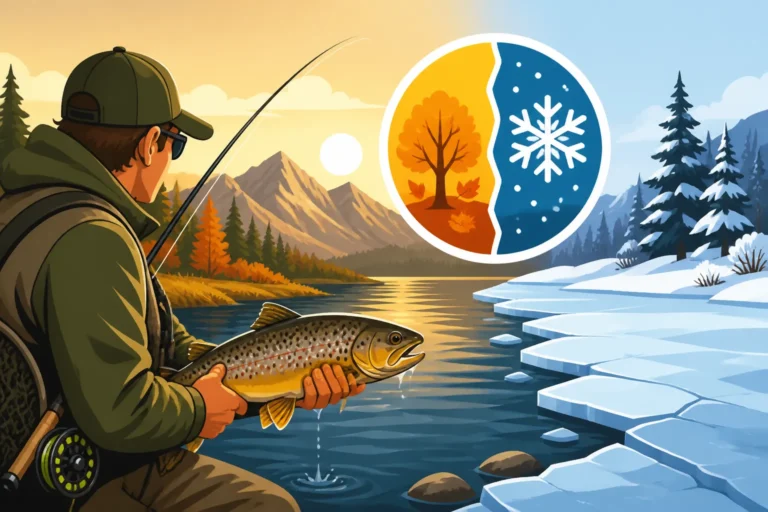
Fishing Wyoming During a Heat Wave
There's nothing quite like planning a long-awaited fishing trip to Wyoming, only for a scorching heat wave to descend, making you wonder if you should even bother wetting a line. That rising mercury can feel like a direct assault on your angling dreams, leaving you frustrated and uncertain how to salvage your outing. But don't despair! This comprehensive guide will walk you through the realities of fishing in Wyoming during a heat wave, offering practical, empathetic advice to help you adapt your approach, prioritize fish safety, and still find success.
Understanding the Impact of Heat on Fish
When the temperatures soar in Wyoming, it's not just us anglers feeling the heat. The fish below the surface are experiencing significant physiological changes, and understanding these impacts is the first step toward successful and ethical warm-weather fishing.
The Silent Threat: Water Temperature and Oxygen Levels
The most critical factor in a heat wave, especially for our beloved cold-water species like trout, is the rise in water temperature. As water warms up, its ability to hold dissolved oxygen decreases significantly. Imagine trying to run a marathon in thin air; that's essentially what fish are dealing with in warm, oxygen-depleted water. Trout, in particular, thrive in cooler, oxygen-rich environments, ideally below 65°F. When water temperatures climb above 70°F, they become severely stressed, and prolonged exposure can be lethal. Even species that tolerate warmer water, like smallmouth bass or walleye, can become lethargic and less active when conditions become extreme. It's a silent killer that can turn a seemingly normal fishing day into a death sentence for a released fish if we're not careful. You can read more about how water temperature directly affects their activity in our article, How Water Temperature Affects Trout Feeding.
Fish Behavior Shifts: Lethargy and Deeper Holds
As water temperatures climb and oxygen levels drop, fish aren't just stressed; their behavior changes dramatically. They become far less active, conserving energy by slowing down their metabolism. This means less aggressive feeding, fewer chases, and generally a "buttoned-up" demeanor. They'll actively seek out thermal refuge – pockets of cooler water where oxygen levels are higher. This could mean deeper pools, shaded areas under cut banks, the mouths of feeder creeks, or springs that introduce cold water. Instead of cruising and actively hunting, they'll hold tight to these spots, often close to the bottom, waiting for conditions to improve. This is why tossing a flashy spinner into shallow, sun-baked water during midday often yields nothing but a tan. They're just not there, or if they are, they're too sluggish to care. Our guide on What Temperature Trout Stop Biting At goes into further detail about this phenomenon.
Choosing the Right Time of Day for Success
Fishing through a heat wave often means adjusting your schedule more than your tackle box. The sun is your enemy, and the cooler parts of the day are your allies.
Embracing the Twilight Hours: Dawn and Dusk
When the sun is blazing, the best advice often comes down to this: fish early, fish late. The hours right around dawn and dusk offer a crucial window of opportunity. The water is at its coolest point, having had all night to shed some of the day's heat. This cooler water holds more oxygen, which in turn invigorates the fish, making them more active and willing to feed.
Think about it: just as the sun starts to peek over the horizon, casting those long, soft shadows, the first insects might be stirring, and the fish, having been hunkered down, are often on the prowl for an easy meal. This is when you'll find trout moving into shallower riffles or edges of lakes, taking advantage of the more comfortable conditions. The same goes for the hour or two leading up to sunset, and sometimes even into the darkness. Terrestrial insects might fall into the water, and fish feel more secure feeding under the cover of low light. These twilight hours are usually when you'll have the most consistent success and, critically, impose the least stress on any fish you catch and release. Our post on Best Time of Day to Fish in Summer Heat provides a deeper dive into this topic.
Midday Strategies: When the Sun is High
Realistically, sometimes you just can't avoid fishing during the heat of the day, whether it's because of travel schedules or group dynamics. If you must fish when the sun is high, your strategies need to become even more precise and conservative. First and foremost, prioritize fish safety above all else. If you're targeting cold-water species and the air temperature is pushing into the 80s or 90s, the water might already be too warm to justify catch-and-release fishing.
However, if you're on a deep reservoir with species like lake trout, walleye, or smallmouth bass, or you've found a genuinely cold tailwater, there are still approaches. During midday, fish will retreat to the deepest, coolest parts of the water column or hide in dense cover. For reservoirs, this means vertical jigging or deep trolling. For rivers, focus intensely on the deepest pools, under significant overhangs, or right at the mouth of cold springs. Slow down your presentation considerably. Fish are not going to chase anything fast or flashy. Think small, subtle baits or flies presented directly into their holding lies. Be prepared for fewer bites and very light takes. This isn't the time for quantity, but rather for a strategic, focused hunt for a reluctant fish.
Selecting the Best Waters During a Heat Wave
Not all Wyoming waters are created equal when the heat hits. Knowing where to go can make the difference between a frustrating, fishless day and a surprisingly productive one.
High-Elevation Havens: Mountain Lakes and Streams
When the lowlands are baking, the mountains often provide a welcome escape for both anglers and fish. Wyoming's vast stretches of high-elevation lakes and streams, particularly in ranges like the Wind River Mountains, Absarokas, and Bighorns, remain significantly cooler throughout the summer. The higher altitude naturally keeps air temperatures down, and many of these waters are fed by snowmelt or cold springs, maintaining optimal conditions for trout.
These are the places where you'll find vibrant populations of cutthroat, brook, and golden trout even in the dog days of summer. While accessing them often requires a hike, sometimes a substantial one, the reward is worth it. Look for lakes nestled in cirques or streams flowing directly from snowfields. These waters are often teeming with insect life, and the fish are typically more active and less stressed than their lowland counterparts. Just be sure to pack appropriately for mountain weather, as even on a hot day, storms can roll in quickly at elevation. Our article High-Elevation Lakes in the Wind River Mountains offers some great starting points.
Tailwater Trout Factories: Cold Water Releases
One of the greatest gifts to Wyoming anglers during a heat wave is the phenomenon of tailwater fisheries. These are rivers or streams located directly below large dams, like those found on the North Platte River (below Alcova and Pathfinder reservoirs) or the Green River (below Flaming Gorge Dam). The water released from the bottom of these reservoirs is consistently cold, often in the low 40s to 50s Fahrenheit, regardless of the air temperature.
This consistent flow of cold, oxygenated water creates prime habitat for trout, turning these sections into true "trout factories." The North Platte's Miracle Mile and Gray Reef sections, for example, are legendary for their prolific trout populations, which remain active even when upstream river sections or nearby lakes are too warm to fish effectively. When planning a trip to these areas during a heat wave, pay attention to the dam release schedules. Consistent flows often mean consistent fishing. These rivers are often rich in aquatic insect life, making them ideal for nymphing or throwing streamers. While they can be crowded, especially during peak summer, the consistent cold water makes them a reliable choice. Even if you're used to fly fishing a small mountain stream, tailwaters require specific techniques; check out Why Tailwaters Fish Well in Winter for insights that can also apply to cold summer releases.
Deep Reservoir Dwellers: Seeking Thermal Refuge
While shallow lakes and rivers can quickly become too warm, larger, deeper reservoirs in Wyoming offer another option, particularly for species that prefer colder water but can retreat to depth. Think of lakes like Flaming Gorge Reservoir or Jackson Lake. These massive bodies of water develop distinct thermal layers. During a heat wave, the surface water warms significantly, but the deeper sections, sometimes 30, 60, or even 100+ feet down, remain consistently cold.
This is where species like lake trout (mackinaw) and larger kokanee salmon will hold. To target them, you'll need specialized gear for deep-water trolling or jigging. Downriggers are often employed to get lures down to specific depths where fish are holding. Sonar and fish finders become invaluable tools for locating schools of baitfish and the predators lurking beneath them. Even walleye in Boysen Reservoir or Glendo Reservoir might move to deeper haunts, often associating with structure like submerged humps, ledges, or old creek channels. While the sun might beat down on your boat, the fish below are in their preferred, cooler environment. Targeting these deep-water fish can be less stressful on them upon release, as they are brought up through water that, while warming, is still cooler than surface temperatures.
Gear and Techniques for Hot Weather Fishing
Adapting your gear and techniques to hot weather fishing isn't just about comfort; it's about being effective and minimizing harm to the fish.
Light Lines and Subtle Presentations
When fish are lethargic and stressed by warm water, they are often incredibly spooky and finicky. This is not the time for heavy lines, loud splashes, or overt presentations. You need to become a stealth ninja on the water. Opt for lighter leader and tippet material—think 4x, 5x, or even 6x for trout. This makes your line less visible in potentially clearer, lower water conditions and allows for a more natural drift or retrieve.
Your casts should be soft and accurate, placing your bait or lure gently into likely holding water without a disruptive splash. Avoid stomping on riverbanks or making sudden movements that can send vibrations through the water. Remember, these fish are already on edge, conserving energy. A subtle, well-placed nymph, a tiny dry fly, or a perfectly weighted small spinner or jig that drifts naturally into their strike zone is far more likely to entice a bite than something aggressive. Precision and finesse are the names of the game.
Bait and Lure Choices for Reluctant Biters
Just as presentation needs to be subtle, your bait and lure choices should also cater to a less-than-enthusiastic appetite. In hot weather, fish are less likely to expend energy chasing down a large meal. Instead, think about small, natural offerings.
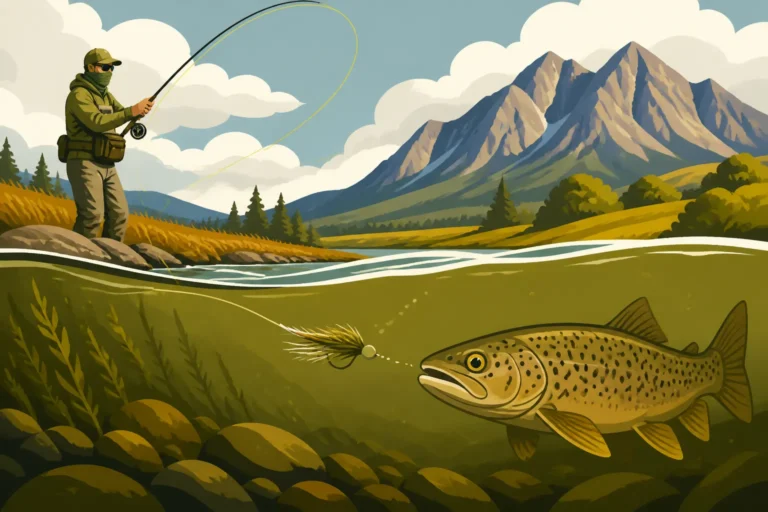
For fly anglers, this often means small nymphs (like pheasant tails, hare's ears, or even tiny zebra midges) presented deep with split shot, or emerger patterns if you see any surface activity in the cooler hours. Terrestrial patterns like ants or small hoppers can also be effective if fish are looking up near shaded banks. Spin fishermen might find success with very small inline spinners, tiny spoons, or soft plastics rigged on a small jig head, mimicking a struggling insect or small baitfish. Live bait, where legal, can also be highly effective, as it presents a natural scent and movement that can tempt even the most reluctant fish. Garden worms, small minnows (where permitted), or even crickets can be presented on light tackle. The key is to offer something that requires minimal effort from the fish to consume, looks natural, and, ideally, stays in their strike zone for an extended period. For instance, our guide on Best Lures for Wyoming Rainbow Trout can give you ideas for smaller, more subtle presentations.
Wading vs. Boating: Minimizing Disturbance
How you access the water can also play a significant role during a heat wave. Wading in rivers and streams can be a great way to stay cool, but it comes with responsibilities. During low, clear, and warm conditions, wading can disturb the streambed and stir up sediment, potentially further stressing fish in already compromised habitats. It can also physically displace fish from crucial thermal refuges. If you're wading, do so slowly and carefully, shuffling your feet to avoid disturbing redds (spawning beds, although less common in summer) or dislodging bottom-dwelling invertebrates. Try to stick to shallow, faster-moving sections if possible, or paths that avoid prime fish-holding water.
For lakes and larger rivers, a boat or float tube can be advantageous. It allows you to access deeper, cooler water without disturbing the immediate shoreline or critical habitat. If using a motor, approach your fishing spots slowly to avoid creating excessive wake. Anchor carefully to prevent dragging chains or ropes through the bottom. In all cases, whether wading or boating, the goal is to be as low-impact as possible, respecting the fish's already vulnerable state.
Staying Safe and Comfortable While Fishing in the Heat
Fishing in Wyoming during a heat wave isn't just tough on the fish; it's tough on you too! Prioritizing your own safety and comfort is crucial for an enjoyable and successful outing.
Hydration is Your Best Friend
This might sound obvious, but it's astonishing how many anglers underestimate the importance of proper hydration, especially when absorbed in the thrill of the chase. Even on a seemingly mild day, the dry Wyoming air and high altitude can quickly lead to dehydration. During a heat wave, the risk skyrockets. You should be drinking water consistently, even if you don't feel thirsty.
Don't just bring one bottle of water; bring a gallon, or even a cooler full of water and electrolyte drinks. Sports drinks, coconut water, or hydration packets added to your water can help replenish essential salts and minerals lost through sweating. Avoid excessive caffeine and alcohol, as they can contribute to dehydration. Consider bringing a hydration pack, which allows you to sip water hands-free throughout the day. Many excellent options are available on Amazon for convenient hands-free hydration. Set a reminder on your phone to drink every 15-20 minutes, even if it feels excessive. A headache, dizziness, or fatigue are all signs you're already dehydrated and need to take a break.
Sun Protection: Beyond the Sunscreen
While sunscreen is a fundamental layer of defense, it's simply not enough when battling the intense Wyoming sun during a heat wave. Ultraviolet (UV) radiation is powerful at higher elevations, and reflection off the water amplifies its effects. You need multiple layers of protection.
Start with a wide-brimmed hat that shields your face, ears, and neck. A simple baseball cap just won't cut it. Next, invest in a good quality UV-protective fishing shirt. These are typically lightweight, breathable, and offer a UPF (Ultraviolet Protection Factor) rating of 30 or higher. Long sleeves are often cooler than short sleeves in direct sun because they prevent the sun from directly heating your skin. Don't forget a neck gaiter or "buff" to protect your neck and face. Sunglasses are also non-negotiable, not just for glare, but for protecting your eyes from harmful UV rays. Reapply sunscreen frequently, especially after sweating or getting wet. For extended sun exposure, consider light, breathable fishing gloves to protect the backs of your hands. You can easily find high-quality UPF shirts and buffs on Amazon to keep you protected.
Appropriate Clothing for Hot Weather
Choosing the right clothing can significantly impact your comfort and ability to stay on the water longer. Ditch the heavy cotton and opt for technical fabrics designed for hot weather. Look for clothing that is:
- Light-colored: Lighter colors reflect sunlight, keeping you cooler than dark colors which absorb heat.
- Breathable: Fabrics like polyester, nylon, or specialized blends that wick moisture away from your skin are ideal. This allows sweat to evaporate, providing a natural cooling effect.
- Loose-fitting: Tight clothing can restrict airflow and trap heat. Loose-fitting garments allow for better air circulation.
- Quick-drying: Even if you're not planning to get fully wet, sweat can dampen your clothes. Quick-drying fabrics prevent that clammy feeling and help regulate your body temperature.
Don't forget lightweight, breathable pants, even in hot weather, to protect your legs from the sun, thorns, and insects. Some fishing pants even convert into shorts if conditions allow. Bringing an extra set of dry clothes for the drive home can also make a huge difference in your post-fishing comfort.
Post-Catch Care and Conservation in Warm Water
This is perhaps the most critical section for ethical anglers during a heat wave. Warm water fishing, especially for sensitive species, demands extra vigilance and care if you intend to release your catch.
Minimizing Stress for Catch and Release
During a heat wave, every second a fish is out of the water or fighting on the line increases its stress, making its chances of survival after release significantly lower. If you are practicing catch and release, adopt these practices:
- Fight the fish quickly: Use appropriate tackle to bring the fish in efficiently, without prolonging the fight. A longer fight exhausts the fish, building up lactic acid in its muscles, which can be fatal in warm, low-oxygen water.
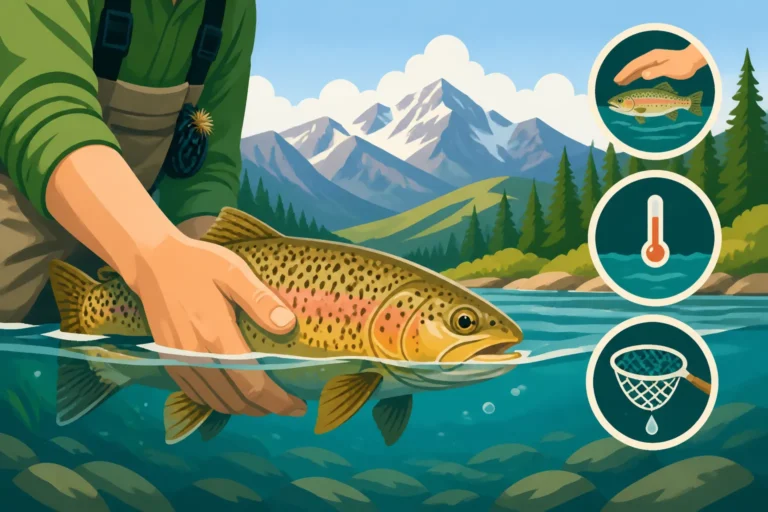
- Keep the fish in the water: Whenever possible, keep the fish submerged while unhooking it. If you need to take a picture, do it quickly and with the fish just barely out of the water, not holding it horizontally in the air for extended periods. A proper net with rubberized, knotless mesh (you can find these on Amazon for minimal fish damage) can assist in keeping the fish contained and partially submerged during the unhooking process.
- Use wet hands: Always wet your hands before touching a fish. Dry hands can remove the protective slime layer, leaving the fish vulnerable to infection.
- Barbless hooks: Crimp down your barbs or use barbless hooks. This makes unhooking much faster and easier, reducing handling time and injury.
- Avoid holding by gills or jaw: Never hold a fish by its gills. For trout, avoid gripping the jaw forcefully. Support the fish horizontally, cradling its belly and tail.
- Revive the fish gently: If a fish seems sluggish, hold it upright in a calm, oxygenated section of water, facing it into a gentle current (if in a river) or moving it slowly back and forth (if in still water) until it regains its strength and swims away on its own. Do not try to "pump" water through its gills by moving it rapidly back and forth. You can find more comprehensive advice in our guide on Catch and Release Best Practices for Trout.
Knowing When to Call It Quits for the Fish
This is where realism and ethics truly come into play. There will be days, during the peak of a Wyoming heat wave, when the water temperatures are simply too high for responsible catch and release, especially for trout. As a rule of thumb, if the water temperature reaches 68-70°F or higher, it's time to stop fishing for cold-water species. Even if the fish "seem fine" when released, the latent stress can lead to delayed mortality hours or days later.
It's a tough call to make when you've traveled far or have limited time, but a true angler prioritizes the health of the fishery. Consider targeting warm-water species like bass or pike in deeper sections of reservoirs, or switch to scouting new spots. If you're out there and you notice fish are unusually lethargic, struggling more than usual during the fight, or showing signs of stress even after careful handling, it's a clear signal to pack it in for the day, or at least shift your focus to a different, colder body of water. Carrying a small, inexpensive stream thermometer is an excellent way to monitor conditions. Our article, How to Handle a Trout to Keep It Alive After Release, further emphasizes these crucial points for conservation.
| Water Type | Typical Fish Species | Heat Wave Challenge | Best Approach |
|---|---|---|---|
| Lowland Rivers/Shallow Lakes | Rainbow, Brown Trout, Bass (shallow) | High water temps, low oxygen, fish lethargy | Avoid; fish are highly stressed. |
| High-Elevation Lakes/Streams | Cutthroat, Brook, Golden Trout | Accessibility (hiking), unpredictable weather | Excellent choice; cooler temps, active fish. |
| Tailwaters Below Dams | Brown, Rainbow Trout | Can be crowded, specific techniques required | Excellent choice; consistent cold water, high oxygen. |
| Deep Reservoirs | Lake Trout, Walleye, Smallmouth Bass | Requires specialized deep-fishing gear, vast water | Good choice; fish retreat to cooler, deeper zones. |
Disclaimer
Please note that fishing regulations in Wyoming can change. Always consult the most current Wyoming Game and Fish Department regulations booklet before heading out. This guide is for informational purposes only and does not supersede official regulations.