How to Fish for Trout at Dawn vs Dusk
Deciding when to hit the water for trout fishing in Wyoming can feel like a bit of a strategic puzzle, especially when you’re torn between the serene quiet of dawn and the captivating beauty of dusk. Anglers often wonder if one time truly holds an advantage over the other, or if it simply depends on the specific conditions. This guide will dive deep into the unique benefits and challenges of fishing for trout during those magical low-light hours, helping you understand how to maximize your chances whether the sun is rising or setting over the stunning Wyoming landscape.
The Allure of Dawn Patrol: Why Early Mornings Shine for Wyoming Trout
There's something incredibly special about being the first one on the water, watching the world wake up around you. But beyond the sheer beauty, dawn offers some undeniable advantages for trout anglers in Wyoming, making it a prime time to cast your line.
The Biological Advantage: Why Trout Are More Active
Trout, being cold-blooded creatures, are highly sensitive to water temperature and light conditions. As the first rays of sunlight begin to paint the eastern sky, the water is typically at its coolest point, having been chilled all night. This cooler temperature is often ideal for trout, making them more comfortable and, consequently, more active. Imagine the North Platte River just as the mist starts to lift – the surface is often glassy, and the fish, feeling secure in the dim light, are less wary of predators. This lowered light intensity provides a sense of security, encouraging trout to move out of their hiding spots and into more exposed feeding lanes. They're less spooked by your presence, and more willing to investigate a well-presented fly or lure.
Furthermore, a night of rest often means trout are hungry. They've been conserving energy in deeper, darker holes, and now, with the improving conditions, their metabolism kicks into gear. You'll find them cruising shallow flats, hugging undercut banks, and positioning themselves in riffles and runs, all with one thing in mind: breakfast. This biological predisposition for morning feeding makes dawn a critical window for anglers seeking active fish. It's not just about what you're throwing; it's about when the fish are most receptive to it.
Prime Bug Activity: Matching the Hatch at Daybreak
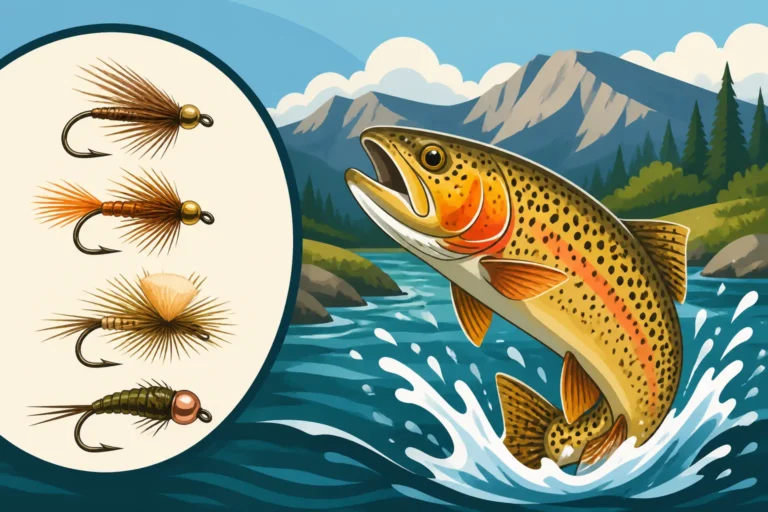
One of the biggest reasons for trout activity at dawn is the explosion of insect life. Many aquatic insects, like certain species of mayflies and caddis, initiate their emergence cycles as the day breaks. This means a bounty of easy meals for hungry trout. You might witness an "emergence," where nymphs swim to the surface, shed their shucks, and take flight as adults. These vulnerable stages are irresistible to trout, leading to tell-tale rises on the water's surface. Observing the surface for these hatches is crucial for Fly Fishing Techniques for Wyoming Trout Streams.
For example, on a pristine mountain lake in the Wind River Range, you might see small midges or callibaetis mayflies beginning to pop off the surface around first light. Knowing which insects are hatching allows you to select the right fly pattern – perhaps a delicate dry fly imitation or an emerger pattern fished just below the surface. This is where having a good headlamp becomes indispensable, not just for navigating, but for tying on those tiny flies in the pre-dawn gloom. You can find excellent, waterproof headlamps on Amazon that allow you to keep your hands free, a real game-changer when you're fumbling with small tippet in the cold. Without proper bug identification and imitation, you might be throwing flies that the trout are simply ignoring, no matter how hungry they are.
Overcoming the Challenges of Dawn Fishing
While dawn offers incredible potential, it's not without its hurdles. The early morning chill, especially in Wyoming, can be significant. Even in summer, temperatures can drop quite low before the sun fully emerges. You'll want to layer up, and a good pair of insulated gloves or fingerless gloves can make a huge difference. Fog can also be an issue, reducing visibility and making casting or wading a bit trickier. It’s also harder to spot rises or read the subtle movements of your indicator when the light is still low.
Navigating to your chosen fishing spot in the dark requires extra caution. Trails can be uneven, and riverbanks slippery. Carrying a reliable light source is not just for tying knots, but for safety. Always let someone know where you're going and when you expect to be back, especially if you're venturing into more remote areas like those high-alpine lakes. The key to a successful dawn fishing trip is preparation. Have your gear ready, your flies pre-selected if possible, and a hot thermos of coffee to keep you alert and warm. The rewards of those first few casts as the sun crests the horizon are absolutely worth the effort.
The Magic of Dusk: Unlocking Evening Opportunities for Wyoming Trout
Just as dawn awakens the fish, dusk often marks another surge in trout activity. As the day winds down, a different kind of magic unfolds on Wyoming's waters, drawing anglers back for one last shot at a trophy.
Twilight Feeding Frenzies: Why Evening Bites Pick Up
As the sun dips below the western horizon, the intense light of midday fades, and temperatures begin to drop. This cooling trend, particularly after a warm summer's day, can invigorate trout, prompting them to move from deeper, cooler water into shallower feeding areas. The fading light provides the same sense of security as dawn, making larger, more cautious trout feel bolder. They're less exposed to aerial predators and can be more aggressive in their pursuit of food. I've often seen fish that were completely absent during the harsh midday sun suddenly appear in prime feeding lies as dusk settles over the river.
These twilight hours can trigger a veritable feeding frenzy. Trout that have been conserving energy or holding in shaded pockets will often venture out to capitalize on the diminishing light and the cooler water. This is particularly true for larger brown trout, which are known to be more nocturnal feeders and become especially active as darkness approaches. They’ll often abandon their daytime holding lies and move into faster water or riffles to actively hunt. Understanding How Water Temperature Affects Trout Feeding is crucial here, as the evening cool-down revitalizes fish.
Hatch Cycles and Terrestrial Falls at Sunset
Just like dawn, dusk brings its own unique insect activity. Many species of caddisflies, for example, are known for their spectacular evening emergence and egg-laying flights, often skittering across the water's surface. Stoneflies might also make an appearance, particularly in larger sizes, creating enticing targets for hungry trout. As the light fades, trout tend to become less selective about their food, making them more likely to strike at larger, more visible patterns. This is often a great time to experiment with bigger dry flies or even small streamers that imitate baitfish or larger aquatic insects.
Beyond aquatic insects, dusk often coincides with terrestrial insects falling into the water. Grasshoppers, beetles, and ants that might have been blown into the river during the day become easy pickings for opportunistic trout. Fishing a hopper-dropper rig, with a visible foam hopper on top and a nymph beneath, can be incredibly effective during these evening hours. You don't need to match the hatch with pinpoint accuracy; a general attractor pattern often works well because the trout are simply looking for a meal before night completely falls. For effective presentations, understanding Reading Riffles and Runs on Wyoming Trout Streams helps you target where these bugs and fish will be.
Navigating the Evening Twilight
Fishing into dusk requires its own set of considerations. The rapidly fading light can quickly turn into complete darkness, making it difficult to see where you're stepping, especially in unfamiliar territory. Wading becomes more hazardous, and it’s much easier to misjudge depth or footing. Mosquitoes and other biting insects can also become a nuisance as the air cools, making a good insect repellent a vital piece of gear. You can easily stock up on effective bug sprays before your trip on Amazon.
It’s always a good idea to scout your exit path before it gets dark. Know exactly where you plan to get off the water and how to get back to your vehicle or camp safely. A reliable headlamp is essential, not just for tying knots, but for navigating uneven terrain and making sure you don't leave any gear behind. Give yourself ample time to pack up and exit the area before total darkness sets in. It’s a delicate balance between maximizing those last productive casts and ensuring a safe departure.
Choosing Your Moment: Dawn vs. Dusk Tactics for Different Wyoming Waters
The choice between dawn and dusk isn't always clear-cut; it often depends on the specific body of water you're fishing and even the time of year. Different environments present different opportunities.
Rivers and Streams: When Currents Come Alive
On Wyoming's rivers and streams, like the legendary Miracle Mile or the scenic Snake River, both dawn and dusk can be incredibly productive. In the early morning, the cooler, oxygenated water often encourages trout to spread out and feed in riffles and runs that might have been too warm or bright during the middle of the day. This is a fantastic time for nymphing or throwing streamers, especially if there isn't a strong surface hatch. For those targeting larger, predatory browns, dawn can be exceptional as they move out of deeper pools.
As evening approaches, particularly on tailwater fisheries below dams, the consistent water temperatures can provide stable conditions for excellent fishing. Trout in these environments often respond well to consistent evening hatches of caddis or small mayflies. On freestone rivers, the evening cool-down can trigger a rise in activity, making it a great time for dry fly fishing as trout look to the surface for food. Knowing Wyoming Fishing Seasons Month by Month helps determine how much effect water temperature will have. If you're wade fishing, remember to carefully consider your footing as visibility diminishes; a good wading staff can be a lifesaver.
Lakes and Reservoirs: Stillwater Strategies
Lakes and reservoirs offer a slightly different dynamic for low-light fishing. At dawn, especially in the summer months, the surface layers of water are at their coolest, encouraging trout to cruise the shallower shorelines and flats. This is a prime time for sight-fishing in clear water, or stripping streamers that imitate baitfish as trout actively hunt. Stillwater hatches can also occur, particularly with callibaetis mayflies on the surface or chironomids emerging from the bottom. How to Fish a Wyoming Mountain Lake From Shore often details these specific low-light tactics for stillwaters.
Dusk on lakes and reservoirs can be equally productive. As the heat of the day dissipates, trout that have been holding in deep, thermal refuges will often move into shallower water to feed. This is when you might see impressive rises near weed lines or along rocky points. Trolling with various lures or flies can also be very effective during these twilight hours, especially for species like lake trout or kokanee salmon that feed actively in low light. For example, on Flaming Gorge, targeting lake trout just before dark can be highly effective as they move higher in the water column.
Seasonal Considerations for Early and Late Bites
The time of year significantly impacts whether dawn or dusk will be more productive. In the height of summer, when daytime temperatures soar, trout become incredibly lethargic during the day. This makes dawn and dusk almost mandatory if you want to find actively feeding fish. The cooler water and lower light are brief reprieves for them. Best Time of Day to Fish in Summer Heat provides more insights into dealing with warm conditions.
Come spring and fall, when ambient temperatures are generally milder, the distinction isn't always as stark, but both periods still offer advantages. In spring, warming trends can make evenings more active as waters slowly heat up throughout the day. In the fall, especially during the brown trout spawn, dawn and dusk can be prime times to encounter larger, more aggressive fish on the move as they migrate upstream. Wyoming Fall Fishing for Migrating Browns details how productive this season can be during these specific times. During colder months, like early spring or late fall, the midday sun might actually be preferable to the bone-chilling cold of dawn or the rapid temperature drop at dusk.
Essential Gear and Safety Tips for Low-Light Trout Fishing
Fishing in dim light, whether at dawn or dusk, adds a layer of complexity that requires specific gear and heightened awareness. Being prepared isn't just about catching more fish; it's about staying safe and comfortable.
Must-Have Low-Light Equipment
When you're out before sunrise or staying past sunset, certain pieces of equipment become absolutely non-negotiable. First and foremost, a reliable headlamp is crucial. Look for one with different brightness settings and, ideally, a red light option to preserve your night vision while still providing enough illumination for tying knots or navigating. I've found compact, waterproof headlamps on Amazon to be excellent for tucking into a vest pocket. Along with that, a small, powerful flashlight in your pack serves as a great backup.
Warm layers are also critical. Wyoming mornings and evenings can be surprisingly cold, even in the middle of summer. A fleece jacket, a warm hat, and gloves (convertible fingerless gloves are great for dexterity) will keep you comfortable. Consider quick-drying materials as dew or mist can make things damp. For your eyes, a good pair of polarized sunglasses with clear or yellow lenses can help cut glare in low light, making it easier to spot fish or submerged obstacles. And, of course, don't forget the insect repellent, as mosquitoes and gnats can emerge with a vengeance during these times. A compact, effective bug spray is another item you can easily grab from Amazon before your trip.
Safety First: Navigating Wyoming's Waters in Dim Light
Safety is paramount when fishing in low light conditions. Even familiar fishing spots can become disorienting when you can't see clearly. Always tell someone your float plan or exact fishing location and your expected return time. This "check-in" system is vital, especially if you're venturing alone.
When wading, take extra precautions. Use a sturdy wading staff to probe ahead and ensure stable footing, especially if you’re crossing a current or navigating slippery rocks. It’s far too easy to misjudge depth or lose your balance when you can’t fully see the bottom. Pay close attention to your surroundings; sounds become more pronounced in the quiet of dawn or dusk, and you might encounter wildlife that is also more active during these times. Keep an eye out for larger animals, like deer or elk, especially if you're in an area with dense foliage near the river. Having a fishing buddy is always a good idea, as two sets of eyes and ears are better than one, and a partner can provide assistance in case of an unexpected slip or fall. Following Catch and Release Best Practices for Trout also becomes easier and safer with good lighting or a partner to assist.
The Dawn vs. Dusk Decision Table
To help you decide which low-light window might be best for your next Wyoming trout fishing adventure, here's a quick comparison:
| Feature | Dawn Fishing Advantages | Dusk Fishing Advantages |
|---|---|---|
| Light & Visibility | Gradually increasing light, often clear views once sun is up | Gradually decreasing light, can be challenging in full dark |
| Temperature | Coolest water temps, invigorating for trout, can be very cold for angler | Cooling water temps, often a welcome relief after a warm day |
| Trout Activity | High initial activity, fresh hunger, less wary from lack of light | Secondary activity surge, larger fish become bolder, active hunting |
| Insect Activity | Early morning hatches (mayflies, midges, caddis pupae) | Evening hatches (caddis, stoneflies), terrestrial falls |
| Crowd Levels | Often fewer anglers, peaceful and quiet | Can be busy initially, then clears out, still quiet |
| Hazards | Cold, fog, navigating in dark, slippery banks | Rapidly fading light, wading difficulty, mosquitoes, exiting dark |
| Best For | Stealthy approaches, smaller streams, summer fishing | Larger flies/lures, targeting big browns, summer/fall fishing |
Ultimately, the choice between dawn and dusk often comes down to personal preference and the specific conditions you encounter on any given day. Both offer unique opportunities and challenges that make them incredibly rewarding for the dedicated trout angler in Wyoming. I highly encourage you to experience both; there's a certain magic that only these transitional times can bring to the water.
Disclaimer
This article is for general informational purposes only and does not constitute professional advice. Laws, prices and regulations vary by location and change over time. Consult a qualified professional for guidance on your specific situation.