What Temperature Trout Stop Biting At
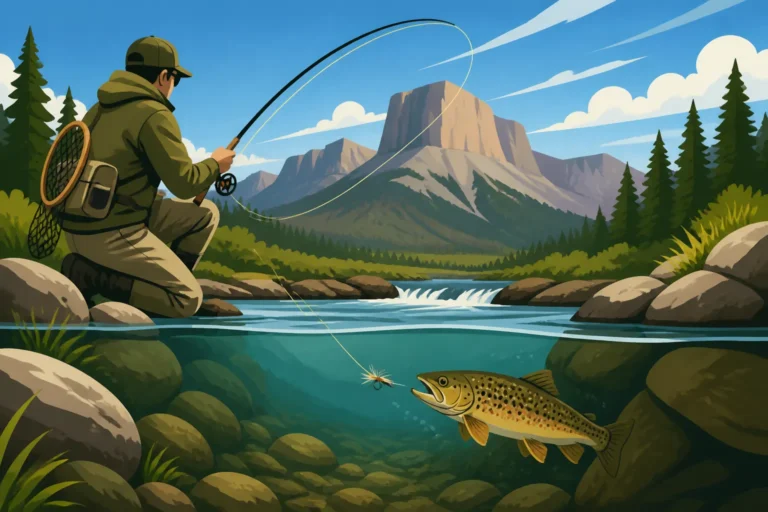
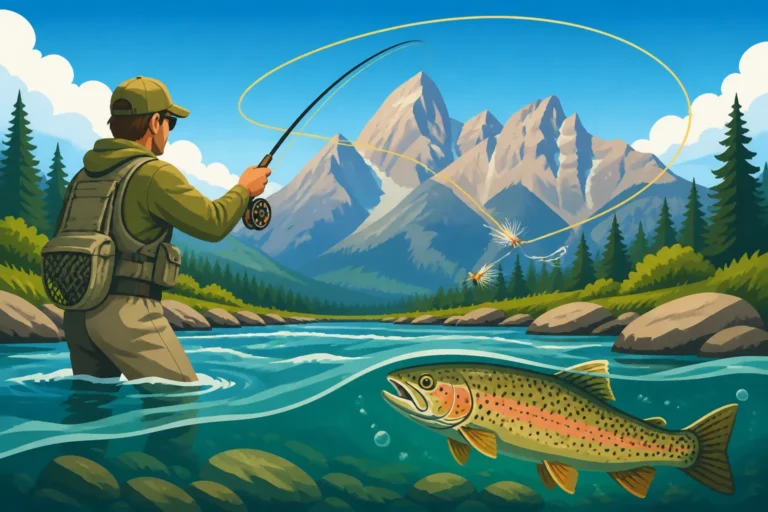
There's nothing quite as frustrating as showing up at your favorite Wyoming fishing spot, only to find the trout have completely shut down. You cast your best flies, try your tried-and-true lures, but nothing. It’s easy to blame your technique or the fish themselves, but often, the silent culprit is simply the water temperature. This guide will dive deep into how water temperature dictates trout feeding behavior, helping you understand the crucial thermal ranges and, most importantly, when those beautiful Wyoming trout just stop biting.
Understanding Trout Metabolism and Water Temperature
Trout are fascinating creatures, perfectly adapted to their cold-water environments. However, this adaptation means they are highly sensitive to changes in water temperature. Unlike us warm-blooded humans, a trout's body temperature directly matches the water it inhabits. This fundamental biological fact governs everything from their energy levels to their digestion.
Why Temperature Matters So Much to Trout
Imagine trying to run a marathon in scorching desert heat or shivering uncontrollably in an ice bath. That's a bit like what trout experience when water temperatures shift dramatically outside their comfort zone. Because they are cold-blooded, or poikilothermic, their internal physiological processes — metabolism, digestion, oxygen uptake, and even their immune system function — are all directly regulated by the surrounding water temperature.
When the water is in their ideal range, trout are efficient. They digest food quickly, have plenty of energy to chase prey, and maintain strong immune responses. This is when you'll find them actively feeding, rising to dry flies, or aggressively striking streamers. They're feeling good, and they're hungry.
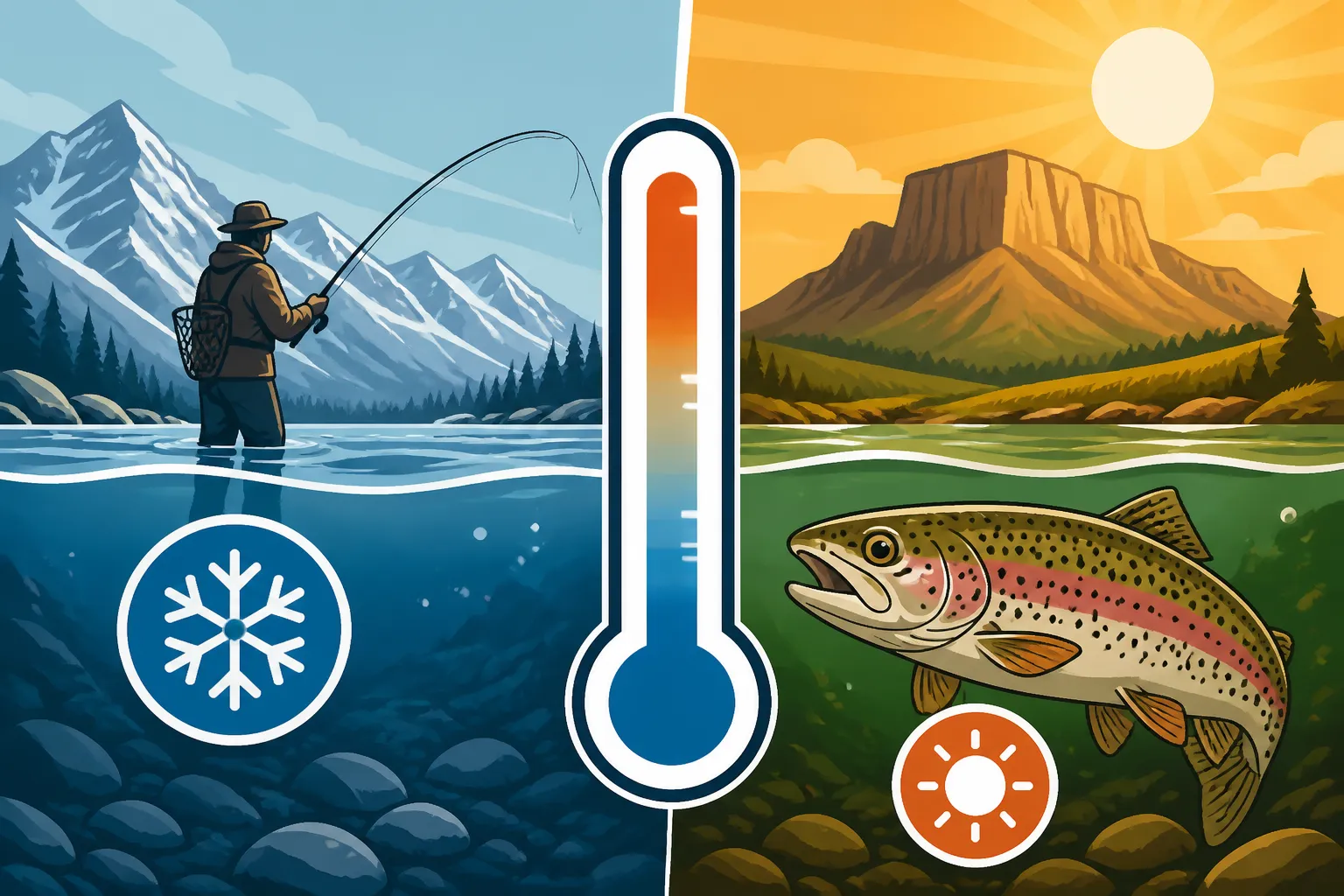
However, when water temperatures swing too high or too low, their systems struggle. Too warm, and their metabolism goes into overdrive, demanding more oxygen than the warmer water can often provide. Digestion slows, and they become lethargic, simply trying to survive. Too cold, and their metabolism slows to a crawl, requiring minimal food intake and reducing their desire to move or chase. Understanding this core principle is key to unlocking consistent success on the water, and knowing when to either change your approach or simply give the fish a break.
The Comfort Zone for Different Trout Species in Wyoming
Wyoming is home to a magnificent array of trout species, each with its own subtle preferences when it comes to water temperature. While there's a general "trout comfort zone," knowing the nuances for each species can dramatically improve your success.
-
Rainbow Trout: These popular game fish are generally quite robust and adaptable. They thrive in waters ranging from about 45-65°F (7-18°C). They'll feed actively at the lower end of this range, especially in early spring or late fall, but become noticeably stressed once temperatures consistently climb above 70°F. If you’re targeting these, keeping an eye on the thermometer is crucial.
-
Brown Trout: Known for their cunning and often impressive size, brown trout are a bit more tolerant of warmer water than rainbows or cutthroats. Their preferred range extends from 40-70°F (4-21°C). You'll often find them holding in slower, deeper, and slightly warmer sections of rivers. They are particularly active during the fall when water temperatures start to cool, triggering their spawning runs. If you’re Brown Trout Fishing in Wyoming, remember they're often lurking where other trout might find it a bit too warm.
-
Cutthroat Trout (Yellowstone, Snake River Fine-Spotted): Wyoming's native cutthroat species are generally more sensitive and prefer cooler, pristine waters. Their optimal feeding range is narrower, typically between 45-60°F (7-15°C). Above 65°F (18°C), they become highly stressed, and temperatures above 70°F (21°C) can be lethal. When Cutthroat Trout Fishing in Wyoming, especially during warmer months, practicing careful catch-and-release is paramount, or simply avoiding these species in high temperatures.
-
Brook Trout: These beautiful, small char are true cold-water specialists. They prefer even chillier waters, ideally between 38-60°F (3-15°C). You'll typically find them in the high-elevation streams and remote backcountry lakes of Wyoming, where the water stays consistently cold throughout the summer.
-
Lake Trout (Mackinaw): These deep-dwelling predators are built for cold water. Their preferred temperature range is quite narrow, typically 40-55°F (4-13°C). In warmer months, they retreat to the deepest, coldest sections of large reservoirs like Flaming Gorge or Jackson Lake. Lake Trout (Mackinaw) Fishing in Wyoming often involves specialized deep-water techniques to reach them in their thermal comfort zone.
Knowing these specific preferences is an invaluable tool in your angling arsenal. You can easily find a reliable fishing thermometer on Amazon or at any local tackle shop to help you keep tabs on the water conditions.
Identifying the "Shut-Off" Temperatures for Wyoming Trout
While trout are always opportunistic, there are distinct temperature thresholds where their feeding activity significantly diminishes, or even ceases altogether. It’s not just about comfort; it’s about survival.
When the Water Gets Too Warm for Trout
This is arguably the more critical "shut-off" point for anglers to understand, as it relates directly to the survival of the fish. As water temperatures rise, two major problems emerge for trout: increased metabolic demand and decreased oxygen availability. Warm water holds less dissolved oxygen, and a trout's increased metabolism in warm water demands more oxygen. It's a double whammy.
Generally, once river or lake water temperatures consistently hit the low 70s°F (around 70-72°F or 21-22°C) for most trout species, you'll find them stopping their active feeding. Their bodies are working overtime just to maintain basic functions, and expending energy to chase food becomes a risky proposition. At this point, trout will retreat to areas of thermal refuge – think deep, shaded pools, the confluence of cold feeder streams, or areas where springs might enter a river. They become lethargic, unresponsive to presentations, and generally uninterested in food.
More alarmingly, above 75°F (24°C), prolonged exposure to warm water can quickly become lethal, especially for sensitive species like our native cutthroats. The stress of being caught and fought in these conditions, even if handled carefully, can be enough to push them past their breaking point. This is why many responsible anglers, ourselves included, advocate for stopping fishing altogether when water temperatures reach this critical threshold. It's not just unproductive; it's unethical. Knowing Catch-and-Release Rules on Wyoming Waters is good, but knowing when not to fish is even better for conservation.
When the Water Gets Too Cold for Trout
While warm water can be lethal, excessively cold water generally doesn't pose an immediate mortality risk to trout in the same way. However, it does drastically slow down their metabolism and, consequently, their feeding activity. When water temperatures drop below 38-40°F (3-4°C), you'll notice a significant change in trout behavior. They don't typically "stop biting" entirely, but their willingness to chase or aggressively strike almost vanishes.
In these frigid conditions, trout's digestive processes become incredibly slow, meaning they don't need to eat as frequently or as much. They become sluggish, conserving energy by holding in deeper, more stable water or in slower currents where they don't have to fight the flow as much. Their bites will be incredibly subtle – sometimes just a slight "tick" on the line, or simply added weight.
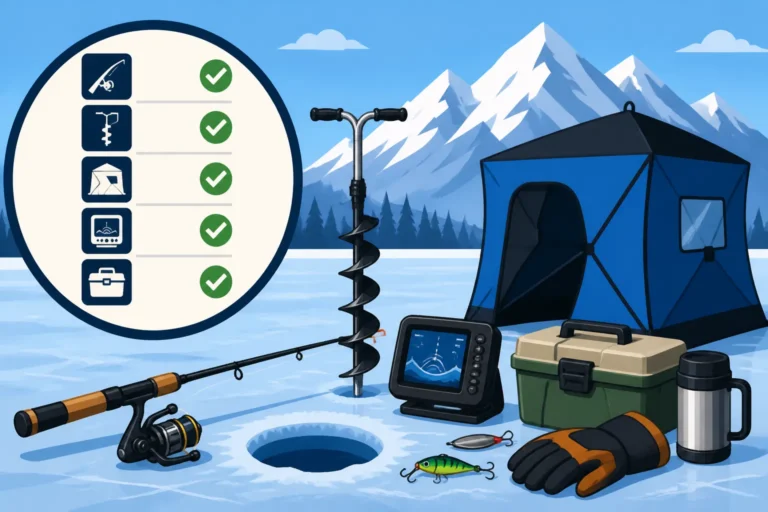
This is a common scenario for those who enjoy Ice Fishing in Wyoming: A Complete Guide. While fish are certainly catchable through the ice, success often hinges on fishing slow, small, and deep, appealing to a fish that's in energy-saving mode. Don't expect aggressive strikes, but rather subtle nudges. The trout might expend just enough energy for a small, easy meal, but they won't typically chase a fast-moving lure.
Wyoming Trout Temperature Guide
Here’s a quick reference for general trout behavior in relation to water temperature in Wyoming:
| Water Temperature Range | Trout Activity Level (General) | Notes for Anglers | Ethical Considerations |
|---|---|---|---|
| < 38°F (3°C) | Very Low (Sluggish) | Slow, deep, small presentations. Bites are subtle. Ice fishing conditions. | N/A |
| 38-45°F (3-7°C) | Low to Moderate | Trout are active but conserve energy. Slow retrieves. Tailwaters can be good. | N/A |
| 45-60°F (7-15°C) | Optimal (Highly Active) | Peak feeding, aggressive strikes. Best conditions for all methods. | N/A |
| 60-68°F (15-20°C) | Moderate to High | Still good, but fish may seek cooler micro-habitats as temps rise. | Approach with care above 65°F for sensitive species. |
| 68-72°F (20-22°C) | Low (Stressed) | Trout seek refuge, stop active feeding. Metabolism increasing. | Minimize fishing, avoid sensitive species. |
| > 72°F (22°C) | Very Low (Severe Stress) | High mortality risk. Trout are fighting for survival. | STOP FISHING. Fish may die even if released. |
Remember, these are general guidelines. Local conditions like oxygen levels, water clarity, and individual fish health can also play a role.
Practical Tips for Fishing in Extreme Temperatures
Facing extreme water temperatures requires a shift in strategy. What works in a 55°F river won't necessarily yield results in a 75°F stream or a 35°F ice-covered lake. Adapting your approach is key to success and, more importantly, to the health of the fish.
Strategies for Hot Water Conditions
When the mercury climbs and water temperatures begin to approach that dangerous 70°F mark, your fishing strategy needs a serious rethink.
- Fish Early and Late: This is the golden rule for warm-weather trout fishing. Target the hours around dawn and dusk, when the water temperatures are at their lowest point during the 24-hour cycle. The fish will be most active and willing to feed during these brief windows. Consider hitting the river as the sun just begins to peek over the mountains.
- Seek Thermal Refuges: Trout aren't just going to sit in warm water and suffer. They will actively seek out cooler water. Look for the confluence of small, cold feeder streams or springs entering the main body of water. Deeper pools, especially those with significant shade from overhanging trees or canyon walls, can also hold cooler water. If you're on a lake or larger river, target areas with known cold water upwellings or near the mouths of high-elevation tributaries. Consulting a detailed map or talking to local experts might reveal these crucial spots.
- Go High: One of the best ways to beat the heat in Wyoming is to literally go higher. Head to high-elevation lakes and streams in the mountains. These waters often remain refreshingly cool, even during the dog days of summer, providing excellent trout fishing opportunities when lower elevations are too warm. Exploring the Fishing Wyoming's High-Alpine Lakes offers not only cooler water but often incredible solitude.
- Check Water Temperatures Consistently: Carry a reliable water thermometer. Before you even make your first cast, check the temperature. If the water hits 68°F (20°C), it's a strong signal to fish with extreme care, especially if targeting sensitive native species. Once it reaches 70-72°F (21-22°C), it's genuinely time to consider calling it a day. Fishing when the water is too warm risks the lives of the fish, even if they are released.
- Minimal Handling: If you do decide to fish in borderline warm conditions and hook a trout, make every effort to minimize stress. Land the fish quickly. Keep the fish in the water while unhooking it. Avoid excessive handling, and skip the lengthy photo session, as air exposure is extremely stressful. Gently revive the fish in slow-moving water, pointing its nose upstream until it swims away under its own power.
- Consider Alternative Species: Sometimes, the best decision is to switch your target. In many Wyoming reservoirs, you can find species like smallmouth bass, walleye, or perch, which are much more tolerant of warmer water. Instead of stressing trout, you could have a great day targeting these warmwater species.
Strategies for Freezing Water Conditions
Fishing in freezing water presents a different set of challenges and requires a completely different mindset. While trout aren't dying from the cold, they are certainly not in an aggressive feeding mood.
- Slow Down, Go Deep, Go Small: This is the mantra for cold-water trout. Trout's metabolism is incredibly slow, so they aren't going to expend much energy chasing a fast-moving meal. Present your flies or lures very slowly, almost to the point of being static. Focus on getting your offering down to the bottom where fish are often holding in slightly warmer, more stable water. Use smaller nymphs, tiny jigs, or compact streamer patterns that require minimal effort for the fish to intercept.
- Focus on Depth and Structure: In cold water, trout often hug the bottom or hold tight to structure like logs, rocks, or undercut banks. These areas provide current breaks and a modicum of thermal stability. Target the deepest pools, the slowest sections of runs, and anywhere you suspect trout can conserve energy. Heavy nymphs or jigs are essential to get your presentation into the strike zone quickly. Techniques similar to Jigging for Walleye at Boysen Reservoir can be adapted for trout in deep, cold conditions.
- Bait Can Be a Game-Changer: While many anglers prefer artificials, in extremely cold water, a natural bait presented slowly can be incredibly effective. Worms, salmon eggs, or even powerbait (where legal) can provide the scent and natural appeal that triggers a bite from a lethargic trout. Always check local regulations regarding bait use, as some waters, especially blue-ribbon trout streams, are restricted to artificial lures only.
- Patience is Your Best Friend: Bites will be incredibly subtle, often feeling like just a slight hesitation or added weight on your line. You'll need sensitive equipment – light lines and rods with a fast tip can help you detect these faint takes. Don't be afraid to let your offering sit in a likely spot for an extended period. Sometimes, it takes a fish a while to decide if it wants to eat.
- Tailwaters Are Key: Rivers below dams, known as tailwaters, are often fantastic winter fisheries in Wyoming. This is because water released from the bottom of large reservoirs maintains a relatively constant, and often warmer, temperature than surface flows. This thermal stability keeps trout more active through the winter. The North Platte River below Gray Reef Dam is a prime example of Why Tailwaters Fish Well in Winter, offering consistent fishing when other waters are frozen or too cold.
- Proper Gear for You: Don't forget that if the water is freezing, so is the air! Make sure you are dressed appropriately in layers, with good insulation, waterproof outerwear, and warm gloves. You won't be able to fish effectively if you're shivering uncontrollably. You'll find a wide array of excellent thermal gloves and boots on Amazon to keep you comfortable.
Recognizing the Signs: How Trout Behavior Changes
Observing trout behavior, even when they aren't biting, can tell you a great deal about the water conditions and whether you should continue fishing. Learning to read the subtle cues of stressed or lethargic fish is a hallmark of an ethical and effective angler.
Subtle Cues When Trout Are Stressed
Trout aren't going to send you a text message saying "too hot!" or "too cold!", but they do offer clear indicators of their discomfort. Learning to recognize these subtle cues means you can make informed decisions about whether to keep fishing or adjust your approach.
- Lack of Visible Activity: On a healthy stream, you'd expect to see some signs of life: a dimple from a rising fish, a flash of a trout darting for cover, or fish actively holding in feeding lanes. When water temperatures are stressing them, these signs disappear. You might see fish, but they'll be glued to the bottom, tucked deep under cover, or seeking the darkest shadows, utterly devoid of their usual energy.
- Heavy Breathing or Gasping: If you do manage to hook a fish in warm water, pay close attention when you bring it in. If it’s gulping air heavily, rapidly opening and closing its mouth, or seems unusually lethargic and slow to recover before release, these are critical signs of severe stress and low oxygen. This is your cue to immediately stop fishing.
- Loss of Coloration: Stressed trout, especially in warm water, sometimes exhibit a dulling or fading of their vibrant colors. Their characteristic spots or parr marks might become less distinct, and their overall appearance can seem washed out. This isn't always obvious, but it can be another indicator.
- Complete Refusal to Feed: You might know a particular run or pool holds several fish, and you present your best offering perfectly, perhaps with a top-rated fly from Amazon. If the fish are completely ignoring it, not even moving slightly to inspect it, it's a strong signal they're not in a feeding mood. They might see your offering, but their instinct to conserve energy overrides any hunger.
- Avoiding Open Water: In overly warm conditions, trout will abandon their usual feeding lies in open runs and riffles, congregating instead in deeper, slower pools, or seeking out areas with cold spring inputs. If your usual productive spots are empty, it's worth checking the temperature.
The Impact of Rapid Temperature Swings
Trout, like many wild animals, prefer stability. Rapid changes in water temperature, even within their "acceptable" range, can throw them off their game and shut down feeding for a period. It's not just the absolute temperature, but the sudden change that can impact them. This is why paying attention to weather forecasts is just as important as knowing your flies.
- Cold Fronts: A sudden drop in air temperature, especially after a prolonged warm spell, can quickly cool surface waters in rivers and lakes. This rapid cooling can send trout scurrying for deeper, more stable water, making them less active. Fishing Wyoming Lakes After a Cold Front often means you'll need to adjust your depth and retrieve speed significantly. The fish are still there, but they’ve hunkered down.
- Warm Fronts: Conversely, a sudden warming trend, particularly in late winter or early spring, can trigger a temporary increase in trout activity. Even a few degrees can boost their metabolism enough to stimulate a short feeding window. Anglers often look forward to these brief warm spells to kickstart the season.
- Spring Runoff: While not a "temperature swing" in the same vein, spring runoff is a massive environmental shift that brings cold, turbid water laden with sediment. This drastic change in water clarity and temperature, along with high flows, can completely shut down trout feeding. They retreat to slower, clearer eddies and banks, waiting for conditions to stabilize. Strategies for Fishing Wyoming During Spring Runoff often involve fishing close to the banks with larger, darker flies and lures that provide a strong silhouette in the murky water. You won't find trout actively chasing in the main current during this time.
- Diel Fluctuations: Even within a single day, water temperatures can fluctuate significantly, especially in smaller streams. Knowing that the coolest water (and often the best fishing) is at dawn and the warmest is in the late afternoon can help you time your trips.
Ultimately, understanding what temperature trout stop biting at, and how they react to temperature fluctuations, empowers you to be a more effective and responsible angler. You'll spend less time frustrated and more time enjoying Wyoming's incredible fisheries, knowing you're fishing smart and ethical. Make sure to consult the Wyoming Fishing Seasons Month by Month guide for broader seasonal temperature trends.
Disclaimer
Please remember that fishing regulations and water conditions in Wyoming can change. Always consult the most current Wyoming Game and Fish Department regulations before heading out. Safety should always be your top priority when on or near the water.