How to Land a Fish Without a Net
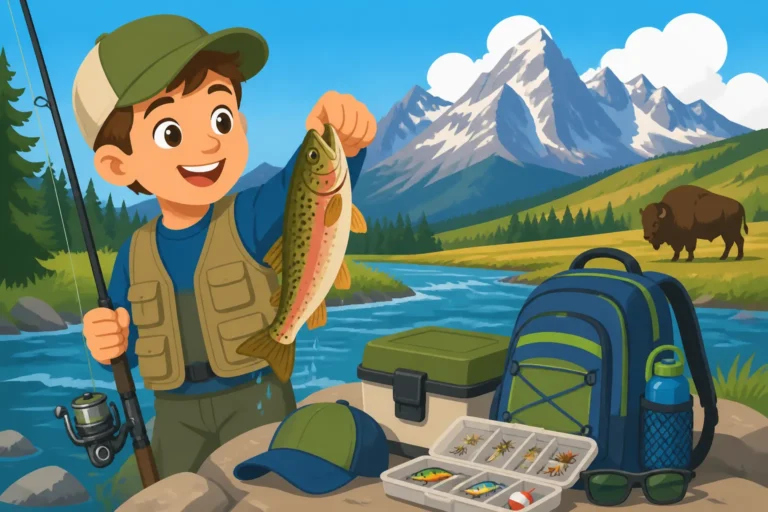
Picture this: you've been working that perfect run on the North Platte River all morning, casting into every likely-looking seam, when suddenly, your rod bends over, and the reel screams. You've hooked into a true Wyoming trophy! The fight is epic, your heart is pounding, and then it hits you – your trusty landing net is back in the truck, or worse, you forgot it at home. Panic starts to set in. How on earth do you land this beautiful fish safely without losing it, harming it, or hurting yourself? Don't worry, friend; this guide is here to walk you through the various techniques and critical considerations for successfully landing a fish when your net is nowhere in sight.
The Unfortunate Reality: Why You Might Be Net-less
It happens to the best of us. One minute you're thinking about the perfect drift, and the next, you're wrestling a behemoth, only to realize your crucial landing gear is absent. This isn't just a minor inconvenience; it can be a source of real anxiety, especially when you've got a feisty brown trout on the line that looks like it swallowed a football. The thought of losing that fish at the last moment is enough to make any angler cringe.
Forgetting Your Gear (It Happens!)
We all have those mornings where we're rushing out the door, fueled by coffee and the promise of a glorious sunrise bite. Maybe you were so focused on remembering your new fly box or that special lure that the net slipped your mind entirely. Perhaps you just pulled it out to dry from the last trip and forgot to toss it back in the vehicle. It's a classic fishing mishap, and believe me, you're not alone. It's also why many experienced anglers develop a few tricks up their sleeve. Sometimes, it’s not even about forgetting; maybe your net broke mid-trip, or you deliberately chose to leave it behind for a minimalist, ultra-light backpacking adventure into one of Wyoming's stunning high-alpine lakes.
When a Net Isn't Practical or Available
There are also situations where carrying a net simply isn't feasible or desirable. Imagine hiking miles into the Wind River Range to fish a remote, crystal-clear lake. Every ounce counts, and a bulky landing net might be sacrificed for extra water or a warmer jacket. In these backcountry scenarios, knowing how to land a fish without a net is not just a useful skill; it's a necessity. Similarly, if you're out exploring a new section of stream on a whim, you might only have your rod, a small tackle box, and the clothes on your back. Being prepared mentally for a net-less landing can save the day and your fish.
Crucial Steps Before the Final Landing Attempt
Before you even think about putting your hands on a fish, you need to ensure the fight is truly over. Trying to grab a "green" fish (one that still has a lot of fight left) is a recipe for disaster. You'll likely lose the fish, break your line, or end up with a hook in your hand. Patience and proper fish fighting techniques are paramount here.
Playing the Fish to Exhaustion
This is arguably the most important step in landing any fish, but especially crucial when you don't have a net. Your goal is to completely wear the fish out, bringing it alongside you without it thrashing wildly. Keep steady pressure on the fish, using the bend in your rod to tire it out. Avoid trying to horse it in, as this often leads to pulled hooks or broken lines. Let the fish run when it wants, but always maintain tension. If it dives, let it run a bit, then gently bring it back. Think of it as a dance, not a tug-of-war. For a deeper dive into how to manage the fight, check out our guide on How to Set the Hook on a Trout Without Losing It.
Once the fish is at your side, its head should be barely able to stay upright, and its fins should be moving slowly. It might give one or two weak kicks, but it shouldn't be making any strong, sustained runs. If it does, let it go and fight it a little longer. It's better to take an extra minute or two fighting the fish than to lose it at your feet or injure yourself in a panicked landing attempt. You want the fish to be docile enough that it feels more like guiding it than grappling with it.
Positioning Yourself and the Fish
Your position relative to the fish and the water is critical. If you're on a river, try to bring the fish into slower water, out of the main current. This helps you control its movements and reduces the effort it needs to fight against the flow. If possible, bring the fish into shallower water if you plan on beaching it. On a lake, try to work the fish to a calm, clear area near the bank or boat.
Always try to position yourself downstream or downwind of the fish. This way, if your line breaks or the hook pulls, the fish won't be immediately spooked by your presence and might still hang around for a second attempt (though don't count on it!). When the fish is ready, bring its head up out of the water slightly, or turn it on its side. This disorients the fish and makes it much easier to control for a brief moment, giving you the window you need for a quick, decisive grab or slide. This understanding of fish behavior and water dynamics is key to success, much like understanding How to Read Water When Trout Fishing.
Hand-Landing Techniques: Gentle Grips for Success
When a net isn't an option, your hands become your primary landing tool. This requires a delicate touch and a firm grip, all while prioritizing the fish's well-being. Always, and I mean always, wet your hands thoroughly before touching any fish. This helps protect their vital slime coat, which is their first line of defense against disease and infection.
The Tail Grab (Wet Hand Method)
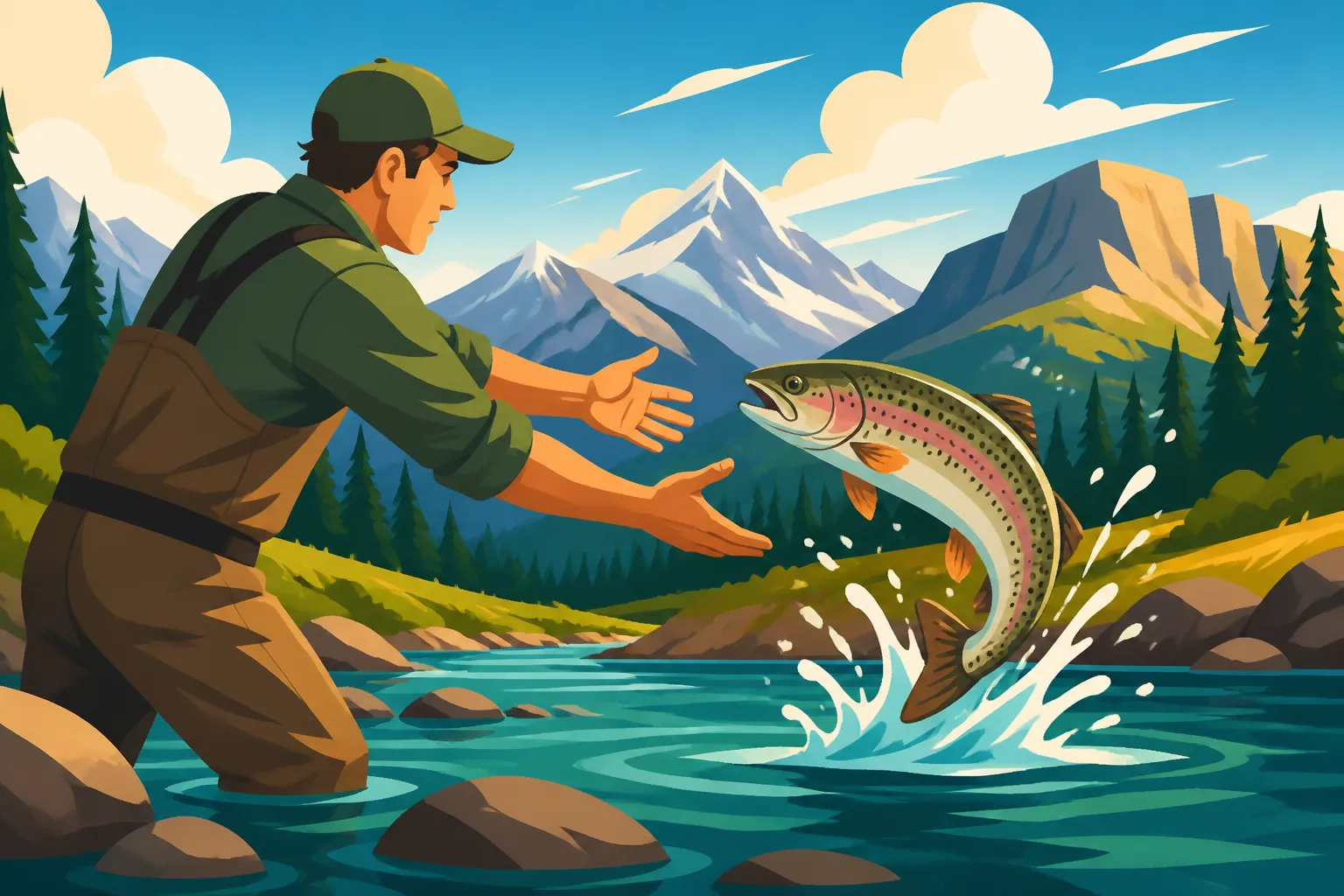
This is perhaps the most common and safest hand-landing technique for trout and other non-toothy, medium-sized fish, especially when you plan on practicing Catch and Release Best Practices for Trout. Once the fish is fully exhausted and has been brought close, keep its head in the water and gently slide your dominant hand along its body towards the tail. Your goal is to firmly, but not crushingly, grip the wrist of the tail – the narrowest part just before the tail fin.
With a firm tail grip, you can lift the tail slightly, which usually keeps the fish from swimming away. Then, use your other wet hand to support the fish's belly, especially if it's a larger specimen. This distributes its weight and prevents internal organ damage. You can now hold the fish horizontally, either partially in the water or briefly for a quick photo, before gently releasing it. This method works well for most species found in Wyoming, from rainbow trout to cutthroat. It allows for good control while minimizing direct contact with the sensitive body and gill areas.
The Gill Plate Grab (Use with Caution!)
For larger, more unruly fish, or those you intend to keep, a gill plate grab can be effective, but it comes with significant risks to the fish if not done correctly. This technique involves sliding your fingers under the gill plate, but not into the actual gills. The goal is to get a firm purchase on the bony part of the gill plate that covers the delicate gill rakers.
To do this, ensure the fish is completely tired and on its side. Slide your thumb into the opening of the gill plate from the front, and your fingers from the bottom, pressing against the outside of the plate. This creates a secure, non-damaging grip on the plate itself, allowing you to control the fish. Never, ever, put your fingers directly into the red gill filaments, as this will severely injure the fish and likely cause its death. This method is generally reserved for bigger fish or when immediate control is absolutely necessary, and it’s typically for fish destined for the cooler. Always exercise extreme caution and consider the fish's survival chances if you're planning to release.
Lip Grips and Pliers for Toothier Species
Wyoming has its share of toothy predators like pike, walleye, and even large brown trout with impressive dental work. Trying to hand-tail or gill-plate grab these species without proper tools can lead to a nasty bite or a hook embedded in your hand. This is where specialized tools like lip grips or even just a good pair of long-nosed pliers come into play.
Lip grips, often available on Amazon, are designed to securely clamp onto a fish's lower jaw, allowing you to control its head without direct contact. With toothy fish, always keep their head away from your body. Once secured, you can then use your other hand to support the belly for a quick photo or transfer to a cooler. If you don't have lip grips, a pair of heavy-duty pliers can be used to grab the lower jaw, or even to carefully remove the hook while the fish is still in the water, minimizing handling. Some anglers wear thick, puncture-resistant fishing gloves (also readily available on Amazon) when targeting these species, adding a layer of protection against sharp teeth and errant hooks.
The Shoreline Slide: When the Land Assists Your Landing
Sometimes, the simplest method is to let the land do the work. The "shoreline slide," or "beaching" a fish, is a time-honored technique, particularly effective on gently sloped banks with soft bottom compositions like sand or grass. It's a great option when you're wading or fishing from the bank of a river or lake.
Gently Guiding onto Soft Ground
Once you've played the fish out and brought it close to shore, look for a spot where the bank gently slopes into the water and is free of sharp rocks, sticks, or abrasive gravel. Ideal spots include sandy beaches, muddy flats, or areas covered in lush, short grass. Keep the fish's head pointed towards the bank. Maintain light, steady pressure on your rod, and as you reel in, gently guide the fish forward.
The idea isn't to violently drag the fish out of the water. Instead, use the momentum of its weak last movements and the slight incline of the bank to literally slide it out of the water just enough to get a hold of it. As its head and part of its body come onto the soft ground, quickly but gently secure it with one of the hand-landing techniques discussed above (like the tail grab). Minimize its time out of the water, especially if you plan to release it. This method works wonderfully for species like trout and bass, and can be especially useful when fishing Wyoming's Yellowstone Lake Fishing Guide, where some shorelines are perfect for a gentle slide.
Managing Larger Fish on Challenging Banks
What if the fish is big, and the bank isn't perfectly sandy? For a true trophy fish, you might need a bit more finesse. Instead of pulling it completely out of the water, guide the fish into the shallowest, calmest water you can find. Keep its head submerged but pointed towards the bank. Then, using your wet hands, try to secure the tail or use a careful gill plate grab while the majority of the fish's body is still in the water.
If you absolutely must bring it further onto the bank, choose the least abrasive spot. Quickly photograph it while it’s still partially submerged if possible, and then get it back into the water immediately. For truly massive fish, like a large lake trout from Flaming Gorge, beaching might still be too risky, both for the fish and your tackle. In such cases, if you can’t securely hand-land it, it might be an ethical choice to break the line if release is intended, rather than risking severe injury to the fish or yourself. This consideration is part of the broader discussion of How to Handle a Trout to Keep It Alive After Release.
Boat-Side Maneuvers Without a Net
Landing a fish from a boat without a net presents a unique set of challenges compared to shore fishing. You don't have a gradual bank to slide the fish onto, and the boat's edge can be a point of injury for a thrashing fish. However, with good boat control and a calm approach, it's absolutely doable.
The Boat-Side Scoop or Lift
For smaller to medium-sized fish, once completely played out, guide the fish alongside your boat. Hold your rod tip high to maintain pressure and keep the fish's head up. With your non-dominant hand, reach down into the water, quickly and firmly gripping the wrist of the fish’s tail. Your other hand should then be used to support the fish's belly as you lift it cleanly over the gunwale and into the boat.
The key here is speed and control. You want to lift the fish swiftly in one fluid motion, minimizing the chance for it to thrash against the boat's side. If it's a very active fish, hold it firmly once in the boat until it calms down. Consider having a wet towel or mat ready in the boat to lay the fish on, rather than directly onto a hard, hot, or abrasive boat deck. This is a technique best practiced on smaller catches before attempting it with a potential lunker.
Leadering Large Fish for a Secure Hold
When dealing with a truly large fish from a boat, like a big walleye from Boysen Reservoir or a hefty brown trout, the "leadering" technique can be employed. This involves carefully grabbing your fishing line (specifically the leader, which is typically thicker and more abrasion-resistant than your main line) to guide the fish closer to the boat for a hand grab.
Once the fish is exhausted and close to the boat, reel your line until you can reach the leader. With a gloved hand (highly recommended to prevent line cuts), grasp the leader a foot or two above the fish. Gently but firmly pull the leader to guide the fish's head towards you, keeping it stable. As the fish's head comes alongside, you can then attempt a careful tail grab or a gill plate grab if you intend to keep it. This method allows for a bit more leverage and control over a heavy fish than just relying on the rod. However, it puts significant stress on your leader knot and leader material, so use caution and avoid sudden jerks. You certainly wouldn't want your line to break after all that effort, which underscores why selecting the Best Rod and Reel Combo for a Beginner often includes attention to line strength.
Prioritizing the Fish: Minimizing Stress and Maximizing Survival
Whether you're landing a fish with a net or without, the health of the fish, especially if you intend to release it, should always be your top priority. Improper handling can lead to injury, disease, or delayed mortality, completely negating the ethical choice of catch and release.
Keep 'Em Wet: The Golden Rule
The most critical rule for fish handling is to keep the fish in the water as much as possible. A fish's gills are designed to extract oxygen from water, not air. Prolonged exposure to air causes severe stress and can damage their delicate gill structures. If you must remove a fish for a photo, do it quickly – just long enough for the shot – and then immediately return it to the water.
When performing hand-landing techniques, try to keep the majority of the fish's body submerged. If you're sliding it onto the bank, do so onto wet grass or moist sand, and ensure its head can still be partially in the water. For a boat-side lift, aim to get the fish into the boat and quickly unhook it, then return it to the water for release or to a livewell. Minimizing air exposure is a fundamental aspect of conservation, especially for treasured species like the Yellowstone cutthroat trout.
Gentle Handling and Proper Support
Rough handling, squeezing, or dropping a fish can cause internal injuries, damage its scales, or rub off its protective slime coat. Always wet your hands before touching a fish, as dry hands can strip away that crucial slime. When holding a fish, support its entire body, especially if it's large and heavy. Never hold a fish vertically by its tail or by a lip grip alone if it's a heavy fish, as this can dislocate its jaw or damage its spine.
Instead, support the belly with one hand while gently gripping the tail or gill plate with the other. This keeps the fish horizontal and distributed its weight evenly. If you're struggling to control a fish, consider keeping it in the water while you work to remove the hook or prepare for a quick release. Remember, the goal is not just to land the fish, but to ensure it swims away strong and healthy if released. You can learn more about this in our article How to Handle a Trout to Keep It Alive After Release.
| Technique | Ideal Species | Key Advantage | Major Risk/Disadvantage | Best Scenario |
|---|---|---|---|---|
| Wet Hand Tail Grab | Trout, Bass, Panfish | Gentle, safe for C&R, good control | Requires calm fish, not for toothy species | Wading, smaller to medium fish, C&R |
| Gill Plate Grab | Larger Trout, Walleye | Secure control, good for heavier fish | High risk of gill damage if done wrong | Keeping fish, experienced angler only |
| Shoreline Slide | Trout, Bass, smaller Pike | Very low contact, easy on fish | Requires specific bank conditions, messy | Gentle, sandy/grassy banks, wading |
| Boat-Side Lift | Small-Med Fish | Quick, direct into boat | Risk of injury against boat hull | Calm fish, swift action, boat fishing |
| Leadering to Hand | Large Fish (Boat/Shore) | Added leverage, better control | Stress on leader/knots, requires gloves | Bringing a heavy fish to hand in a boat |
What to Do When All Else Fails (and When to Just Let Go)
Despite your best efforts, sometimes things just don't go as planned. A fish might be too big, too strong, or the conditions might be too challenging for a safe net-less landing. Knowing when to cut your losses and make an ethical decision is part of responsible angling.
When to Cut the Line and Let Go
If you've fought a fish to exhaustion, but it's still thrashing uncontrollably at your feet or boat, and you can't get a secure, safe grip, it might be time to make a tough decision. If you can't land it without causing severe harm to the fish (e.g., dragging it across sharp rocks, prolonged air exposure during a botched grab), or if you risk injuring yourself significantly, consider cutting your line. It's heartbreaking to lose a fish, especially a hard-earned one, but it's often the most humane option.
Always try to get as close to the hook as possible before cutting, especially if it's a barbless hook (which are often required on specific Wyoming waters like some stretches of the North Platte River). This allows the fish to shed the hook more easily. This ethical choice reflects a deeper respect for the resource and is a sign of a truly seasoned angler. Sometimes, the best technique for a fish is to simply let it go, especially if you're not equipped for a safe release or retention.
Improvising (With Extreme Caution)
While not ideal for the fish's health, desperate times can call for desperate measures. If you absolutely need to land a fish and have no net, some anglers have used improvisation. A large, stiff hat might be used as a temporary scoop for a very small fish. A very clean, wet t-shirt or towel could be used to gently wrap a small fish for control, but this should be a last resort and used with extreme care, as fabrics can remove the slime coat and damage fins.
However, let's be realistic: for most substantial fish, these improvisations are ineffective and potentially harmful. Relying on these methods greatly increases the risk of losing the fish or causing it injury. The best improvisation is a pre-planned one: always try to have a backup plan, even if it's just practicing your hand-landing techniques regularly. Having a small, collapsible net stashed in your pack, perhaps one you ordered off Amazon, is a far superior backup plan than relying on your baseball cap!
Preparing for Next Time: Essential Gear for Safe Handling
While this guide is all about landing fish without a net, the best solution for future net-less emergencies is to be prepared. Even if you forget your main landing net, having a few key items can make a world of difference for safe fish handling and release.
Backup Nets and Gloves
Consider keeping a small, foldable landing net in your vehicle or backpack for those "oops" moments. Many compact models are available and are lightweight enough that you won't even notice them until you need them. You can find surprisingly durable and compact options from various brands on Amazon that are perfect for stashing away.
Additionally, a good pair of fishing gloves can be a lifesaver, especially if you're frequently hand-landing fish or dealing with species with teeth or sharp gill plates. Look for gloves that offer good grip when wet and are resistant to punctures. Some even have built-in sun protection. These aren't just for landing; they're great for safely handling fish during unhooking or photos. Having a backup net or reliable gloves is a smart investment, much like learning about Best Rod and Reel Combo for a Beginner can make your fishing more enjoyable.
Forceps, Pliers, and Measuring Devices
Even without a net, you should always have the right tools for hook removal. A good pair of long-nosed pliers or hemostats (forceps) are indispensable for quickly and cleanly removing hooks, minimizing the fish's time out of water. This is crucial for maintaining the fish's health, whether you're releasing it or keeping it.
If you are planning to keep fish, or if local regulations require specific measurements (such as Wyoming's one-over-16-inch rule on some trout streams), carrying a soft, flexible measuring tape is essential. Lay the fish gently on a wet surface, take your measurement, and return it to the water swiftly. Having these tools readily accessible, perhaps attached to your vest or pack, ensures that even without a net, you're still practicing responsible and efficient fish handling. Remember, a successful fishing trip isn't just about catching the fish, it's about respecting the resource and playing by the rules, which you can always double-check in guides like Wyoming Fishing Regulations Every Angler Should Know.
Disclaimer
This article is for general informational purposes only and does not constitute professional advice. Laws, prices and regulations vary by location and change over time. Consult a qualified professional for guidance on your specific situation.