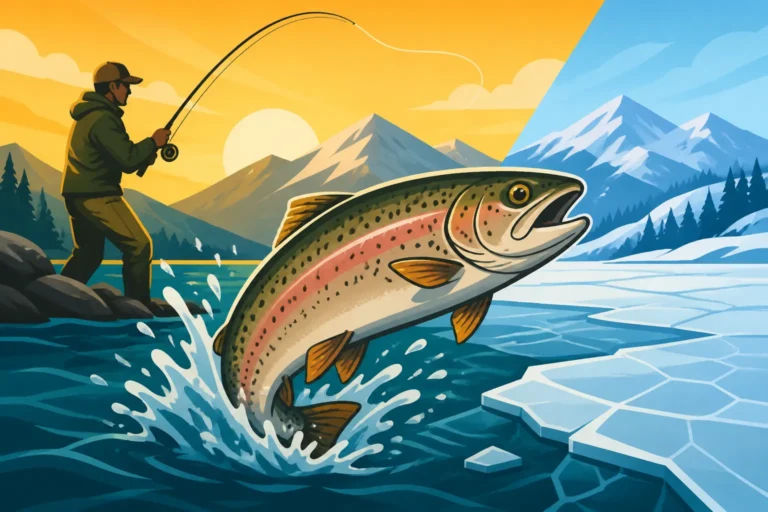
When Ice Fishing Season Ends in Wyoming
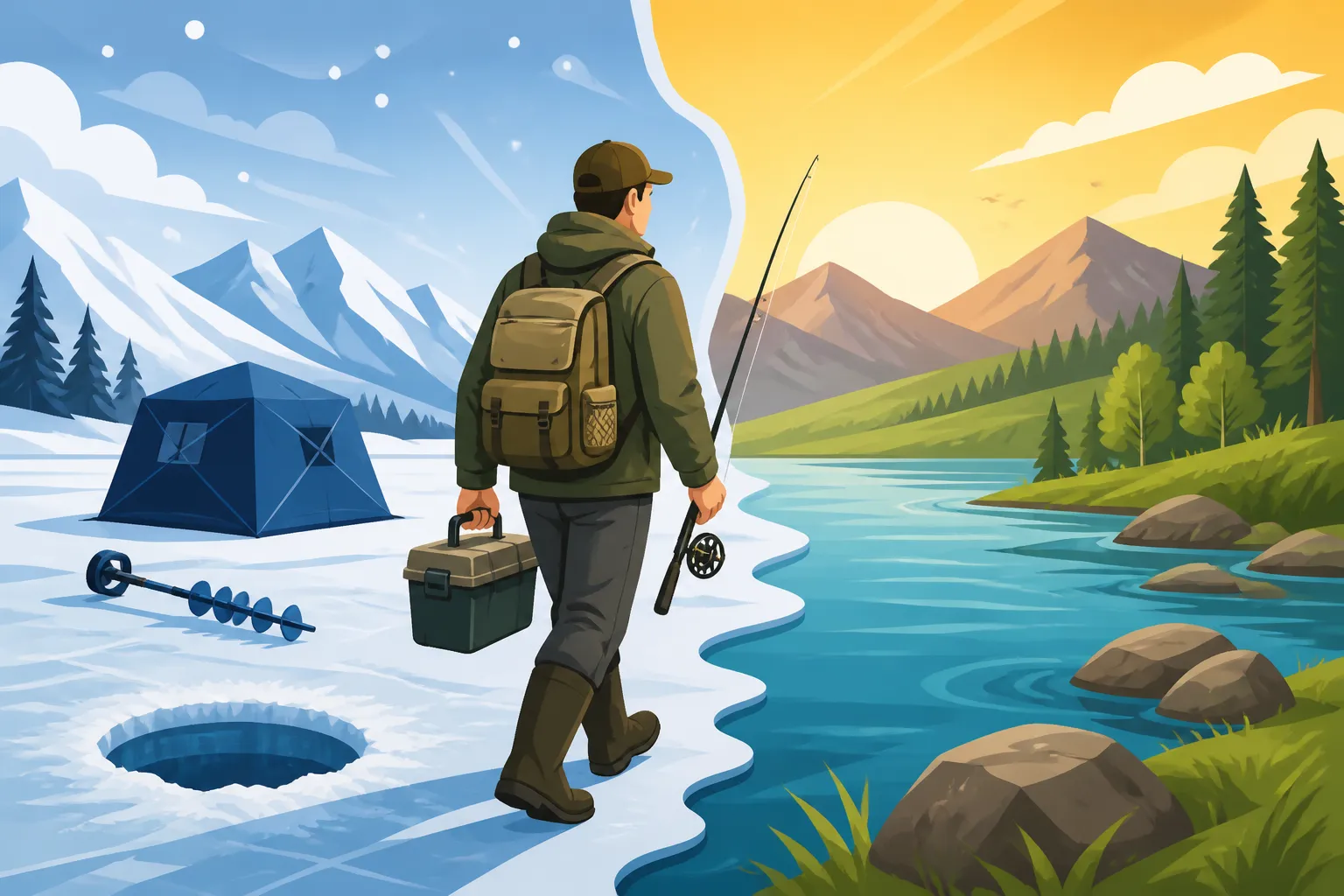
You've spent all winter bundled up, patiently waiting by your auger, chasing flags and jigging for those elusive lakers and walleye. There's a certain magic to ice fishing, isn't there? But as the days get longer and the sun feels a little warmer, a familiar question starts to bubble up: "When exactly does this glorious ice fishing season end in Wyoming?" It's a tricky one, because unlike some other seasons, there's no single, hard-and-fast closing date stamped on a calendar. Instead, it's a gradual, sometimes frustrating, transition, governed by a mix of official regulations, ever-changing ice conditions, and a whole lot of common sense. This guide will walk you through understanding when to reluctantly pack away your ice fishing gear and safely welcome spring fishing.
The Official Word: Wyoming Game and Fish Regulations and Interpretations
When it comes to the official end of ice fishing season in Wyoming, it's less about a specific date and more about the presence of safe ice on waters that are legally open to fishing. The Wyoming Game and Fish Department (WGFD) doesn't typically declare a blanket "ice fishing season closed" for the entire state. Instead, they operate on a water-by-water basis, meaning that some lakes might remain viable for ice fishing much longer than others. The main takeaway is that if a water body is open to fishing, and it has safe ice, you can generally continue to ice fish.
No Universal Closing Date for Ice Fishing
This is often where the confusion begins for many anglers, especially those new to the state or used to more rigid seasons elsewhere. Imagine you're out on a late March day, feeling the sun on your face, and you see someone else still drilling holes. Your first thought might be, "Is that even allowed?" The answer is usually yes, as long as the ice is safe and there are no specific water closures in effect. The WGFD regulations primarily focus on when a body of water is open to fishing, and ice fishing is simply one method of fishing allowed during those open periods. For most waters designated as "open year-round," ice fishing is permitted until the ice melts away or becomes unsafe.
What can impact late-season ice fishing are specific regulations related to spawning closures or other conservation efforts. For instance, some sections of rivers or specific lake inlets might have closures to protect spawning fish, even if the main lake remains open. These are usually clearly outlined in the annual regulations. It's truly essential to pick up a copy of the Wyoming Fishing Regulations booklet each year or check the online version to understand the nuances for the specific waters you plan to fish. Understanding the overarching Wyoming Fishing Regulations Every Angler Should Know is a great starting point, and then diving into the detailed water-specific rules will keep you on the right side of the law.
How to Interpret the Regulations for Spring Ice
So, how do you know if your favorite spot is still fair game? First, verify that the water body isn't subject to any special Wyoming Fishing Seasons and Water-Specific Closures that might come into effect in early spring. These are usually tied to species like trout or walleye spawning and can close certain areas, or even entire lakes, for a period. For example, some high-alpine lakes might have later ice-outs but also late spring closures to protect sensitive spawning grounds.
Beyond explicit closures, the regulations often list a general season for each water, such as "open year-round," or "May 1 to October 31." If it's open year-round, your decision to ice fish in March or April hinges entirely on ice safety. This means it's your responsibility as an angler to constantly monitor conditions. The WGFD generally advises that ice should be at least 4 inches thick for safe walking, and significantly more for snowmobiles or vehicles. As spring approaches, that reliable 4 inches can quickly become unreliable. Remember, the regulations tell you if you can fish, but Mother Nature tells you when you can fish safely on the ice.
Reading Nature's Cues: When the Ice Itself Says Goodbye
While regulations provide the framework, the real "end" of ice fishing season is dictated by the rapidly changing ice conditions. Spring ice is a fickle beast, and what looked solid one day can be a death trap the next. It’s a bittersweet time; you’re eager for open water, but you still want that last ice fishing fix.
The Dangers of Spring Ice
As temperatures rise and the sun's intensity increases, ice transforms. Winter ice is typically a solid, uniform sheet, often referred to as "black ice" if it's clear and strong. Spring ice, however, develops a crystalline, honeycombed structure. Meltwater seeps into the ice, expanding and contracting, which weakens the bonds between ice crystals. This process creates what's known as "rotten ice," which can look thick and sturdy from a distance but crumble underfoot.
Imagine stepping onto a seemingly solid patch only to have your foot plunge through. It's a terrifying scenario that becomes far more likely in spring. The ice starts to "candle" – vertical ice crystals separate, making it incredibly unstable. You might see large areas of slush on the surface, indicating significant melting and water saturation within the ice pack. These slushy spots can hide dangerously thin or rotten ice beneath. Furthermore, pressure ridges, which were perhaps stable all winter, can become highly unstable as the ice sheet expands and contracts with daily temperature swings, creating dangerous open cracks or weak points. These rapidly deteriorating conditions are why understanding How Thick Ice Needs to Be to Fish Safely becomes even more critical in the spring.
Visual Cues and Listening for Warnings
Developing an eye for spring ice is crucial for survival. As you approach a lake, look for dark spots, especially near shore or around inlets and outlets. These are areas where the ice is thinning or has already melted. Pay close attention to the edges of the lake; if there’s open water along the shoreline, or if the ice has pulled away from the bank, it’s a massive red flag. This separation is called "shore rot" and it means the ice is no longer supported and can easily break free.
Listen carefully. Solid winter ice makes distinct sounds – sometimes a deep moan or crack that can be unsettling but often indicates strength. Rotten spring ice, however, might make no sound at all, or a crackle that sounds like breaking glass. If you hear a series of small, rapid cracks, that's your cue to retreat immediately. You should always be carrying essential safety gear. Ice picks, which you can wear around your neck (many options are available on Amazon), are non-negotiable for late-season adventures, allowing you to pull yourself out if you break through. A spud bar (also easily found on Amazon) is your best friend, used to check ice thickness every few steps, especially when moving into unfamiliar territory. Don’t just assume!
Transitioning Seasons: Late Ice Opportunities and Considerations
Even as the ice begins its inevitable retreat, there’s often a period of exciting late-ice fishing. This "last hurrah" can be some of the most productive fishing of the entire season, but it demands extra caution and a shift in tactics.
Fish Behavior During Late Ice
As the ice starts to melt and meltwater flows into the lake, it brings with it increased oxygen levels and new food sources. The sun penetrates the thinning ice more easily, warming the shallow areas first. This change in environment often signals to fish that it’s time to become more active. Many species, particularly rainbow trout, perch, and even some walleye, will move into shallower waters closer to shorelines, points, and inflows. They're looking for warmer water, increased oxygen, and the insect larvae and baitfish that are now more accessible.
This behavioral shift means your usual mid-winter deep-water spots might not be as productive. Instead, focus on areas where current enters the lake, or bays and coves that get a lot of sun exposure. Fish become more aggressive feeders as they anticipate the spawning season and the metabolic boost of warmer water. This can lead to fast and furious action, making those last few trips incredibly rewarding. It's a stark contrast to the sluggish bites you might experience in the dead of winter. If you're looking for specific species, understanding Wyoming Spring Fishing: What to Expect can give you a leg up on where to focus your efforts.
Gear Adjustments for Warmer Days
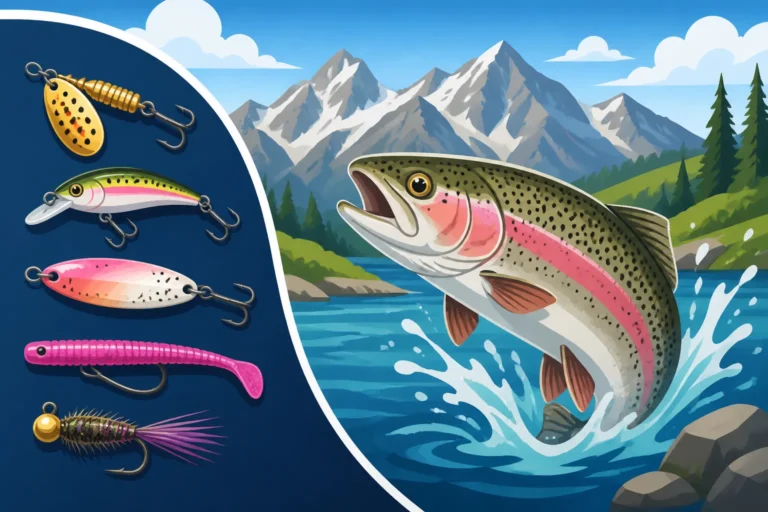
With fish becoming more active and often moving shallower, you might need to adjust your gear and presentation. While heavy jigging spoons worked well in mid-winter deep water, lighter tackle and more subtle presentations often shine during late ice. Small jigs tipped with a grub, wax worm, or even a small plastic will entice these more aggressive, but sometimes wary, fish.
Consider downsizing your line as well; thinner lines are less visible in clearer meltwater and allow for more natural bait movement. If you're targeting perch, small tungsten jigs with a tiny piece of Gulp! or PowerBait can be deadly. For trout, a small spoon or even a simple jig-and-minnow setup can be highly effective. Don't forget your polarized sunglasses! The bright sun reflecting off the ice can be brutal, and they'll help you spot subtle changes in ice conditions and even cruising fish if the water is clear enough. Many anglers also appreciate lightweight, breathable outer layers during late ice, as the weather can swing wildly from chilly mornings to surprisingly warm afternoons.
Planning Your Last Ice Fishing Adventures Safely
The temptation to squeeze in one more trip is strong, and sometimes those last few days on the ice are the most memorable. But those memories should be of exciting catches, not dangerous mishaps. Prioritizing safety is paramount when the ice season is winding down.
Essential Safety Gear for Late-Season Ice
I cannot stress this enough: your safety gear checklist for late-season ice is even more critical than for mid-winter. Forget a piece of gear in January, and you might just be cold. Forget it in April, and you could be in serious trouble. A floatation suit (sometimes called a survival suit or "ice armor") should be at the top of your list. Brands like Clam and Eskimo make excellent ones that offer both warmth and buoyancy, which could literally save your life if you fall through. These suits typically have built-in flotation, reducing the shock of cold water and providing precious minutes to self-rescue or await help.
Beyond a flotation suit, always carry ice picks, a throwable rope (at least 50 feet), and a fully charged cell phone in a waterproof bag. It's also wise to pack a change of warm, dry clothes in a watertight container in your vehicle, just in case. And, please, never, ever fish alone on spring ice. A buddy system is not just a good idea; it's a non-negotiable rule. If one person breaks through, the other can provide immediate assistance, call for help, or deploy a rescue rope. Remember, help might be a long way off in Wyoming's vast landscapes.
Checking Conditions Before You Go
Before you even leave your driveway, you need to do your homework. Start by checking the local weather forecast. Look for sustained periods of warm temperatures, especially overnight, as this significantly weakens ice. A stretch of freezing nights can often firm up the ice for a few more days, but don't let a single cold night fool you into thinking weak ice is suddenly strong again.
Your next stop should be local resources. Call bait shops or sporting goods stores in the area where you plan to fish. These folks are usually on the ice daily and have the most up-to-date, real-world information on ice thickness and integrity. Check online forums or social media groups dedicated to Wyoming fishing; other anglers often share reports. The WGFD website may also issue advisories, but these are generally broad and not specific to a particular cove on a particular lake. Ultimately, common sense prevails. If the conditions look questionable, err on the side of caution. No fish is worth risking your life. This diligent checking should be part of your routine for any ice trip, but especially at the tail end of the season, as emphasized in guides like How to Find Fishable Ice on a Wyoming Reservoir.
| Feature | Early Season Ice (First Safe Ice) | Late Season Ice (Spring Thaw) |
|---|---|---|
| Ice Formation | Rapidly freezing, often clear "black ice." | Melting, deteriorating from top and bottom, "rotten" or "honeycomb" ice. |
| Color/Appearance | Clear, dark, or uniformly white with minimal snow cover. | Dark spots, slushy areas, milky/opaque, open water near shore. |
| Sound | Deep moans, cracks, sometimes loud but generally indicates strength. | Quiet, or series of small, rapid crackles; often no sound before breakthrough. |
| Thickness | Often consistent across a wide area (e.g., 4-6 inches). | Highly variable, can be thick in one spot, dangerously thin a few feet away. |
| Strength | Strong, dense, and holds weight well. | Weak, porous, crumbles easily, especially near pressure ridges or inlets. |
| Fish Activity | Can be slower as fish adjust to ice cover. | Increases significantly as water warms and oxygen improves. |
| Primary Danger | Falling through due to insufficient thickness. | Falling through due to rotten, unstable ice, often unexpectedly. |
| Safety Emphasis | Basic thickness checks, buddy system. | All safety gear, constant vigilance, extensive pre-trip checks. |
Looking Ahead to Open Water Fishing
The official end of ice fishing in Wyoming often isn't a "flip of a switch" moment. It's a gradual transition, lake by lake, stream by stream. As the ice becomes too dangerous to venture onto, your attention naturally turns to the exciting possibilities of open water. This is when many anglers start thinking about the first spring hatches on rivers or the early season trolling opportunities on larger reservoirs.
Even when the ice covers a lake, the rivers are often the first to open up, offering fantastic early-season opportunities. The North Platte River, for instance, can offer incredible fishing even in early spring as ice breaks up. Small streams and freestone rivers will begin to thaw and flow freely, providing different challenges and rewards. Many anglers transition to fly fishing or spin casting from shore as the ice recedes, taking advantage of fish that are moving into shallower, warmer waters after a long winter under the ice.
So, while the end of ice fishing can feel a little sad, it truly heralds the beginning of a whole new season of angling adventure. Keep a close eye on those local reports, respect the ice, and get ready for the next chapter of Wyoming fishing. And don't forget, when the ice is gone, the real fun of spring fishing begins!
Disclaimer
The information provided in this guide is for general informational purposes only and is not a substitute for official regulations, professional guidance, or personal judgment regarding safety. Always consult the most current Wyoming Game and Fish Department regulations before fishing. Ice conditions are unpredictable and can change rapidly; always prioritize personal safety and never venture onto unsafe ice.