Best Season to Fish Yellowstone’s Rivers
Trying to figure out the absolute best time to hit the rivers in Yellowstone National Park can feel like solving a complex puzzle. With varying regulations, unpredictable weather, and the sheer vastness of the park, it's easy to get overwhelmed. This guide is here to untangle that knot, offering you a clear, realistic roadmap to understanding Yellowstone's river fishing seasons, helping you plan a trip that maximizes your chances of a truly memorable experience.
Understanding Yellowstone's Unique River Fishing Landscape
Before we dive into the specific seasons, it’s crucial to understand that fishing in Yellowstone National Park isn't like fishing in most other places in Wyoming. The park operates under its own distinct set of rules and regulations, designed to protect its unique ecosystem, especially the native Yellowstone Cutthroat Trout. This means that while certain times of year might be fantastic, you absolutely must know the specifics before you even pack your gear.
Navigating Park Regulations and Seasonal Closures
One of the biggest frustrations anglers face when planning a Yellowstone trip is the sheer volume of rules. The National Park Service has specific opening and closing dates for different waters, and these can change based on fish spawning, water levels, or even wildlife activity. For instance, many river sections open later in the year than typical Wyoming waters to protect spawning fish. You’ll often find that most rivers inside Yellowstone open around late May or early June, well after many other areas of the state are in full swing. These specific dates are paramount for planning.
It's not just about when waters are open, but how you can fish them. The park strongly emphasizes catch-and-release for native species like the Yellowstone Cutthroat Trout, often requiring barbless hooks and specific handling techniques. Some areas might even have mandatory kill regulations for non-native species like Lake Trout, especially in Yellowstone Lake itself, to protect the native cutthroat population. The rules are not suggestions; they are strictly enforced to preserve the fishery. Always check the official National Park Service fishing regulations booklet for the most current information, which outlines things like Fishing Rules Inside Yellowstone National Park.
The Ecosystem: Cutthroat Trout and Their Habitat
Yellowstone's rivers are iconic for their wild, native populations, with the Yellowstone Cutthroat Trout being the undisputed star. These fish are incredibly resilient but also sensitive to environmental changes. Their life cycle dictates much of the fishing season. For example, their spawning runs in late spring and early summer lead to many river sections being temporarily closed or having specific restrictions. When considering What Fish Are in Yellowstone Lake, remember that the lake's health directly impacts the river systems connected to it. Understanding the cutthroat's behavior – where they feed, hide, and spawn – is key to a successful trip, no matter the season.
The high-altitude environment also plays a huge role. Even in summer, river temperatures can fluctuate, and cold snaps can affect insect hatches and fish activity. Water clarity, especially after rain or during runoff, can drastically change your fishing strategy. It’s a dynamic environment where adaptation is as important as preparation.
Spring Fishing: The Runoff Roulette (Late May – Early July)
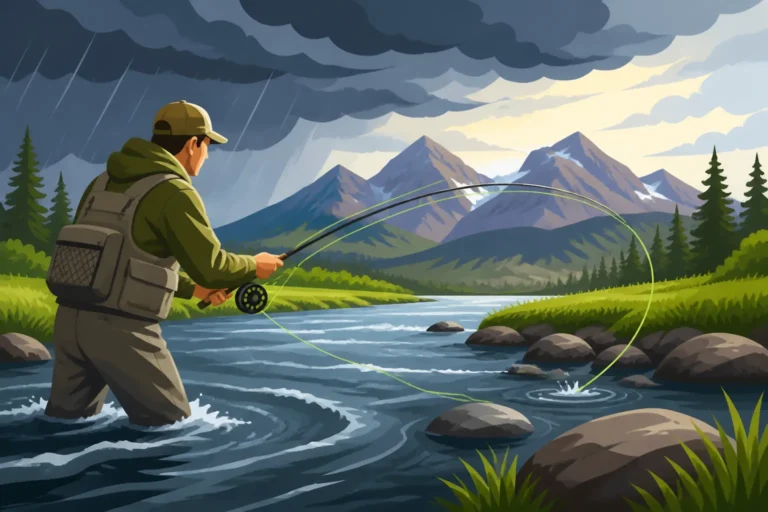
Spring in Yellowstone is a season of dramatic change, and for river anglers, it's often a game of "runoff roulette." You can hit it just right and experience some incredible early-season action, or you might arrive to find roaring, chocolate-milk rivers that are unfishable. It's a high-risk, high-reward period that requires patience and flexibility.
Navigating High Water and Muddy Conditions
When the massive snowpack from the surrounding mountains begins to melt, typically from late May through early July, Yellowstone's rivers swell. This period, known as runoff, brings high water levels and often very murky conditions. Trying to present a fly or lure effectively in a raging, silty river is incredibly challenging, and frankly, often unproductive. This is when frustration can really set in if you haven't prepared for it.
However, savvy anglers know that runoff isn't uniform. Smaller tributaries or rivers fed by lakes (which filter some of the sediment) might clear up sooner or remain more fishable. The key is to closely monitor stream flows and clarity before and during your trip. Sometimes, even if the main river is blown out, you can find pockets of clearer water, or fish might push into calmer side channels and eddies, making them accessible. Heavy nymph rigs, streamers, and even bait (where legal, which is rare in the park) can be effective if you can find fishable water. You'll want a reliable set of waders and boots, and if you need some new gear, checking options on Amazon can help you find what you need before you head out.
The Rewards of Early Season Fishing
Despite the challenges, early season fishing in Yellowstone can be immensely rewarding if you catch a break in the runoff or target the right waters. As waters begin to recede and clear, often in late June or early July, the trout are hungry. They haven't seen much pressure, and they're eager to feed after the long winter and demanding spawn.
The first good hatches of stoneflies and caddis often emerge during this time, creating exciting dry fly opportunities. The fish are typically robust and active, making for strong fights. This is also a time when you might encounter fewer crowds compared to the peak summer months, offering a more serene experience. Rivers like the Firehole and Madison, often influenced by geothermal activity, can sometimes be clearer earlier in the season due to warmer flows, offering some of the earliest opportunities, though their temperatures can get too warm later in summer. For a broader overview of seasonal changes, check out Wyoming Fishing Seasons Month by Month.
Summer Fishing: Peak Season and Prime Dry Fly Action (July – August)
Summer is undeniably the most popular time to fish Yellowstone's rivers. The weather is generally stable, water levels have usually dropped and cleared significantly, and insect hatches are in full swing. This is when the park's dry fly fishing reputation truly shines.
Consistent Hatches and Active Trout
From mid-July through August, Yellowstone's rivers typically offer consistent fishing conditions. The water temperatures are ideal for trout, and a diverse array of aquatic insects provides a steady food source. You'll encounter prolific hatches of caddis, mayflies (like Green Drakes and Pale Morning Duns), and terrestrials such as grasshoppers, ants, and beetles.
This means plenty of opportunities for exhilarating dry fly fishing, where you cast an imitation insect to a rising trout and watch it sip your fly from the surface. It's truly a magical experience and one of the main draws for anglers to Yellowstone. Even if the dry fly action isn't constant, nymphing under an indicator or stripping streamers can be highly effective, especially in deeper runs and pools.
Many guides operate during this peak season, offering float trips on some of the larger rivers, which can be a fantastic way to access more water. Just be prepared for competition on the water, as this is when the park sees its highest visitation.
Crowds and Ethical Angling Considerations
With peak season comes peak crowds. Popular rivers and easily accessible spots can get quite busy, especially on weekends and holidays. This can be a point of frustration for those seeking solitude. You might find yourself sharing a run with other anglers, or waiting your turn for a prime spot.
To mitigate this, consider fishing during weekdays, arriving early in the morning, or exploring less accessible stretches of river. Backpacking into some of the more remote sections can offer incredible solitude and pristine fishing, though it requires more effort. When fishing in crowded areas, practicing good stream etiquette – giving other anglers space, wading carefully, and minimizing disturbances – is paramount. Remember that proper catch-and-release techniques are even more crucial when fish are under pressure. If you're planning a trip with a guide, you might consider booking Guided Fishing Trips in Yellowstone National Park, Wyoming.
One important summer consideration, especially in late August, is water temperature. During prolonged heatwaves, some rivers, particularly the lower Firehole and Madison, can warm up to dangerous levels for trout. When water temperatures reach into the high 60s or low 70s Fahrenheit, trout become stressed, and catch-and-release mortality increases dramatically. The park sometimes implements "hoot owl" restrictions, closing fishing during the hottest parts of the day. Always carry a thermometer and be willing to stop fishing if water temperatures are too high – the fish's well-being comes first.
Fall Fishing: Serenity, Big Browns, and Vibrant Colors (September – October)
For many experienced Yellowstone anglers, fall is the true "best season" to fish the park's rivers. The summer crowds begin to dissipate, the weather turns crisp, and the scenery explodes with vibrant autumn colors. Best of all, the fishing can be spectacular, especially for larger trout.
Fewer Crowds and Cooler Temperatures
As Labor Day passes, the number of visitors to Yellowstone drops significantly. This means more solitude on the rivers and less competition for prime fishing spots. The cooler air and water temperatures are a welcome relief for both anglers and trout. Fish become more active and aggressive, feeding heavily in preparation for winter.
The cooler temperatures also mean you can fish comfortably throughout the day without worrying about overheating trout. You'll still encounter decent hatches of smaller mayflies and midges, but the focus often shifts to larger, more robust patterns, especially streamers. This is also a fantastic time for terrestrial fishing, as grasshoppers and ants are still active, but perhaps less abundant, prompting trout to be opportunistic. You can easily find various streamer patterns and terrestrial imitations on Amazon to stock your fly box.
The Hunt for Trophy Brown Trout
While Yellowstone is famous for its cutthroat, fall is the time to target larger brown trout, particularly in rivers like the Madison, Yellowstone, and Gardner. These fish begin their annual spawning migration, moving upstream from larger lakes or reservoirs into the rivers. They become incredibly aggressive and territorial, making them prime targets for anglers willing to put in the effort.
Fishing for these fall-run browns often involves larger streamer patterns that imitate baitfish. It's a more active, predatory style of fishing that can yield some truly magnificent fish. The browns are often at their most colorful during this time, displaying brilliant reds, oranges, and golds, which perfectly complement the fall foliage. If you're specifically after a trophy, this is when you have the best shot. For more targeted information, check out Best Wyoming Fishing Months for Trophy Trout.
The fall season typically runs until early November when many park roads and facilities begin to close for the winter. Some river sections may also close earlier due to ice formation or specific fish management goals, so always consult the most current regulations.
Winter Fishing: A Niche, Limited Opportunity (November – March)
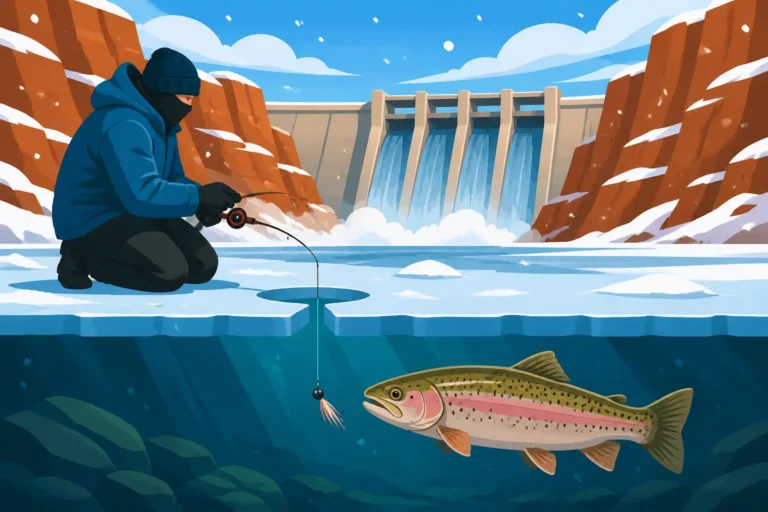
Winter fishing on Yellowstone's rivers is a niche pursuit, largely due to park closures and harsh conditions. Unlike other parts of Wyoming where ice fishing thrives, river fishing within the park during winter is extremely limited, and for most anglers, practically nonexistent.
Park Closures and Road Access Challenges
The vast majority of Yellowstone National Park roads close to regular vehicle traffic from early November through late April or early May. This immediately cuts off access to most of the park's prime river fishing areas. The few areas that remain accessible, primarily the Madison River near the West Entrance, still present significant challenges.
Even if you can reach a river, dealing with sub-freezing temperatures, heavy snow, and strong winds requires specialized gear and a high tolerance for discomfort. Ice often forms along riverbanks and in slower sections, making wading difficult and dangerous. For most people, a winter trip to Yellowstone is more about wildlife viewing or cross-country skiing than river fishing.
Limited Open Waters and Specific Tactics
For the hardy few who venture out, the Madison River between the West Entrance and Norris Geyser Basin is typically the most reliable winter option. Here, warmer geothermal inputs keep sections of the river ice-free. However, fish activity is significantly reduced due to cold water temperatures and scarce insect hatches.
Winter fishing tactics usually involve very small nymphs, midges, and occasionally tiny streamers, fished slowly and meticulously. It's a game of patience, subtle takes, and precise presentations. While you might catch some incredibly robust, winter-hardened trout, it's not the high-action fishing many envision. If you're interested in cold-weather angling, learning about Ice Fishing in Wyoming: A Complete Guide might be more relevant for other areas of the state, as Yellowstone's river scene in winter is very different.
Key Considerations for Planning Your Yellowstone River Fishing Trip
No matter which season you choose, a successful Yellowstone river fishing trip requires thoughtful planning and a willingness to adapt. The park is a wild place, and conditions can change rapidly.
Gear Up Properly
Yellowstone's weather can be notoriously fickle. Even in summer, mountain storms can roll in quickly, bringing cold rain or even snow. Always pack layers of clothing made from synthetic materials or wool – never cotton – to stay warm even when wet. A good waterproof and windproof jacket and pants are essential. Waders and wading boots are a must for river fishing. If you're doing any hiking, ensure your boots are comfortable and provide good ankle support.
Don't forget essentials like polarized sunglasses (critical for spotting fish and protecting your eyes), a hat, sunscreen, insect repellent, and plenty of water. A quality fishing net with a rubber mesh is crucial for safely landing and releasing fish. For fly anglers, multiple rod weights (e.g., a 4-weight for dries and a 6-weight for streamers) can be beneficial. Many of these items can be found with quick shipping on Amazon, saving you time.
Flexibility and Back-Up Plans
Yellowstone's rivers can be unpredictable. Runoff can last longer than expected, summer heat can trigger closures, or a sudden cold front can shut down a hatch. Having a flexible itinerary and some backup plans is vital. This might mean having a list of alternative rivers or lakes to visit if your primary target is unfishable. Remember, if you are planning to fish outside of the main park, regulations for places like Fishing Rules Inside Grand Teton National Park or the surrounding national forests will differ.
Staying informed about current conditions is easier than ever. Check the National Park Service website for the latest fishing regulations and any emergency closures. Local fly shops in gateway towns like West Yellowstone, Gardiner, or Cody are invaluable resources for up-to-the-minute reports on river conditions, hatches, and recommended flies. Don't be afraid to stop in and ask for advice – these folks live and breathe Yellowstone fishing.
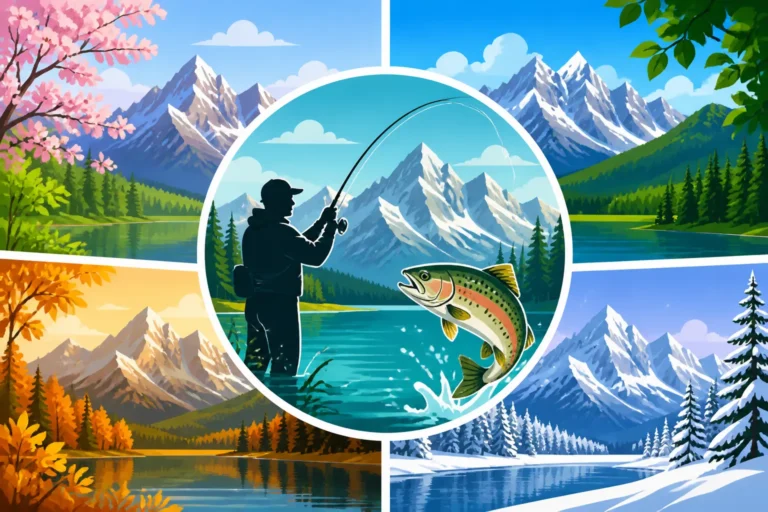
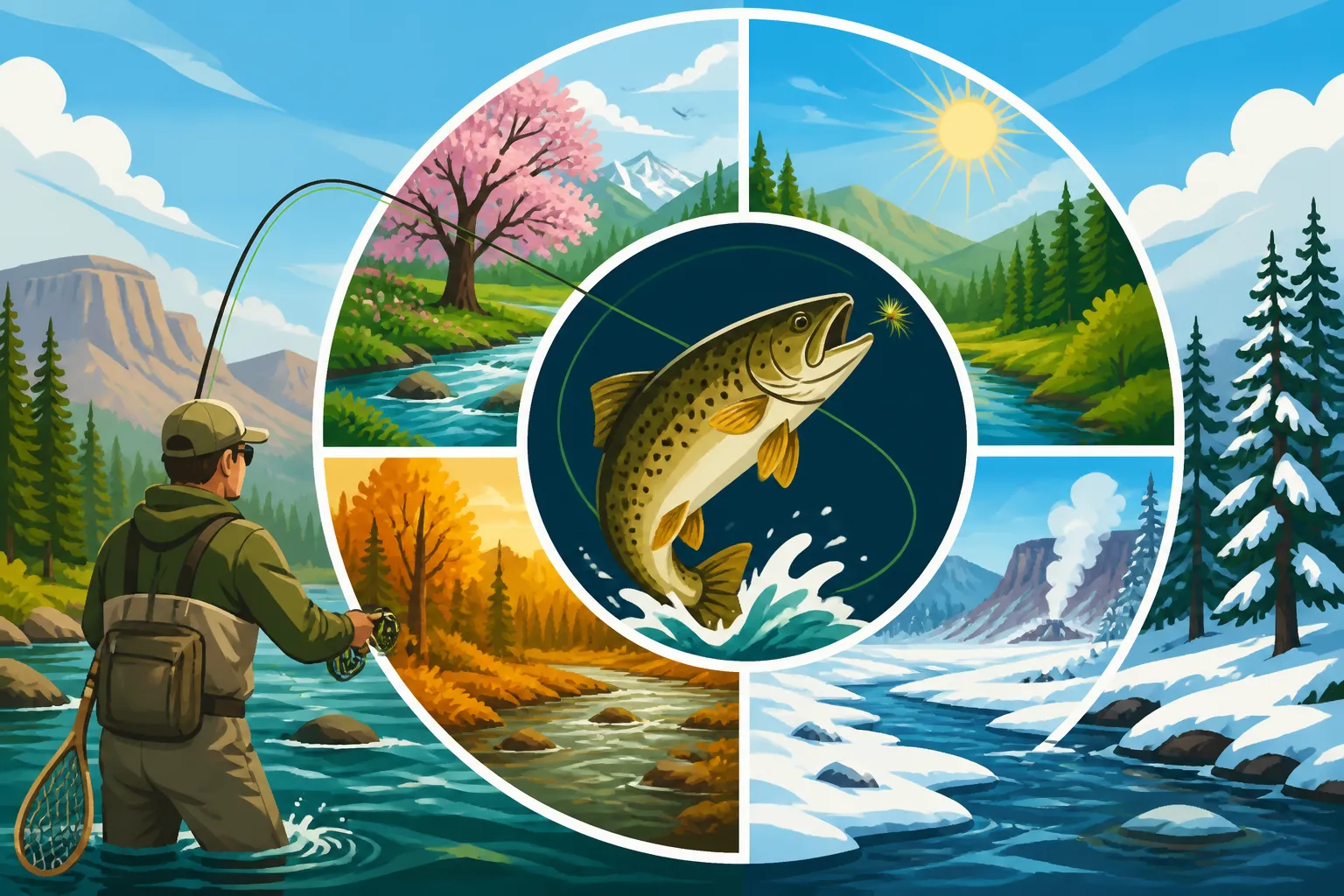
Table: Yellowstone River Fishing Seasons at a Glance
| Season | Typical Dates | Primary Characteristics | Pros | Cons |
|---|---|---|---|---|
| Spring | Late May – Early July | Runoff, high water, fluctuating conditions | Fewer crowds, hungry fish post-spawn | Unpredictable conditions, many unfishable rivers |
| Summer | July – August | Clear water, consistent hatches, warm weather | Peak dry fly action, diverse insect life, stable conditions | High crowds, potential for warm water closures late season |
| Fall | September – October | Cooler temps, less crowded, vibrant foliage, brown trout run | Solitude, aggressive fish, trophy brown opportunities | Shorter days, colder weather, potential early snow |
| Winter | November – March | Park closures, harsh conditions, limited access | Extreme solitude (if accessible) | Minimal fish activity, dangerous conditions, very limited access |
Leave No Trace Principles
Yellowstone is a national treasure, and it's up to every angler to help preserve its pristine beauty. Practice strict Leave No Trace principles: pack out everything you pack in, stay on designated trails, and respect wildlife. When fishing, use rubber mesh nets to minimize harm to fish, avoid handling fish excessively, and ensure quick, careful releases. These small actions collectively make a huge difference in protecting the ecosystem for future generations of anglers.
Conclusion: Your Best Season Depends on Your Goal
Ultimately, the "best" season to fish Yellowstone's rivers really boils down to what you're hoping to experience.
- If you crave solitude, vibrant scenery, and a shot at a trophy brown trout, fall is your undisputed champion.
- If consistent dry fly action, warm weather, and a classic Yellowstone experience are what you're after, summer is hard to beat, provided you're prepared for the crowds.
- If you're an adventurous spirit willing to gamble with conditions for a chance at early-season solitude and aggressive fish, spring offers exciting potential.
- And if you're a true minimalist looking for a unique challenge in extreme conditions, winter offers an experience unlike any other, albeit with extremely limited access.
No matter when you decide to visit, Yellowstone's rivers promise an unforgettable fishing adventure. Do your homework, gear up appropriately, and embrace the wild, untamed beauty of this incredible national park.
Disclaimer
This article is for general informational purposes only and does not constitute professional advice. Laws, prices and regulations vary by location and change over time. Consult a qualified professional for guidance on your specific situation.