Fishing Rules Inside Grand Teton National Park
You’ve finally carved out that dream trip to Grand Teton National Park, imagining crisp mountain air, stunning backdrops, and the thrill of a trout on the line. But then you start looking into the nitty-gritty, and suddenly, those crystal-clear waters seem as murky as the regulations themselves. It's frustrating to plan an epic fishing adventure only to realize state rules don't always apply, and national park specifics can be a whole different ballgame. This guide is here to untangle all that, giving you a straightforward look at fishing rules inside Grand Teton National Park so you can focus on the fishing, not the fines.
Why Grand Teton's Fishing Rules Are Different and Important
When you're planning a fishing trip to Wyoming, you quickly learn that understanding the state's general regulations is crucial. However, when you step into a national park like Grand Teton, it's not quite that simple. The park operates under a unique set of federal guidelines that often supersede or add to the state's rules, making it a bit of a head-scratcher for even seasoned anglers. This isn't done to complicate your life, but rather to protect a truly special and delicate ecosystem.
The Overlap of State and Federal Authority: A Common Point of Confusion
Imagine you've meticulously studied the Wyoming Resident vs Nonresident License Rules and feel confident about your general knowledge of fishing in the state. You might assume that once you have your Wyoming fishing license in hand, you're good to go anywhere within its borders. While that's mostly true for the vast majority of public lands and state waters, national parks like Grand Teton introduce another layer of jurisdiction. The National Park Service (NPS) has its own mandate: to preserve natural and cultural resources for future generations. This mission often means stricter regulations on everything from backcountry camping to, yes, fishing.
What this boils down to is a dual-layered regulatory system. You absolutely still need a valid Wyoming fishing license, but on top of that, you must also adhere to specific Grand Teton National Park regulations, which can differ significantly from statewide rules regarding bait, tackle, and even species-specific limits. It’s not uncommon for anglers to get caught off guard, assuming their general Wyoming knowledge will suffice. Always remember that the park rules are designed with the unique, often sensitive, resources of Grand Teton in mind, aiming to maintain ecological balance in this iconic landscape.
Conservation First: Protecting a Pristine Ecosystem
The primary reason for these distinct rules is the park's unwavering commitment to conservation. Grand Teton is a gem, home to some of the most stunning scenery and incredible wildlife in North America. Its waters are no exception, hosting native fish populations that are crucial to the region's biodiversity. The regulations are specifically crafted to minimize human impact, prevent the spread of aquatic invasive species, and ensure the long-term health of these aquatic environments. For instance, the park places a strong emphasis on protecting native species like the Snake River Fine-Spotted Cutthroat Trout. Understanding and respecting these conservation efforts is not just about following the law; it's about being a responsible steward of these precious resources.
Consider the delicate balance that exists here. Every decision, from bait choice to catch limits, impacts the entire food web and the delicate ecological processes at play. The NPS goes to great lengths to study and manage these fisheries, and the regulations are a direct reflection of that scientific understanding. When you understand that these rules are about preserving the very essence of what makes fishing in Grand Teton so spectacular—the wildness, the native fish, the pristine environment—it makes them a lot easier to embrace and follow. It's all about ensuring that those who come after us can experience the same unspoiled beauty and incredible fishing opportunities. You can learn more about Identifying a Yellowstone Cutthroat Trout and similar native species to understand why their protection is paramount.
Navigating Licenses and Permits for Grand Teton Fishing
Before you even think about casting a line in the breathtaking waters of Grand Teton National Park, you need to make sure your paperwork is in order. This isn't just a suggestion; it's a legal requirement, and overlooking it can quickly turn your dream fishing trip into a costly headache. Unlike some other public lands, fishing within a national park comes with specific hoops you need to jump through, primarily concerning your state fishing license and the park's entrance fees.
Your Wyoming Fishing License: A Must-Have
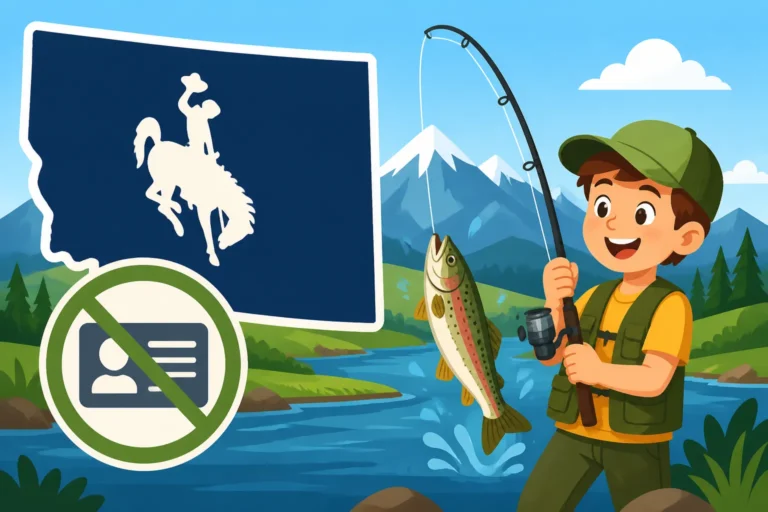
Let's start with the absolute non-negotiable: a valid Wyoming fishing license. Even though you're fishing within federal park boundaries, the fish themselves are considered state property until caught, and the management of these resources is a cooperative effort between the Wyoming Game and Fish Department (WGFD) and the National Park Service. So, yes, you do need a current Wyoming fishing license. This isn't a special "national park" license; it's the same one you'd buy to fish any other public waters in Wyoming.
You can purchase your Wyoming fishing license online through the WGFD website, or in person at various vendors across the state, including many sporting goods stores and even some smaller general stores near the park. Make sure you get the correct license for your residency status (resident or nonresident) and the duration of your trip (annual, daily, or multi-day). It’s always a good idea to buy it before you enter the park, as options might be limited once you're inside. Keep it easily accessible with you at all times while fishing, whether it's a physical copy or a digital version on your phone. If you're wondering, Do You Need a Wyoming License to Fish in Grand Teton National Park?, the answer is a resounding yes!
Beyond the License: Park Entrance Fees and Special Permissions
While your Wyoming fishing license covers your right to fish, it doesn't cover your right to enter Grand Teton National Park. Just like any other national park, there's an entrance fee to access the area. This fee helps fund park operations, maintenance, and conservation efforts. You can pay at the entrance station, or if you plan on visiting multiple national parks or frequently entering Grand Teton, an America the Beautiful Annual Pass might be a more economical option. This pass can be purchased online through retailers like Amazon or at any park entrance.
Beyond the standard entrance fee, most recreational fishing in Grand Teton doesn't require an additional "special permit" specifically for fishing. However, if you're planning any kind of commercial guiding operation, or perhaps a large, organized group event that involves fishing, then special use permits might be necessary. For the vast majority of individual anglers or small family groups, a Wyoming fishing license and a valid park entrance pass are all you need. Always double-check the most current Wyoming Fishing Regulations Every Angler Should Know and the Grand Teton National Park official website before your trip, as regulations can sometimes be updated. It’s better to be over-prepared than under-informed when it comes to park rules.
Species and Catch Limits Within the Park's Waters
Fishing in Grand Teton National Park offers some incredible opportunities, but it also comes with very specific rules about what you can catch, how many, and what you must do with certain species. These regulations are designed to protect native fish populations while managing invasive species that threaten the park's delicate aquatic ecosystems. It's a balancing act that requires every angler to be vigilant and informed.
Prioritizing Native Cutthroat Trout and Their Preservation
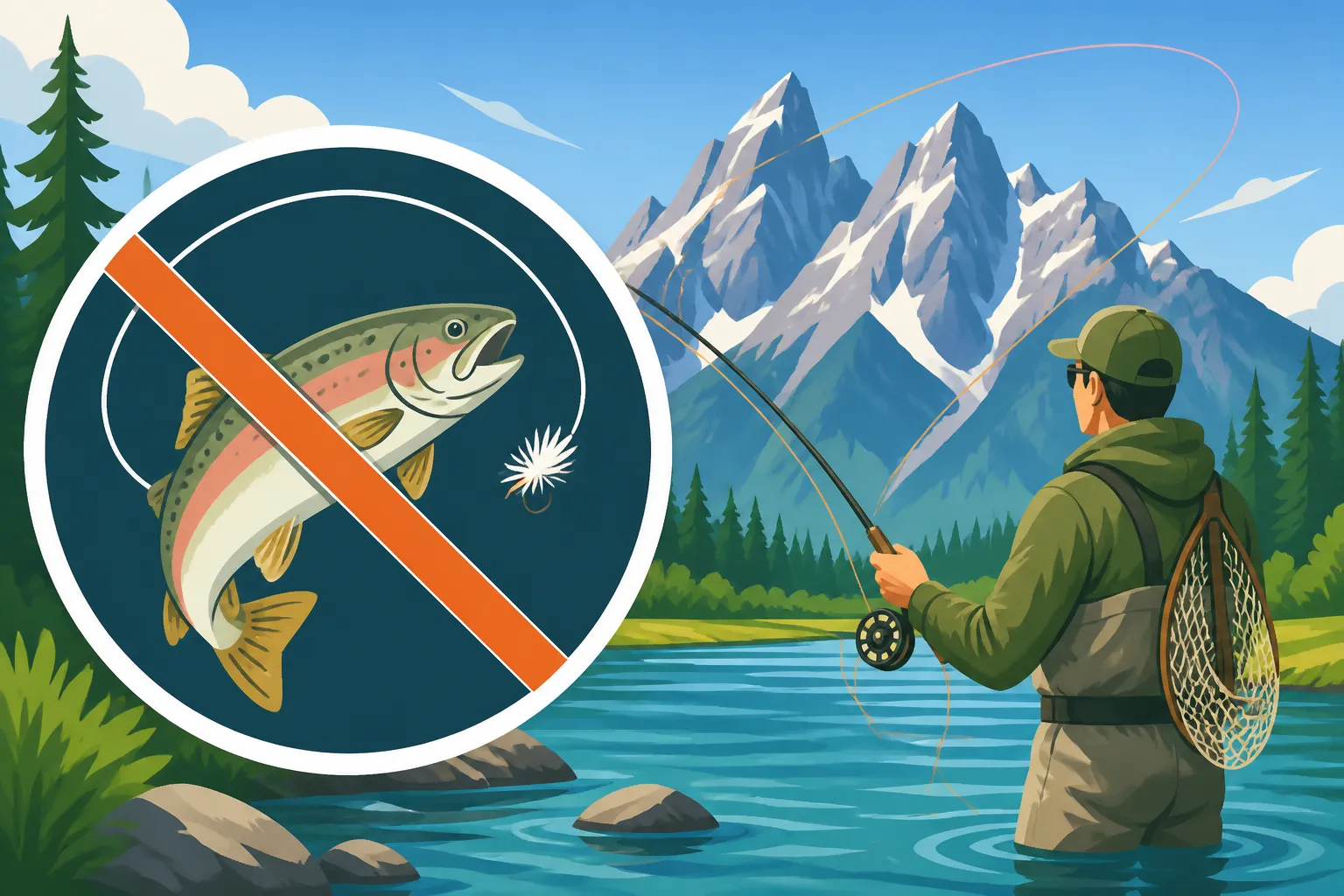
The undisputed star of Grand Teton's native fish community is the Snake River Fine-Spotted Cutthroat Trout, a subspecies of the Yellowstone Cutthroat. These beautiful fish are highly prized by anglers and are a critical part of the park's natural heritage. Consequently, the regulations surrounding them are particularly stringent. In many waters throughout Grand Teton, particularly streams and smaller lakes, these native cutthroats are managed as catch-and-release only. This means if you catch one, you must carefully release it back into the water unharmed. Where harvest is allowed, limits are typically very restrictive, often just one or two fish, and specific length restrictions might apply.
The reason for this strict protection is simple: cutthroat populations face numerous threats, including hybridization with introduced rainbow trout, competition with other non-native species, and habitat degradation. The park works tirelessly to maintain the genetic purity and health of its native cutthroats. As an angler, your role in this conservation effort is paramount. Learning how to properly identify these fish, handling them gently, and understanding the specific rules for each water body is not just a courtesy—it’s a responsibility. You can delve deeper into Where Yellowstone Cutthroat Trout Are Native in Wyoming to appreciate the historical context and importance of these fish.
Managing Non-Native Species: Lake Trout, Brook Trout, and More
While native species are protected, non-native fish often face a very different set of rules. Introduced species like Lake Trout (Mackinaw) and Brook Trout can be highly detrimental to native populations by competing for food, preying on juveniles, or altering habitat. For this reason, in some park waters, there are very liberal or even mandatory harvest regulations for these species. For example, in parts of Jackson Lake and Jenny Lake, there are no possession limits on Lake Trout, and anglers are strongly encouraged, and sometimes even required, to harvest all Lake Trout caught. This effort is similar to the ongoing struggle in Yellowstone National Park, where Why Lake Trout Are Considered a Problem in Yellowstone Lake is a well-documented issue.
Brook Trout, another non-native species, are often found in smaller streams and high-elevation lakes. While they offer excellent fishing opportunities, their prolific nature and competitive edge can sometimes outcompete native cutthroats. Consequently, many park waters have generous harvest limits for Brook Trout, often encouraging anglers to keep as many as they'd like. Always check the specific regulations for the water you plan to fish, as these rules can vary even between adjacent lakes or sections of a river. This active management through angler harvest is a vital tool in the park's strategy to restore and protect its native fisheries.
Understanding Daily and Possession Limits Specific to Grand Teton
The phrase "bag and possession limits" is common in fishing regulations, but in Grand Teton, these numbers can be significantly different from statewide Wyoming limits. The park's regulations often impose stricter limits on native species and more liberal ones on non-native species. A daily limit refers to the number of fish of a certain species you can keep in a single day, while a possession limit refers to the total number of fish you can have on hand at any given time, regardless of how many days you've been fishing.
For native cutthroat trout, daily and possession limits might be as low as one or two fish, or even strictly catch-and-release, often with specific size restrictions (e.g., "only one cutthroat over 16 inches"). For non-native species like Lake Trout or Brook Trout, the limits could be ten or more, or even "no limit." It’s absolutely critical to consult the most recent Grand Teton National Park fishing regulations, available on the NPS website or at park visitor centers, before you head out. Don't rely solely on the general How Bag and Possession Limits Work in Wyoming as the park's rules will override state regulations when more restrictive. Miscounting or misidentifying your catch can lead to citations, so when in doubt, practice catch-and-release, especially for any fish you're not 100% sure about.
Essential Gear, Bait, and Technique Regulations for Grand Teton
Just as important as understanding licenses and catch limits is knowing what gear and bait you can actually use within Grand Teton National Park. The park has some very specific restrictions designed to protect its pristine waters and native fish populations, particularly from physical harm and the introduction of harmful organisms. It’s not just about what you catch, but how you catch it.
Navigating Terminal Tackle: Barbless Hooks and Artificial Lures
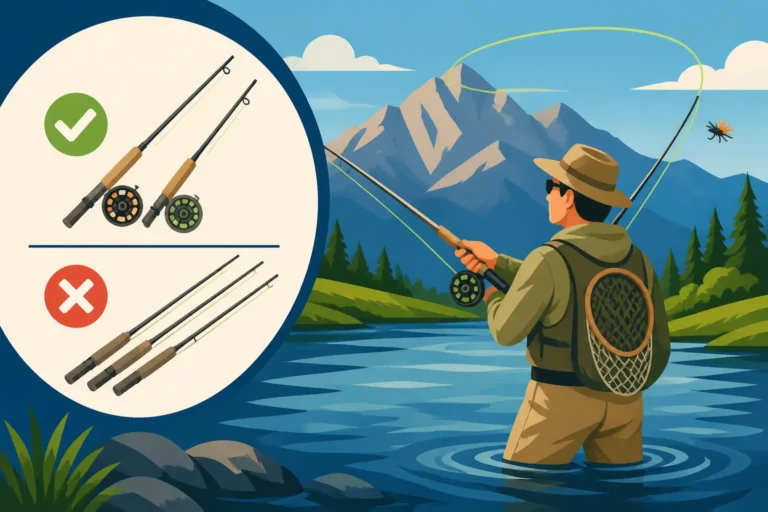
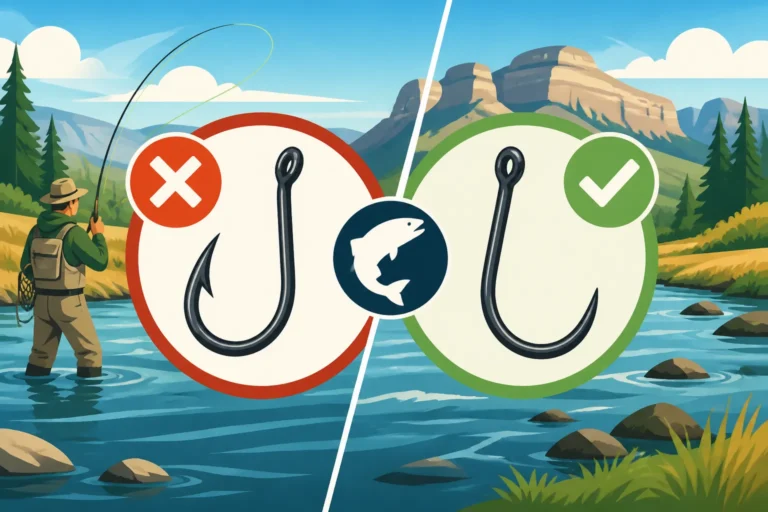
Many of Grand Teton's most popular fishing spots, especially those managed for native trout, mandate the use of artificial lures and flies only. This means no worms, no salmon eggs, no PowerBait – none of it. Furthermore, a significant number of waters require barbless hooks. The reason for this is clear: barbless hooks dramatically reduce injury to fish, making catch-and-release much more effective for fish survival. When a fish is hooked with a barbed hook, especially in a sensitive area like the gills or eye, the damage caused by removal can be fatal, even if the fish swims away initially. Barbless hooks allow for quick and clean releases, which is critical for maintaining healthy populations of native species.
If your hooks aren't factory barbless, it's easy to crimp down the barb with a pair of pliers. This simple step is a small effort that makes a huge difference in fish conservation. Always verify the specific terminal tackle requirements for your chosen fishing spot within the park. Carrying a variety of artificial lures (spinners, spoons, jigs) and flies (dry flies, nymphs, streamers) is always a good idea. Brands like those found on Amazon, such as KastKing or Dr. Fish, offer a wide range of affordable barbless hooks and artificial lures perfect for Grand Teton. This way, you'll be prepared for whatever the regulations demand and whatever the fish are biting on. This practice aligns perfectly with the ethos of Catch-and-Release Rules on Wyoming Waters where fish survival is key.
The Strict Rules on Bait: What You Can and Cannot Use
The bait situation in Grand Teton National Park is often where anglers coming from outside the park get tripped up. Generally speaking, the use of live bait, dead bait (except for specific cut bait allowed in certain waters for specific species), and even organic baits like corn or cheese is prohibited in many of the park's waters. The rationale behind this strict rule is two-fold:
- Preventing Disease and Invasive Species: Live bait can carry diseases, parasites, or even small aquatic invasive species (AIS) that could devastate Grand Teton's native fish populations and ecosystems. Imagine introducing a new parasite carried by a minnow into a pristine lake—the consequences could be catastrophic.
- Protecting Native Fish: Organic baits are often swallowed more deeply by fish, leading to higher mortality rates for released fish. Artificial lures, when used with barbless hooks, typically result in shallower hook sets, making release much easier and safer.
There might be very rare exceptions, such as the use of cut bait in certain areas specifically targeting non-native Lake Trout, but these exceptions are few and far between. Your best bet is to assume "artificial lures and flies only" unless the regulations explicitly state otherwise for your chosen water. This is one of those rules where it pays to be absolutely certain by checking Where to Find Current Wyoming Fishing Regulations as they pertain to Grand Teton, or the park's official fishing bulletin.
Access and Watercraft: From Wading to Motorized Boats
Getting to your favorite fishing spot and how you can move around on the water are also regulated within Grand Teton. Wading is generally allowed in rivers and streams, but always be mindful of private property boundaries and designated wildlife closure areas. Some areas might have seasonal closures to protect spawning fish or sensitive wildlife.
When it comes to watercraft, things get a bit more complex. Jackson Lake is the largest lake and allows motorized boats, including those with internal combustion engines. However, other popular lakes like Jenny Lake, Leigh Lake, String Lake, and Phelps Lake have stricter rules. Jenny Lake permits electric motors only, while Leigh Lake and String Lake are restricted to non-motorized vessels (kayaks, canoes, stand-up paddleboards, float tubes, etc.). Phelps Lake typically allows only hand-propelled vessels. Any vessel launched in the park must undergo an aquatic invasive species (AIS) inspection, even if it's just a kayak or float tube. This is a critical step to prevent the introduction of harmful invaders like zebra mussels. You'll need to obtain an AIS decal after inspection.
Always check the current park boating regulations, as rules regarding motor size, launching locations, and permits for specific lakes can change. These restrictions are in place to ensure visitor safety, minimize noise pollution in sensitive areas, and protect water quality. Whether you're planning to use your own boat or rent one, knowing these rules ahead of time will prevent any surprises at the boat launch.
Key Fishing Spots and Their Unique Regulations in Grand Teton
Grand Teton National Park is an angler's paradise, offering a diverse range of fishing experiences from expansive alpine lakes to winding rivers. However, each of these iconic waters can come with its own set of specific regulations, which is why a general understanding isn't always enough. It pays to know the quirks of your chosen destination.
Iconic Lakes: Jackson, Jenny, Leigh, String, and Phelps
Grand Teton boasts several stunning lakes, each offering unique fishing opportunities and, you guessed it, unique rules.
- Jackson Lake: As the park's largest lake, Jackson Lake offers diverse fishing, most notably for large Lake Trout (Mackinaw). There are often no limits on Lake Trout in Jackson Lake, and anglers are encouraged to harvest them to help protect native Snake River Cutthroat Trout. You'll also find Cutthroat, Brown, and Rainbow Trout here. Motorized boats are permitted, making it popular for trolling. Given its size, it's wise to study What Fish Live in Jackson Lake to understand your targets.
- Jenny Lake: Nestled at the base of the Tetons, Jenny Lake is popular for its scenic beauty and offers good fishing for Cutthroat Trout, as well as some Lake Trout and Brook Trout. Electric motors are permitted here, providing a quieter experience than Jackson Lake. Regulations often include catch-and-release for Cutthroat and liberal limits for non-native species.
- Leigh Lake and String Lake: These two lakes are connected by a short portage and are renowned for their stunning views and excellent Cutthroat Trout fishing. They are strictly non-motorized waters, perfect for canoes, kayaks, or float tubes. Regulations often lean towards artificial flies and lures with barbless hooks, and strict catch-and-release for Cutthroat. The pristine nature of these lakes means extra care is taken to prevent any impact from anglers.
- Phelps Lake: Accessible via a hike, Phelps Lake is another beautiful non-motorized lake known for Cutthroat and some Lake Trout. Like Leigh and String, expect artificial lures/flies and barbless hooks, with emphasis on catch-and-release for native species. Its remote feel makes it a rewarding destination for those willing to walk.
Always grab the specific regulations from a visitor center or the NPS website for the lake you plan to visit, as they are often updated to reflect current fisheries management goals.
Fishing Grand Teton's Rivers and Streams: The Mighty Snake and its Tributaries
The Snake River, snaking its way through the heart of Grand Teton, is arguably the park's most famous fishery. It’s a blue-ribbon trout stream known for its healthy population of Snake River Fine-Spotted Cutthroat Trout. Fishing the Snake within the park is primarily a fly-fishing or artificial lure experience, with barbless hooks being the norm and catch-and-release encouraged, if not mandated, for cutthroats. Floating the Snake River offers fantastic fishing, but permits are often required for private boat launches, and strict regulations apply to commercial outfitters.
Beyond the main stem of the Snake, numerous smaller tributaries like Pacific Creek, Pilgrim Creek, and various other feeder streams wind through the park. These smaller waters are often excellent for wading and can hold good numbers of Cutthroat and Brook Trout. Many of these streams are managed very conservatively, with artificial flies/lures, barbless hooks, and catch-and-release being common requirements. Due to their smaller size and delicate nature, these streams are particularly vulnerable to overfishing and habitat disturbance, so treating them with respect is paramount. Remember, any bait restrictions and tackle requirements for the main river often extend to its tributaries as well. For a more general overview of park access, check out Fishing Spots Inside Grand Teton National Park, Wyoming.
Responsible Angling and Aquatic Invasive Species Prevention
Fishing in Grand Teton isn't just about catching fish; it's about being a responsible visitor to one of America's most treasured landscapes. The beauty of the park is intrinsically linked to its ecological health, and every angler plays a critical role in maintaining that balance. This means going beyond just following the rules to embracing a mindset of conservation and minimal impact.
Practicing Leave No Trace Principles
The Leave No Trace (LNT) principles are a cornerstone of responsible outdoor recreation, and they apply wholeheartedly to fishing in Grand Teton. This isn't just about packing out your trash, although that's certainly part of it. It's about minimizing your footprint in every way possible. This includes:
- Plan Ahead and Prepare: Know the regulations before you go, bring the right gear, and understand the weather. This can prevent you from causing accidental harm or needing assistance. A well-stocked fishing vest or backpack with essentials, readily available on Amazon or at local outfitters, is key.
- Travel and Camp on Durable Surfaces: Stick to established trails and access points. When wading, be mindful of streambeds and fragile riparian vegetation. Avoid trampling delicate plants along the shore.
- Dispose of Waste Properly: Pack out everything you pack in, including fishing line, broken lures, and food wrappers. Even biodegradable items should be packed out, as they take time to decompose and can attract wildlife.
- Leave What You Find: Resist the urge to collect "souvenirs" like rocks, plants, or antlers. Leave the natural environment as undisturbed as possible.
- Minimize Campfire Impacts: If fires are allowed (and they're rare outside of designated campgrounds), keep them small and fully extinguish them.
- Respect Wildlife: Keep a safe distance from all wildlife. Never feed animals. Store food securely.
- Be Considerate of Other Visitors: Share the water, keep noise levels down, and yield to others. The park is for everyone to enjoy.
Embracing these principles ensures that your fishing adventure doesn't detract from the experience of others or the health of the environment.
Stop Aquatic Hitchhikers: The Clean, Drain, Dry Imperative
Perhaps one of the most critical responsibilities for any angler in Grand Teton is preventing the spread of Aquatic Invasive Species (AIS). These non-native plants, animals, and pathogens can cause irreversible damage to ecosystems, outcompeting native species, altering water quality, and even clogging infrastructure. The park, in conjunction with the Wyoming Game and Fish Department, takes AIS prevention incredibly seriously.
This is where the "Clean, Drain, Dry" protocol comes into play:
- CLEAN: Inspect your boat, trailer, waders, boots, and all fishing gear. Remove any visible mud, plants, or other debris. A stiff brush, like one you might find on Amazon specifically designed for cleaning wader soles, can be invaluable.
- DRAIN: Completely drain all water from your boat, livewell, bilge, and bait buckets. This includes removing drain plugs. Fish caught for consumption should be stored on ice, not in a livewell.
- DRY: Allow all equipment to thoroughly dry before using it in another water body. If drying isn't possible (e.g., during a multi-day trip), consider washing with hot, high-pressure water or disinfecting with a diluted bleach solution (check specific park guidelines for approved disinfectants).
All watercraft, including canoes, kayaks, paddleboards, and float tubes, are subject to AIS inspections upon entering Wyoming and before launching in Grand Teton waters. You will need to obtain an AIS decal. Failing to comply can result in fines and the inability to launch your vessel. This step is a small inconvenience compared to the devastating impact a new invasive species could have on the waters of Grand Teton. Be diligent, be responsible, and help protect these irreplaceable resources.
Disclaimer
The information provided in this guide is intended for general informational purposes only and is subject to change. Fishing regulations in Grand Teton National Park are complex and can be updated seasonally or annually. Always consult the official Grand Teton National Park fishing regulations available on the National Park Service website or at park visitor centers, as well as the current Wyoming Game and Fish Department regulations, before engaging in any fishing activities. Compliance with all applicable laws and regulations is the sole responsibility of the angler.