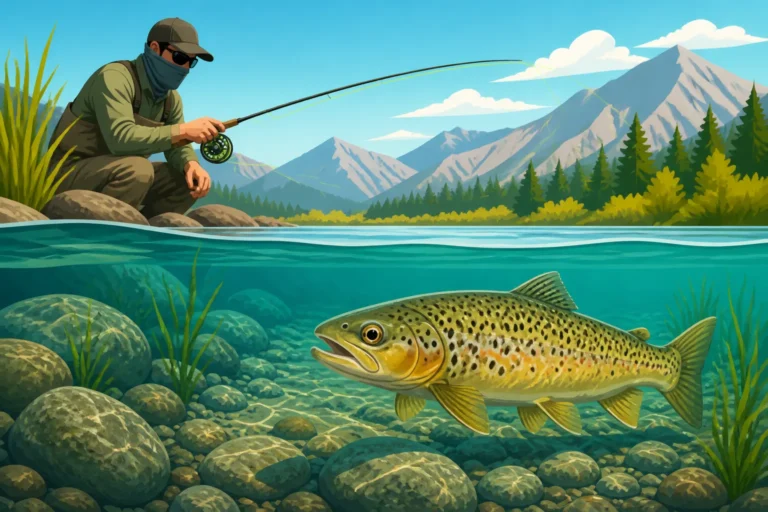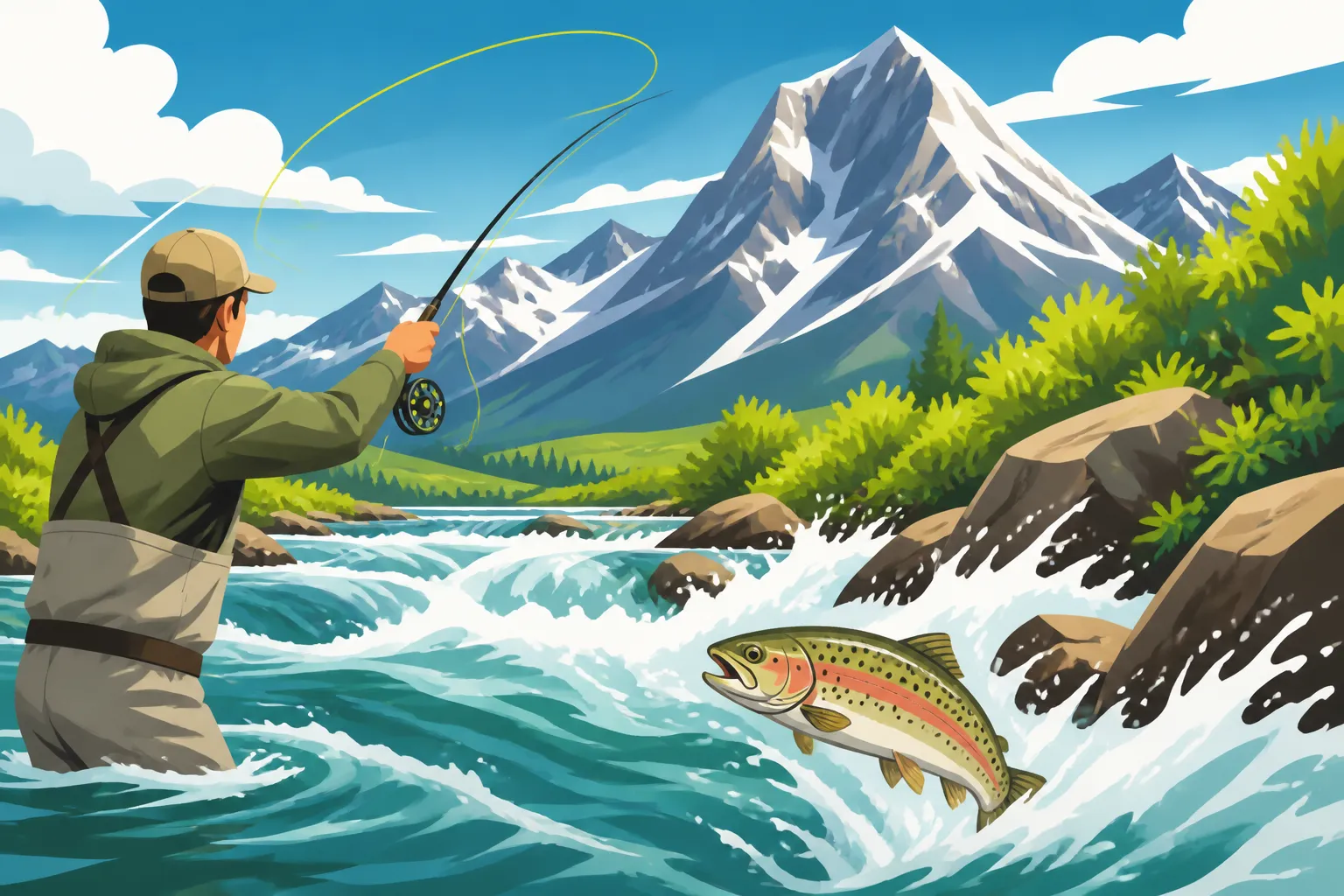
Fishing Wyoming During Spring Runoff
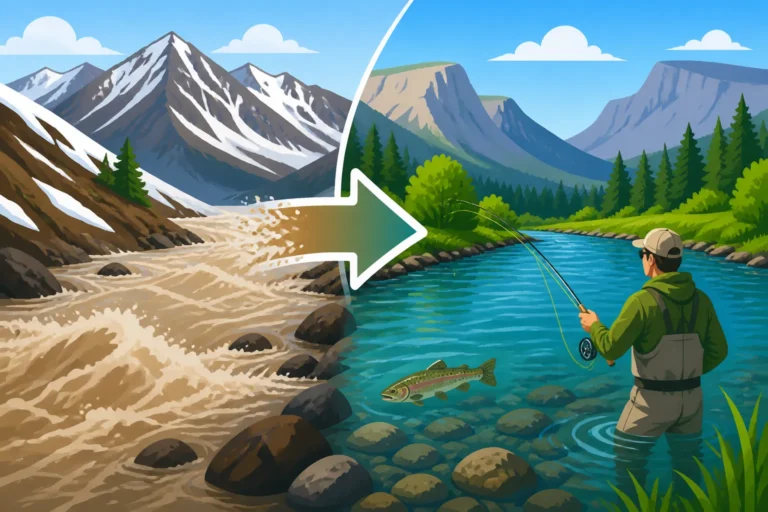
There's a period every spring in Wyoming when the rivers seem to transform into raging, chocolate milk torrents. This annual event, known as spring runoff, can be incredibly frustrating for anglers who are chomping at the bit to hit the water after a long winter. It often feels like a lost cause, with all your usual spots becoming unfishable, but don't despair! This comprehensive guide will walk you through the nuances of fishing during Wyoming's spring runoff, helping you understand the challenges and, more importantly, discover successful strategies to keep your lines tight even when the rivers are high and muddy.
Understanding Wyoming's Spring Runoff Phenomenon
Wyoming's spring runoff is a natural and vital process driven by the melting snowpack in our mountains. While it's crucial for replenishing our rivers and reservoirs, it undeniably presents a unique set of challenges for anglers. Knowing why and when it happens is the first step in learning how to tackle it successfully.
The Dynamics of Snowmelt and Water Levels
Imagine feet of snow accumulating in the high country all winter long. As temperatures rise in late spring and early summer, this massive snowpack begins to melt, sending torrents of cold water rushing down into our rivers and streams. The timing and intensity of this runoff vary greatly year to year, depending on the previous winter's snow accumulation and the speed of the spring warm-up. A rapid warm spell can lead to a sudden, dramatic spike in water levels, turning clear, wadeable rivers into unfishable behemoths almost overnight. Conversely, a slow, gradual warming trend might mean a more extended period of slightly elevated, but still fishable, flows.
The sheer volume of water during peak runoff scours riverbeds, transports sediment, and dramatically changes the water's clarity and temperature. This is why you often see that "chocolate milk" color – it's all that suspended sediment being carried downstream. This turbidity, combined with higher flows, makes it tough for fish to see your offerings and even tougher for anglers to spot fish or safely navigate the water. Understanding How Wyoming's Snowpack Affects Summer Fishing can give you a better long-term perspective on these water conditions.
Typical Timing and Duration of Runoff Season
While there's no exact start and end date, Wyoming's spring runoff generally kicks off in late April or early May in lower elevations, peaking in May and June as the higher mountain snows melt. It can linger into early July for some of our highest elevation rivers and streams. This period often coincides with prime pre-runoff fishing, making the transition jarring for many. It's a cruel joke of nature sometimes – just when the weather finally feels perfect for fishing, the rivers decide to go wild.
The duration is also highly variable. Some years, we have a "flashy" runoff that comes and goes relatively quickly, offering windows of clarity. Other years, especially after heavy snow winters, the runoff can be prolonged, lasting for several weeks or even a couple of months. Staying updated on streamflow reports from the USGS and checking the Wyoming Game and Fish Department's current conditions page is absolutely essential during this time. For a broader view, you can refer to our guide on Wyoming Fishing Seasons Month by Month.
Strategies for Reading the Water During High Flow
One of the biggest hurdles during runoff is simply reading the water. What might look like an impassable, fast-moving current often holds hidden pockets of slower water where fish can retreat from the main flow. It’s all about slowing down, observing, and understanding where fish will expend the least amount of energy while still finding food.
Identifying Fishable Holding Lies
When the water is high and fast, trout aren't going to be holding in the middle of the raging current. They're smart; they conserve energy. This means they'll seek out slower, calmer water. Look for eddies behind large rocks, fallen trees, or bends in the river. These are prime spots where the main current is broken, creating a sheltered zone where fish can rest. The seams where fast water meets slow water are also incredibly productive, as food items are funneled along these lines.
Another key area is the water closer to the banks. Often, the current is slightly slower right along the edge, providing a subtle refuge. Look for any structure that breaks the current, even subtle changes in depth or submerged cover. Anywhere a fish can get out of the direct force of the flow, but still be positioned to grab passing food, is a potential goldmine. Mastering How to Read Water When Trout Fishing becomes even more critical during these challenging conditions.
Navigating Turbid and Fast-Moving Currents
Fishing turbid water means relying less on sight and more on feel and intuition. You're not going to see fish, and you'll have a harder time seeing your fly or lure. This is where your knowledge of river structure and fish behavior comes into play. Focus on casting to those aforementioned holding lies – the deeper pockets, the eddy lines, the slower seams. You'll often need to use heavier weights or larger lures to get your offering down to the fish quickly before the fast current sweeps it away.
Safety cannot be overstated when navigating high, fast water. Wading can be extremely dangerous during runoff, as currents can be powerful enough to knock you off your feet, and murky water hides unseen obstacles. If you're wading, always use a wading staff, move slowly and deliberately, and be absolutely sure of your footing. Consider bank fishing or fishing from a boat with an experienced guide if you're uncomfortable with the conditions. Remember, no fish is worth risking your life over.
Essential Gear and Techniques for Runoff Fishing
Fishing during runoff calls for a complete shift in your gear and tactics. What works in low, clear water simply won't cut it when the rivers are roaring. You need to think heavy, bright, and deliberate.
Choosing the Right Rod, Reel, and Line
Forget your delicate 3-weight fly rod or your ultralight spinning setup for a while. Runoff conditions demand gear that can handle the heavier offerings and the increased fight of fish in strong currents. For fly fishing, a 6-weight or even a 7-weight rod is often ideal, paired with a matching reel and a weight-forward line. This setup will help you cast heavier nymph rigs and streamers. For spin fishing, a medium-heavy rod with a good quality reel spooled with 8-12 lb test monofilament or fluorocarbon is a solid choice. Braided line can also be effective, offering less stretch and greater sensitivity, which is crucial when you can't see your lure.
Leader and tippet choice also changes. You'll likely be upsizing significantly. For fly fishing, 0X or 1X leaders are common, with tippet in the 2X-4X range. The fish aren't as "leader shy" in murky water, and the heavier line helps turn over large flies and withstand snags. For spin fishing, consider a stronger fluorocarbon leader to protect your main line and provide some abrasion resistance. You can find quality leaders and fishing line on Amazon, making it easy to stock up before hitting the water.
Effective Lures, Baits, and Fly Patterns
When the water is off-color, visibility is limited, so you need to present something that fish can either see or feel. This means brighter colors, larger profiles, and presentations that create vibrations.
For Fly Fishing:
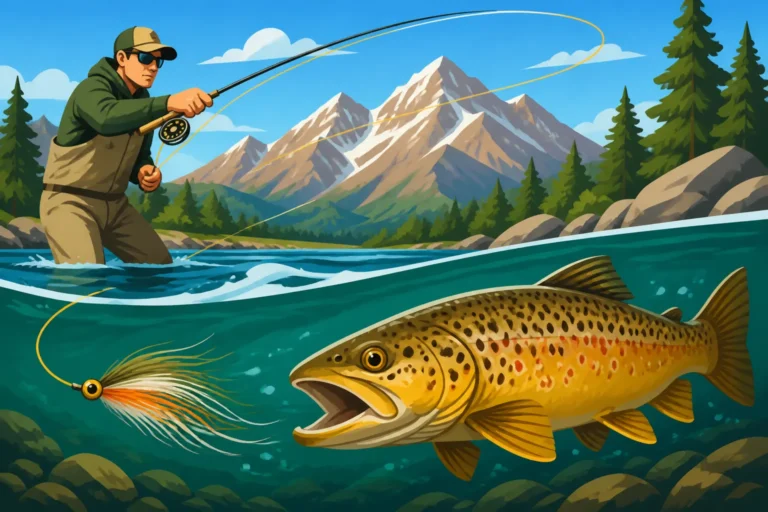
- Large, Flashy Streamers: Patterns like Woolly Buggers (black, olive, brown), Sex Dungeons, Sculpzillas, and articulated streamers in bright colors like chartreuse, orange, or white can be deadly. They imitate baitfish that get disoriented in the high water.
- Heavy Nymphs: Stonefly patterns (Pat's Rubber Legs, Girdle Bugs), Caddis Larva (Peacock Caddis, Green Rock Worm), and larger Mayfly patterns (Prince Nymph) in sizes 6-12, often weighted with lead or tungsten beads, are essential. You need to get these flies down to the bottom where fish are holding. Consider adding split shot above your flies to help them sink faster.
- Egg Patterns: Trout will often key in on protein-rich egg patterns during runoff, especially if other fish are spawning. Glo Bugs or Otter's Soft Eggs in orange, red, or pink can be highly effective.
For Spin Fishing:
- Bright Spinners: Mepps Aglia or Panther Martin spinners in sizes #3-#5 with bright blades (gold, silver, chartreuse) and colorful dressings (orange, green) are great for both visual attraction and vibration.
- Deep-Diving Crankbaits: Smaller Rapala or similar crankbaits in bright colors (firetiger, hot orange) that can get down quickly and wobble aggressively will attract attention.
- Jigs with Soft Plastics: Marabou jigs or jig heads tipped with brightly colored soft plastics (grubs, curly tails) can be worked slowly along the bottom. Black, white, chartreuse, and orange are excellent choices.
- Natural Baits: Worms (nightcrawlers), salmon eggs, or even cut bait can be incredibly effective when fish are relying on scent to find food. Rig them on a basic bottom-fishing rig with enough weight to hold them in place.
Our article on Best Lures for Wyoming Rainbow Trout has some great year-round suggestions, many of which can be adapted for runoff conditions.
Presentation Techniques for High Water
The key to presentation during runoff is getting your offering down to the fish and then slowing its drift.
- High-Sticking/Short Drifts: For fly anglers, often less line is more. Get close to the slower water, cast upstream, and use a high-sticking method to control your drift, keeping as much line off the water as possible to avoid drag. You're aiming for short, deliberate drifts through those holding lies.
- Heavy Weighting: Whether fly fishing or spin fishing, you'll almost certainly need more weight than usual. For fly fishing, this means more split shot or heavier flies. For spin fishing, heavier jig heads or larger bottom weights are necessary to counter the current.
- Swinging Streamers/Lures: Casting a streamer or spinner across and slightly upstream, then letting it swing down and across the current, can be highly effective. The swinging motion often triggers an aggressive strike from fish waiting in ambush.
- Slow Retrieval/Dead Drifting: For jigs and bait, a slow, deliberate retrieve or even a dead drift along the bottom can be very productive. Let the current do some of the work, but maintain enough tension to feel subtle bites.
Targeting Specific Species During Runoff
Not all fish species react the same way to high, murky water. Some become incredibly difficult to catch, while others might actually become more active or concentrated, offering unique opportunities.
Trout Behavior in High, Murky Water
Trout, our beloved primary target in Wyoming, do behave differently during runoff. They primarily seek refuge from the strong currents, moving into those slower, deeper pockets, eddies, and bank-side lies. Their feeding behavior also changes. With reduced visibility, they rely more on scent and vibration, and they'll be less selective about their food sources. Anything that looks like an easy, protein-rich meal drifting by is fair game. This is why larger, brighter, or more scent-laden offerings often work best.
You'll find that fish are generally less spooky in the off-color water. This can be a huge advantage, allowing you to approach closer and make more aggressive presentations without immediately sending them darting for cover. However, their strikes can also be more subtle, as they might just mouth a fly or lure without a strong grab. Pay close attention to any unusual tugs, pauses, or changes in line movement. Our article on How Water Temperature Changes Wyoming Trout Behavior provides additional insights into their feeding patterns.
Beyond Trout: Other Species to Consider
While trout are always a favorite, don't overlook other species that might actually thrive during runoff or become more accessible.
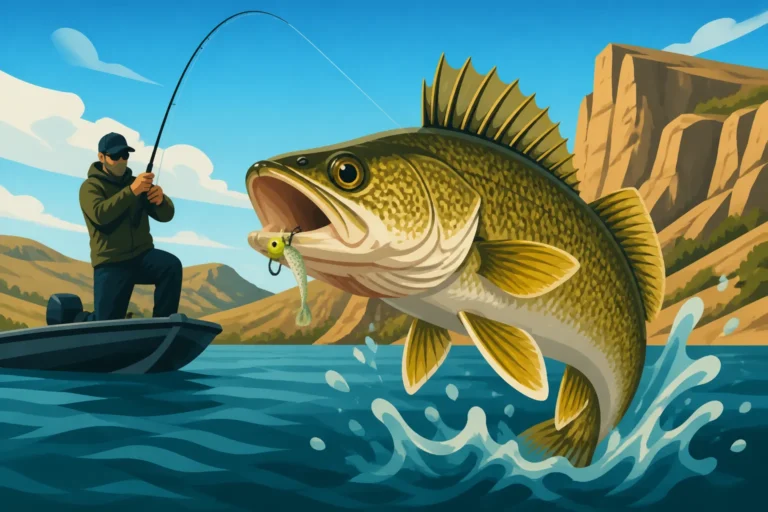
- Walleye: If you're fishing reservoirs or the lower stretches of rivers that feed into them, walleye can become very active during spring runoff. They are ambush predators that thrive in turbid water, using their keen sense of smell and low-light vision to hunt. Places like Boysen Reservoir or Glendo Reservoir can offer excellent walleye fishing as runoff brings in new nutrients and disorients baitfish.
- Pike: Northern Pike, found in some Wyoming reservoirs and slow-moving river sections, also appreciate murky water. Their ambush tactics are well-suited to these conditions, and they'll readily strike large, flashy baits.
- Smallmouth Bass: In reservoirs where they are present, like Flaming Gorge, smallmouth bass can also be active. They are often found near rocky shorelines and structure, which can provide current breaks.
- Whitefish: Mountain Whitefish, native to many of Wyoming's trout streams, are often overlooked but can be a fun catch. They are less particular about water clarity and will readily take small nymphs or worms drifted along the bottom.
Expanding your target species can significantly increase your success and enjoyment during the runoff season. It's all about adaptability!
Finding Runoff Sanctuaries and Safe Waters
The phrase "runoff" often makes people think all rivers are unfishable. That's simply not true! While major rivers might be raging, there are often smaller streams, lakes, and tailwaters that remain clear or fishable, offering fantastic alternatives.
High-Elevation Lakes and Small Streams
As mentioned, runoff typically starts at lower elevations and moves progressively higher. This means that many high-elevation lakes and smaller tributary streams might not yet be impacted by heavy snowmelt, or they clear up much faster. These often require a bit more effort to reach, sometimes a good hike or a drive on less-traveled roads, but the reward can be pristine conditions and eager fish.
Before heading out, always check local conditions and specific regulations for these smaller waters. Some high-alpine lakes might still be ice-bound while lower rivers are blowing out. Conversely, some small streams might clear up quickly after a snowmelt event, offering a narrow window of opportunity. This is where local knowledge and a good map become invaluable. Exploring some of Wyoming's High-Alpine Lakes Worth the Hike could be a great strategy.
Tailwaters Below Dams
Perhaps the best bet for consistent fishing during heavy runoff are the tailwaters below major dams. These are river sections immediately downstream of a dam, where water is released from the bottom of the reservoir. This water release tends to be much more consistent in flow and, crucially, temperature and clarity, regardless of what's happening upstream. The dam acts like a giant filter, releasing cold, clear water into the river below.
Wyoming boasts several world-class tailwater fisheries, such as the North Platte River below Gray Reef Dam or Alcova Reservoir, or the Green River below Flaming Gorge Dam. These sections often maintain excellent clarity and stable flows, providing a consistent environment for trout. Fish here will still need to contend with increased current, but the visibility is usually much better. For fly anglers, nymphing can be incredibly productive, and for spin anglers, small jigs and lures that mimic the abundant aquatic insects dislodged from the reservoir bottom can be very effective.
Stillwaters and Reservoirs
Lakes and reservoirs offer a completely different experience during runoff. While rivers are dumping murky water into them, the vastness of a lake means that the turbidity often dissipates quickly, or you can simply move away from the inflows. The runoff also introduces a surge of nutrients and often brings disoriented baitfish, which can trigger strong feeding frenzies.
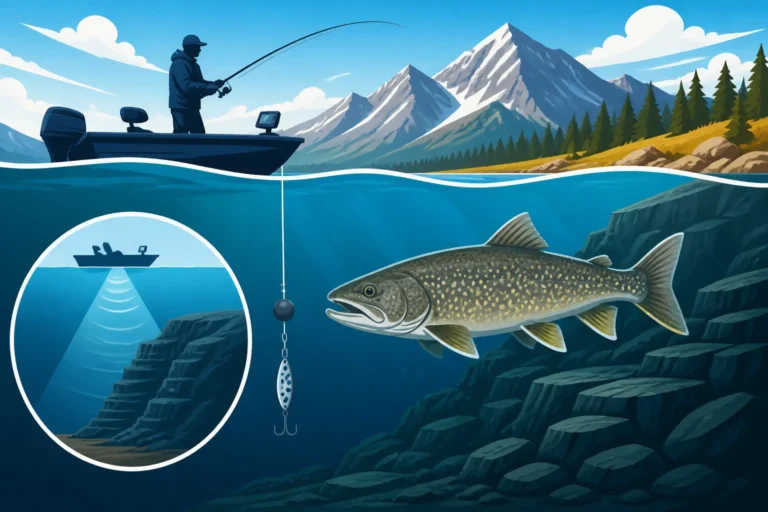
Shore fishing can be excellent, especially near points, submerged structure, or areas where tributaries are flowing in, but not making the entire lake murky. Boat fishing opens up even more possibilities, allowing you to target deeper channels, drop-offs, and areas where fish are concentrating on new food sources. Trolling with lures or bait at varying depths can be a highly effective strategy. Many of our reservoirs, like Flaming Gorge Reservoir, Jackson Lake, or Boysen Reservoir, offer diverse fishing opportunities that can remain productive even when rivers are unfishable. Remember to understand Choosing the Right Technique for Wyoming Lakes vs Rivers to maximize your success.
Safety First: Staying Safe During Runoff Fishing
As exciting as it can be to find fish during runoff, safety must always be your top priority. High, fast, and cold water presents significant risks that should never be underestimated.
Understanding the Dangers of High Water
The primary dangers of high water are powerful currents, unseen submerged obstacles, and extremely cold water temperatures. A seemingly calm stretch of water can hide powerful undertows, and a sudden slip can quickly turn into a life-threatening situation. The water in Wyoming's rivers during runoff is often meltwater, meaning it's just above freezing. Immersion in cold water can lead to hypothermia rapidly, even on a warm spring day. Additionally, the sheer force of the water can easily dislodge rocks or branches, creating moving hazards.
It's also important to be aware of rapidly changing conditions. A sunny day can quickly melt more snow, causing water levels to rise throughout the day. Always pay attention to forecasts and river gauges, and if conditions worsen, err on the side of caution and leave the water. Our guide on Where to Check Current Wyoming Water Closures can help you stay informed about specific areas.
Essential Safety Gear and Practices
Being prepared is half the battle when it comes to runoff fishing.
- Wading Staff: If you plan to wade at all, a sturdy wading staff is non-negotiable. It provides a crucial third point of contact and helps you probe the riverbed for depth and stability. You can find excellent folding wading staffs on Amazon that are easy to carry.
- Waders and Wading Belt: Good quality waders are essential for warmth, but always wear a wading belt cinched tightly. In the event of a fall, this can help prevent your waders from filling completely with water, making it easier to regain your footing or swim to safety.
- PFD (Personal Flotation Device): If you are fishing from a boat, float tube, or even wading in strong currents, wearing a PFD (life vest) is a smart choice. Modern PFDs are low-profile and comfortable, and they could save your life.
- Buddy System: Never fish alone during runoff. Always go with a friend or let someone know exactly where you are going and when you expect to return.
- Layered Clothing: Dress in layers with moisture-wicking materials to stay warm and dry. Avoid cotton, which loses its insulating properties when wet.
- Spike Soles/Studded Boots: For extra traction on slippery rocks, studded wading boots or add-on spikes can significantly reduce your risk of slipping.
- First Aid Kit: A basic first aid kit is always a good idea for any outdoor excursion.
- Communication: Ensure your phone is fully charged and consider carrying a satellite communication device if you're venturing into remote areas without cell service.
Staying safe means being informed, being prepared, and knowing your limits. When in doubt, don't go out. It’s better to miss a day of fishing than to face an emergency situation. And on a different note, make sure you're legally prepared too; ignoring simple things like What Happens If You Fish Without a License in Wyoming can lead to unpleasant situations.
When to Call It Quits
Knowing when to pack it in is a sign of a truly experienced and responsible angler. If the water suddenly rises, if clarity drops dramatically, if the current feels too strong to wade safely, or if you simply feel uneasy about the conditions, it's time to head home. There will always be another day to fish, and often, even a slight drop in water levels or a few hours of clearer water can make a huge difference.
Runoff eventually ends, and the rivers will return to their glorious, wadeable selves. Understanding When Runoff Usually Ends on Wyoming Rivers can help you plan for those more predictable fishing conditions. Until then, embrace the challenge, adapt your strategies, and enjoy the unique opportunities that Wyoming's spring runoff fishing can offer.
| Runoff Phase | Water Characteristics | Preferred Fish Locations | Recommended Gear & Tactics |
|---|---|---|---|
| Early Runoff | Rising, slightly off-color, colder | Just out of main current, seams, structure, deeper pools | Heavier nymphs, egg patterns, small streamers; Spinners, jigs |
| Peak Runoff | High, fast, murky ("chocolate milk"), cold | Tight to banks, major eddies, slack water behind large obstacles | Large, dark/bright streamers, heavy nymphs; Bright jigs, bait |
| Late Runoff | Dropping, clearing, warming slightly | Moving back into runs, riffles, still seeking current breaks | Variety of nymphs, smaller streamers; Spinners, crankbaits |
| Post-Runoff | Clear, stable, good temps (though still elevated flow possible) | Normal holding lies, active feeding | Standard flies/lures, matching the hatch |
Disclaimer
The information provided in this guide is for general informational purposes only and does not constitute professional advice. Fishing conditions in Wyoming can change rapidly, and it is the sole responsibility of the angler to check current regulations, weather forecasts, and water conditions before heading out. Always prioritize safety and adhere to all local and state laws.