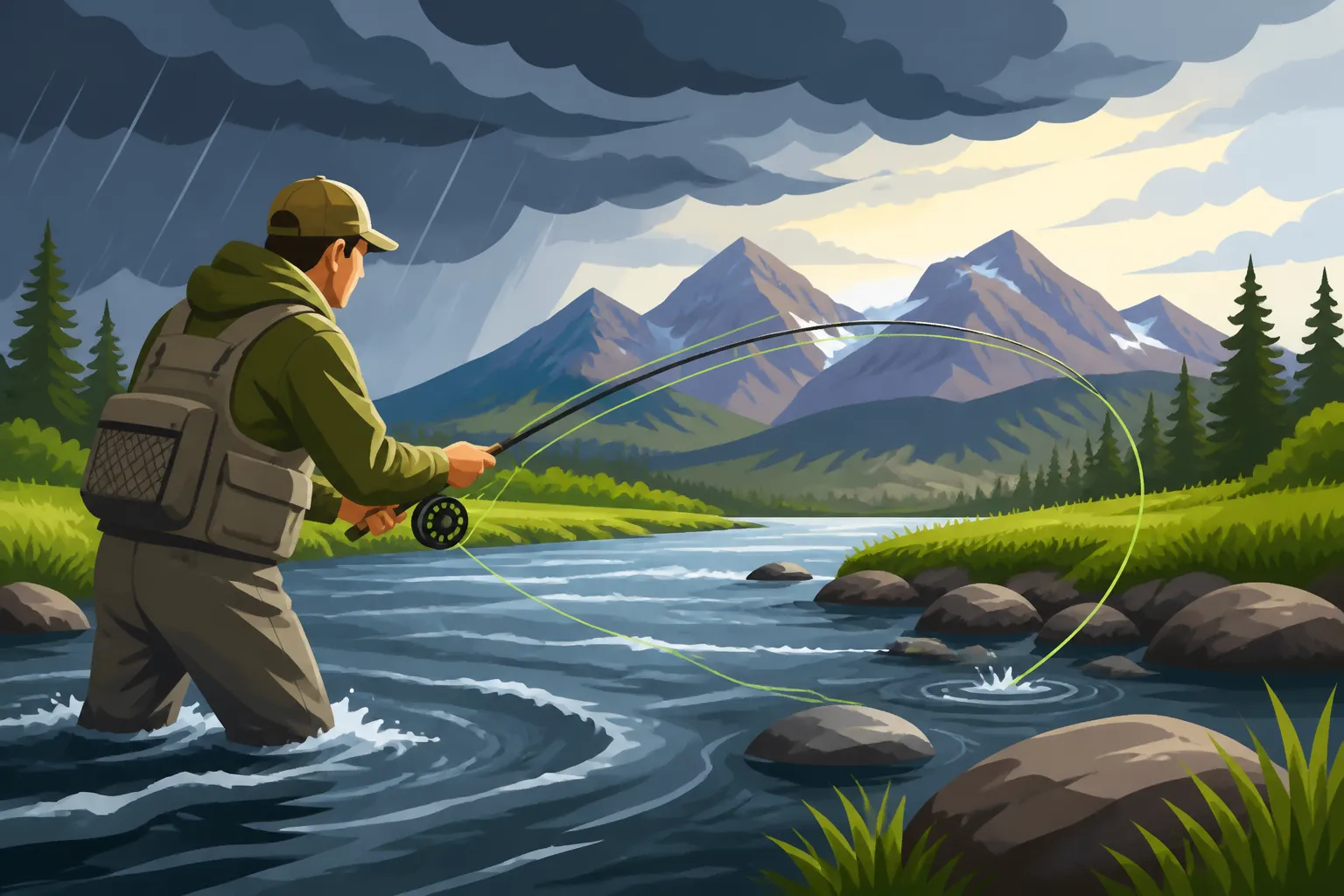
How to Fish a Wyoming Stream After a Rainstorm
It's a familiar scenario for any angler in Wyoming: you wake up, look out the window, and see that the beautiful, clear stream you planned to fish has turned into a churning, muddy mess after an unexpected rainstorm. Your heart probably sinks a little, thinking your day is ruined. But here's the secret: fishing after a rainstorm in Wyoming can actually be incredibly productive, provided you understand how the water changes and how to adapt your tactics. This guide will walk you through reading those challenging post-rain conditions, picking the right gear, and finding those opportunistic trout and other species that come alive when the water swells.
Understanding How Rainstorms Affect Wyoming Streams
Rainstorms, especially the heavy ones common in Wyoming during spring and summer, completely transform a stream environment. It's not just about the water getting muddy; a whole cascade of physical and biological changes occurs that significantly impacts fish behavior. Many anglers pack up and go home, but if you know what's happening beneath the surface, you can find incredible fishing opportunities.
Increased Flow and Turbidity
The most obvious change after a rainstorm is the increased volume and speed of the water, coupled with turbidity – that murky, off-color appearance. This sudden influx of water brings a lot of sediment, dirt, and debris from the banks into the stream. For fish, this means their world becomes less about sight and more about scent and vibration. They can't see as well, and neither can predators, which can make them bolder.
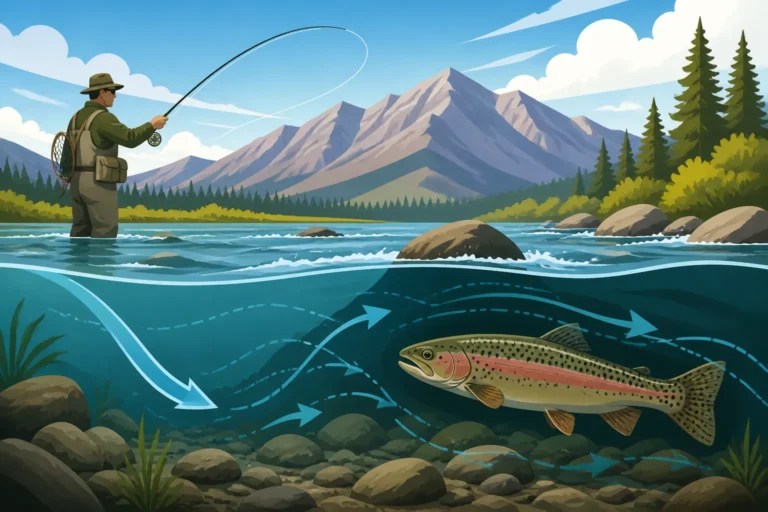
Increased flow also means stronger currents. Fish, being energy-efficient creatures, will move out of the main current to conserve energy. They're looking for slower water pockets, eddies, and behind obstacles where they can rest without expending too much effort. This concentrated movement can actually make them easier to locate if you know where to look. Meanwhile, the turbidity stirs up the streambed, dislodging all sorts of yummy insects, worms, and even small baitfish, creating a smorgasbord that trout can't resist. This "flush" of food is one of the biggest reasons post-rain fishing can be so good.
Temperature Shifts and Oxygenation
Rainstorms can also bring about significant temperature changes, depending on the time of year and the temperature of the rainfall itself. A warm rain on a cool day might actually warm the water slightly, which can perk up trout activity. Conversely, a cold rain on an already cool day might drop water temperatures, making fish a bit more lethargic. Often, though, the increased flow helps oxygenate the water, which is almost always a good thing for fish, especially in warmer months when oxygen levels can naturally dip.
Fish are highly sensitive to these temperature shifts, and even a few degrees can dictate where they hold and how actively they feed. After a summer thunderstorm, for instance, the cooler, oxygenated water can be a huge relief for trout, driving them to feed more aggressively. Paying attention to these subtle changes, and how they might affect trout feeding, is crucial for success.
Reading the Water: Post-Rainstorm Stream Dynamics
When a Wyoming stream is high and off-color after a rainstorm, your usual "read the water" skills get a serious workout. The familiar seams, riffles, and pools might look entirely different, or be completely swallowed by the sheer volume of water. But every change offers a clue, and knowing where fish will seek refuge and food is your biggest advantage. For more on this, you might find our article on How to Read a Wyoming Stream for Holding Water helpful.
Identifying Fish-Holding Lies
Trout, being smart and efficient, will always seek out two things after a rain: a place to conserve energy and a steady supply of food. When the water is roaring, these two needs become even more critical. Look for areas where the current slows down significantly. This includes the inside bends of a river, where the water is naturally slower, creating ideal resting spots. Eddies, those swirling pockets of water often found behind large boulders, logs, or points of land, are absolute gold mines. Fish will stack up in these eddies, waiting for food to be swept in by the main current.
Another prime location is the soft seams along the banks. These are areas where the fast water meets the slower water near the edge. Often, you'll find trout hugging these seams, using the slightly reduced current to their advantage while keeping an eye out for dislodged worms, insects, and other food items drifting by. Overhanging vegetation or submerged structure along the bank also becomes critical cover, providing both a current break and a sense of security from overhead predators, especially when the water is murky. Even subtle changes in depth or structure can create a current break; observe carefully for any disturbances on the surface that indicate a slower pocket below.
Targeting Feeder Creeks and Inflows
Feeder creeks or smaller tributaries that flow into the main stream can be absolute hotspots after a rain. These smaller waterways often clear up much faster than the larger, main stem. As the main stream remains muddy, fish will often move into the clearer, warmer (or cooler, depending on the season) water of the feeder creeks. This is particularly true if the feeder creek also happens to be bringing in a fresh supply of insects and nutrients.
Furthermore, even if the feeder creek itself is also murky, the confluence where it meets the main stream creates a distinct seam, often with differing water temperatures and currents. This intersection is a natural ambush point for trout looking to capitalize on anything washed down from either source. Pay close attention to these areas; they can concentrate fish like almost no other spot. Sometimes, fishing just a few feet upstream into the feeder creek or directly in the eddy formed at the confluence can yield excellent results.
Tactics and Gear for Fishing After a Wyoming Rainstorm
Fishing after a rainstorm requires a shift in tactics. What worked yesterday on clear, calm water likely won't work today. The name of the game is getting your offering down to the fish, making it visible or scented enough to be noticed in the murk, and presenting it naturally in the altered current.
Lure and Bait Selection for Off-Color Water
When the water is high and muddy, sight is severely limited for both you and the fish. This means you need baits and lures that rely on scent, vibration, and a strong visual profile.
- Natural Bait: Worms are king after a rainstorm. The ground is saturated, and worms are naturally washed into the stream, making them a common and irresistible food source. A juicy nightcrawler drifted naturally through an eddy or along a seam can be deadly.
- Scented Baits: Brands like PowerBait, Berkley Gulp!, or even commercially prepared salmon eggs (where legal) can be highly effective. The strong scent trail they leave is a huge advantage in low visibility. Rig them on a small hook with just enough weight to get them into the strike zone. You can easily find various scented baits and tackle on Amazon to stock up your arsenal.
- Spinners and Spoons: Larger, brighter colored spinners (chartreuse, orange, silver, gold) create a lot of flash and vibration that fish can detect even in murky water. Mepps, Rooster Tail, and Panther Martin are classic choices. Cast them slightly upstream and across, letting them swing through holding water, varying your retrieve speed to find what triggers a strike. Heavier spoons, like those from Kastmaster, can also get down quickly in fast water and offer an erratic action.
- Streamers: For fly anglers, streamers that imitate sculpins, baitfish, or leeches are fantastic choices. Think dark, bulky patterns like Woolly Buggers (black or olive), Clouser Minnows, or Sculpzillas. These provide a large silhouette and good movement in the water. Focus on getting them deep and giving them an active retrieve with strips and pauses.
Fly Fishing Strategies for High Water
Fly fishing in high, off-color water often means setting aside your delicate dry fly presentations for something more robust.
- Heavy Nymph Rigs: This is probably the most effective fly fishing strategy. You need to get your flies down to where the fish are holding, which means heavy nymphs, split shot, and stout leader. Patterns like Copper Johns, Prince Nymphs, Stonefly Nymphs (like a Pat's Rubber Leg), and even squirmy wormies are excellent choices. Rig them in tandem, perhaps with a large, heavy stonefly pattern as your lead fly and a smaller attractor nymph below it. Use plenty of lead split shot to ensure your flies tick the bottom. Remember to adjust your weight often; too little, and you're above the fish; too much, and you're snagging constantly. For more on getting flies down, see our guide on How to Fish a Nymph Rig Under an Indicator.
- Indicators and Sinking Lines: A large, highly visible strike indicator is crucial for detecting subtle takes in turbulent water. Alternatively, if you're targeting deeper, slower pockets, a heavy sinking tip line or a full sinking line can be incredibly effective for getting streamers down quickly and keeping them there. This method allows you to cover deeper water more thoroughly than a traditional floating line and indicator setup.
- Short Leader and Strong Tippet: Because visibility is low, fish are less leader-shy. You can get away with shorter, stronger leaders and tippets (think 2X or 3X) which will help turn over your heavy rigs and prevent break-offs when you hook a strong fish in a fast current. The goal is presentation, not stealth.
| Water Clarity | Lure/Bait Type | Recommended Colors/Sizes | Presentation Notes |
|---|---|---|---|
| Muddy/Turbid | Worms, Scented Baits | Natural, Strong Scent | Drift naturally, minimal weight, let scent do the work. |
| Spinners, Spoons | Bright (Chartreuse, Orange, Gold, Silver) | Larger sizes for visibility/vibration. Slow to medium retrieve. | |
| Off-Color | Streamers | Dark (Black, Olive, Brown), White | Large profile, active strips. Use sinking lines/tips. |
| Heavy Nymphs | Natural, Darker Stoneflies | Drift deep with ample split shot. Use large indicators. | |
| Clearing | Small Spinners | Natural, Silver, Gold | Smaller profile, varied retrieve to mimic insects. |
| Smaller Nymphs | Natural (Pheasant Tail, Caddis Larva) | Less weight, focus on natural drift. |
Wading and Safety in High Water
Fishing after a rainstorm means navigating higher, faster, and often colder water. Safety should always be your top priority.
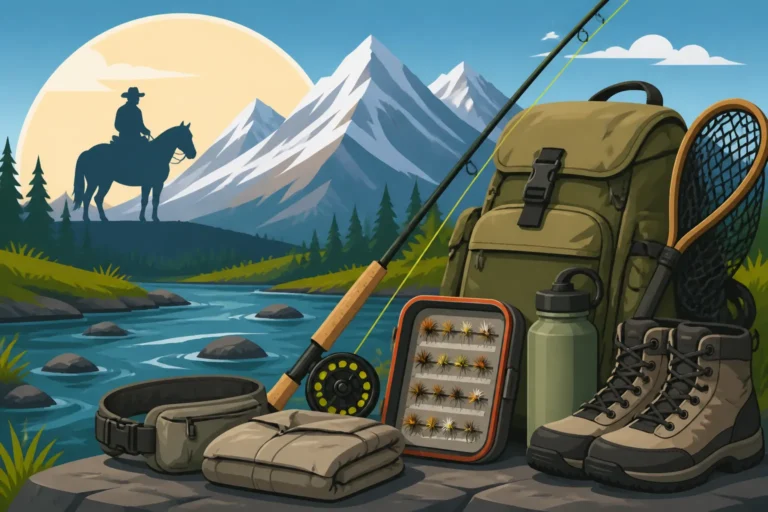
- Wading Gear: A good pair of studded wading boots can provide crucial grip on slippery, debris-covered streambeds. Investing in quality waders that fit well is also important, as you'll likely be encountering deeper water and colder temperatures. Many reliable options are available on Amazon for different budgets. If you're wondering Do You Need Waders to Fish Wyoming Rivers in Spring?, the answer is almost certainly yes when rivers are high.
- Test Every Step: Never assume the bottom is stable. Use a wading staff or your fishing rod to test the depth and stability of the streambed before taking a step. The currents can move rocks, create scour holes, and change the river bottom rapidly.
- Know Your Limits: If the current is too strong, or the water is too deep, don't risk it. There's always another day to fish. Focus on safer bank access or areas where the water is slower. Be aware that banks can be unstable and saturated after heavy rain, so watch for erosion and mudslides.
- Tell Someone Where You're Going: This is good advice for any solo fishing trip, but especially important when conditions are less than ideal. Let someone know your planned fishing location and when you expect to return. Being prepared and cautious ensures you can enjoy the opportunities a post-rainstorm stream offers without unnecessary risks.
When to Go and When to Wait
Timing is everything after a rainstorm. Go too soon, and the water might be unfishable – too high, too muddy, and still rising. Wait too long, and the "sweet spot" of opportunistic feeding might pass.
The "Sweet Spot" After the Storm
The ideal time to hit a Wyoming stream after a significant rain is usually once the water has peaked and just started to drop and clarify a little. This period, often referred to as the "sweet spot," can last anywhere from a few hours to a day or two, depending on the severity of the storm, the size of the watershed, and ongoing precipitation.
During this window, the initial shock of the flood has passed, the water level is receding, but there's still enough turbidity to provide cover for fish. Crucially, the flush of dislodged food is still actively drifting downstream, making fish very active and less wary. They are often concentrated in those slower, energy-saving lies, presenting a fantastic opportunity for anglers. Keep an eye on local stream gauges online (like those from the USGS) to track water levels in real-time. A steady drop after a peak is generally a good sign.
Knowing When to Hold Off
Sometimes, discretion is the better part of valor. If the water is still rising rapidly, or if it's completely opaque – think chocolate milk – it's probably best to wait. Fish in these conditions are often hunkered down, actively fighting the current, and have almost zero visibility to find your offerings. You'll likely spend more time snagging debris than fishing.
The same goes for extreme conditions like flash floods. If you're fishing in canyon country or areas prone to rapid water level changes, always prioritize your safety. A raging, dangerous river isn't worth a fish. Sometimes, after a prolonged or exceptionally heavy rain event, it might take several days for a stream to become truly fishable again. Use that time to tie some new rigs, research different techniques, or explore other fishing opportunities.
Disclaimer
Fishing in Wyoming carries inherent risks, and conditions can change rapidly. Always check current regulations from the Wyoming Game and Fish Department, prioritize personal safety, and be aware of weather and water conditions before heading out. This guide provides general information and should not replace professional advice or local expertise.