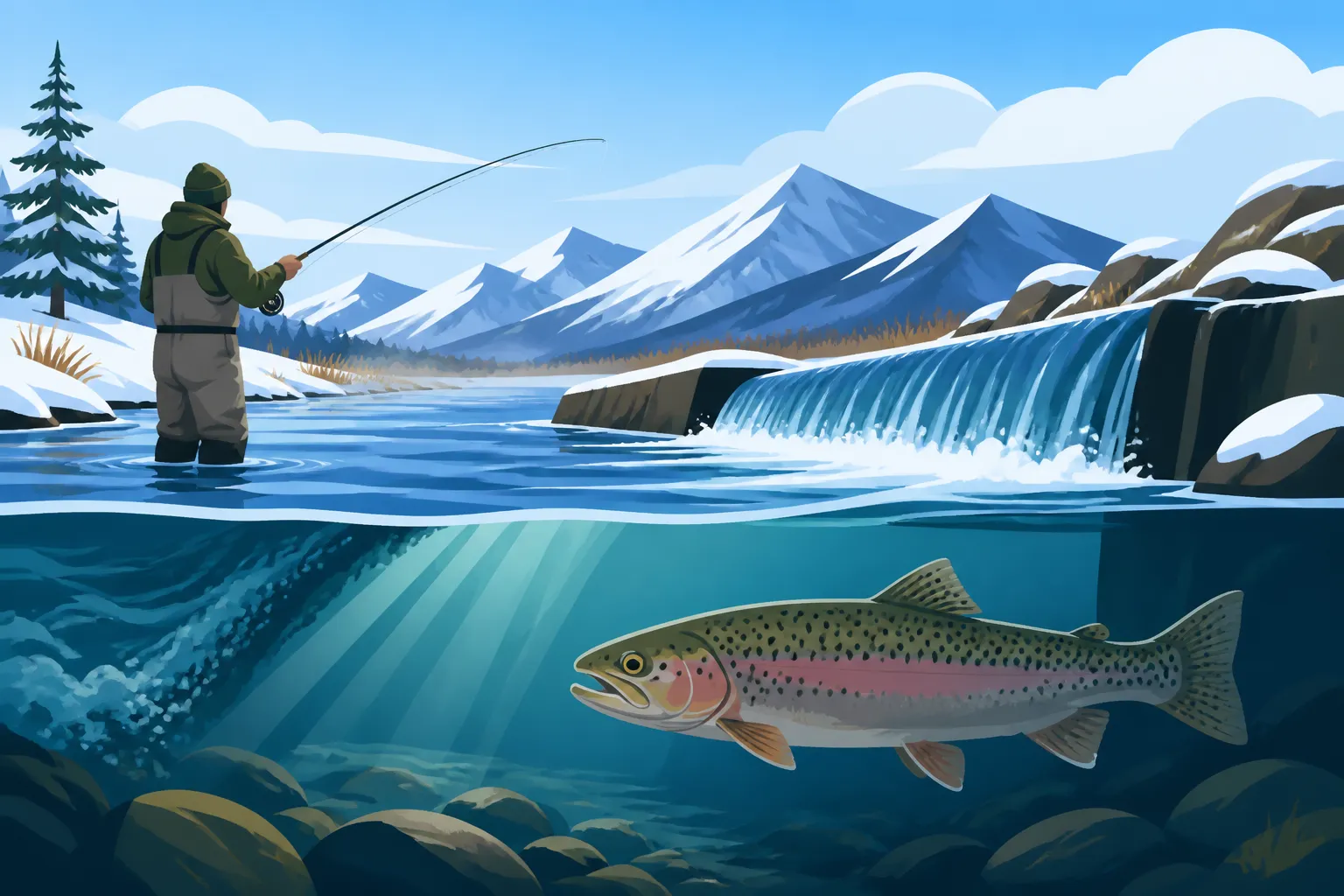
Why Tailwaters Fish Well in Winter
There’s a common misconception that winter in Wyoming means hanging up your fishing rods until spring. Many anglers get discouraged by the thought of frozen lakes, biting winds, and inactive fish, assuming the season is a complete bust. But let me tell you, if you know where to look, winter can offer some of the most serene and productive fishing experiences, especially when you turn your attention to the amazing world of tailwaters. This guide will dive deep into why tailwaters truly shine when the snow flies, debunking myths and helping you unlock incredible cold-weather opportunities.
The Unsung Heroes: Consistent Conditions Below the Dam
When we talk about tailwaters, we're really talking about the sections of rivers immediately downstream from large dams. These aren't just any old river stretches; they're unique ecosystems heavily influenced by the reservoir above. And this influence, especially in winter, is precisely why they become such incredible fishing destinations. It’s a game-changer for trout, and by extension, for us anglers.
Temperature Stability is Key
One of the most significant advantages of tailwaters in winter is their remarkably stable water temperature. Unlike free-flowing rivers that are directly exposed to the brutal cold and can freeze solid or fluctuate wildly with warm spells, tailwaters typically release water from deep within the dam’s reservoir. This deeper water acts like a natural insulator, holding a much more consistent temperature throughout the colder months. Imagine trying to sleep in a tent during a Wyoming winter versus a well-insulated cabin; the fish feel the same way!
Because the water comes from below the surface, it remains relatively warmer than surface runoff during intense freezes and avoids getting supercooled. This stability prevents the drastic temperature swings that would send trout into extreme lethargy or force them to seek out scarce thermal refuges. Instead, they find a more comfortable, albeit still chilly, environment where they can continue to feed and survive. This consistent temperature also means that the river is far less likely to freeze over entirely, keeping prime fishing access open when other waters are locked under a thick sheet of ice. This steady environment directly influences trout metabolism, allowing them to remain more active than their counterparts in unregulated streams. If you're wondering how water temperature affects trout feeding, a tailwater provides the most predictable scenario.
Flow Regulation Means Predictable Fishing
Beyond temperature, the regulated flows from dams are another massive boon for winter tailwater fishing. Natural rivers in winter can be incredibly volatile: low flows due to freezing tributaries, or sudden, dangerous spikes from mid-winter thaws and ice jams. This unpredictability makes fishing difficult, if not impossible, and can be downright dangerous. Tailwaters, however, are managed.
Dam operators release water based on various needs, but for the most part, these releases are controlled and relatively steady compared to a wild river. This means anglers can often rely on consistent water levels and currents day after day. Predictable flows create stable habitats for trout, allowing them to settle into specific holding lies without constantly battling fluctuating currents or having their homes scoured out. For us, this translates into knowing where to find the fish. You won't be guessing if the river is too high or too low, or if the current has radically shifted the feeding lanes. This predictability makes planning your trip and executing your fishing strategy much easier, a huge relief when you’re facing frosty conditions.
A Winter Buffet: Abundant and Accessible Food
One of the biggest struggles for fish in natural rivers during winter is finding enough to eat. Terrestrial insect hatches are non-existent, and many aquatic insects become dormant. But in the unique world of tailwaters, a hidden larder of food continues to thrive, providing trout with a consistent source of nutrition, even when everything else seems frozen solid. This steady food supply is a major reason why trout remain active and catchable in these cold-water havens.
Micro-Invertebrates Thrive in Stable Environments
The stable conditions of tailwaters—both in terms of temperature and flow—create a perfect environment for certain aquatic insects and invertebrates to flourish year-round. While you might not see massive dry fly hatches, a world of tiny, protein-rich morsels exists just beneath the surface. Midges, those tiny fly-like insects, are the undisputed kings of the winter tailwater. They hatch consistently, even in freezing temperatures, providing a constant food source. Trout will key in on their larval and pupal stages drifting in the current.
Beyond midges, various caddis larvae and aquatic worms are also incredibly resilient and present. And let’s not forget about scuds and sowbugs, which are small, shrimp-like crustaceans that often populate tailwater environments in huge numbers. These creatures are not only abundant but also highly nutritious for trout. Because they are less affected by extreme cold, they offer a reliable food supply when other insect life has shut down. This subsurface banquet is why nymphing techniques for Wyoming tailwaters are so effective in the colder months, as trout are primarily feeding on these drifting invertebrates.
Consistent Drifts and Easy Meals
The stable, controlled flows of tailwaters don't just help the bugs; they also help the fish eat them with minimal effort. In a natural, fluctuating river, trout might have to expend significant energy just to hold their position against varying currents, let alone chase down a meal. In a tailwater, the consistent current creates predictable feeding lanes. Trout can position themselves in prime spots – often in deeper pools, slower runs, or behind current breaks – and simply wait for the food to drift by.
This energy-efficient feeding strategy is crucial in winter when a trout's metabolism is slower and every calorie counts. They don't have to dart and chase as much, which conserves energy. Anglers who can present their flies or lures naturally into these predictable drifts will find success because the fish are already looking for an easy meal right in that zone. It’s like a conveyor belt of food moving right past their nose, making them much more willing to bite than fish in turbulent, food-scarce, or wildly fluctuating natural streams.
Decoding Winter Trout Behavior in Tailwaters
Understanding how trout behave when the temperatures drop is paramount to success, and tailwaters present a different set of patterns than what you might find in a typical freestone river. The cold water, combined with reliable food, shapes their movements and feeding habits in ways that astute anglers can exploit. It’s not about finding hyperactive fish, but rather strategically targeting their slower, more concentrated movements.
Less Active, More Concentrated Fish
One of the most important things to remember about trout in winter tailwaters is that their metabolism slows down significantly. Think of it like a bear going into hibernation, but for trout, it's more of a low-power mode. They are less inclined to dart across the river or chase flies over long distances. Instead, they become much more sedentary, often holding in deeper, slower pools, bedrock troughs, and soft eddies where they can conserve energy and stay out of the fastest current. These are the spots where the water moves just enough to bring food, but not so fast that they have to fight it constantly.
This behavior, while it might sound challenging, is actually a huge advantage for anglers. It means trout are often concentrated in specific, identifiable holding water. Instead of being spread out across miles of river, you can often find a good number of fish in a relatively small area. This allows you to work a prime piece of water thoroughly and patiently, knowing that if fish are there, they’ll eventually see your offering. Knowing what temperature trout stop biting at can help manage expectations, but in tailwaters, that temperature threshold is often pushed lower due to the consistent conditions.
Strategic Feeding and Energy Conservation
When trout in winter tailwaters decide to feed, they do so with a clear focus on energy conservation. They are rarely going to expend a lot of effort for a meal unless it's truly worth it. This means they become less selective about what they eat, and more opportunistic about how they get it. Subsurface insects, like the midges and nymphs we discussed, are the primary targets because they require the least amount of effort to intercept as they drift by. You won't see them jumping for dry flies in the middle of January (well, almost never!).
Their feeding "window" might be shorter, often peaking during the warmest part of the day, typically late morning to mid-afternoon. During these times, they'll simply open their mouths and take whatever edible drifts into their immediate vicinity. This is why a dead-drifted nymph or a slowly retrieved small jig can be so incredibly effective. Your presentation needs to be subtle, natural, and stay in their strike zone for as long as possible. Understanding this strategic, low-energy feeding is key to matching your technique to their winter survival instincts.
Gear Up for Success: Capitalizing on Tailwater Advantages
Knowing why tailwaters fish well in winter is only half the battle; the other half is being prepared to effectively fish them. The conditions are unique, and your gear and techniques need to reflect that. It’s not just about comfort, but also about safety and maximizing your chances in cold water. Don't let the thought of chilly weather deter you; with the right approach, you can have some truly memorable days on the water.
Essential Winter Gear for Comfort and Safety
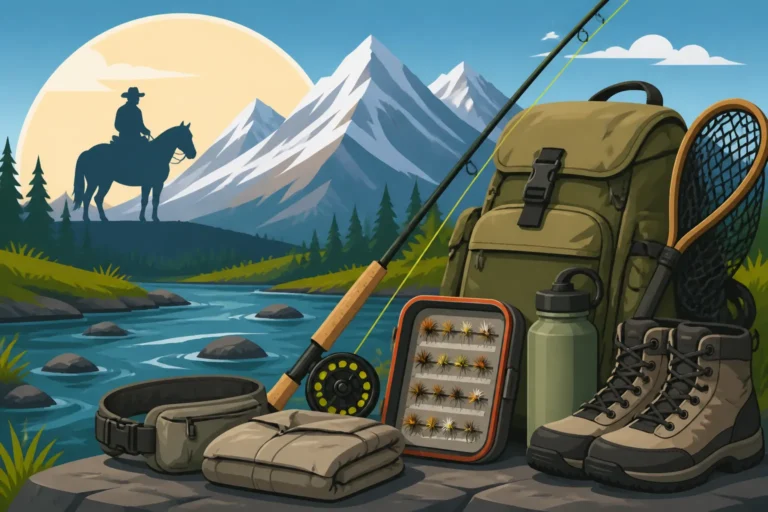
Fishing in winter means contending with cold air and potentially ice-cold water, so dressing properly isn't just about comfort; it's about safety. Layers are your best friend. Start with a good base layer that wicks moisture away from your skin, add an insulating mid-layer like fleece, and top it off with a waterproof and windproof outer shell. Breathable waders, a good pair of insulated wading boots, and thick wool socks are non-negotiable. Don't forget a warm hat and gloves. You might even want to pack hand warmers for your pockets or gloves.
Having proper equipment will extend your time on the water and keep you focused on fishing rather than shivering. A thermos full of hot coffee or soup can feel like a luxury, but it's really a necessity for staying warm and hydrated. For finding quality gear, online retailers like Amazon offer a vast selection, from base layers to waterproof jackets, allowing you to compare options and find what suits your needs. Staying warm also means staying alert, which is crucial for safety when dealing with slippery banks and cold water. Learning how to dress for winter fishing in Wyoming is just as important as knowing your knots.
Mastering Winter Tailwater Techniques
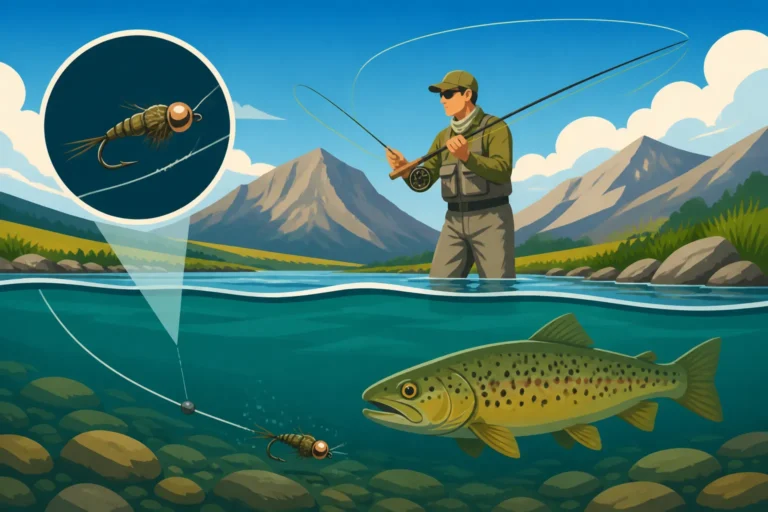
Since winter trout in tailwaters are less active and more concentrated, your fishing techniques need to adapt. This isn't the time for aggressive retrieves or casting into every riffle. Instead, think slow, subtle, and methodical. The primary technique for success on most winter tailwaters is nymphing. This involves presenting small, weighted fly patterns (imitating midges, caddis larvae, scuds, or sowbugs) under an indicator, allowing them to drift naturally along the bottom. You’ll want to fish deeper, often with split shot to get your flies down to where the fish are holding.
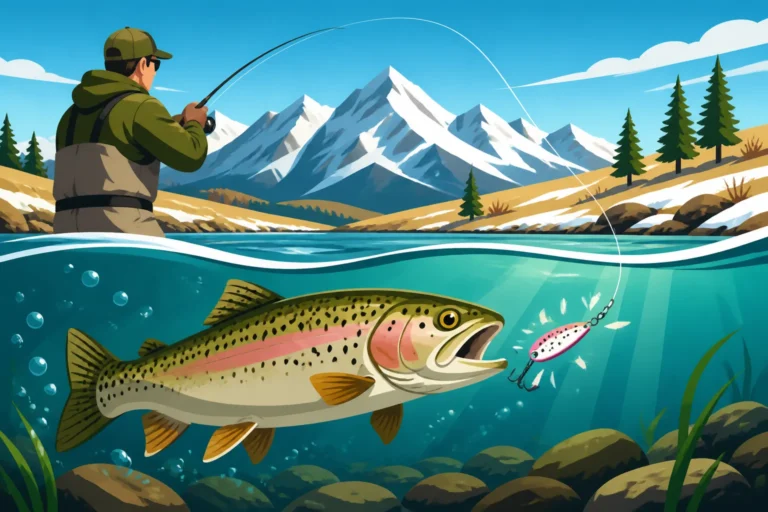
For spin anglers, small jigs, tiny spoons, or very slowly retrieved Panther Martin or Mepps spinners can be effective, especially those in natural colors or black. A key strategy is to thoroughly work the slower, deeper water. Don't just cast once or twice and move on. Let your flies or lures drift for a long time, and if you’re spin fishing, use an ultra-slow retrieve to keep your offering in the strike zone. Pay close attention to your indicator or line for the slightest pause or twitch, as winter bites can be incredibly subtle. If you want to refine your skills, practicing Nymphing Techniques for Wyoming Tailwaters can dramatically improve your catch rate.
Understanding how to fish a tailwater below a dam during the winter months requires patience and precision, but the rewards—often larger, healthier trout—are well worth the effort.
Here's a quick comparison to help solidify why tailwaters are so great in winter:
| Feature | Winter Tailwater Conditions | Unregulated Winter Stream Conditions |
|---|---|---|
| Water Temperature | Stable, consistent (usually 38-45°F), from deep reservoir releases | Highly variable, fluctuates with air temp, prone to freezing/thawing |
| Water Flow | Regulated, predictable, generally stable flows | Unpredictable, low flows (freezing) or high flows (thaw/ice jams) |
| Food Availability | Abundant midges, scuds, sowbugs, caddis larvae thrive year-round | Scarce, many insects dormant, less consistent food source |
| Trout Activity | Slower metabolism, concentrated in deep, slow water, opportunistic feeding | Very low activity, highly lethargic, difficult to locate/entice |
| Fishing Access | Often open and fishable, less prone to freezing solid | Frequent ice formation, dangerous conditions, limited access |
| Angler Strategy | Deep nymphing, slow retrieves, targeting holding water | Highly challenging, often unproductive, focuses on rare warm pockets |
When planning your winter fishing adventures, remember that the resilience and productivity of tailwaters make them truly special. Whether you’re fly fishing or spin fishing, the consistent conditions, reliable food sources, and predictable trout behavior offer a unique and rewarding cold-weather experience. Just make sure you're geared up for the cold, and you'll discover a whole new season of angling excitement in Wyoming.
Disclaimer
This article is for general informational purposes only and does not constitute professional advice. Laws, prices and regulations vary by location and change over time. Consult a qualified professional for guidance on your specific situation.