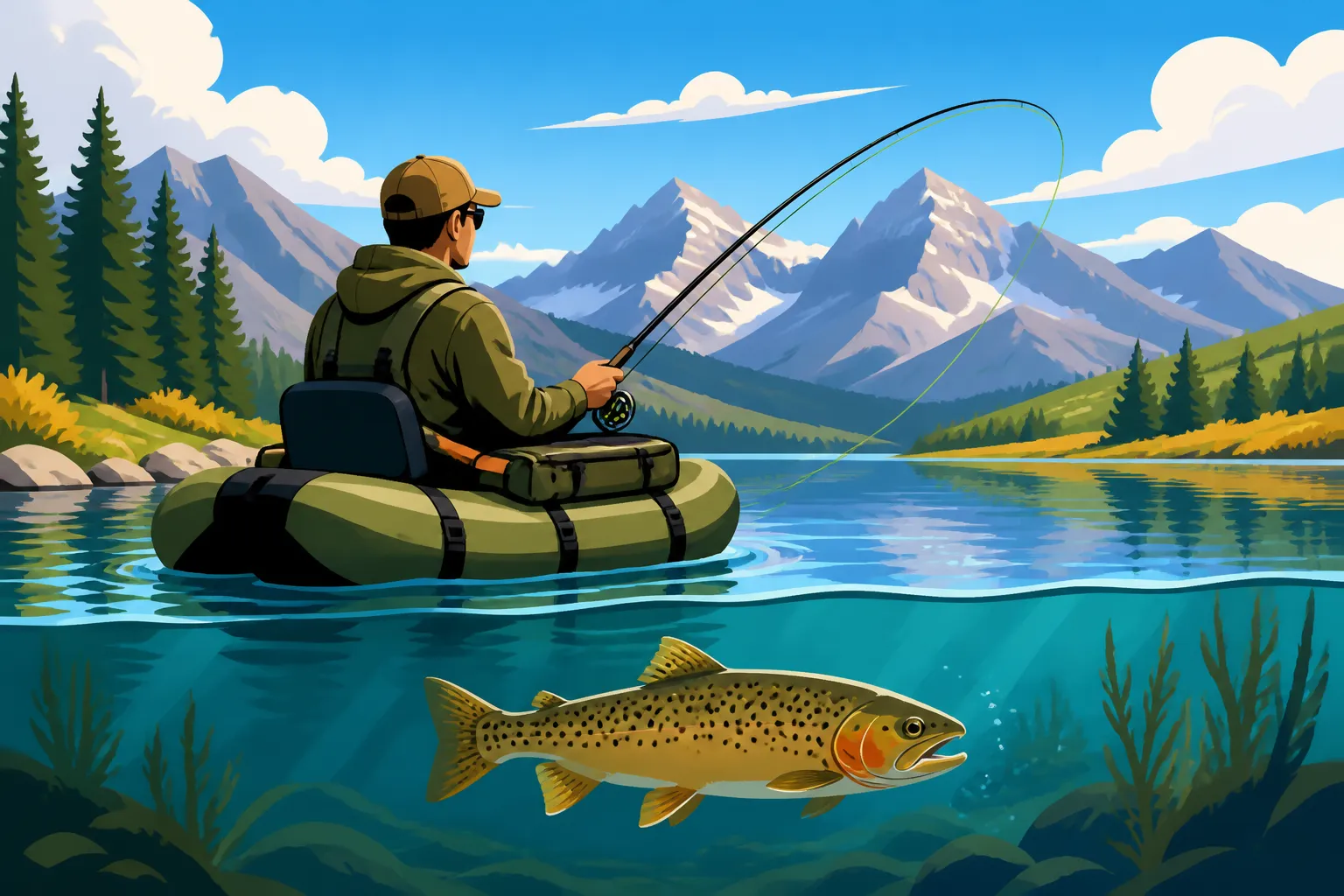
Is Float Tube Fishing Good on Wyoming Lakes?
Many anglers dream of reaching those untouched pockets of water on Wyoming's vast lakes, but the reality of hauling a full-sized boat, dealing with ramp access, or navigating choppy conditions can often make it feel like an impossible feat. If you've ever yearned for a quiet, intimate way to explore those hidden coves and serene stretches without the hassle and expense of a traditional vessel, then this guide is for you. We're diving deep into whether float tube fishing is not just good, but truly excellent, for exploring Wyoming's diverse lake fisheries.
The Allure of Float Tube Fishing in Wyoming
There's something uniquely appealing about float tube fishing, especially in a state like Wyoming where vast, open waters and secluded alpine lakes beckon. It's an experience that puts you right there, in the water, a part of the environment rather than just an observer from above. For many, it's a game-changer, opening up possibilities that were previously out of reach.
Why Anglers Love Float Tubes
Anglers gravitate towards float tubes for a myriad of reasons, and many of them perfectly align with the Wyoming fishing scene. First off, there's the unparalleled access. Think about those smaller, unimproved boat launches or even just walking a quarter-mile down a gravel path to a secluded pond. A float tube deflates, packs down, and can be carried in a backpack or a duffel bag, making it incredibly versatile. You don't need a heavy-duty truck and trailer; your sedan or even a small SUV can get you to the launch point. This portability means you can bypass crowded boat ramps and access waters that larger boats simply can't reach, or those that are off-limits to motors entirely.
Then there's the stealth factor. When you're in a float tube, you sit low to the water, moving slowly and silently with fins or small oars. This minimal disturbance allows you to approach wary fish with a much higher degree of stealth than you could in a noisy motorboat or even a larger kayak. Imagine drifting effortlessly along a weed line, casting precisely to rising trout without a ripple of commotion. This quiet approach is particularly effective on heavily pressured waters or when targeting skittish species like brown trout or cutthroat in crystal-clear mountain lakes. The feeling of being so connected to the water, nearly submerged, also provides a unique perspective that can actually help you "read" the water better, feeling currents and seeing subtle subsurface features you might miss from a higher vantage point.
The Unique Advantages for Wyoming Lakes
Wyoming's landscape is a mosaic of massive reservoirs, meandering rivers, and countless high-alpine lakes. While rivers are often the domain of drift boats and wade anglers, lakes present a different challenge. Many of Wyoming's most pristine and productive lake fisheries are either remote, high-altitude, or have strict regulations on motorboat usage. This is where float tubes truly shine.
Consider the journey to some of the state's incredible backcountry lakes – often requiring a hike, sometimes a substantial one, into the Wind River Range or the Bighorn Mountains. Hauling even a small kayak up a steep trail is a monumental task. A deflated float tube, however, is manageable. You can hike miles into the wilderness, inflate your tube, and then explore waters that rarely see human pressure, often holding wild, native trout populations. These undisturbed environments are exactly where a float tube can turn a good fishing trip into an unforgettable adventure.
Even on larger, more accessible reservoirs, float tubes offer advantages. Many state parks or national forests have areas designated as "no-wake" zones or even "no-motor" areas. A float tube lets you ply these peaceful waters where bigger boats are restricted, often finding concentrations of fish that have learned to avoid the noise and disturbance of motors. It’s also a much more economical way to get on the water compared to investing in and maintaining a full fishing boat. For those looking to maximize their time on the water without breaking the bank or dealing with logistical nightmares, float tubing presents an incredibly compelling option.
Essential Gear for Float Tube Fishing
Getting started with float tube fishing doesn't require a massive investment, but having the right gear is crucial for both comfort and safety on Wyoming's often-unpredictable waters. Think of it as your personal fishing vessel, and just like any boat, it needs specific components to function well.
Your Float Tube and Propulsion System
The float tube itself is, of course, the centerpiece. There are a few main styles, each with its own benefits. The classic "U-shaped" or "horseshoe" tube is often the most affordable and lightweight. It's easy to enter and exit, and typically has good maneuverability. However, storage space can be a bit limited, and you might feel a bit more exposed to the water's chill. "V-shaped" or "pontoon-style" tubes are often a step up, offering improved hydrodynamics, which means less effort to move across the water. They usually have more storage pockets and often come with a stripping apron or work surface in front of you, which is a huge plus for fly anglers or those needing a place for tackle. Some pontoon models can even accommodate small oars in addition to fins, giving you more power for covering distance or battling wind. You can find excellent options for all these styles, and even basic hand pumps, at retailers like Amazon, offering convenience for getting started.
Speaking of propulsion, your primary means of movement will be fins. These are worn over your wading boots and are essential for controlling your direction and moving efficiently. They come in various designs, from short, wide fins for quick bursts of movement to longer, more powerful fins for covering greater distances. When choosing, consider the type of wading boot you'll be wearing and ensure the fins fit securely and comfortably. A good pair of fins will make all the difference in reducing fatigue and allowing you to explore more water. Some advanced float tubes also allow for small oars, which can be fantastic for long-distance travel or when you really need to fight a strong headwind.
Safety First: Waders, Fins, and PFDs
Safety should always be paramount when you're on the water, and float tube fishing is no exception, especially on Wyoming's often cold lakes.
First, you'll need a good pair of waders. Neoprene waders offer excellent insulation and are a popular choice for cooler water and shoulder seasons in Wyoming. They keep you warm even when partially submerged. However, for summer fishing or strenuous hikes to high-alpine lakes, breathable waders can be a better choice as they prevent overheating. Always make sure your waders fit well, allowing for comfortable movement but not being excessively baggy, which can create drag in the water.
Next, a personal flotation device (PFD) is non-negotiable. Even if you're an excellent swimmer, a PFD can save your life if you unexpectedly tip over, get tangled in line, or become incapacitated. There are comfortable, low-profile PFDs designed specifically for fishing, so there's no excuse not to wear one. Some are inflatable and only activate when submerged, offering maximum freedom of movement. Always check that your PFD is Coast Guard approved and fits snugly.
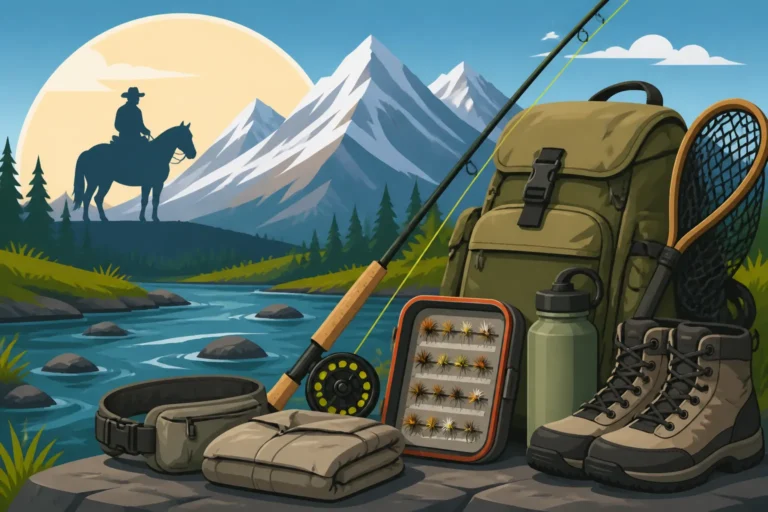
Beyond the big three (tube, waders, PFD), a few other safety items are wise. A small first-aid kit, a whistle for signaling, and a knife or line cutters are essential. If you're heading into the backcountry, consider a satellite messenger or personal locator beacon, as cell service is often nonexistent. A basic repair kit for your float tube is also a good idea – a small patch can save your trip from being cut short by an unforeseen puncture. When you're gathering your gear, remember that you can easily find a comprehensive selection of these items, from various brands of waders to different PFD styles, available online, for instance, through a quick search on Amazon.
Tackle and Accessories
Your tackle setup for float tube fishing in Wyoming will largely depend on what species you're targeting and your preferred method. For trout fishing on lakes, a medium-light spinning rod (5-7 feet) paired with a small spinning reel is a versatile choice. For fly anglers, a 4-6 weight fly rod is ideal for most lake situations, allowing for delicate presentations but still having enough backbone for larger fish or windy conditions.
Storage is key in a float tube, as you'll have limited space. Look for tubes with ample zippered pockets on the side for tackle boxes, extra spools of line, leader material, and snacks. A stripping apron (a mesh or solid platform across your lap) is invaluable for keeping flies, lures, and tools organized and within easy reach. Many anglers also attach a small mesh net to their tube, which is far easier to manage when you're seated low in the water than a long-handled landing net.
Other useful accessories include a small, waterproof dry bag for valuables like your phone or car keys, a pair of polarized sunglasses to cut glare and spot fish, and a hat for sun protection. A robust anchor system can also be incredibly useful, especially on windy days or when you want to hold your position over a submerged structure. Some anglers use a small, foldable grapnel anchor with a short length of rope and a quick-release clip. Don't forget bug spray, especially during prime bug seasons in the mountains, and plenty of water to stay hydrated.
| Gear Category | Key Items | Considerations for Wyoming Lakes |
|---|---|---|
| Float Tube System | Float tube (V-shaped/Pontoon recommended), Fins, Air Pump | Portability for hiking, stability for wind, storage for gear |
| Safety & Apparel | PFD, Waders (neoprene for cold, breathable for hikes), Wading Boots, Knife/Line Cutters, Whistle, First-Aid Kit | Cold water protection, visibility, emergency signaling, quick access |
| Fishing Tackle | Rod & Reel (spin or fly), Line, Leaders, Lures/Flies, Net (short-handled) | Match to target species (trout, kokanee, walleye), ease of use from seated position |
| Accessories | Dry Bag, Polarized Sunglasses, Hat, Sunscreen, Bug Spray, Water Bottle, Small Anchor, Snacks | Protection from elements, organization, hydration, positioning |
Best Types of Wyoming Lakes for Float Tubing
Wyoming offers an incredible variety of lakes, each presenting its own unique challenges and rewards for the float tuber. Knowing which types of waters are most conducive to this method can greatly enhance your success and enjoyment.
High-Altitude Gems and Backcountry Waters
This is arguably where float tubes truly excel in Wyoming. The state is blessed with thousands of high-alpine lakes, many of which are only accessible by foot or horseback. These remote, often crystal-clear waters are typically too small or too difficult to reach for traditional boats, making them perfect for float tubes. How to Fish Wyoming's High-Alpine Lakes is a great resource if you're looking to explore these serene environments. The rewards can be immense: stunning scenery, absolute solitude, and wild, aggressive trout that rarely see artificial flies or lures.
Imagine packing a lightweight, deflated float tube along with your camping gear on a multi-day backpacking trip into the Gros Ventre Wilderness. After a strenuous hike, you inflate your tube on the shore of a sapphire-blue lake, surrounded by towering peaks. The experience is unparalleled. You can silently paddle to the inlet, drift along rocky drop-offs, or explore submerged timber, targeting feisty cutthroat, brook, or even golden trout. These lakes often fish best after ice-out and throughout the short mountain summer season. Always remember to check regulations specific to wilderness areas, as some have special rules regarding types of tackle or motors (even electric ones are usually prohibited). If you're planning a trip to a truly remote spot, take a look at What Gear to Pack for a Backcountry Fishing Trip to ensure you're fully prepared.
Smaller Reservoirs and Ponds
Beyond the high country, Wyoming has countless smaller reservoirs and ponds scattered across its landscape. These often receive less pressure than the major impoundments and are ideal candidates for float tube exploration. Think about the smaller Bureau of Land Management (BLM) ponds, state park lakes, or even irrigation reservoirs that might not have developed boat ramps.
These waters are typically easier to access, often requiring just a short walk from a pull-off or a designated parking area. With a float tube, you can quickly get out to the deeper channels, weed beds, or submerged structures that are out of casting range from the shore. This can be particularly effective for targeting species like rainbow trout, perch, or even smallmouth bass in certain reservoirs. Many of these lakes might have restrictions on gas motors, or simply be too small to make a larger boat practical, leaving them wide open for the float tuber. The ability to silently navigate these intimate waters gives you a huge advantage, allowing for precise presentations and a less intrusive presence. You'll want to choose your technique carefully here; for example, if you're thinking about moving across a larger section, then something like Trolling Techniques for Wyoming Reservoirs might inspire some lighter, float-tube-friendly adaptations.
Lakes with Restricted Motorboat Access
Many of Wyoming's most beautiful and productive lakes have restrictions on motorboat usage, either limiting horsepower, establishing no-wake zones, or prohibiting internal combustion engines altogether. These regulations create fantastic opportunities for float tubers. Lakes within national parks, certain state parks, and many municipal water supply reservoirs fall into this category.
For example, some of the smaller, tranquil lakes inside Grand Teton National Park or specific arms of larger reservoirs might restrict motorized access. By launching a float tube, you gain access to pristine waters and undisturbed fish populations, often in incredibly scenic settings. You can explore shorelines, cast to rising fish in calm bays, or drift across deeper sections without the constant disturbance of passing boats. This quiet environment not only makes for a more peaceful fishing experience but also often leads to better fishing, as the fish are less pressured and more willing to bite. Always make sure to consult the specific regulations for any lake you plan to fish, as rules can vary widely, even within different sections of the same body of water.
Tips and Techniques for Success on Wyoming Lakes
Float tube fishing, while inherently simple, benefits greatly from a few key techniques and considerations, especially when navigating the diverse conditions of Wyoming's lakes.
Mastering Your Movement and Positioning
One of the biggest advantages of a float tube is the 360-degree range of motion and the ability to maneuver into precise positions. To make the most of this, it's crucial to master your fin-kicking technique. Rather than frantic splashing, aim for smooth, consistent kicks that propel you efficiently without spooking fish. Practice moving forward, backward, and spinning in place. This control allows you to work a specific piece of structure, drift perfectly along a weed line, or hold your position in a light breeze.
Wind can be your best friend or worst enemy on a float tube. On calm days, it can provide a silent drift, carrying you across promising water. On windy days, it can make holding a position or covering water incredibly challenging. Learn to use the wind to your advantage, positioning yourself upwind of a target area and letting the breeze gently push you across it, presenting your lure or fly naturally. When the wind is too strong, look for sheltered coves, points, or the lee side of islands. A small anchor can be invaluable here, allowing you to stop and fish a promising spot effectively, even in moderate chop.
Positioning relative to the sun is also important. Try to keep the sun at your back or to your side to avoid casting a shadow over the water you're fishing. Being low to the water means your profile is smaller, but a shadow can still spook fish in clear conditions. How to Read Water When Trout Fishing discusses many of the same principles that apply when you're float tubing—understanding currents, structure, and where fish are likely to hold is universal.
Stealth and Presentation
The inherent stealth of a float tube is a massive asset, but you still need to capitalize on it with your presentation. Because you're sitting so low and are so close to the water, you have a unique advantage for making quiet, accurate casts.
For fly anglers, this means delicate dry fly presentations to rising fish, soft nymphing drifts along drop-offs, or precise streamer strips near submerged features. The ability to back-paddle slightly or adjust your angle with a gentle kick allows for perfectly aligned drifts and retrieves. On many small lakes, especially those in the high country, the fish can be incredibly sensitive to disturbance. Your quiet approach and subtle movements are key to tricking these wild trout.
Spin fishermen also benefit. Soft lure entries, accurate casts to cover, and retrieving your lure with minimal surface disturbance are all easier from a float tube. Consider using lighter lines and smaller lures or baits to match the natural forage and avoid heavy splashes. When fishing tight to structure like fallen trees or rocky outcrops, the float tube allows you to approach from an ideal angle without getting snagged or spooking fish before you even make your cast. Remember, even a small splash from a heavy lure can send nearby fish scattering.
Dealing with Wind and Weather
Wyoming weather on the lakes can change in a heartbeat, and being prepared is vital. A calm morning can quickly turn into a gusty afternoon, or a sunny sky can give way to a sudden thunderstorm.
Wind Management: As mentioned, a small anchor is a float tuber's best friend for wind. It allows you to stabilize your position when casting or when you find a productive spot. When moving, if you're facing a strong headwind, consider hugging the shoreline or making shorter dashes, rather than trying to power straight through. If the wind is at your back, it can be an excellent way to cover large areas silently while drift fishing. Just remember to have a plan for getting back to your launch point if you drift too far. Always err on the side of caution; if the wind picks up to whitecap conditions, it's probably time to head for shore.
Weather Protection: Layering your clothing is always a smart strategy in Wyoming. Even on a warm day, the water can be chilly, and if the sun ducks behind clouds, you'll feel it. A waterproof and windproof outer shell is crucial for both warmth and comfort, especially if a pop-up shower rolls through. A wide-brimmed hat provides excellent sun protection, and a neck gaiter can protect from both sun and wind.
Remember that while float tubes are incredibly stable for their size, they are still small craft. Always be aware of your surroundings, keep an eye on weather patterns, and know your limitations. If you're planning a trip to some of Wyoming's more remote waters, make sure you understand the nuances of things like Wyoming Fishing Seasons and Water-Specific Closures or How Wyoming Game and Fish Announces Emergency Closures, as conditions can sometimes change rapidly. Being mindful of these factors will ensure a safer and much more enjoyable float tube fishing experience on Wyoming's beautiful lakes.
Disclaimer
This article is for general informational purposes only and does not constitute professional advice. Laws, prices and regulations vary by location and change over time. Consult a qualified professional for guidance on your specific situation.