Best Technique for Fishing From a Kayak
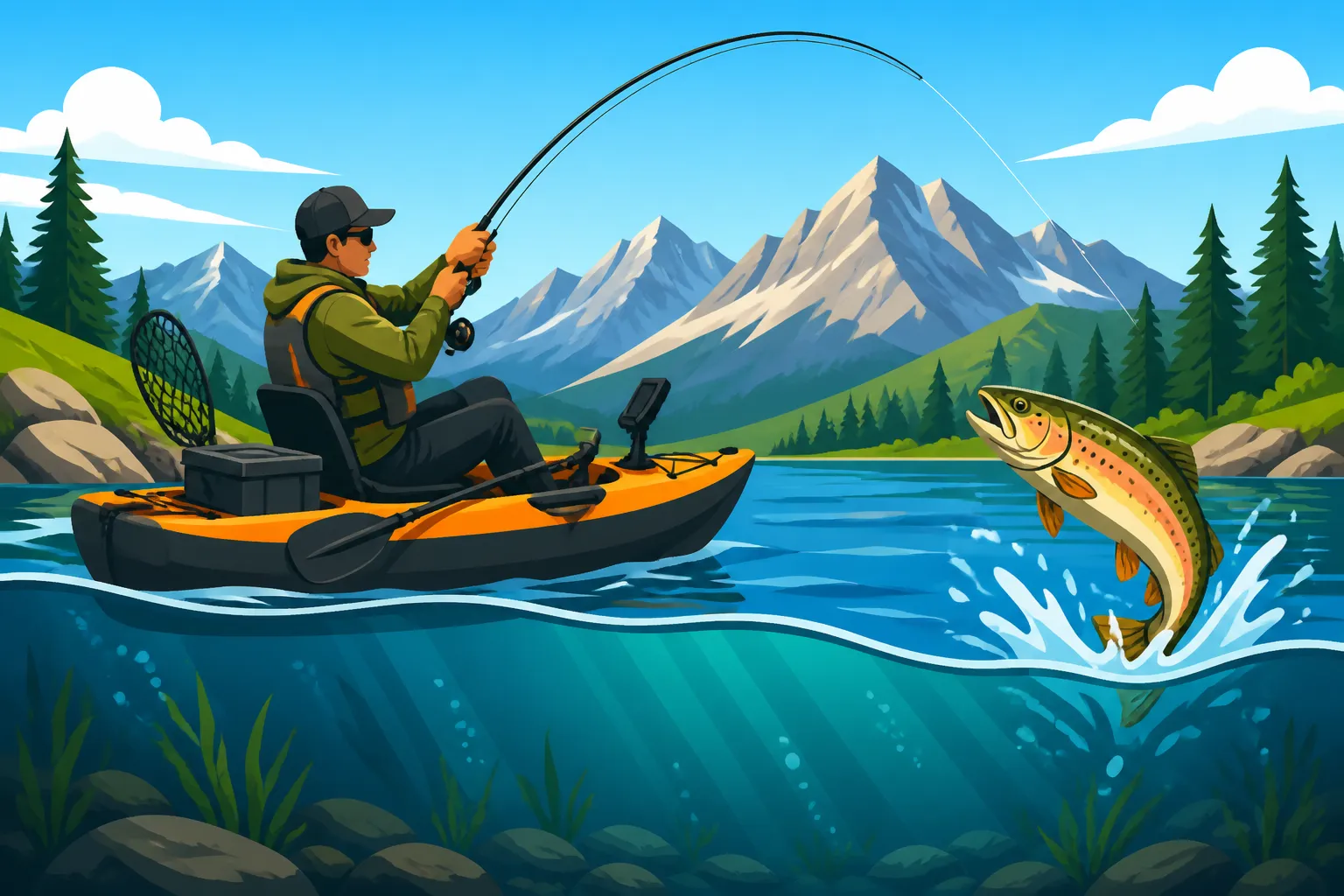
There’s nothing quite like the serene feeling of gliding across a pristine Wyoming lake or down a gentle river, with your fishing rod ready, all from the comfortable perch of your kayak. It's a fantastic way to access those tucked-away spots that shore anglers can only dream of, and it provides an incredibly intimate connection with the water. However, kayak fishing also presents unique challenges, from managing gear in tight spaces to dealing with wind and currents. This guide is all about mastering the best techniques to make your Wyoming kayak fishing adventures successful and enjoyable, no matter your skill level.
Understanding Your Kayak and the Wyoming Environment
Before you even think about casting, truly understanding your vessel and the specific waters you're fishing in Wyoming is paramount. A kayak isn't just a floating platform; it's an extension of your body, and its characteristics will dictate how you approach fishing. Couple that with Wyoming's notoriously dynamic weather and varied waterways, and you quickly realize that preparation is key.
Choosing the Right Kayak for Wyoming Waters
Not all kayaks are created equal, especially when it comes to fishing the diverse landscapes of Wyoming. The "best" kayak really depends on where you plan to spend most of your time and your personal comfort level.
- Sit-on-Top (SOT) Kayaks: These are arguably the most popular choice for kayak anglers, and for good reason. Their open deck design makes them incredibly easy to get in and out of, which is a huge plus if you need to stand, stretch, or even get out to wade a shallow riffle. SOTs offer great stability, often allowing you to stand up to cast, which is a game-changer for sight fishing or getting a better vantage point on a river. They also drain easily, which is fantastic when you're battling waves on a larger reservoir like Flaming Gorge. The trade-off is often speed and protection from the elements, meaning you might get a little wetter or have to work harder in strong headwinds.
- Sit-Inside (SINK) Kayaks: While less common for dedicated fishing, SINKs still have their place, particularly for river fishing or when speed and protection from cold water are priorities. They excel at tracking straight and are generally faster and more efficient to paddle. This can be a huge advantage on longer floats down the North Platte or when you need to cover significant distances. However, the enclosed cockpit can make gear management tricky, and getting in and out quickly with waders on can be a bit of a dance. If you’re targeting waters where speed or shelter from chilly winds is critical, a SINK might be a good fit, but be prepared for a more minimalist setup.
- Pedal-Drive Kayaks: These are the new darlings of the kayak fishing world, and once you try one, it's hard to go back. Pedal kayaks free up your hands entirely, allowing you to constantly adjust your position, fight a fish, or even cast while moving. This hands-free propulsion is invaluable when trolling for lake trout on Jackson Lake or holding a precise line against a river current. While they tend to be heavier, more expensive, and sometimes less agile in very shallow water, the benefits of hands-free operation are often worth the investment for serious anglers. They offer incredible control, especially when battling Wyoming's notorious winds, which can turn a leisurely paddle into a serious workout in a traditional kayak.
Ultimately, your choice should match the predominant water you fish and your fishing style. For versatility across Wyoming's lakes, rivers, and reservoirs, a stable sit-on-top or a pedal-drive kayak usually offers the best experience.
Reading Wyoming's Waters from a Kayak
Fishing from a kayak requires a different level of intuition when it comes to understanding water. You're lower to the water, more susceptible to its whims, and have a unique perspective.
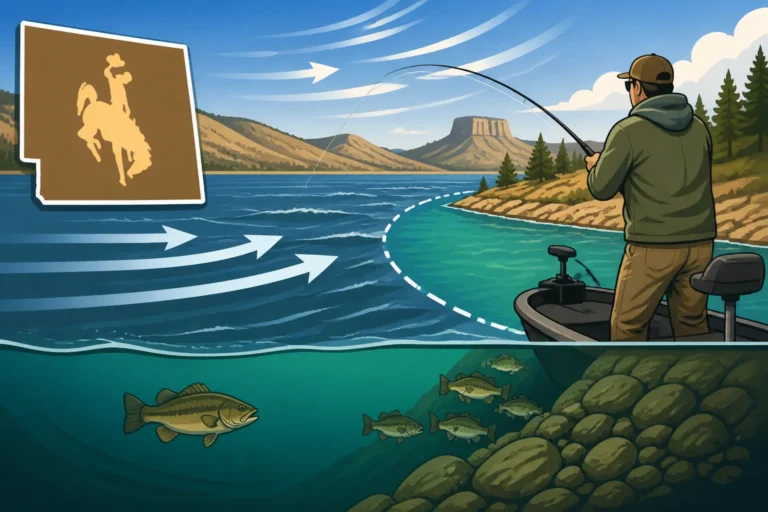
- Wind and Current Management: Wyoming is synonymous with wind. On large reservoirs like Boysen or Pathfinder, wind can quickly become your biggest adversary, making it difficult to hold a position or even paddle. Learning to use a drogue (drift sock) or a small anchor is essential. For rivers, understanding the current is critical. You'll want to use the current to your advantage, drifting through promising seams and eddies, but always be mindful of hazards like strainers (fallen trees) or swift rapids. Being able to read the subtle changes in current speed and direction, even from a low kayak perspective, allows you to present your lure naturally and effectively. How Wind Affects Fishing on Wyoming Reservoirs is a great resource for understanding this challenge.
- Shoreline and Structure Observation: From a kayak, you get a unique, water-level view of the shoreline and submerged structure. This low vantage point can sometimes reveal nuances that you'd miss from a larger boat or the bank. Look for subtle current breaks, weed lines, rock piles, and submerged timber. These are all prime holding spots for fish, particularly species like brown trout or walleye. You can often paddle quietly right up to these spots, maintaining a stealthy approach that a noisy motorboat simply can't achieve. Pay close attention to how fish react to your approach; a quiet paddle stroke or a gentle pedal is key.
- Accessing Unique Spots: One of the biggest advantages of kayak fishing is the ability to reach remote, shallow, or otherwise inaccessible areas. Think about those small coves on a reservoir, the narrow channels connecting lakes, or the shallow riffles on a river that larger boats can't navigate. These often hold untouched fish. You can easily drag a lightweight kayak over a sandbar or paddle through a weed bed that would tangle a prop. This opens up a whole new world of fishing opportunities, letting you explore further and find less pressured fish. Remember to always check local regulations for specific access points, especially around private land or sensitive wildlife areas.
Essential Kayak Fishing Techniques for Wyoming Waters
Now that you're one with your kayak and understanding the water, let's talk about the specific techniques that will elevate your fishing game in Wyoming. It's not just about casting; it's about positioning, presentation, and efficiency.
Positioning and Stealth from a Kayak
Maintaining a strategic position and approaching your target quietly are paramount in kayak fishing. Fish are often less spooky than we think, but sudden movements, splashes, or shadows can send them scattering.
- Silent Approach: The beauty of a kayak is its stealth. Use it to your advantage. Avoid banging gear, dragging your paddle, or making loud splashes. Gentle, deliberate paddle strokes or smooth pedal movements are key. If drifting, let the current do the work, using minimal corrections. When targeting wary trout in clear streams, a quiet approach from downstream, allowing your lure or fly to drift naturally ahead of your kayak, can be incredibly effective. Consider wearing muted colors to blend with the environment, especially on bright, sunny days when shadows are prominent.
- Controlling Your Drift: On rivers, learning to control your drift is a critical skill. Use your paddle or rudder (if you have one) to angle your kayak slightly, slowing your drift through prime lies or accelerating through unproductive water. A drogue can also be your best friend here, slowing you down significantly, especially if the current is faster than ideal for a good presentation. This controlled drift allows you to thoroughly work a seam, an undercut bank, or a log jam, maximizing your time in productive water. On lakes and reservoirs, a drift sock helps you cover water systematically with the wind. For more specific insights on river dynamics, consider reading How to Read Water When Trout Fishing.
- Targeting Structure and Currents: From your kayak, you can often get right up close to structure like submerged trees, rock piles, or eddy lines. Use precise paddle or pedal movements to hold your position just upstream or alongside these features, allowing you to cast repeatedly into the strike zone. On rivers, understanding the subtle currents that form behind boulders or along bends in the river is crucial. Position your kayak to cast into these current breaks, where fish often ambush prey, and let your lure tumble naturally through the feeding lane.
Casting and Retrieval from a Kayak
Casting from a small, often unstable platform like a kayak takes practice. It’s a different game than casting from a boat with a wide deck or from solid ground.
- Mastering the Sit-Down Cast: Most of your casting will likely be done from a seated position. This requires a more compact casting stroke, emphasizing forearm and wrist movement rather than a full body swing. Practice sidearm casts, which keep your lure lower to the water, reducing wind resistance and making for a smoother delivery. For fly fishing, learning a roll cast or a Belgian cast can be incredibly useful when you have limited backcasting room. Remember, accuracy trumps distance from a kayak; placing your lure precisely is often more important than launching it a mile.
- Standing to Cast (If Stable Enough): If you have a very stable kayak (often a wide sit-on-top or a pedal kayak), and the conditions are calm, standing to cast can greatly improve your visibility and casting leverage. This is particularly useful for sight fishing in clear water or when you need to make a long, accurate cast with a heavy lure. Always test your kayak’s stability in calm water before attempting to stand on a fishing trip, and always wear your personal flotation device (PFD). A stand-assist bar or strap can add a lot of confidence.
- Efficient Retrieval and Hooksets: Once you've cast, your retrieval needs to be smooth and uninterrupted. Keep your rod tip low to the water to minimize wind interference and maintain a direct line to your lure. When a fish strikes, a solid, compact hookset is essential. From a seated position, you might need to lean back slightly or use a quick, powerful wrist snap. Avoid over-setting, which can lead to instability. For species like rainbow or cutthroat trout, often a subtle, consistent pressure is enough to secure the hook.
Drifting and Anchoring Strategies
Effective control over your kayak's movement is a hallmark of a skilled kayak angler. This means knowing when to let the water move you and when to stop dead in your tracks.
- Controlled Drifting with a Drogue: As mentioned, a drogue or drift sock is a game-changer for covering water efficiently on lakes, reservoirs, or slow-moving rivers. It acts like a parachute in the water, slowing your drift and keeping your kayak oriented correctly. This allows you to fan-cast an area thoroughly, presenting your lure or bait naturally over prime habitat. When using a drogue, try to maintain a slight angle to the wind or current to present a smaller profile and keep your line clear of your kayak. You can find many effective and affordable drogues on Amazon, making it an easy addition to your essential gear.
- Anchoring for Still Fishing: Sometimes, you need to stay put. Whether you’ve found a hot spot, want to soak some bait, or are fishing a tight eddy on a river, a small anchor is invaluable. Kayak anchors are typically small (1.5-3 lbs) grappling or folding anchors, or even a simple weight like a dive brick. Ensure you have plenty of anchor line, as Wyoming waters can be surprisingly deep, and always attach your anchor line to a quick-release system or a trolley system that allows you to deploy and retrieve it safely from the bow or stern without having to reach awkwardly. Improper anchoring can lead to a dangerous situation, especially in current. For more on anchoring, check out How to Anchor a Boat for Still Fishing.
- Pedal Power for Dynamic Positioning: If you're fortunate enough to have a pedal-drive kayak, your anchoring needs are often reduced. Pedal power allows for dynamic positioning, letting you hold steady against a moderate current or wind, slowly troll, or even backpedal to extract your lure from a snag. This constant, hands-free control is incredibly useful for jigging for walleye on Boysen Reservoir or holding over a drop-off at Flaming Gorge, offering an unparalleled level of boat control that traditional kayaks can't match.
| Kayak Type | Ideal Use Case in Wyoming | Pros | Cons |
|---|---|---|---|
| Sit-on-Top | Versatile: lakes, slow rivers, shore access | Stable, easy entry/exit, self-draining, storage | Slower, less protection from elements |
| Sit-Inside | Faster rivers, long paddles, cold weather | Fast, efficient, protected cockpit | Less stable, harder entry/exit, limited standing |
| Pedal-Drive | Trolling, current control, hands-free fishing | Hands-free propulsion, excellent control | Heavier, more expensive, complex maintenance, shallow water limitations |
Gear and Rigging for Kayak Fishing Success
Kayak fishing is all about efficiency and smart organization. Space is limited, so every piece of gear needs to earn its spot. Thoughtful rigging can make the difference between a frustrating tangle and a smooth, productive day on the water.
Minimalist vs. Maximized Setup
The approach to outfitting your kayak can vary wildly, from bare-bones simplicity to an electronic-packed fishing machine. The best approach for you will depend on your target species, the waters you frequent, and your personal budget.
- The Minimalist Approach: For many Wyoming anglers, less is more. If you're targeting small mountain streams or quick trips on local ponds, a single rod, a small tackle box, and a dry bag for essentials might be all you need. This keeps your kayak light, maneuverable, and free of clutter. It also minimizes snag points and makes portaging (carrying your kayak) much easier. Focus on multi-purpose tools and only bring what you absolutely know you'll use. This approach often prioritizes the experience of paddling and stealth over sheer catching power.
- The Maximized Setup: For dedicated anglers chasing specific species on larger waters, a more outfitted kayak makes sense. This might include a fish finder with GPS, multiple rod holders, a cooler for your catch, and dedicated storage for various tackle trays. While this adds weight and complexity, it can significantly enhance your effectiveness, especially when targeting walleye in deep reservoirs or trolling for large lake trout. The key is to organize everything meticulously, ensuring items are secured and easily accessible without cluttering your workspace. Many specialized accessories can be found on Amazon to help you customize your setup, from track systems to waterproof electronic mounts.
Rod and Reel Holders
Managing multiple rods or even just one can be a challenge in a kayak. Rod holders are your best friend, keeping expensive gear secure and within easy reach.
- Flush Mount Holders: These are often built into sit-on-top kayaks, providing a sturdy, out-of-the-way place to store a rod while paddling or when not in use. They're great for holding a rod for trolling or as backup storage, but they can be tricky to reach quickly for a strike.
- Track Mount Holders: These are incredibly versatile. Track systems, often mounted on the gunwales (sides) of your kayak, allow you to slide and position various accessories, including adjustable rod holders. This means you can orient your rod precisely for trolling, keep it horizontal for storage, or set it vertically for quick access when actively fishing. The flexibility of track mounts makes them popular for customizing a kayak to different fishing situations. You can find a vast array of track-mounted rod holders and accessories on sites like Amazon.
- Milk Crate/Storage Solutions: A simple plastic milk crate, often secured in the tankwell (rear storage area) of a sit-on-top, can be customized with PVC pipes to create vertical rod holders. This is a budget-friendly and highly effective way to carry multiple rods, keeping them upright and out of your way until needed.
Storage and Organization
Every inch of space in a kayak is precious. Smart storage and organization prevent frustration and ensure you have what you need when you need it.
- Dry Bags and Waterproof Containers: These are non-negotiable in kayak fishing. Store your phone, wallet, keys, extra layers, and any electronics in dry bags or hard-shell waterproof cases. Even on a calm day, an unexpected splash or capsize can happen. Better safe than soggy!
- Bungees and Tie-Downs: Secure everything. Rods, tackle boxes, coolers, even your paddle if you're not using it. Bungees, straps, and cleats are essential for preventing gear from washing overboard in waves or during a capsize. Losing your gear in the middle of Flaming Gorge is a quick way to ruin a trip.
- Accessible Tackle Management: Keep your frequently used lures, tools (pliers, clippers), and leader material in a small, easily accessible tackle box or bag that can be secured to the deck in front of you. Deeper storage in the hull can hold backup tackle or items you won't need constantly. Think about keeping your net secured where you can reach it with one hand to land a fish without letting go of your rod.
Safety and Best Practices on the Water
While kayak fishing in Wyoming offers unparalleled freedom and access, it also comes with inherent risks. Being prepared and following best practices isn't just about avoiding a fine; it's about ensuring you come home safely and leave the environment better than you found it.
Stability and Self-Rescue
Understanding your kayak's limits and knowing how to get back in if you capsize are fundamental safety skills.
- Know Your Kayak's Limits: Every kayak has a different stability profile. Some are designed for speed, some for ultimate stability. Practice getting in and out of your kayak from shore in shallow water. Lean it from side to side to understand its tipping point. Never overload your kayak, as this will drastically reduce its stability. Be particularly cautious in choppy water or when a big fish is pulling hard.
- Practice Self-Rescue: A wet exit and re-entry are skills every kayak angler should master. Practice in warm, shallow water with a friend. For sit-on-tops, this usually involves flipping the kayak upright, getting behind it, and kicking your legs while pulling yourself back onto the seat. For sit-insides, it's more complex, involving bailing water and often a paddle float for assistance. Always wear your PFD; it’s your primary piece of safety gear and makes self-rescue significantly easier.
- Carry Essential Safety Gear: Beyond your PFD, always carry a whistle (often attached to your PFD), a signaling device like a mirror or brightly colored flag, and a knife (for cutting tangled lines or ropes in an emergency). On larger lakes or open water, a small marine radio or a fully charged cell phone in a waterproof case is also a smart addition.
Weather Awareness
Wyoming weather is famously unpredictable. A calm morning can turn into a windy, stormy afternoon in a heartbeat. Being aware of the forecast and constantly monitoring conditions is crucial.
- Check the Forecast Religiously: Before every trip, check the wind speed and direction, potential for thunderstorms, and water temperatures. High winds can make paddling nearly impossible and create dangerous waves on large reservoirs. Lightning is a serious threat on open water. Know when to stay home. Wyoming Fishing Seasons Month by Month can help you understand seasonal weather patterns.
- Monitor Conditions on the Water: Don't just rely on the morning forecast. Look for darkening skies, changes in wind direction, or sudden drops in temperature. If conditions start to deteriorate, don't hesitate to head back to shore. It's always better to cut a trip short than to get caught in a dangerous situation.
- Dress for the Water, Not the Air Temperature: This is a golden rule for all cold-water paddling. If the water temperature is cold (which it often is in Wyoming), dress in layers of synthetic or wool clothing that insulates when wet. A wetsuit or drysuit might be necessary for early spring or late fall fishing. Hypothermia is a real threat, even on seemingly warm days if you get wet.
Respecting Wildlife and Fellow Anglers
Wyoming's natural beauty and incredible fisheries are a shared resource. As kayak anglers, we have a responsibility to be good stewards.
- Practice Leave No Trace Principles: Pack out everything you pack in, and perhaps even a little more. This includes tangled fishing line, broken lures, and any food wrappers. Preserve the pristine nature of Wyoming's backcountry lakes and rivers.
- Give Wildlife Their Space: You'll encounter all sorts of wildlife while kayak fishing—deer, moose, eagles, and even bears in some areas. Observe them from a respectful distance. Do not disturb nesting birds or approach animals, especially mothers with young.
- Be Considerate of Other Users: Wyoming's waters are shared by other anglers (bank, wade, and motorboat), paddlers, and recreational users. Maintain a respectful distance from other anglers, avoid loud noises, and share access points gracefully. On rivers, communicate with other boaters about your intentions, especially at rapids or take-out points. Always follow Catch-and-Release Best Practices for Trout to ensure the health of our fish populations for future generations.
Disclaimer
This article is for general informational purposes only and does not constitute professional advice. Laws, prices and regulations vary by location and change over time. Consult a qualified professional for guidance on your specific situation.