How to Find Fishable Ice on a Wyoming Reservoir
There's a unique thrill that comes with chasing fish on a frozen Wyoming reservoir, but that excitement is always tempered by one overriding question: Is the ice safe? Stepping out onto a vast, hard-water expanse can feel intimidating, especially when conditions can change rapidly. This guide is here to cut through the guesswork, helping you understand how to confidently assess ice safety and find those prime, fishable spots on Wyoming's frozen lakes and reservoirs, ensuring your hard-water adventure is both fruitful and safe.
Understanding the Dynamics of Reservoir Ice in Wyoming
Ice isn't just ice, especially on Wyoming's often-windy and deep reservoirs. The way it forms, its composition, and its stability can vary dramatically, even across the same body of water. Understanding these dynamics is your first line of defense against an unexpected dunking.
Factors Influencing Ice Formation and Stability
Wyoming's weather can be fickle, and a reservoir's ice cover is a direct reflection of that. Several key factors dictate how quickly and safely ice forms and, crucially, how long it remains stable enough for fishing.
- Temperature Fluctuations: Consistent cold is the bedrock of safe ice. Warm spells, even short ones, can significantly degrade ice quality by creating internal weaknesses, honeycombing, or melting from the surface down. This is especially true in early and late season. A day or two of above-freezing temperatures can turn what looked like solid, thick ice into a much more precarious proposition.
- Snow Cover: A blanket of snow might look cozy, but it actually insulates the ice, slowing its growth and sometimes leading to slushy conditions underneath. When snow gets saturated with water, it can refreeze into "snow ice" or "white ice," which is considerably weaker than clear, black ice. Heavy snow can also depress the ice, causing water to seep up through cracks and create more slush.
- Wind and Currents: Wyoming is synonymous with wind, and that constant churn can delay initial freeze-up, keep areas open longer, and create pressure ridges where ice sheets collide and pile up. Reservoirs fed by active river systems, like Boysen Reservoir, will often have currents and warmer water inflows that keep large sections from freezing solidly, or create dangerously thin patches. You might find solid ice in a sheltered bay, only to encounter open water or paper-thin ice around a main channel or dam outflow.
- Water Levels and Submerged Structures: Reservoirs are often drawn down or filled throughout the year. Fluctuating water levels can stress and crack ice, especially around shorelines. Additionally, submerged structures like old riverbeds, standing timber, or rock piles can absorb solar radiation and radiate heat, creating localized thin spots. This is particularly noticeable on large, complex reservoirs like Flaming Gorge Reservoir.
Different Types of Ice and What They Mean for Safety
Not all ice is created equal. Visually identifying the different types of ice is crucial for making informed safety decisions.
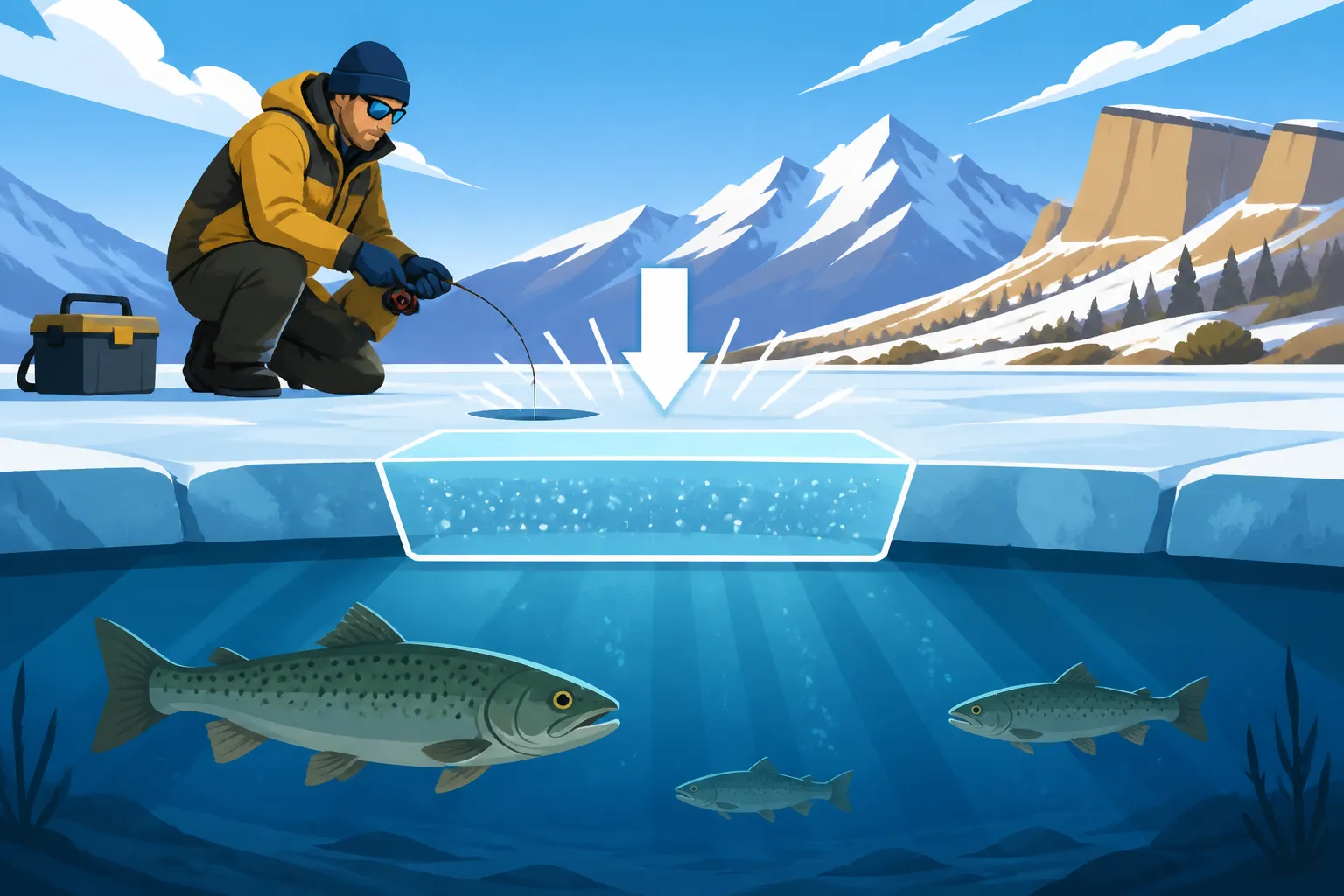
- Clear, Blue, or "Black" Ice: This is the strongest type of ice. It forms when water freezes slowly and uniformly, usually during calm, very cold periods with no snow cover. It's called "black ice" because it's so transparent you can see through it to the dark water below. A few inches of clear ice can often support more weight than double the thickness of weaker ice types.
- White or Snow Ice: As mentioned, this forms when snow melts and refreezes, or when heavy snow depresses the ice and water saturates it. It looks opaque and white. Because it contains many air pockets, it's much weaker than clear ice. If you're relying on white ice for safety, you'll need significantly more thickness.
- Slush Ice: This is a dangerous precursor to open water or very weak ice. It's a mixture of water and ice crystals that offers no support. Often found under snow cover during a warm spell, or in areas of current.
- Honeycomb Ice: This is typically found during late season or after a thaw-freeze cycle. The ice crystals become vertically oriented, making the ice structurally unsound. It might look thick, but it's incredibly weak and can give way instantly. It often forms around docks or pilings where the ice has repeatedly thawed and refrozen.
Essential Safety Protocols and Gear for Ice Fishing
Once you understand ice dynamics, the next step is to equip yourself with the right knowledge and gear. This isn't just about catching fish; it's about getting home safely. Don't ever cut corners here, no matter how good the fishing promises to be.
Never Go Alone and Always Tell Someone Your Plans
This might sound like common sense, but it’s the most critical rule. If you do go through the ice, having a buddy with you could be the difference between a scary story and a tragedy. Even if you're the most experienced angler, accidents happen.
- The Buddy System: Two heads are better than one, and two bodies are certainly better when it comes to self-rescue or calling for help. Your partner can help assess ice conditions, call for assistance if needed, and assist with a rescue.
- Leave a Plan Behind: Always inform someone reliable – a family member, friend, or even a camp host – exactly where you are going, what time you expect to return, and who you are with. Give them details about the specific reservoir access point you'll be using and the general area you plan to fish. This simple act provides a critical safety net.
Mandatory Ice Safety Gear You Must Carry
Having the right gear isn't just for convenience; it's for survival. Don't step onto the ice without these items.
- Spud Bar: This is your primary tool for testing ice thickness as you walk. It’s a heavy steel bar with a chisel-like point. Before taking each step, slam the spud bar down. If it penetrates easily, the ice is too thin. You can find robust spud bars on Amazon that are designed for serious ice anglers.
- Ice Picks: These are two sharp, spiked handles connected by a rope, worn around your neck or easily accessible on your jacket. If you fall through, you can use them to gain purchase on the ice edge and pull yourself out. They are surprisingly effective and can be bought for a reasonable price, a small investment for massive peace of mind.
- Flotation Device (PFD or Flotation Suit): A personal flotation device, or even better, a specialized flotation suit, can save your life by keeping you buoyant and insulated in frigid water. Traditional winter clothing gets waterlogged and pulls you down. Many anglers consider a complete flotation suit from brands like Striker or Eskimo a non-negotiable piece of gear for Wyoming's often-isolated reservoirs.
- Rope: Carry at least 50 feet of sturdy rope. It can be used to throw to a person who has fallen through, or to aid in self-rescue by tying it to a solid anchor point on shore.
- Headlamp/Flashlight: Even if you plan to be back before dark, conditions can change, or you might get disoriented. A reliable light source is essential.
- Navigation Device (GPS/Compass): Snow can cover tracks and landmarks, making it easy to get lost on a large, featureless reservoir, especially in whiteout conditions or after dark. A GPS device or a mapping app on your phone (with downloaded offline maps) is vital.
| Ice Thickness Guide (Clear, New Ice) | Activity Level | Cautions |
|---|---|---|
| 2 inches (5 cm) | STAY OFF! | Absolutely unsafe. |
| 3 inches (7.5 cm) | Single angler, on foot | Extremely risky. Stick to shore. |
| 4 inches (10 cm) | Single angler, on foot | Minimum recommended for ice fishing. Always test ahead. |
| 5-7 inches (12.5-17.5 cm) | Small groups, snowmobiles | Generally safe for groups and light vehicles. Be wary of variations. |
| 8-12 inches (20-30 cm) | Medium groups, ATV/UTV | Good for medium vehicles and small portable shelters. |
| 12-15 inches (30-38 cm) | Vehicle traffic (cars/trucks) | Usually safe for cars, but always check ice thickness consistently and avoid deep snow. |
| 16+ inches (40+ cm) | Heavy vehicles, permanent shelters | Very strong ice, but still exercise caution near inlets/outlets. |
Note: This table is for clear, new ice. Double the thickness for white or snow ice for the same safety margin.
Reading the Ice: Visual Cues, Sounds, and Testing Methods
Once you're on the ice, your education doesn't stop. You become an active participant in assessing safety, constantly reading the environment. This constant vigilance is what keeps seasoned ice anglers safe year after year.
The Art of Visual Assessment
Before you even step out of your vehicle, you should be scrutinizing the ice. Look for clues that tell a story about its history and current stability.
- Color of the Ice:
- Dark or Clear Blue/Black: This is your friend. It indicates strong, solid ice that froze quickly and uniformly. You can often see fish or weeds through it.
- White or Milky: This is snow ice or refrozen slush. It’s weaker due to trapped air. Proceed with extra caution, requiring significantly more thickness for the same safety rating.
- Grey or Mottled: This often indicates melting or ice that is deteriorating. Grey ice is incredibly dangerous as it often means water has saturated the ice structure, making it extremely weak and prone to immediate collapse.
- Bubbles and Inclusions: Small, scattered bubbles are normal. Large concentrations of bubbles, especially near vents or gas pockets from decaying vegetation, can weaken ice.
- Pressure Ridges and Cracks: These are areas where ice sheets have collided or expanded/contracted, creating raised seams or fissures. While some cracks are benign and simply indicate the ice adjusting, large, fresh cracks, especially those with open water or slush, signal significant instability. Avoid fishing on or directly around major pressure ridges; the ice here can be unpredictable.
- Open Water or Thin Ice Indicators: Keep an eye out for open water, even small patches, especially near shorelines, inlets, outlets, and areas with reeds or standing timber. These are almost always danger zones. Dark spots on seemingly solid ice can indicate thin ice underneath, or even an ice-over spring that's flowing underneath the main sheet.
Listening to the Ice: A Symphony of Safety
The ice speaks to you, if you know how to listen. The sounds it makes can provide critical information about its stability.
- "Booming" or "Cracking" Sounds: This is often a good sign! It means the ice is expanding or contracting under changing temperatures, creating stress cracks. These sounds can be loud and startling, but usually indicate thick, healthy ice that is moving as a solid sheet.
- "Hissing" or "Gurgling" Sounds: These are red flags. Hissing might indicate water seeping up through the ice, suggesting thawing or weakness. Gurgling sounds, particularly near open water or inlets, could mean unstable slush or rapidly deteriorating conditions.
- "Wump" or "Thud" when Spudding: When you hit the ice with your spud bar, a sharp "thwack" or "ring" indicates solid, strong ice. A dull "thud" or "wump" that doesn't penetrate but feels soft can mean slush or weaker, porous ice beneath a thin hard crust.
Active Testing with an Auger and Spud Bar
Never trust visual cues alone. Always actively test the ice as you move, especially in unfamiliar territory. This is where your tools come into play.
- The Spud Bar Method: As detailed earlier, use your spud bar to test every few steps, or at least every 10-15 feet, especially when moving into a new area. Listen and feel for resistance. If it punches through easily more than once, backtrack.
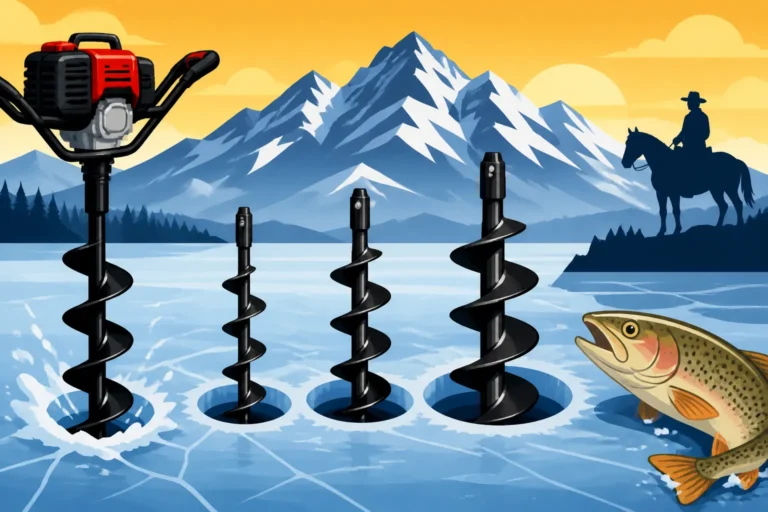
- Auger Checks: Drill holes frequently to verify ice thickness. Don't just drill one hole near shore and assume the entire reservoir is the same. Ice thickness can vary by feet within short distances. Drill a hole, measure the ice, then move 50 yards and drill another. This is particularly important for large bodies of water like Pathfinder Reservoir or Seminoe Reservoir, where conditions can be wildly different from one end to the other. Pay close attention to the composition of the ice as you drill – is it solid, clear chips, or slushy, milky flakes?
Practical Tips for Navigating Wyoming Reservoirs Safely
Wyoming's reservoirs offer some incredible ice fishing, but they demand respect. Armed with knowledge and the right gear, you can enjoy these frozen playgrounds while staying safe.
Starting Safe: The Shoreline and Beyond
Your journey onto the ice always begins at the shore, and this is often one of the trickiest spots.
- Check Near Shore First: The ice near shore can be deceptively thin due to sun exposure, springs, or wave action. Always test the ice aggressively for at least 20-30 feet from the bank. Look for visible cracks or separation from the shore due to recent changes in water level.
- Go Gradual, Go Slow: Don't run onto the ice. Walk slowly, testing with your spud bar. A slow, deliberate approach allows you to react if the ice gives way. Spread your weight out if possible.
- Avoid High-Risk Areas: These include:
- Inlets and Outlets: Rivers or streams entering or exiting a reservoir will carry warmer, moving water, making the ice dangerously thin, often invisible beneath snow.
- Under Bridges or Over Culverts: Concrete structures absorb heat and can prevent ice from forming or cause it to thin dramatically.
- Around Docks, Pilings, or Reeds: These structures can also absorb heat, and reeds or cattails release gases that weaken ice.
- Deep Snow Drifts: These can hide thin ice or create slushy conditions. Always be extra cautious when crossing a snow drift.
Dealing with Unexpected Conditions and Emergency Preparedness
Even with the best planning, Mother Nature can throw curveballs. Being prepared for the unexpected is key.
- Weather Monitoring: Always check the weather forecast before you go and monitor it throughout the day. Rapid temperature drops or sudden increases in wind can significantly impact conditions.
- What to Do If Someone Falls Through:
- Don't Run! Spread your weight out by lying flat on your stomach.
- Reach, Don't Go: Use a branch, rope, or even an ice fishing rod to extend to the person. Do not get close enough to risk falling in yourself.
- Call for Help: Dial 911 or emergency services immediately.
- Aid the Rescue: Once the person is out, get them into warm, dry clothes as quickly as possible and seek medical attention for hypothermia.
- Self-Rescue Protocol: If you fall through:
- Don't Panic: Control your breathing. The cold shock can be overwhelming.
- Turn Towards the Way You Came: The ice you just crossed was safe enough.
- Use Ice Picks: Drive them into the solid ice edge. Kick your feet to create buoyancy.
- Pull Yourself Out: Propel yourself forward onto the ice, like a seal, distributing your weight.
- Roll Away: Once out, roll away from the hole to further distribute your weight, then crawl back to thicker ice.
- Seek Warmth: Get to shelter, remove wet clothes, and warm up immediately. This is why having extra dry clothing in a waterproof bag, even in your vehicle, is so important.
Wyoming-Specific Considerations for Ice Fishing
Wyoming's unique geography and climate add a few extra layers of consideration to ice fishing safety.
- High Altitude and Wind: Many of Wyoming's prime ice fishing spots, like some high-alpine lakes, are at significant elevation. This often means more intense wind, which can create dangerous pressure ridges or keep areas from freezing consistently. The wind can also make temperatures feel much colder, increasing the risk of hypothermia. Layering is key, and you can find excellent thermal base layers on Amazon for high-altitude fishing.
- Vast, Remote Reservoirs: Lakes like Flaming Gorge Reservoir and Boysen Reservoir are massive. Getting lost is a real concern if visibility drops. Always mark your starting point on a GPS and pay attention to landmarks before they're obscured by snow or darkness. These large reservoirs can also have very different ice conditions from one arm or bay to another.
- Changing Water Levels: As mentioned, many Wyoming reservoirs are used for irrigation or power generation, leading to fluctuating water levels. This can cause ice to crack and shift, particularly around the perimeter. Always be aware of recent water level changes when planning your trip. For specific regulations and changes in water levels, checking the Wyoming Game and Fish Department website is always a good idea, as it can sometimes explain How Wyoming Sets In-Season Emergency Closures.
By adhering to these safety guidelines, understanding ice dynamics, and equipping yourself properly, you'll be well on your way to enjoying the incredible ice fishing opportunities that Wyoming's reservoirs have to offer. Remember, no fish is worth risking your life over. Go prepared, stay vigilant, and have a fantastic, safe time on the hard water! Many anglers also find it helpful to consult resources like the "Ice Fishing Gear Checklist for Wyoming Lakes" before they head out. For tips on specific fish, you might enjoy reading about What Fish You Can Catch Ice Fishing in Wyoming or even learn about Auger and Shelter Basics for Wyoming Ice Fishing. If you're a beginner, a guide on "Spin Fishing Techniques for Beginners" might be useful before heading out, or even understanding How Thick Ice Needs to Be to Fish Safely. For more general information, you might find "Ice Fishing in Wyoming: A Complete Guide" to be a fantastic resource.
Disclaimer
The information provided in this article is for general guidance and informational purposes only. Ice conditions can change rapidly and unpredictably. Always exercise extreme caution, use your best judgment, and prioritize safety above all else when ice fishing. Neither the author nor the publisher assumes any liability for accidents or injuries sustained while engaging in ice fishing activities. It is your responsibility to assess local conditions, adhere to all safety protocols, and comply with all Wyoming Game and Fish Department regulations.