How Soon After Stocking You Can Catch Fish
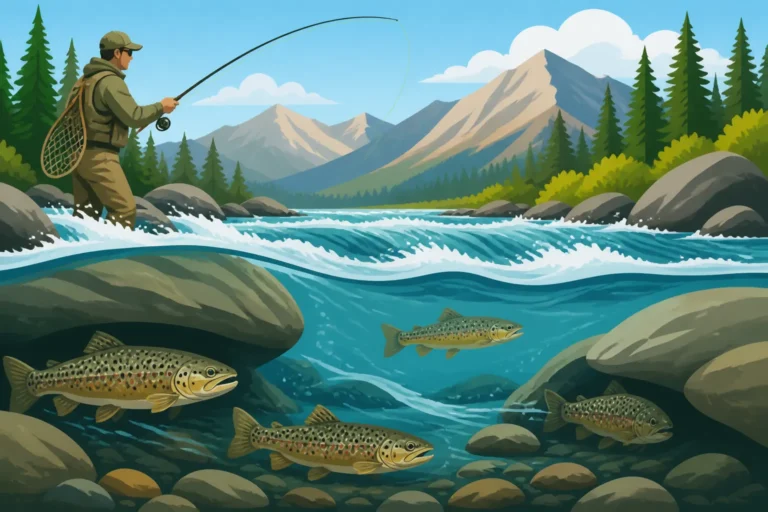
You've just heard the exciting news: your favorite local pond or river stretch has been freshly stocked by the Wyoming Game and Fish Department (WGFD)! Immediately, your angler's brain starts buzzing. You picture eager trout, easy limits, and a fantastic day on the water. But then the nagging question sets in: how soon after stocking can you actually catch fish? Do you need to drop everything and race there with your rod, or is it better to wait a day or two for the fish to settle? This guide is going to walk you through the realities of fishing recently stocked waters in Wyoming, helping you understand fish behavior, timing your trip, and boosting your chances of a successful outing.
Understanding Wyoming's Fish Stocking Program
Before we dive into the nitty-gritty of timing your casts, it's helpful to understand why Wyoming Game and Fish puts so much effort into stocking our waters. It's not just about creating easy targets; there's a much larger, well-thought-out strategy at play.
Why Wyoming Stocks Fish in the First Place
The primary goal of Wyoming's fish stocking program is to enhance angling opportunities across the state. Think about it: not every body of water can naturally sustain a robust fishery, especially those with heavy fishing pressure or limited spawning habitat. Stocking allows the WGFD to maintain healthy populations in these areas, ensuring that both residents and visitors have plenty of chances to wet a line. It's also a way to mitigate harvest in popular areas, meaning that even if a lot of anglers are taking fish home, there are still plenty left for others. Beyond that, stocking helps create diverse fisheries, introducing species or bolstering existing ones to offer a wider range of fishing experiences, from catching easy panfish in a community pond to pursuing trophy trout in a reservoir.
What Species Are Typically Stocked
When it comes to stocking in Wyoming, the rainbow trout is often the star of the show, especially for catchable-sized fish. These adaptable and feisty fish are a favorite among anglers and do well in a variety of environments once introduced. While rainbow trout are king, you might also find brown trout being stocked, particularly in waters where they thrive and can grow to larger sizes, providing a different challenge for anglers. In some specific restoration efforts, certain subspecies of cutthroat trout might be stocked, though this is usually part of a broader conservation strategy rather than purely for recreational harvest. The focus for "put-and-take" fisheries, however, almost always leans heavily on those vibrant, hard-fighting rainbows, making them accessible to anglers of all skill levels. If you're curious about the specifics, you can often find detailed information about specific stocking efforts, like those described in Wyoming's Stocked Rainbow Trout Program, on the WGFD website.
How Stocking Happens and Where to Find Information
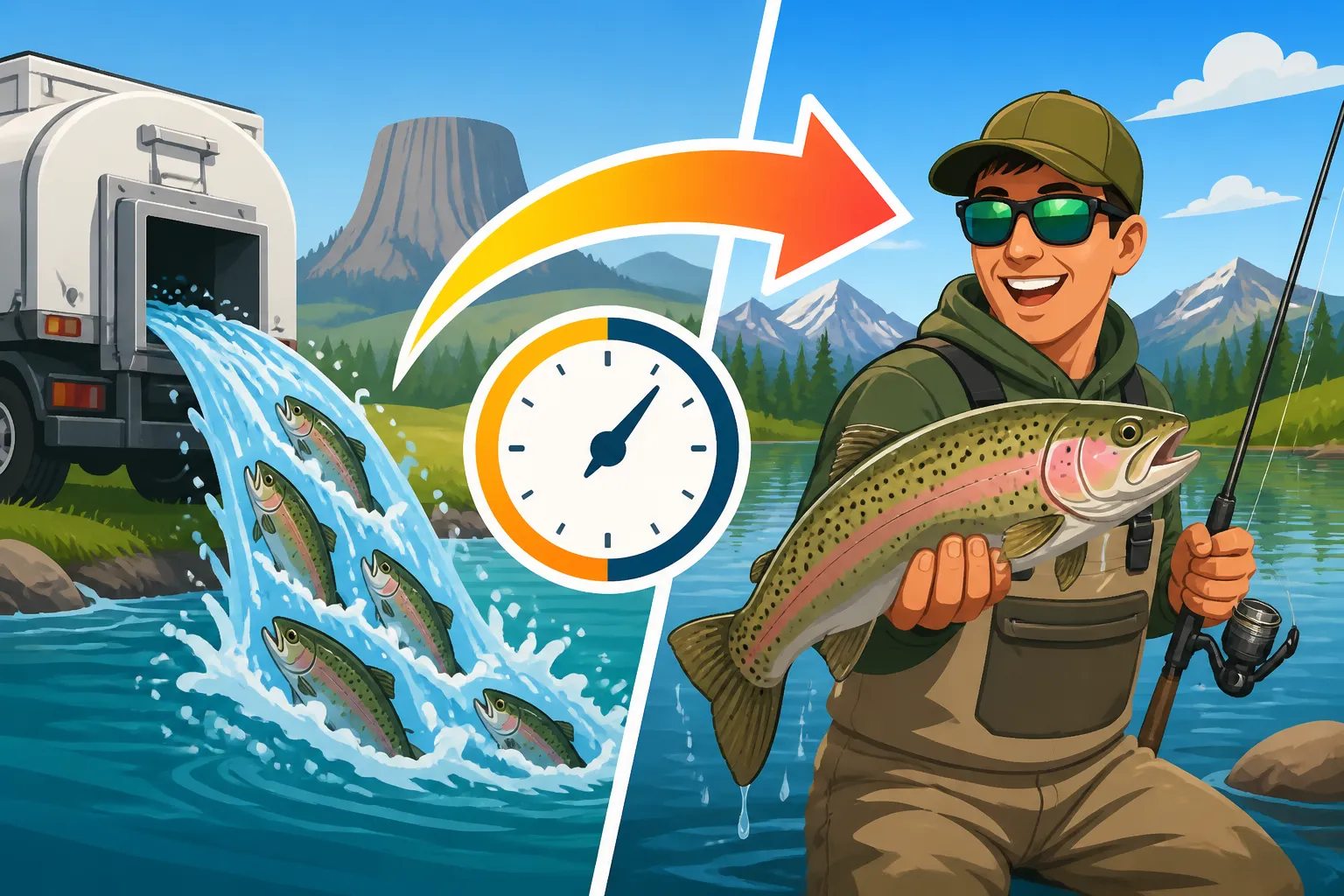
The logistics of stocking fish in Wyoming are quite a feat! WGFD staff work tirelessly, often using specialized trucks equipped with aerated tanks, to transport fish from state hatcheries to lakes, ponds, and rivers across the state. For remote, high-alpine lakes, stocking can even involve aircraft, carefully releasing fish from above. It's a precise operation designed to minimize stress on the fish and maximize their chances of survival in their new environment.
But how do you, the eager angler, get in on this information? The WGFD is usually very transparent about its stocking schedules. Their official website is your best friend here, often featuring a dedicated stocking report page that lists recent and upcoming stockings. Sometimes they'll announce larger stockings through their social media channels too. It’s not always precise down to the hour, but you can usually get a good idea of which waters have received a fresh delivery. Knowing How to Find Recently Stocked Wyoming Waters can give you a significant advantage, letting you plan your trip with confidence instead of just guessing. Keep in mind that timing these announcements can be tricky, as WGFD often avoids precise, real-time updates to prevent overwhelming crowds and give the fish a chance to disperse a bit.
The Immediate Aftermath: The "Stocked Pond Syndrome"
So, the fish trucks have rolled away, and hundreds, if not thousands, of eager trout have been released into their new home. What happens next, and how does it impact your fishing success? This is where the infamous "stocked pond syndrome" comes into play, a phenomenon that every angler needs to understand.
The First Few Hours and Days: High Action, Less Caution
Right after being introduced, newly stocked fish are often disoriented, stressed, and incredibly hungry. They've spent their entire lives in a hatchery, where food was delivered consistently, and predators were nonexistent. Suddenly, they're in a vast, open water body, likely confused by the new surroundings, water temperatures, and perhaps the sheer novelty of freedom. This disorientation means they're not as cautious as wild fish, and they're actively looking for an easy meal.
In these first few hours, and often extending into the first day or two, fishing can be absolutely phenomenal. The fish tend to school together, perhaps for comfort, and are far less wary of anglers, lines, and lures. This is why you often hear tales of people catching limits in record time right after a stocking event. They're literally "fishing for dumb fish," as some jokingly call it, because the trout haven't yet learned to associate your offerings with danger. If you can get there quickly, your chances of success are incredibly high, and it's a fantastic time for beginners or kids to experience constant action.
Behavioral Changes Post-Stocking
However, this period of naive, easy-to-catch fish doesn't last forever. As the days pass, these stocked fish begin to adapt to their new environment. They'll start to seek out natural cover like submerged logs, weed beds, or rock formations, which offer both protection from predators and potential food sources. Their diet also begins to naturalize; while they'll still remember hatchery pellets, they'll also start investigating aquatic insects, smaller baitfish, and other forage available in the lake or river.
Crucially, they become more wary. After encountering hooks, experiencing being caught and released (or seeing their brethren being caught), they quickly learn to be more selective. This means the bright, flashy lure that worked wonders on day one might be completely ignored by day three. Their instincts, honed over generations in the wild, quickly kick in, making them behave more like their wild counterparts. This transition is fascinating to observe and plays a huge role in how you should approach these waters. Understanding How Water Temperature Changes Wyoming Trout Behavior can further inform your approach during this critical adaptation period.
The Impact of Angler Pressure
Another significant factor in how soon you can catch fish after stocking, and how long the "easy fishing" lasts, is angler pressure. When news of a stocking event gets out, especially for popular, easily accessible waters, anglers flock to the area. This intense pressure has several effects:
- Crowding: More people fishing means more lines in the water, more noise, and more human presence, which can spook fish.
- Fish Education: The more times a fish sees a specific lure or bait, the quicker it learns to avoid it. If everyone is throwing the same thing, the fish become "educated" very rapidly to those common offerings.
- Depletion: In put-and-take fisheries, high angler pressure combined with relaxed limits (or simply a high desire to keep fish) can quickly reduce the overall fish population. While WGFD stocks a lot of fish, they're not inexhaustible, and a lake can get "fished out" of its easy targets relatively quickly.
So, while hitting a freshly stocked spot on opening day can be exhilarating, be prepared for company, and understand that the fish's willingness to bite might wane faster than you expect due to these combined pressures.
Timing Your Trip for Optimal Success
Knowing the patterns of recently stocked fish can give you a real edge. It's not just about being the first one there, but about understanding the nuances of their behavior to maximize your chances.
The "Golden Window" for Catching Stocked Fish
Based on the behavioral changes we just discussed, there really is a "golden window" for catching stocked fish. Generally speaking, the most intense action will occur within the first 24 to 48 hours after a stocking event. During this time, the fish are at their most disoriented and least wary. They haven't yet learned to associate angling pressure with danger, and their primary instinct is to find food.
However, if angler pressure is low, this window can extend. In less accessible waters or during weekdays when fewer people are out, you might find excellent fishing for several days, or even a week, after stocking. The key is that the fish need time to learn and adapt. The less they interact with anglers, the longer that initial, eager bite will last. It's a delicate balance that astute anglers pay close attention to. Don't be afraid to try some basic gear you can easily find, whether it's at your local tackle shop or even quickly ordered from Amazon.
Factors Influencing When Fish Start Biting
It's not just about the calendar days after stocking; several environmental and biological factors play a huge role in how quickly those fish will start biting – and keep biting.
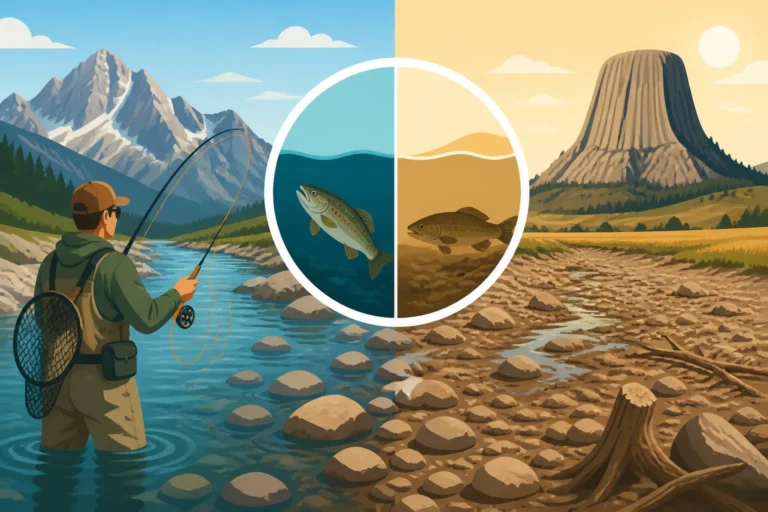
- Water Temperature: Fish are cold-blooded, and water temperature dictates their metabolism and activity levels. If they're stocked into very cold water, they might be lethargic initially, taking longer to disperse and feed aggressively. Conversely, if the water is too warm, they might be stressed and seek deeper, cooler water, making them harder to find.
- Natural Food Availability: If the water body has an abundance of natural food sources like aquatic insects, minnows, or even smaller crustaceans, the stocked fish will integrate these into their diet faster. This can sometimes make them less eager for artificial baits if the natural smorgasbord is plentiful.
- Cover and Habitat: Waters with plenty of structure – rocks, submerged trees, weed beds, drop-offs – provide the fish with places to hide, feel secure, and ambush prey. Fish that can quickly find good cover tend to settle in faster and can be easier to locate, but also might become warier quicker.
- Species and Size of Fish: While rainbows are common, different species adapt at different rates. Smaller, catchable-sized trout are often more eager to bite immediately, as they're driven by hunger. Larger stocked fish might be a bit more cautious and take longer to settle.
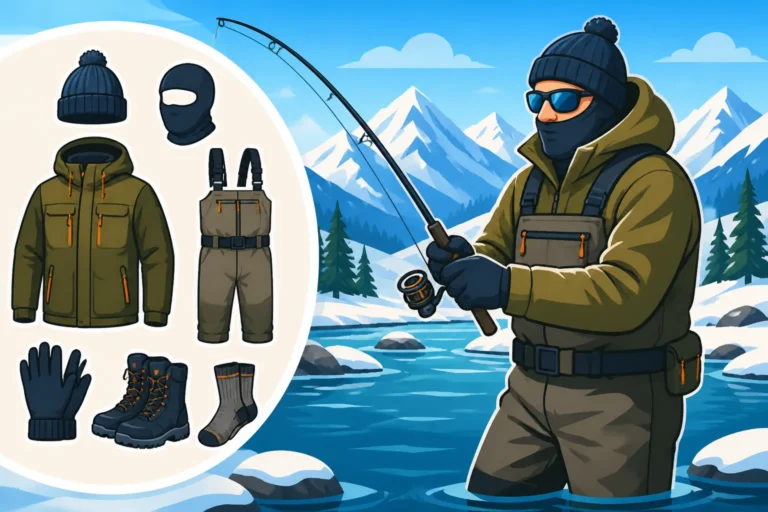
- Weather Conditions: Just like us, fish are affected by weather. A sudden cold front, heavy rain, or drastic barometric pressure changes can put fish off the bite, regardless of how recently they were stocked. Conversely, stable, pleasant weather often encourages activity.
Understanding these variables, and perhaps checking a local weather forecast, can help you predict how productive your trip will be.
Strategies for Fishing Recently Stocked Waters
Okay, so you've timed your trip, or you're already there. How do you maximize your success on these freshly stocked waters?
Table: Common Strategies for Recently Stocked Waters
| Strategy | Description | Why It Works for Stocked Fish |
|---|---|---|
| Simple Baits | PowerBait (in various colors), corn, worms, marshmallows. | Mimics hatchery food, easy for disoriented fish to recognize and ingest. |
| Bright/Flashy Lures | Small spinners (e.g., Mepps, Rooster Tail), brightly colored spoons, small jigs. | Catches their eye, taps into aggressive feeding instincts before they become wary. |
| Covering Water | Don't stay in one spot. Fan cast, walk the shoreline, or slowly troll if in a boat. | Stocked fish might be schooled or spread out. Move to find them. |
| Stealth | Approach the water quietly, avoid casting shadows over the water, use longer leaders or lighter line if fish are becoming educated. | As fish adapt, they become more sensitive to noise and movement on shore. |
| Varying Retrieve/Depth | Experiment with how fast you reel, how deep your bait/lure is, and different jerking motions. | Helps you figure out what the fish are keying in on in their new environment. |
| Light Tackle | Use lighter rods, reels, and lines (4-6 lb test) for better presentation and more subtle bites. | Stocked trout, especially rainbows, are not usually huge, and light tackle makes it more fun and effective. |
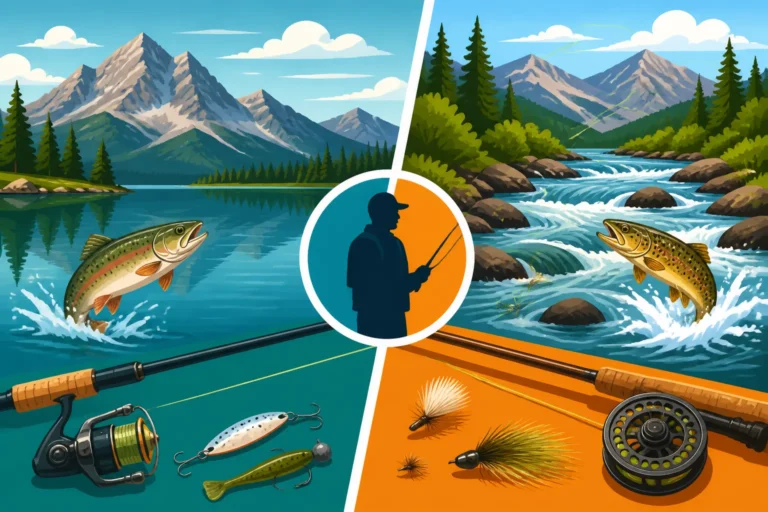
For the first day or two, don't overthink it. Often, the simplest baits are the most effective because they closely resemble the pellets fish were fed in the hatchery. Brightly colored PowerBait, worms, or even corn are often irresistible. Small, flashy lures like spinners or spoons, as covered in Best Lures for Wyoming Rainbow Trout, can also be incredibly effective at triggering a reaction strike from these uninhibited fish.
As the days progress and the fish become "educated," you'll need to adapt. This might mean switching to more natural-looking lures, smaller presentations, or even trying fly fishing techniques like nymphing or small streamers. Remember, these fish will eventually become challenging, much like wild trout, so continuously refining your Spin Fishing Techniques for Beginners or even learning new ones is always a good idea.
Long-Term Outlook for Stocked Fisheries
The story of stocked fish doesn't end after the initial flurry of activity. These fish go on to live, grow, and contribute to the overall health and diversity of Wyoming's waters.
How Stocked Fish Adapt to Their New Homes
It's a common misconception that stocked fish are always "dumb" and never truly adapt. While they start out less wary, many stocked trout quickly learn the ropes of their new aquatic world. They will disperse from the immediate stocking area, spreading out into various parts of the lake or stream. This is crucial for their survival, as it reduces competition for food and minimizes their vulnerability to predators (including anglers!).
Over time, they'll become more proficient at finding natural food sources and will exhibit more "wild" behaviors. This adaptation is part of the WGFD's strategy; many stocked fish are intended to supplement existing populations or even to establish new, self-sustaining fisheries where habitat allows. Some will even grow to impressive sizes, offering the chance at a true trophy, something beyond what was originally stocked. The ability of these fish to thrive and even reproduce in the wild is something explored in posts like Do Stocked Rainbow Trout Reproduce in the Wild?.
When Stocked Fish Become "Educated"
The term "educated fish" refers to those that have learned to recognize and avoid common angling presentations. This process happens surprisingly quickly in heavily fished, stocked waters. What worked on day one might be completely ignored by day five. Fish that have been caught and released, or have simply witnessed other fish being caught, develop a heightened sense of caution. They'll become more attuned to line visibility, unnatural bait presentations, and the general presence of anglers.
When you notice the bite slowing down significantly, it's a good sign that the fish are getting educated. This is your cue to switch tactics entirely. If everyone is throwing PowerBait, try a natural worm. If spoons aren't working, switch to a small, subtle jig. Vary your retrieve, try different depths, and experiment with colors. Sometimes, just changing the angle of your cast or approaching from a different spot on the bank can make all the difference. This adaptive angling is what separates consistent catchers from those who get frustrated after the initial easy bite is over. Even just altering your presentation slightly can make a difference.
The Role of Catch-and-Release
While many stocked fisheries are designed for harvest (what we call "put-and-take"), practicing Catch and Release Best Practices for Trout plays a vital role in sustaining these fisheries for longer. If every angler kept their limit on the first day, the easy fishing would literally be over in a day or two. By carefully releasing fish you don't intend to keep, you're giving them a chance to grow, disperse, and provide angling opportunities for others down the line.
Catch-and-release is especially important for those stocked fish that might have the potential to grow into larger, more desirable trophies. A 10-inch stocked rainbow might not be impressive today, but if given the chance to live and feed for another year or two, it could become a much more exciting catch. It also helps to spread out the angling experience, allowing more people to enjoy the resource. So, whether you plan to keep a few for the pan or not, always consider the long-term impact of your actions and release fish gently.
Ultimately, understanding when and how stocked fish behave after their release is a crucial skill for any Wyoming angler. It allows you to plan your trips effectively, adapt your techniques, and enjoy the fantastic opportunities that our state's dedicated Game and Fish Department provides through its stocking programs. Good luck out there!
Disclaimer
This article is for general informational purposes only and does not constitute professional advice. Laws, prices and regulations vary by location and change over time. Consult a qualified professional for guidance on your specific situation.