Does a Two-Pole Permit Exist in Wyoming?
It’s a common scenario for anglers, especially those new to Wyoming or visiting from other states: you’re at a beautiful reservoir or a wide-open river, dreaming of casting one line with a trusty bait and another with a spinner, only to pause and wonder, "Can I actually do this here?" Many states offer a special "two-pole permit" or "second rod stamp" to allow this versatility, leading to natural confusion about whether Wyoming has a similar option. This guide will clarify Wyoming's specific regulations regarding multiple fishing rods, helping you stay legal and enjoy your time on the water without a hitch.
The Truth About Multiple Rods in Wyoming Fishing
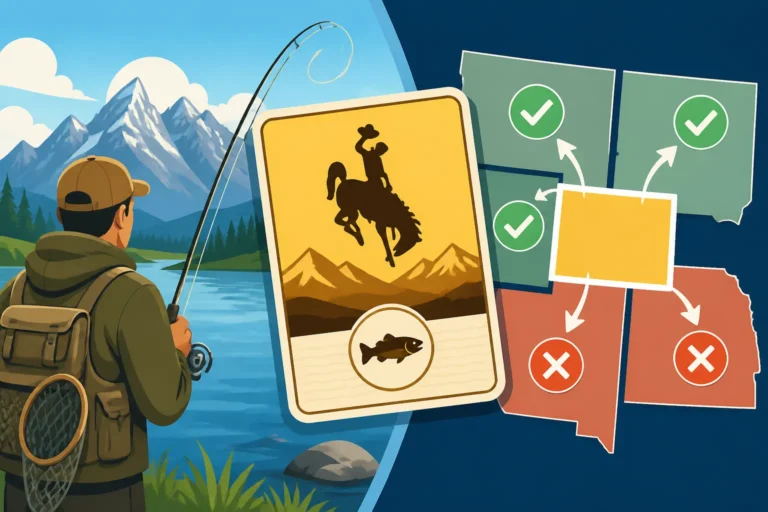
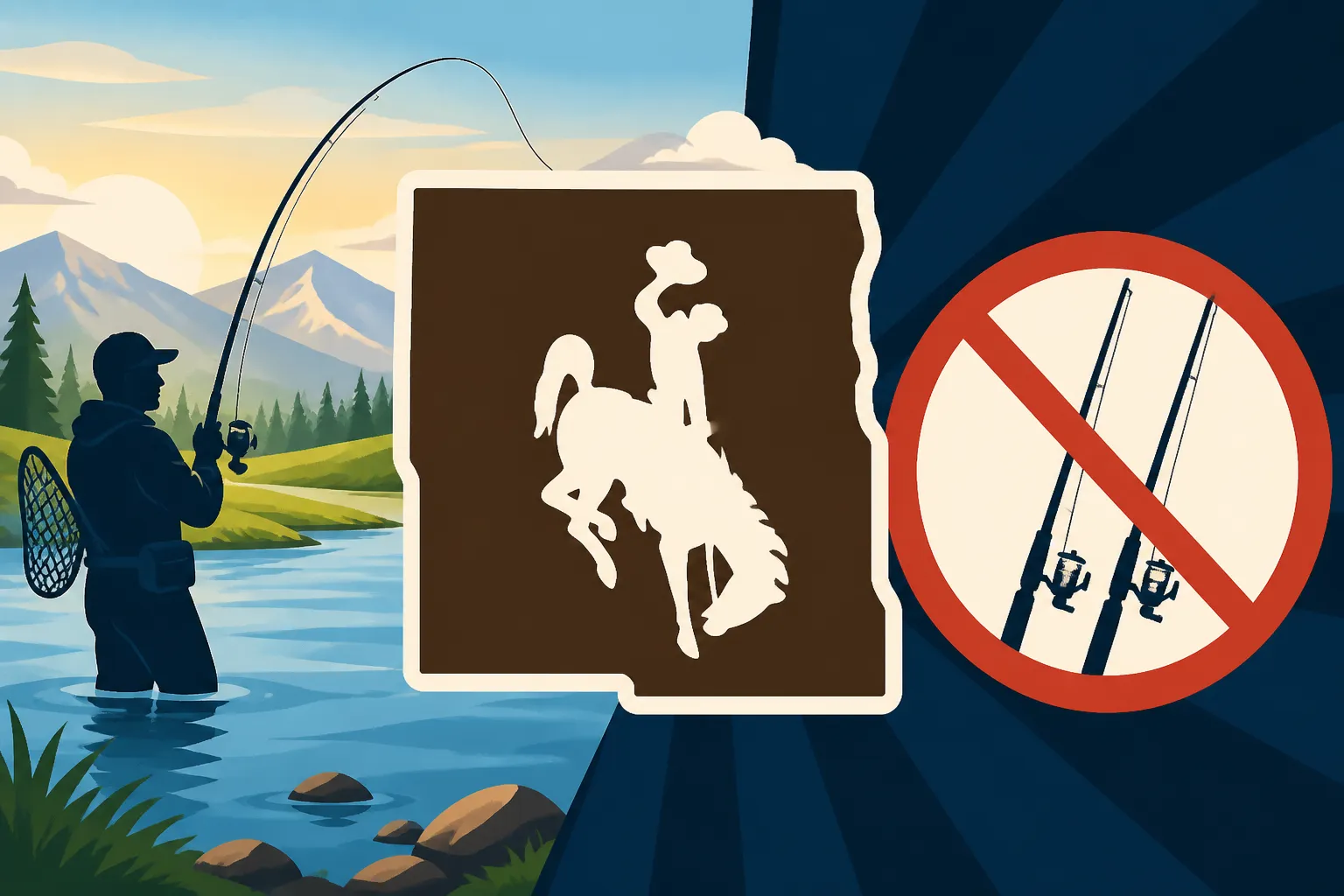
Let's cut right to the chase: Wyoming doesn't have a separate "two-pole permit" that you purchase like an endorsement on your license. That term, while familiar in places like Colorado or Utah, isn't part of the Wyoming Game and Fish Department's lexicon. This can be a real head-scratcher for anglers accustomed to those systems. However, that doesn't necessarily mean you're always limited to just one rod. Wyoming has its own unique set of rules that allow for multiple lines under very specific conditions.
No Dedicated Two-Pole Permit
If you’ve been searching for a "Wyoming two-pole permit" online or asking at local tackle shops, you’ve likely come up empty-handed. This isn't an oversight; it's simply how the regulations are structured here. Unlike some neighboring states where you can buy an extra stamp or pay an additional fee to fish with two rods, Wyoming doesn't offer such an add-on. This often catches out-of-state anglers off guard, who might assume the rules are uniform across the West. It's easy to get frustrated when you expect a permit to exist and can't find it, but understanding Wyoming's approach is the key to legal fishing.
The reason for this difference often boils down to state-specific fisheries management philosophies, conservation goals, and historical precedent. Wyoming’s focus tends to be on ensuring a quality angling experience while managing pressure on its often pristine, yet delicate, wild fisheries. This single-rod default aims to encourage more active engagement with one line, rather than passively tending multiple.
Wyoming's Default Single Rod Rule
The foundational rule in Wyoming fishing is that a licensed angler is generally restricted to using one rod or line at a time. This applies whether you're standing on the bank of a picturesque trout stream, wading in a river, or fishing from an anchored boat on one of our many reservoirs. This single-rod approach means you're actively engaging with your one line, focusing on casting, retrieving, and feeling for that subtle bite. It's a method that many purists appreciate, as it demands a more hands-on and attentive approach to the sport.
Imagine you're standing on the banks of the North Platte River. If you're casting a fly rod, you can only have that one line in the water. If you're spin fishing, you can only have that one spinning rod active. The moment a second rod's line enters the water, you're potentially in violation, unless you meet very specific conditions. It's a regulation that underscores the idea of focused, singular pursuit, rather than spreading your chances across multiple setups simultaneously when stationary. For a comprehensive overview of all the rules, it’s always a good idea to consult the Wyoming Fishing Regulations Every Angler Should Know or specifically learn how to navigate Reading the Wyoming Fishing Regulations Booklet for your chosen fishing spot.
Exceptions and Clarifications to the Single Rod Rule
While the "one rod" rule is the general standard, Wyoming does indeed have provisions for using multiple lines, but they are not tied to a "permit." Instead, they are specific exemptions based on the method and location of your fishing. This is where the nuance, and often the confusion, truly lies.
Understanding the Multiple Rods/Lines Provision While Boating
Here’s where many anglers breathe a sigh of relief: if you are fishing from a boat, raft, or float tube, you can use up to two rods or lines simultaneously, but with a crucial caveat. The watercraft must be in motion or being propelled by an occupant. This means if you are actively trolling, drifting with the current, or paddling slowly across a lake, you are permitted to have two lines in the water.
Let's break down what "in motion or being propelled" actually means in practice:
- Trolling: This is the most straightforward example. If your boat is moving under power (electric or gas motor) or sail, and you're dragging lures behind it, you can deploy two rods. You might have one rod set up with a deep-diving crankbait for lake trout and another with a shallower spoon for kokanee salmon. This versatility is incredibly useful on larger bodies of water like Flaming Gorge Reservoir or Boysen Reservoir, where covering ground and presenting multiple offerings can significantly increase your success. You can often find great trolling gear, including specialized rods and downriggers, on Amazon to maximize your effectiveness.
- Drifting: If you're on a river or a lake, and your boat is drifting naturally with the current or wind, you're also considered "in motion." Many fly anglers on rivers like the Snake River or the Green River will drift in a drift boat, fishing one or even two rods if they're actively managing both, or if one angler is fishing and another is rowing/propelling. Just remember, each angler is individually subject to the rod limit.
- Paddling/Rowing: Actively propelling your canoe, kayak, or float tube with paddles or oars also qualifies. So, if you're slowly paddling a kayak across a small lake, you can have two lines out, perhaps one with a worm under a bobber and another with a spinner you're actively retrieving.
The critical distinction is that the moment your boat anchors, ties up to shore, or otherwise becomes stationary, you revert to the single-rod rule. You can't just drop anchor and have two lines out while you eat lunch; you'd need to reel in one. This specific regulation is designed to allow for active fishing methods, like trolling, while still maintaining control over the overall angling pressure from stationary positions.
Ice Fishing Multiple Line Rules
Ice fishing is another area where Wyoming significantly deviates from the single-rod norm. When you're out on the ice, you're allowed to use up to six lines or tip-ups per person. This generous allowance acknowledges the unique nature of ice fishing, where anglers often spread out multiple lines to cover different depths and target various species.
However, there's another crucial condition: all lines must be "in attendance" and within sight of the angler. "In attendance" means you must be close enough to your lines to be able to respond immediately to a bite. You can't set up six tip-ups and then wander half a mile away to visit a friend's ice shanty. You need to maintain visual contact and proximity to all your lines. This ensures responsible angling and minimizes the risk of fish swallowing hooks or being left unattended.
This six-line rule is a fantastic opportunity for ice anglers to experiment. You can have a jigging rod, a deadstick, and several tip-ups rigged with different baits (like minnows or mealworms) at varying depths, increasing your chances of finding fish like perch, walleye, or lake trout in waters such as Boysen Reservoir or Lake Hattie. Remember, even with these liberal rules, it's always wise to double-check the Wyoming Fishing Regulations Booklet. Some specific lakes or reservoirs might have additional restrictions or closures, which you can often find by checking Where to Check Current Wyoming Water Closures.
Water-Specific Rules and Exceptions
Even with these general guidelines, Wyoming's fishing regulations can become highly localized. Certain waters, due to specific conservation efforts or unique fisheries, might have stricter "one rod" rules that override the two-rod boating provision.
For instance, some smaller, more fragile trout streams, or sections of blue-ribbon rivers might have a permanent one-rod limit, regardless of whether you're in a boat or on the bank. These specific regulations are put in place to protect sensitive fish populations or habitat. You might find a river stretch that requires barbless hooks and also strictly enforces a single-rod limit to reduce angling stress on the fish.
Furthermore, fishing in special management areas, such as national parks or tribal waters, follows entirely different sets of rules.
- Yellowstone National Park: If you plan to fish inside Yellowstone, you'll need a separate Yellowstone National Park fishing permit, and their regulations are distinct from Wyoming's state regulations. You can find more details in our guide on Fishing Rules Inside Yellowstone National Park. They have their own strict rules about tackle, bait, and methods, often prioritizing native species conservation.
- Grand Teton National Park: Similarly, Grand Teton National Park has its own regulations, though they often align more closely with Wyoming state rules, a park-specific permit is still required. Check out Fishing Rules Inside Grand Teton National Park.
- Wind River Reservation: For waters within the Wind River Indian Reservation, you'll need a tribal fishing permit, and the rules are set by the Shoshone and Arapaho tribes. These often differ significantly from state regulations, making it crucial to understand Fishing Wyoming's Tribal Waters and Wind River Reservation Rules.
The bottom line here is always to check the specific regulations for the water body you intend to fish. A general knowledge of Wyoming's rules is good, but the detailed nuances for each lake or stream are paramount for staying compliant. The Wyoming Game and Fish Department's website and their annual regulations booklet are your best friends here.
Practical Implications for Anglers
Understanding Wyoming's multiple-rod rules isn't just about avoiding a ticket; it's about making the most of your fishing trip. Knowing when and how you can use multiple lines can greatly enhance your experience, whether you're a seasoned pro or just learning the ropes.
What it Means for Bank Anglers and Still Fishing
For most bank anglers and those who prefer to fish from a stationary position (like an anchored boat or a dock), the rule is simple and unwavering: one rod, one line. This means if you're planning a relaxed day of soaking bait from the shore of Glendo Reservoir, you'll only be able to have one rod actively fishing at any given moment.
This can be a significant adjustment for anglers coming from states where a "two-pole permit" allows them to set up a bottom-fishing rig with bait and actively cast lures with a second rod simultaneously. In Wyoming, if you're stationary, you must choose. You can certainly have multiple rods rigged and ready to go in a rod holder, but only one can be in the water with a line attached and actively fishing.
Imagine you're targeting walleye at Pathfinder Reservoir from the bank. You might want to cast a jig for active fish and also have a worm on a slip-sinker rig waiting. In Wyoming, you'd need to decide which method you're committing to for that specific moment. If you switch, you must reel in the unused line completely before deploying the other. This enforces a more mindful and less passive angling approach when you're not in motion.
Gear Considerations and Staying Compliant
Given these regulations, how you manage your gear becomes important.
- Carry the Right Number: While you can bring as many rods as you like for different situations, only the legally permitted number should be deployed. If you're bank fishing, you might have a fly rod and a spinning rod with you, but only one can be actively in use. On a boat, you can have a full arsenal, but only two can be actively trolled or drifted.
- Specialized Setups: If you plan to fish from a moving boat, having two distinctly rigged rods can be a major advantage. For example, one heavy rod with a deep-diving plug for trophy lake trout at Flaming Gorge, and a lighter setup with a spinner for rainbow trout. You can find a wide array of specialized fishing gear on Amazon, from trolling rods to line counter reels, that can help you optimize a two-rod setup for active boating.
- Organization is Key: When operating two lines from a boat, organization is paramount to avoid tangles and frustration. Rod holders, well-maintained reels, and clear communication with anyone else in the boat will make the experience smoother.
- Know Before You Go: The most important gear you can bring is knowledge. Always check the current regulations for your specific body of water. The Wyoming Game and Fish Department’s website is regularly updated and provides the most accurate information.
Compliance isn't just about following rules; it's about respecting the resource and contributing to sustainable fishing practices. Ensuring you understand and adhere to regulations like Can You Use Two Rods at Once in Wyoming?, even if there isn't a "permit" for it, helps maintain the quality of Wyoming’s fisheries for everyone.
Avoiding Violations and Penalties
Fishing without proper adherence to regulations, including those governing the number of rods, can lead to serious consequences. Game wardens actively patrol popular fishing spots, and they are well-versed in the nuances of these rules. Ignorance of the law is generally not an acceptable defense.
- Fines and Citations: If caught violating the rod limits, you can face fines. These penalties can range from minor citations to more substantial monetary fines, depending on the severity and whether it's a repeat offense. It’s crucial to understand Fines and Penalties for Common Fishing Violations.
- Confiscation of Gear: In some cases, game wardens have the authority to confiscate illegally used gear.
- Loss of Privileges: Repeated or severe violations could potentially lead to the suspension or revocation of your fishing privileges in Wyoming.
- Protecting the Resource: These regulations aren't arbitrary. They're put in place to manage angler harvest, reduce pressure on fish populations, and maintain the ecological balance of Wyoming's waters. When you follow the rules, you're contributing to the health and longevity of these precious fisheries.
Always ensure you have your Carrying Your Wyoming Fishing License in the Field, easily accessible, whether it's a physical copy or a digital version on your phone, as wardens will check this first. Remember, the goal of the Wyoming Game and Fish Department is to both facilitate angling opportunities and conserve the state’s wildlife. Adhering to the rules is a small but important part of ensuring that balance.
Summary of Rod/Line Regulations in Wyoming
To help clarify Wyoming's approach to multiple rods, here’s a quick summary table:
| Fishing Scenario | Number of Rods/Lines Allowed | Key Condition/Notes |
|---|---|---|
| Bank Fishing | 1 Rod/Line | Applies to shore, docks, piers, or any stationary position outside of a vessel. |
| Wading | 1 Rod/Line | Active fishing while standing in the water. |
| Boat (in motion) | Up to 2 Rods/Lines per angler | Watercraft must be actively trolling, drifting, or being propelled (paddled, motored, sailed). |
| Boat (anchored/still) | 1 Rod/Line | If the boat is stationary (anchored, moored, tied up), revert to one rod. |
| Float Tube (in motion) | Up to 2 Rods/Lines per angler | Float tube must be actively propelled by angler. |
| Ice Fishing | Up to 6 Lines/Tip-ups per angler | All lines must be "in attendance" and within sight of the angler. Check for water-specific limits. |
| Water-Specific Rules | Varies | Always check specific regulations for the water body you plan to fish, as these can override general rules. |
This table should serve as a handy reference, but remember, the detailed Wyoming Game and Fish regulations booklet is always your final authority. It’s a resource designed to help you understand the nuances of the laws and ensure your fishing trips are both successful and legal.
Disclaimer
Please note that fishing regulations can change. While this guide provides a comprehensive overview based on current information, it is essential to consult the official Wyoming Game and Fish Department regulations for the most up-to-date and specific rules before you head out on your fishing trip.