Is Catch and Release Required on Guided Trips?
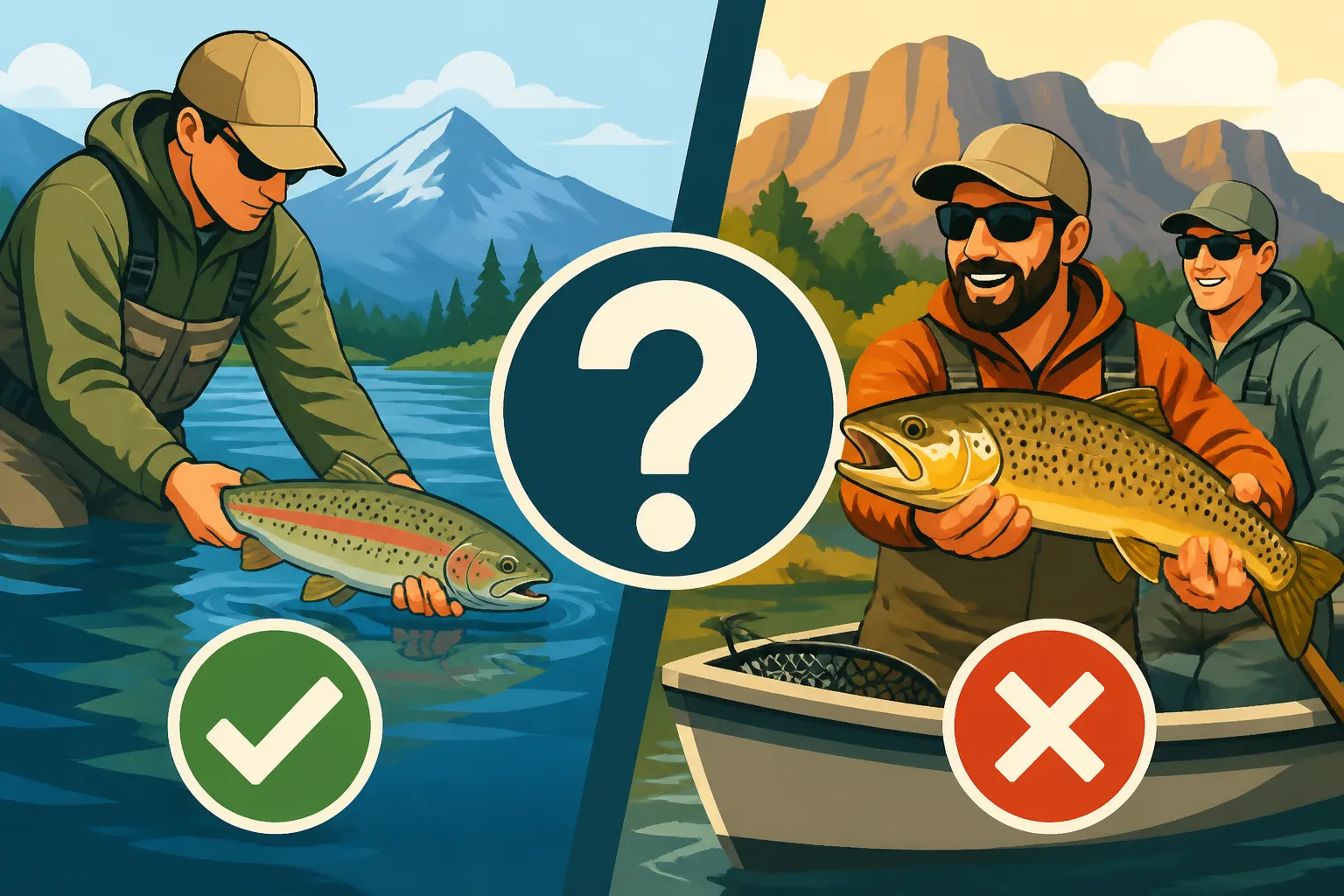
One of the most common questions I get from folks planning a fishing trip to Wyoming, especially if they're thinking of hiring a guide, is about whether they'll have to release all their fish. It's a valid concern, because while many of us cherish the catch-and-release philosophy, sometimes you just want to take home a beautiful trout for dinner. The truth is, it's not always a simple "yes" or "no" answer, and it largely depends on the specific water, current regulations, and even your guide's personal or outfitter's policy. This guide will help you understand the nuances so you can plan your perfect Wyoming fishing adventure.
The Core Philosophy of Catch and Release in Wyoming
Catch and release isn't just a trendy phrase; it's a vital conservation practice, especially in a state like Wyoming known for its world-class fisheries. Understanding its importance and how it intertwines with regulations is key to being a responsible angler.
Why Catch and Release Matters for Wyoming Fisheries
Wyoming boasts some truly incredible, pristine waters, from the famed North Platte River to the high-alpine lakes in the Wind River Range. Many of these ecosystems are delicate, and the fish populations, particularly wild trout, are sensitive to angling pressure. When we practice catch and release, we help ensure that these fish can spawn, grow, and continue to provide thrilling angling opportunities for generations to come. It’s about more than just catching a fish; it’s about sustaining a natural resource that brings so much joy and economic benefit to the state.
Imagine a small, remote mountain stream, teeming with native cutthroat trout. If every angler kept their limit, those fish populations could quickly be depleted. By releasing them carefully, we allow those fish to continue their life cycle, contributing to the stream's biodiversity and ensuring that the next person who hikes in still finds plenty of fish. It's a silent agreement among anglers to protect what we love.
General Wyoming Regulations vs. Specific Water Rules
Here's where it can get a little confusing for anglers, and it's a critical point to understand before you even cast a line. The Wyoming Game and Fish Department publishes comprehensive regulations that include statewide rules on bag and possession limits for various species. For instance, there might be a general limit for trout across the state. However, many specific rivers, lakes, and even sections of rivers have special regulations that supersede these general rules. You might find a section of the Green River that's strictly catch and release for certain species, or a particular reservoir that has different size or number limits.
These water-specific rules are often put in place to protect fragile populations, manage trophy fisheries, or reduce pressure on certain species. It's not uncommon to find areas designated as "fly fishing only" with mandatory catch and release, or waters where only one fish over a certain size can be kept. Reading the Wyoming Fishing Regulations Booklet is absolutely essential, as is checking the specific details for the water body you plan to fish. You can't just assume statewide rules apply everywhere.
Ethical Angling Practices for All Occasions
Whether you intend to keep your fish or release it, practicing ethical angling is paramount. This means handling fish with care, minimizing stress, and ensuring their best chance of survival if released. For example, using appropriate tackle that doesn't deep-hook fish, landing them quickly, and minimizing their time out of water are all crucial. Wet hands are also a must when handling fish, as dry hands can strip away their protective slime layer, making them vulnerable to disease.
If you're using bait, you might find that fish swallow the hook more often, making release more difficult. This is why many catch-and-release focused waters often mandate artificial lures and barbless hooks. Even if it's not required, pinching down barbs makes releasing a fish much gentler and quicker for both you and the fish. A good guide will always emphasize these practices, regardless of the keeping policy for the day.
Guided Trips: Understanding Your Outfitter's Policy
When you book a guided trip in Wyoming, you're not just paying for someone to show you where the fish are; you're also benefiting from their expertise in local regulations, fishing techniques, and conservation. Their policy on catch and release is often a reflection of these values and practical considerations.
The Guide's Role in Conservation and Client Experience
Professional fishing guides in Wyoming are often deeply invested in the health of the local fisheries. Their livelihood depends on it! They see themselves as stewards of the resource and understand the delicate balance between providing a great client experience and protecting fish populations. Many guides live and breathe these rivers and lakes every day, witnessing firsthand the impacts of fishing pressure and environmental changes. Because of this, many outfitters have a strong catch-and-release ethic built into their operational philosophy, even if regulations technically allow for keeping fish.
They want you to have a memorable day, catch plenty of fish, and maybe even land that fish of a lifetime. For many, the joy comes from the fight and the release, knowing that fish will be there for another angler, or to spawn again. They'll teach you proper fish handling techniques like how to hold a trout gently in the water for a quick photo and then release it unharmed. This dedication often sets the tone for their trips. If you're looking for a guide, places like FishingBooker often list guide services that specify their catch-and-release stance, which can help you choose an outfitter whose values align with yours.
When Catch and Release Is Required by the Guide
It's common for guides to enforce catch and release on their trips, even if state regulations permit keeping fish in a particular area. This is especially true on popular trophy fisheries or waters known for wild, native trout. For example, some sections of the North Platte River that are managed for large brown and rainbow trout often have guides who operate on a strict catch-and-release basis. They understand that if every client kept a couple of those prized fish, the trophy potential of the river would diminish over time. The One-Over-16-Inch Rule on Wyoming Trout Streams is a good example of how regulations already lean towards protecting larger fish.
Here are some scenarios where a guide might require catch and release:
- Trophy Waters: If you're fishing a blue-ribbon section renowned for big fish, a guide will almost certainly insist on releasing all fish to maintain the quality of the fishery.
- Sensitive Species: For native fish like Yellowstone Cutthroat Trout, guides are often hyper-vigilant about their protection and will require their release, sometimes even immediately upon landing.
- High-Pressure Areas: In heavily fished areas, guides might require catch and release to reduce cumulative impact, even on waters with generous bag limits.
- Outfitter Policy: The guide service itself might have a blanket catch-and-release policy for all their trips, regardless of location. This is a business decision rooted in conservation.
It's crucial to respect these policies. When you book a trip, you're agreeing to the terms set by the guide and their outfitter. It's their boat, their reputation, and their commitment to sustainable angling.
When Keeping Fish Is Allowed on a Guided Trip
Now, this isn't to say you'll never be able to keep a fish on a guided trip in Wyoming! There are absolutely situations where it's not only permitted but often encouraged, especially for certain species or in particular types of fisheries. Many reservoirs, for instance, are managed differently than trout streams. Lakes like Boysen Reservoir or Keyhole Reservoir might have abundant populations of walleye, perch, or even smaller trout that are perfectly fine to harvest within legal limits.
Guides operating on these waters often cater to clients who want to take fish home for dinner. They might even offer to clean and package your catch at the end of the day. This is particularly true for species like walleye or kokanee salmon, which are delicious table fare and often managed with healthy harvest quotas. Wyoming's Daily and Five-Consecutive-Day Nonresident Licenses are often purchased with the intent of keeping fish, and guides understand this.
Here are some common scenarios where keeping fish might be allowed:
- Reservoir Fishing for Panfish or Walleye: Many guides specialize in warm water species on reservoirs where harvesting is part of the experience.
- Specific Trout Management Areas: Some waters are stocked regularly with rainbow trout, and these populations are often managed for harvest. Your guide might identify such spots.
- Invasive Species Removal: In some areas, like Yellowstone Lake for Lake Trout, there are efforts to remove invasive species, and keeping them is not only allowed but often mandatory if caught. This is a unique situation where conservation means not releasing the fish.
- Client Preference & Regulation Alignment: If you express a desire to keep fish and the regulations for the specific water body allow it, and it aligns with the guide's policy, then they will typically accommodate you.
It's all about communication and setting expectations upfront. Don't assume anything; ask!
Navigating Expectations: Before, During, and After Your Trip
To avoid any disappointment or confusion, having clear communication about catch and release policies with your guide is paramount. This ensures everyone is on the same page and you can fully enjoy your time on the water.
Asking the Right Questions Before Booking
This is perhaps the most important step. Before you commit to a guided trip, have an open conversation with the outfitter or guide about their catch-and-release policy. Don't be shy! Most reputable guides appreciate clients who are proactive and want to understand the rules. You can find many guides through platforms like FishingBooker, which often include details about what's offered. When you're talking to a potential guide, ask specific questions like:
- "What is your policy regarding keeping fish on this particular trip/water?"
- "Are there specific species that are strictly catch and release?"
- "If we do catch fish that can be kept, do you handle cleaning them?"
- "Is there a 'one for the pan' rule, or is it all catch and release?"
Gathering this information upfront will allow you to select a guide whose approach aligns with your personal goals for the trip. If you're dead set on taking home a couple of trout for dinner, make sure you find a guide who can accommodate that within legal and ethical boundaries.
Respecting Your Guide's Decisions on the Water
Once you're out on the water, your guide is the captain, both literally and figuratively. They have an intimate knowledge of the fishery, the current conditions, and the regulations, sometimes even in real-time. If they tell you a certain fish needs to be released, even if you thought it was legal to keep, you must respect their decision. They might be operating under a stricter-than-regulation policy for conservation, or they might know something about that particular fish (like it's a spawning breeder) that you don't.
A guide's experience and reputation are on the line, and they are responsible for ensuring the trip adheres to all regulations and ethical practices. Trust their judgment. It's better to release a fish you thought you could keep than to risk a violation or harm a fish unnecessarily. Fines and Penalties for Common Fishing Violations can be steep, and a good guide helps you avoid them.
Practical Considerations for Keeping Your Catch
If you've confirmed with your guide that keeping fish is an option, there are a few practicalities to consider to ensure your catch stays fresh and legal.
First, quantity. Understand How Bag and Possession Limits Work in Wyoming for the specific species and water you're fishing. Your guide will help you with this, but it's good to be aware. Bag limits are what you can keep in a single day, while possession limits are what you can have on hand, including fish from previous days.
Second, storage. Most guides who allow keeping fish will have a cooler with ice to store your catch throughout the day. If not, make sure you bring one. Fish spoils quickly, especially in the Wyoming summer sun.
Third, cleaning. Some guides offer to clean and fillet your fish at the end of the trip, which is a fantastic service. Confirm this beforehand. If they don't, be prepared to do it yourself upon returning to shore or camp.
Finally, transport. If you're traveling across state lines, be aware of rules regarding transporting fish, especially if they are whole or not identifiable. Some states require certain parts of the fish to remain intact for identification purposes. Transporting Your Catch Across State Lines Legally is a very important topic to understand.
Here's a quick comparison of catch-and-release scenarios on guided trips:
| Scenario | Guide's Approach (Typical) | Why (Common Reasons) | Angler Action |
|---|---|---|---|
| Trophy Trout Streams (e.g., North Platte, Snake) | Strict Catch and Release | Protect large, wild fish; maintain trophy fishery. | Handle gently, wet hands, quick photo, immediate release. |
| High-Alpine Lakes (native cutthroat) | Primarily Catch and Release | Preserve native genetics; slow growth rates in cold water. | Minimal handling, avoid touching gills, ensure fish revives before release. |
| Reservoirs (Walleye, Perch, stocked Rainbows) | Keeping Allowed (within limits) | Populations managed for harvest; good table fare. | Guide may clean fish; keep on ice; check local limits. |
| Yellowstone Lake (Lake Trout) | Mandatory Kill/No Release | Invasive species removal; protect native cutthroat. | Follow guide's instructions; often guide assists with disposal. |
| Youth/Beginner Trips | Flexible, may allow keeping a few | Encourage participation; positive first fishing experience. | Discuss with guide beforehand; focus on easy-to-catch, abundant species. |
Ultimately, having a clear understanding and open communication with your Wyoming fishing guide will ensure a fun, ethical, and memorable experience on the water, no matter your preference for catch and release or keeping a few for the pan.
Disclaimer
This article is for general informational purposes only and does not constitute professional advice. Laws, prices and regulations vary by location and change over time. Consult a qualified professional for guidance on your specific situation.