Can You Fish With Your Own Gear on a Guided Trip?
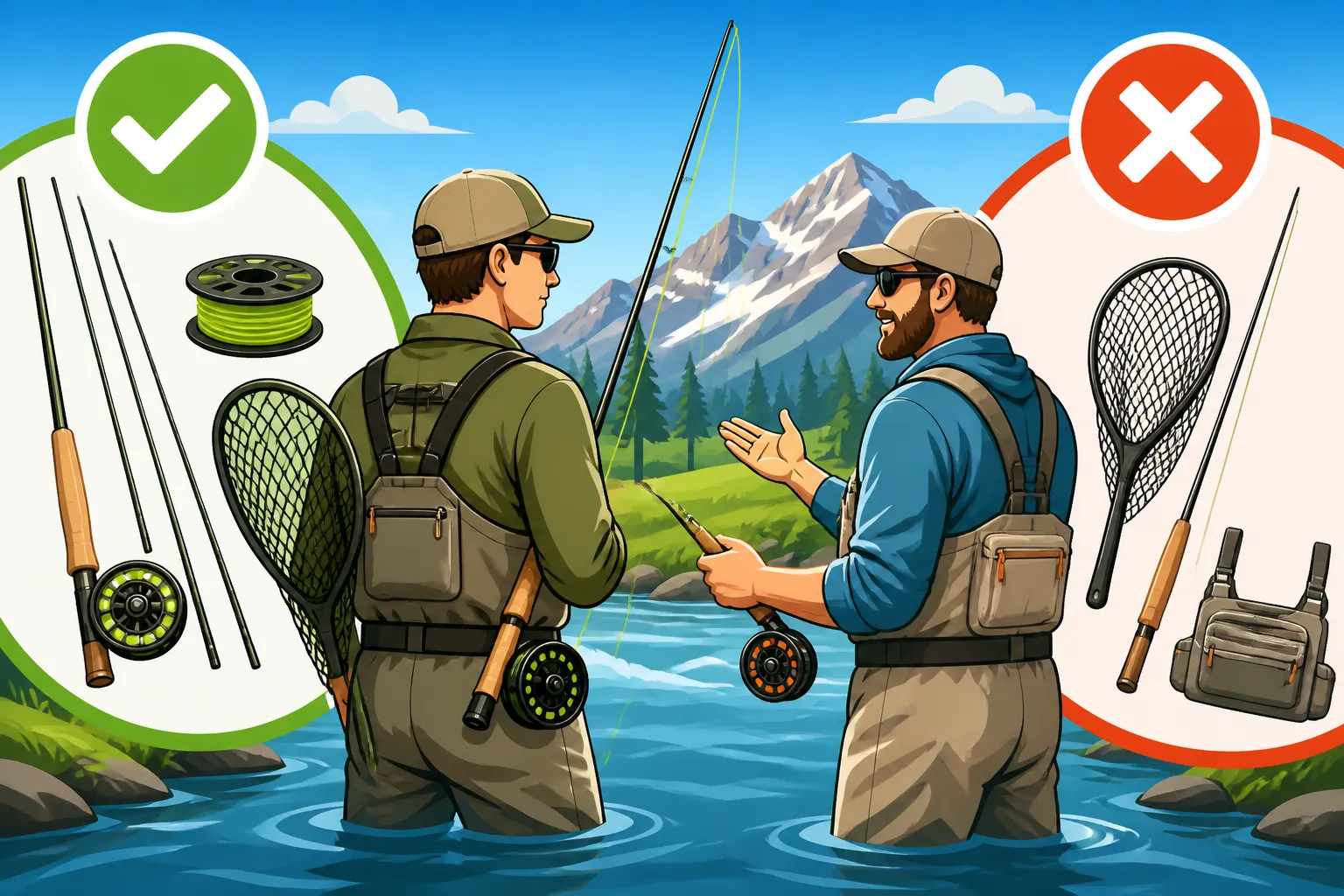
One common question that pops into every angler's mind when planning a guided fishing trip in Wyoming is whether they can bring their beloved personal gear along or if they're expected to use what the guide provides. This can feel like a genuine dilemma, especially when you've invested heavily in your own rods and reels and feel most comfortable with them. This guide aims to clear up that confusion, explaining when it's best to rely on your guide's equipment and when it makes perfect sense to bring your own.
The Standard Expectation: Guide-Provided Gear
When you book a guided fishing trip, especially in a place like Wyoming where conditions can vary wildly, the unspoken expectation often leans towards using the guide's equipment. There's a very practical reason for this, and it's usually for your benefit, not just for the guide's convenience. Think of it like renting a car for a specific terrain; you'd want one equipped for that journey, not just any car you happen to own.
Why Guides Typically Offer Equipment
Guides aren't just providing a service; they're offering an entire, carefully curated experience, and that includes the tools of the trade. First and foremost, guides are intimately familiar with the specific waters you'll be fishing – whether it's the swift currents of the North Platte or the vastness of Flaming Gorge. They know exactly what type of rod, reel, line, and tackle will perform best for the target species under current conditions. This isn't just a guess; it's born from years of experience and countless hours on the water.
Beyond their expertise, there's a logistical aspect. Guides typically carry a full array of rods and reels in different weights and actions, suitable for various techniques, from delicate dry fly presentations to heavy streamer fishing or deep trolling. They maintain this gear meticulously, ensuring it's in top working order. If a line breaks, a reel malfunctions, or a rod tip snaps, they have backups readily available, often within arm's reach. This kind of quality control and preparedness is a hallmark of a professional outfitter. When you're researching potential guides, platforms like FishingBooker often highlight what equipment is included, giving you a good heads-up.
The Benefits of Using a Guide's Gear
Opting for the guide's gear often brings a level of convenience and peace of mind that's hard to beat. Imagine flying into Jackson Hole with a bulky rod case, worrying about it getting lost or damaged by the airlines, only to find the perfect setup waiting for you. That's a huge stress reliever right there! The guide will have everything rigged and ready, often with flies or lures that have proven successful on that particular day, saving you valuable fishing time.
Furthermore, using their equipment means you're utilizing tackle that's perfectly matched to the local conditions and the guide's preferred techniques. If you're chasing trophy brown trout on the Miracle Mile, your guide will have the right heavy-duty streamers and stout rods to handle those powerful fish. If you're nymphing tiny midges on a technical tailwater, they'll have the most sensitive rods and finest tippets. This specialized equipment can genuinely increase your chances of success. Plus, if something breaks or gets snagged, it's generally on the guide's dime, not yours, which can be a significant cost saving. It's all part of the package, and often contributes to the What a Guided Wyoming Fishing Trip Costs you pay.
When Bringing Your Own Gear Makes Sense
While guides generally provide excellent equipment, there are definitely valid reasons why an angler might prefer to bring their own. It often boils down to a personal connection with one's tools, specific fishing styles, or just the sheer joy of using your favorite setup. It's a question worth asking before your trip, as explored in Do Guides Provide Rods and Reels?.
Personal Comfort and Familiarity
For many anglers, their fishing gear isn't just equipment; it's an extension of themselves. They've spent countless hours with their rods, learning their nuances, understanding their casting arcs, and feeling every subtle bite through their familiar reel. There's a certain muscle memory and confidence that comes with using your own setup, especially for techniques like fly casting where the feel of the rod is paramount. If you're an experienced fly angler, you might have a specific rod action you prefer, or a reel perfectly balanced to your casting style. Bringing your own can make the difference between an awkward day and a fluid, enjoyable experience.
This familiarity can be a real advantage. When you're comfortable with your gear, you can focus entirely on reading the water, presenting your offering effectively, and fighting the fish, rather than adjusting to a new rod that feels alien in your hands. This is particularly true for those who fish frequently and have refined their technique with their own tried-and-true setup.
Specialization or Niche Fishing
Sometimes, an angler might be incredibly specialized, possessing unique gear that even the most well-stocked guide might not have. Perhaps you're a dedicated tenkara angler, or you have a custom-built fly rod for a very specific type of presentation. Maybe you've invested in a highly advanced sonar unit for targeting deep lake trout, or a unique setup for a less common species like ling (burbot). In these instances, your own specialized equipment might offer an advantage or simply cater to your preferred fishing style in a way a guide's general-purpose gear cannot.
Another example might be if you're pursuing a specific state record and have a highly sensitive rig calibrated for detecting the faintest takes, or a powerful setup designed for battling truly enormous fish that are rare even in Wyoming's trophy waters. In such cases, your gear might exceed the average guide's inventory in that specific niche.
Sentimental Value or Testing New Equipment
Angling is often steeped in tradition and personal history. Many of us have a "lucky" rod, a reel passed down through generations, or a favorite combo that has landed countless memorable fish. There's a deep satisfaction in catching a beautiful Wyoming trout on a rod that holds such personal significance. It adds another layer to the experience.
Alternatively, you might have recently acquired a brand-new, high-end rod or reel that you're eager to test out in prime fishing conditions. A guided trip can be the perfect proving ground for new gear, allowing you to put it through its paces under expert supervision. Just be sure to communicate this desire with your guide beforehand; they might have some invaluable insights or tips for using your new equipment effectively in their local waters.
Important Considerations Before Packing Your Rods
Deciding to bring your own gear isn't as simple as just tossing it in the car. There are a few practical considerations and crucial conversations you'll want to have before heading out. Open communication is paramount to ensure a smooth and successful trip for everyone involved.
Communicating with Your Guide is Key
This cannot be stressed enough: always talk to your guide in advance if you intend to bring your own fishing gear. Many guides are perfectly fine with it, but they need to know what to expect. A good guide wants you to have the best possible experience, and that includes fishing with gear you're comfortable with. When you're making your booking, or shortly after, send an email or make a call. Be specific about what you plan to bring (e.g., "I'd like to bring my 5-weight fly rod and my own box of dry flies").
Your guide might offer advice on what gear would be appropriate, or even suggest leaving certain items at home if they truly won't be suitable for the day's fishing. They might also advise on specific fly patterns or lure colors that have been working well, which could influence what you pack. Reputable guides listed on platforms like FishingBooker usually have contact information readily available, making this pre-trip conversation easy. This discussion is also a great opportunity to ask about general expectations, like What to Bring on a Guided Wyoming Fishing Trip beyond just fishing gear.
Potential Drawbacks and Limitations
While using your own gear has its perks, it's not without potential downsides. One major factor is the risk of damage or loss. If your prized fly rod slips out of the boat or gets damaged during transport, that's entirely on you. Guides are generally not responsible for damage to a client's personal equipment. Consider if your gear is insured, or if you're willing to accept that risk.
Another limitation could be compatibility. Your guide might have specific leaders, tippets, or terminal tackle that they know work best for the current conditions, and your reel might not be spooled with the appropriate backing or line type to match. While minor adjustments can be made, it's best to be flexible. Furthermore, your guide might politely insist you use their gear if they feel your equipment isn't adequate or safe for the conditions or target species. For instance, bringing a lightweight trout rod for battling powerful lake trout in Flaming Gorge might be deemed insufficient and could risk injury to the fish or a prolonged fight.
Logistics of Transport and Storage
Think about the practicalities of getting your gear to Wyoming and then to the launch point. If you're flying, will your rod cases meet airline requirements? What are the baggage fees? Once you're on location, how will your gear be transported to the river or lake? Most guide vehicles and drift boats have limited space. While a rod or two might be easily accommodated, a large assortment of personal tackle could become cumbersome for both you and the guide.
| Aspect | Using Guide-Provided Gear | Bringing Your Own Gear |
|---|---|---|
| Convenience | High (ready to go, no packing/unpacking) | Lower (requires careful packing, transport, setup) |
| Local Suitability | Optimized for current conditions and target species | May or may not be perfectly suited; relies on angler's knowledge |
| Risk of Damage/Loss | Covered by guide (for their gear) | Your responsibility |
| Cost | Usually included in trip price | No additional cost, but initial investment may be high |
| Familiarity/Comfort | May require adjusting to new equipment | High (you know your gear inside and out) |
| Specialization | General-purpose or specific to guide's typical trips | Can be highly specialized for niche techniques |
| Backup Options | Guide always has backups available | You are responsible for your own backups (if any) |
| Pre-Trip Comm. | Minimal regarding gear | Essential to discuss with guide beforehand |
What Gear You Might Still Need to Bring (Even with Guide Gear)
Even if you decide to fully rely on your guide's rods, reels, and tackle, there's a whole host of personal items that are absolutely essential for a comfortable and successful day on the water. A truly comprehensive What to Bring on a Guided Wyoming Fishing Trip list goes far beyond just the fishing tools.
Personal Items and Apparel
Wyoming weather is notoriously unpredictable, often experiencing four seasons in a single day. Layering is your best friend. Start with moisture-wicking base layers, add insulating mid-layers like fleece, and always have a waterproof and windproof outer shell. Even on a sunny day, rain can move in quickly, or you might get splashed in a drift boat. Sun protection is critical: a wide-brimmed hat, sunglasses (polarized are a must for spotting fish and eye protection), and high SPF sunscreen. These items aren't just for comfort; they're for safety, guarding against hypothermia, sunburn, and glare. Don't forget bug spray, especially during warmer months near standing water.
Footwear is another important consideration. If you're wade fishing, you'll need waders and wading boots. While some guides might have loaner waders, it's not a given, and having your own ensures a proper, comfortable fit. If you're fishing from a boat, sturdy, waterproof shoes with good grip are recommended. You can check with your guide if Does a Guided Trip Include Gear and Waders? for clarity.
Small Tackle and Fly Boxes
Even if you're using your guide's main setup, you might have a few "secret weapon" flies, lures, or jigs that you're just dying to try. Most guides are open to letting you experiment, especially if their standard offerings aren't producing. A small, personal fly box with your favorite patterns (especially local patterns you've tied yourself) or a few specific lures can be a nice addition. Just be sure to discuss this with your guide. They might suggest particular sizes or colors that match the current hatch or fish behavior. Having your own selection of tippet material, leaders, and indicators can also be beneficial, allowing you to fine-tune presentations.
This also extends to other small personal items like nippers, forceps, a wading staff (if you need extra stability), or a small fishing pack or vest to keep your essentials organized. While your guide will likely have these items on hand, having your own makes for a more seamless personal experience.
Licenses and Conservation Stamps
This is non-negotiable and paramount for any fishing trip in Wyoming. Regardless of whether you use your own gear or the guide's, you must have a valid Wyoming fishing license and a Wyoming Conservation Stamp. Your guide cannot provide these for you, nor can they legally take you fishing without them. License Requirements for Booking a Wyoming Fishing Guide are strict. Make sure to purchase these well in advance of your trip. You can often buy them online through the Wyoming Game and Fish Department website, at authorized vendors like sporting goods stores, or even at some convenience stores.
Ensure you understand the type of license you need (resident vs. nonresident, annual, daily, or multi-day). If you're wondering, Do You Need Your Own Fishing License for a Guided Trip? the answer is always yes. Keep your license readily accessible, either as a printed copy or a digital version on your phone, as game wardens can ask to see it at any time. It's a small but critical detail that can derail an otherwise perfect day on the water if overlooked. After all, a guide's primary role is to lead the fishing, but the responsibility for legal compliance ultimately falls to the angler.
Disclaimer
This article is for general informational purposes only and does not constitute professional advice. Laws, prices and regulations vary by location and change over time. Consult a qualified professional for guidance on your specific situation.