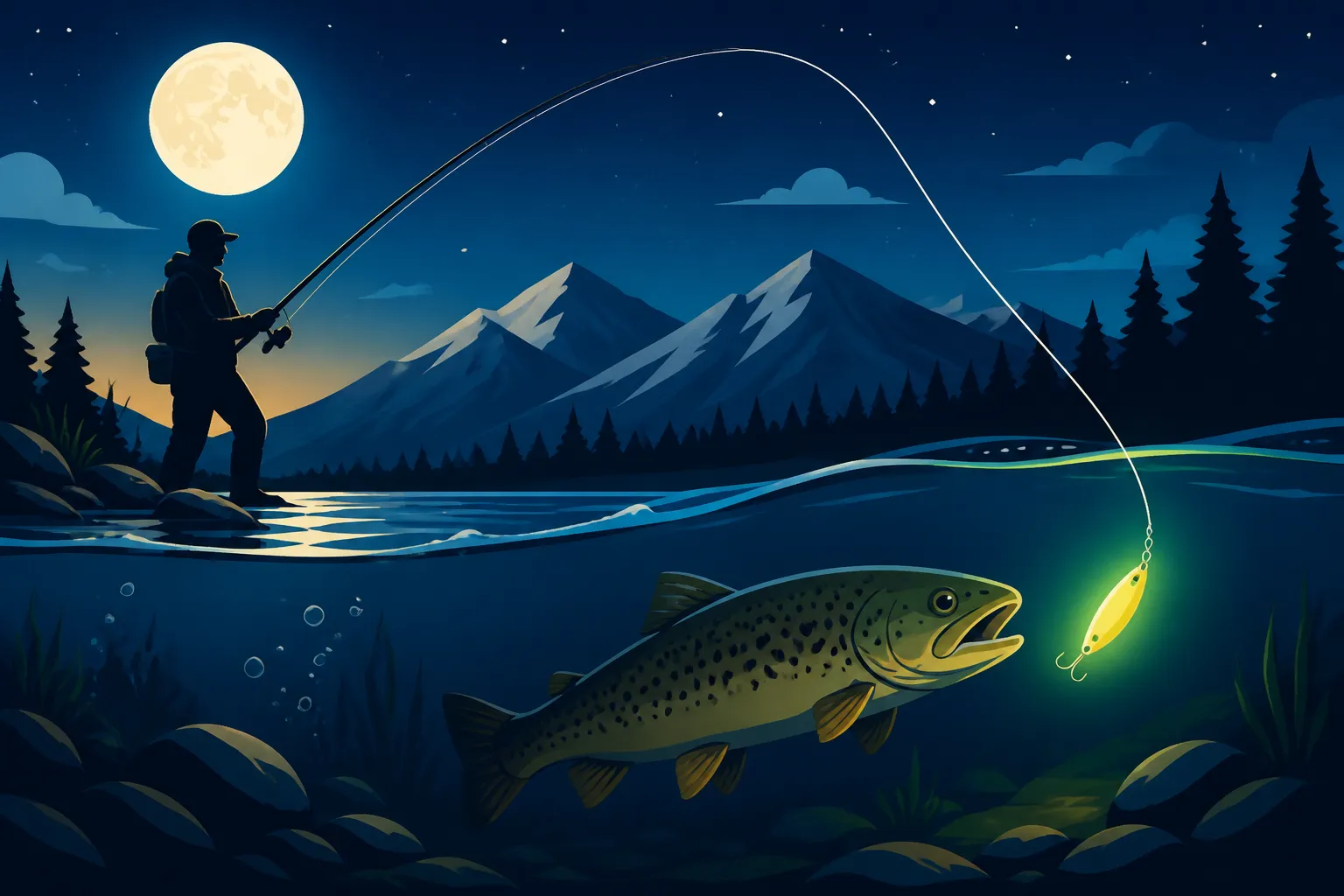
Night Fishing Techniques for Wyoming Waters
Ever found yourself staring at a perfectly calm Wyoming lake or river at dusk, knowing the fish are there but completely uncooperative during the day? Or perhaps the thought of battling crowds at your favorite daytime spots just doesn't quite fit your vision of a peaceful angling escape. Night fishing in Wyoming offers a unique and often incredibly productive alternative, transforming familiar waters into mysterious, exciting new frontiers. This comprehensive guide will illuminate the specific techniques, essential gear, and prime locations to help you unlock the magic of fishing under the stars.
Why Even Bother Fishing at Night in Wyoming?
Many anglers shy away from fishing after dark, intimidated by the unknown or the perceived difficulty. However, in Wyoming, the cover of night often provides distinct advantages that can lead to some of the most memorable catches of your life. It's not just about avoiding sunburn; it's about tapping into a different rhythm of the aquatic world.
The Draw of Cooler Temperatures and Reduced Pressure
One of the most immediate benefits of night fishing, especially during the warmer months, is the drop in temperature. As the sun dips below the horizon, the water cools, often revitalizing fish that became sluggish and deep-seated during the heat of the day. This is particularly true for trout and other cold-water species which become more active and willing to feed as the water temperature becomes more comfortable for them. The surface layers, which might have been too warm during the day, become viable hunting grounds. For an in-depth understanding of how temperature influences fish, check out our guide on How Water Temperature Affects Trout Feeding.
Beyond just comfort for the fish, the lack of human activity provides a significant advantage. Wyoming's popular fishing destinations can see considerable pressure during the day, making fish wary and harder to approach. Under the cloak of darkness, boats are often off the water, shorelines are quiet, and the absence of visual cues from anglers allows fish to move more freely and confidently into shallower feeding areas. This reduced pressure often means more aggressive bites from less cautious fish, offering a completely different angling experience compared to the hustle and bustle of daytime fishing.
Targeting Nocturnal Predators and Trophy Fish
Many of Wyoming's most sought-after game fish, especially the larger ones, become significantly more active under the cover of darkness. Species like Walleye and Lake Trout are notorious for their low-light feeding habits, using their superior night vision to ambush unsuspecting prey. Brown Trout, too, are often considered nocturnal predators, especially the truly monstrous ones that lurk during the day and come out to feed when the light fades. Night fishing isn't just about catching more fish; it's often about catching bigger fish. These nocturnal hunters are less selective and more aggressive, making them prime targets for anglers willing to embrace the darkness.
The quiet of the night also means fewer disturbances, allowing these apex predators to venture closer to shore or into shallower coves where they might not dare to go during daylight hours. This provides unique opportunities for shore anglers or those fishing from smaller craft to access prime feeding zones that are otherwise out of reach or too pressured. Understanding the specific feeding patterns of these fish after dark can dramatically increase your chances of hooking into that trophy you've been dreaming about.
Escaping the Crowds and Finding Solitude
Let's be honest, sometimes the best part of fishing is the peace and quiet, the chance to truly disconnect. While Wyoming offers vast open spaces, certain prime fishing spots can still get pretty busy, particularly on weekends or during peak seasons. Night fishing completely changes this dynamic. The solitude of being on the water as the stars emerge, with only the sounds of crickets, an occasional owl, and the gentle lapping of water, is an experience in itself.
This lack of competition means you often have entire stretches of river or vast sections of a reservoir all to yourself. You can fish your chosen spot without worrying about another boat motoring by or someone casting over your line. It's an opportunity to truly immerse yourself in the natural environment, away from the distractions and noise of the day. For many, the tranquility and meditative quality of night fishing are as much a draw as the increased chances of catching fish, offering a profound sense of connection to Wyoming's wild landscapes.
Essential Gear for Safe and Successful Night Fishing
Stepping out onto the water after dark requires a bit more preparation than your typical daytime excursion. Safety should always be your top priority, followed closely by having the right tools to maximize your chances of success. It's not just about bringing a flashlight; it's about having a system that allows you to operate efficiently and securely in low-light conditions.
Lighting, Safety, and Navigation Tools
The most obvious essential for night fishing is proper lighting, but it's more nuanced than you might think. A reliable headlamp is absolutely non-negotiable, freeing up your hands for casting, tying knots, and handling fish. Look for models with a red light option; red light helps preserve your night vision, so when you turn it off, your eyes adjust back to the darkness much quicker than if you'd used a white light. A powerful white beam is still crucial for spotting hazards, navigating, or unhooking a fish, but use it sparingly. Brands like Black Diamond or Petzl offer excellent headlamps with multiple modes. It’s also wise to carry a backup flashlight, or even a small lantern for ambient light in your immediate workspace, especially if you're shore fishing or on a boat. Many reliable options are available on Amazon.
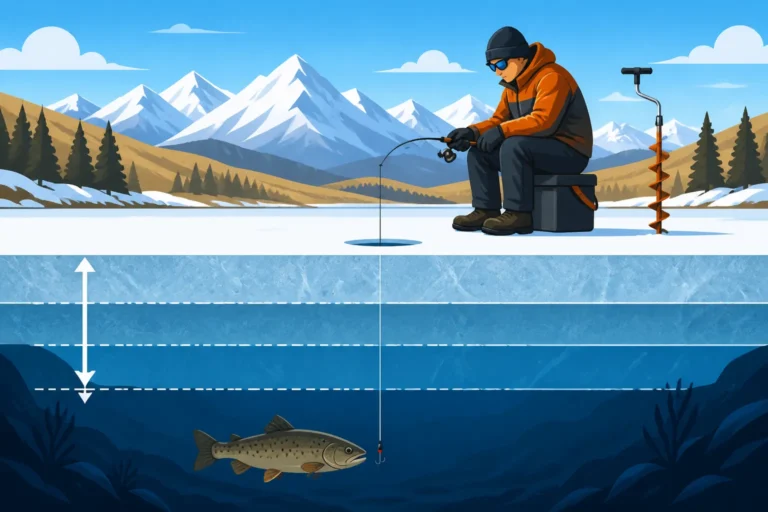
Beyond personal illumination, consider navigation. If you're on a boat, ensure your navigation lights are fully functional and you have a compass or GPS device (with charged batteries, of course). Even for shore fishing, knowing your surroundings during the day is paramount. Mark any tricky paths or obstacles you might encounter in the dark. A whistle and a fully charged cell phone (in a waterproof case) are critical safety items for emergencies. Also, always let someone know where you're going and when you expect to return. For additional safety considerations, especially for cold weather, you might find our Ice Fishing Gear Checklist for Wyoming Lakes helpful, as many of the safety principles apply.
Rods, Reels, and Lines for Low-Light Conditions
While you don't necessarily need specialized "night fishing" rods and reels, certain characteristics can make a big difference. Sensitivity is key. You won't be relying on visual cues for subtle bites, so a sensitive rod that transmits every tap and bump directly to your hand is invaluable. Graphite rods with a fast action are generally excellent choices. For reels, smooth operation is always important, but ensure your drag system is reliable – you don't want any hitches when battling a big fish in the dark.
Line choice can also play a role. While fluorocarbon is popular for its low visibility, its stiffness can sometimes make it harder to manage in the dark. Monofilament or braided lines can be easier to tie and handle with limited light, and some anglers even opt for high-visibility braided lines, which ironically, can sometimes be more visible under a headlamp, aiding in line management. Whatever line you choose, make sure it's fresh and strong. Checking your knots and leader regularly is even more important at night, as you won't easily see fraying or damage.
Baits and Lures That Shine After Dark
This is where night fishing truly diverges from its daytime counterpart. Many traditional baits and lures still work, but those designed specifically for low-light conditions can be incredibly effective. Scented baits are paramount; if fish can't see as well, they'll rely more on their sense of smell. Live bait, like worms, minnows, or crayfish, are excellent choices, as their natural movement and scent are irresistible. PowerBait, Gulp!, or similar scented soft plastics are also highly effective.
For artificial lures, consider those with rattles, glow-in-the-dark properties, or dark silhouettes. Rattling crankbaits, spoons, or jigs create vibrations that fish can detect through their lateral lines, drawing them in even if they can't see the lure. Glow-in-the-dark lures, charged by your headlamp for a few seconds before casting, provide a visible beacon. Alternatively, dark-colored lures (black, purple, dark blue) can create a stronger silhouette against the lighter night sky or water surface, making them easier for fish to pick out. Sometimes, a simple black jig or worm can be incredibly effective when everything else fails. Experimentation is key, but focusing on scent, sound, and silhouette will give you a significant advantage.
Top Techniques for Night Fishing Wyoming Waters
Once you're geared up, it's time to dive into the actual fishing strategies that consistently produce results after sundown. The approach often needs to be slower, more methodical, and attuned to senses beyond just sight. Forget the fast-paced, highly visual tactics of midday; night fishing calls for patience and finesse.
Slow and Steady for Lake Trout and Walleye
For species like Lake Trout and Walleye, which are kings of the low-light hunt, a slow and deliberate presentation is often the ticket. These fish are less likely to chase down fast-moving prey in the dark, preferring to ambush or gently investigate. When targeting Lake Trout, especially in large reservoirs like Wyoming's Flaming Gorge Reservoir Fishing Guide or Lake Trout Mackinaw Fishing in Wyoming on Jackson Lake, try jigging large tube jigs, spoons, or soft plastics near drop-offs or underwater structures. Let your lure sink to the bottom, then lift it slowly, letting it flutter back down. Bites can be incredibly subtle – sometimes just a heavy feeling on the line – so pay close attention.
Walleye, famous for their "marble eyes" that are adapted for low light, also respond exceptionally well to slow presentations. In places like Wyoming's Boysen Reservoir Fishing Guide, try drifting with live bait (like nightcrawlers or minnows) on a bottom bouncer rig, or slowly retrieving scented soft plastic jigs. Trolling deep-diving crankbaits at very slow speeds is another effective method, especially those with rattles or glow-in-the-dark finishes. The key is to keep your lure in the strike zone for as long as possible, allowing the walleye ample time to find and commit to it. Remember, these fish use their lateral lines to detect vibrations, so a consistent, slow action can be more effective than erratic movements. If you want to dive deeper into techniques, learning How to Read Water When Trout Fishing can provide valuable insights, even for still water, by understanding currents and structure.
Streamer Stripping for Aggressive Brown Trout
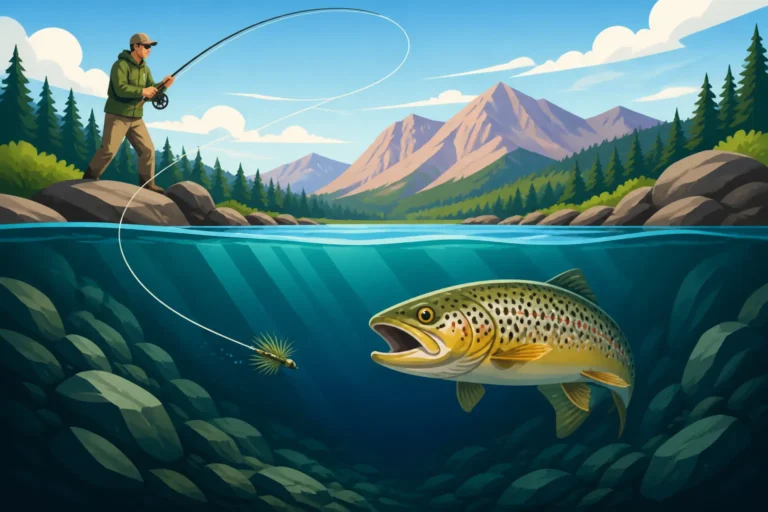
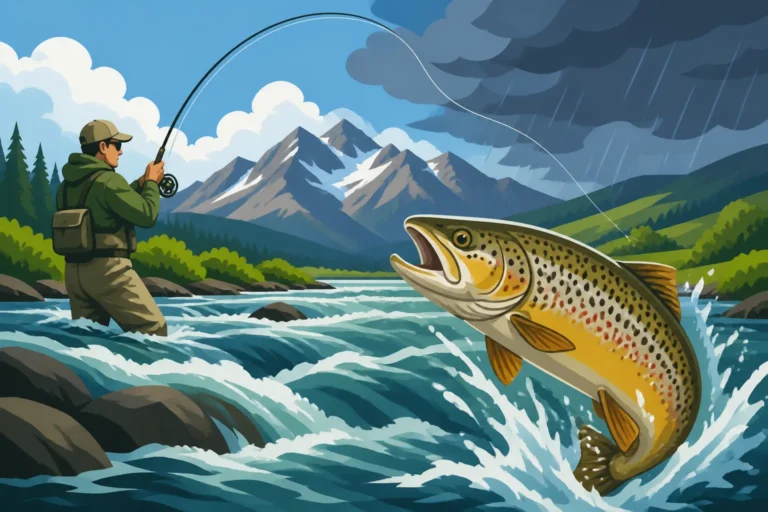
While Walleye and Lake Trout might prefer a slower pace, the aggressive Brown Trout often have other ideas after dark. Big browns are notoriously nocturnal feeders, becoming much more confident and predatory as the sun sets. They will often move into shallower areas to chase baitfish, crayfish, or large aquatic insects. This makes them prime targets for streamer fishing, even for spin anglers. For those focusing on Brown Trout Fishing in Wyoming, especially on rivers, a heavy streamer stripped aggressively can mimic a fleeing baitfish and trigger ferocious strikes.
Whether you're fly fishing or spin fishing, focus on casting large, dark-colored streamers or bucktail jigs towards undercut banks, logjams, and deep pools – any structure where a big brown might be lurking. Let the streamer sink, then retrieve it with short, sharp strips, or a stop-and-go retrieve, making it dart and pause like injured prey. The vibrations and sudden movements are what attract these nocturnal hunters. On the North Platte River or other prime brown trout waters, this method can often tempt the largest fish of the system that are too wary to show themselves during the day. Pay attention to changes in current, and don't be afraid to cast into areas that look too shallow or complex in the dark; that's often where the biggest fish are hunting.
Static Bait Fishing for Catfish and Ling
Sometimes, the simplest approach is the most effective, especially when targeting less active or bottom-dwelling species after dark. Static bait fishing, or still fishing, involves presenting a natural bait in one spot and waiting for the fish to find it. This technique is particularly effective for catfish, which are abundant in some of Wyoming's warmer reservoirs and river sections, and especially for the enigmatic Ling, also known as Burbot. Ling are almost exclusively nocturnal and can be a fantastic winter target, though they can be caught at night year-round. You can read more about them in our Ling Burbot Fishing in Wyoming guide.
For catfish, a classic setup involves a weight, a swivel, and a hook baited with nightcrawlers, cut bait (like pieces of sucker or shad), or stink bait. Cast it out, let it settle on the bottom, and wait. Using a bell on your rod tip or a bite alarm can help detect subtle bites in the dark. For Ling, fresh dead bait like cut sucker, minnows, or even shrimp are highly effective. Fish them close to the bottom, often near deep channels or transitions in depth. Patience is paramount with static bait fishing. Find a comfortable spot, set up multiple rods if regulations allow (be sure to check Wyoming Fishing Regulations Every Angler Should Know), and enjoy the quiet of the night as you wait for a bite. This method is often less active, but incredibly rewarding when you hook into a powerful catfish or a strange, delicious Ling.
Choosing the Right Wyoming Waters for Night Excursions
Not all waters are created equal when it comes to night fishing. Some lakes and rivers inherently offer better conditions, more target species, or simply safer access after dark. Knowing where to focus your efforts can save you a lot of time and increase your chances of success.
Reservoirs Known for Nighttime Action
Wyoming's large reservoirs are often prime candidates for night fishing, largely due to their diverse fish populations and expansive waters that allow fish to roam. Flaming Gorge Reservoir, straddling the Wyoming-Utah border, is legendary for its massive Lake Trout and Kokanee Salmon, both of which are highly active at night. The deep, clear waters allow Lake Trout to move into shallower feeding zones after dark, offering excellent opportunities for jigging or slow trolling near ledges and points. For detailed information, consult the Wyoming's Flaming Gorge Reservoir Fishing Guide.
Boysen Reservoir is another fantastic choice, particularly for Walleye and Ling. The Walleye bite often picks up significantly after sunset, with fish moving onto shallow flats and humps to feed. Drifting with live bait or slow-trolling crankbaits can be highly effective here. Ling are also frequently targeted at Boysen in the colder months, where night fishing is almost a necessity for success. Seminoe Reservoir and Pathfinder Reservoir also hold excellent populations of Walleye and Lake Trout, making them strong contenders for nighttime pursuits. When planning a trip to Boysen, our Wyoming's Boysen Reservoir Fishing Guide offers specific insights into its unique characteristics. Always check the specific regulations for each reservoir, as some might have particular rules regarding night access or methods.
Rivers and Streams Where Night Fishing Shines
While reservoirs are great, don't overlook Wyoming's rivers and streams for night fishing, especially for Brown Trout. The North Platte River, particularly stretches like the Miracle Mile or Gray Reef, can offer incredible night fishing for trophy browns. These large trout, which are incredibly wary during the day, become much bolder at night, moving out from their daytime cover to actively hunt. Using large streamers or baitfish patterns can entice aggressive strikes.
Smaller, less pressured streams can also be productive. Look for sections with plenty of undercut banks, fallen logs, and deeper pools, as these provide excellent cover for fish that will move out to feed at night. Fly anglers might focus on mousing patterns or large dark leeches, while spin anglers can use dark-colored soft plastics or stickbaits. The key is to approach these areas quietly and work them thoroughly. Understanding Reading Riffles and Runs on Wyoming Trout Streams during the day will greatly help you identify prime holding water for your night expeditions. Always be extra cautious on rivers at night due to currents and uneven footing; wading should be done with extreme care, or avoided altogether in unfamiliar territory.
High-Alpine Lakes Under the Moonlight
For the adventurous angler, Wyoming's high-alpine lakes offer a truly magical, and often remarkably productive, night fishing experience. Imagine casting under a blanket of stars, far from any light pollution, with the crisp mountain air filling your lungs. Many of these lakes, especially those stocked with Golden Trout or large Cutthroat, see increased feeding activity after dark as nocturnal insects become active or fish move into shallower water to escape predatory birds. You can find excellent options by exploring our guide to the Best High-Mountain Lakes Near Pinedale.
Accessing these lakes often requires a significant hike, making careful planning and preparation even more crucial. Pack light but include all essential safety and lighting gear. Once there, focus on shore fishing with natural baits like worms or PowerBait, or slowly retrieve small dark-colored jigs and spinners. The fish in these remote waters are often less pressured and more eager to bite, offering a peaceful and incredibly rewarding night fishing adventure. Just be prepared for potential wildlife encounters and rapidly changing mountain weather conditions.
Overcoming Challenges and Staying Safe After Dark
Night fishing, by its very nature, introduces a unique set of challenges compared to daytime angling. While the rewards can be great, it's absolutely crucial to prioritize safety and be prepared for anything. A little foresight can prevent a lot of problems when you're out there in the dark.
Navigating in the Dark and Avoiding Hazards
The most immediate challenge of night fishing is, of course, the lack of visibility. What might be an easy walk to your favorite fishing spot during the day can become a treacherous obstacle course after dark. Uneven terrain, slippery rocks, unseen logs, and unexpected drop-offs are all magnified hazards. Always scout your fishing location extensively during daylight hours. Pay attention to your route, mark potential dangers, and identify clear entry and exit points. When on the water, whether wading or in a boat, proceed slowly and cautiously.
Using a reliable headlamp with both white and red light functions is paramount. The red light helps maintain your night vision, which is crucial for overall situational awareness. For boaters, ensuring all navigation lights are operational and carrying a powerful spotlight is non-negotiable. Familiarize yourself with the water body's topography during the day. Consider using a GPS device or a mapping app on your phone (with downloaded maps) to keep track of your location and avoid drifting into dangerous areas. Never assume you know a spot well enough to navigate it blindly at night; even familiar waters can hold hidden surprises after dark.
Wildlife Encounters and Personal Safety
Wyoming is home to abundant wildlife, and many of these animals are most active at night. Encounters with larger animals like bears, moose, or mountain lions are a real possibility, especially in remote areas or near popular fishing spots. Always carry bear spray (and know how to use it) if you're in bear country. Make noise as you move to avoid startling animals, and be aware of your surroundings. Deer, elk, and other creatures might cross your path, so stay vigilant.
Beyond wildlife, personal safety is also a concern. While fishing is generally a peaceful activity, being alone in the dark can sometimes attract unwanted attention, however rare. Inform someone of your plans, including your location and expected return time. If possible, fish with a buddy. Carry a fully charged phone for emergencies. Dress in layers, as night temperatures can drop significantly even on warm days, and unexpected weather changes can occur rapidly in Wyoming. A first-aid kit, emergency blanket, and extra food and water are also wise additions to your pack.
Weather Changes and Emergency Preparedness
Wyoming's weather is famously unpredictable. A calm, warm evening can quickly turn into a cold, windy, or even stormy night. Being out on the water or in a remote area when a storm rolls in during the dark can be dangerous. Before heading out, check the weather forecast thoroughly, not just for the evening but for overnight as well. Be prepared for colder temperatures than expected, bringing extra layers, waterproof outerwear, and a warm hat.
In case of a sudden storm, know your escape routes. If you're in a boat, head for shore immediately. If on foot, seek shelter and be prepared to hunker down. Emergency preparedness also means having communication devices (satellite messenger in truly remote areas), extra batteries for all electronics, and knowing basic survival skills. A fire starter, a small saw or knife, and knowledge of how to build a basic shelter can be invaluable. It's not about being paranoid, but about being realistic and respecting the power of nature, especially when you're fishing in its element under the cover of night.
Species-Specific Night Fishing Tips for Wyoming
While general night fishing principles apply, tailoring your approach to the specific species you're targeting can significantly increase your success rate. Each fish has its own nuances and preferred nighttime behaviors that, once understood, can be exploited to your advantage.
Chasing Walleye Under the Stars
Walleye are perhaps the poster child for night fishing, and Wyoming offers some fantastic opportunities to target them after dark. Their large, light-sensitive eyes give them a distinct advantage in low-light conditions, allowing them to hunt effectively when other species are less active. Focus your efforts on large reservoirs with established Walleye populations, such as Boysen, Keyhole, or Glendo.
At night, Walleye often migrate from deeper daytime haunts to shallower flats, points, and humps where they can ambush baitfish. The key is to present your lure or bait slowly and methodically. Drifting with live minnows or nightcrawlers on a bottom bouncer rig is a classic and highly effective technique. Alternatively, slow-trolling crankbaits (preferably those with rattles or glow-in-the-dark features) at speeds of 1-2 mph can cover water and entice strikes. Jigging soft plastics or blade baits near structure can also be very productive. Remember, Walleye bites can be incredibly subtle at night – often feeling like just a slight pressure or weight on the line – so a sensitive rod and constant attention are crucial. Many anglers find the prime bite windows to be just after sunset and right before sunrise. For more detailed information, be sure to check out our dedicated guide on Walleye Fishing in Wyoming.
Landing Lunker Lake Trout After Sundown
Lake Trout, or Mackinaw, are another species that respond well to night fishing, especially the larger, more elusive individuals. These deep-water residents will often venture shallower under the cover of darkness, making them more accessible to anglers. Flaming Gorge Reservoir and Jackson Lake are renowned for their giant Lake Trout, and night is often the best time to connect with a true lunker. You can learn more about these impressive fish in our article about Lake Trout Mackinaw Fishing in Wyoming.
When targeting Lake Trout at night, focus on deep breaks, underwater points, and structure where they might transition from deep to shallower water. Large tube jigs (4-8 inches), big spoons, or scented soft plastics are excellent choices. Jig them slowly near the bottom, imparting pauses and subtle movements. Dead bait, like sucker meat, fished on the bottom can also be highly effective. If trolling, use large spoons or deep-diving crankbaits at very slow speeds (0.5-1.5 mph), often near structure or steep drop-offs. Pay attention to your fish finder during the day to mark potential feeding zones for your nighttime return. The cooler surface temperatures at night can also draw them higher in the water column, making them accessible to different presentations than during the day.
The Elusive Ling (Burbot) Hunt
If you're looking for a truly unique nighttime fishing experience, targeting Ling (Burbot) in Wyoming is it. These freshwater cod are almost exclusively nocturnal and are particularly active in cold water, making them a popular ice fishing target, but they can be caught open water at night as well. Reservoirs like Boysen, Flaming Gorge, and Ocean Lake are known for their Ling populations.
Ling are bottom dwellers and primarily hunt by scent. Therefore, strong-smelling baits are key. Cut bait, particularly pieces of sucker, smelt, or other oily fish, are highly effective. You can also use glow-in-the-dark jigs tipped with bait to add a visual attractant. The technique is typically static: rig your bait on a hook with a weight to keep it on the bottom, and cast it into deeper sections of the lake or reservoir. Areas near submerged river channels or deep points are often productive. Ling bites can be gentle nibbles or a steady pull, so patience and a sensitive rod tip or bite alarm are helpful. They are quite distinctive in appearance, resembling an eel or a small shark, and are excellent table fare. For everything you need to know about pursuing this fascinating fish, delve into our guide on Ling Burbot Fishing in Wyoming.
Here’s a quick overview of popular night fishing techniques for Wyoming species:
| Target Species | Preferred Night Technique | Best Lure/Bait Types | Key Considerations |
|---|---|---|---|
| Walleye | Slow Jigging, Bottom Bouncing, Slow Trolling | Live Minnows, Nightcrawlers, Scented Soft Plastics, Rattling Crankbaits | Subtle bites, focus on shallow flats/humps, utilize scent and sound |
| Lake Trout | Deep Jigging, Slow Trolling with Large Baits | Large Tube Jigs, Spoons, Scented Plastics, Dead Bait | Target deep breaks/structure, very slow presentations, often larger fish |
| Brown Trout | Streamer Stripping, Bait Fishing | Large Dark Streamers, Bucktail Jigs, Live Minnows, Crayfish | Aggressive strikes, target undercut banks/logs, often near shore |
| Ling (Burbot) | Static Bait Fishing (Bottom) | Cut Bait (sucker, smelt), Scented Jigs | Exclusively nocturnal, strong reliance on scent, deep bottom structure |
| Catfish | Static Bait Fishing (Bottom) | Nightcrawlers, Cut Bait, Stink Bait | Found in warmer reservoirs/rivers, use bells/alarms for bites |
Disclaimer
The information provided in this guide is for general informational purposes only and is not intended as legal advice regarding Wyoming fishing regulations. Fishing regulations can change frequently and vary by specific water body. Always consult the most current Wyoming Game and Fish Department regulations booklet or website before heading out to fish. It is the angler's responsibility to know and abide by all current rules and laws.