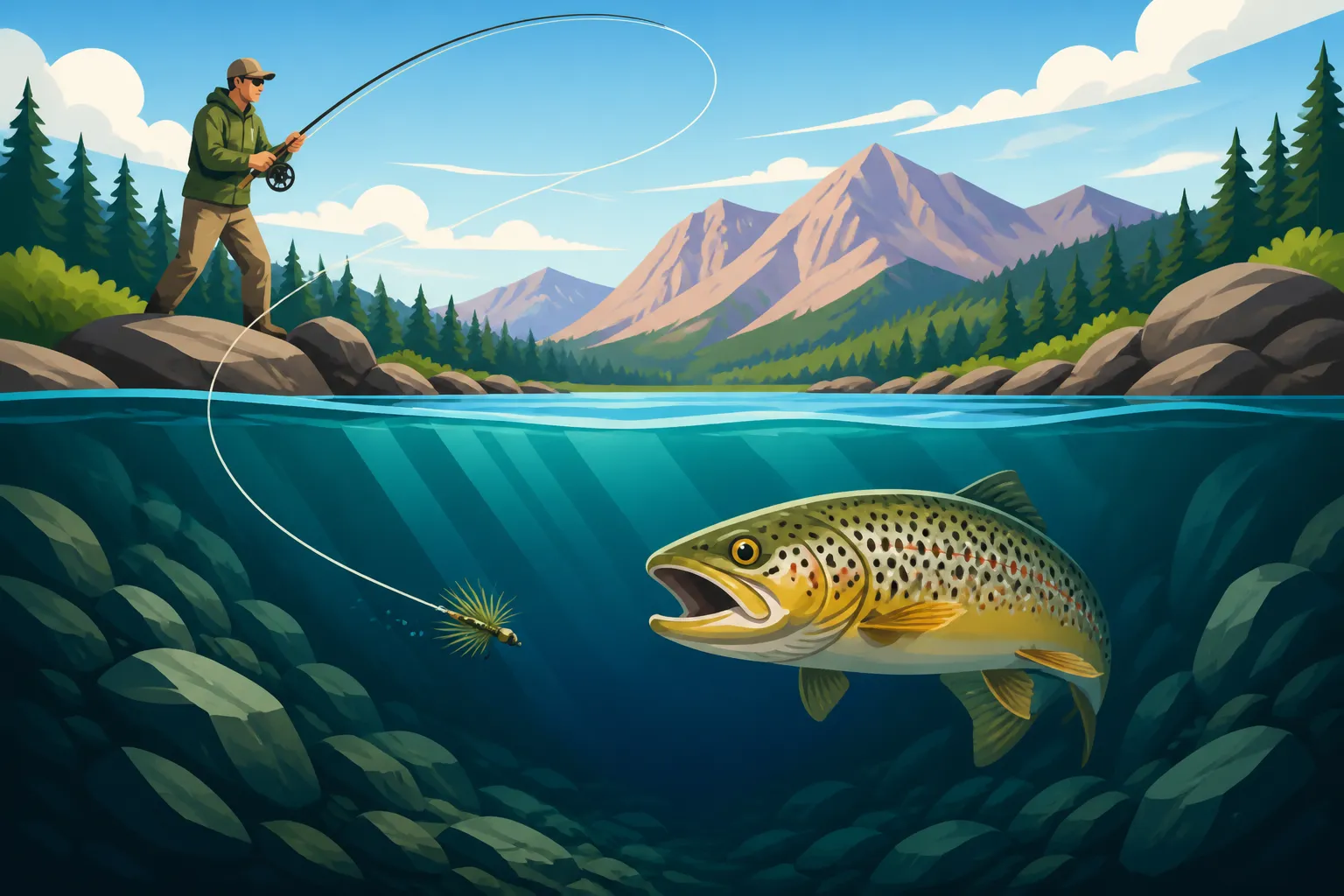
How to Fish a Deep Pool for Big Trout
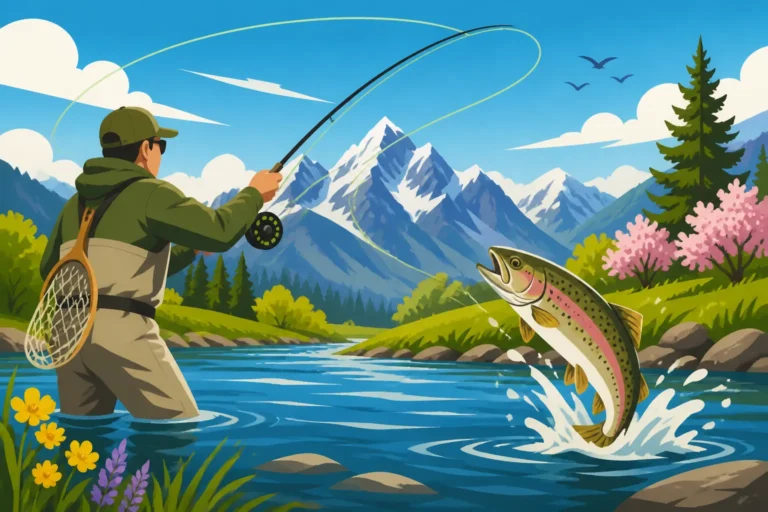
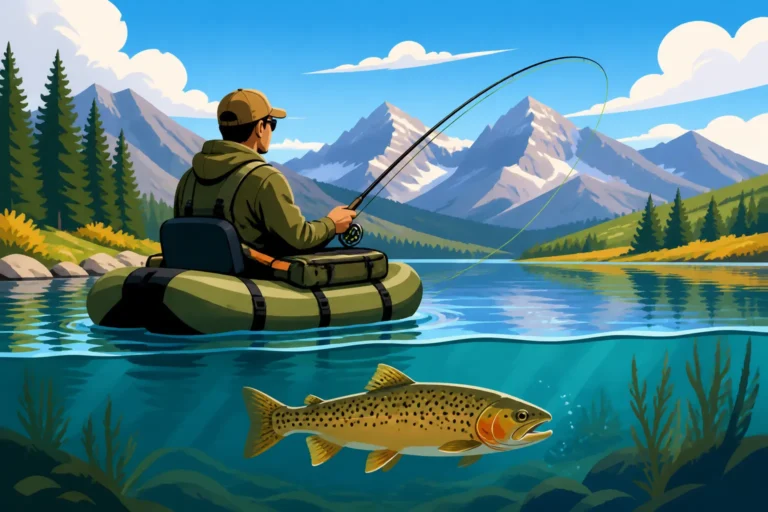
It's a familiar scene for so many of us, isn't it? You're out on a beautiful Wyoming stream or lake, admiring the clear water, and then you spot it: a dark, shadowy form lazily holding its position in a deep, cool pool. It's a big trout, perhaps even a trophy, but it feels untouchable, too far down, too savvy. The frustration of seeing a prime fish and not knowing how to coax it out is real. This guide is all about bridging that gap, teaching you how to effectively fish those deep pools to land those elusive giants.
Why Deep Pools Hold Big Trout: Understanding the Habitat
Deep pools aren't just random depressions in the water; they are prime real estate for larger, more experienced trout. Understanding why these fish gravitate to such spots is the first step in learning how to effectively target them. It's about thinking like a trout, predicting their needs and preferences.
The Sanctuary of Depth and Cool Water
Imagine being a large trout in a river or lake. Your primary concerns are safety, food, and comfort. Deep pools offer all three in abundance. The increased water depth provides a significant buffer from overhead predators like ospreys, eagles, or even curious human eyes peering from the bank. The deeper water also tends to be cooler, offering a critical refuge during warmer months when surface temperatures can become uncomfortable or even dangerous for cold-water species. During a scorching Wyoming summer day, a deep pool acts like a natural air conditioner, allowing those big fish to conserve energy. This makes them less stressed and more likely to feed when an opportunity arises, especially during cooler parts of the day.
Furthermore, the sheer volume of water in a deep pool offers more hiding places. Undercut banks, submerged logs, large boulders, and even subtle changes in the bottom contour all create complex environments where a large trout can feel secure. They can hold quietly, conserving energy while waiting for prey to drift by, or dart out for a quick meal before retreating to the safety of the depths. When you're out there, take a moment to consider the flow. Is there a slow current bringing food right to them, or a faster one along the edges that they might ambush from?
Food Funnels and Ambush Points
Deep pools often act as natural collection points for food. In rivers, currents slow down as they enter deeper sections, causing insects, nymphs, baitfish, and even terrestrial critters that fall into the water upstream to settle or drift slowly through these areas. This means a consistent buffet for a waiting trout. For instance, after a good rain, all sorts of interesting morsels might get washed into the system, and where do they end up? Often, in the calmer, deeper sections where the current loses its grip.
Think of it as a grocery store conveyor belt for fish. A big trout doesn't want to expend excessive energy chasing food; it prefers to find a prime feeding lane where meals are delivered right to its door. The edges of deep pools, where the current picks up slightly, can be fantastic ambush points. A trout might hold just outside the main current, darting into the flow to snatch a passing nymph before returning to the calmer water. In lakes, deep pools might concentrate baitfish, or offer access to different depths where various insect hatches or larval stages are present. Understanding these dynamics helps you decide where to cast and what kind of presentation might mimic natural food sources most effectively.
Essential Gear for Targeting Deep Pool Giants
You wouldn't bring a butter knife to a steak dinner, and you certainly shouldn't approach big, deep-dwelling trout with inadequate gear. The right tackle can make all the difference, allowing you to get your presentation down to where the fish are and then have the power to bring them in. It's not just about getting the bait down, it's about control and leverage.
Rods, Reels, and Lines Designed for Depth
When fishing deep pools, especially for larger trout, you need gear with a little more backbone than your ultralight stream setup. For spin fishing, a medium-light to medium action rod, typically 6'6" to 7'6" in length, will give you the casting power to reach distant pools and the sensitivity to detect subtle bites in deep water. Pair this with a reliable spinning reel in the 2000-3000 series, spooled with 6-8 pound fluorocarbon or braided line. Fluorocarbon is excellent for its low visibility and fast sink rate, which is a huge advantage when trying to get your lure or bait down quickly. Braided line offers superior sensitivity and casting distance, and you can add a fluorocarbon leader for stealth. You can find many great options for both types of line on Amazon, offering different price points and strengths.
For fly anglers, a 5 or 6-weight rod, 9 to 10 feet long, is usually ideal. The extra length helps with casting heavier nymph rigs and provides better line control for mending. A weight-forward fly line with a sinking tip or a full sinking line is absolutely crucial. Floating lines with heavy leaders might get you down a bit, but a dedicated sinking line will get your flies to the fish faster and keep them there without constantly fighting the current. If you're really delving into deep lake fishing or intense nymphing on larger rivers, a 7-weight rod might even be appropriate. Remember, the heavier your line and flies, the more effort it takes to cast, but the more effectively you'll fish the depths.
Terminal Tackle for Reaching the Bottom
Getting your offering down to those deep-seated trout requires specific terminal tackle. For spin fishing, this means a selection of weights and hooks. Split shots, sliding egg sinkers, or even bottom-bouncing rigs are essential. When fishing bait or soft plastics, a bullet weight rigged Carolina-style can be very effective, allowing your bait to float naturally above the bottom while the weight pulls it down. Always opt for sharp, strong hooks that can handle a larger fish. Consider brands known for their durability.
Fly anglers will rely heavily on tungsten-beaded nymphs, weighted streamers, and various types of lead-free split shot or tungsten putty. Tungsten sinks much faster than lead, allowing your flies to get into the strike zone quicker. Indicator rigs with multiple nymphs or a weighted streamer are common setups. Don't be afraid to experiment with how much weight you add; the goal is to tick the bottom occasionally, not to snag consistently. A good pair of forceps or hemostats (easily found on Amazon) is vital for quickly adding or removing split shot. Having a range of leaders and tippets, from 3X to 5X, will also give you versatility for different water conditions and fly sizes.
| Rig Type | Target Depth | Rod/Reel Type | Key Components | Advantages | Disadvantages |
|---|---|---|---|---|---|
| Spin Fishing | |||||
| Slip Sinker Rig | Medium to Deep | Medium-Light Spin | Egg Sinker, Swivel, Leader, Hook (Bait/Soft Plastic) | Allows bait to move naturally, good for detecting light bites | Can be prone to snags in rocky bottoms |
| Jigging | Deep | Medium Spin | Weighted Jig (e.g., spoon, bucktail, soft plastic jig) | Active presentation, mimics injured baitfish, good for aggressive bites | Requires constant rod work, can be tiring |
| Fly Fishing | |||||
| Euro Nymphing | Medium to Deep | 10' 3-5wt Fly Rod | Long Leader, Tungsten Nymphs (no indicator) | Direct contact with flies, excellent bite detection, precise depth control | Steep learning curve, requires close proximity to fish |
| Indicator Nymph | Medium to Deep | 9-10' 5-7wt Fly Rod | Sinking Tip/Full Sinking Line, Indicator, Split Shot, Nymphs | Visually track drifts, effective in varied currents, good for longer casts | Can be harder to detect subtle takes, indicator can affect natural drift |
| Streamer Fishing | Medium to Deep | 6-8wt Fly Rod | Full Sinking Line, Weighted Streamers | Targets aggressive, larger trout, covers water quickly | Less subtle, might spook wary fish |
Mastering Techniques to Reach and Entice Deep-Dwelling Trout
Getting your offering down into those deep pools is only half the battle. The other half is presenting it in a way that looks natural and irresistible to a big, wary trout. This often requires a combination of patience, precision, and understanding how trout feed in these environments.
Deep Nymphing and Streamer Tactics
For fly anglers, deep nymphing is one of the most productive ways to fish deep pools, especially on Wyoming's famous tailwaters like the North Platte. Techniques like "tight-line nymphing" or "Euro nymphing" involve using specialized long, light rods and weighted flies without a traditional indicator. Instead, you're feeling for every tick and subtle stop in your line as your flies drift along the bottom. This method offers incredible sensitivity and direct contact with your flies, allowing you to detect even the slightest take from a wary trout. When fishing with an indicator, ensure your rig is weighted heavily enough to consistently get your flies into the strike zone, which is often within a foot or two of the bottom. Don't be afraid to add more split shot than you think you need initially, then remove some if you're constantly snagging. Learning How to Fish a Nymph Rig Under an Indicator is a fundamental skill that will pay dividends.
Streamer fishing is another highly effective method, particularly for targeting aggressive brown trout or lake trout that feed on baitfish. Use heavy, sinking lines and large, articulated streamers that imitate minnows or sculpins. Cast upstream or across the current and let your streamer sink deep before beginning a retrieve. Vary your retrieve speed and add pauses or erratic strips to mimic an injured baitfish. This can often provoke a territorial strike from a large trout that might ignore more subtle presentations. Consider using patterns like a Woolly Bugger or a flashy articulated streamer, which can be particularly effective during fall fishing when brown trout are aggressively feeding. Learning Streamer Fishing for Wyoming Brown Trout will expand your arsenal considerably.
Spin Fishing with Jigs, Bait, and Soft Plastics
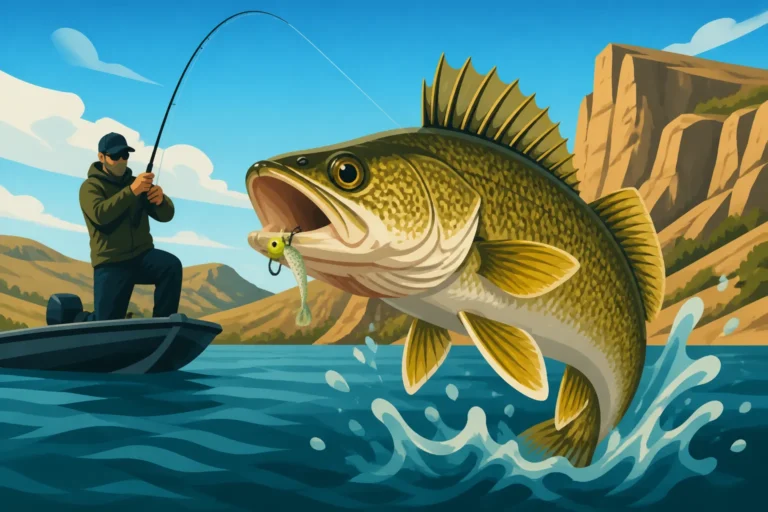
Spin anglers have a versatile toolkit for deep pools. Jigging is incredibly effective. A heavy jig, whether it's a leadhead with a soft plastic grub, a bucktail, or a spoon, can be cast and allowed to sink to the bottom. Once there, lift and drop your rod tip, imparting a darting, injured motion to the jig. This works exceptionally well for walleye in reservoirs like Boysen, but also for trout looking for an easy meal. Experiment with different colors and sizes to see what the fish are keying in on.
Using natural bait, like worms or PowerBait, can also be highly productive. Rig your bait on a Carolina rig with a sliding egg sinker, allowing the bait to float off the bottom or drift naturally with the current. This presents a natural food source in a highly attractive way. Soft plastics, especially those imitating minnows or worms, can be fished in a similar manner, often rigged weightless on a jig head or a drop-shot rig to keep them suspended just above the bottom. The key with bait and soft plastics is to give the fish time to find and eat the offering, so use a sensitive rod and watch your line for any subtle movement that indicates a bite. Choosing Best Lures for Wyoming Rainbow Trout often involves finding what works for deep presentations.
Strategies for Reading Water and Approaching Deep Pools
Finding those hidden honey holes and approaching them without spooking the resident monsters requires keen observation and a stealthy approach. Big trout are smart; they've survived many anglers and know a clumsy approach when they see one. Learning How to Read Water When Trout Fishing is foundational to success.
Identifying Productive Deep Water Features
Deep pools aren't created equal. The most productive ones usually have certain features that make them irresistible to big trout. Look for areas where the main current slows down dramatically, depositing food and creating slack water. The entry and exit points of a deep pool can be particularly productive, as trout will often stage there to ambush food drifting in or out. Undercut banks, fallen trees, and large boulders within or along the edges of the pool provide critical cover and current breaks. These are often the exact spots where a trophy trout will choose to hold.
In lakes, deep pools might be less obvious but are often found near points, submerged rock piles, or old river channels that were flooded. Use a fish finder if you have one, or look for areas where the shoreline topography suggests a sharp drop-off. Sometimes, even a subtle seam where a fast current meets a slower eddy can create a deep pocket perfect for a holding fish. Keep an eye out for changes in water color or surface ripples that might indicate deeper water or submerged structure.
Stealth and Presentation Angles
Once you've identified a promising deep pool, the next challenge is your approach. Big trout are incredibly wary. Any sudden movements, loud noises, or even your shadow falling across the water can send them scurrying for deeper cover. Approach slowly and deliberately, staying low and out of sight as much as possible. This is particularly important on clear Wyoming streams where visibility is high.
Consider your casting angle. Often, casting directly downstream into a deep pool might spook fish. Instead, try casting upstream or across the current, allowing your offering to drift naturally into the pool, mimicking a free-floating food item. This gives the fish more time to see and react to your lure or fly without immediately sensing your presence. If you're wading, minimize disturbance and avoid kicking up silt, which can alarm fish. For those fishing from a boat, approach slowly and use a quiet trolling motor or anchor well upstream or across the pool to minimize your footprint. Remember, patience is a virtue, and a stealthy approach can be the difference between a successful hook-up and an empty net. Thinking about How Water Temperature Changes Wyoming Trout Behavior can also inform your approach; fish might be less spooky in colder, deeper water during summer heat.
Landing and Releasing Big Trout from Deep Water
Connecting with a big trout in a deep pool is exhilarating, but the fight isn't over when it takes your offering. Successfully landing and, ideally, releasing these fish requires proper technique and care, ensuring they survive to fight another day.
Fighting the Fish Effectively
When a big trout strikes in deep water, your first instinct might be to horse it in. Resist this urge. Big fish have immense power and leverage in deeper water, and you risk breaking your line, snapping your rod, or pulling the hook. Instead, set the hook firmly and then let your rod do the work. Keep a steady bend in your rod, using its flexibility to absorb the fish's powerful runs and head shakes. This also puts constant pressure on the fish, tiring it out.
Adjust your drag properly before you even cast. It should be tight enough to set the hook but loose enough to allow the fish to take line when it makes a strong run. Pumping the rod—lifting the tip to gain line, then dropping it to reel in slack—is a classic and effective way to gain line on a powerful fish. Try to keep the fish's head up and out of the strongest current if possible, guiding it towards shallower, calmer water where it's easier to land. For more tips, check out How to Set the Hook on a Trout Without Losing It.
Best Practices for Catch and Release
For many anglers in Wyoming, especially when targeting trophy fish in deep pools, catch and release is the preferred method. This helps sustain healthy fish populations and ensures future generations can experience the thrill of catching a big trout. Once you've brought the fish close, minimize its time out of the water. Handle the fish gently with wet hands or a wet, rubberized net. Avoid touching its gills or putting your fingers in its eyes.
If you plan to take a photo, prepare your camera beforehand and keep the fish partially submerged until you're ready. A quick photo, then immediately return the fish to the water. Revive the fish by holding it upright in the current, facing upstream, allowing water to flow over its gills. Gently rock it back and forth if necessary, but avoid forcing water over its gills in a pumping motion. Wait until it can swim strongly away under its own power. Always be aware of Catch-and-Release Rules on Wyoming Waters which can vary by location. While it's tempting to keep a trophy, knowing How Many Trout Over 16 Inches You Can Keep in Wyoming is important for legal compliance and ethical fishing.
Disclaimer
This article is for general informational purposes only and does not constitute professional advice. Laws, prices and regulations vary by location and change over time. Consult a qualified professional for guidance on your specific situation.