How Thick Ice Needs to Be to Fish Safely
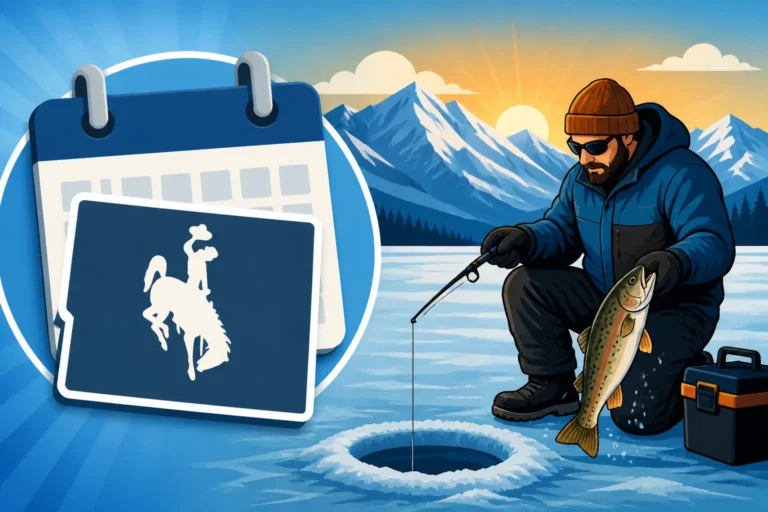
There's nothing quite like the excitement of hitting the hard water in Wyoming, but that thrill can quickly turn to terror if you're not absolutely sure about the ice beneath your feet. We all get that itch to drop a line through a freshly drilled hole, but the cold, hard truth is that ice conditions can be incredibly deceiving. This guide will walk you through exactly how thick the ice needs to be for safe fishing in Wyoming, along with all the critical safety measures you need to take before and during your ice fishing adventures.
Understanding the Basics of Safe Ice Thickness
When it comes to ice fishing, the most fundamental question on every angler's mind is, "Is it safe?" This isn't just about avoiding a chilly dunk; it's about preventing serious injury, hypothermia, or even worse. No two bodies of water freeze exactly the same, and what might be safe one day could be treacherous the next. Mother Nature doesn't read our rulebooks, so it's up to us to be diligent and educated.
Why Ice Safety is Non-Negotiable
The dangers associated with falling through thin ice are incredibly serious, and it's something every ice angler needs to take to heart. Hypothermia can set in surprisingly quickly, even if you manage to pull yourself out of the water. The shock of the cold water can disorient you, making it difficult to react effectively. Add to that the heavy clothing and gear we wear, and self-rescue becomes an immense challenge. In Wyoming, with our vast, often remote fishing spots, help might not be just a few minutes away. This isn't to scare you away from the ice, but to instill a healthy respect for its power and unpredictability. It's truly a matter of life and death, and that's why we emphasize the importance of understanding and following every safety guideline.
The Golden Rules of Ice Thickness
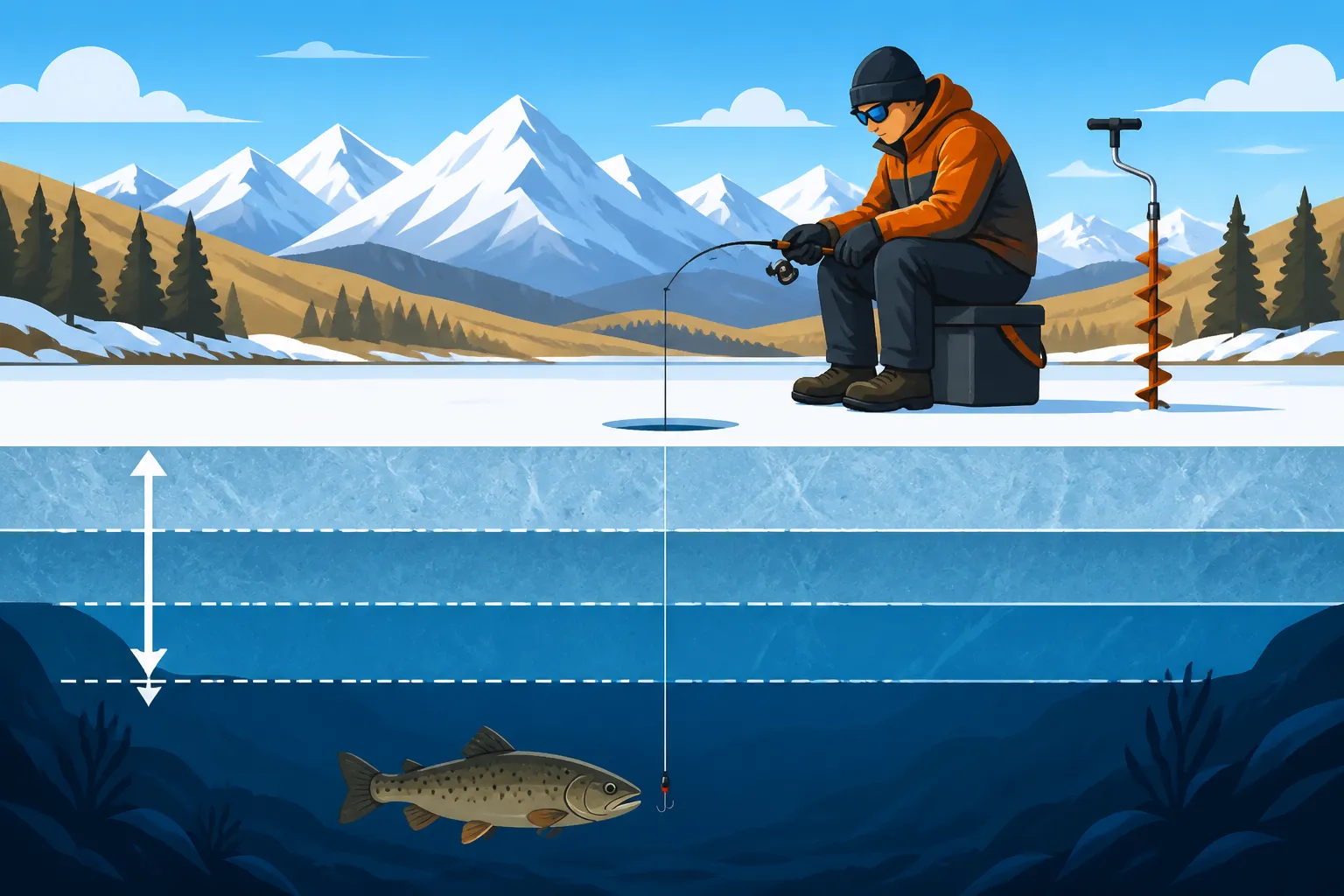
While there's no such thing as "100% safe ice," there are established guidelines for minimum ice thickness that significantly reduce risk. These are based on extensive research and real-world experience, and they're the benchmarks we rely on. However, always remember these are minimums for clear, solid, newly formed ice. Ice strength can vary wildly even within a few feet. It’s always best to add a few extra inches to these minimums as a buffer, especially if the ice looks questionable or you're fishing in an unfamiliar area. Trust your gut, and if in doubt, stay off the ice or check more thoroughly.
Here’s a general guideline for minimum safe ice thickness:
| Activity / Weight Load | Minimum Clear, New Ice Thickness | Important Notes |
|---|---|---|
| Ice Fishing (on foot) | 4 inches | Single person, walking, light gear. Never fish alone. |
| Snowmobile / ATV | 5-7 inches | Single snowmobile or ATV. Check conditions constantly. Avoid areas of known open water or currents. |
| Small Group (walking) | 7.5 – 10 inches | Multiple people, spread out. Distribute weight. |
| Car / Small Pickup Truck | 12-15 inches | Extremely risky. Never recommended unless you are absolutely certain of local conditions, have direct G&F approval, and know historical reliability. Always have a recovery plan. |
| Medium Truck / Heavy Loads | 18-20+ inches | Never recommended for recreational fishing. Reserved for heavy equipment like ice shacks or official vehicles, and only with extreme caution and professional assessment. |
Remember, these are starting points. Always consider other factors that could weaken the ice, even if it measures thick enough on the surface.
Factors That Influence Ice Strength
Ice isn't just ice. Its strength is a complex dance between temperature, weather, and the water body itself. Clear, "black" ice is the strongest, formed when temperatures drop steadily without much snow or wind. This type of ice often has a dark appearance because you can see through it to the water below. Then there's milky or "white" ice, which forms from frozen slush or snow and is only about half as strong as clear ice, if that. Slushy ice, often found under a blanket of snow, is the weakest and should be avoided entirely.
Snow cover acts like an insulating blanket, slowing down the freezing process and often leading to thinner, weaker ice underneath. It can also hide dangerous cracks, holes, and pressure ridges. Currents, especially near river inlets, outlets, or constrictions, can eat away at ice from below. Submerged springs, common in many Wyoming lakes and reservoirs, can also create localized thin spots that are impossible to see from the surface. Even seemingly minor changes in air temperature, especially during a chinook wind or warm spell, can significantly degrade ice strength in a short amount of time. Always be wary of areas with varying ice conditions, and err on the side of caution.
How to Assess and Measure Ice Thickness
Knowing the recommended thicknesses is one thing, but actually assessing the ice when you're out there is another. It's a continuous process, not a one-time check. You can't just look at a lake and assume it's good to go, especially in a state like Wyoming where weather patterns can change on a dime and ice formation can be highly localized.
Essential Tools for Ice Measurement
You absolutely cannot venture onto the ice without the right tools to check its thickness. Your first line of defense is a spud bar or an ice chisel. This is a long, heavy bar with a chiseled end that you use to repeatedly strike the ice in front of you as you walk. If the bar goes through the ice in one or two strikes, you know it's too thin. It's an essential tool for those first few steps onto new ice or when moving into an unknown area. Think of it as your walking stick with a purpose.
Once you're further out or setting up shop, an ice auger is indispensable. This is how you'll make your fishing holes and, more importantly, your ice measurement holes. Whether you opt for a hand auger (great for lighter use and thinner ice) or a power auger (a lifesaver for thick ice and multiple holes), ensure it's sharp and well-maintained. After drilling a hole, use a tape measure, a specialized ice ruler, or even a section of your fishing rod to measure the thickness from the top of the ice to the bottom. Don't just guess! Many experienced anglers might carry a compact, foldable tape measure just for this purpose. You can find excellent options for both augers and safety gear on platforms like Amazon, ensuring you have reliable tools for your adventure. Remember, you'll need this equipment, along with other items, on your Ice Fishing Gear Checklist for Wyoming Lakes.
The "Measure as You Go" Philosophy
This is perhaps the single most important rule of ice safety. You must constantly check the ice thickness as you move across a body of water. Never assume that because the ice was 6 inches thick near shore, it will be the same 50 yards out, or even 10 feet to your left. Drill a hole, measure the ice, take a few steps, drill another, measure again. This repetitive action might seem tedious, but it could save your life. Pay close attention to changes in ice color or texture, or any sounds you hear.
If you drill a hole and find the ice is thinner than you're comfortable with, or below the minimum safe thickness for your activity, stop immediately. Retreat the way you came, marking the thin spot if possible for others. It’s better to be safe than sorry, even if it means moving to another spot or calling it a day. Remember that different water bodies will have different characteristics; for example, How to Find Fishable Ice on a Wyoming Reservoir might involve different considerations than a small pond.
Recognizing Unsafe Ice Signs
Beyond physical measurement, learning to "read" the ice is a crucial skill for any Wyoming ice angler. Here are some critical warning signs:
- Dark Spots: These can indicate thinner ice, open water, or areas where ice is melting from below. The darker the ice, the less air it contains, and while black ice is strong, dark areas contrasting with lighter ice often signal trouble.
- Slush or Water on Top: This is a huge red flag. It often means the ice isn't freezing from the top, or is actively melting due to warmer temperatures or an underlying water source. Snow-covered slush is particularly dangerous as it hides the weakness below.
- Cracks and Pressure Ridges: While some cracks are normal as ice expands and contracts, large, spiderwebbing cracks or prominent pressure ridges can indicate significant instability. Pressure ridges are formed when two sheets of ice push against each other, creating a raised seam that can be very weak or hide open water. Always approach these areas with extreme caution.
- Sounds: A healthy, thick sheet of ice will often "boom" or "groan" with changes in temperature – this is a good sign. A sharp, cracking sound, especially if it's getting louder or more frequent, means the ice is stressing and could be a precursor to a break. If you hear persistent cracking, consider retreating.
- Inflows/Outflows: Any area where a river or stream flows into or out of a lake or reservoir will have currents that prevent stable ice formation. Avoid these areas entirely, no matter how thick the surrounding ice appears.
Being able to interpret these signs in conjunction with your measurements provides the most comprehensive safety assessment. It's a skill that develops with experience, but knowing what to look for is the first step.
Beyond Thickness: Comprehensive Ice Safety Practices
Measuring ice thickness is foundational, but it’s just one piece of the safety puzzle. A truly responsible ice angler considers a whole host of other factors and prepares for the worst, hoping for the best. Wyoming's winter environment can be harsh and unforgiving, so thorough preparation isn't just a recommendation; it's a necessity.
Gear Up for Safety
Your personal safety equipment is just as vital as your auger. Never step onto the ice without these essentials:
- Ice Picks: These are two sharp, spiked handles connected by a cord, worn around your neck. If you fall through, you can use them to gain purchase on the ice and pull yourself out. They are simple, inexpensive, and incredibly effective. You can find them on Amazon or at any sporting goods store.
- Flotation Suit: While pricey, a specialized ice fishing suit with built-in flotation material can be a literal lifesaver. It provides warmth and buoyancy, giving you critical time to react if you go in. If a full suit isn't feasible, consider a personal flotation device (PFD) worn under your outer layers. Your Ice Fishing Gear Checklist for Wyoming Lakes should absolutely include one of these.
- Throw Rope: A bag containing a floating rope that can be thrown to someone who has fallen through. Keep it easily accessible in your sled or on your person.
- Buddy System: Never, ever ice fish alone. Always go with a friend or a group. If one person falls in, another is there to assist with rescue and call for help.
- Communication Device: A fully charged cell phone in a waterproof bag or case. Understand that service can be spotty in remote parts of Wyoming, so don't rely on it exclusively. Consider a satellite messenger for truly isolated spots.
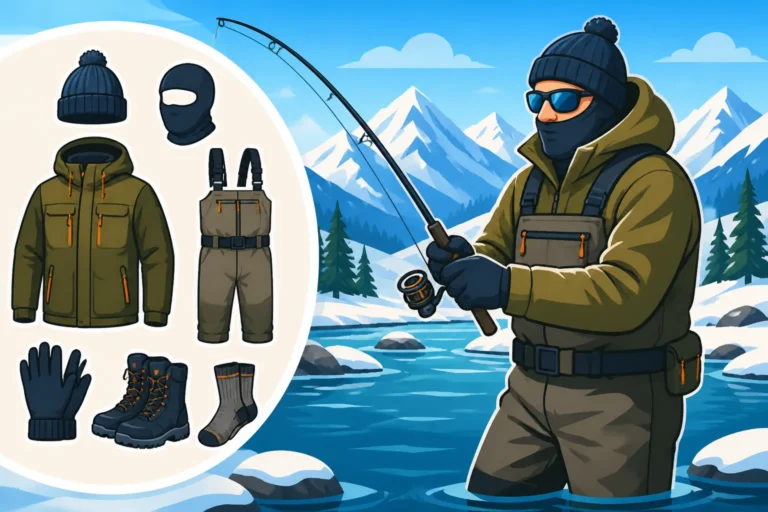
- Layered Clothing: Dress warmly in layers, but avoid cotton, which loses its insulating properties when wet. Opt for wool or synthetics. Having extra dry clothes in a waterproof bag is a smart move. Check out our guide on What to Wear Ice Fishing in Wyoming for more detailed advice.
- Auger Safety: Be mindful of your auger blades. They are incredibly sharp and can cause serious injury if mishandled, especially power augers. Always use a blade cover when transporting.
Navigating Wyoming's Diverse Ice Conditions
Wyoming presents unique challenges for ice anglers. Our deep snowfalls can obscure hazards and make travel difficult, while high winds can create dangerous whiteout conditions or drift snow onto the ice, insulating it and preventing solid formation. Remote locations mean that if something goes wrong, you might be hours away from help.
Consider the type of water you're fishing. Large, deep reservoirs like Boysen Reservoir or Flaming Gorge Reservoir might take longer to freeze solidly, and often have pressure ridges or areas with current. Smaller, shallower ponds near Casper or Laramie might freeze faster but can also thaw more quickly. Rivers, even seemingly calm sections, are always dangerous due to currents eroding ice from below; typically, river ice is not safe for walking. Even if you're targeting a well-known spot, familiarize yourself with specific regulations and warnings from the Wyoming Game and Fish Department (WGFD), especially regarding emergency closures. Knowing When Ice Fishing Season Starts in Wyoming and When Ice Fishing Season Ends in Wyoming for specific areas can also help in planning.
For those considering bringing vehicles onto the ice, extreme caution is paramount. Rules for Fishing From Boats vs Banks: Different Rules are a little different for ice, but the principle of safety remains. Never drive a vehicle onto ice unless you are absolutely certain of its strength, it's explicitly allowed, and you have a robust safety plan.
Planning Your Ice Fishing Trip Responsibly
A safe ice fishing trip begins long before you ever step foot on the frozen surface. Always check the forecast for current and upcoming temperatures. A sudden warming trend can rapidly degrade ice. Reach out to local bait shops, guides, or the Wyoming Game and Fish Department for current ice conditions. They often have the most up-to-date, localized information. You can often find generalized ice reports and specific warnings on the WGFD website. Understanding How Wyoming Game and Fish Announces Emergency Closures can be vital for your safety.
Always tell someone exactly where you're going, who you're with, and when you expect to return. Give them a specific time to call for help if they haven't heard from you. This "float plan" is a simple but incredibly effective safety net. Have an emergency plan in place: what will you do if someone falls in? Do you know basic self-rescue techniques? Are you familiar with local emergency services contact information? Even on Wyoming's Best Ice Fishing Lakes in Wyoming, conditions are dynamic and demand respect. A little planning goes a long way in ensuring your ice fishing adventure is memorable for all the right reasons.
Disclaimer
The information provided in this guide is for general informational purposes only and does not constitute professional advice. Ice conditions are highly variable and can change rapidly. Always exercise extreme caution, use appropriate safety gear, and consult with local authorities like the Wyoming Game and Fish Department for the most current and specific ice conditions before venturing onto any frozen body of water. Fishing on ice carries inherent risks, and it is the sole responsibility of each individual to assess and manage those risks.