Why Jackson Lake Now Stays Open Through October
Remember when Jackson Lake used to close to fishing in October, leaving many anglers feeling like they missed out on prime fall action? It was a real head-scratcher for those who love late-season opportunities. This guide dives deep into the fascinating reasons behind the recent regulatory changes that now allow fishing through October, ensuring you're fully informed and ready to extend your season on this iconic Wyoming water.
The Old Rules and Why They Existed
For decades, many anglers in Wyoming grew accustomed to a specific calendar for fishing Jackson Lake. The change to an extended season wasn't a whim; it came after years of observation and strategic planning. Understanding the historical context helps us appreciate the significance of this shift.
The Traditional October Closure
Historically, Jackson Lake, a crown jewel of Grand Teton National Park and an incredible fishery, often had a blanket closure for fishing around the end of September. This meant that as the aspens turned gold and the air grew crisp, anglers had to pack away their rods and reels for this particular body of water. It was a firm date, one that many a seasoned angler remembered well, marking the end of the open water season on one of the state's most popular lakes. This closure was often perceived as a conservation measure, designed to protect various fish species during critical periods or simply to align with broader park management guidelines for the transition into winter. For years, if you wanted to enjoy some crisp fall fishing, you had to look elsewhere, perhaps to other waters within Grand Teton National Park or further afield.
Historical Reasoning Behind the Closure
The primary historical reason for the October closure at Jackson Lake was often tied to the management of its native fish populations, particularly the Snake River Fine-Spotted Cutthroat Trout. These majestic fish are a treasured resource, and managing their populations is always a top priority for wildlife agencies. Closures, in general, are implemented to protect fish during vulnerable times, such as spawning seasons, or to reduce pressure on fish populations as they transition into colder water periods. For many years, it was believed that providing a period of minimal disturbance in the fall was beneficial for the overall health and reproductive success of these native trout. Additionally, logistical considerations within the national park system, such as reduced staffing and access challenges as winter approached, may have also played a role in maintaining a consistent October closure. The understanding of fish ecology and population dynamics has evolved significantly over time, leading to new insights and, eventually, new regulations.
The Driving Force Behind the Change: Lake Trout Management
The most significant factor in the decision to extend Jackson Lake's fishing season into October wasn't about protecting native fish from anglers, but rather protecting them from an invasive species. This shift in focus is a critical aspect of modern fishery management in Wyoming and beyond.
Understanding the Lake Trout Predation Issue
The primary catalyst for extending the fishing season on Jackson Lake is the ongoing challenge posed by the presence of invasive Lake Trout, often called Mackinaw, in the ecosystem. Lake Trout are not native to Jackson Lake and were introduced decades ago. While they can grow to impressive sizes and offer a thrilling fishing experience – indeed, the lake is known for some absolute monsters, including the Wyoming State Record Lake Trout – their presence has had a detrimental impact on the native Snake River Fine-Spotted Cutthroat Trout populations. Lake Trout are highly predatory and outcompete and consume the native cutthroat, which are a cornerstone of Wyoming's natural heritage and a vital part of the food web. The Wyoming Game and Fish Department, in cooperation with Grand Teton National Park, has been actively engaged in efforts to manage and reduce the Lake Trout population to give the native cutthroat a fighting chance. This isn't just a local issue; it mirrors similar challenges faced in Yellowstone Lake, where Lake Trout are also considered a problem.
The Role of Anglers in Ecosystem Management
Recognizing the scale of the Lake Trout problem, the Wyoming Game and Fish Department (WGFD) and Grand Teton National Park realized they needed all hands on deck – and that includes anglers. Extending the fishing season through October was a strategic move to enlist recreational anglers in the ongoing effort to suppress Lake Trout populations. More time on the water means more opportunities for anglers to catch and remove Lake Trout, which directly contributes to the conservation goals for native cutthroat. This approach transforms recreational fishing into an active conservation tool, empowering anglers to make a tangible difference in the health of the lake's ecosystem. Anglers can target Lake Trout knowing that every fish removed helps protect the native species. This cooperative conservation model is becoming increasingly common in areas battling invasive species, turning what could be a purely bureaucratic task into a community-supported initiative. For those interested in this kind of direct conservation, exploring Wyoming's Lake Trout removal efforts provides further insight into these programs.
The New Regulations: What Changed and When
The decision to extend the fishing season on Jackson Lake through October wasn't made lightly. It involved careful scientific analysis, public input, and coordination between state and federal agencies.
Specifics of the Extended Season
As of 2023, the fishing season on Jackson Lake now extends through October 31st, a significant change from the previous September 30th closure. This means an entire extra month for anglers to enjoy the waters of Jackson Lake, particularly during a time when some of the biggest Lake Trout are more actively feeding and accessible. This extension applies generally, but anglers should always consult the most current Wyoming Fishing Regulations for any specific or updated rules, as regulations can change. The primary goal of this extension is to provide additional harvest opportunities for Lake Trout. While other species, such as Brown Trout and Cutthroat Trout, are also present, the emphasis for the extended season is squarely on Lake Trout removal to reduce their predatory pressure on the native cutthroat. This means anglers are encouraged to keep all legally caught Lake Trout, within specified limits, to contribute to the management goals. For those targeting other species, daily and possession limits still apply, and catch-and-release practices are encouraged, especially for native cutthroat.
How the Wyoming Game and Fish Department Made the Decision
The decision to extend the season was a collaborative process, primarily driven by scientific data collected by the Wyoming Game and Fish Department and Grand Teton National Park. Researchers closely monitor fish populations, including the abundance of Lake Trout and the health of native cutthroat. When the data indicated that Lake Trout numbers were still robust and posed a significant threat to the cutthroat, while the previous October closure didn't seem to offer substantial protection to the cutthroat from anglers, the discussion began. The process typically involves:
- Biological Assessment: Scientists gather data on fish populations, spawning habits, and ecological interactions.
- Stakeholder Engagement: The WGFD holds public meetings and solicits feedback from anglers, conservation groups, and local communities. This is where passionate fishermen can voice their opinions and provide valuable on-the-ground observations.
- Interagency Coordination: Since Jackson Lake falls within a National Park, close cooperation with Grand Teton National Park officials is paramount to ensure consistency with park mandates and broader ecosystem management.
- Regulatory Proposal: Based on all input, a formal proposal is drafted outlining the suggested changes.
- Public Comment Period: The proposal is then opened for public comment, allowing anyone to submit formal feedback.
- Final Decision: The WGFD Commission, after reviewing all feedback and scientific data, makes the final determination.
This rigorous process ensures that changes like the extended Jackson Lake season are well-informed, ecologically sound, and reflect the needs and desires of the angling community while prioritizing conservation.
Benefits and Challenges of the Extended Season
The extended fishing season on Jackson Lake brings with it a host of advantages, particularly for anglers and local economies, but it's not without its considerations and ongoing management needs.
Angler Opportunities and Economic Impact
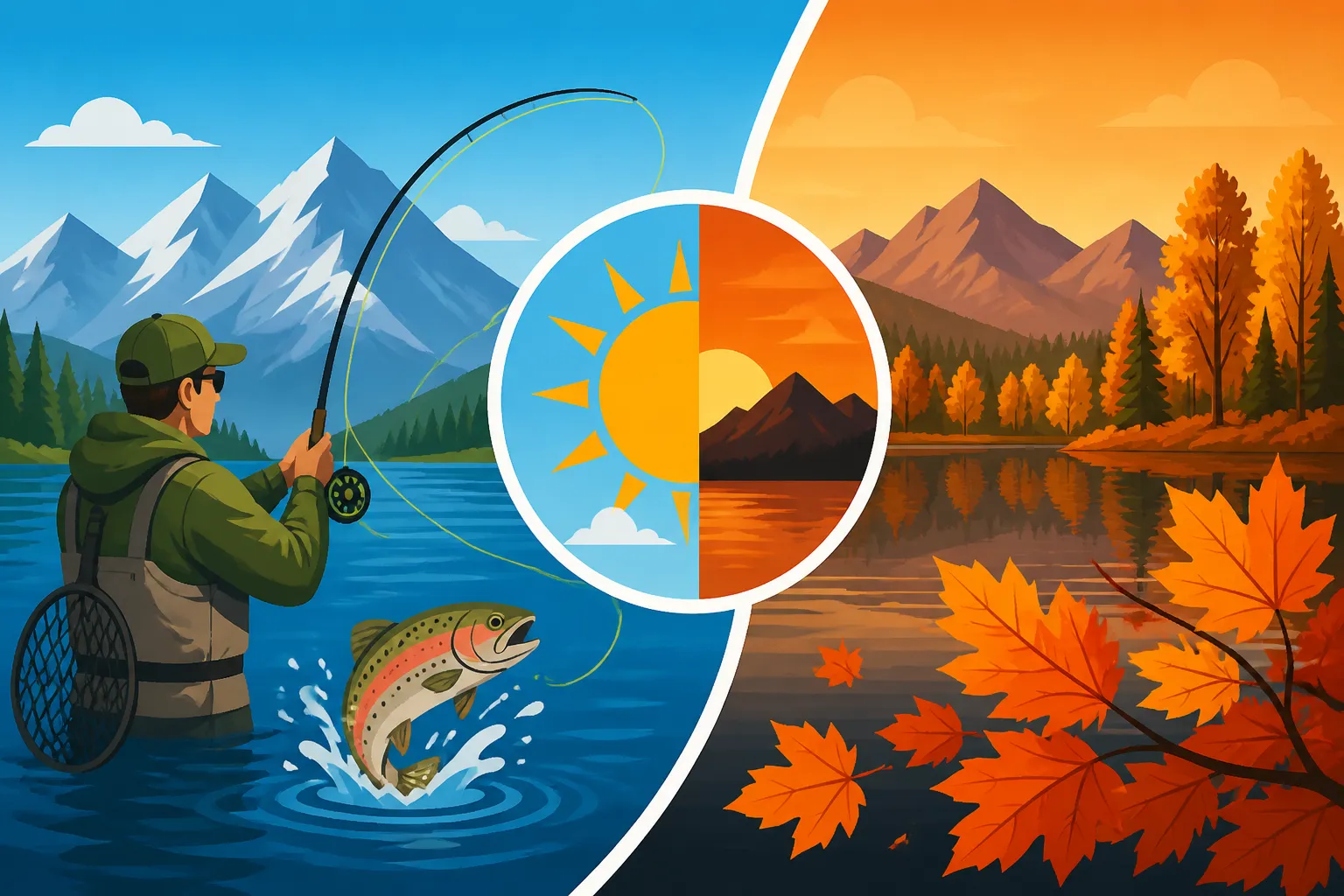
For many anglers, the biggest benefit is simply more time to fish one of Wyoming's most stunning lakes. October in Grand Teton National Park is an absolutely breathtaking time of year, with fewer crowds than peak summer, stunning fall foliage, and often excellent fishing conditions as fish feed heavily before winter. This extended season provides prime opportunities for those seeking Lake Trout, which can be very active in colder waters. The prospect of catching a trophy Mackinaw against a backdrop of snow-dusted peaks is a dream for many.
Beyond the individual angler experience, the extended season also provides a welcome boost to the local economy. Lodging, guide services, bait and tackle shops, restaurants, and other businesses in areas like Jackson, Wyoming, can see increased activity well into the fall. More fishing days mean more opportunities for anglers to purchase gear, book guided trips, and spend money in the community. Businesses that rely on the influx of tourists during the summer now have an additional month of potential revenue, which can be critical for their long-term sustainability. This economic benefit aligns perfectly with the goals of tourism boards and local chambers of commerce, reinforcing fishing as a significant driver of regional prosperity.
Potential Concerns and Ongoing Monitoring
While the benefits are clear, the extended season isn't without its potential challenges or considerations that require ongoing monitoring. One primary concern could be increased pressure on other, non-target species if anglers are not diligent in their identification and catch-and-release practices. For example, ensuring that native cutthroat are handled gently and released quickly is crucial. The WGFD and park officials will need to continue educating anglers on proper handling techniques and species identification.
Another aspect requiring attention is resource management within the park itself. While October sees fewer visitors than July or August, extending the season still means more human presence and potential impacts on facilities, access points, and the natural environment. Ensuring that infrastructure can handle the extended use and that anglers adhere to Leave No Trace principles is vital.
Furthermore, the effectiveness of the extended season as a Lake Trout management tool will need continuous evaluation. Are anglers successfully harvesting enough Lake Trout to make a significant difference to the cutthroat population? The WGFD will continue to monitor Lake Trout numbers, cutthroat recovery, and angler harvest rates to assess the program's success and make any necessary adjustments in future regulation cycles. This adaptive management approach is key to ensuring that the new regulations achieve their intended conservation outcomes without creating unintended negative consequences.
Maximizing Your Fall Fishing Experience on Jackson Lake
With the extended season, October on Jackson Lake offers a unique and often incredible fishing experience. To make the most of it, it's essential to understand what to target, how to fish, and what regulations to keep in mind.
Key Species to Target in October
While Jackson Lake is home to a variety of fish, October really shines for specific species, especially Lake Trout.
- Lake Trout (Mackinaw): This is the prime target for the extended season, and for good reason. As water temperatures drop, Lake Trout become more active, often moving into shallower waters to feed aggressively before the onset of winter. They're trying to pack on calories, making them more willing to strike. You'll find them lurking around structure, drop-offs, and even patrolling deeper flats. Their size and fighting ability make them a thrilling catch. Many anglers use heavy trolling gear or jigging setups to target them.
- Brown Trout: While not as numerous as Lake Trout, Brown Trout can also offer fantastic action in October, especially in areas closer to river inlets. Browns are known for their spectacular fall spawning runs, where they move into shallower areas of the lake or up into tributary streams. This is when they are often at their most colorful and aggressive. Keep an eye out for them in areas like the Snake River's inlets to the lake. For more on this, checking out fall fishing for migrating browns can give you an edge.
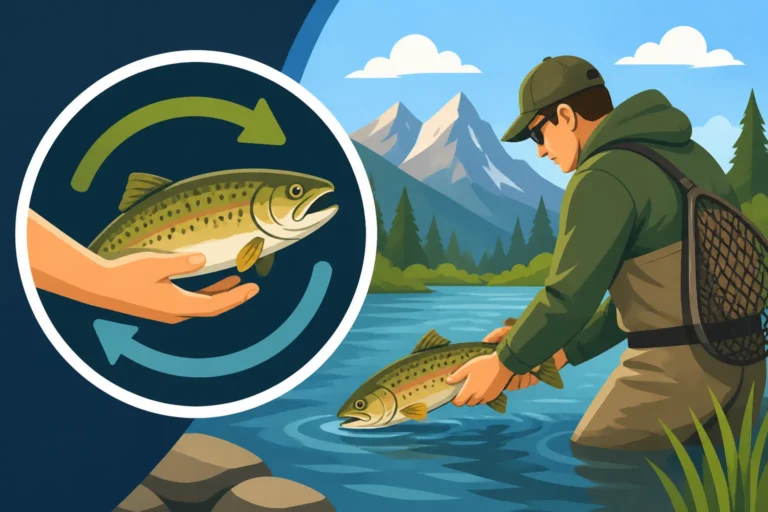
- Cutthroat Trout: The native Snake River Fine-Spotted Cutthroat Trout are present, but generally, anglers are encouraged to practice catch-and-release for this species, particularly to support recovery efforts. If you do target them, they'll likely be found in shallower bays and near structure, often feeding on smaller baitfish or insects. Always handle them with care, minimizing their time out of water.
Essential Gear and Techniques for Late Season
Late-season fishing on Jackson Lake demands specific gear and techniques to be successful, especially when targeting those deep-dwelling Lake Trout.
- For Lake Trout:
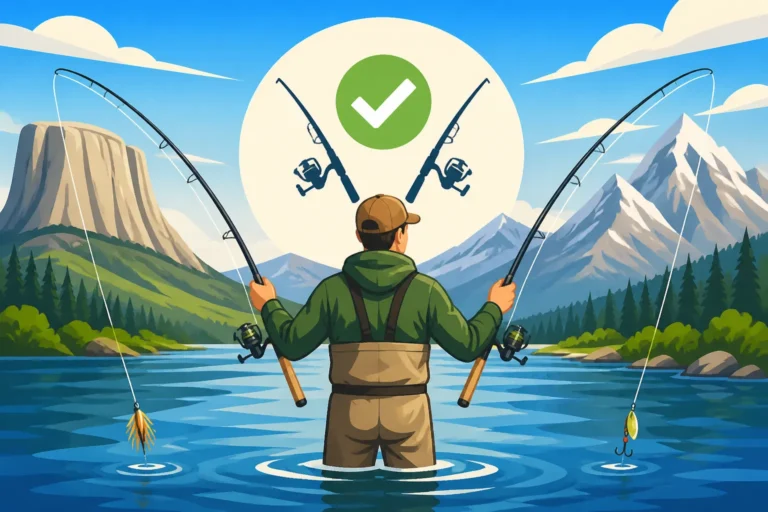
- Trolling: This is arguably the most popular and effective method for covering water and finding Lake Trout. You'll want sturdy rods and reels spooled with at least 20-30 lb test line, often braided line for sensitivity. Downriggers are almost essential for getting your lures down to the preferred depths (which can be 50-100+ feet, though shallower in October). Large spoons, stick baits, and especially tube jigs or bucktail jigs trolled behind a dodger or flasher are popular choices. Don't forget to check out trolling techniques for Wyoming reservoirs for more in-depth advice.
- Jigging: Vertical jigging with heavy jigs (1-4 oz) is also effective, particularly when you've located a school of fish or are targeting structure. Fishfinder electronics are a huge advantage here. You can find a good selection of specialized heavy jigs and trolling gear on sites like Amazon, making it easy to stock up before your trip.
- For Brown and Cutthroat Trout:
- Spin Fishing: Lighter action rods with 6-10 lb test line are suitable. Spoons, spinners, and small crankbaits are effective, especially near river mouths or shallow points.
- Fly Fishing: For those who prefer the long rod, streamers that imitate baitfish (like Woolly Buggers or articulated patterns) can be very effective for migrating browns and cutthroat. Nymphing can also work in calmer areas.
- Layered Clothing: October weather in the Tetons can be highly unpredictable. Expect cold mornings, potential snow, rain, and strong winds. Layered, waterproof, and insulated clothing is non-negotiable.
- Navigation and Safety: Always have reliable navigation (GPS, marine charts) and safety gear, including a PFD, first-aid kit, and emergency communication. The lake is large and can get rough quickly.
Important Regulations to Remember for the Extended Season
Even with the extended season, strict adherence to regulations is crucial for responsible angling and conservation.
- Wyoming Fishing License: You absolutely need a valid Wyoming fishing license, along with a valid Conservation Stamp, if required for your license type. Make sure you understand the difference between resident vs nonresident license rules.
- Specific Limits: While the season is open for an extra month, the specific daily and possession limits for each species still apply. Pay close attention to these limits, especially for Lake Trout, where management encourages harvest. Always check the most current regulations booklet from the WGFD or their website before you head out. This is critical for knowing rules like the new Snake River trout limits near Jackson Lake Dam, which can affect adjacent waters or species.
- Park Regulations: Remember you are fishing within Grand Teton National Park. This means specific park rules regarding boating, access, and wilderness etiquette might apply above and beyond state fishing regulations. Always respect wildlife and follow Leave No Trace principles.
- Reporting Violations: If you witness any suspicious activity or potential violations, report them immediately to the Wyoming Game and Fish Department or Grand Teton National Park Rangers. This vigilance helps protect the resource for everyone.
Staying informed and prepared will ensure your fall fishing adventure on Jackson Lake is not only successful but also contributes positively to the ongoing conservation efforts in this incredible landscape.
Disclaimer
The information provided in this guide is for general informational purposes only and is subject to change. Fishing regulations in Wyoming, including those for Jackson Lake, are established by the Wyoming Game and Fish Department and may be updated periodically. It is the angler's responsibility to consult the most current official Wyoming Fishing Regulations booklet or the Wyoming Game and Fish Department website before fishing to ensure compliance with all applicable rules and laws. Fishing within Grand Teton National Park may also be subject to additional park-specific regulations.