The Miracle Mile Stretch of Wyoming’s North Platte River
Many anglers dream of catching trophy trout but find the sheer reputation of legendary spots intimidating. Wyoming's North Platte River, particularly the iconic Miracle Mile, is often whispered about with a mix of awe and mystery. This comprehensive guide will peel back the layers of this famed fishery, offering practical advice and deep insights to help you navigate its waters and unlock its angling potential, making your dream a reality.
What Makes the Miracle Mile So Special?
The Miracle Mile isn't just a name; it's a legendary stretch of river that has captivated anglers for decades. It's a place where the stark beauty of Wyoming's high desert meets an aquatic ecosystem teeming with robust trout, creating an experience unlike any other. You'll find yourself wondering how such a remote, rugged location can hold such incredible fishing, and that's precisely part of its allure.
The Legend and the Landscape
Let's clear up a common misconception right away: the "Miracle Mile" isn't actually a single mile long. This magnificent tailwater fishery spans approximately eight to ten miles of the North Platte River, nestled between the Pathfinder and Alcova Reservoirs in central Wyoming. The name itself hints at the extraordinary fishing conditions found here – a place where large, wild trout are abundant, and the sheer number of fish can feel, well, miraculous.
The landscape is a dramatic tapestry of towering canyon walls, sagebrush flats, and the winding ribbon of the river below. It’s a truly wild and remote area, offering solitude and a deep connection with nature that many seek but rarely find. You won't find bustling towns or even consistent cell service along much of the Mile, which means an escape from modern distractions and a chance to truly focus on the fishing. This rugged beauty is part of what makes the fight with a big, strong trout here even more memorable, as you're battling them in their natural, untamed environment.
Why the Fish Thrive Here
The secret to the Miracle Mile's incredible productivity lies in its unique geology and its status as a tailwater fishery. Pathfinder Dam, which releases water into the Mile, acts like a giant natural filter, providing a consistent flow of cold, oxygen-rich water throughout the year. This stable environment is absolutely crucial for trout, which thrive in cool temperatures and well-aerated water.
Beyond the water quality, the Miracle Mile boasts an incredibly rich and diverse aquatic insect population. We're talking about prolific hatches of midges, mayflies, caddis, and even large stoneflies. These insects provide a year-round buffet for the trout, allowing them to grow large and robust. Imagine fish that feast constantly – that's the life of a Miracle Mile trout! Furthermore, the riverbed itself offers excellent spawning gravels and plenty of varied habitat, including deep pools, swift runs, and undercut banks, which provide both shelter and prime feeding lies. It's a perfectly engineered ecosystem, sustaining an astounding density of large, healthy fish that are eager to challenge any angler.
Navigating the Waters: Access Points and Logistics
Getting to and around the Miracle Mile requires a bit of planning and preparation, but the effort is handsomely rewarded. This isn't a place you casually stumble upon; it's a destination that demands respect and readiness. Its remote nature contributes to its pristine quality, but also means you need to be self-sufficient.
Getting There and Around
Accessing the Miracle Mile typically involves driving from either Casper or Rawlins, two of the closest major towns in Wyoming. From Casper, you'll head west on WY-220, then south onto Fremont Canyon Road, eventually turning west onto Kortes Road. From Rawlins, you'd go east on US-287/WY-220 before making the same turns. Be warned, much of this final stretch, particularly Kortes Road and the various access roads to the river, consists of unpaved, often rough, and sometimes deeply rutted dirt roads. A high-clearance vehicle, preferably with four-wheel drive, is highly recommended, especially if there's been recent rain or snow, which can turn the roads into a muddy, impassable mess.
Beyond the challenges of the road, one of the most significant logistical considerations is the lack of cell service in the area. This isn't a place where you can rely on your smartphone for directions, emergency calls, or even to check fishing reports. You'll need physical maps, satellite communication devices for emergencies, and a good understanding of where you're going before you leave civilization. Packing extra water, food, fuel, and emergency supplies isn't just a good idea; it's absolutely essential. Remember, you're heading into true wilderness, and preparedness is your best friend.
Key Access Points for Anglers
Once you've navigated the sometimes-treacherous roads, you'll find a few key access points that serve as gateways to the Miracle Mile. The most prominent and widely used is Government Bridge Access. This spot provides a boat launch, primitive camping sites, and some decent wade-fishing opportunities. It's often the starting point for many float trips down the Mile. The facilities here are basic, so don't expect flush toilets or potable water; bring everything you need.
Further downstream, you'll find Lusby Access, which is primarily used as a take-out point for float trips that start at Government Bridge. While it has limited wade access, its main purpose is for boat retrieval. Upstream, near the Pathfinder Dam, is Kortes Dam Access. This area can offer some interesting wade fishing opportunities, though river flows heavily dictate its accessibility and safety. Regardless of where you access the river, always be mindful of private land boundaries and respect posted signs. Public access easements are clearly marked, and understanding them is crucial for a smooth trip.
Float vs. Wade Fishing
The Miracle Mile offers fantastic opportunities for both float fishing and wade fishing, each with its own advantages and challenges. Choosing the right method often depends on your skill level, the river conditions, and what kind of experience you're seeking.
Float fishing, typically done in drift boats or rafts, allows you to cover significantly more water than wading. This is particularly advantageous on a river like the Miracle Mile, where prime runs and deep pockets can be spread out over several miles. A guided float trip, often booked through services like FishingBooker, can be an excellent way to experience the Mile for the first time, as experienced guides know the river's intricate currents, hidden fish lies, and the best way to present your flies or lures. They can help you cover vast stretches efficiently, increasing your chances of finding those elusive trophy fish.
Wade fishing, on the other hand, offers a more intimate and methodical approach. It allows you to meticulously pick apart specific runs, riffles, and pools, focusing on precise casts and presentations. While you won't cover as much ground as a floater, wading can be incredibly rewarding for anglers who enjoy scouting water and truly "reading" the river. Safety is paramount when wading; the North Platte can have strong currents and slippery rocks, so sturdy wading boots and a wading staff are essential. Always check current river flows before attempting to wade, as high water can make many areas unsafe. For a general understanding of these approaches, you might find our guide on Wade Trips vs Float Trips in Jackson Hole, Wyoming helpful, as the principles apply across different rivers.
Trout Species and Prime Fishing Seasons
The Miracle Mile is renowned for its diverse population of large, hard-fighting trout. It's a true multi-species fishery, offering anglers the chance to hook into some truly impressive fish. Understanding which species you're likely to encounter and when they're most active can significantly increase your success.
The Big Three: Browns, Rainbows, and Cutthroats
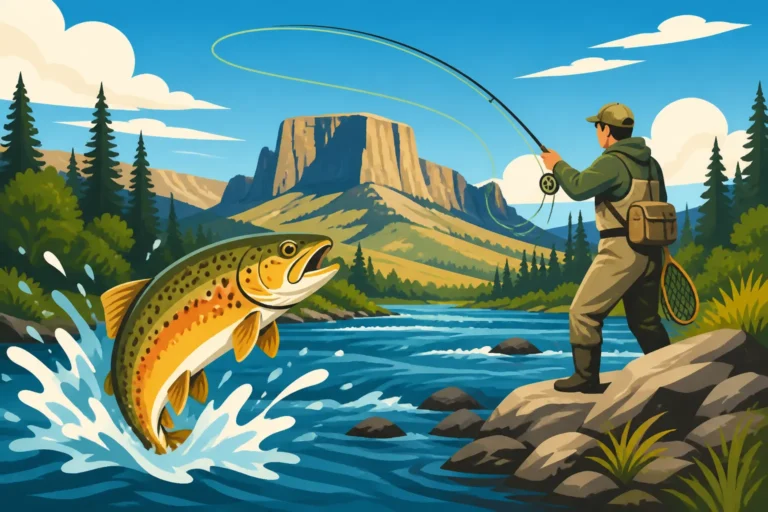
The stars of the show on the Miracle Mile are undoubtedly the Brown Trout, Rainbow Trout, and various subspecies of Cutthroat Trout. The brown trout here are legendary for their size and elusive nature. These magnificent fish can grow to impressive lengths, and many anglers specifically target the Miracle Mile in the fall for the chance to catch a true trophy brown. They are aggressive predators, often holding in deeper, more complex structure, and will put up a formidable fight. If you're passionate about these majestic fish, our comprehensive guide to Brown Trout Fishing in Wyoming delves much deeper into their habits and how to target them.
Rainbow trout are also exceptionally abundant and grow to considerable sizes in the Mile. They are known for their acrobatic jumps and powerful runs, making them an exciting catch for any angler. These fish are often more willing to take a wider variety of flies and lures, and you'll find them throughout the river's varied habitats. For more specific tactics, check out our article on Rainbow Trout Fishing in Wyoming. Lastly, you'll find native cutthroat trout, including the Yellowstone Cutthroat and sometimes the Snake River Fine-Spotted Cutthroat, recognizable by their distinct red or orange slash marks under their jaw. While perhaps not as large as the browns or rainbows in this specific stretch, they are beautiful, wild fish that represent a true piece of Wyoming's natural heritage. Occasionally, you might even encounter "cutbows," a hybrid of rainbow and cutthroat trout, which combine the best fighting qualities of both.
Seasonal Migration Patterns
Fishing on the Miracle Mile is a year-round affair, but understanding the seasonal patterns can dramatically improve your chances of success and help you decide when to plan your trip. Each season offers a unique experience and target opportunities.
Spring (March-May) sees the river come alive after the winter slumber. This is prime time for active rainbow trout as they recover from their spawn, and nymphs are usually the most productive flies. As the weather warms, you'll start to see early season hatches like midges and blue-winged olives. However, keep a close eye on runoff conditions, as snowmelt from the surrounding mountains can swell the river and reduce clarity. Consult our guide on Fishing Wyoming's Runoff Season for tips during these challenging times.
Summer (June-August) generally offers excellent dry fly fishing as caddis and various mayfly hatches become prolific. The water temperatures remain relatively cool due to the tailwater effect, keeping trout active. Mornings and evenings are often the most productive, with terrestrial patterns like hoppers and ants becoming effective later in the summer.
Fall (September-November) is arguably the most coveted season on the Miracle Mile, especially for trophy hunters. This is when the large brown trout begin their pre-spawn migrations, becoming incredibly aggressive and vulnerable to large streamers. The cooler weather and brilliant fall colors add to the allure, making it a truly magical time to be on the water.
Winter (December-February) offers a unique opportunity for solitude and some fantastic nymph fishing. While the temperatures are cold, the tailwater's consistent flow means the river rarely freezes over completely, making it a stable environment for trout. Fish will often congregate in deeper, slower pools, and accurate nymph presentations are key. For a broader overview of how the seasons impact fishing across the state, consider reading our Wyoming Fishing Seasons Month by Month guide.
Best Times for Trophy Fish
If your goal is to land a truly massive trout, certain times on the Miracle Mile stand out. For trophy brown trout, late September through October is unequivocally the prime window. During this period, these predatory fish are driven by their spawning instincts and will aggressively chase larger streamers or even take well-presented nymphs and dry flies. They move out of their deeper summer lies and become more accessible, offering the best chance to hook into one of the river's true giants.
For large rainbow trout, the early spring (March and April) often presents fantastic opportunities. These fish are robust after the winter and are actively feeding to regain energy post-spawn. They are strong fighters and can be caught on a variety of nymph patterns. While trophies can be caught throughout the year, focusing your efforts during these seasonal peaks, and paying close attention to water flows and weather patterns, will significantly increase your odds of encountering the fish of a lifetime on the Miracle Mile. Remember, checking USGS water flow gauges for the North Platte below Pathfinder Dam is crucial, as water levels directly impact fish behavior and accessibility.
Effective Fishing Techniques and Gear
Successfully fishing the Miracle Mile, especially for its renowned trophy trout, requires a blend of skill, patience, and the right techniques. Whether you prefer the finesse of fly fishing or the versatility of spin fishing, tailoring your approach to the conditions and the fish's behavior is paramount.
Fly Fishing the Mile
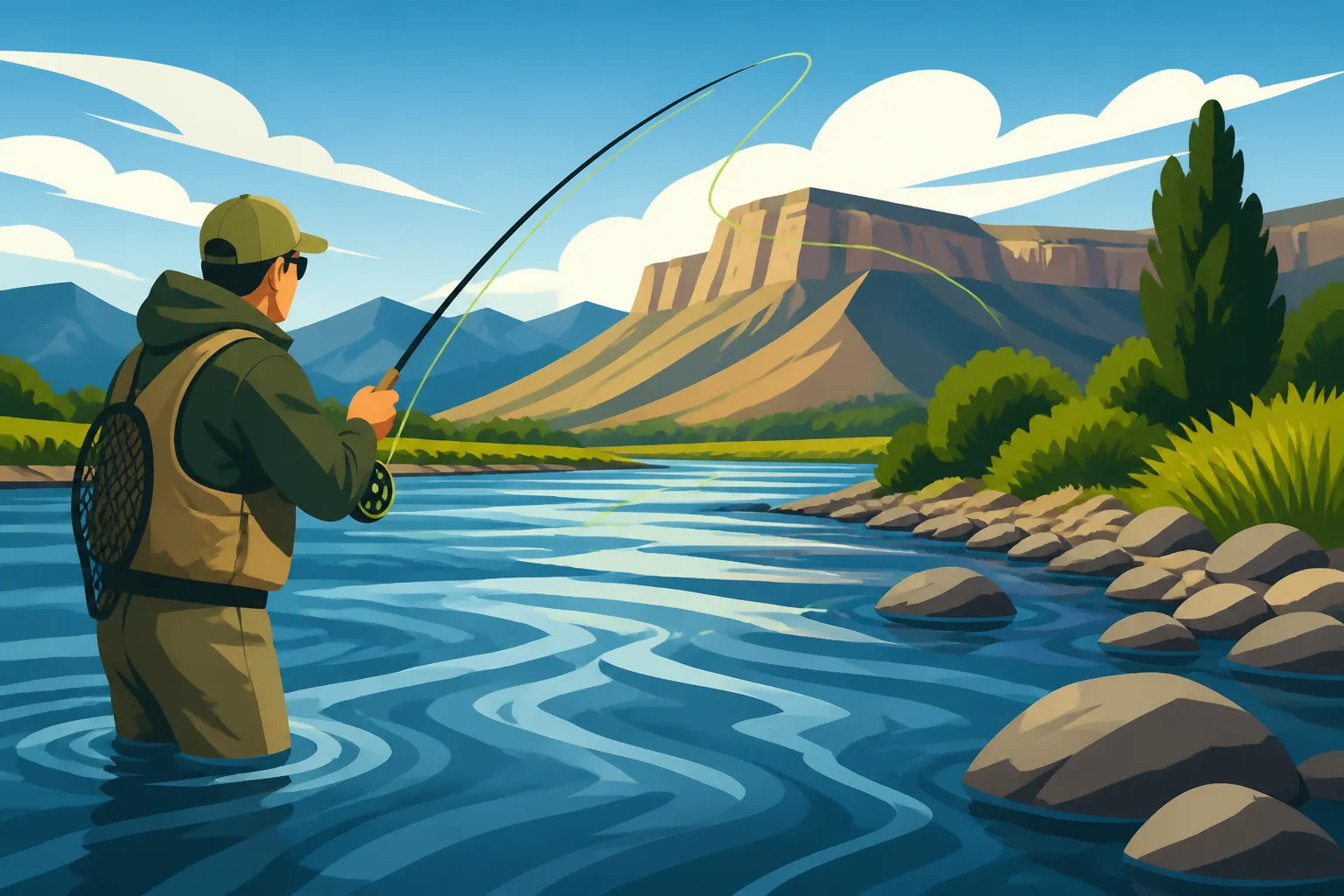
For many, fly fishing is the quintessential way to experience the Miracle Mile. The river's abundant insect life and clear waters lend themselves perfectly to this art form. The most consistently productive method on the Mile is often nymphing. A tandem nymph rig, fished under an indicator, allows you to target trout feeding on aquatic insects near the riverbed. Essential patterns include San Juan Worms, sowbugs, scuds, various pheasant tail nymphs, and stonefly imitations like Pat's Rubber Legs. Presenting these accurately and achieving a drag-free drift are critical for success.
Dry fly fishing can be exhilarating, particularly during prolific hatches. While not always a guaranteed producer, when the trout are rising to caddis, blue-winged olives, or green drakes, it offers some of the most exciting fishing imaginable. Watching a large trout slowly sip your tiny imitation off the surface is a moment you won't soon forget. Lastly, streamer fishing is a highly effective, albeit more physically demanding, technique, especially for targeting aggressive brown trout. Large, articulated streamers like Sculpzillas or Sex Dungeons can provoke violent strikes from territorial fish, particularly during the fall spawn. For a deeper dive into these methods, our guide on Fly Fishing Techniques for Wyoming Trout Streams offers excellent foundational knowledge.
Spin Fishing Strategies
While fly fishing often gets the spotlight on rivers like the Miracle Mile, spin fishing can be incredibly effective, especially for beginners or those preferring a different approach. The key is to use appropriate gear and techniques that mimic natural prey or stimulate a predatory response.
Small, inline spinners such as Mepps, Panther Martin, or Rooster Tails in sizes #1 to #3 are highly productive for both rainbow and brown trout. Vary your retrieve speed and depth until you find what the fish are reacting to. Small, brightly colored spoons like Kastmasters or Daredevils can also work well, especially when cast into deeper pools or faster runs. For a more subtle approach, consider using soft plastics like small grubs or swimbaits rigged on a lightweight jig head. These can be fished slowly along the bottom, mimicking baitfish or large nymphs. Bait fishing is permitted in certain sections of the Miracle Mile, but always check the specific regulations. If allowed, PowerBait, worms, or even corn can be surprisingly effective for stocked and wild trout alike. Regardless of your chosen lure or bait, learning How to Read Water When Trout Fishing will be immensely beneficial, as understanding where fish hold is crucial for any technique.
Essential Flies and Lures
Successfully fishing the Miracle Mile means having a well-stocked fly or tackle box that accounts for various conditions and insect life. While specific recommendations can change with the season and current hatches, a few patterns and lures are perennial producers.
For fly anglers, a strong selection of nymphs is non-negotiable. Carry a range of sizes (from tiny #18 midges to chunky #8 stoneflies) in patterns like:
- Pat's Rubber Legs (black, brown, olive)
- Pheasant Tail Nymphs
- Hare's Ear Nymphs
- Scuds and Sowbugs
- Rainbow Warriors
- San Juan Worms (red, pink, worm brown)
For dry flies, have some Caddis (Elk Hair Caddis), Blue-Winged Olives (BWO), Parachute Adams, and terrestrials (Hoppers, Ants) for summer. Streamers like Woolly Buggers (black, olive, white) and Sex Dungeons are a must for aggressive fish. Spin anglers should carry:
- Inline spinners (Mepps Aglia, Panther Martin) in various colors (gold, silver, black fury).
- Small spoons (Kastmaster, Little Cleo) in silver or gold.
- Soft plastic grubs and swimbaits in natural colors (white, brown, olive) for jigging.
Always remember that strong leader and tippet are essential due to the size and fighting power of these trout. Fluorocarbon leaders are often preferred for their stealth and abrasion resistance.
| Fishing Method | Primary Target Species | Best Conditions | Pros | Cons |
|---|---|---|---|---|
| Float Fishing (Drift Boat/Raft) | Brown, Rainbow, Cutthroat Trout | All conditions, especially high flows or when covering distance | Covers large areas, accesses unfishable wading spots, comfortable | Requires boat/guide, less intimate, expensive if guided |
| Wade Fishing (Shore/River) | Brown, Rainbow, Cutthroat Trout | Low to moderate flows, clear water | Intimate experience, precise presentations, more affordable | Limited range, can be physically demanding, flow-dependent |
Regulations and Conservation on the Mile
Fishing the Miracle Mile is an incredible privilege, and it comes with the responsibility of understanding and adhering to its specific regulations. These rules are designed to protect this precious resource and ensure that future generations can enjoy the same world-class fishing. Violations can carry significant penalties, so it's always better to be informed.
Understanding Special Regulations
The Miracle Mile, like many blue-ribbon fisheries in Wyoming, often operates under special regulations that differ from general statewide rules. It’s crucial not to assume that what applies elsewhere in Wyoming will apply here. For instance, there might be specific catch-and-release requirements for certain species or size classes, modified creel and possession limits, or restrictions on tackle types.
Before you even wet a line, you absolutely must consult the current Wyoming Fishing Regulations booklet. This document, published annually by the Wyoming Game and Fish Department, is your authoritative source. You can usually pick up a physical copy at license vendors or download a digital version from the WGFD website. Pay particular attention to the "Exceptions to General Regulations" section, where specific water bodies like the Miracle Mile will have their unique rules detailed. Failing to do so can result in fines and a ruined trip. Our guide Wyoming Fishing Regulations Every Angler Should Know provides a great overview, but always double-check the specific booklet for the Miracle Mile's current rules.
The Importance of Catch and Release
Given the reputation of the Miracle Mile as a trophy fishery, catch and release practices are not just encouraged; they are often essential for maintaining the health and abundance of its large trout populations. While harvest might be allowed for certain species or within specific size limits, many anglers choose to release all fish caught, particularly the larger ones, to ensure these magnificent breeders continue to contribute to the river's productivity.
When practicing catch and release, handle the fish with the utmost care. Use wet hands to minimize damage to their protective slime coat, and try to keep the fish in the water as much as possible, especially during warmer months. Remove hooks gently, and if a fish is deeply hooked, consider cutting the line as close to the hook as possible rather than tearing its delicate internal organs. Always revive the fish properly, holding it gently in the current until it swims away under its own power. These simple steps make a huge difference in the survival rate of released fish and contribute directly to the Miracle Mile's sustained quality as a world-class fishery.
Barbless Hook Zones
One of the most common special regulations you'll encounter on the Miracle Mile, and across many of Wyoming's premier trout streams, is the requirement for barbless hooks. This regulation is put in place specifically to facilitate safe and effective catch and release, as barbless hooks cause less damage to the fish's mouth and are much easier to remove.
Before heading out, verify if the stretch of the Miracle Mile you plan to fish is designated as a barbless hook zone. You'll find this information clearly laid out in the official Wyoming Fishing Regulations booklet. If barbless hooks are required, you can either purchase hooks that are already barbless or, more commonly, simply crimp down the barb on your existing hooks with a pair of pliers. This simple modification ensures compliance and significantly aids in the fish's survival post-release. Regulations are subject to change, so always check the most current information. Our article, Barbless Hook Requirements on the North Platte River, offers more detailed insights, and for any recent updates, also review What Changed in Wyoming's 2026 Fishing Regulations.
Planning Your Trip: Accommodations and Beyond
A trip to the Miracle Mile is more than just a day on the water; it's an adventure into one of Wyoming's wilder corners. Proper planning for accommodations, supplies, and potentially professional guidance can transform a challenging outing into an unforgettable experience.
Nearby Towns and Services
Due to its remote nature, the Miracle Mile doesn't have towns or extensive services right on its banks. The nearest full-service city is Casper, located about an hour and a half to two hours' drive to the northeast. Casper offers a wide array of hotels, motels, restaurants, grocery stores, and crucial fly shops (like North Platte Fly Shop) where you can pick up forgotten gear, get local advice, or tie up loose ends before heading to the river. It's often the hub for anglers targeting the North Platte River system.
To the west, the town of Rawlins is another option, though smaller. It provides basic amenities like gas, food, and lodging. If you prefer to stay closer to the river, there are several camping options. Primitive camping is allowed in many areas along the Miracle Mile and near Alcova Reservoir, though these spots typically lack amenities like water, restrooms, or trash service, reinforcing the need for self-sufficiency. There are also established campgrounds around Alcova Reservoir which offer slightly more developed facilities, making them a good basecamp. Always pack out everything you pack in, and leave no trace.
Guided Trips and Outfitters
For those visiting the Miracle Mile for the first time, or for anglers looking to maximize their chances of success, hiring a licensed fishing guide or outfitter is highly recommended. These professionals possess invaluable local knowledge about current conditions, fish behavior, productive techniques, and the best access points. They can take the guesswork out of your trip, allowing you to focus purely on the fishing. Many reputable guides operate out of Casper or Saratoga, offering both float and wade trips on the Miracle Mile.
Guides often provide all the necessary gear, including rods, reels, and flies or lures, making it easy for out-of-state visitors or beginners. They can also navigate the complex road system and ensure you’re fishing within regulations. Finding the right guide can sometimes feel overwhelming, but services like FishingBooker specialize in connecting anglers with licensed and vetted local guides for areas like the Miracle Mile. Using a platform like FishingBooker can streamline the booking process and help ensure you find an experienced professional to lead your adventure. Consider reviewing our comprehensive guide on Hiring a Fishing Guide in Wyoming for more tips on selecting the perfect outfitter for your trip.
Disclaimer
Please remember that fishing regulations, conditions, and access can change. Always consult the most current Wyoming Game and Fish Department regulations before planning your trip. The information provided here is for general guidance and informational purposes only.