Ling (Burbot) Fishing in Wyoming
Many anglers dream of battling a high-flying trout or a hard-fighting walleye, but there's a unique and often misunderstood fish lurking in the deep, cold waters of Wyoming's reservoirs: the Ling, also known as Burbot. For those who haven't encountered them, their elusive, nocturnal habits can make them a mystery, leading many to miss out on one of the most rewarding and delicious winter fishing experiences. This comprehensive guide is here to unravel the secrets of Ling (Burbot) fishing in Wyoming, helping you understand where to find them, when to target them, and the most effective techniques to reel in these fascinating "freshwater cod."
Understanding Wyoming's Ling (Burbot) – The Freshwater Cod
Before you can hope to catch a Ling, it's essential to understand what makes these fish so unique. They're not your typical trout or bass; Burbot are a creature of the deep, thriving in specific conditions that dictate their behavior and, consequently, how and when we fish for them. Knowing their habits is the first step to success.
What Exactly Is a Burbot?
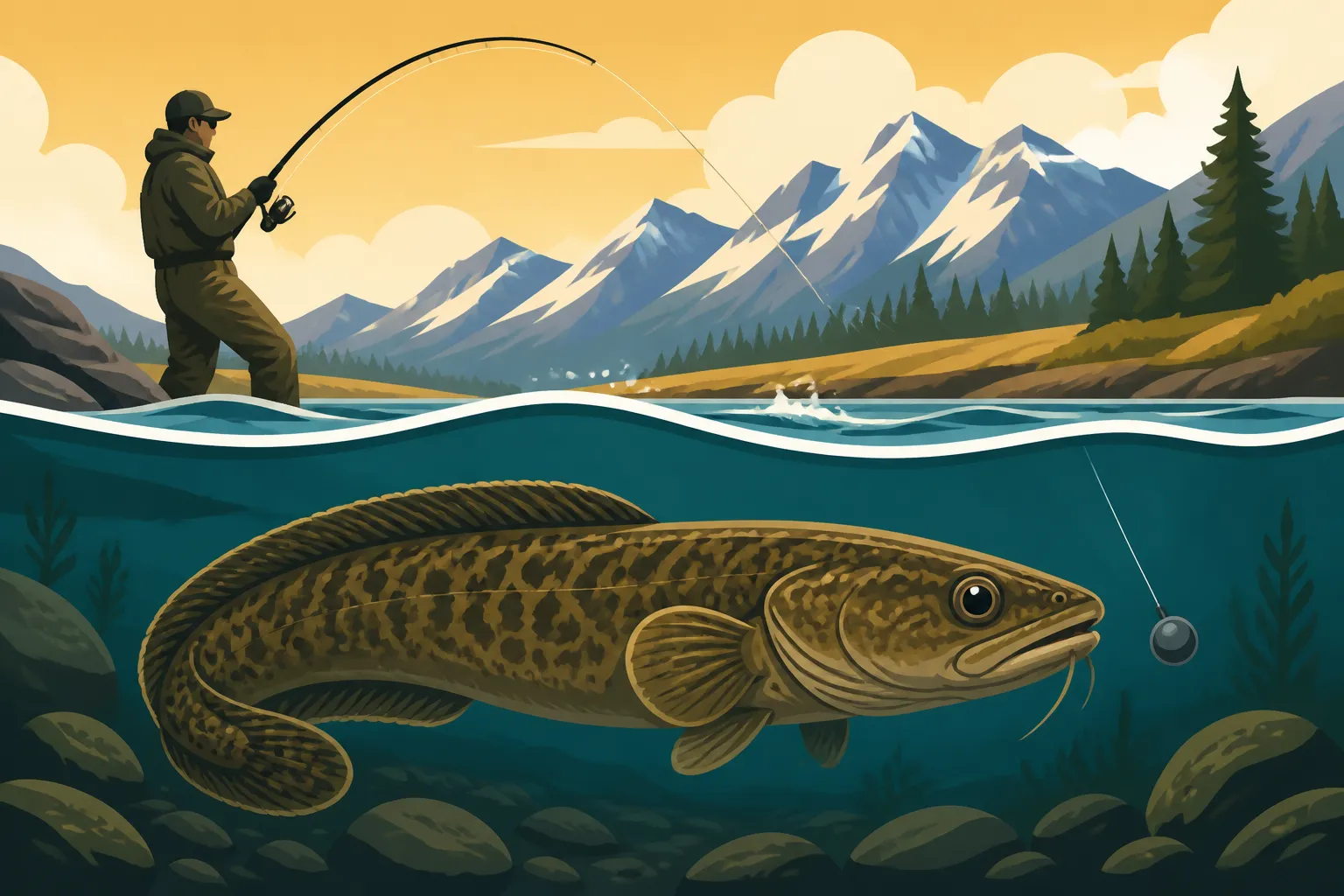
Let's clear up the confusion right away. A Burbot, often referred to as Ling here in Wyoming, is the only freshwater member of the cod family. Yes, the cod family! This heritage explains a lot about their appearance and behavior. They have a long, slender, almost eel-like body, often mottled with shades of brown and yellow, allowing them to blend perfectly with rocky or muddy bottoms. Their most distinctive feature is a single, prominent barbel (a whisker-like appendage) on their chin, which they use to forage for food in the dark.
These fish are truly creatures of the deep and cold. They thrive in frigid waters, often preferring temperatures below 50 degrees Fahrenheit, which is why they become so active in Wyoming during the winter months. Unlike many other game fish that chase flashy lures in open water, Burbot are bottom-dwellers, spending most of their lives close to the lakebed, where they hunt for smaller fish, crustaceans, and insects. Their nocturnal nature means they are most active under the cover of darkness, adding another layer of challenge and excitement to the pursuit.
Where Ling Thrive in Wyoming
Wyoming is fortunate to have several fantastic Burbot fisheries, though they are primarily concentrated in a few key reservoirs known for their deep, cold waters. These aren't fish you'll typically find in shallow streams or warm ponds; they need specific conditions to truly flourish. The deep, expansive waters of reservoirs like Flaming Gorge and Boysen provide the perfect habitat for these unique fish, offering both the necessary depth and a rich food source.
Ling are typically found near the bottom, often congregating around submerged structures such as rock piles, old river channels, humps, and steep drop-offs. These areas provide cover, ambush points for prey, and a stable environment where they can avoid light. Understanding their preferred structure is key to locating them, whether you're fishing from a boat in colder months or, more commonly, through the ice in winter. If you're looking for Where to Catch Burbot in Wyoming, these deep, cold reservoirs are your absolute best bet.
Identifying a Ling vs. Other Species
When you're pulling a fish up from the dark depths, especially during a chilly night on the ice, it's good to be sure of your catch. Identifying a Ling is usually pretty straightforward once you know what to look for, as they don't have many freshwater doppelgangers in Wyoming. The most striking characteristic is that single, prominent chin barbel—a dead giveaway that you've got a Burbot on your line.
Beyond the barbel, look for their elongated, somewhat flattened body shape, almost like a cross between a catfish and an eel, but with soft, small scales that make their skin feel smooth. Their color pattern is another tell: a distinct marbled or worm-like pattern of dark brown or olive over a lighter tan or yellowish base. They also have two dorsal fins, with the second one being very long, almost reaching their tail. While some might confuse them with a catfish in low light, catfish have multiple barbels, spiny dorsal fins, and a very different head shape. Once you've seen one, you'll know What Is a Ling Fish?.
The Best Times to Target Wyoming Ling
Ling fishing isn't a year-round affair for most anglers; it's a seasonal pursuit dictated by the fish's biology and preferences. Understanding these seasonal and daily patterns is crucial for maximizing your chances of success and experiencing the unique thrill of reeling in one of these "freshwater cod."
Why Winter Is Prime Burbot Season
There's no doubt about it: winter is the prime season for Ling fishing in Wyoming. While they can be caught in deep water during the colder parts of the open-water season, it's when the ice forms that these fish truly become accessible and active for anglers. As surface temperatures plummet and lakes freeze over, Burbot become more concentrated in certain areas and often move into shallower, more accessible depths for feeding and spawning.
The peak of Ling activity often coincides with their spawning period, which typically occurs from late winter into early spring, under the ice. During this time, they become less solitary and gather in specific areas, making them more vulnerable to anglers who understand their movements. This cold-water preference is why so many devoted Ling anglers eagerly await first ice. It's truly a unique branch of the sport, and if you're looking for an adventure, you'll definitely want to check out Ice Fishing in Wyoming: A Complete Guide.
Optimal Time of Day and Night for Ling
If winter is prime season, then night is prime time. Ling are primarily nocturnal predators, meaning their activity levels soar once the sun dips below the horizon. While you can catch them during daylight hours, especially on heavily overcast days or in very deep water, the bite often dramatically improves after dark. This is when they emerge from their daytime resting spots to actively hunt, using their keen sense of smell and their chin barbel to detect prey in the low light.
Many dedicated Ling anglers will set up their ice fishing shelters in the late afternoon, fish through the evening, and continue well into the night, sometimes even until dawn. The quiet solitude of a clear, starlit winter night on the ice, punctuated by the sudden jingle of a tip-up bell signaling a Ling bite, is an unforgettable experience. However, night fishing, especially on ice, comes with its own set of challenges and safety considerations, requiring proper lighting, warm clothing, and a buddy system.
Ideal Water and Weather Conditions
Just like any other fish, Ling can be influenced by environmental factors beyond just the calendar. When ice fishing for them, stable weather patterns tend to be the most productive. Rapid changes in barometric pressure, sudden warm-ups, or extreme cold fronts can put the fish off the bite temporarily. Clear, stable ice is not just ideal for safety but often correlates with better fishing, as it indicates consistent cold temperatures.
Regarding water conditions, Ling generally prefer clear to slightly stained water. While they are bottom dwellers and rely heavily on scent, extreme turbidity can make it harder for them to locate prey and, by extension, your bait. They are not particularly sensitive to wind and snow once under the ice, but for the angler, calmer conditions are always more comfortable and safer. However, always prioritize safety: check ice thickness diligently and be aware of any recent weather shifts that might compromise ice integrity.
Essential Gear and Techniques for Ling Fishing
Catching Ling isn't rocket science, but it does require some specialized gear and a methodical approach tailored to their bottom-dwelling, nocturnal nature. Forget your ultralight trout rod; Ling demand a bit more backbone, and a good understanding of bait presentation is crucial.
Rods, Reels, and Line for Burbot
When gearing up for Ling, think strength and durability, especially if you're targeting the bigger ones found in places like Flaming Gorge. You'll want a medium-heavy to heavy action ice fishing rod, typically 30-40 inches long, with a sensitive tip but plenty of backbone to handle a strong, thrashing fish in a small ice hole. A sturdy spinning reel in the 2500-4000 series size, or a baitcaster, spooled with 10-20 lb monofilament or braided line, is ideal. Many anglers prefer braided line for its sensitivity and strength, often adding a fluorocarbon leader for abrasion resistance against sharp ice edges and the Ling's rough mouth.
Monofilament offers good stretch, which can be forgiving, but braid's zero stretch helps detect subtle bites in deep water. Whatever you choose, ensure your knots are strong and your gear is in good condition, as battling a large Ling through an ice hole can put a lot of stress on your equipment. You can find excellent options for specialized ice fishing rods and reels on platforms like Amazon, perfectly suited for the demands of Wyoming's winter conditions.
Baits and Lures That Attract Ling
Here's where the "freshwater cod" really shines: they are opportunistic scavengers and predators with an incredible sense of smell. This means scent is your number one tool. The most effective bait for Ling is fresh cut bait, particularly oily fish like sucker, chub, or even anchovies. Many anglers swear by sucker meat, cut into strips or small chunks, sometimes with the skin on for added visibility and scent dispersion. Some even "charge" their cut bait by letting it sit in fish oil or special scent attractants.
Pair your cut bait with a glow-in-the-dark jigging spoon or a rattle spoon. The glow acts as a visual attractor in the dark depths, and the rattles can help call fish in from a distance, mimicking struggling prey. Tipping these jigs with a piece of cut bait adds that irresistible scent. While Ling will occasionally hit artificial lures, the combination of visual attraction and potent scent from natural bait is undeniably the most consistent producer. Don't be afraid to experiment with different sizes and colors of glow spoons until you find what they're hitting.
Setting Up for Success: Tip-Ups and Deadsticks
Successful Ling fishing, especially at night, often involves a multi-rod approach. Most anglers deploy several tip-ups, which are devices that hold your line and signal a bite by raising a flag. This allows you to cover a wider area and present multiple baits at different depths. For tip-ups, a simple hook (size 2 to 4/0, depending on bait size) on a fluorocarbon leader with an appropriate weight to get it to the bottom is usually sufficient. Place your bait a few inches to a foot off the bottom, or directly on the bottom, as Ling are notorious for rooting around in the muck.
In addition to tip-ups, many anglers will actively fish a "deadstick" rod in a separate hole. This is simply a rod left unattended or held, often with a glow jig and bait, but without the active jigging motion. Sometimes, the subtle movement of currents or the bait itself is all it takes to entice a wary Ling. Remember to check local regulations on how many rods or lines you can fish at one time. For safety and convenience during those dark winter nights, a good headlamp is indispensable, and many anglers even attach small glow sticks to their tip-up flags for easy visibility. You can find comprehensive Ice Fishing Gear Checklist for Wyoming Lakes online, making sure you have everything you need for a comfortable and productive outing.
Top Wyoming Spots for Ling (Burbot) Fishing
Wyoming offers some fantastic opportunities for Ling fishing, but like any specialty fishery, knowing the prime locations is half the battle. While Ling are present in several bodies of water, two reservoirs consistently stand out as the top producers for both quantity and quality.
Flaming Gorge Reservoir: A Ling Powerhouse
Flaming Gorge Reservoir, straddling the Wyoming-Utah border, is arguably the premier Ling (Burbot) fishery in the state, if not the entire region. Known for its vast, deep, and incredibly cold waters, it provides the perfect habitat for these unique freshwater cod. Anglers come from all over to target the Gorge's Ling, especially during its famous annual Burbot Bash, which encourages harvest to help manage the population.
The sheer size of Flaming Gorge means there's a lot of water to cover, but Ling tend to congregate in certain areas. Look for deep main lake points, submerged humps, and old river channels. The Buckboard and Lucerne areas on the Wyoming side are popular starting points, offering good access and a history of productivity. Fishing at depths of 40 to 80 feet is common, but don't be afraid to experiment shallower or deeper based on current conditions. The structure and food sources in Flaming Gorge allow Ling to grow to impressive sizes, making it a truly rewarding destination. If you're heading to the Wyoming side, exploring areas like Fishing the Buckboard Area of Flaming Gorge, Wyoming can give you an excellent start.
Boysen Reservoir: Another Prime Location
While Flaming Gorge often steals the spotlight, Boysen Reservoir, located near Shoshoni, is another fantastic and very popular Ling fishery in Wyoming. Boysen is a large, diverse reservoir known for its walleye and trout, but come winter, the Ling fishery comes alive. The reservoir's varied bottom structure, with its mix of rocky areas, muddy flats, and submerged timber, provides ample habitat for Burbot to thrive.
Anglers at Boysen often find success fishing similar structures to Flaming Gorge, focusing on contours and drop-offs in depths ranging from 20 to 60 feet. Access is generally good, with several public boat ramps and shoreline access points that become popular ice fishing locations. Boysen's Ling might not always reach the gargantuan sizes seen in Flaming Gorge, but it offers a consistent and often fast-paced bite, making it an excellent choice for anglers looking for steady action. Beyond Ling, it's also a great spot for Boysen Reservoir's Best Walleye Water, offering a diverse winter angling experience.
Other Productive Ling Waters in Wyoming
While Flaming Gorge and Boysen are the undisputed kings, Ling can also be found in other Wyoming waters, albeit often in smaller numbers or less concentrated populations. Reservoirs like Fontenelle on the Green River system can hold decent populations, particularly in their deeper sections. These secondary fisheries might require a bit more exploration and patience, but they can offer a quieter, more solitary fishing experience away from the crowds of the more popular spots.
When exploring these less-known waters, apply the same principles: look for deep, cold water with abundant structure, and focus your efforts during the prime winter, nighttime hours. Always consult the most current Wyoming Game and Fish Department regulations for water-specific rules and seasons before heading out. Sometimes, discovering a hidden gem can be just as rewarding as fishing a well-known hotspot.
Regulations and Responsible Ling Angling
Fishing responsibly in Wyoming means understanding the rules, practicing ethical angling, and doing your part to protect our precious aquatic resources. Ling fishing is no exception, and while they are a robust species, adhering to regulations and best practices ensures healthy fisheries for years to come.
Key Wyoming Regulations for Burbot
Before you even hit the ice or cast a line, ensure you have the appropriate Wyoming fishing license. Wyoming Fishing Regulations Every Angler Should Know are published annually by the Wyoming Game and Fish Department (WGFD) and are your go-to resource for specific rules regarding Ling. You can typically purchase licenses online or from authorized vendors across the state. Whether you're a resident or non-resident, daily, multi-day, or annual options are available. Be sure to understand your options, such as Wyoming's Daily and Five-Consecutive-Day Nonresident Licenses.
Key regulations to pay attention to for Ling will include bag and possession limits, which dictate how many fish you can keep per day and how many you can have in your possession. These limits are set to manage fish populations and can vary by water body, so always double-check the specific regulations for the lake or reservoir you plan to fish. While Ling typically have generous limits due to their predatory nature and sometimes overpopulation concerns, ignorance of the law is never an excuse. Always carry your license and be prepared to show it to a game warden if requested.
Catch and Release vs. Harvest
Unlike some highly prized trout species where catch and release is encouraged, Ling are often considered an excellent table fare, and their harvest is frequently promoted, especially in certain reservoirs like Flaming Gorge, where they can compete with native species or other game fish. If you enjoy eating your catch, Ling offers firm, white, flaky meat that is often compared to lobster when cooked properly. Is Ling (Burbot) Good to Eat? Absolutely!
If you do plan to harvest Ling, make sure you understand the correct way to handle them. They are slimy fish, so a good grip is essential. Many anglers dispatch them quickly and humanely upon catching, especially in freezing temperatures, to preserve meat quality. If you're releasing a Ling, handle it as little as possible, support its body, and quickly return it to the water. The WGFD's regulations booklet or website often provides specific guidance on these practices.
Preventing Invasive Species Spread
One of the most critical responsibilities for any angler in Wyoming is preventing the spread of aquatic invasive species (AIS). This is especially pertinent when moving between different water bodies, which is common for Ling anglers who might visit multiple reservoirs over the winter. The "Clean, Drain, Dry" protocol is paramount:
- Clean: Remove all mud, plants, and debris from your boat, trailer, waders, and fishing gear (including augers and tip-ups) before leaving the access area.
- Drain: Drain all water from your boat, livewell, bilge, and engine. Open all drain plugs.
- Dry: Allow all equipment to thoroughly dry before using it in another water body. If drying isn't possible, wash with hot, high-pressure water.
Bait transport is another key area. Never transport live bait from one water body to another, and always dispose of unused bait in the trash, not back into the water. AIS like zebra and quagga mussels can devastate fisheries, and preventing their spread is a collective effort. Taking a Guided Ice Fishing Trips in Wyoming often means your guide will handle these aspects for you, but it's important for independent anglers to be diligent. By taking these simple steps, you become a steward of Wyoming's waters, ensuring that these incredible fisheries remain healthy and productive for generations to come.
Disclaimer
This article is for general informational purposes only and does not constitute professional advice. Laws, prices and regulations vary by location and change over time. Consult a qualified professional for guidance on your specific situation.